Key Takeaways
-
Wear your retainer consistently as directed by your dentist—full-time for several months after treatment, then nightly. Even skipping a few nights causes measurable tooth movement that’s harder to reverse.
-
Replace your retainer when it shows signs of wear: clear retainers last 1–3 years, wire Hawley retainers 5–10 years. A worn retainer that no longer fits snugly cannot hold teeth in place effectively.
-
See your dentist immediately if your retainer doesn’t fit, feels significantly tight, or is cracked/bent. Early intervention prevents major relapse that may require full retreatment with braces or aligners.
-
Store your retainer properly in its case away from heat, pets, and napkins. Clean it daily with cool water and gentle soap, never hot water or toothpaste, to maintain fit and comfort.
-
Attend dental checkups twice yearly so your dentist can detect early tooth movement before it becomes significant and assess whether your retainer still fits correctly.
-
If teeth have already shifted, solutions range from resuming consistent wear for mild movement to new retainers or refinement aligners for moderate cases. Significant relapse may require repeating orthodontic treatment.
You finished orthodontic treatment. Your teeth look amazing. You got your retainer. And then… your teeth start shifting anyway. Sound familiar? If your retainer not working and teeth moving is something you’re experiencing, you are not alone. This is one of the most common — and most frustrating — things patients deal with after straightening their teeth.
The good news? Most of the time, shifting teeth after orthodontic treatment is preventable. And in many cases, it’s fixable. The key is catching the problem early and knowing what mistakes to avoid. In this article, we’ll walk you through 9 mistakes that could be causing your retainer to fail — and what you can do about each one right now.
Why Retainers Matter So Much
After braces or Invisalign treatment, your teeth are in their ideal positions — but the bone and tissue around them haven’t fully stabilized yet. Your retainer holds everything in place while that process happens. Think of it like letting cement dry. Without the retainer, teeth can drift back toward their old positions. This is called relapse, and it can happen faster than you think.
If you’ve ever read about whether you need to wear a retainer forever after Invisalign, you already know that retainer wear is a lifelong commitment for most people. Skipping it — even briefly — can lead to movement that’s hard to reverse without additional treatment.
The 9 Biggest Retainer Mistakes (And How to Fix Them)
Mistake 1: Not Wearing It Enough Hours Per Day
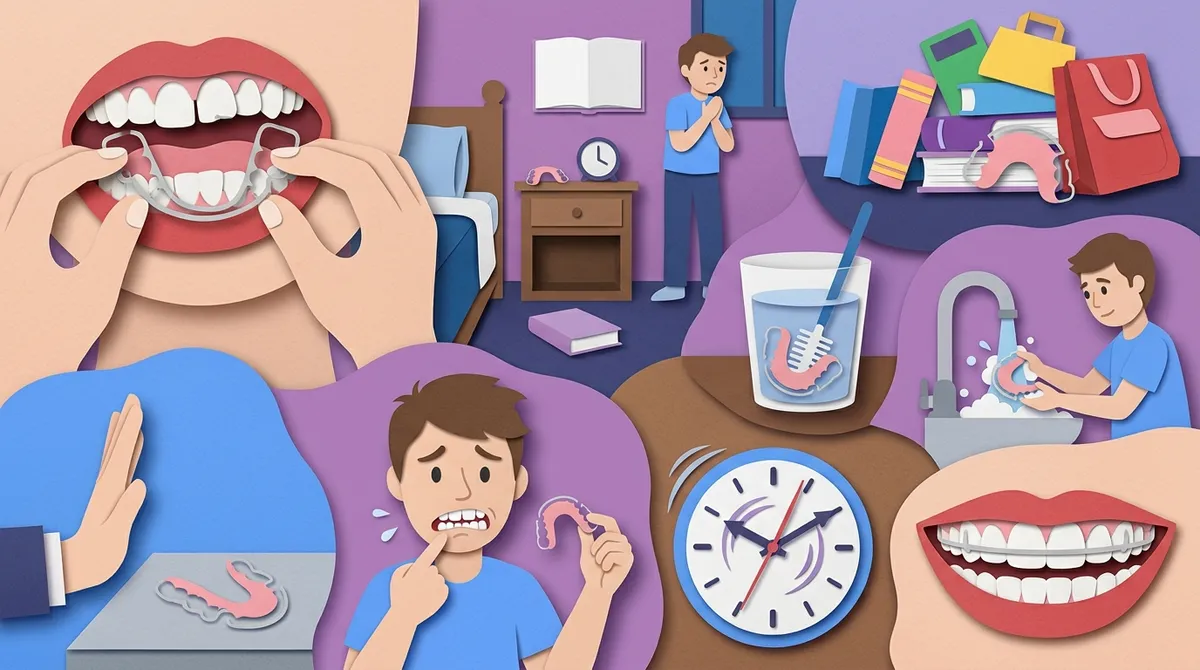
This is the number one reason retainers stop working. Most dentists recommend wearing your retainer full-time for at least the first several months after treatment — then switching to nights only. If you’re only wearing yours a few hours here and there, your teeth have plenty of time to move.
- Wear your retainer as directed by your dentist
- If you’re unsure how many hours per day, ask at your next checkup
- Set phone reminders to help build the habit
- Track your wear time in a simple journal or app
Mistake 2: Skipping Nights
Once you’re on nighttime-only wear, skipping even a few nights can cause your retainer to feel tight the next morning. That tightness is your teeth telling you they moved. If your retainer feels tight and your teeth are moving, don’t force it. See your dentist soon.
Consistent nighttime wear is the most effective way to maintain your results long-term. Make it as automatic as brushing your teeth before bed.
Mistake 3: Not Replacing a Worn-Out Retainer
Retainers don’t last forever. Over time, the plastic warps, the wire bends, or the material simply wears thin. A retainer that looks fine might actually no longer fit snugly enough to hold your teeth in place. Here’s a helpful overview of retainer lifespan:
| Retainer Type | Average Lifespan | Signs It Needs Replacing |
|---|---|---|
| Clear Plastic (Essix) | 1–3 years | Cracks, yellowing, warping, poor fit |
| Hawley (Wire/Acrylic) | 5–10 years | Bent wire, loose fit, broken acrylic |
| Fixed/Bonded | 5–10+ years | Bond failure, broken wire, gaps forming |
| Vivera (Invisalign) | 2–4 years | Discoloration, warping, looseness |
If your retainer is past its prime, it may simply not be doing its job anymore. Talk to your dentist about getting a new one. You can also learn more about retainer cost facts after Invisalign to know what to expect financially.
Mistake 4: Storing It Incorrectly
Leaving your retainer on a napkin at a restaurant (and then accidentally throwing it away) is practically a rite of passage. But even if it doesn’t get tossed, improper storage can warp or damage it. Heat is especially harmful to clear retainers.
- Always store your retainer in its case
- Never leave it in a hot car or near a heater
- Keep it away from pets — dogs love to chew them
- Rinse it before putting it away to prevent bacteria buildup
Mistake 5: Ignoring a Broken or Bent Retainer
If your retainer is cracked, bent, or a wire has come loose, it’s no longer functioning correctly. Many people continue wearing a broken retainer, thinking it’s better than nothing. Sometimes it is — but a broken retainer can also cause uneven pressure and actually contribute to unwanted movement.
Don’t wait. If something seems off with your retainer, reach out to your dental team right away to have it evaluated and replaced if needed. The sooner you act, the less movement occurs.
Mistake 6: Not Cleaning It Properly
A dirty retainer can harbor bacteria, cause bad breath, and even lead to gum irritation that makes wearing it uncomfortable. If wearing your retainer is unpleasant, you’re less likely to keep it in — and that leads to teeth shifting. Here’s a simple cleaning guide:
| Cleaning Method | Safe for Clear Retainers? | Safe for Hawley Retainers? | Frequency |
|---|---|---|---|
| Rinse with cool water | Yes | Yes | Every time you remove it |
| Gentle soap and toothbrush | Yes (mild soap only) | Yes | Daily |
| Retainer cleaning tablets | Yes | Yes | Weekly |
| Hot water rinse | No — warps plastic | Use lukewarm only | Never |
| Toothpaste | No — too abrasive | No | Never |
Mistake 7: Assuming the Retainer Fits When It Doesn’t
Sometimes people put in their retainer and it feels a little off — not quite right, slightly uncomfortable — and they just assume that’s normal. It’s not. A properly fitting retainer should feel snug but not painful. If yours is causing discomfort, it may no longer fit your teeth correctly.
This can happen if you went a few days without wearing it and your teeth moved slightly. If you can spot signs that your broken retainer is causing teeth relapse, it’s time to take action. Don’t force it in — that can cause more harm than good.
Mistake 8: Skipping Regular Dental Checkups
Your dentist is your best ally in keeping your smile stable. Regular checkups allow your dental team to spot early signs of shifting before they become major problems. They can also assess whether your retainer still fits properly and whether a replacement is needed.
At general dentistry visits, your provider will look at your overall oral health — including whether your bite and alignment are staying where they should be. Don’t skip these appointments just because your teeth look fine. A small amount of movement caught early is much easier to correct than months of unchecked shifting.
If you’re in the Brandon, FL area and want to check on your retainer fit or overall oral health, we’d love to help. You can visit us on Google — Dental Theory to read reviews and get directions to our office.
Mistake 9: Switching Retainer Types Without Guidance
Maybe you lost your clear retainer and switched to a wire one on your own, or vice versa. Or maybe you’re wondering if you can switch retainer types after Invisalign without checking with your dentist. The answer is: always ask first. Different retainer types work differently, and switching without guidance can leave gaps in your protection.
- Each retainer type has pros and cons
- Your dentist knows which type is best for your unique situation
- Fixed vs. removable options are worth discussing with your provider
- Read about fixed retainer vs removable durability mistakes to better understand your options
What Happens When Teeth Actually Move
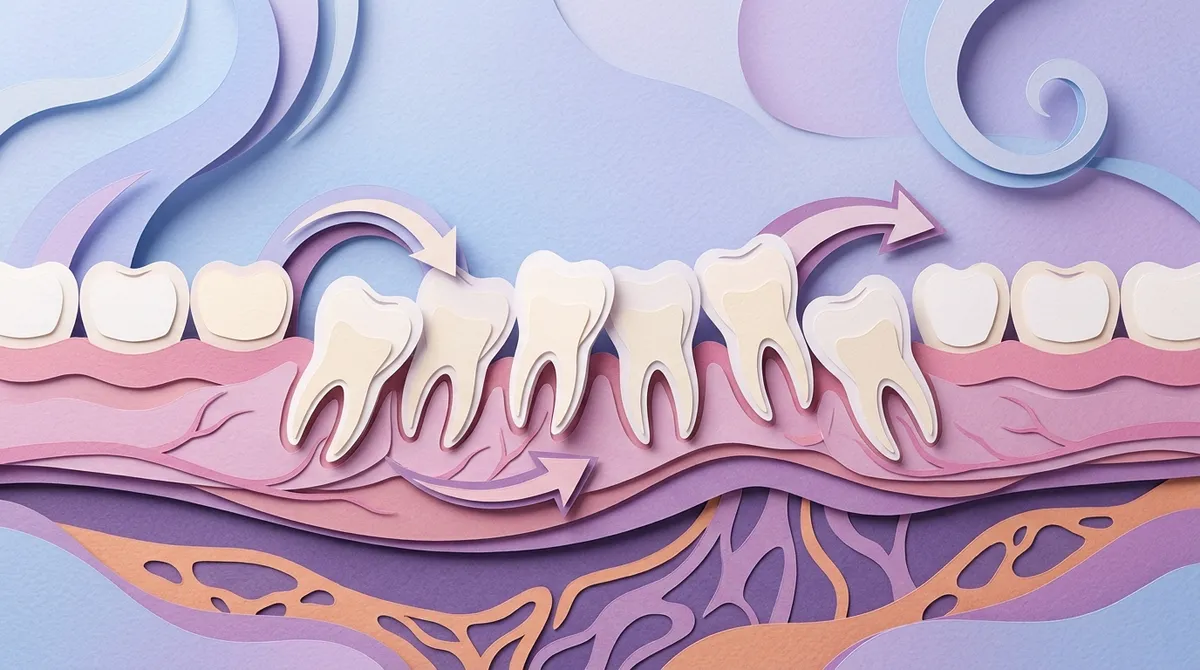
So what do you do if the damage is already done? The answer depends on how much movement has occurred. Here’s a general breakdown:
| Degree of Movement | Likely Cause | Possible Solution |
|---|---|---|
| Mild (retainer feels tight) | A few days without wear | Resume consistent retainer use |
| Moderate (retainer won’t fit) | Weeks or months without wear | New retainer or refinement aligners |
| Significant (visible shifting) | Extended gap in treatment | Repeat orthodontic treatment may be needed |
| Severe (major relapse) | No retention protocol followed | Full retreatment with braces or Invisalign |
If you completed your treatment with Invisalign and you’re experiencing shifting, it’s worth reviewing the final stages of Invisalign treatment to understand what your retention protocol should look like. Invisalign also offers Vivera retainers, which are made from a durable material specifically designed for long-term wear.
Can a Dentist Help if Your Retainer Stopped Working?
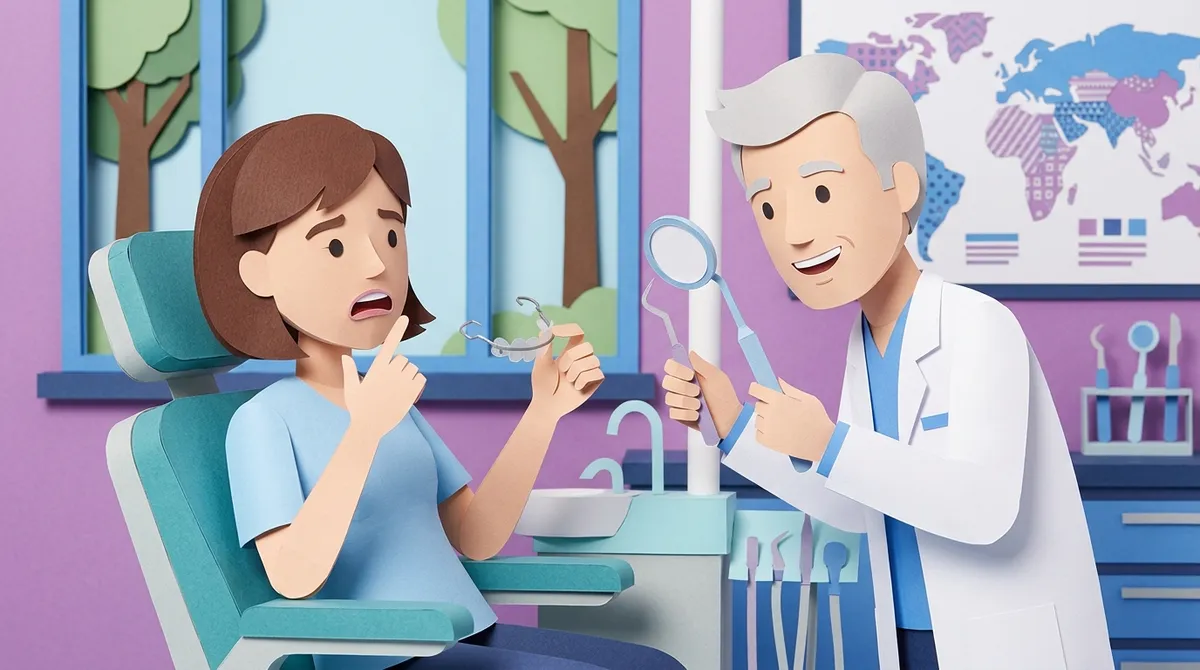
Absolutely — and the sooner, the better. Depending on how much movement has occurred, your dentist may recommend a new retainer, a short course of refinement aligners, or a different retention strategy. The comprehensive exam your dentist performs will help identify the best next step.
At Dental Theory in Brandon, FL, our team takes a personalized approach to every smile. Whether you’re dealing with mild shifting or significant relapse, we’ll help you figure out exactly what’s going on and create a plan to protect your results. You can schedule an appointment online — it’s quick and easy.
Tips to Keep Your Smile Stable Long-Term
Prevention is always easier than correction. Here are some simple habits that will help your retainer do its job and your smile stay put:
- Wear your retainer every single night — consistency is everything
- Clean it daily so it stays comfortable and hygienic
- Keep it in its case whenever it’s not in your mouth
- See your dentist twice a year for checkups and retainer evaluations
- Replace your retainer when it shows signs of wear or no longer fits snugly
- Don’t skip dental visits — early detection prevents bigger problems
- Address discomfort early — don’t tough it out if something feels wrong
These habits are simple, but they make a huge difference. If you want to stay on top of your oral health overall, check out our guide on oral hygiene mistakes you’re probably making right now — many of them affect retention too.
When to See Your Dentist Right Away
Some situations call for prompt attention. Don’t wait for your next scheduled visit if you notice any of the following:
- Your retainer suddenly doesn’t fit at all
- You see visible gaps forming between your teeth
- Your bite feels different when you chew
- A fixed/bonded retainer wire has come loose
- Your retainer is cracked or broken
These are signs that teeth are moving and time matters. The faster you act, the more options you have for correcting the problem without extensive retreatment. You can also visit us on Facebook to message our team or stay updated on tips and office news.
The Bottom Line on Retainers and Shifting Teeth
A retainer not working and teeth moving is stressful — especially after all the time and effort you put into straightening your smile. But in most cases, the solution is simpler than you think. Consistent wear, proper care, regular dental checkups, and prompt attention when something feels off are the four pillars of keeping your smile where it belongs.
Don’t let small shifts turn into big problems. Whether you need a new retainer, an evaluation, or guidance on what to do next, your dental team is here to help. Reach out to the friendly team at Dental Theory in Brandon, FL today — we’d love to help you protect the smile you worked so hard to achieve.
FAQs
Q: Why is my retainer not working and my teeth are moving?
A: The most common reasons are not wearing it often enough, wearing a worn-out retainer, or using a broken one that no longer fits correctly. Even a few days without your retainer can cause noticeable shifting — so consistency is really key! Talk to your dentist if your retainer feels loose or uncomfortable.
Q: Can teeth shift back after wearing my retainer again?
A: It depends on how much movement occurred. If the shifting is mild, resuming consistent retainer wear may help. But if your teeth have moved significantly, a new retainer or additional orthodontic treatment may be needed. Your dentist can evaluate the situation and recommend the best path forward.
Q: How often should I replace my retainer?
A: Clear plastic retainers typically last 1–3 years, while wire Hawley retainers can last up to 10 years with proper care. If yours feels loose, looks worn, or no longer fits snugly, it’s time to get a new one. Don’t wait — a retainer that doesn’t fit can’t do its job!
Q: What should I do if my retainer doesn’t fit anymore?
A: Don’t force it! A retainer that no longer fits properly means your teeth have shifted. Schedule a visit with your dentist as soon as possible to assess how much movement has occurred and what your next step should be. The sooner you go, the more options you’ll have.
Q: Is it normal for my retainer to feel tight in the morning?
A: A very slight snugness is normal, especially if you just put it in. But if it feels noticeably tight or painful, that’s a sign your teeth may have shifted while you slept — or that you skipped a few nights of wear. Check in with your dental team if the tightness doesn’t go away after a few days of consistent wear.