Key Takeaways
-
Teeth can shift within days of stopping retainer wear due to periodontal ligament fibers pulling teeth toward original positions; noticeable movement occurs within weeks and becomes harder to correct without further treatment.
-
Wear your retainer full-time for 3-6 months after orthodontic treatment, then transition to nightly wear; stopping suddenly causes relapse, so gradual reduction is essential to maintain results.
-
Schedule dental checkups twice yearly to catch early signs of shifting before they become major problems and verify your retainer still fits correctly.
-
If your retainer no longer fits properly, contact your dentist immediately instead of forcing it in, as ill-fitting retainers can damage teeth and gums; replacement options include new retainers or clear aligners.
-
Replace lost or broken retainers within 1-2 days by contacting your dentist; digital impressions allow quick turnaround and prevent accelerated tooth shifting.
-
Build retainer habits by keeping it next to your toothbrush, setting phone reminders, and cleaning it daily; for those struggling with compliance, ask your dentist about fixed bonded retainers as a permanent solution.
You worked hard for that straight smile. Maybe you went through months of Invisalign treatment. Maybe you wore braces for years. Either way, the big day finally came — your orthodontic treatment ended, and you had a beautiful, aligned smile to show for it. Then life got busy, and you stopped wearing your retainer. Sound familiar?
Here’s the hard truth: when you stop wearing your retainer, teeth shift. It’s one of the most common — and most frustrating — dental problems people face after orthodontic treatment. The good news? Most of these mistakes are completely avoidable. In this article, we’ll walk you through the 6 biggest mistakes that cause teeth to shift after retainer use stops, and what you can do about it right now.
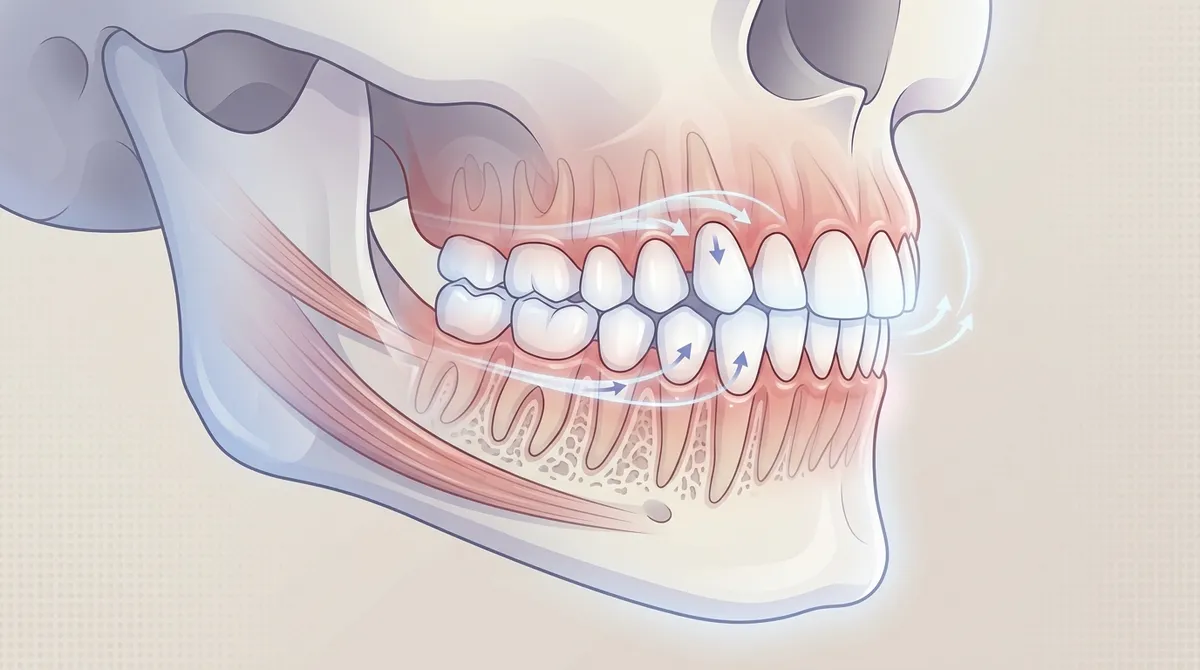
Why Do Teeth Shift When You Stop Wearing Your Retainer?
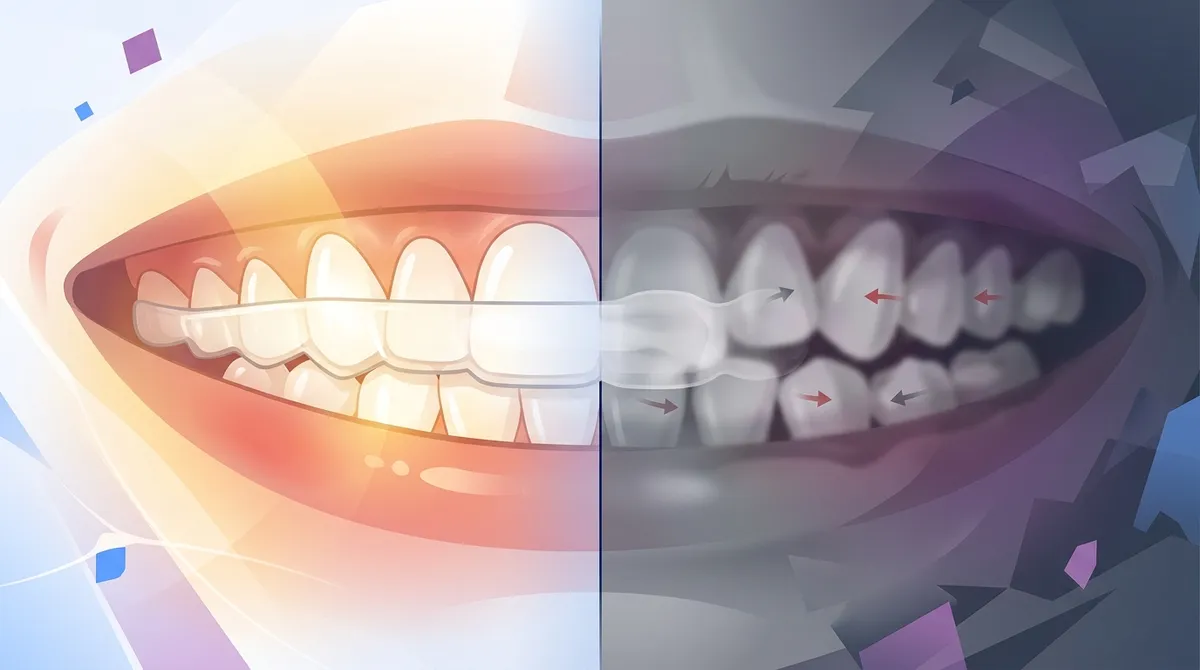
Your teeth are not locked in place. They are held in position by a network of fibers called the periodontal ligament. These fibers have memory. After orthodontic treatment, they naturally want to pull your teeth back toward their original position. This process is called orthodontic relapse.
A retainer holds your teeth in their new positions while those fibers slowly adjust. Without consistent retainer wear, your teeth can begin shifting within just a few days. For many people, noticeable movement can happen in just a few weeks. The longer you go without wearing your retainer, the harder it becomes to correct the shift without further treatment.
If you’re curious about life after orthodontic treatment, this guide on whether you need to wear a retainer forever after Invisalign is a great place to start.
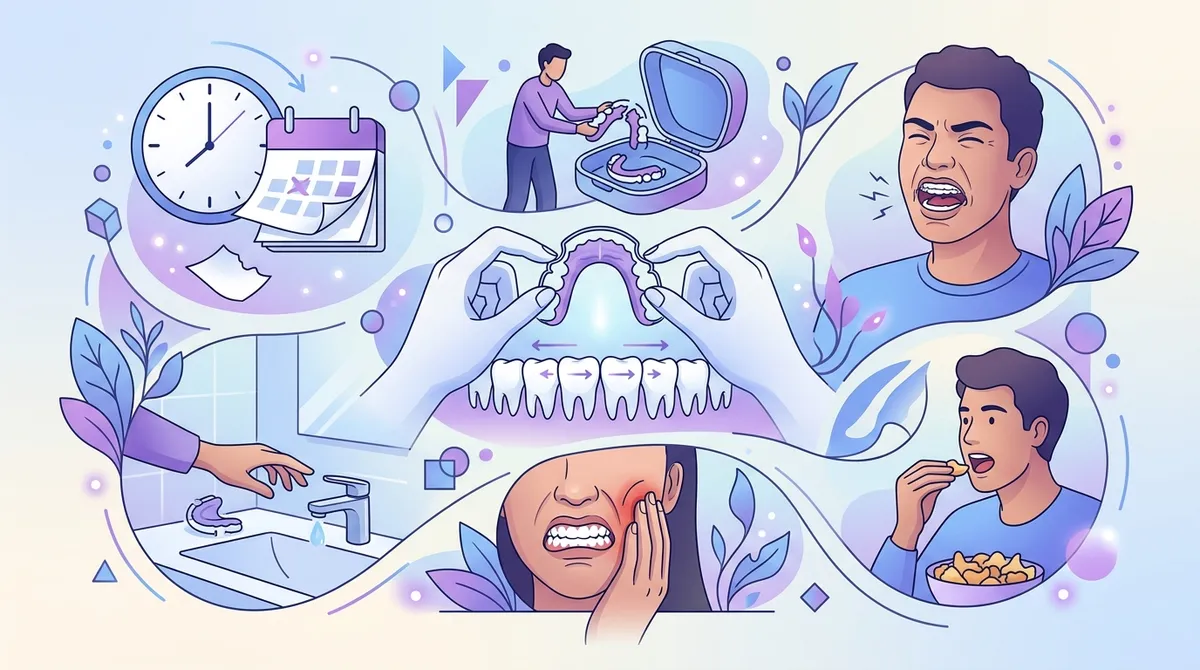
The 6 Mistakes That Make Teeth Shift Worse
Mistake 1: Stopping Retainer Wear Cold Turkey
This is the most common mistake people make. Treatment ends, and they simply stop wearing the retainer entirely. No gradual reduction. No weaning off. Just… done.
Your teeth need time to stabilize. Most orthodontists recommend wearing your retainer full-time for the first several months after treatment. After that, nightly wear is usually enough to maintain your results long-term. Going from full-time wear to zero wear overnight is a recipe for relapse.
- Wear your retainer full-time for the first 3–6 months post-treatment
- Transition to nightly wear only after your dentist gives you the go-ahead
- Even years later, many adults benefit from wearing their retainer a few nights a week
- Never skip more than one or two nights in a row during the early phase
Mistake 2: Assuming Your Teeth Are “Set” After Treatment Ends
Many patients think that once treatment is over, the job is done. This is a dangerous assumption. Teeth can and do shift at any age. There is no magic point where your smile becomes permanently fixed.
As we get older, natural changes in our jaw and bone structure can also cause slight shifting. This happens even to people who never had orthodontic treatment. Wearing a retainer consistently is the only reliable way to maintain your alignment over time.
| Time Without Retainer | What May Happen | Difficulty to Correct |
|---|---|---|
| A few days | Minor tightness when retainer is placed back | Easy — retainer may fix it |
| 1–2 weeks | Noticeable pressure, slight movement begins | Moderate — may still use retainer |
| 1–3 months | Visible shifting, retainer may not fit anymore | Harder — may need retreatment |
| 6+ months | Significant relapse, crowding may return | Likely needs new orthodontic treatment |
Mistake 3: Not Visiting Your Dentist for Regular Checkups
Skipping regular dental visits is one of the biggest factors that allow retainer issues to go unnoticed. A dentist can spot early signs of shifting before they become a major problem. They can also check whether your retainer still fits correctly or whether it needs to be replaced.
At Dental Theory in Brandon, FL, the team makes it easy for families to stay on top of their dental health. Whether you’re due for a routine cleaning or you’ve noticed your retainer feels a little too tight (or too loose), getting checked out sooner rather than later can save you a lot of time and expense down the road. You can reach out to Dental Theory to schedule a visit at your convenience.
Routine checkups are part of good general dentistry care, and they should never be skipped — especially if you’ve had orthodontic treatment in the past.
Mistake 4: Ignoring a Retainer That No Longer Fits
If you take a break from wearing your retainer and then try to put it back in, you might notice it feels tight or doesn’t fit the same way. Many people force it in anyway and hope for the best. This is a mistake.
A retainer that no longer fits is a clear sign that some shifting has already occurred. Forcing a poorly-fitting retainer could damage your teeth or your gums. The right move is to see your dentist right away. They can assess how much shifting has taken place and recommend the best next step — whether that’s a new retainer, a set of clear aligners, or another solution.
- Stop wearing the retainer if it causes significant pain or feels completely wrong
- Contact your dental provider as soon as possible
- Bring the old retainer with you to your appointment for comparison
- Ask your dentist whether a new retainer or orthodontic retreatment is needed
- Do not try to adjust or bend the retainer yourself at home
Mistake 5: Losing or Breaking Your Retainer and Not Replacing It
Retainers get lost. They get accidentally thrown away in napkins at restaurants. Pets chew on them. Kids misplace them. Life happens. But here’s where many people make a costly mistake: they don’t replace the retainer right away.
Every day that passes without a retainer is a day your teeth can shift. The longer you wait, the more movement can occur. If your retainer is lost or broken, call your dentist within a day or two — not a week or month later.
- Retainers can usually be replaced fairly quickly
- Some dental offices can create a new one using digital impressions for faster turnaround
- Keep your retainer in its case when not in use to avoid losing it
- Avoid wrapping retainers in napkins or paper towels at meals
- Store your retainer in the same spot every time so you always know where it is
| Retainer Type | How Long It Lasts | Best For |
|---|---|---|
| Clear plastic (Essix) | 1–3 years with proper care | Invisalign patients, discreet option |
| Wire (Hawley) | 5–10 years | Durability, some adjustability |
| Fixed (bonded) | Many years if cared for | High-relapse-risk patients, lower anterior teeth |
Mistake 6: Skipping Retainer Wear During Lifestyle Changes
Big life changes — starting college, moving to a new city, having a baby — often disrupt good habits. Retainer wear is one of the first things to fall by the wayside. It might not seem like a big deal in the moment, but even a few months of missed wear can result in noticeable shifting.
This mistake is especially common in young adults who finished orthodontic treatment in their teens. By the time they’re in their 20s, the retainer routine has faded, and so has some of their alignment. If this sounds like you, don’t worry — you’re not alone, and there are options to help get your smile back on track.
If you’ve experienced relapse after stopping retainer wear, you might want to explore Invisalign treatment as a way to realign your teeth. The final stages of Invisalign treatment always include a retainer phase — so this time, you’ll know exactly how important it is to keep wearing it.
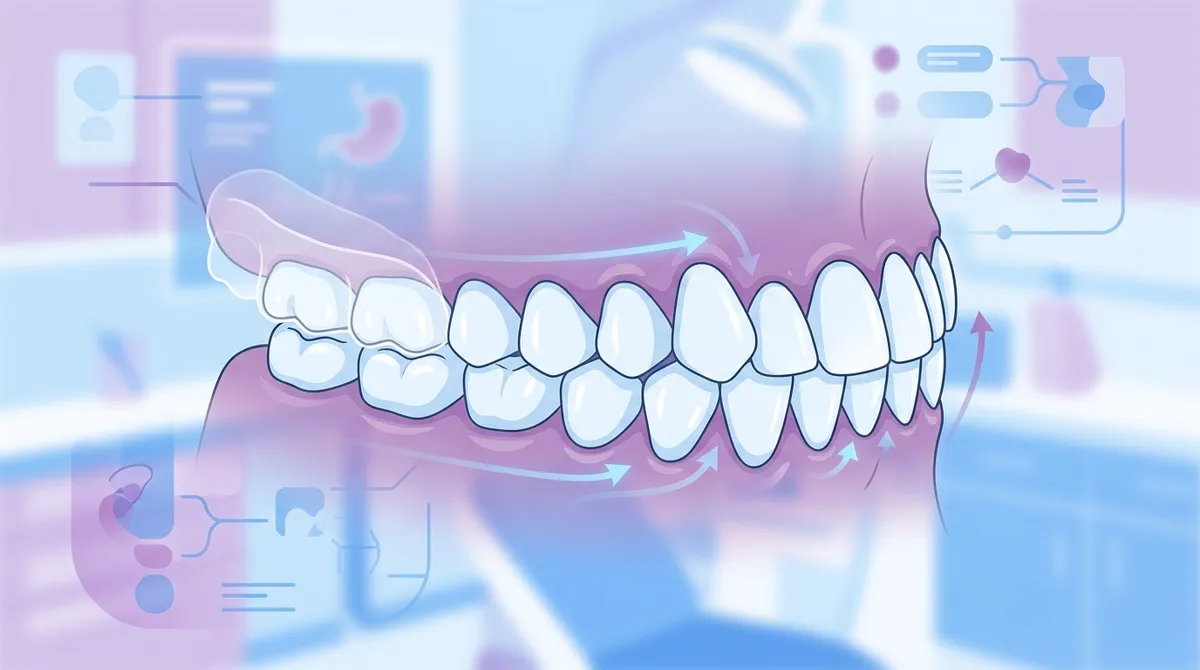
What Happens If Teeth Have Already Shifted?
If you’ve already noticed some shifting, don’t panic. Depending on how much movement has occurred, there are a few possible paths forward. Your dentist will evaluate your current alignment and help you decide the best approach.
- New retainer: If the shift is minor, a new fitted retainer may be enough to guide your teeth back into position over time.
- Clear aligners: Moderate shifting often responds well to a new round of clear aligner treatment. This is one of the most popular options in 2026 for retreatment after relapse.
- Cosmetic solutions: In some cases, minor misalignment may be addressed with cosmetic options like veneers or bonding, depending on your goals.
| Severity of Shift | Possible Solutions | Expected Timeline |
|---|---|---|
| Minimal (minor tightness) | New or adjusted retainer | Weeks to a few months |
| Moderate (visible crowding) | Clear aligners or retreatment | Several months to a year |
| Significant (major relapse) | Full orthodontic retreatment | 1–2 years depending on case |
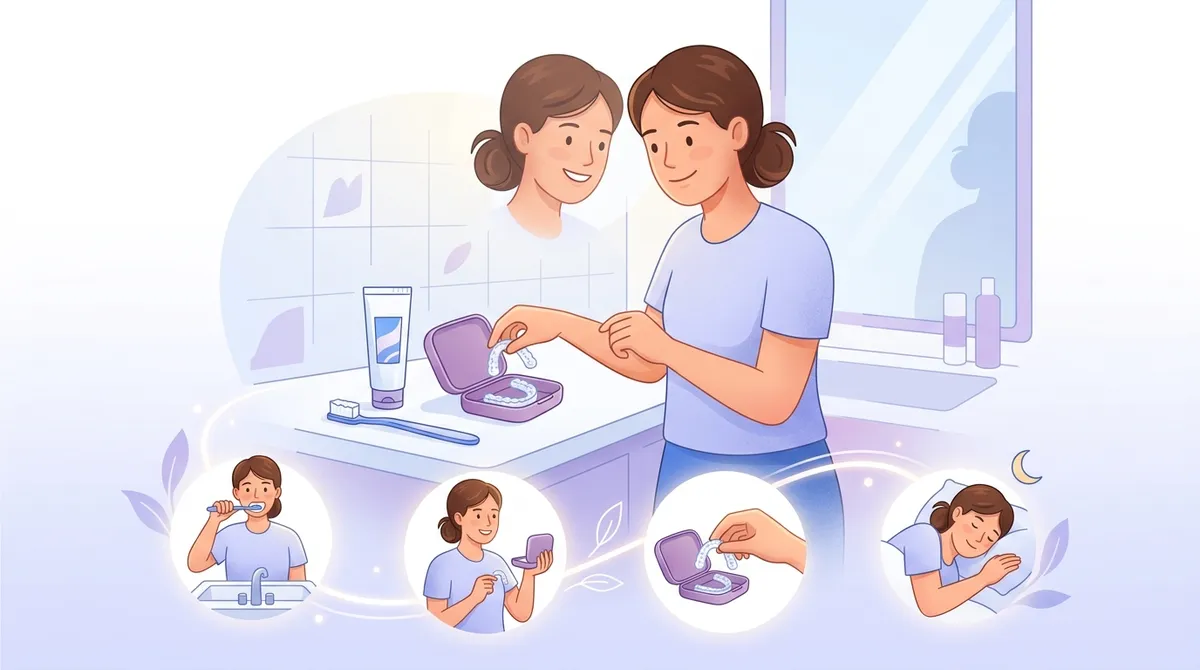
How to Build a Retainer Habit That Actually Sticks
The best way to prevent teeth from shifting is to make retainer wear a non-negotiable part of your nightly routine. Here are some easy, practical tips that can help:
- Keep your retainer next to your toothbrush as a visual reminder
- Set a nightly phone alarm labeled “Put in retainer” until it becomes automatic
- Clean your retainer daily to prevent buildup and bad odors that might discourage use
- Visit your dentist twice a year so they can confirm your retainer still fits correctly
- Talk to your dentist about switching to a fixed (bonded) retainer if you struggle with consistency
For a deeper dive into retainer habits and options, the article on switching retainer types after Invisalign is worth reading. And if you’re dealing with a retainer that feels tight after a break, check out these insights on retainer tightness and teeth moving mistakes to avoid.
You can also schedule an appointment with the Dental Theory team to discuss your retainer situation and get personalized recommendations.
When to See a Dentist About Retainer-Related Shifting
Not every situation requires an urgent call, but some signs should prompt you to see a dentist sooner rather than later. Watch out for these red flags:
- Your retainer no longer fits at all, even with gentle pressure
- You can visibly see that your teeth have moved or overlapping has returned
- You’re experiencing jaw pain, bite issues, or difficulty chewing
- It’s been more than 6 months since your last dental checkup
- You’ve lost or broken your retainer and haven’t replaced it yet
The team at Dental Theory in Brandon, FL is always happy to help. Whether you need a new retainer, a dental evaluation, or a conversation about your next steps, you’ll find a warm, welcoming environment where your concerns are taken seriously. Visit us on Google — Dental Theory to read reviews from real patients in the Brandon community and see what makes this practice stand out.
Prevention Is Always Better Than Retreatment
Orthodontic treatment is an investment — of time, money, and commitment. Wearing your retainer consistently is the simplest way to protect that investment for life. The 6 mistakes outlined in this article are all preventable. Avoiding them doesn’t require much effort, but it does require consistency.
If you’re worried that you’ve already made some of these mistakes, or if you just want to make sure your smile is still in great shape, schedule a visit with the friendly team at Dental Theory in Brandon, FL. We’ll help you figure out exactly where you stand and what steps — if any — need to be taken to get your smile back on track.
You can also visit us on Facebook to stay connected with tips, updates, and friendly reminders about keeping your smile healthy. Your best smile is worth protecting — and it starts with not skipping that retainer tonight.
FAQs
Q: How quickly do teeth shift when you stop wearing your retainer?
A: Teeth can start shifting within just a few days of skipping retainer wear! The first sign is usually tightness when you try to put the retainer back in. The longer you go without wearing it, the more noticeable the movement becomes — so it’s always best to get back to your routine as soon as possible.
Q: Can I wear my old retainer to push my teeth back into place after they’ve shifted?
A: It depends on how much shifting has happened. If the movement is very minor, your retainer may still fit with just a little pressure. But if your retainer feels significantly tight or won’t fit at all, you should see your dentist before forcing it in — wearing an ill-fitting retainer can actually cause more harm than good!
Q: How long do I need to wear a retainer after Invisalign or braces?
A: Most dentists recommend wearing your retainer full-time for the first few months after treatment, then transitioning to nightly wear. For many people, nightly retainer wear is a lifelong habit — and that’s totally normal! Think of it as a small price to pay to protect the smile you worked so hard to achieve.
Q: What should I do if I’ve lost or broken my retainer?
A: Contact your dentist as soon as possible — ideally within a day or two! The sooner you get a replacement, the less chance your teeth have to shift. Your dental office can take new impressions or scans and have a replacement retainer made for you quickly, so don’t wait.
Q: Is it possible to fix teeth that have already shifted after stopping retainer wear?
A: Absolutely, and you shouldn’t feel discouraged! Depending on how much movement has occurred, options range from getting a new fitted retainer to undergoing a short course of clear aligner treatment. Your dentist can evaluate your smile and recommend the most comfortable, affordable path forward — so the sooner you come in, the better!