
You’ve just completed your Invisalign journey, and your smile looks absolutely amazing! But then your orthodontist hands you a retainer and mentions something about wearing it “long-term.” Wait, what? After months of dedication to your clear aligners, the idea of wearing yet another dental appliance might feel a bit disappointing. The short answer is yes—retainers are typically a lifelong commitment, but before you panic, let’s dive into why they’re so important and what “forever” really means in practical terms.
Understanding the science behind tooth movement and retention can help you appreciate why that little retainer is your smile’s best friend. Your teeth have just been guided into their new positions, but they’re not quite settled yet. Without proper retention, all that time and investment in your Invisalign treatment could start to undo itself. The good news? Retainer wear becomes much less intensive over time, and modern options make it easier than ever to maintain your gorgeous results.
In this guide, we’ll explore everything you need to know about retainers after Invisalign—from why they’re necessary to how long you’ll actually need to wear them each day. We’ll also share tips for making retainer wear a breeze and what happens if you skip this crucial step. At Dental Theory, we want you to keep that beautiful smile for life, so let’s get into the details that will help you protect your investment.
Why Your Teeth Want to Move Back

Here’s something most people don’t realize: your teeth are never truly “fixed” in place. They’re held in your jawbone by a network of fibers called the periodontal ligament, which acts like a hammock suspending each tooth. When Invisalign moves your teeth, these fibers stretch and compress, creating tension. Even after treatment ends, these fibers retain a “memory” of where your teeth used to be and will try to pull them back to their original positions—a process called orthodontic relapse.
Think of it like stretching a rubber band. When you let go, it snaps back to its original shape. Your periodontal ligaments work similarly. During the first few months after completing Invisalign, this relapse tendency is at its strongest. That’s why your orthodontist emphasizes wearing your retainer full-time initially. The bone around your teeth also needs time to remodel and stabilize in the new positions, which can take several months to over a year.
Additionally, your teeth naturally shift throughout your life due to various factors—aging, teeth grinding, tongue pressure, and even wisdom teeth eruption. These forces don’t stop just because you finished orthodontic treatment. That’s why retention isn’t just about the immediate post-treatment period; it’s about maintaining your smile against the natural forces that affect everyone’s teeth over time. Understanding this biological reality helps explain why lifelong retention is recommended.
The Retainer Wearing Schedule: What to Expect

The good news is that “forever” doesn’t mean wearing your retainer 24/7 for the rest of your life. Most orthodontists recommend a gradual reduction in wearing time that looks something like this:
Phase 1: Full-Time Wear (First 3-6 Months)
Immediately after completing your Invisalign treatment, you’ll typically wear your retainer 20-22 hours per day—basically all the time except when eating and brushing your teeth. This might feel like you’re still in treatment, but this phase is absolutely critical. Your teeth are most vulnerable to shifting during this period, and consistent wear ensures your smile stays exactly where you want it. Think of this as the foundation-setting phase.
Phase 2: Nighttime Wear (6 Months to 2 Years)
Once your orthodontist confirms your teeth have stabilized, you’ll transition to wearing your retainer only at night while you sleep. This is a much more manageable routine that most people find easy to maintain. You’ll wear your retainer every single night during this phase, giving your teeth consistent guidance without interfering with your daily life. Many patients find nighttime wear so comfortable that it becomes second nature.
Phase 3: Maintenance Wear (2+ Years and Beyond)
After a year or two of nightly wear, some orthodontists may allow you to reduce wear to 3-5 nights per week. However, many dental professionals—including Dr. K’s Gold+ Invisalign Profile—recommend continuing with nightly wear indefinitely for the best long-term results. The minimal time investment of wearing your retainer while you sleep provides maximum protection against shifting. Since you’re sleeping anyway, why risk it?
| Time Period | Wearing Schedule | Purpose |
|---|---|---|
| 0-6 months | 20-22 hours daily | Initial stabilization |
| 6-24 months | Every night | Bone remodeling support |
| 2+ years | 3-7 nights weekly | Long-term maintenance |
| Lifetime | Nightly (recommended) | Optimal results preservation |
Types of Retainers: Finding Your Perfect Match

Not all retainers are created equal, and the type you receive can significantly impact your comfort and compliance. Let’s explore the main options:
Clear Plastic Retainers (Essix Retainers)
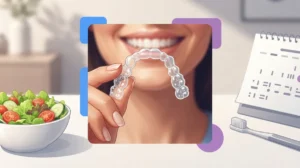
These look similar to Invisalign aligners and are often the first choice after Invisalign treatment. They’re virtually invisible, comfortable, and easy to wear. However, they typically need replacement every 6-12 months as they can crack, warp, or become discolored over time. If you loved the discretion of Invisalign, you’ll appreciate these retainers. They’re also removable, making eating and oral hygiene simple.
Hawley Retainers
The classic retainer with a metal wire across the front and an acrylic base that sits against the roof of your mouth (or along the inside of your lower teeth). While more visible than clear retainers, Hawley retainers are incredibly durable and can last for years with proper care. They’re also adjustable, allowing your orthodontist to make minor tweaks if needed. Some people find them less comfortable initially, but most adjust within a few days.
Fixed (Bonded) Retainers
These permanent retainers consist of a thin wire bonded to the back of your teeth, usually the lower front six teeth. They work 24/7 without any effort on your part, making them perfect for patients who worry about compliance. However, they require meticulous oral hygiene and can make flossing more challenging. Many orthodontists combine a fixed lower retainer with a removable upper retainer for comprehensive protection.
| Retainer Type | Visibility | Durability | Maintenance |
|---|---|---|---|
| Clear Plastic | Invisible | 6-12 months | Easy cleaning, must remove to eat |
| Hawley | Visible wire | 5-10 years | Simple care, adjustable |
| Fixed/Bonded | Hidden | Several years | Permanent, requires floss threaders |
What Happens If You Don’t Wear Your Retainer?

Life gets busy, and it’s tempting to think that skipping your retainer for a few nights won’t make a difference. Unfortunately, tooth movement can happen surprisingly quickly. Some patients notice changes within just a few weeks of not wearing their retainer. The longer you go without wearing it, the more significant the shifting becomes, and eventually, your retainer may not fit at all.
Here’s what the timeline of neglect typically looks like:
- First Few Days: You probably won’t notice any changes, but your teeth are already beginning to shift microscopically. Your retainer might feel slightly tight when you put it back in.
- One to Two Weeks: Visible gaps may start to appear, or teeth may begin rotating. Your retainer will feel noticeably tighter and may be uncomfortable to wear.
- One Month: Significant movement has likely occurred. Your retainer may not fit properly or could even crack when you try to force it in. Professional intervention is needed.
- Several Months to a Year: Major relapse has occurred. You may need orthodontic retreatment to correct the shifting, which means additional time and expense.
The financial implications are worth considering too. A set of replacement retainers typically costs $200-$500, while retreatment with Invisalign can run several thousand dollars. When you compare those costs to the simple habit of wearing your retainer nightly, the choice becomes clear. Prevention is always easier and more affordable than correction.
Making Retainer Wear a Sustainable Habit
Knowing you need to wear your retainer is one thing; actually doing it consistently is another. Here are practical strategies to help you succeed:
Create a Bedtime Routine
Link retainer wear to an existing habit, like brushing your teeth before bed. Keep your retainer case on your bathroom counter as a visual reminder. When tooth brushing automatically triggers reaching for your retainer, you’ve built a powerful habit loop. Consistency is key—the more automatic the behavior becomes, the less willpower it requires.
Keep Backup Retainers
Talk to your orthodontist about ordering extra retainers while your teeth impressions or scans are still current. Having a spare retainer eliminates panic if you lose or damage your primary one. Some patients keep one at home and one in a travel bag. This redundancy ensures you’re never without protection for your smile investment.
Set Phone Reminders
Use your smartphone to set a nightly reminder until retainer wear becomes automatic. Many people find that after a few months, they no longer need the reminder because the habit is ingrained. Technology can be a helpful bridge during the habit-formation period. You might also join online communities of retainer wearers for motivation and support.
Track Your Compliance
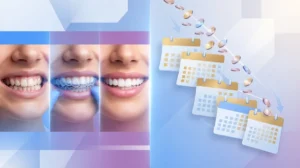
Some people find success with habit-tracking apps or simple calendars where they mark off each night they wear their retainer. Seeing a visual record of your consistency can be motivating. If you notice you’re frequently missing nights, it’s easier to course-correct early before significant shifting occurs.
Caring for Your Retainer Properly
A well-maintained retainer lasts longer and stays fresher, making you more likely to wear it consistently. Follow these care guidelines:
- Rinse after each use: Use cool water to rinse away saliva and debris. Never use hot water, as it can warp plastic retainers.
- Brush gently daily: Use a soft toothbrush and mild soap or non-abrasive toothpaste. Avoid harsh chemicals that can damage the material.
- Deep clean weekly: Soak your retainer in a specialized cleaning solution, denture cleaner, or a mixture of equal parts water and white vinegar for 15-20 minutes.
- Store properly: Always keep your retainer in its protective case when not in use. Never wrap it in a napkin (a common way retainers get thrown away!) or leave it exposed to air, which promotes bacterial growth.
- Keep away from pets: Dogs especially love chewing on retainers! Store your case somewhere your pets can’t reach.
Regular cleaning prevents buildup that can cause bad breath, discoloration, and bacterial accumulation. A clean retainer is much more pleasant to wear, which increases compliance. If you notice any cracks, sharp edges, or significant wear, contact your orthodontist for a replacement before the retainer loses its effectiveness.
Special Considerations and Common Questions
What If I Lost or Broke My Retainer?
Don’t panic, but do act quickly. Contact your orthodontist immediately to schedule a replacement retainer fitting. In the meantime, if you have an old set of Invisalign aligners from near the end of your treatment, you can wear those temporarily to prevent shifting. The longer you wait to replace a lost retainer, the more likely your teeth will shift, potentially requiring new impressions and costing more.
Can I Take Breaks from My Retainer?
Once you’re in the long-term maintenance phase, your orthodontist might say occasional nights off are acceptable. However, most professionals advise that consistent nightly wear provides the best results. If you must skip nights, don’t make it a pattern. Your teeth are always susceptible to shifting forces, and consistency in retention yields the best long-term outcomes.
Will My Insurance Cover Replacement Retainers?
Some dental insurance plans cover retainer replacements, while others don’t. Check with your provider about your specific coverage. Many orthodontists offer replacement retainer programs or warranties that can make replacements more affordable. At Dental Theory, we work with patients to find solutions that fit their budget and protect their beautiful smiles.
What About Retainers and Teeth Grinding?
If you grind your teeth at night (bruxism), your retainer can actually provide some protection for your teeth while maintaining alignment. However, grinding can wear down retainers faster, requiring more frequent replacements. In some cases, your dentist might recommend a specialized night guard in addition to or instead of a standard retainer. Discuss your specific situation with your orthodontist for the best approach.
The Bottom Line: Protecting Your Investment
Your Invisalign treatment represented a significant investment of time, money, and commitment. Wearing your retainer as prescribed is the simplest way to protect that investment and ensure your smile stays beautiful for life. While the word “forever” might sound daunting, the reality is much more manageable than it seems—especially once you settle into the nighttime-only routine.
Think about it this way: you wear your retainer while you’re sleeping, a time when you’re not even conscious of it. For that minimal commitment, you get to keep the smile you worked so hard to achieve. When you frame it that way, lifelong retention doesn’t seem like a burden at all—it’s simply smart maintenance, like changing your car’s oil or getting regular dental cleanings.
The teeth you have today want to move back to where they came from. The periodontal ligaments have memory, natural aging causes shifting, and various lifestyle factors create forces that can affect alignment. Your retainer is the simple solution that counteracts all these factors while you sleep. Patients who commit to consistent retainer wear almost never experience significant relapse, while those who don’t often regret their lapse in diligence.
Your Smile Deserves Lifelong Protection
Congratulations on completing your Invisalign journey! You’ve achieved something wonderful, and now it’s time to maintain those results. Remember that retainer wear gets easier over time, becoming as automatic as brushing your teeth. The initial full-time wear period may feel intensive, but it’s temporary, and the payoff is a lifetime of confidence in your smile.
If you’re currently in Invisalign treatment or considering it, know that the retention phase is just as important as the active treatment phase. Having a clear understanding of what to expect helps you prepare mentally and practically for success. With the right mindset and habits, wearing your retainer becomes effortless, and you’ll barely think about it.
At Dental Theory in Brandon, Florida, Dr. K provides comprehensive Invisalign treatment and retention guidance to help you achieve and maintain your dream smile. With a 5-star rating on Healthgrades.com, Dr. K is committed to exceptional patient care throughout your entire orthodontic journey. Whether you’re just starting to explore Invisalign or you’re in the retention phase and have questions, we’re here to support you every step of the way.
Your smile is worth it, and so is the simple commitment to wearing your retainer. Make it a non-negotiable part of your routine, and you’ll enjoy the results of your Invisalign treatment for decades to come. Ready to start your journey to a straighter smile or need expert guidance on retention? Schedule an appointment with our team today, and let’s make sure your smile stays beautiful forever. Don’t forget to check out our reviews on Google to see what our patients are saying about their experiences!
FAQs
Q: How long do I need to wear my retainer every day after Invisalign?
A: Initially, you’ll wear your retainer 20-22 hours daily for the first 3-6 months. After that period, most patients transition to nighttime-only wear. While some orthodontists allow reducing to a few nights per week after a couple of years, many recommend nightly wear indefinitely for optimal results. The good news is that nighttime wear is easy to maintain and protects your investment while you sleep!
Q: What happens if I stop wearing my retainer after Invisalign?
A: Your teeth will gradually shift back toward their original positions—a process called orthodontic relapse. This can happen surprisingly quickly, sometimes within just a few weeks. The longer you go without wearing your retainer, the more significant the movement becomes, and eventually your retainer may not fit at all. If serious shifting occurs, you may need orthodontic retreatment, which is much more expensive than simply wearing your retainer consistently.
Q: Can I ever stop wearing my retainer completely?
A: While your teeth become more stable over time, most orthodontists recommend some level of retainer wear for life. Your teeth are always susceptible to shifting due to natural aging, teeth grinding, and other factors. Think of it like maintaining any investment—consistent care prevents problems. The good news is that once you’re in the maintenance phase, wearing your retainer only while sleeping is usually sufficient to keep your smile perfect!
Q: How often should I replace my retainer?
A: Clear plastic retainers typically need replacement every 6-12 months as they can crack, warp, or become discolored with regular use. Hawley retainers are more durable and can last 5-10 years with proper care. Fixed retainers can last several years but require monitoring by your dentist. Regular dental checkups help ensure your retainer is still functioning properly and fitting correctly.
Q: Is it normal for my retainer to feel tight?
A: If you’ve been wearing your retainer consistently, it should feel comfortable. A tight feeling usually means your teeth have shifted slightly because you missed some wearing time. If your retainer feels tight but still fits, start wearing it more consistently and the tightness should resolve within a few days. However, if your retainer is painful or doesn’t fit at all, contact your orthodontist immediately—forcing it could damage your teeth or the retainer itself.