Key Takeaways
-
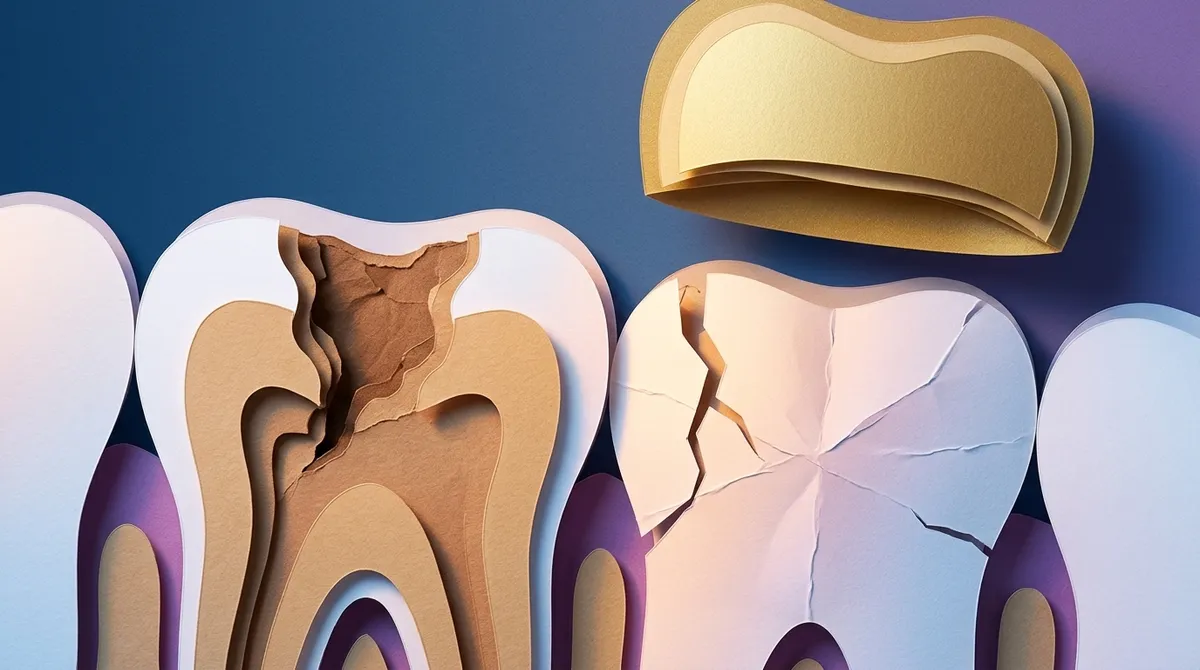
Severely decayed teeth with extensive cavity damage that covers a large portion of the tooth are the most common crown candidates, as there isn't enough healthy structure left to hold a filling.
-
Teeth that have undergone root canal treatment become brittle and require a crown for protection, especially on back teeth that experience heavy chewing pressure.
-
Cracked or fractured teeth need crowns to hold the tooth together and prevent the crack from spreading, particularly those at risk of further damage.
-
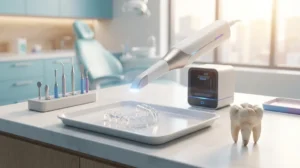
Same-day ceramic crowns eliminate the traditional two-visit process, allowing patients to leave with a permanent restoration in a single appointment using in-office milling technology.
-
Dental insurance often covers crowns placed for restorative reasons like protecting broken or cracked teeth or following root canals, making them more affordable than patients expect.
-
Teeth with large old fillings (covering more than half the tooth) become fragile over time and benefit from crowns, which distribute bite force more evenly and maintain stability.
So your dentist just said the words “dental crown” and you’re wondering — do I actually need one? You’re not alone. This is one of the most common questions patients ask. And it’s a fair one! A crown is a bigger commitment than a filling. It takes more time and costs more money. So understanding who is a candidate for crowns — and why — can help you feel confident in your treatment plan.
The good news? Crowns are amazing tools for saving damaged teeth. And at Dental Theory in Brandon, FL, we even offer same-day ceramic crowns — so you walk in with a problem and walk out with a solution. No waiting. No second visit. Let’s break down exactly who needs a crown, and how to tell if that’s you.
What Is a Dental Crown?
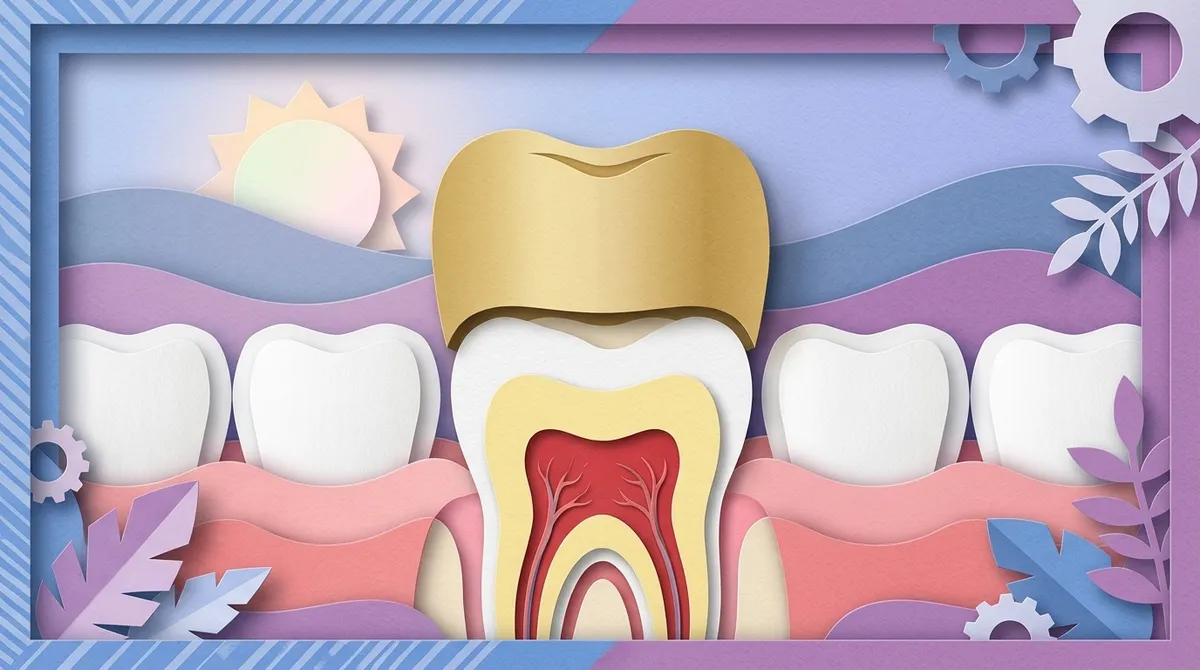
A dental crown is a tooth-shaped cap that fits over your existing tooth. It covers the entire visible part of the tooth above the gum line. Think of it like a helmet for your tooth — it protects what’s underneath and restores the tooth’s shape, strength, and appearance. You can learn more in this helpful overview of what dental crowns are and when you need them.
At Dental Theory, we exclusively use ceramic crowns. Ceramic crowns look just like natural teeth and are a popular choice for both function and aesthetics. If you’re curious about materials, check out this guide on which dental crown material is best for you.
Crown vs. Filling: The Key Comparison
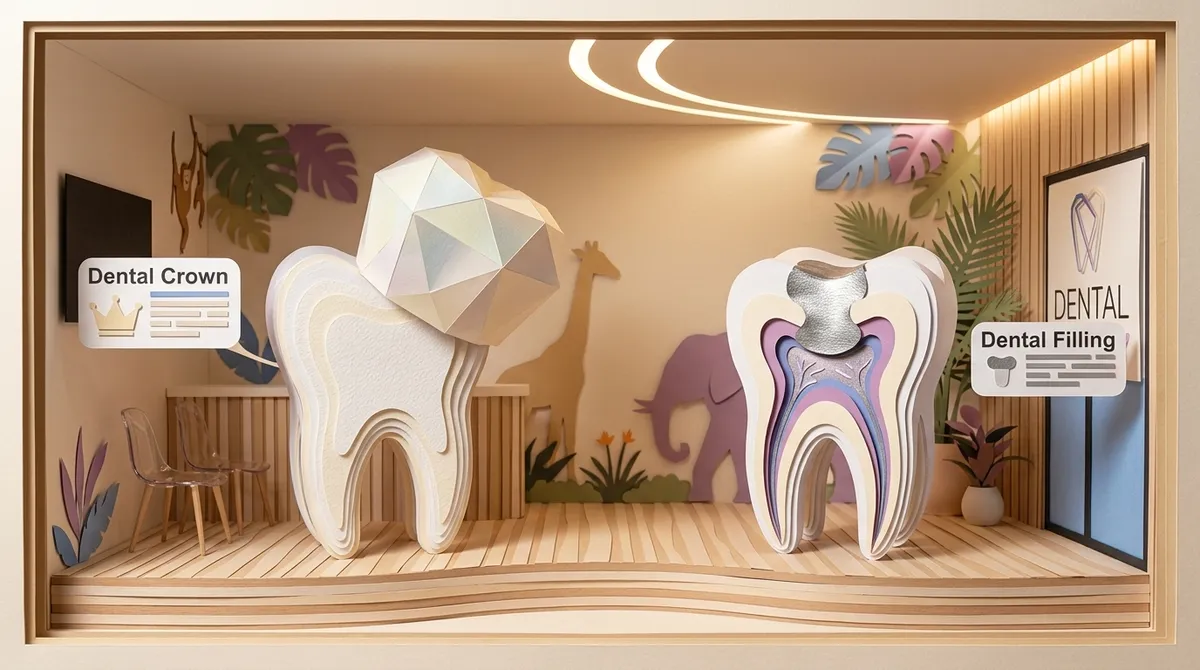
Before we talk about who needs a crown, let’s compare the two main restoration options. This table makes it easy to see the differences at a glance.
| Feature | Dental Filling | Dental Crown |
|---|---|---|
| Best For | Small to medium cavities | Severely damaged or weakened teeth |
| Coverage | Fills a small hole in the tooth | Covers the entire tooth |
| Tooth Structure Needed | Most of the tooth must remain intact | Works even with minimal tooth structure |
| Strength Added | Minimal structural reinforcement | Significantly strengthens the tooth |
| Typical Visits | Usually one visit | One visit (same-day) or two visits |
| Longevity | 5–10 years on average | 10–15+ years with proper care |
The big takeaway? Fillings handle smaller issues. Crowns take over when a tooth is too damaged or weak for a filling to hold. If you’re weighing your options, this article on the dental crown vs. large filling decision is a must-read.
Who Is a Candidate for Crowns?
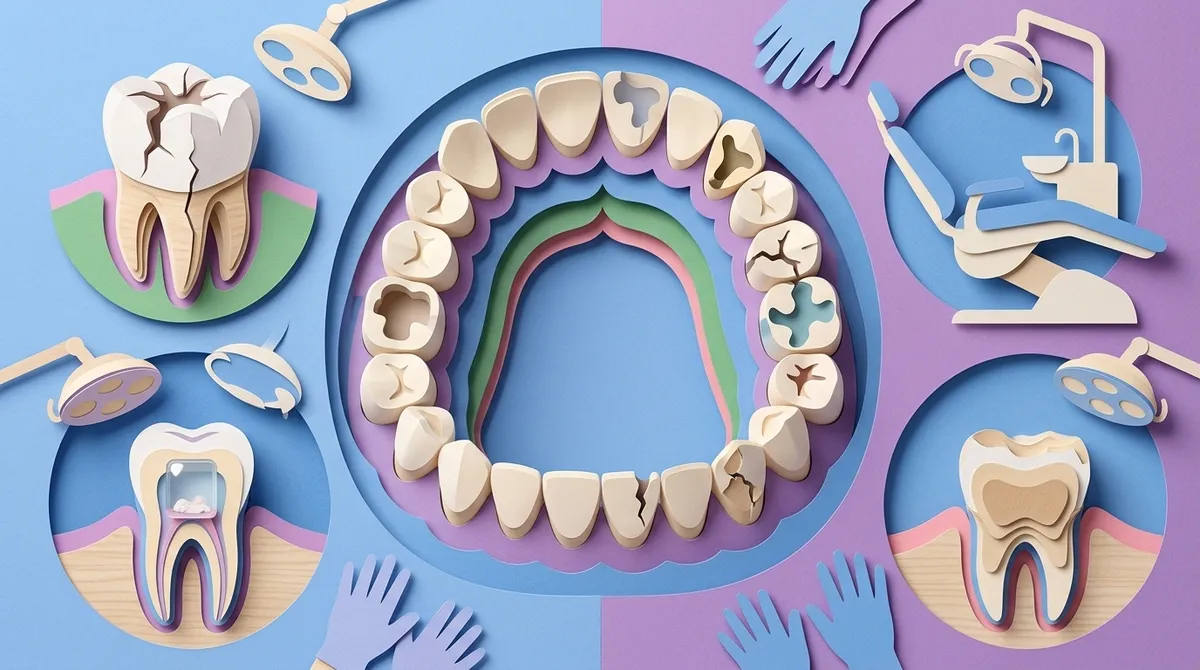
Not everyone with a tooth problem needs a crown. But several specific situations make someone a strong candidate. Here are the most common ones your dentist will look for.
1. You Have a Severely Decayed Tooth
Small cavities get fillings. But when decay is extensive — taking up a large portion of the tooth — there’s not enough healthy structure left to hold a filling. A crown steps in to restore and protect what’s left. This is one of the most common reasons patients need crowns. You can also explore whether a crown is needed after a large filling.
2. You Have a Cracked or Fractured Tooth
Cracks are tricky. They can be painful and get worse over time. A crown holds the tooth together and prevents the crack from spreading. This is especially important for back teeth that handle heavy chewing pressure. Learn more about when you need a crown for a broken tooth.
3. You Just Had a Root Canal
After a root canal, your tooth becomes more brittle. It loses some of its internal support. A crown protects that tooth from fracturing under daily use. Most dentists recommend a crown after every root canal on a back tooth. This connection between dental crowns and root canals is important to understand.
4. You Have a Weak Tooth at Risk of Breaking
Sometimes a tooth hasn’t broken yet, but it shows warning signs. Large old fillings, hairline cracks, or significant wear from grinding can all weaken a tooth. A crown can be placed proactively to prevent a bigger problem down the road.
5. You Need a Dental Implant Restoration
When you get a dental implant, a crown is placed on top to act as the visible tooth. Without it, the implant post would just be a metal peg in your gum. The crown completes the restoration and gives you a fully functional, natural-looking tooth. Explore implant-supported crowns and prosthesis options at Dental Theory.
6. You Have a Tooth with a Large Old Filling
Old large fillings can weaken the surrounding tooth structure over time. When a filling takes up more than half the tooth, the remaining natural tooth can become fragile. A crown distributes bite force more evenly and keeps the tooth stable.
7. You Want to Improve the Appearance of a Tooth
Crowns aren’t just for emergencies. They’re also used for cosmetic dentistry purposes. If a tooth is severely discolored, misshapen, or worn down, a crown can dramatically improve its look. This is especially true when veneers aren’t enough to fix the problem.
Candidate Comparison by Situation
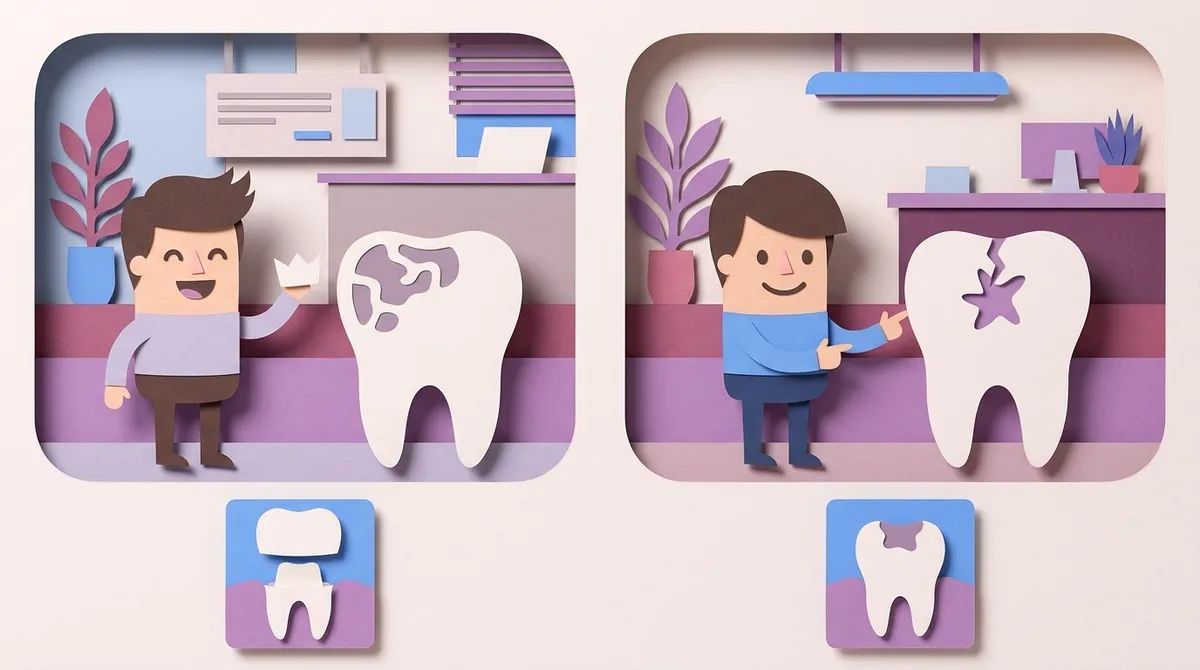
Here’s a quick-reference table showing different situations and whether a crown is typically the right call.
| Situation | Crown Recommended? | Reason |
|---|---|---|
| Small cavity | No | A filling is sufficient |
| Large or deep cavity | Yes | Too much tooth structure lost for a filling |
| Cracked or fractured tooth | Yes | Crown holds tooth together |
| After root canal treatment | Usually Yes | Tooth becomes brittle; crown adds protection |
| Dental implant placement | Yes | Crown completes the restoration |
| Cosmetic tooth reshaping | Sometimes | When veneers won’t provide enough coverage |
| Tooth grinding (bruxism) damage | Sometimes | Depends on the severity of wear |
Signs You Might Need a Crown
Not sure if you’re a crown candidate? Look out for these signs. Any of them could point to a tooth that needs more than a simple filling.
- Sharp pain when biting or chewing
- A cracked or chipped tooth you can see or feel
- Sensitivity to hot or cold that doesn’t go away
- A tooth that feels loose or unstable
- A visible dark spot or cavity covering a large area
- A tooth that broke around an old filling
- Ongoing pain after a root canal procedure
If any of these sound familiar, it’s time to reach out to our team at Dental Theory for an evaluation. We’ll take X-rays, examine the tooth, and give you a clear answer about whether a crown is your best option. You can also read about the top reasons dentists recommend dental crowns.
Who May NOT Be a Good Candidate for a Crown Right Now
Just as important as knowing who needs a crown is knowing when a crown might not be the right timing. Here are a few situations where your dentist might recommend waiting or trying something else first.
- Active gum disease: If your gums are inflamed or infected, the crown needs to wait until your gum health is addressed. A crown placed on an unhealthy foundation won’t last.
- Insufficient tooth structure: In rare cases, if too little tooth remains, a crown can’t attach properly. A post may be needed first — or extraction may be the better route.
- Tooth is too far gone: If a tooth is severely infected or has a poor prognosis, extraction and replacement (like an implant) may make more sense long-term.
- A very small cavity: If decay is minor and the tooth is otherwise healthy, a simple filling does the job without the added cost or procedure of a crown.
Crown Candidacy by Age Group
Crowns are appropriate for a wide range of patients. Here’s how candidacy typically varies by age group.
| Age Group | Common Crown Reason | Special Considerations |
|---|---|---|
| Children (baby teeth) | Severe decay in primary teeth | Stainless steel crowns often used; comfort is a priority |
| Teens & Young Adults | Cracked teeth, injury, large cavities | Ceramic crowns match natural tooth color well |
| Adults (30s–50s) | Root canals, failing old fillings, wear | Same-day crowns convenient for busy lifestyles |
| Seniors (60+) | Worn teeth, implant restorations, old crowns needing replacement | Durability and function are especially important |
Adults of any age can be candidates when the need arises. If you’re a senior looking for crown care, check out our resources on dental care for seniors in Brandon, FL.
What Makes Same-Day Crowns a Game-Changer
One of the biggest reasons people hesitate about getting a crown is the process. Traditional crowns involve two appointments, a temporary crown in between, and weeks of waiting. That’s stressful and inconvenient.
Dr. K at Dental Theory offers same-day ceramic crowns using advanced dental technology. Here’s how the same-day process compares to the traditional approach:
- Tooth preparation: The damaged tooth is gently shaped to receive the crown.
- Digital scan: A precise 3D digital scan of the tooth is taken — no messy impressions needed.
- Crown design: The crown is designed right in the office using specialized software.
- Milling: The ceramic crown is milled on-site in about 15–20 minutes.
- Fitting and bonding: The crown is adjusted for fit and permanently bonded in place — all in one visit.
It’s that simple. You come in with a damaged tooth and leave with a permanent ceramic crown the same day. Read more about how same-day crowns work and their benefits, or learn how to get a dental crown in one visit in Brandon. You can also schedule an appointment today to get started.
How to Know for Sure: The Evaluation Process
Ultimately, only a dentist can tell you for certain whether you’re a candidate for crowns. Here’s what that evaluation typically involves:
- Visual exam: Your dentist inspects the tooth for visible damage, cracks, or decay.
- X-rays: Digital X-rays show the extent of damage below the gum line and inside the tooth.
- Bite assessment: Your dentist evaluates how the tooth meets your opposing teeth during chewing.
- Discussion: You’ll talk through your symptoms, history, and treatment goals.
Based on all of this, your dentist will give you a clear recommendation. Crowns are never a guessing game — there are specific clinical criteria that guide the decision. Want to understand the full crown procedure before you go? Read about what to expect during the dental crown process.
Covering the Cost of Your Crown
One of the most common concerns patients have about crowns is the price. The good news is that crowns recommended for restorative reasons — like protecting a broken tooth or following a root canal — are often covered at least partially by dental insurance. If you’re unsure how to navigate your benefits, check out our article on insurance mistakes that cost you on dental crowns.
Dental Theory also accepts a wide range of insurance plans and offers flexible payment options so your crown fits your budget, not just your tooth. Don’t let cost be the reason you delay care — a cracked or decayed tooth only gets more expensive to treat over time.
Conclusion: Is a Crown Right for You?
If you have a severely decayed tooth, a crack, a root canal, or a weak tooth that’s at risk — you may very well be a strong candidate for a dental crown. Crowns are one of the most effective and long-lasting solutions in dentistry. And with same-day ceramic crowns available at Dental Theory, getting one has never been easier or more convenient.
Don’t wait for a small problem to become a big one. Reach out to the friendly team at Dental Theory and schedule your evaluation today. We’re here to help you protect your smile and feel great about your dental care. You can also visit us on Google to read reviews from real patients in Brandon, FL, and see why families trust us with their smiles. Or visit us on Facebook to stay connected and learn more about what we offer!
FAQs
Q: Who is a candidate for dental crowns?
A: Great question! You may be a candidate for a crown if you have a severely decayed tooth, a crack or fracture, a tooth that recently had a root canal, or a weak tooth at risk of breaking. Your dentist will examine your tooth and take X-rays to give you a clear and personalized recommendation.
Q: Can I get a crown in just one visit?
A: Yes, you can! At Dental Theory in Brandon, FL, Dr. K offers same-day ceramic crowns using advanced in-office technology. You come in with a damaged tooth and walk out the same day with a permanent crown — no temporary crown, no second appointment needed!
Q: Is a crown always better than a filling?
A: Not always — and that’s a really smart thing to ask! A filling works just fine for small to medium cavities where most of the tooth is still healthy. A crown becomes the better choice when the tooth is too damaged or weak for a filling to hold and protect it properly.
Q: Do children ever need dental crowns?
A: Yes, kids can need crowns too! When a baby tooth has severe decay and needs to be saved until it falls out naturally, a crown is often the best option. Protecting baby teeth matters because they help with chewing, speech, and saving space for adult teeth to come in correctly.
Q: Does dental insurance cover crowns?
A: In many cases, yes! When a crown is placed for restorative reasons — like protecting a cracked tooth or following a root canal — dental insurance often covers a portion of the cost. Dental Theory accepts a wide range of insurance plans and can help you understand your benefits before treatment.