Key Takeaways
-
Large fillings covering more than half the tooth structure significantly increase fracture risk; a dental crown provides full-tooth protection and is recommended to prevent costly emergency repairs.
-
Same-day ceramic crowns can be completed in a single visit without temporary crowns, using 3D digital scans and milling technology for faster, more convenient treatment.
-
Dental crowns last 10-20+ years compared to large fillings lasting only 5-10 years, making them a better long-term investment despite higher upfront costs.
-
Warning signs like pain when biting, visible cracks, recurring filling failures, or sensitivity to temperature indicate your tooth needs crown protection before emergency extraction becomes necessary.
-
Most dental insurance plans cover approximately 50% of crown costs after deductible when medically necessary, making the procedure more affordable than skipping it and facing emergency root canals or extractions.
-
Proper crown care including twice-daily brushing, daily flossing, avoiding hard foods, and six-month dental visits can extend crown lifespan to 20+ years with consistent maintenance.
You just found out you have a large cavity. Your dentist says the filling might be too big. Now you’re wondering — do you actually need a crown after a large filling? It’s a great question, and you’re not alone in asking it. Many patients in Brandon, FL face this same decision every year.
The truth is, big fillings can leave your tooth in a tough spot. Too much tooth structure gets removed. What’s left behind can crack, break, or weaken over time. That’s where a dental crown steps in. A crown wraps around the entire tooth, protecting it like a hard hat. In this article, we’ll walk you through everything you need to know — in plain, simple language.

What Happens to a Tooth After a Large Filling?
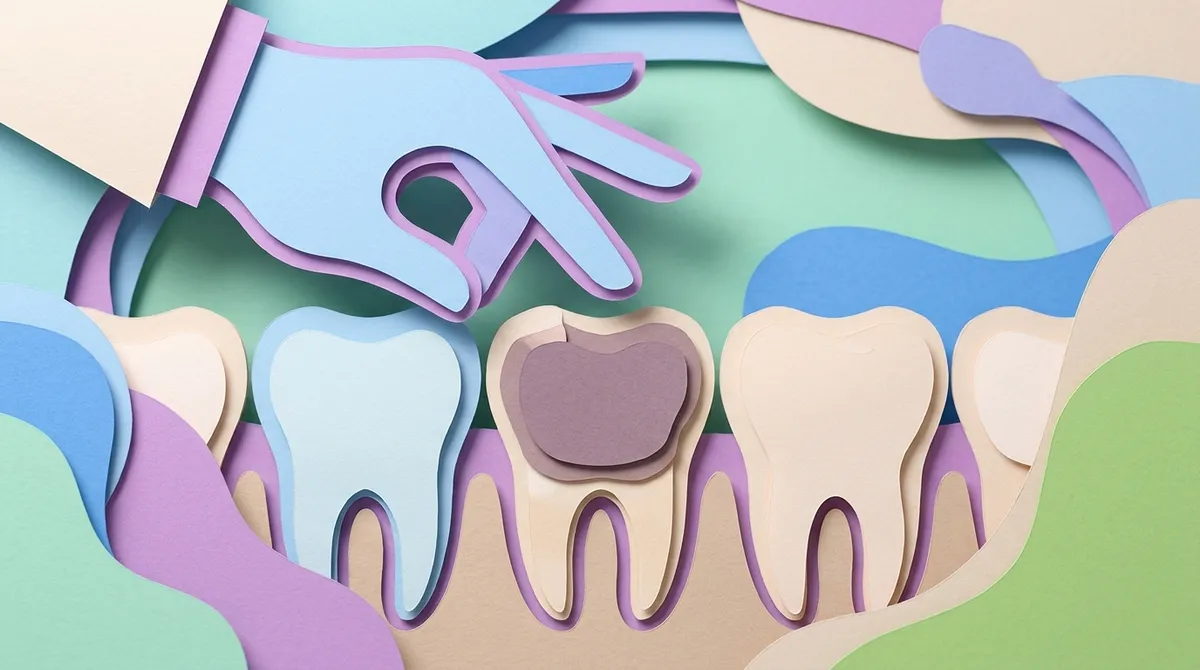
When a cavity is small, a filling works perfectly. But when decay spreads, your dentist has to remove more tooth structure to clean it out. That means a bigger filling goes in. The problem? Large fillings put a lot of stress on what remains of the tooth.
Think of your tooth like a walnut shell. The filling sits inside like the nut. If the shell is mostly gone and only a thin rim is left, it becomes fragile. Over time, chewing pressure can cause the remaining tooth walls to crack or chip. Once a tooth cracks, the damage can be much harder — and more expensive — to fix. That’s why your dentist may suggest a crown before that happens.
How Big Is Too Big for a Filling?
Dentists use a simple rule of thumb. If the filling takes up more than half of the tooth, the tooth is at higher risk of breaking. At that point, a crown is often the smarter choice. Here’s a quick comparison to help you understand the difference:
| Filling Size | Tooth Risk Level | Recommended Treatment |
|---|---|---|
| Small (less than 1/3 of tooth) | Low | Composite filling |
| Medium (1/3 to 1/2 of tooth) | Moderate | Filling or inlay/onlay |
| Large (more than 1/2 of tooth) | High | Dental crown |
| Failing old filling with cracking | Very High | Crown (urgent) |
This table is a general guide. Your dentist will look at X-rays and examine your specific tooth before making a recommendation. If you’re curious about when a crown becomes necessary, learn more about dental crowns vs. large fillings and how the decision gets made.
Signs You May Need a Crown After a Large Filling
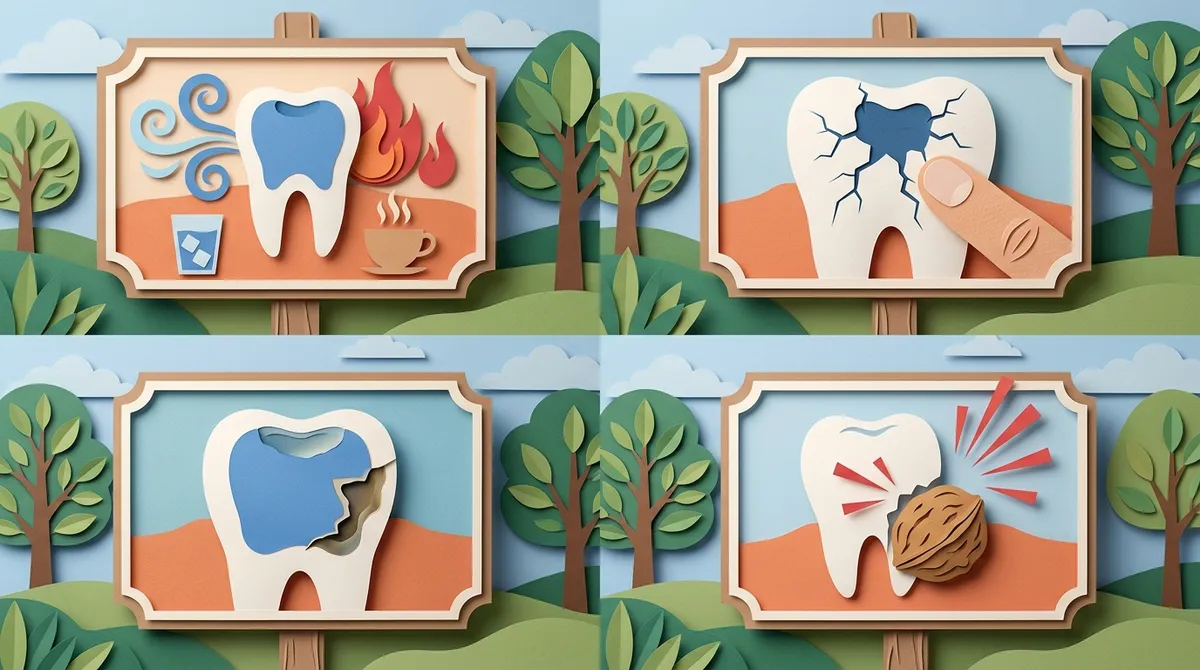
Sometimes your tooth gives you hints that it needs more protection. Keep an eye out for these warning signs:
- Pain or sensitivity when biting down
- A cracked or fractured tooth wall around an old filling
- A filling that keeps falling out or breaking
- Visible gaps or dark lines around an existing filling
- Tooth pain when eating hot or cold foods
- A filling that is visibly crumbling or discolored
These signs mean your tooth may already be under stress. The sooner you act, the better your chances of saving the natural tooth. Wondering if you might be a candidate? Find out who needs a dental crown based on common clinical signs.
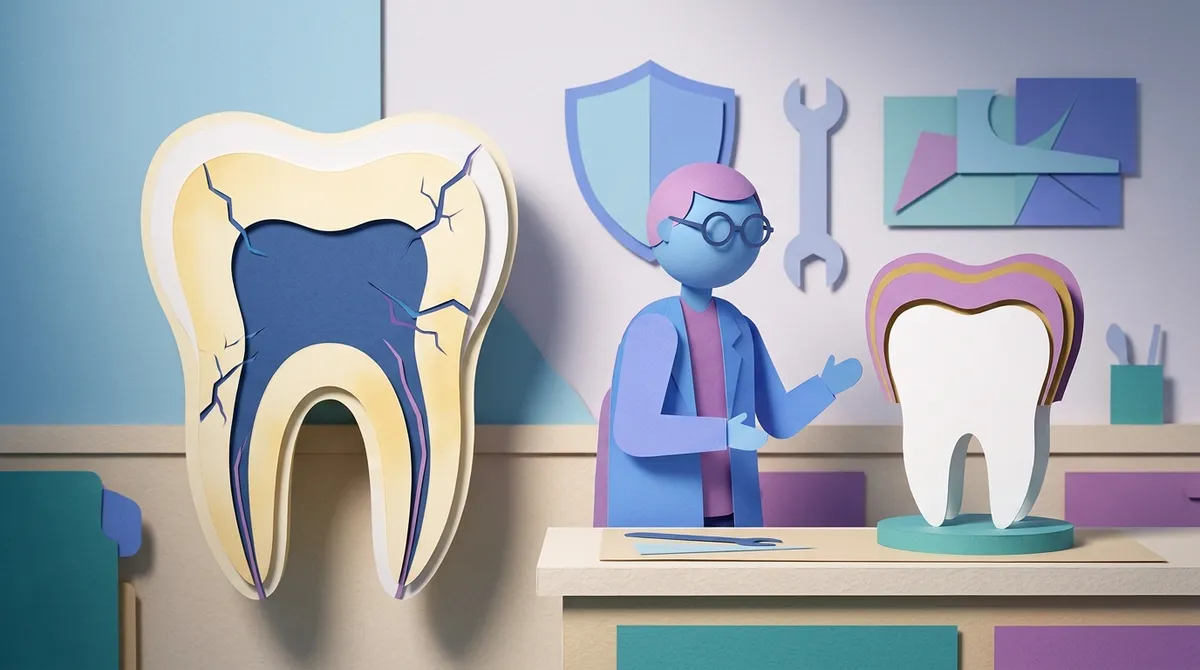
Why Dentists Recommend Crowns Over Large Fillings
A crown covers the entire visible surface of the tooth. That gives the whole tooth strength and protection. A filling, on the other hand, only fills a hole. It doesn’t reinforce the surrounding walls. When those walls are thin or cracked, the filling is working against the clock.
Here are the top reasons dentists recommend a crown after a large filling:
- Protection from fractures: Crowns wrap around the tooth, holding everything together.
- Longer lifespan: A well-placed crown can last 10 to 15 years or longer with good care.
- Better fit and bite: Crowns are custom-made to match your natural bite perfectly.
- Prevents future decay: A crown seals the tooth and reduces the risk of new cavities under old fillings.
- Restores function: You can chew, bite, and smile confidently without worrying about breakage.
Want to dig deeper? See why dentists recommend dental crowns and how they protect your smile long term.
What Happens If You Skip the Crown?
It’s tempting to put off a crown, especially when cost or time is a concern. But skipping it can lead to bigger problems down the road. Here’s what can go wrong:
- The tooth can crack all the way to the root, requiring extraction
- New decay can form under an old, large filling
- A cracked tooth may need a root canal before a crown can be placed
- Emergency dental visits cost more than preventive treatment
The bottom line? Getting a crown after a large filling is a proactive step. It protects your investment and your natural tooth. If you’ve already had a root canal, a crown is almost always required afterward — so it’s worth knowing how these treatments connect.
Types of Crowns Available in 2026
Not all crowns are created equal. Today, dentists have more options than ever. Here’s a simple breakdown of the most common types:
| Crown Type | Material | Best For | Appearance |
|---|---|---|---|
| All-ceramic | Ceramic/porcelain | Front and back teeth | Natural, tooth-colored |
| Porcelain-fused-to-metal | Metal core + porcelain | Back teeth with heavy biting | Good, but metal line visible |
| Zirconia | Zirconium oxide | Back molars | White, very strong |
| Same-day ceramic | Milled ceramic | All teeth | Natural, beautiful |
At Dental Theory in Brandon, FL, Dr. K uses only ceramic crowns — no metal. This gives patients a beautiful, natural-looking result every time. Plus, he offers Same-Day Crowns, which means you get your crown in a single visit. No waiting weeks. No temporary crowns. Just walk in and walk out with a permanent smile. Learn more about how same-day crowns work and why patients love them.
The Same-Day Crown Process at Dental Theory
Traditional crowns take two visits and a temporary crown in between. Same-Day Crowns change everything. Here’s how the process works:
- Exam and preparation: Your dentist examines the tooth and removes the old filling or decay.
- Digital scan: A 3D digital impression is taken — no messy molds needed.
- Crown design: The crown is designed right in the office using advanced software.
- Milling: A milling machine carves your ceramic crown from a single block of material.
- Fitting and bonding: The crown is checked for fit, adjusted if needed, and permanently bonded.
The whole process typically takes just a few hours. You leave with a finished, permanent crown that same day. If you’d like a step-by-step breakdown, read about the same-day crown process in detail. You can also schedule an appointment online at your convenience.
How Long Does a Crown Last After a Large Filling?
A crown placed after a large filling can last a very long time — especially if you take good care of it. Most ceramic crowns last between 10 and 15 years. Some last 20 years or more. Here’s what affects crown longevity:
- Daily brushing and flossing habits
- Avoiding hard foods that can chip or crack the crown
- Wearing a night guard if you grind your teeth
- Attending regular dental checkups every six months
Want to know exactly what to expect over time? Discover how long dental crowns last and what you can do to make yours go the distance.
Will Insurance Cover a Crown After a Large Filling?
Great news — dental insurance often covers a portion of crown costs, especially when the crown is medically necessary. Most plans cover 50% of the cost after your deductible. But coverage varies depending on your plan. It’s always smart to check with your Helpinghands-insurance LLC agent to understand your benefits before your procedure.
You can also speak with the team at Dental Theory. They’ll help you navigate your insurance and find the best financial path forward. And if you want to avoid costly surprises, check out this helpful guide on 5 insurance mistakes that cost you on dental crowns.
Crown vs. Filling: A Side-by-Side Comparison
| Feature | Large Filling | Dental Crown |
|---|---|---|
| Tooth coverage | Partial (fills hole only) | Full (covers entire tooth) |
| Strength added | Minimal | Significant |
| Lifespan | 5–10 years | 10–20+ years |
| Fracture protection | Low | High |
| Cost (approx.) | Lower upfront | Higher upfront, saves more long term |
| Visits required (same-day) | 1 | 1 (with same-day technology) |
As you can see, a crown is the stronger, longer-lasting option for a large filling situation. And with same-day technology, the extra cost doesn’t mean extra time in the chair. Compare same-day crowns vs. traditional crowns to see which option might be right for you.
Caring for Your Crown After the Procedure
Once your crown is placed, a little TLC goes a long way. Here’s how to keep it in great shape:
- Brush twice a day with a soft-bristled toothbrush
- Floss daily, being gentle around the crown margin
- Avoid chewing ice, hard candy, or very crunchy foods
- Use an antiseptic mouthwash to reduce bacteria
- Visit your dentist every six months for checkups and cleanings
You can also read our full guide on how to care for a dental crown to make sure yours lasts as long as possible. And if something ever goes wrong, like a crown falling off, don’t panic — learn what to do if your crown falls off.
Why Brandon Residents Trust Dental Theory for Crowns
Dental Theory is a family-focused practice right here in Brandon, FL. Patients love the warm, stress-free environment. And when it comes to crowns, Dr. K is the go-to expert. He was even recognized in Incisal Edge magazine’s 2025 40 Under 40 as one of America’s Top Young Dentists — a huge honor that speaks to his skill and dedication.
If you’re ready to protect your smile and finally stop worrying about that large filling, we’d love to help. Visit us on Google to read what our patients are saying, or stop by our office to see why so many Brandon families choose Dental Theory for their dental crown needs.
Take the Next Step for Your Smile
Getting a crown after a large filling isn’t something to fear. It’s one of the smartest, most protective things you can do for your tooth. With same-day ceramic crowns available, the process is faster and easier than ever before. You don’t have to live with a weak or failing filling when a crown can give your tooth the strength it needs to last for years.
Don’t wait for a crack or emergency to force your hand. Be proactive and protect your tooth now. Reach out to the friendly team at Dental Theory today to schedule your consultation. We’ll walk you through your options, check your insurance benefits, and help you leave with a smile you’re proud of — possibly all in the same day.
FAQs
Q: When do you need a crown after a large filling?
A: You typically need a crown when a filling takes up more than half of the tooth’s structure. At that point, the remaining tooth walls are too thin to handle daily chewing pressure safely, and a crown provides the full coverage needed to protect the tooth from cracking or breaking.
Q: Can I just replace a large filling instead of getting a crown?
A: In some cases, a filling can be replaced, but if the old filling was already very large, putting in an even bigger one often weakens the tooth further. Your dentist will evaluate your specific situation, but a crown is usually the better long-term investment when a filling has reached its limits.
Q: How long does it take to get a crown after a large filling?
A: With same-day crown technology available at Dental Theory in Brandon, FL, the entire process can be completed in just one visit — typically a few hours. You walk in with a weak tooth and walk out with a permanent ceramic crown, all in the same appointment!
Q: Does getting a crown after a large filling hurt?
A: The procedure is performed under local anesthesia, so you shouldn’t feel any pain during the process. Some mild sensitivity or soreness around the gum line is normal for a day or two after the crown is placed, but it typically fades quickly.
Q: Will my insurance cover a crown after a large filling?
A: Most dental insurance plans cover a portion of crown costs — often around 50% after your deductible — especially when the crown is deemed medically necessary. It’s a great idea to check with your insurance provider or ask the team at Dental Theory to help you understand your benefits before your appointment.