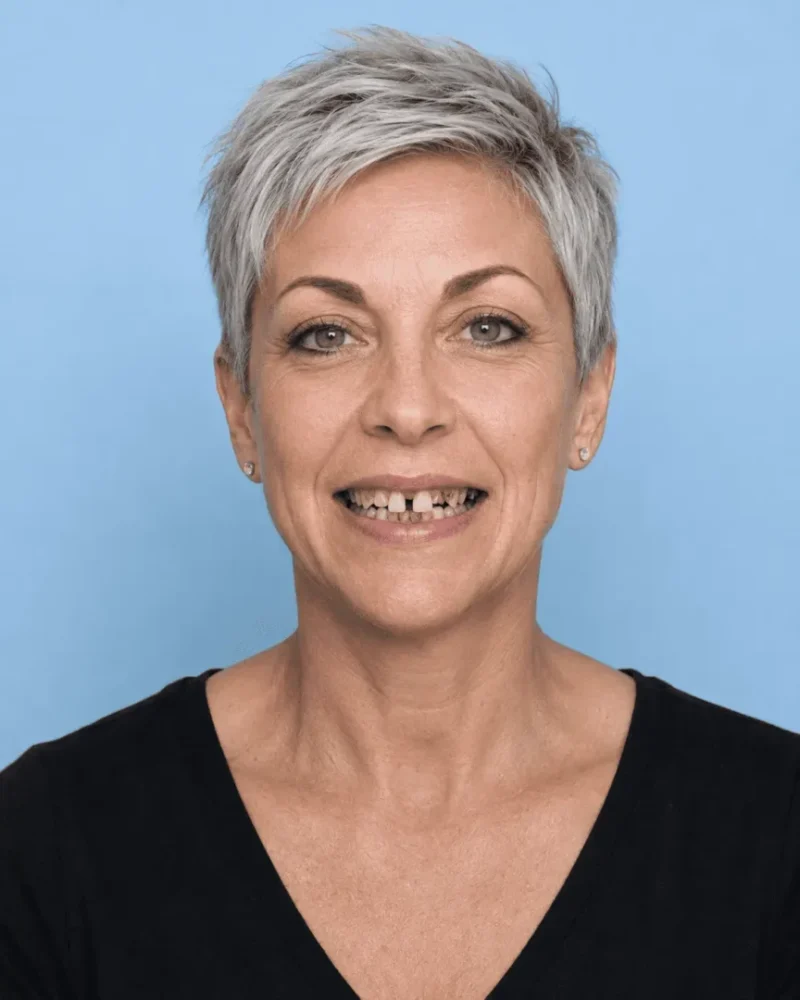

Thinking about straightening your teeth with Invisalign? You’re not alone! Invisalign has become one of the most popular orthodontic treatments for adults and teens who want a discreet alternative to traditional braces. But here’s the thing—not everyone is an ideal candidate for Invisalign. While this innovative clear aligner system works wonders for many people, certain dental conditions and lifestyle factors can affect whether it’s the right choice for you.
Understanding what might disqualify you from Invisalign treatment is the first step toward finding the perfect solution for your smile. The good news? Many conditions that once were considered deal-breakers have become treatable with advances in Invisalign technology. Let’s explore the factors that could impact your eligibility and help you determine if Invisalign is your ticket to that dream smile.
1. Severe Bite Problems and Malocclusion

While Invisalign can correct many bite issues, severe malocclusion cases might require traditional braces or even surgical intervention. If you have a significant overbite, underbite, or crossbite that affects more than just aesthetics, Invisalign might not provide the force needed to move your teeth into proper position.
Severe bite problems often involve jaw misalignment that goes beyond what clear aligners can address. Traditional braces use brackets and wires that can apply more targeted pressure in multiple directions simultaneously. However, moderate bite issues respond beautifully to Invisalign treatment, especially with attachments and elastics that enhance the system’s effectiveness.
What Counts as “Severe”?
A severe overbite typically means your upper teeth overlap your lower teeth by more than 4-6mm. Severe underbites occur when your lower jaw protrudes significantly forward. These conditions often require the expertise of an orthodontist who specializes in complex cases. At Dental Theory, our team can evaluate your specific situation and recommend the most effective treatment approach for your unique needs.
2. Rotated or Tilted Teeth

Teeth that are severely rotated—especially back molars or teeth that have twisted more than 20 degrees—can be challenging for Invisalign to correct. The clear aligners work by applying gentle, consistent pressure, but rotating a tooth requires force from multiple angles that aligners may not provide effectively.
Canines and premolars that are significantly rotated pose particular challenges because they have rounded roots that make rotation more difficult. Traditional braces can attach directly to these teeth and use brackets positioned at specific angles to create the rotational force needed.
Solutions for Rotation Issues
Here’s some encouraging news: many rotation cases can be addressed with Invisalign attachments—small, tooth-colored bumps temporarily bonded to your teeth that give the aligners better grip and leverage. Your dentist might also recommend a hybrid approach, using traditional braces for initial correction before switching to Invisalign for final refinements.
| Tooth Position Issue | Invisalign Success Rate | Recommended Approach |
|---|---|---|
| Minor rotation (under 20°) | Excellent | Standard Invisalign with attachments |
| Moderate rotation (20-45°) | Good | Invisalign with strategic attachments and extended treatment |
| Severe rotation (over 45°) | Limited | Traditional braces or hybrid approach |
| Vertically tilted teeth | Variable | Depends on severity; consultation required |
3. Large Gaps or Severely Crowded Teeth

Gaps between teeth or severe crowding represent opposite ends of the spacing spectrum, but both can potentially disqualify you from Invisalign. When gaps exceed 6mm or when teeth are extremely crowded with insufficient space in the jaw, clear aligners might not be your best option.
Large gaps often indicate underlying issues like missing teeth, gum disease, or jaw size discrepancies. Invisalign can close gaps, but very large spaces may require additional procedures like dental implants or bonding to achieve optimal results. Severe crowding might necessitate tooth extraction before orthodontic treatment can begin—something that requires careful planning and coordination.
Why Size Matters
Think of Invisalign like a gentle guide that nudges your teeth into position over time. When teeth are extremely crowded, there simply isn’t enough room in your jaw for them to move without creating other problems. Traditional braces can handle more aggressive tooth movement and are often better suited for these complex cases. Your dentist will take detailed measurements and X-rays to determine the severity of your spacing issues.
4. Certain Dental Restorations

Extensive dental work doesn’t automatically disqualify you from Invisalign, but it can complicate treatment. If you have multiple crowns, bridges, or implants, the aligners may not be able to grip your teeth effectively enough to move them. Dental restorations are typically stronger and more resistant to movement than natural teeth.
Bridges pose a particular challenge because they connect multiple teeth together, making individual tooth movement impossible. Dental implants are anchored directly into your jawbone, so they won’t move at all—your Invisalign treatment plan must work around these permanent fixtures.
Veneers and Bonding Considerations
If you have veneers or composite bonding, the smooth surface might prevent Invisalign attachments from bonding properly. However, this doesn’t necessarily mean you can’t have Invisalign—it just requires strategic planning. Many patients successfully combine cosmetic dentistry with Invisalign by completing orthodontic treatment first, then getting veneers or bonding to perfect their smile.
| Dental Restoration Type | Impact on Invisalign | Potential Solutions |
|---|---|---|
| Single crown | Minimal impact | Treatment proceeds normally with adjustments |
| Multiple crowns | Moderate challenge | Strategic attachment placement and modified treatment plan |
| Dental bridge | Significant limitation | May require bridge removal or alternative orthodontic treatment |
| Dental implants | Cannot be moved | Treatment plan designed to work around implant position |
| Veneers | Variable impact | May need veneer replacement after treatment or modified attachment approach |
5. Active Gum Disease or Poor Oral Health
This one’s non-negotiable: you need healthy gums and good overall oral health before starting any orthodontic treatment, including Invisalign. Active periodontal disease weakens the structures supporting your teeth, and moving teeth when gums are inflamed or infected can lead to tooth loss and serious complications.
Gum disease causes inflammation, bleeding, and eventually bone loss around your teeth. Shifting teeth under these conditions is like trying to rearrange furniture on a shaky foundation—it just doesn’t work safely. The good news is that gum disease is treatable, and once your oral health is restored, you can revisit Invisalign as an option.
Pre-Treatment Requirements
Before starting Invisalign, you’ll need to address any existing dental issues. This includes treating cavities, resolving infections, and bringing gum disease under control. Your dentist will perform a comprehensive examination to ensure your mouth is healthy enough for orthodontic treatment. Regular general dentistry care is essential both before and during your Invisalign journey.
- Complete professional dental cleaning to remove tartar and plaque buildup
- Treat any active cavities or tooth decay
- Address gum disease with scaling and root planing if necessary
- Resolve any infections or abscesses
- Establish a consistent oral hygiene routine including brushing, flossing, and regular checkups
6. Temporomandibular Joint (TMJ) Disorders
If you’re dealing with TMJ disorder—jaw pain, clicking, or difficulty opening your mouth—Invisalign might not be recommended until your TMJ issues are addressed. Moving teeth can affect your bite relationship, which in turn impacts your jaw joint function. In some cases, orthodontic treatment might actually help TMJ symptoms, but in others, it could exacerbate the problem.
TMJ disorders are complex and require careful evaluation. Your jaw joint’s position and function are intimately connected to how your teeth fit together. Sometimes, realigning your teeth with Invisalign can relieve TMJ symptoms by improving your bite. Other times, active TMJ inflammation needs to be treated first before orthodontic work begins.
When Invisalign Might Help TMJ
Interestingly, some patients find that Invisalign actually helps with mild TMJ discomfort. The aligners can act somewhat like a night guard, preventing teeth grinding and reducing jaw clenching. However, this should never replace proper TMJ diagnosis and treatment. If you’re experiencing jaw pain, click when you open your mouth, or have difficulty chewing, discuss these symptoms with your dentist before pursuing Invisalign treatment.
7. Patient Compliance and Lifestyle Factors
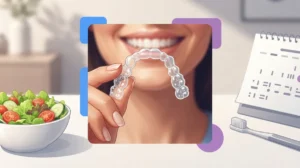
Here’s the reality check: Invisalign requires serious commitment and discipline. If you can’t commit to wearing your aligners for 20-22 hours per day, you’re setting yourself up for failure. Unlike traditional braces that are permanently attached to your teeth, Invisalign aligners are removable—which is both their greatest advantage and their biggest weakness.
Invisalign success depends entirely on patient compliance. Forgetting to wear your aligners, losing them frequently, or removing them for extended periods will derail your treatment timeline and compromise your results. Some lifestyle factors make Invisalign particularly challenging.
Are You Ready for Invisalign Responsibility?
Ask yourself these honest questions: Will you remember to put your aligners back in after every meal? Can you resist the temptation to leave them out for special occasions? Are you willing to carry a travel case and maintain meticulous oral hygiene? If you’re a young teen or someone with a forgetful streak, traditional braces might be more foolproof.
- You must wear aligners 20-22 hours daily for optimal results
- Aligners need to be removed for all eating and drinking (except water)
- You’ll need to brush and floss after every meal before reinserting aligners
- Lost or damaged aligners can delay treatment and incur additional costs
- Regular dental checkups every 6-8 weeks are essential for monitoring progress
- Athletes in high-contact sports may find aligners impractical or risky
- Young children typically lack the maturity for Invisalign compliance
Age and Dental Development Considerations
While Invisalign isn’t just for adults, very young children whose teeth and jaws are still developing might not be ideal candidates. The aligners work best when most or all permanent teeth have erupted. Children under 12 typically still have primary teeth or teeth in transition, making treatment planning more complex.
However, Invisalign Teen has been specifically designed for adolescent patients and includes features like compliance indicators and eruption tabs for incoming teeth. The key consideration is whether the patient is mature enough to handle the responsibility of wearing and caring for the aligners properly.
Special Considerations for Younger Patients
For families considering orthodontic treatment for children, pediatric dentistry specialists can provide guidance on the best timing for intervention. Sometimes early interceptive orthodontics with traditional appliances makes sense, with Invisalign as a later refinement option. Each child’s dental development is unique, and timing matters significantly for optimal results.
When to Seek a Professional Evaluation
Reading about potential disqualifying factors is helpful, but nothing replaces a professional evaluation. Many conditions that seem like deal-breakers can actually be managed with creative treatment planning, attachments, or staged approaches combining different orthodontic techniques.
Modern Invisalign technology has evolved significantly since its introduction. The system now handles cases that were once considered impossible for clear aligners. Advanced features like precision cuts, optimized attachment designs, and SmartTrack material have expanded treatment possibilities considerably.
What Happens During Your Consultation
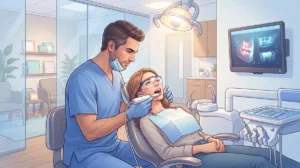
During your Invisalign consultation, your dentist will take detailed records including photographs, X-rays, and either physical impressions or digital scans of your teeth. These records create a comprehensive picture of your dental situation. Using specialized software, your dentist can show you a virtual representation of how your teeth might move during treatment.
- Comprehensive oral examination to assess overall dental health
- Digital X-rays to evaluate tooth roots, bone levels, and jaw relationships
- 3D scans or impressions to create accurate tooth models
- Bite analysis to understand how your upper and lower teeth fit together
- Discussion of your goals, concerns, and lifestyle factors
- Review of treatment options, timeline estimates, and cost considerations
| Evaluation Component | Purpose | What It Reveals |
|---|---|---|
| Clinical examination | Assess visible dental conditions | Tooth positions, gum health, existing dental work |
| X-rays (panoramic and cephalometric) | Evaluate internal structures | Root positions, bone levels, jaw relationships, impacted teeth |
| 3D digital scans | Create precise tooth models | Exact tooth dimensions, spacing, and alignment issues |
| Bite analysis | Understand functional relationships | How teeth come together, potential TMJ issues, wear patterns |
Alternative Options When Invisalign Isn’t Right
If you discover that you’re not an ideal Invisalign candidate, don’t despair! Several effective alternatives can help you achieve your dream smile. Traditional metal braces remain the gold standard for complex orthodontic cases and can handle virtually any tooth movement challenge.
Ceramic braces offer a more aesthetic option than metal braces while providing the same mechanical advantages. Lingual braces, which attach to the back of your teeth, provide nearly invisible correction for those who want discretion but need the power of traditional orthodontics.
Hybrid Treatment Approaches
Many orthodontic practices now offer hybrid treatments that combine different modalities. You might start with traditional braces to address severe issues, then switch to Invisalign for the final refinement phase. This approach gives you the best of both worlds—effective correction and aesthetic appeal when it matters most during the final stages of treatment.
- Traditional metal braces for comprehensive correction of complex cases
- Ceramic braces for less visible treatment with traditional mechanics
- Lingual braces for completely hidden orthodontic treatment
- Surgical orthodontics for severe skeletal discrepancies
- Phased treatment combining multiple approaches for optimal results
The Importance of Choosing an Experienced Provider
Not all Invisalign providers have the same level of expertise. The technology is sophisticated, but it’s only as good as the professional designing your treatment plan. Experienced Invisalign providers understand the system’s capabilities and limitations, allowing them to push boundaries while ensuring safe, effective treatment.
Look for a provider with extensive Invisalign experience and positive patient outcomes. Dr. K’s Gold+ Invisalign Profile demonstrates his advanced training and experience with the Invisalign system. Providers who have achieved elite status levels have typically completed hundreds of cases successfully.
Questions to Ask Your Provider
Don’t be shy about asking your dentist about their Invisalign experience and success rate. Find out how many cases they’ve completed and ask to see before-and-after photos of patients with similar conditions to yours. A confident, experienced provider will welcome these questions and provide transparent answers about what you can realistically expect.
Understanding Treatment Limitations and Realistic Expectations
Even when you’re a good Invisalign candidate, it’s important to have realistic expectations about what the treatment can achieve. Invisalign excels at correcting mild to moderate spacing, crowding, and bite issues. It can create beautiful, functional results for the right cases—but it’s not magic, and it does have limitations compared to traditional braces.
Treatment timelines vary significantly based on case complexity. Simple spacing issues might resolve in 6-12 months, while more complex cases can take 18-24 months or longer. Some cases may require refinement aligners after the initial series to perfect your results. Understanding these realities upfront prevents disappointment and helps you commit to the full treatment journey.
Cost Considerations and Insurance Coverage
The cost of Invisalign treatment typically ranges from $3,000 to $8,000, depending on case complexity and treatment length. While this might seem expensive, many dental insurance plans cover Invisalign similarly to traditional braces, usually providing coverage for a portion of orthodontic treatment.
If insurance doesn’t cover your treatment or you don’t have dental insurance, many practices offer flexible payment plans and financing options. Some offices also provide in-house membership plans that can make treatment more affordable. Don’t let cost concerns prevent you from exploring your options—discuss financial arrangements during your consultation.
Conclusion: Your Path to a Confident Smile
While certain conditions may disqualify you from Invisalign treatment, many factors that once ruled out clear aligners can now be managed with advanced techniques and experienced providers. The key is getting a professional evaluation to determine your specific situation and explore all available options.
Remember that even if Invisalign isn’t right for you today, your circumstances might change. Addressing underlying oral health issues, completing necessary dental work, or simply waiting until your dental development is complete might make you an excellent candidate in the future.
Your smile is worth investing in, and the right orthodontic treatment—whether Invisalign or an alternative—can transform not just your appearance but your confidence and quality of life. Take the first step by scheduling a consultation with an experienced provider who can assess your unique needs and recommend the best path forward.
Ready to discover if Invisalign is right for you? Schedule an appointment with the experienced team at Dental Theory in Brandon, FL. With comprehensive Invisalign services and a 5-star rating on Healthgrades.com, we’re here to help you achieve the smile you’ve always wanted. Visit us today and let’s create your personalized treatment plan. Don’t forget to check out our reviews on Google to see how we’ve helped patients just like you transform their smiles!
FAQs
Q: Can I get Invisalign if I have crowns or bridges?
A: Single crowns typically don’t prevent Invisalign treatment, but multiple crowns or bridges can complicate things. Bridges connect teeth together, making individual movement impossible. Your dentist will evaluate your specific restorations during consultation and determine if Invisalign attachments can be placed effectively or if alternative treatments would work better.
Q: Is Invisalign painful compared to traditional braces?
A: Most patients find Invisalign more comfortable than traditional braces because there are no metal brackets or wires to irritate your cheeks and gums. You’ll feel pressure when you switch to new aligners, which indicates your teeth are moving, but this discomfort is typically mild and temporary. Any soreness usually subsides within a day or two as you adjust to each new aligner set.
Q: How long does Invisalign treatment typically take?
A: Treatment duration varies based on case complexity. Simple spacing corrections might take 6-12 months, while moderate to complex cases typically require 12-24 months. Your specific timeline depends on the severity of misalignment, how consistently you wear your aligners (20-22 hours daily), and whether you need refinement aligners to perfect your results.
Q: Can teenagers use Invisalign successfully?
A: Yes! Invisalign Teen is specifically designed for adolescent patients and includes compliance indicators to help parents monitor wear time. The key factor is maturity—teens need to be responsible enough to wear aligners consistently, care for them properly, and not lose them. Most teens do great with Invisalign, especially when they’re motivated by the system’s discreet appearance.
Q: What happens if I lose my Invisalign aligners?
A: Lost aligners happen, but they can delay treatment and cost extra to replace. Contact your dentist immediately if you lose an aligner—they’ll advise whether to wear your previous set, move to the next set, or order replacements. Most providers charge $100-250 per replacement aligner. To prevent loss, always store aligners in their case when not wearing them and avoid wrapping them in napkins at restaurants!