
If your dentist has recommended a dental crown, you might be wondering what the procedure actually involves. Whether you’re dealing with a cracked tooth, severe decay, or simply want to improve your smile, understanding the dental crown process can help ease any concerns and prepare you for what’s ahead. The good news? Modern dental technology has made getting crowns more comfortable and efficient than ever before.
A dental crown is essentially a custom-made cap that covers your entire tooth, restoring its shape, size, strength, and appearance. Think of it as a protective helmet for your tooth that not only shields it from further damage but also blends seamlessly with your natural smile. With advancements in materials and techniques, today’s crowns look incredibly natural and can last for many years with proper care.
In this comprehensive guide, we’ll walk you through every step of the dental crown procedure, from your initial consultation to aftercare tips. You’ll learn about different crown materials, what happens during each appointment, recovery expectations, and how to make your crown last as long as possible. Let’s dive in and demystify this common dental treatment!
Why You Might Need a Dental Crown

Dental crowns serve multiple purposes, and your dentist might recommend one for various reasons. Understanding why you need a crown can help you appreciate the importance of this restorative procedure and commit to the treatment plan.
The most common reasons for needing a dental crown include:
- Protecting a weak tooth from breaking or holding together parts of a cracked tooth
- Restoring an already broken tooth or a tooth that has been severely worn down
- Covering and supporting a tooth with a large filling when there isn’t much natural tooth structure remaining
- Holding a dental bridge securely in place
- Covering misshapen or severely discolored teeth for cosmetic improvements
- Covering a dental implant to complete the restoration
- Protecting a tooth after root canal therapy
At Dental Theory, our team carefully evaluates each situation to determine whether a crown is the best solution for your specific dental needs. Sometimes, less invasive options like fillings or inlays might be suitable, but crowns offer superior protection and durability for more compromised teeth.
Types of Dental Crown Materials

Not all crowns are created equal! The material your dentist recommends depends on several factors, including the location of the tooth, your budget, aesthetic preferences, and the extent of damage. Here’s a breakdown of the most common crown materials available today:
| Material Type | Best For | Advantages | Considerations |
|---|---|---|---|
| Porcelain/Ceramic | Front teeth | Most natural appearance, excellent color matching | Less durable than metal options |
| Porcelain-Fused-to-Metal | Front or back teeth | Strong and natural-looking | Metal line may show at gumline |
| Gold Alloys | Back molars | Extremely durable, gentle on opposing teeth | Obvious metallic appearance |
| Zirconia | Any tooth | Very strong, natural appearance, biocompatible | More expensive than some options |
Porcelain and ceramic crowns have become increasingly popular because they can be precisely matched to the color of your natural teeth. This makes them virtually indistinguishable from your other teeth, which is especially important for front teeth that show when you smile. However, they may not be as strong as metal or porcelain-fused-to-metal crowns, making them less ideal for molars that handle heavy chewing forces.
Zirconia crowns represent the latest advancement in dental crown technology. They combine the strength of metal with the natural appearance of porcelain, making them an excellent all-around choice. Many dentists now prefer zirconia for both front and back teeth because of their durability and aesthetic qualities.
The Initial Consultation and Examination

Your dental crown journey begins with a thorough consultation and examination. This crucial first step ensures that a crown is indeed the right solution for your dental issue and allows your dentist to plan the procedure carefully.
During your consultation, your dentist will:
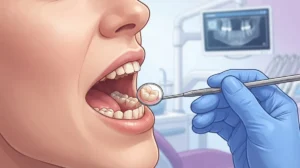
- Examine the affected tooth visually and with dental instruments
- Take X-rays to check the roots of the tooth and surrounding bone
- Discuss your symptoms, concerns, and aesthetic goals
- Explain why a crown is recommended and what alternatives might exist
- Review the types of crown materials available and help you choose the best option
- Provide a cost estimate and discuss insurance coverage or payment plans
If the tooth requires root canal therapy before placing the crown, your dentist will address this first. A root canal removes infected or damaged pulp from inside the tooth, and since the tooth is already open during this procedure, it’s the perfect time to prepare it for a crown afterward.
This consultation is also your opportunity to ask questions and express any concerns. Don’t hesitate to inquire about the timeline, what to expect during each appointment, pain management options, and aftercare requirements. A good dentist will take the time to address all your questions and ensure you feel comfortable moving forward.
Step-by-Step: The Traditional Crown Procedure

The traditional dental crown procedure typically requires two separate appointments, spaced about two to three weeks apart. Here’s what happens during each visit:
First Appointment: Tooth Preparation and Impression
Your first appointment focuses on preparing the tooth and creating an impression that will be used to craft your permanent crown. The process usually takes between 60 to 90 minutes and involves several key steps.
First, your dentist will administer local anesthesia to numb the tooth and surrounding gum tissue. Once you’re comfortable and the area is fully numb, the preparation begins. Your dentist will use a dental drill to remove a portion of the outer surface of the tooth, reshaping it to create space for the crown. The amount of tooth structure removed depends on the type of crown being used—metal crowns require less removal than porcelain ones.
If a large portion of the tooth is missing due to decay or damage, your dentist may need to build up the tooth using filling material to provide adequate support for the crown. This core buildup ensures the crown has a solid foundation to attach to.
Next comes the impression stage. Your dentist will make a detailed mold of the prepared tooth and the teeth around it. This can be done using traditional putty-like impression material or, increasingly, with digital scanners that create a 3D image of your teeth. Digital impressions are more comfortable, more accurate, and eliminate the gagging sensation some patients experience with traditional impressions.
Your dentist will also determine the correct shade for your crown by comparing it to your natural teeth using a shade guide. This ensures your permanent crown will blend seamlessly with your smile.
Before you leave, your dentist will place a temporary crown over the prepared tooth to protect it while your permanent crown is being fabricated at a dental laboratory. This temporary crown is typically made of acrylic or composite resin and is cemented with temporary adhesive that allows for easy removal at your next appointment.
Between Appointments: Laboratory Fabrication
While you’re wearing your temporary crown, your permanent crown is being custom-crafted in a dental laboratory. This process typically takes two to three weeks. Skilled dental technicians use the impressions or digital scans from your appointment to create a crown that precisely fits your prepared tooth and matches your natural teeth in color and shape.
During this time, it’s important to take care of your temporary crown. Avoid sticky or hard foods, chew on the opposite side when possible, and be gentle when brushing and flossing around the temporary crown. If your temporary crown becomes loose or falls off, contact your dentist right away—the prepared tooth needs protection.
Second Appointment: Crown Placement
Your second appointment is typically shorter, lasting about 30 to 60 minutes. This is when your permanent crown is placed, completing your treatment.
The process begins with removing the temporary crown and cleaning the prepared tooth. Your dentist will then try in the permanent crown to check the fit, bite, and appearance. You’ll have the opportunity to look at the crown and provide feedback about how it looks and feels. If any adjustments are needed, your dentist can make them right away.
Once everyone is satisfied with the fit and appearance, your dentist will cement the crown in place using permanent dental adhesive. The cement is applied to the inside of the crown, and the crown is carefully positioned on the prepared tooth. Your dentist will ensure proper positioning and have you bite down to confirm a comfortable fit.
Excess cement is removed, and your dentist will check your bite one final time, making any necessary adjustments to ensure the crown doesn’t interfere with your natural bite pattern. You’ll receive instructions on caring for your new crown and any temporary sensitivity you might experience.
Same-Day Crowns: The Modern Alternative
Technology has revolutionized the dental crown procedure with the introduction of same-day crown systems like CEREC (Chairside Economical Restoration of Esthetic Ceramics). This innovative approach allows dentists to design, create, and place a permanent crown in a single appointment, typically in about two to three hours.
Dr. K offers same-day crowns at Dental Theory, providing patients with the convenience of completing their crown treatment in one visit. Here’s how the same-day crown process works:
- Digital Scanning: Instead of taking traditional impressions, your dentist uses a digital scanner to create a precise 3D image of your prepared tooth and surrounding teeth.
- Computer Design: The digital scan is uploaded to specialized software that designs your crown based on the shape and position of your teeth. Your dentist can adjust the design on the computer screen to ensure optimal fit and appearance.
- In-Office Milling: The crown design is sent to an in-office milling machine that carves your crown from a solid block of ceramic material. This process takes about 10-15 minutes.
- Finishing and Placement: Your dentist polishes and refines the milled crown, checks the fit, and then permanently cements it in place.
The advantages of same-day crowns include:
- No need for temporary crowns or a second appointment
- No messy impressions with putty material
- Less time away from work or other activities
- Immediate restoration of tooth function and appearance
- Highly accurate digital design and manufacturing
However, same-day crowns may not be suitable for all situations. Complex cases, crowns requiring gold or certain porcelain-fused-to-metal materials, or situations where a dental laboratory’s expertise is needed may still require the traditional two-appointment approach.
What to Expect During Recovery
The good news about dental crown procedures is that recovery is typically quick and straightforward. Most patients experience minimal discomfort and can return to their normal activities immediately after the appointment.
In the first 24-48 hours after crown placement, you might experience:
- Mild sensitivity: Your tooth may be sensitive to hot or cold temperatures for a few days. This is normal and should gradually decrease. If sensitivity persists beyond two weeks, contact your dentist.
- Gum tenderness: The gum tissue around the crowned tooth may feel sore or irritated, especially if it was manipulated during the procedure. This typically resolves within a few days.
- Adjustment period: Your new crown might feel slightly different when you bite down. Your mouth usually adjusts to this within a few days. If the crown feels too high or interferes with your bite after a week, contact your dentist for an adjustment.
- Minor discomfort: Some achiness around the treated tooth is normal and can be managed with over-the-counter pain relievers like ibuprofen or acetaminophen.
To ensure a smooth recovery:
- Avoid chewing on hard foods directly with the crowned tooth for the first 24 hours while the cement fully sets
- Continue brushing and flossing as normal, being gentle around the crowned tooth
- If you experience sensitivity, use toothpaste designed for sensitive teeth
- Avoid extremely hot or cold foods and beverages for the first few days
- Take any prescribed pain medication or antibiotics as directed
Most patients find that any discomfort is minimal and manageable. By the end of the first week, your crown should feel like a natural part of your smile.
Potential Complications and How to Address Them
While dental crowns have a high success rate, it’s important to be aware of potential complications so you can address them promptly if they occur.
| Complication | Symptoms | Solution |
|---|---|---|
| Crown feels too high | Bite feels uneven, discomfort when chewing | Schedule adjustment appointment |
| Persistent sensitivity | Pain with hot/cold lasting over 2 weeks | May indicate nerve issues; see dentist |
| Crown becomes loose | Movement, food getting stuck underneath | Contact dentist immediately for re-cementation |
| Crown chips or breaks | Visible damage, rough edges | May be repairable or require replacement |
If your crown becomes loose or falls off, keep it safe and contact your dentist right away. In many cases, the crown can be cleaned and re-cemented. Don’t attempt to reattach it yourself with over-the-counter adhesives, as this could damage the crown or tooth.
Persistent pain or sensitivity beyond the initial recovery period should always be evaluated by your dentist. While rare, it could indicate that the tooth’s nerve is irritated or that decay has developed underneath the crown.
If you notice a dark line appearing at the gum line with a porcelain-fused-to-metal crown, this is typically the metal showing through as gums naturally recede with age. While not a dental emergency, you may want to discuss replacing the crown with an all-ceramic option for better aesthetics.
Caring for Your Dental Crown
With proper care, dental crowns can last 10-15 years or even longer. The key to crown longevity is maintaining excellent oral hygiene and avoiding behaviors that could damage the crown.
Follow these daily care tips to keep your crown in excellent condition:
- Brush twice daily: Use a soft-bristled toothbrush and fluoride toothpaste to clean your crowned tooth just like your natural teeth. Pay special attention to the area where the crown meets the gum line.
- Floss daily: Food particles and bacteria can still accumulate around crowns, leading to decay in the remaining natural tooth structure. Floss gently to avoid dislodging the crown.
- Use mouthwash: An antimicrobial mouthwash can help reduce bacteria around the crown and support overall oral health.
- Attend regular dental checkups: Visit your dentist every six months for professional cleanings and examinations to catch any potential issues early.
- Watch your diet: While crowns are strong, avoid chewing ice, hard candy, or using your teeth as tools to open packages, as these habits can crack or chip the crown.
If you grind your teeth at night (bruxism), talk to your dentist about getting a custom nightguard. Grinding can wear down crowns prematurely and potentially cause them to crack or become loose.
Certain foods deserve extra caution with crowns, especially in the first few weeks after placement. Sticky foods like caramels or taffy can potentially pull crowns off, while very hard foods like nuts or hard breads might chip porcelain crowns. This doesn’t mean you can’t enjoy these foods—just be mindful and chew carefully.
Cost Considerations and Insurance Coverage
Understanding the financial aspect of dental crowns helps you plan for treatment and make informed decisions. Crown costs vary depending on several factors, including the material used, your location, and whether additional procedures are needed.
Here’s a general breakdown of crown costs:
| Crown Type | Average Cost Range | Insurance Typically Covers |
|---|---|---|
| Porcelain/Ceramic | $800 – $3,000 | 50% after deductible |
| Porcelain-Fused-to-Metal | $500 – $1,500 | 50% after deductible |
| Gold Alloy | $600 – $2,500 | 50% after deductible |
| Zirconia | $1,000 – $2,500 | 50% after deductible |
Most dental insurance plans classify crowns as a major restorative procedure and typically cover 50% of the cost after you’ve met your annual deductible. However, coverage varies significantly between plans, so it’s important to check with your insurance provider about your specific benefits.
Keep in mind that insurance usually covers crowns when they’re medically necessary (to restore function or protect a damaged tooth) but may not cover them when they’re purely cosmetic. Additionally, many insurance plans have annual maximum benefits (often $1,000-$2,000), which could affect your out-of-pocket costs.
If you don’t have dental insurance or your insurance doesn’t fully cover the procedure, many dental offices offer payment plans or financing options to make treatment more affordable. Some practices also offer in-house membership plans that provide discounts on procedures for a flat annual fee.
When comparing costs, remember that the cheapest option isn’t always the best value. Quality materials and an experienced dentist can make a significant difference in how well your crown fits, how natural it looks, and how long it lasts. A well-made crown that lasts 15 years provides better value than a cheaper crown that needs replacement after five years.
Crowns vs. Other Dental Restorations
Dental crowns aren’t the only option for restoring damaged or decayed teeth. Understanding how crowns compare to other treatments can help you appreciate why your dentist might recommend one restoration over another.
Dental Fillings: Fillings are used for small to moderate cavities or minor tooth damage. They’re less expensive than crowns and require minimal tooth preparation. However, fillings aren’t strong enough to restore severely damaged teeth or protect weak teeth from fracturing. If more than 50% of your tooth structure is compromised, a crown is typically the better choice.
Inlays and Onlays: These are partial crowns that cover only a portion of the tooth. They’re more conservative than full crowns because they preserve more natural tooth structure, but they’re only suitable when damage is limited to specific areas of the tooth. Think of them as a middle ground between fillings and crowns.
Veneers: Veneers are thin shells of porcelain bonded to the front of teeth, primarily used for cosmetic purposes. They can improve the appearance of discolored, chipped, or slightly misaligned teeth but don’t provide the structural support and protection that crowns offer. Veneers are ideal for front teeth with minor cosmetic concerns, while crowns are better for teeth with significant damage or those that need reinforcement.
Dental Implants: When a tooth is too damaged to save, an implant (an artificial tooth root topped with a crown) might be recommended instead of trying to crown the natural tooth. While more expensive upfront, implants can be a more permanent solution when the natural tooth’s prognosis is poor.
Your dentist will evaluate your specific situation and recommend the restoration that best balances preservation of natural tooth structure, durability, aesthetics, and cost-effectiveness.
Frequently Asked Questions About Dental Crown Procedures
Even after understanding the basics of the dental crown procedure, you might still have specific questions. Here are some of the most common concerns patients express:
Is the Crown Procedure Painful?
The dental crown procedure itself is not painful because your dentist uses local anesthesia to numb the tooth and surrounding area completely. You might feel pressure during tooth preparation, but you shouldn’t experience pain. After the anesthesia wears off, you may experience some mild soreness or sensitivity, but this is typically manageable with over-the-counter pain relievers and subsides within a few days.
How Long Does a Dental Crown Last?
With proper care, dental crowns typically last 10-15 years, though many patients enjoy their crowns for 20 years or more. The longevity of your crown depends on several factors, including the material used, your oral hygiene habits, grinding or clenching habits, and regular dental care. Porcelain-fused-to-metal and gold crowns tend to be the most durable, while all-ceramic crowns, though beautiful, may be slightly more prone to chipping.
Can I Eat Normally with a Crown?
Yes! Once your permanent crown is fully set (usually after 24 hours), you can eat normally. Crowns are designed to function just like your natural teeth. However, it’s wise to avoid extremely hard foods like ice or hard candy and be cautious with sticky foods like caramels, as these can potentially damage or dislodge any dental restoration, including crowns. Most patients find that their crowned teeth feel completely natural and don’t limit their food choices at all.
What If My Crown Doesn’t Match My Other Teeth?
A properly made crown should match your natural teeth so closely that it’s virtually undetectable. Your dentist uses shade guides and careful color matching during the crown creation process. If you’re unhappy with how your crown looks after placement, speak up! Most dentists want you to be completely satisfied and may be able to adjust the crown or have the lab remake it. It’s much easier to address aesthetic concerns before the crown is permanently cemented, so don’t hesitate to provide feedback during the try-in phase.
At Dental Theory in Brandon, FL, we understand that getting a dental crown is a significant decision. Our team, led by Dr. K, who specializes in adult and cosmetic dentistry, takes pride in providing comfortable, high-quality crown procedures with results that look natural and last for years. With the option for same-day crowns, we can often complete your treatment in just one convenient appointment. Plus, Dr. K maintains a 5-star rating on Healthgrades.com, reflecting our commitment to exceptional patient care.
Ready to Restore Your Smile?
Getting a dental crown is a straightforward procedure that can dramatically improve both the function and appearance of a damaged tooth. Thanks to modern technology and materials, crowns look more natural than ever and can be completed quickly with minimal discomfort. Whether you need a crown to protect a weakened tooth, restore a broken one, or enhance your smile’s appearance, the procedure is a proven, reliable solution that can last for many years.
The key to a successful crown experience is choosing an experienced dental team who prioritizes your comfort and uses high-quality materials. Don’t let anxiety about the procedure prevent you from getting the dental care you need—understanding what to expect can transform nervousness into confidence.
If you’re experiencing tooth pain, have a cracked or damaged tooth, or have been told you need a crown, don’t wait. Early treatment prevents further damage and often means a simpler, less expensive restoration. Ready to take the next step toward a healthier, more beautiful smile? Schedule an appointment with our team at Dental Theory today. We’re here to answer your questions, address your concerns, and provide the exceptional dental care you deserve. You can also visit us on Google to read reviews from our satisfied patients and learn more about our commitment to your oral health.
FAQs
Q: How long does the dental crown procedure take from start to finish?
A: The traditional dental crown procedure requires two appointments spaced about 2-3 weeks apart. The first appointment for tooth preparation and impressions takes 60-90 minutes, while the second appointment for crown placement takes 30-60 minutes. However, with same-day crown technology, the entire process can be completed in one visit lasting about 2-3 hours, giving you a permanent crown without the need for temporaries or multiple appointments.
Q: Will I need to miss work to get a dental crown?
A: Most patients can return to work or normal activities immediately after their crown appointment. The procedure itself is done under local anesthesia, so you’ll be fully alert afterward. If you opt for a same-day crown, you might want to schedule a half-day off to accommodate the longer single appointment. Some people experience minor sensitivity or numbness for a few hours after the appointment, but this typically doesn’t interfere with daily activities.
Q: Can a crowned tooth still get cavities?
A: Yes, while the crown itself can’t decay, the natural tooth structure underneath the crown can still develop cavities, especially at the margin where the crown meets the tooth. This is why maintaining excellent oral hygiene—including brushing twice daily, flossing around the crown, and attending regular dental checkups—is essential. Good oral care ensures your crowned tooth remains healthy and functional for many years.
Q: What’s the difference between temporary and permanent crowns?
A: Temporary crowns are made of acrylic or composite resin and are designed to protect your prepared tooth while your permanent crown is being fabricated. They’re held in place with temporary cement that allows for easy removal and aren’t as durable or aesthetic as permanent crowns. Permanent crowns are custom-made from stronger materials like porcelain, zirconia, or metal alloys, fit more precisely, and are cemented with strong adhesive designed to last for many years.
Q: How do I know if my crown is failing and needs replacement?
A: Signs that your crown may be failing include persistent pain or sensitivity, visible cracks or chips in the crown material, a loose feeling when you bite down, or decay developing around the crown’s edges. You might also notice a dark line appearing at the gum line with older crowns, or the crown might feel rough or catch when you run your tongue over it. If you experience any of these symptoms, schedule an appointment with your dentist promptly to evaluate whether the crown needs repair or replacement.