Key Takeaways
-
Back teeth almost always need crowns after root canal treatment because they endure heavy chewing pressure, while front teeth with minimal damage may only require a filling.
-
Root canal-treated teeth become brittle and lose moisture over time, making them significantly more prone to cracking without proper restoration protection.
-
Crowns last 10-20 years compared to fillings' 5-10 year lifespan, making them more cost-effective long-term despite higher upfront costs.
-
Choosing a filling when a crown is needed risks tooth fracture, filling failure, re-infection, and potential tooth loss, particularly for back teeth.
-
Same-day ceramic crowns eliminate the need for temporary crowns and multiple appointments, making crown restoration more convenient for busy patients.
-
The decision between crown and filling depends on tooth location, remaining tooth structure, decay severity, and insurance coverage—consult your dentist for your specific situation.
You just finished a root canal. Now your dentist is talking about your next step. Do you need a crown? Or will a filling do the job? This is one of the most common questions patients ask — and it’s a really good one. The answer can affect your wallet, your time, and most importantly, your tooth’s long-term health.
The good news? Making the right choice doesn’t have to be confusing. Once you understand a few key facts, the decision becomes much clearer. This guide walks you through everything you need to know about choosing between a crown vs. a filling after a root canal — so you can feel confident about your treatment plan.
What Happens to a Tooth After a Root Canal?
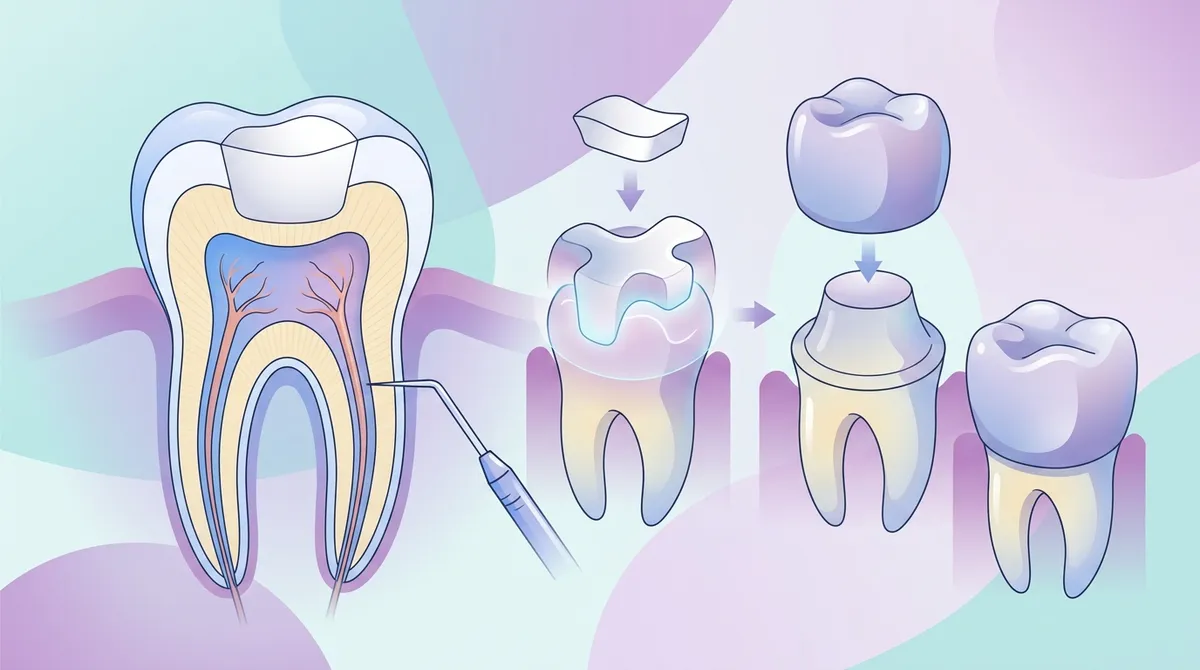
To make a smart decision, it helps to understand what a root canal actually does to your tooth. During the procedure, your dentist removes the infected pulp from inside the tooth. That pulp includes nerves and blood vessels. Once it’s gone, the tooth is no longer alive in the same way.
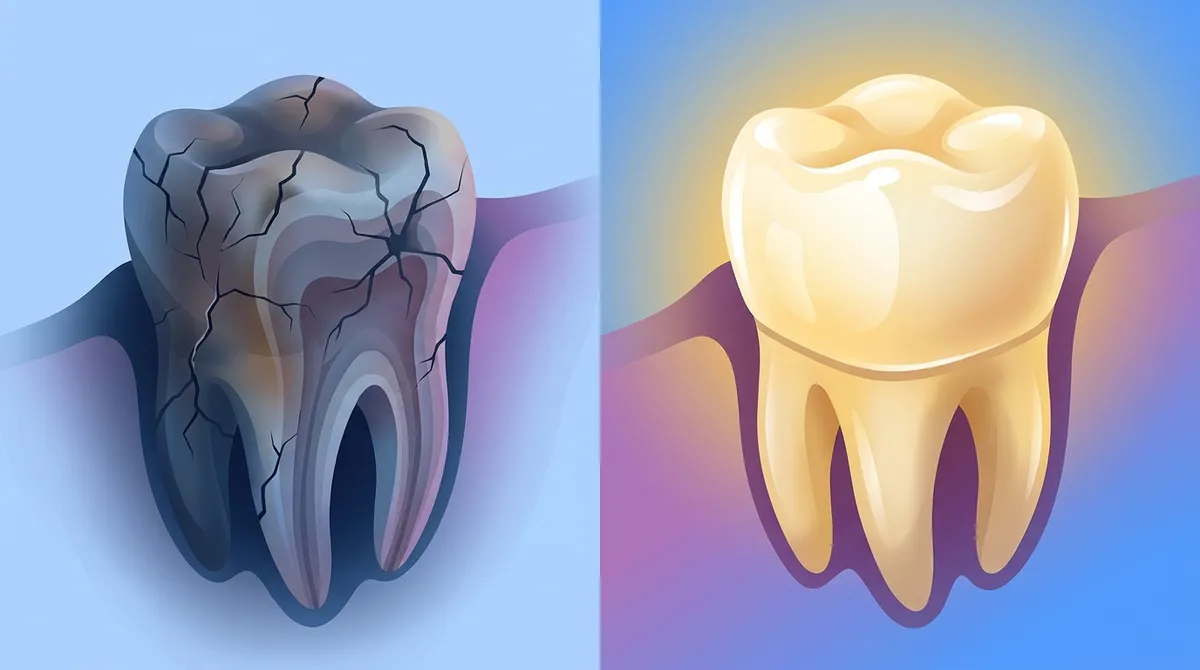
A tooth without its pulp becomes more brittle over time. It loses moisture and flexibility. That makes it more likely to crack or fracture under everyday biting pressure. This is why restoration after a root canal therapy is so important — the treatment saves the tooth, but the restoration protects it for the long run.
Crown After Root Canal vs Filling: The Key Differences
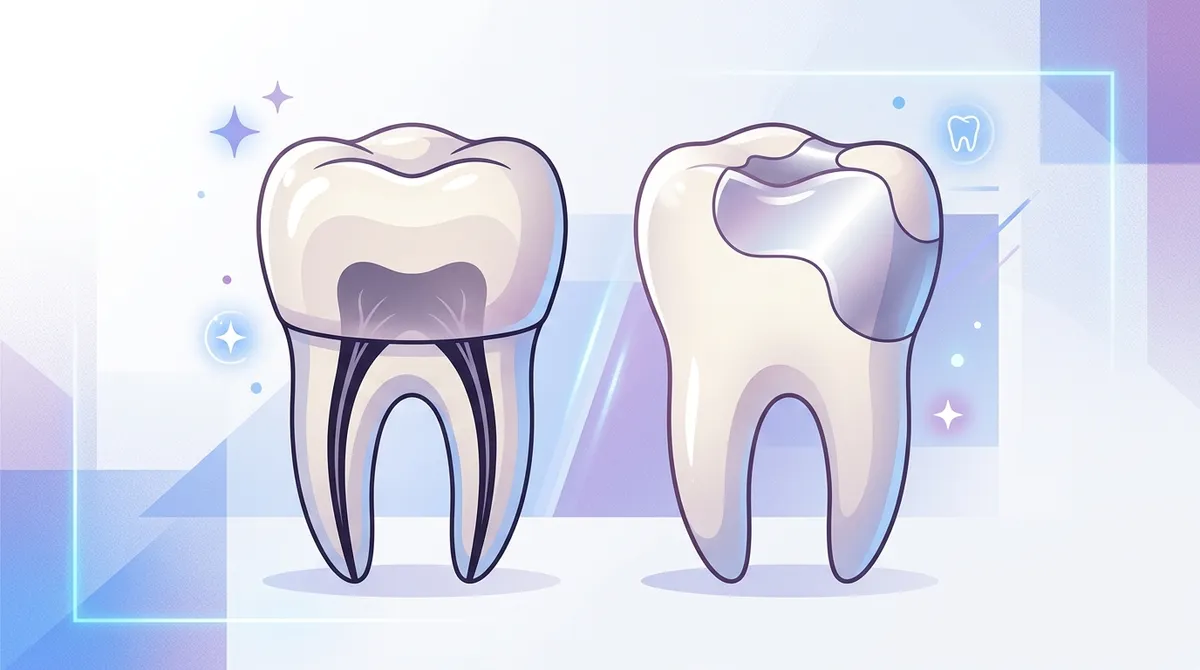
Both crowns and fillings restore a tooth after treatment. But they do very different jobs. Here’s a simple breakdown to help you see the difference at a glance.
| Feature | Dental Crown | Dental Filling |
|---|---|---|
| Coverage | Full tooth cap | Fills a cavity or small hole |
| Strength Added | High — reinforces the entire tooth | Moderate — supports tooth structure |
| Best For | Back teeth, large decay, weakened teeth | Front teeth, minimal damage, small access holes |
| Durability | 10–15+ years | 5–10 years |
| Cost | Higher upfront | Lower upfront |
| Appointments Needed | 1 (same-day) or 2 (traditional) | Usually 1 |
As you can see, a crown provides more protection. But that doesn’t mean every tooth needs one. The right choice depends on several factors specific to your tooth and situation. You can also explore the connection between dental crowns and root canals in more detail.
When Do You Need a Crown After a Root Canal?
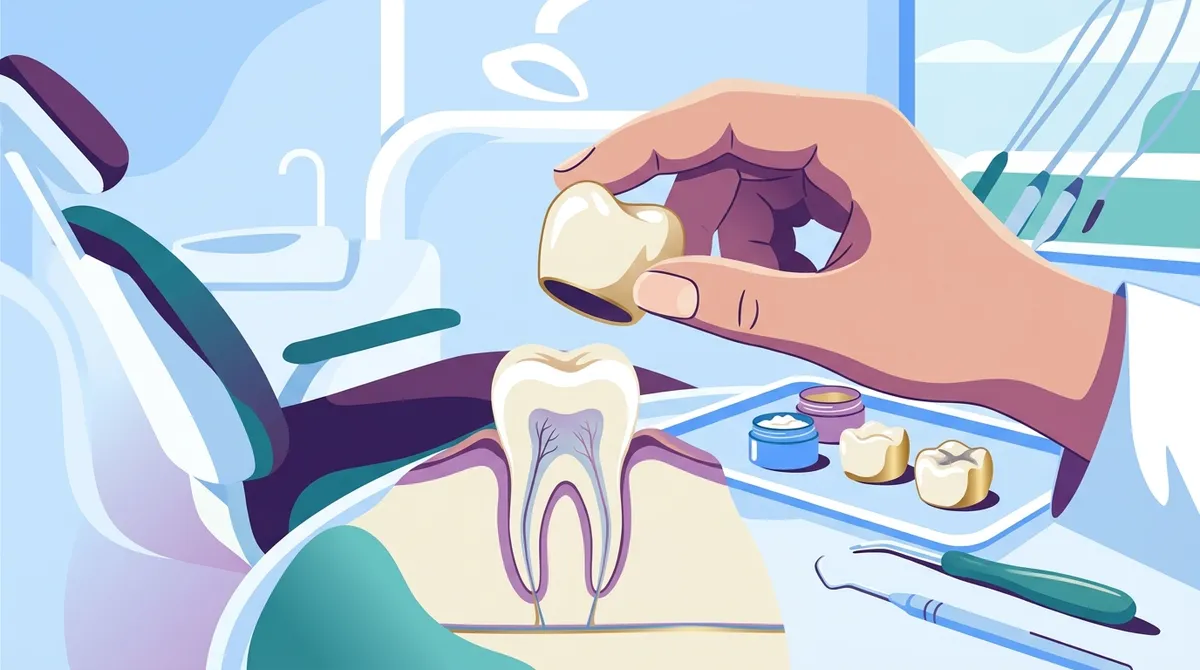
In most cases, dentists recommend a crown after a root canal. Here are the main reasons why:
- The tooth is in the back of your mouth. Molars and premolars take the most chewing force. A crown protects them from cracking under that daily pressure.
- The tooth had a large cavity before treatment. Large decay removes a lot of natural tooth structure. A filling alone may not provide enough support.
- The tooth has multiple existing fillings. If the tooth was already heavily restored, a crown offers full coverage and extra strength.
- The tooth is cracked or fractured. A crown holds the tooth together and prevents the crack from spreading further.
- You want long-term protection. A crown is simply more durable and offers better protection over many years.
When in doubt, most dental experts agree: dentists recommend dental crowns after root canals because they lower the risk of tooth fracture and re-infection significantly.
When Might a Filling Be Enough?
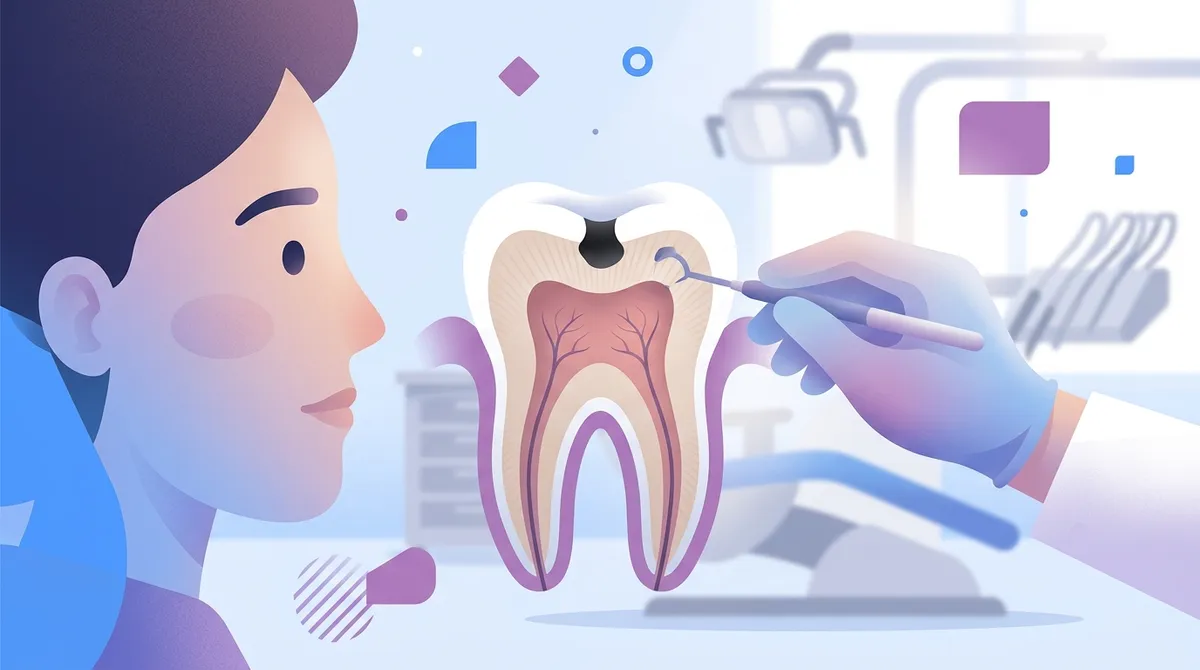
There are some situations where a filling can work just fine after a root canal. This is usually the case when:
- The treated tooth is a front tooth (incisor or canine)
- Very little tooth structure was removed during treatment
- The tooth had minimal decay to begin with
- Your budget requires a more affordable short-term option
Front teeth don’t take as much biting pressure as back teeth. So they’re less likely to crack without a crown. That said, even front teeth can benefit from a crown if a lot of natural structure was lost. Always talk with your dentist about your specific situation. Check out this helpful article on whether you need a crown after a large filling for more guidance.
How to Choose the Right Option for You
Making this decision is easier when you follow a simple step-by-step process. Here’s how to approach it:
- Ask your dentist which tooth was treated. Back teeth almost always need crowns. Front teeth may get by with a filling.
- Find out how much tooth structure remains. The more tooth that’s left, the better a filling may work. Less tooth structure means a crown is safer.
- Check your dental insurance coverage. Some insurance plans cover crowns after root canals. It’s worth checking before you decide.
- Ask about same-day options. If time is a concern, ask about getting a crown in a single visit. Modern technology makes this possible.
- Think about long-term vs. short-term cost. A filling may cost less now, but if it fails and the tooth breaks, you could pay more later. Learn about insurance mistakes that cost you on dental crowns so you can plan ahead.
What Are the Risks of Choosing a Filling When a Crown Is Needed?
Choosing a filling over a crown when a crown is truly needed can lead to problems down the road. It’s important to know what you’re risking.
| Risk | What It Means | How Likely? |
|---|---|---|
| Tooth fracture | Brittle tooth cracks under bite pressure | High for back teeth |
| Filling failure | The filling breaks or falls out | Moderate over time |
| Re-infection | Bacteria re-enter through a failed restoration | Moderate without proper seal |
| Tooth loss | Severe fracture may require extraction | Low but possible |
These risks don’t mean you’ll always have a problem with a filling. But they’re real possibilities, especially for back teeth. Understanding these risks helps you make a more informed choice. You can also learn about what dental crowns are and when you need them for additional context.
Same-Day Crowns: The Modern Solution
One of the biggest concerns patients have about crowns is the time commitment. Nobody wants to take two days off work or wear a temporary crown for weeks. That’s where same-day crowns come in — and they’re a total game-changer.
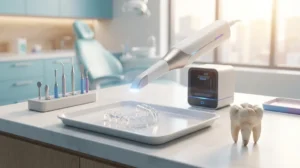
At Dental Theory in Brandon, FL, Dr. K offers same-day ceramic crowns using advanced in-office technology. You come in, the crown is designed and milled right there, and you leave the same day with your permanent crown in place. No temporaries. No second appointment. No waiting around.
This makes choosing a crown much easier for busy families and adults who don’t have time for multiple dental visits. You can learn all about the benefits and process of same-day crowns to see if it’s the right fit for you.
Ceramic Crowns: Why Material Matters
Not all crowns are made the same. At Dental Theory, only ceramic crowns are used. Here’s why that matters:
- Natural appearance: Ceramic looks just like a real tooth. No metal showing at the gumline.
- Biocompatible: Ceramic is gentle on gum tissue and won’t cause reactions.
- Strong and durable: Modern ceramic materials can withstand everyday biting and chewing forces.
- No sensitivity to temperature changes: Unlike metal, ceramic doesn’t conduct hot or cold as much.
Curious about why ceramic is such a popular choice? Read more about why porcelain dental crowns are the best choice for a deeper look at the benefits.
How Long Does Each Option Last?
Durability is a big part of the crown after root canal vs filling decision. Here’s a simple comparison of what you can typically expect:
| Restoration Type | Average Lifespan | Factors That Affect Longevity |
|---|---|---|
| Dental Crown (Ceramic) | 10–20 years | Oral hygiene, bite force, grinding habits |
| Composite Filling | 5–10 years | Size of filling, location, wear and tear |
| Amalgam Filling | 10–15 years | Expansion over time, cracking risk |
Good daily care — brushing, flossing, and regular checkups — extends the life of both crowns and fillings. For more details, check out this article on how long dental crowns last.
Quick Tips for Caring for Your Restoration
Whether you choose a crown or a filling, taking care of it is key. Here are some easy habits to follow:
- Brush twice a day with a soft-bristled toothbrush
- Floss daily — especially around the edges of a crown
- Avoid biting hard objects like ice or pen caps
- Wear a night guard if you grind your teeth while sleeping
- Visit your dentist regularly for checkups and cleanings
- Call your dentist right away if your crown feels loose or the filling chips
If you ever have a crown fall off, don’t panic! Learn what to do when a crown falls off and whether it can be reattached.
Making the Most of Your Dental Insurance
Dental restorations can be a big investment. The good news is that many insurance plans cover a portion of both crowns and fillings. Coverage varies by plan, but crowns after root canals are often covered when medically necessary.
At Dental Theory, the team is happy to help you understand your benefits and maximize your coverage. They accept many insurance plans and can walk you through your options before treatment begins. And if you’re not sure about your coverage, you can always reach out to the Dental Theory team for help navigating your benefits.
For additional reviews and information about the practice, you can also visit Dental Theory on Google to see what patients are saying about their experience.
Conclusion: Trust Your Dentist and Know Your Options
When it comes to a crown after root canal vs filling, there’s no one-size-fits-all answer. But in most cases — especially for back teeth — a crown is the smarter long-term choice. It protects a weakened tooth, prevents fractures, and gives you lasting results. A filling can work for certain situations, particularly front teeth with minimal damage.
The most important step is having an honest conversation with your dentist. Ask questions. Understand your options. And if you’re looking for expert care in Brandon, FL, Dr. K at Dental Theory offers same-day ceramic crowns that make the whole process fast, comfortable, and convenient. You can also schedule an appointment online to get started today.
Ready to protect your smile and make the right call for your tooth? Get in touch with the Dental Theory team and let us help you move forward with confidence. Your healthy smile is worth it!
FAQs
Q: Do you always need a crown after a root canal?
A: Not always, but most of the time — especially for back teeth! Back teeth handle a lot of chewing pressure, and a crown protects the weakened tooth from cracking. Front teeth with minimal damage may only need a filling, but your dentist will help you decide what’s best for your specific tooth.
Q: How long does a crown last after a root canal?
A: A well-placed ceramic crown can last anywhere from 10 to 20 years or more with good care! Brushing twice a day, flossing regularly, and keeping up with dental checkups all help extend its life. Avoiding hard foods and wearing a night guard if you grind your teeth also makes a big difference.
Q: Is a crown after a root canal covered by dental insurance?
A: Many dental insurance plans do cover crowns after root canals, especially when they’re considered medically necessary. Coverage varies by plan, so it’s a great idea to check your benefits before your appointment. The team at Dental Theory is always happy to help you understand your coverage and make the most of your plan!
Q: Can a filling protect a tooth as well as a crown after a root canal?
A: A filling works well for small restorations, particularly on front teeth with minimal damage. However, for back teeth or heavily damaged teeth, a filling alone doesn’t provide the full coverage and strength that a crown does. A crown caps the entire tooth, which dramatically reduces the risk of fracture.
Q: What is a same-day crown and how does it work?
A: A same-day crown is a permanent crown designed, milled, and placed in a single dental visit using advanced in-office technology — no temporary crowns or second appointments needed! At Dental Theory in Brandon, FL, Dr. K uses this technology to give patients beautiful ceramic crowns in just one visit. It’s fast, convenient, and perfect for busy schedules!