
Key Takeaways
- Completing the initial Invisalign series requires consistent aligner wear (20-22 hours daily) and regular check-ups with your orthodontist.
- A comprehensive final assessment determines if additional refinement aligners are needed to perfect tooth positioning.
- The retention phase is critical for maintaining results, with most patients initially wearing retainers full-time, then transitioning to nightly wear.
- Custom retainers are essential to prevent teeth from shifting back to their original positions, requiring diligent nightly use.
- Regular follow-up appointments with your orthodontist help monitor retainer fit and catch potential alignment issues early.
- Your new smile requires ongoing maintenance through proper retainer use and continued good oral hygiene practices.
Congratulations! If you’re reading this, you’re likely nearing the end of your Invisalign journey, and that’s incredibly exciting. After months of dedication—wearing your aligners 20 to 22 hours a day, attending regular check-ups, and watching your smile transform—you’re probably wondering what comes next. The final stages of Invisalign treatment are just as important as the beginning, and understanding what to expect can help you maintain that beautiful new smile for a lifetime. Let’s walk through the seven crucial final stages together, so you know exactly what’s ahead and how to make the most of your investment in yourself.
1. Completing Your Initial Aligner Series
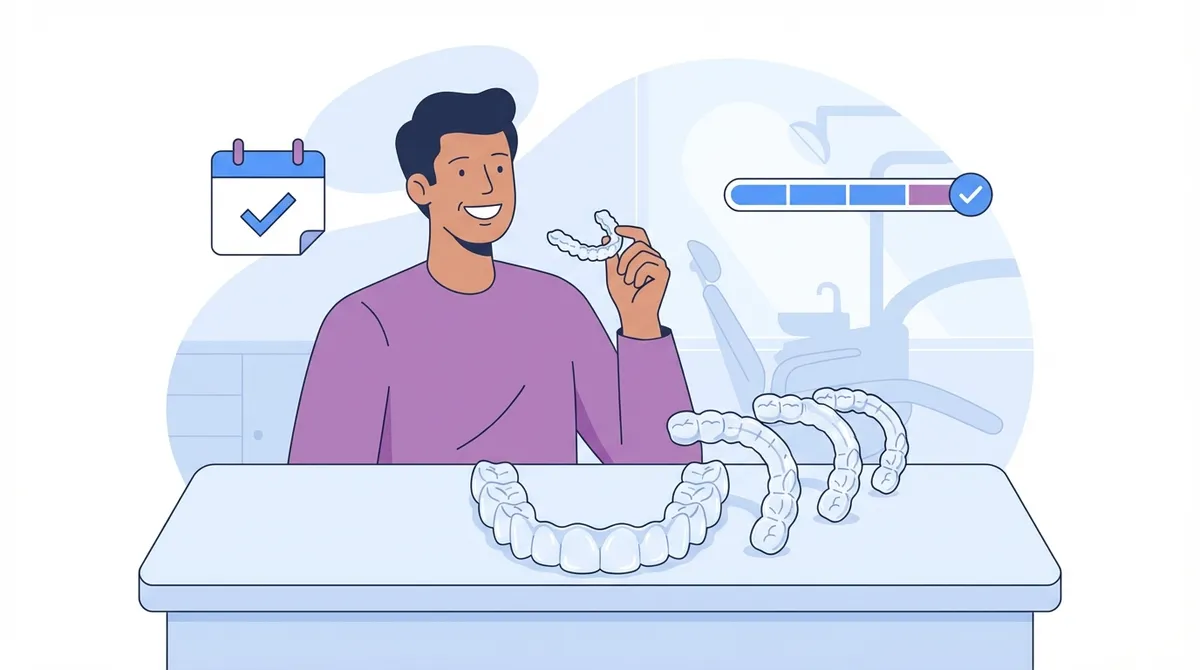
The first major milestone in the final stages is completing your original set of aligners. For most patients, Invisalign treatment lasts between 12 to 18 months, though your specific timeline depends on the complexity of your case and how consistently you’ve worn your aligners. As you near the end of your prescribed series, you’ll notice your teeth are remarkably close to their ideal positions. This is an exciting moment, but it’s important to resist the urge to think you’re completely finished. Your orthodontist will carefully evaluate your progress to determine if any additional refinements are needed.
During this stage, you’ll continue with your regular appointment schedule, typically visiting every 6 to 8 weeks. These check-ins allow Dr. K or your orthodontist to monitor how well your teeth are responding and ensure everything is tracking according to plan. Even though the end is in sight, maintaining your wear schedule is crucial—skipping hours now could delay your final results or require additional aligners later.
2. Comprehensive Final Assessment
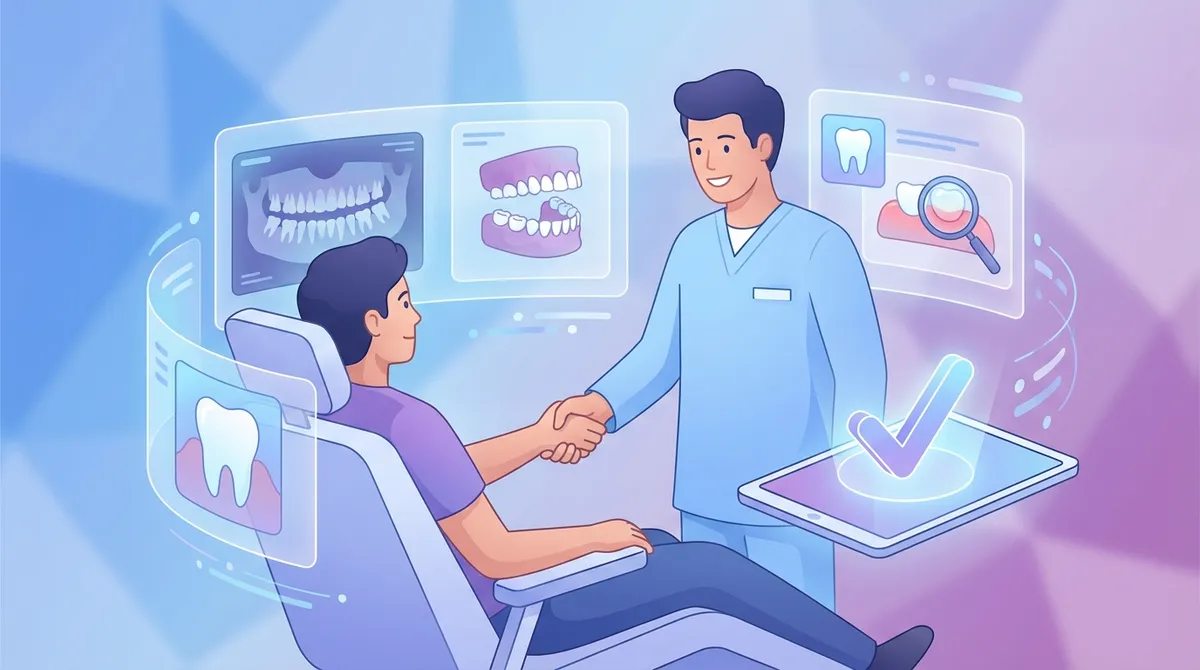
Once you’ve worn your last aligner in the initial series, your orthodontist will conduct a thorough final assessment. This isn’t just a quick glance at your teeth; it’s a detailed evaluation that includes examining your bite, checking tooth positioning, assessing gaps and spacing, and ensuring your overall dental alignment meets the treatment goals established at the beginning. Your orthodontist will take new impressions, photographs, and possibly X-rays to compare your current results with the original treatment plan.
This assessment is critical because it determines whether you’re ready to move straight to retention or if you need a refinement phase. Many patients are surprised to learn that minor adjustments are quite common and nothing to worry about. In fact, refinement aligners are typically included in your original treatment package at no extra cost, which is one of the great benefits of choosing Invisalign treatment.
3. The Refinement Stage (If Needed)
If your orthodontist identifies areas that need fine-tuning—perhaps a tooth that hasn’t quite rotated into perfect position or a minor spacing issue—you’ll enter the refinement stage. This phase typically lasts 1 to 3 months and involves wearing a new set of custom-made aligners designed to address these specific concerns. Think of refinements as the final polish on an already beautiful result; they’re about achieving that picture-perfect smile you’ve been working toward.
The refinement process follows the same routine you’re already familiar with: wearing your aligners 20 to 22 hours per day, removing them only for eating and oral hygiene, and switching to the next aligner in the series as directed. The good news is that refinement sets usually contain fewer aligners than your original treatment, so this stage moves relatively quickly. Patients often find this phase easier because they’re already experts at wearing aligners and know exactly what to expect.
| Treatment Phase | Average Duration | Purpose |
|---|---|---|
| Initial Aligner Series | 12-18 months | Primary tooth movement and alignment |
| Refinement Stage | 1-3 months | Fine-tuning and perfecting alignment |
| Retention Phase | Indefinite (nightly) | Maintaining results and preventing relapse |
4. Transitioning to Retention
Once your orthodontist confirms that your teeth are in their ideal positions—whether after your initial series or following refinements—it’s time to transition to the retention phase. This is arguably the most important stage of your entire Invisalign journey because it protects all the progress you’ve made. Many people don’t realize that teeth have a natural tendency to shift back toward their original positions, a phenomenon called relapse. This happens because the bone and soft tissues surrounding your teeth need time to stabilize and remodel around the new tooth positions.
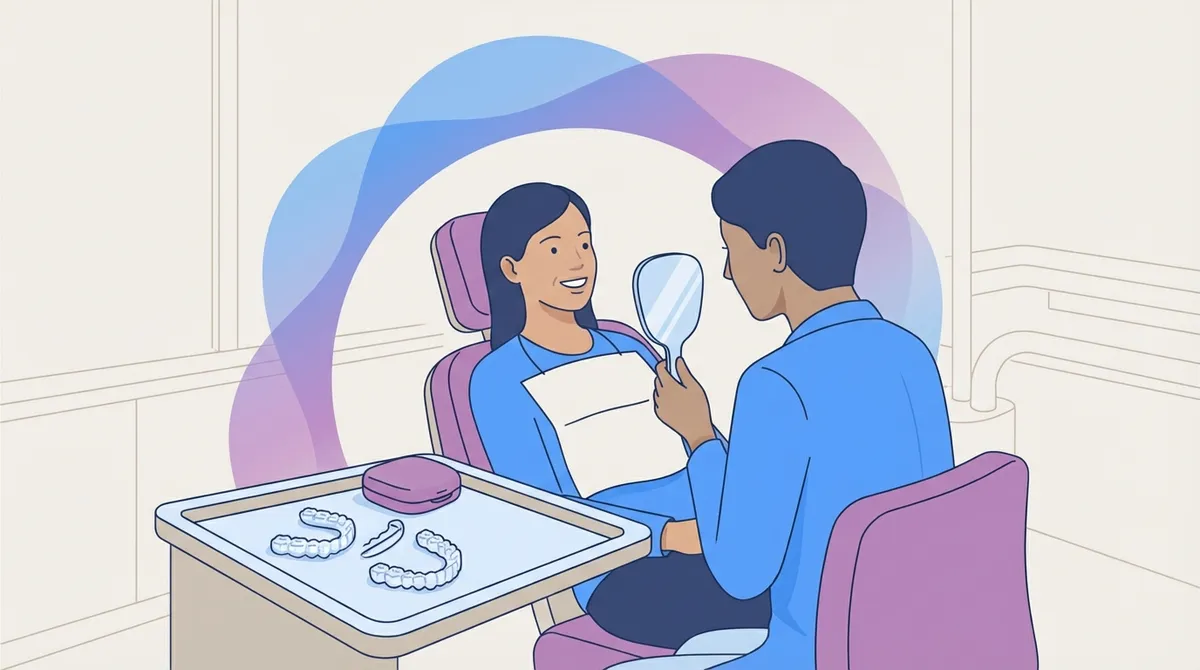
Your orthodontist will take final impressions to create custom retainers specifically designed to hold your teeth in place. There are different types of retainers available, including clear plastic retainers (similar to Invisalign aligners), Hawley retainers (wire and acrylic), and fixed retainers (bonded to the back of your teeth). Your orthodontist will recommend the best option based on your specific needs, lifestyle, and the type of movement your teeth underwent during treatment.
5. Understanding Your Retention Protocol
The retention phase isn’t one-size-fits-all; your orthodontist will provide a personalized wearing schedule based on your individual case. Initially, most patients are instructed to wear their retainers full-time (except when eating) for the first few months after completing treatment. This helps ensure your teeth remain stable during the critical early retention period when they’re most vulnerable to shifting.
After this initial phase, many patients transition to wearing retainers only at night. This nightly routine often becomes a lifelong habit because teeth can shift at any age, even years after treatment. While this might sound daunting, most people find that wearing retainers at night becomes as routine as brushing their teeth. The small effort is absolutely worth it to protect the investment you’ve made in your smile.
Common Retention Schedules:
- Months 1-3: Full-time wear (20-22 hours daily), removing only for meals and oral hygiene
- Months 4-6: Transition to nighttime wear (approximately 8-10 hours while sleeping)
- Months 7-12: Continue nightly wear to ensure long-term stability
- Year 2 and beyond: Many orthodontists recommend indefinite nightly wear, though some patients may reduce to 3-4 nights per week
6. Long-Term Maintenance and Follow-Up
Even after you’ve transitioned to the retention phase, your relationship with your orthodontist doesn’t end completely. Regular follow-up appointments—typically scheduled at 3 months, 6 months, and 12 months after treatment completion—allow your orthodontist to monitor your results and ensure your retainers are fitting properly. These check-ups are quick and painless but incredibly valuable for catching any potential issues early.
During these visits, your orthodontist will examine your teeth for any signs of shifting, assess the condition of your retainers, and address any concerns you might have. If your retainers become worn, damaged, or no longer fit properly, new ones can be created from your final impressions. At Dental Theory, we understand that life happens—retainers get lost, pets find them, and accidents occur. That’s why we keep your records on file and make it easy to order replacement retainers whenever needed.
Retainer Care Tips:
- Clean your retainers daily with a soft toothbrush and mild soap or retainer cleaner
- Store retainers in their protective case when not wearing them
- Avoid exposing retainers to hot water or high temperatures, which can warp the plastic
- Bring your retainers to all dental appointments for professional evaluation
- Replace retainers every 1-2 years or as recommended by your orthodontist
7. Celebrating Your New Smile
The final stage of Invisalign treatment is perhaps the most rewarding: enjoying your beautiful new smile! After months of commitment and patience, you’ve achieved the straight, confident smile you’ve always wanted. This is the time to take those photos you’ve been waiting for, smile freely in social situations, and appreciate the transformation you’ve accomplished. Your new smile isn’t just about aesthetics—it likely also improves your bite function, makes oral hygiene easier, and may even reduce jaw pain or other issues caused by misalignment.
Remember that your smile is an investment in your overall health and confidence. By following your retention protocol and maintaining good oral hygiene, you’re protecting this investment for years to come. Continue visiting your dentist for regular cleanings and check-ups every six months, and don’t hesitate to reach out to your orthodontist if you notice any changes or have concerns about your retainers. Schedule an appointment with us at Dental Theory to ensure your smile stays healthy and beautiful.
| Retainer Type | Pros | Cons |
|---|---|---|
| Clear Plastic | Nearly invisible, comfortable, easy to clean | May need replacement every 1-2 years, can be lost or damaged |
| Hawley | Durable, adjustable, long-lasting | More visible, may affect speech initially |
| Fixed/Bonded | Always working, can’t be lost, no compliance needed | Makes flossing more difficult, may break or detach |
Why the Final Stages Matter So Much
Understanding the importance of these final stages helps ensure your Invisalign success story has a happy ending. Many patients mistakenly believe that once their teeth look straight, the treatment is complete. However, your teeth are not yet fully stable immediately after the last aligner is removed. The periodontal ligaments that hold your teeth in place need time to adapt to the new positions, and the surrounding bone tissue continues to remodel for months after active treatment ends.
This biological process is why the retention phase is non-negotiable. Studies show that patients who don’t wear their retainers as prescribed experience significant relapse, sometimes requiring additional orthodontic treatment to correct. The good news is that preventing this relapse is simple—just wear your retainers as directed! It’s a small commitment compared to the time and effort you’ve already invested in achieving your beautiful smile.
Success Tips for the Final Stages:
- Stay committed: Even though the end is near, maintain your aligner wear schedule until officially transitioned to retainers
- Communicate openly: Share any concerns or questions with your orthodontist during final appointments
- Embrace refinements: If recommended, view them as the final polish on your perfect smile, not a setback
- Set retainer reminders: Use phone alarms or habit-tracking apps to remember nightly retainer wear
- Keep backup retainers: Consider ordering a spare set to keep at work or while traveling
- Document your journey: Take final photos to compare with your before pictures and celebrate your transformation
Special Considerations and Common Concerns
As you move through the final stages of Invisalign, you might have some lingering questions or concerns. It’s completely normal to wonder if your teeth will shift, how long you’ll need to wear retainers, or what happens if you skip a few nights. Let’s address some of these common worries so you can move forward with confidence.
First, understand that some minor settling is normal even with perfect retainer compliance. Your teeth may shift slightly during the first few weeks after treatment as your bite adjusts to its new position. This is typically minimal and nothing to worry about, but it’s one reason why your orthodontist schedules early retention check-ups. If you notice any significant changes or your retainers suddenly feel very tight after not wearing them for a while, contact your orthodontist right away.
Second, life circumstances sometimes interfere with retainer wear—you might forget them on vacation, experience a life event that disrupts your routine, or simply fall out of the habit. If this happens, don’t panic and don’t give up. Try to get back on track as soon as possible, even if your retainers feel snug. If they’re too tight to wear comfortably, contact your orthodontist rather than forcing them, as you may need adjusted retainers or a short period of re-treatment to correct any shifting.
The Role of Overall Dental Health
As you complete your Invisalign treatment, it’s important to remember that orthodontic success is closely tied to overall dental health. The final stages are an excellent time to evaluate your oral hygiene routine and ensure you’re giving your newly aligned teeth the care they deserve. Straight teeth are actually easier to clean than crooked ones, which means you now have a better chance of preventing cavities, gum disease, and other dental issues.
Continue brushing twice daily for two minutes each time, floss at least once a day, and visit your dentist for regular cleanings and check-ups. These preventive habits protect not only your orthodontic results but your overall oral health. If you haven’t already established a relationship with a general dentistry practice, now is the perfect time to do so. At Dental Theory in Brandon, FL, we provide comprehensive dental care for the whole family, ensuring your beautiful smile stays healthy for life.
Looking Ahead: Life After Invisalign
The completion of Invisalign treatment marks the beginning of a new chapter in your dental journey. You’ll likely notice differences that extend beyond just the appearance of your smile. Many patients report improved confidence in social and professional situations, better bite function when eating, reduced jaw pain or headaches, and even improvements in speech. Your straight teeth are also easier to maintain, potentially reducing your risk of dental problems down the road.
As you adjust to life with retainers, remember that this phase is just as important as the active treatment you’ve completed. Think of retainers as the insurance policy on your smile investment. The minimal effort required to wear them nightly is insignificant compared to the alternative of watching your teeth gradually shift back and potentially needing additional treatment.
Your journey with Invisalign has taught you valuable lessons about commitment, patience, and self-care. Apply these lessons to your retention phase and beyond, and you’ll enjoy your beautiful straight smile for decades to come. The final stages aren’t really the end at all—they’re the foundation for a lifetime of confident smiling. Check out Dr. K’s Gold+ Invisalign Profile to learn more about his expertise in transforming smiles with Invisalign.
Conclusion: Your Beautiful Smile Awaits
The final stages of Invisalign treatment represent the culmination of your dedication and the beginning of a lifetime with your dream smile. From completing your initial aligner series through the critical retention phase, each step plays a vital role in ensuring your results last. Whether you need refinements to perfect your alignment or you’re ready to transition straight to retainers, following your orthodontist’s guidance is key to long-term success.
Remember that the retention phase isn’t a burden—it’s a simple way to protect the significant investment you’ve made in yourself. By wearing your retainers as prescribed and maintaining excellent oral hygiene, you’re ensuring that your beautiful smile remains straight and healthy for years to come. The journey may have had its challenges, but the confidence and joy you’ll experience every time you smile makes it all worthwhile.
At Dental Theory, we’re passionate about helping our patients achieve and maintain their healthiest, most beautiful smiles. Whether you’re considering Invisalign treatment or you’re already in the final stages, our experienced team is here to support you every step of the way. With 5-star rating on Healthgrades.com, we’re committed to providing exceptional care in a comfortable, welcoming environment. Ready to start or continue your smile transformation? Explore our cosmetic dentistry options and discover how we can help you achieve the smile you’ve always wanted. Don’t forget to visit us on Google to see what our happy patients are saying about their experiences!
FAQs
Q: How long does the Invisalign refinement stage typically last?
A: The refinement stage usually lasts between 1 to 3 months, depending on the specific adjustments needed. This phase involves wearing a new set of custom aligners designed to fine-tune your smile and perfect any minor alignment issues. The good news is that refinement aligners are typically included in your original treatment package at no additional cost, and you’ll follow the same wearing schedule you’re already accustomed to.
Q: Do I really need to wear retainers forever after Invisalign?
A: Yes, most orthodontists recommend wearing retainers indefinitely to maintain your results, though the schedule changes over time. Initially, you’ll wear them full-time for a few months, then transition to nightly wear. Teeth have a natural tendency to shift throughout life, so wearing retainers at night is the best way to protect your investment and keep your smile straight for years to come. Think of it as a small nightly habit that preserves your beautiful results!
Q: What happens if I skip wearing my retainers for a few nights?
A: If you occasionally forget your retainers, try to get back on track as soon as possible. Your teeth may shift slightly, making your retainers feel tighter when you resume wearing them. If they’re uncomfortable or don’t fit properly after missing several nights, contact your orthodontist rather than forcing them. Consistent retainer wear is crucial, especially during the first year after treatment, to prevent significant shifting that could require additional orthodontic work.
Q: How will I know if I need refinement aligners?
A: Your orthodontist will determine if refinements are needed during your final assessment after completing your initial aligner series. They’ll carefully examine your bite, tooth positioning, and overall alignment to see if any minor adjustments would perfect your results. If refinements are recommended, don’t worry—this is quite common and simply means your orthodontist is committed to giving you the absolute best outcome. The refinement process is straightforward and follows the same routine you’re already familiar with.
Q: Can I switch to wearing retainers every other night once my teeth are stable?
A: This is a question best discussed with your orthodontist, as retention protocols vary based on individual cases. Some patients may eventually reduce to wearing retainers 3-4 nights per week after the first year or two, while others are advised to continue nightly wear indefinitely. Your orthodontist will provide personalized guidance based on factors like the type of tooth movement you had, your age, and how stable your teeth appear during follow-up appointments. Never adjust your retention schedule without consulting your orthodontist first!