Key Takeaways
-
Early signs of gum disease include bleeding gums, red/swollen gums, and persistent bad breath – seek dental care immediately as early treatment is highly effective and can reverse gingivitis.
-
Advanced gum disease symptoms like loose teeth, pus discharge, and tooth sensitivity require urgent professional attention, as they indicate significant bone loss that may be difficult to reverse.
-
Gum disease affects nearly half of US adults over 30 and is linked to serious health conditions including heart disease, diabetes, respiratory illness, and pregnancy complications – making professional treatment important for overall health.
-
Professional treatments like scaling and root planing (deep cleaning) combined with regular 3-4 month maintenance visits can effectively manage and prevent gum disease recurrence after initial treatment.
-
Daily prevention habits – brushing twice daily, daily flossing, avoiding tobacco, and visiting your dentist every 6 months – are significantly more affordable and effective than treating advanced gum disease.
-
If you haven't seen a dentist in over a year, schedule an appointment immediately as early-stage gum disease often has no noticeable symptoms and can only be detected during professional evaluation.
Your gums are trying to tell you something. And if you’ve been ignoring that bleeding when you brush, that nagging puffiness, or that not-so-fresh feeling no matter how much you brush — your gums might be waving a big red flag. Gum disease is one of the most common dental conditions in the United States, and the tricky part? It often starts quietly. By the time it becomes painful, it may already be at an advanced stage. The good news is that catching it early makes a huge difference. Whether you’ve already been searching for a dentist near me for gum disease or you’re just starting to wonder if something’s off, this guide is for you. We’re going to walk through 11 clear signs your gums need professional attention — and what you can do about it today. Let’s get into it!
What Is Gum Disease, Exactly?
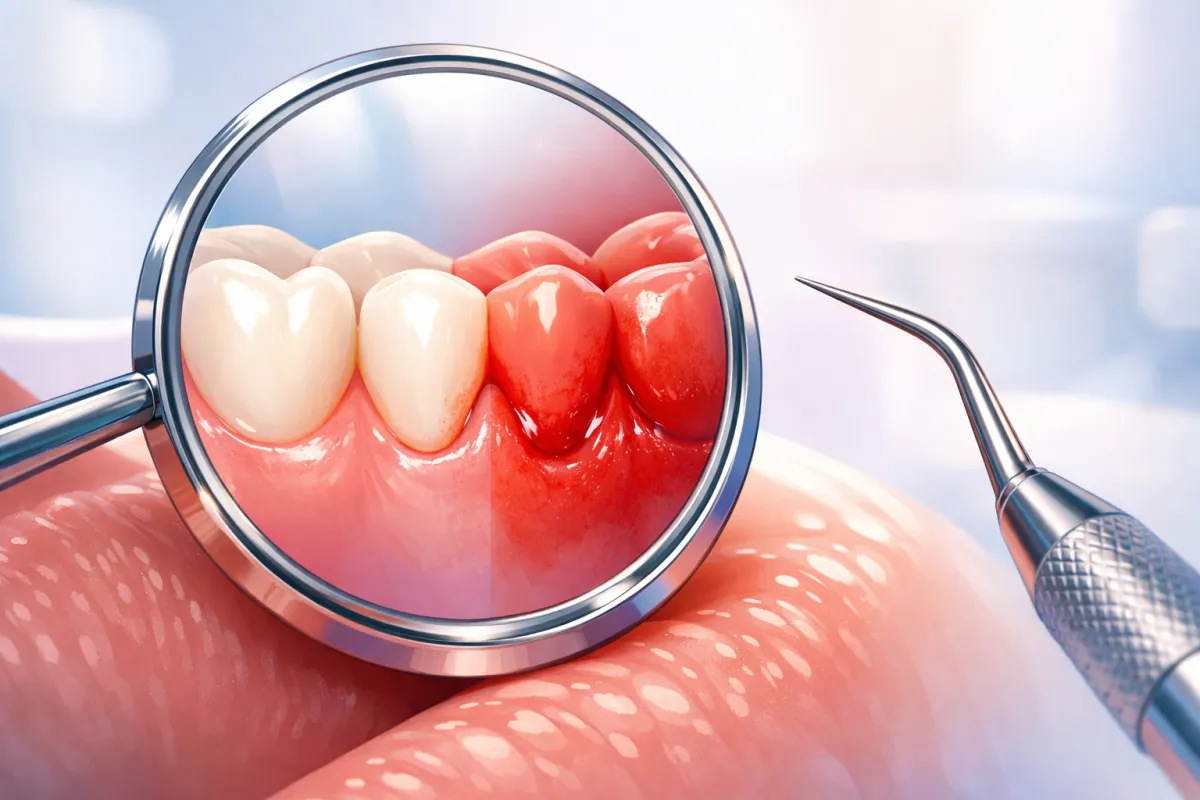
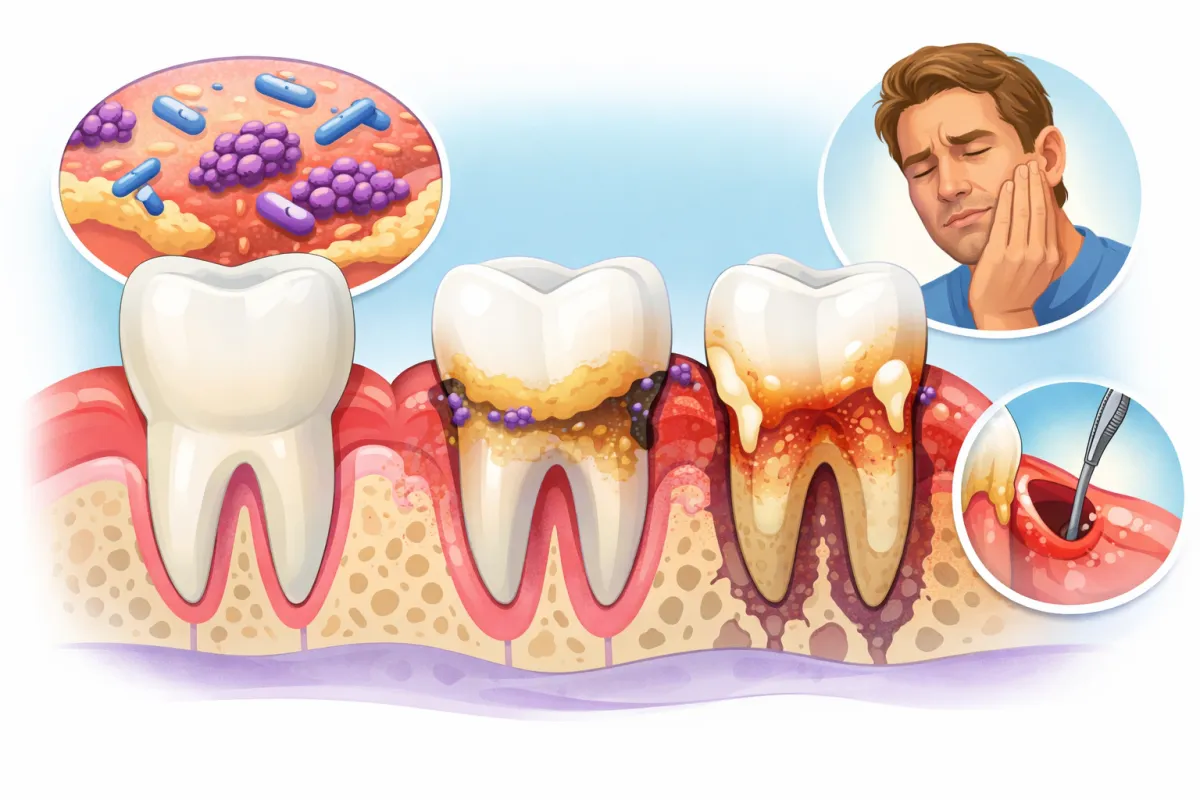
Gum disease (also called periodontal disease) is an infection of the tissues that hold your teeth in place. It starts as gingivitis — mild inflammation caused by plaque buildup. Left untreated, it can progress to periodontitis, which is more serious and can lead to tooth loss. The encouraging thing? With the right dental care, gum disease is very treatable — especially when caught early.
| Stage | Name | Symptoms | Reversible? |
|---|---|---|---|
| Stage 1 | Gingivitis | Red, swollen gums; bleeding when brushing | Yes, with proper care |
| Stage 2 | Mild Periodontitis | Gum pockets forming, some bone loss | Manageable with treatment |
| Stage 3 | Moderate Periodontitis | Deeper pockets, increased bone loss, sensitivity | Requires professional treatment |
| Stage 4 | Severe Periodontitis | Tooth loosening, severe infection, possible tooth loss | Requires advanced care |
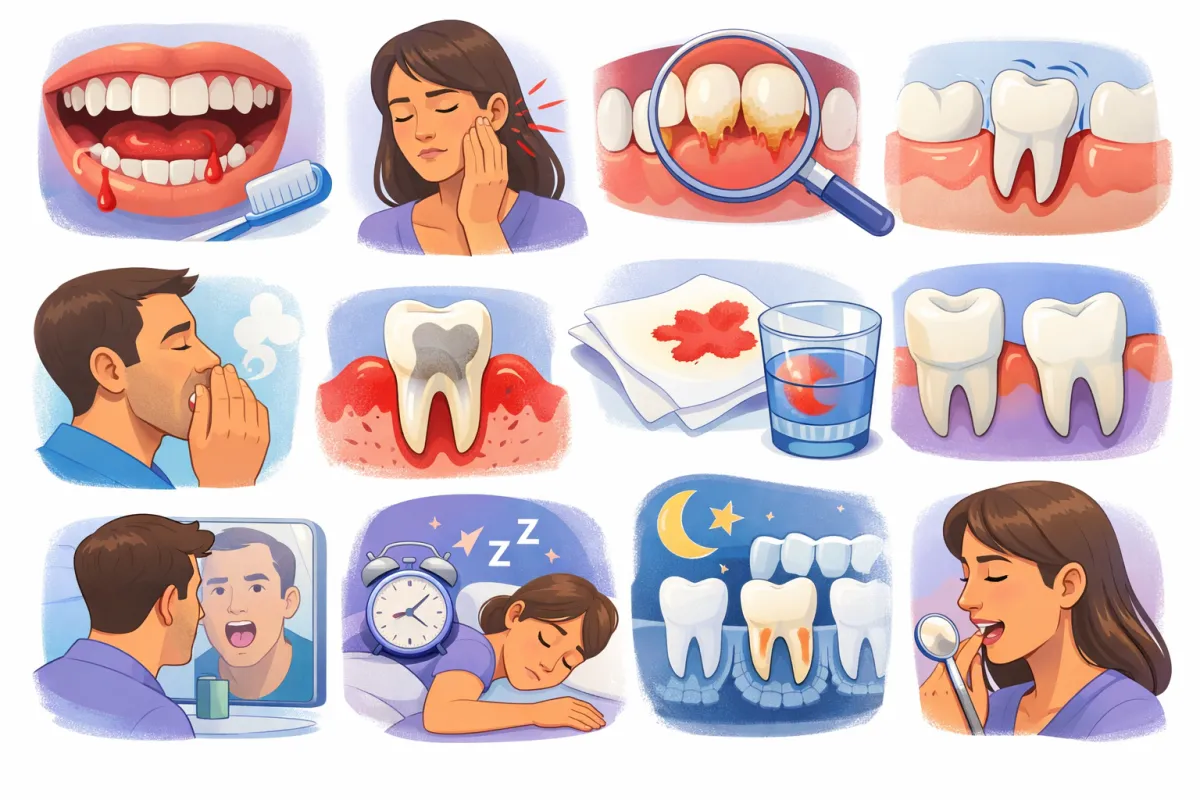
11 Signs You Need a Dentist for Gum Disease
1. Your Gums Bleed When You Brush or Floss
A little pink in the sink isn’t “normal.” Healthy gums don’t bleed with regular brushing or flossing. Bleeding is one of the earliest and most common signs of gingivitis. If this is happening daily, it’s time to see a dentist.
2. Your Gums Look Red or Swollen
Healthy gums are firm and pink. If yours look red, puffy, or feel tender to the touch, that’s inflammation — and inflammation means your body is fighting an infection. Don’t wait for the swelling to go down on its own.
3. You Have Persistent Bad Breath
We all wake up with morning breath. But if bad breath sticks around even after brushing, mouthwash, and mints — gum disease could be the culprit. Bacteria living below the gumline produce sulfur compounds that cause a strong, unpleasant odor. This is called halitosis, and it’s a very common sign of gum issues.
4. Your Gums Are Pulling Away from Your Teeth
This is called gum recession. When your gums start to pull back, your teeth can look longer than usual. Recession exposes the root of the tooth, which isn’t protected by enamel, making your teeth more sensitive and vulnerable. If you’ve noticed your smile looks “longer,” it’s time to search for a dentist near me for gum disease.
5. Your Teeth Feel Sensitive (Especially to Hot and Cold)
When gum recession exposes tooth roots, sensitivity spikes. You may notice sharp discomfort when eating ice cream, drinking coffee, or even breathing cold air. While sensitivity has multiple causes, gum disease is a big one worth ruling out. Check out our guide on general dentistry services to learn more about how we help with this.
6. You Notice Spaces Developing Between Your Teeth
Gum disease can destroy the bone that supports your teeth. As that bone breaks down, teeth can shift or separate. If gaps seem to be appearing where they weren’t before, that’s a red flag that needs professional evaluation — soon.
7. Your Teeth Feel Loose
Loose teeth in adults are never normal. This is typically a sign of advanced gum disease where significant bone and tissue loss has already occurred. The sooner you see a dentist, the better the chances of saving the affected teeth. Don’t put this one off!
8. You Have Pain When Chewing
Chewing should not hurt. If you’re experiencing discomfort or pressure when biting down, it could point to gum disease, a dental abscess, or both. A thorough exam can pinpoint the cause and get you on the path to relief. You may also want to explore root canal therapy if the infection has spread deeper.
9. You See Pus Between Your Teeth or Gums
Pus is a sign of active infection. If you notice any discharge around your gums or teeth, this needs immediate attention. This is your body telling you the infection is serious. Please don’t wait — reach out to our team at Dental Theory right away for an evaluation.
10. Your Bite Feels Different Than It Used To
If your top and bottom teeth don’t come together the same way they used to, this could be a sign that teeth have shifted due to bone loss from gum disease. A changed bite might also affect how dentures or other dental appliances fit. Early treatment can prevent further shifting.
11. It’s Been More Than a Year Since Your Last Dental Visit
This one isn’t a physical symptom — but it matters just as much. If it’s been a long time since a professional cleaned your teeth and checked your gum health, you could have early gum disease and not even know it. Regular visits are the best defense. According to the CDC’s Oral Health Surveillance Report, nearly half of adults over 30 have some form of periodontal disease. That’s a lot of people who could benefit from simply making an appointment!
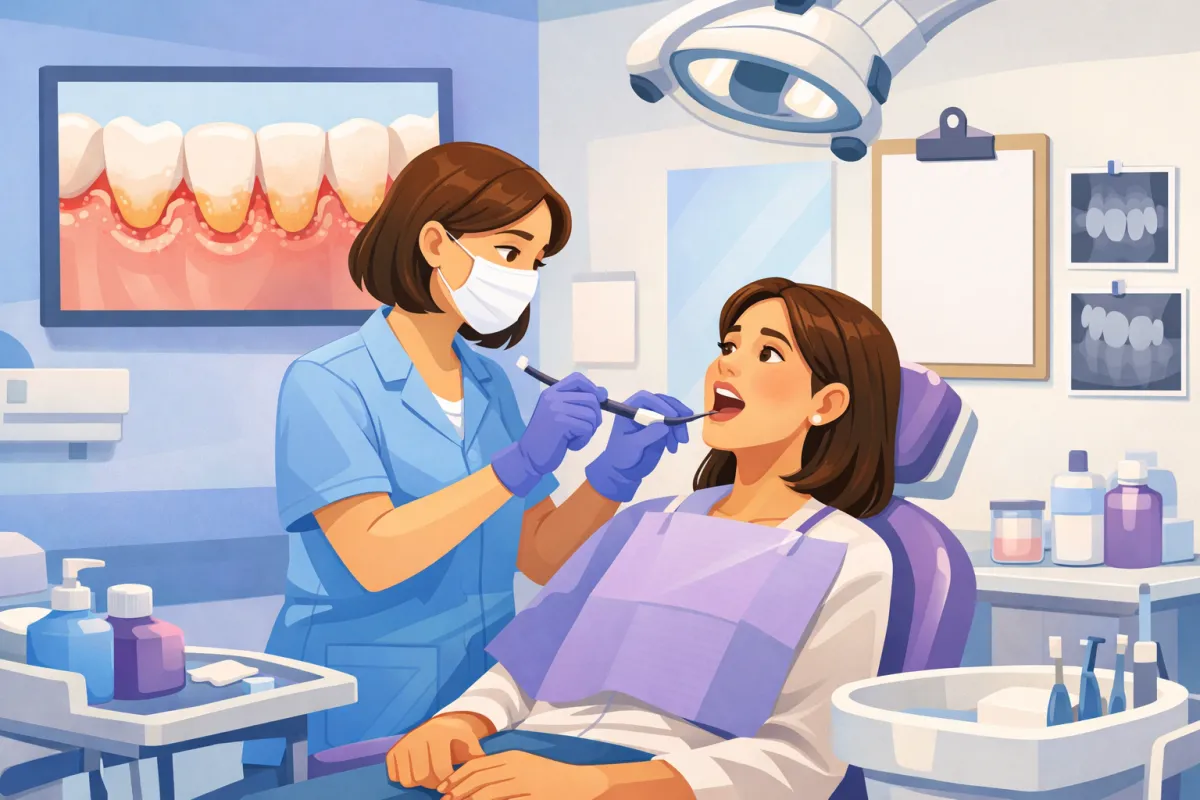
What to Expect at a Gum Disease Appointment
Walking into a dentist’s office for gum disease treatment doesn’t have to feel overwhelming. Here’s a simple breakdown of what typically happens:
- Review of your dental and medical history — Certain conditions like diabetes and medications can affect gum health.
- Gum probing and measurement — Your dentist uses a small tool to measure the depth of spaces (pockets) between your teeth and gums.
- X-rays — These show whether bone loss has occurred beneath the gumline.
- Diagnosis and staging — Based on findings, your dentist will classify the stage of gum disease.
- Treatment plan discussion — You’ll go over your options, which may include a deep cleaning, antibiotics, or other treatments.
- Follow-up scheduling — Ongoing care is key to managing and reversing gum disease.
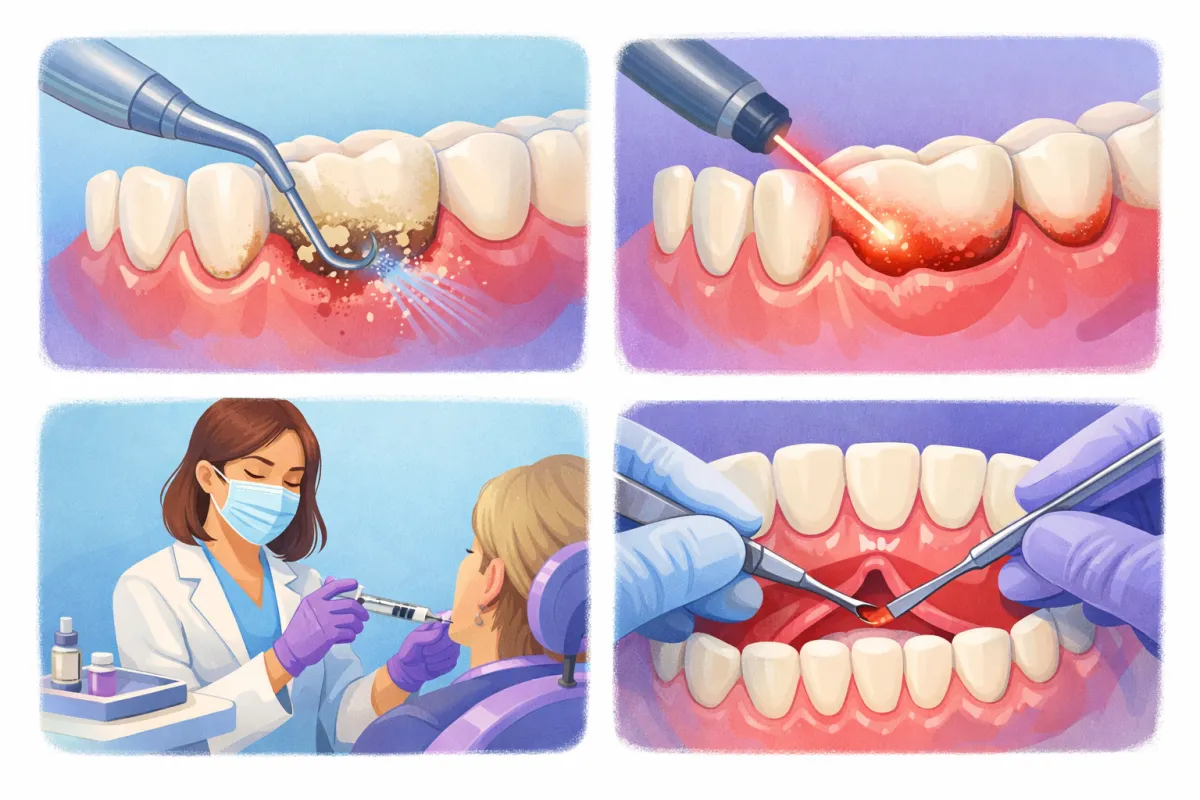
Common Gum Disease Treatments
| Treatment | What It Does | Best For |
|---|---|---|
| Professional Cleaning (Prophylaxis) | Removes plaque and tartar above the gumline | Early gingivitis |
| Scaling and Root Planing | Deep cleaning below the gumline to remove bacteria | Mild to moderate periodontitis |
| Antibiotic Therapy | Reduces bacterial infection in gum pockets | Moderate periodontitis |
| Periodontal Maintenance | Regular deep cleanings to prevent recurrence | All stages post-treatment |
How Gum Disease Affects Your Overall Health
Here’s something that surprises a lot of people: gum disease doesn’t just affect your mouth. Research has linked periodontal disease to heart disease, diabetes, respiratory illness, and even complications during pregnancy. Your mouth truly is the gateway to your overall health. Treating gum disease is a step toward protecting your whole body — not just your smile.
- 🫀 Heart disease: Gum bacteria can enter the bloodstream and affect the heart
- 🩸 Diabetes: Gum disease can make blood sugar harder to control
- 🫁 Respiratory issues: Inhaling oral bacteria can affect the lungs
- 🤰 Pregnancy complications: Periodontal disease is linked to preterm birth and low birth weight
- 🧠 Cognitive health: Some studies suggest links to cognitive decline
Tips to Prevent Gum Disease at Home
Prevention is always easier (and less expensive) than treatment. Here are the daily habits that make the biggest difference:
- Brush twice a day with a soft-bristled toothbrush for at least two minutes.
- Floss daily — this removes plaque and food from between teeth where your brush can’t reach.
- Use an antibacterial mouthwash to reduce bacteria levels in the mouth.
- Eat a balanced diet low in sugar and processed foods.
- Avoid tobacco — smoking is one of the strongest risk factors for gum disease.
- Stay hydrated — a dry mouth can accelerate bacterial growth.
- See your dentist regularly — at least every six months for professional cleanings.
Who Is Most at Risk for Gum Disease?
Gum disease can affect anyone, but certain factors increase your risk. Knowing your risk level can help you stay ahead of problems.
- Adults over age 30
- Smokers and tobacco users
- People with diabetes or other systemic conditions
- Those with a family history of gum disease
- Pregnant women (due to hormonal changes)
- People under chronic stress
- Anyone on medications that cause dry mouth
Why Your Choice of Dentist Matters for Gum Disease
Not all dental experiences feel the same. If anxiety has been keeping you away from the dentist, you’re not alone — and you deserve care that feels comfortable and judgment-free. At Dental Theory in Brandon, FL, we take pride in creating a warm, stress-free environment where patients of all ages feel genuinely welcomed. Whether you need a routine checkup or treatment for advanced gum disease, our team is here to guide you every step of the way. You can even visit us on Google to see what our patients are saying about their experience!
We also understand that cost can be a concern. That’s why we offer flexible options including our in-house membership plan and work with a variety of insurance plans to make care as affordable as possible. Don’t let cost be the reason you skip treatment — we’ll work with you.
Gum Disease and Your Family
Gum disease doesn’t only affect adults. Children can show early signs of gum inflammation too, especially if they’re not flossing regularly. If you have little ones at home, getting them into good habits early is so important. Our pediatric dentistry team is here for your kids’ gum and tooth health, starting from their very first visit. It’s never too early to build healthy habits that last a lifetime!
| Age Group | Gum Health Focus | Recommended Visit Frequency |
|---|---|---|
| Children (2–12) | Prevention, brushing habits, flossing education | Every 6 months |
| Teens (13–19) | Plaque control, orthodontic-related gum care | Every 6 months |
| Adults (20–59) | Gingivitis prevention, early periodontitis management | Every 3–6 months |
| Seniors (60+) | Managing bone loss, dry mouth, recession | Every 3–4 months |
The American Academy of Periodontology (perio.org) is a great resource if you want to learn even more about periodontal health and what to expect from treatment.
Ready to Take the Next Step?
Gum disease is incredibly common — but it’s also very treatable when you catch it early. If you’ve noticed any of the 11 signs we talked about today, please don’t brush them off (pun absolutely intended). Your gums, your teeth, and your overall health will thank you for taking action. You can easily schedule an appointment with us online — it only takes a minute, and it could make a world of difference for your smile.
Your smile deserves great care, and so do you. Contact Dental Theory today and let’s get your gum health back on track together. We can’t wait to meet you!
FAQs
Q: How do I know if I have gum disease or just sensitive gums?
A: Great question! Sensitive gums can be temporary — caused by brushing too hard or hormonal changes. But if you’re also noticing redness, swelling, bleeding, or bad breath that won’t quit, those are signs of gum disease. The best way to know for sure is to visit a dentist for a professional evaluation — we’re always happy to take a look!
Q: Can gum disease go away on its own without treatment?
A: Early gingivitis can improve significantly with better brushing and flossing habits. However, once gum disease progresses to periodontitis, it won’t resolve on its own and requires professional treatment. The earlier you address it, the easier (and less costly) the treatment tends to be — so don’t wait!
Q: Is gum disease treatment painful?
A: We hear this concern a lot, and we totally get it! Most gum disease treatments — including deep cleanings — are done with local anesthesia so you stay comfortable throughout. Our team at Dental Theory prioritizes a gentle, stress-free experience so you can feel at ease from start to finish.
Q: How often should I come in if I’ve been treated for gum disease?
A: After gum disease treatment, most patients are placed on a periodontal maintenance schedule — typically every 3 to 4 months rather than the standard 6-month visits. This helps keep bacteria levels in check and prevents the disease from returning. Your dentist will recommend the right frequency for your specific situation.
Q: Does gum disease affect children too?
A: Yes, children can develop early signs of gum disease, particularly gingivitis from inadequate brushing and flossing habits. The good news is it’s very manageable with early intervention! Regular pediatric dental visits help catch these signs early and teach kids the habits they need for a lifetime of healthy gums.