Key Takeaways
-
Knocked-out permanent teeth have a 30-60 minute window to be saved; pick up by the crown, rinse gently, and get to a dentist within 30 minutes for best results.
-
Severe throbbing pain, facial swelling, fever, or difficulty breathing/swallowing are dental emergencies requiring immediate pediatric dentist or ER attention, not wait-and-see situations.
-
Pediatric dental specialists have specialized training to manage trauma in growing children and should be your first call for emergencies, not urgent care or ERs which lack dental equipment.
-
Before an emergency happens, save your pediatric dentist's after-hours number, build a dental first aid kit with gauze/milk/temporary cement, and establish care with a trusted provider.
-
Custom-fitted mouthguards from a dentist prevent most playground and sports dental injuries; ask about them at your child's next checkup rather than waiting for an emergency.
-
Regular dental checkups every 6 months catch early decay and weak enamel before they become painful emergencies, saving your child from crisis situations.
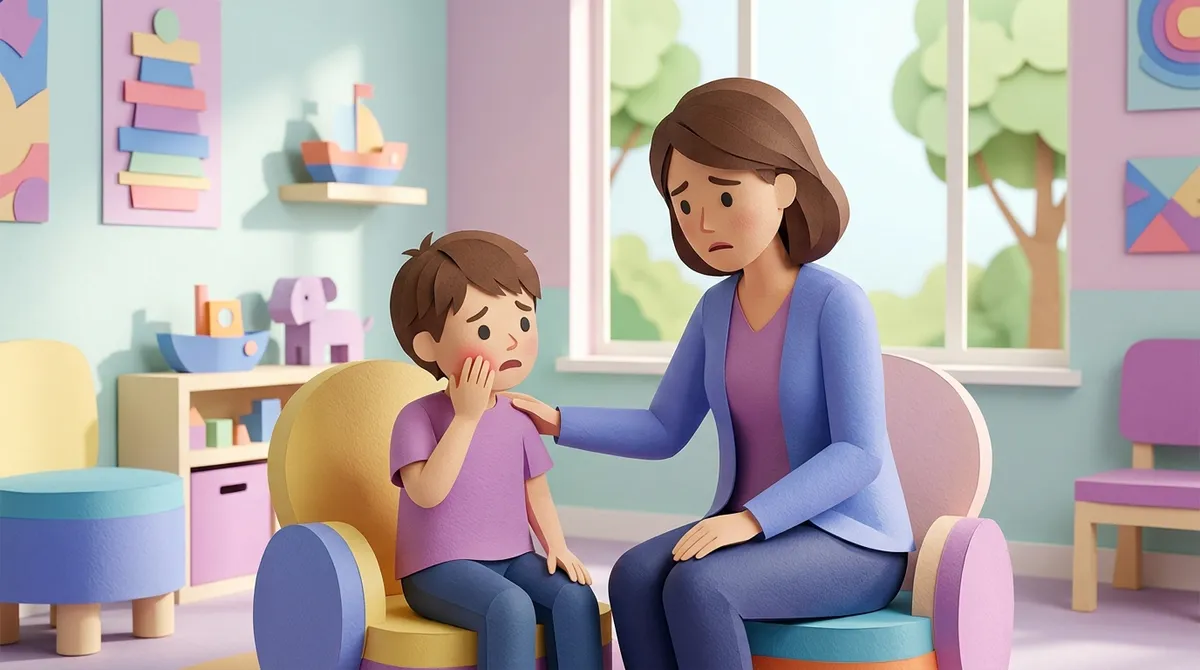
When your six-year-old tumbles off their bike and chips a front tooth, the next fifteen minutes determine whether that tooth can be saved. Most parents freeze in panic during a child dental emergency — and that’s completely understandable. But knowing exactly what to do before you reach a dentist can make all the difference. This guide gives you the action steps you need right now, along with everything you need to know about finding the right emergency pediatric dental care near Brandon, FL. Whether your child knocked out a tooth on the playground, developed a sudden severe toothache, or suffered dental trauma during a sports game, staying calm and acting quickly is your superpower. Think of this as your personal emergency dental playbook — one you’ll want to read now, before an emergency happens. By the time you finish reading, you’ll feel confident, prepared, and ready to protect your child’s smile no matter what comes your way.
Recognizing True Dental Emergencies in Children
Not every dental issue is a true emergency. However, some situations need immediate attention. Knowing the difference helps you act fast and stay calm.
Knocked-Out Permanent vs. Baby Teeth
A knocked-out permanent tooth is always a dental emergency. Time is critical — you have about 30 to 60 minutes to save it. A knocked-out baby tooth is different. Dentists usually do not re-implant baby teeth because it could damage the developing permanent tooth underneath. Still, call your dentist right away for guidance.
Severe Pain That Can’t Wait
Mild toothaches can sometimes wait until the next business day. But severe, throbbing pain that doesn’t respond to children’s pain reliever needs same-day attention. This kind of pain often signals a deep cavity, cracked tooth, or infection. Don’t wait it out — call a pediatric dentistry provider right away.
Dental Trauma from Falls and Sports Injuries
Falls and sports collisions are leading causes of child dental trauma. Even if a tooth looks fine, internal damage to the root or nerve may have occurred. Any hit to the mouth during a game or fall deserves a dental check within 24 hours.
Signs of Dental Infections and Abscesses
A dental abscess is a pocket of infection that can spread quickly. Watch for these warning signs:
- Swelling in the gum, jaw, or cheek
- A pimple-like bump on the gum
- Fever alongside tooth pain
- Bad taste or odor in the mouth
When Swelling Becomes Dangerous
Facial swelling from a dental infection is a medical emergency. If swelling spreads to the eye area, neck, or causes difficulty breathing or swallowing, go to the ER immediately. Dental infections can become life-threatening if left untreated. After the ER, follow up with a pediatric dentist as soon as possible.
| Situation | Emergency Level | Action |
|---|---|---|
| Knocked-out permanent tooth | 🔴 Urgent | Call dentist immediately |
| Knocked-out baby tooth | 🟡 Same day | Call dentist for guidance |
| Chipped tooth (no pain) | 🟢 Next day | Schedule appointment soon |
| Dental abscess with swelling | 🔴 Urgent | Call dentist or go to ER |
| Severe toothache with fever | 🔴 Urgent | Call dentist immediately |
Immediate First Aid Steps for Common Child Dental Emergencies
Acting fast and correctly in the first few minutes can protect your child’s tooth and reduce pain. Here’s what to do for the most common child dental emergencies.
Handling a Knocked-Out Tooth Within the Golden Hour
The “golden hour” after a tooth is knocked out is your window to save it. Follow these steps immediately:
- Pick up the tooth by the crown (top), never the root.
- Gently rinse it with clean water — do not scrub it.
- If possible, place the tooth back in the socket and have your child bite gently on gauze.
- If re-inserting isn’t possible, store the tooth in milk or between the child’s cheek and gum.
- Get to a dentist within 30 minutes for the best chance of saving the tooth.
Stopping Bleeding from Mouth Injuries
Mouth injuries tend to bleed a lot, which looks scarier than it usually is. Apply gentle pressure with clean gauze or a wet cloth for 10 to 15 minutes. Keep your child calm and have them sit upright. If bleeding doesn’t stop after 20 minutes, head to urgent care or the ER.
Managing a Severe Toothache Before Professional Help
While you wait to see a dentist, help ease your child’s pain with these steps:
- Give children’s ibuprofen or acetaminophen at the correct dose for their weight
- Rinse the mouth gently with warm salt water
- Apply a cold compress to the outside of the cheek
- Avoid placing aspirin directly on the gum — it can cause burns
Dealing with Broken or Chipped Teeth
Save any pieces of the broken tooth if you can find them. Rinse your child’s mouth with warm water. If there’s bleeding, apply gauze. A small chip without pain can usually wait until the next day, but larger breaks with pain or sharp edges need same-day attention.
Temporary Pain Relief Safe for Children
Over-the-counter dental cement or temporary filling material (available at most pharmacies) can cover a broken tooth temporarily. Clove oil applied carefully to the gum can also provide mild numbing relief. These are temporary fixes — always follow up with a pediatric dentist as soon as possible.
Finding Emergency Pediatric Dental Care Near Brandon
When a child dental emergency strikes, knowing where to turn in Brandon, FL makes all the difference. Having a plan ahead of time saves precious minutes.
After-Hours Dental Options in Brandon, FL
Some dental practices offer after-hours or same-day emergency appointments. Call your child’s regular dentist first — many practices have emergency lines or on-call staff. If you don’t have an established pediatric dentist, look for practices that specifically advertise emergency pediatric dental care. Dr. Pri at Dental Theory is a board-certified pediatric dentist serving Brandon families with compassionate, specialized care for children of all ages.
Questions to Ask When Calling Emergency Dentists
When you call for emergency help, ask these important questions:
- Do you see pediatric emergency patients?
- How soon can my child be seen today?
- What should I do with the tooth right now while we travel?
- Do you accept our insurance or offer payment options?
Insurance Coverage for Emergency Visits
Most dental insurance plans cover at least a portion of emergency visits. Always bring your insurance card to the appointment. If you don’t have insurance, ask about in-office payment plans or membership programs. Dental Theory offers an in-house membership plan that can make emergency care more affordable for families. You can also review details about insurance options on their website.
Why Pediatric Specialists Matter in Emergencies
Pediatric dentists receive additional years of specialized training beyond dental school. They know how to manage dental trauma in growing children, how to communicate with anxious kids, and how to make quick decisions that protect long-term dental development. In an emergency, a pediatric specialist isn’t just a preference — it’s the best choice for your child’s health and comfort. You can schedule an appointment with Dental Theory’s pediatric team quickly and easily online.

Preparing Your Child for Emergency Dental Treatment
Even when you’re rushed, taking a moment to prepare your child emotionally can make the appointment go much smoother for everyone.
Calming Techniques for Anxious Children
Children often mirror their parents’ emotions. Take a slow breath yourself first. Then try these calming strategies:
- Speak in a calm, reassuring voice — avoid words like “shot” or “drill”
- Let your child hold a favorite toy or comfort item
- Practice deep belly breathing together in the car
- Praise their bravery — “You’re being so strong right now!”
What to Bring to the Emergency Appointment
Being prepared speeds things up at the office. Pack these items before you head out:
- Insurance card or membership plan information
- A list of any medications your child takes
- The knocked-out or broken tooth (stored properly)
- A comfort item for your child (stuffed animal, favorite toy)
- Payment method in case of copays or fees
Explaining Procedures in Age-Appropriate Ways
Young children do best with simple, positive language. Instead of saying “they’re going to pull your tooth,” try “the dentist is going to make your tooth all better.” For older kids, a straightforward and honest explanation usually works best. Acknowledge that it might feel a little strange but that the dentist is there to help them feel better fast.
Benefits of Sedation for Emergency Procedures
Some emergency procedures require more extensive treatment. For anxious or young children, sedation can be a game-changer. Dr. Pri is the only board-certified pediatric dentist offering in-office sedation in Brandon, Florida. This means your child can receive necessary care in a calm, safe, and comfortable way — without trauma or distress. Learn more about sedation dentistry for kids and how it helps children during complex or stressful procedures.
Common Playground and Sports Dental Injuries
Kids are active, adventurous, and yes — sometimes a little reckless. That’s part of growing up! But certain activities carry higher risks for dental injuries than others.
Typical Injuries by Age Group
| Age Group | Common Dental Injuries | Typical Cause |
|---|---|---|
| Toddlers (1–3) | Chipped or displaced front teeth | Falls while learning to walk |
| Elementary (4–8) | Knocked-out or broken teeth | Playground falls, bike accidents |
| Tweens (9–12) | Fractured teeth, lip lacerations | Contact sports, skateboarding |
| Teens (13–18) | Broken teeth, jaw injuries | Football, basketball, wrestling |
Prevention with Proper Mouthguards
A well-fitted mouthguard is one of the best investments you can make for an active child. Custom mouthguards from a dentist fit better and offer more protection than store-bought versions. Ask about mouthguards at your child’s next checkup — it’s a simple step that prevents painful and costly emergencies.
School Nurse Limitations with Dental Injuries
School nurses do their best, but they are not equipped to treat dental injuries. They can help stop bleeding and comfort your child, but they cannot assess root damage, save a knocked-out tooth, or provide the dental care your child needs. Always follow up with a pediatric dentist directly after a school injury — don’t wait for the school to advise you.
When to Skip Urgent Care and Go Straight to a Dentist
For most dental injuries, urgent care centers cannot help. They aren’t equipped to reimplant teeth or repair dental trauma. Unless there’s a head injury, broken jaw, or dangerous swelling, go directly to a pediatric dentist. You’ll save time, money, and your child’s tooth.
Creating Your Family’s Dental Emergency Plan
The best time to prepare for a dental emergency is before one ever happens. A simple plan gives you confidence and saves precious time when every second counts.
Essential Items for Your Dental First Aid Kit
Build a small dental emergency kit and keep it at home and in your car. Here’s what to include:
- Sterile gauze pads
- A small container with a lid (for storing a knocked-out tooth in milk)
- Children’s ibuprofen and acetaminophen
- Temporary dental cement (available at pharmacies)
- Saline solution or clean bottled water
- The phone number of your child’s pediatric dentist
Emergency Contact Information to Save Right Now
Save these contacts in your phone today — not during a crisis:
- Your child’s pediatric dentist’s office number and after-hours line
- The nearest children’s ER or urgent care center
- Poison Control: 1-800-222-1222
- Your dental insurance provider’s emergency line
Dental Theory makes it easy to stay connected. You can visit us on Google to find our contact details, hours, and patient reviews whenever you need them.
Teaching Children Basic Dental Safety
Kids who understand basic dental safety are less likely to experience certain injuries. Teach your children these simple habits:
- Never use their teeth to open packages or bottles
- Always wear a mouthguard during contact sports
- Tell an adult immediately if a tooth hurts or gets hurt
- Wear a helmet while biking, skating, or scooting
Regular Check-Ups Prevent Emergencies
Routine dental visits do more than clean teeth. They catch early signs of decay, weak enamel, and bite problems before they become emergencies. The American Academy of Pediatric Dentistry recommends dental visits every six months starting at age one. Consistent checkups with a trusted pediatric dentist mean fewer surprises — and fewer panic-filled phone calls. Explore what to expect at your child’s first visit with a pediatric dentist.
| Preventive Step | How Often | Benefit |
|---|---|---|
| Routine dental checkup | Every 6 months | Catch problems early |
| Mouthguard fitting | Each sports season | Prevents trauma injuries |
| Fluoride treatment | Every 6 months | Strengthens enamel |
| Dental X-rays | As recommended | Detects hidden issues |
| Sealants | Once (when eligible) | Protects back teeth from decay |
Establishing Care with a Pediatric Dentist Before an Emergency
Having an established relationship with a pediatric dentist is one of the most important things you can do for your child’s dental health. When your child is already a patient, the team knows their history, their anxiety levels, and their unique needs. Emergency appointments happen faster, care is more personalized, and your child feels safer walking into a familiar place. At Dental Theory in Brandon, FL, Dr. Pri offers warm, child-centered care that makes every visit — routine or emergency — feel manageable. As a 5-star rated dental practice on Healthgrades, Dental Theory has earned the trust of countless Brandon families. Don’t wait for an emergency to find your go-to pediatric dentist. Start building that relationship today.
Dental emergencies are stressful, but you don’t have to face them alone. With the right knowledge, a solid plan, and a trusted dental team by your side, you can protect your child’s smile through any bump or tumble life throws their way. Reach out to Dental Theory today to establish care for your child and get your family’s dental emergency plan in place — because the best emergency is the one you’re already prepared for.
FAQs
Q: Should I take my child to the ER or wait for a dentist for a dental emergency?
A: For most dental emergencies — like a knocked-out tooth, severe toothache, or chipped tooth — going directly to a pediatric dentist is your best move. ERs aren’t equipped to reimplant teeth or handle dental trauma effectively. However, if your child has facial swelling that’s spreading, difficulty breathing, a broken jaw, or a head injury, head to the ER first and then follow up with a dentist as soon as possible.
Q: How much does an emergency pediatric dental visit typically cost?
A: Emergency dental visit costs vary depending on the treatment needed, but most dental insurance plans cover at least a portion of emergency care. If you don’t have insurance, ask your dental office about in-house membership plans or flexible payment options — many practices, like Dental Theory, offer affordable alternatives to make sure cost never stands between your child and the care they need.
Q: Can baby teeth injuries affect permanent teeth development?
A: Yes, absolutely — baby teeth injuries can affect the permanent teeth developing underneath them. A hard impact to a baby tooth can disrupt the growth of the permanent tooth, cause discoloration, or even delay its eruption. That’s why it’s always a good idea to call your pediatric dentist after any mouth injury, even if the baby tooth looks okay on the surface.
Q: What age can children safely receive dental sedation during emergencies?
A: Children as young as toddlers can safely receive dental sedation when it’s administered by a qualified specialist in the right setting. Dr. Pri at Dental Theory is the only board-certified pediatric dentist in Brandon, FL offering in-office sedation, making her uniquely qualified to provide safe, gentle sedation care for young children who need emergency dental treatment.
Q: How quickly do I need to act if my child’s tooth is knocked out?
A: Speed is everything — you have about 30 to 60 minutes (sometimes called the “golden hour”) to give a knocked-out permanent tooth the best chance of being saved. Pick it up by the crown, rinse it gently without scrubbing, try to reinsert it or store it in milk, and get to a pediatric dentist immediately. The faster you act, the better the outcome for your child’s smile!