Key Takeaways
-
Dental bonding is a fast (30-60 minutes per tooth), affordable, and minimally invasive cosmetic procedure that requires no drilling or anesthesia for most cases, making it ideal for fixing chips, gaps, and discoloration.
-
Choosing a dentist with specific cosmetic training and experience is critical—cosmetic specialists sculpt and blend resin naturally, while general dentists may produce noticeably different results.
-
When searching for a bonding specialist, verify their credentials, review before-and-after photos on their website, check ratings on platforms like Healthgrades, and ask about their annual bonding procedure volume during consultation.
-
Dental bonding lasts 3-10 years with proper care; extend its lifespan by avoiding hard objects, limiting staining foods/drinks, maintaining regular oral hygiene, and avoiding tobacco products.
-
Insurance typically covers bonding only when repairing decayed or damaged teeth, not for cosmetic purposes; explore in-house membership plans as an affordable alternative to traditional insurance.
-
During your consultation, ask specific questions about resin type, color matching process, annual procedure volume, and care instructions—a dentist who answers confidently and welcomes questions is more trustworthy than one who seems rushed.
Chipped tooth? Small gap you’ve been hiding with your hand for years? Maybe a discolored spot that just won’t budge no matter how much you brush? If any of those sound familiar, dental bonding might be exactly what you’ve been looking for. It’s one of the most popular and affordable cosmetic dental procedures available in 2026 — and for good reason. It’s quick, painless, and the results can be genuinely smile-changing.
But here’s the thing: not all dentists are created equal when it comes to cosmetic work. Finding a dentist near you who specializes in bonding makes a huge difference in the quality of your results. A skilled cosmetic dentist doesn’t just apply composite resin — they sculpt it, shape it, and blend it so naturally that no one will ever know it wasn’t always there.
In this guide, we’ll walk you through everything you need to know to find the right bonding specialist in your area, what to expect from the procedure, and how to make the most of your investment. Let’s get into it!
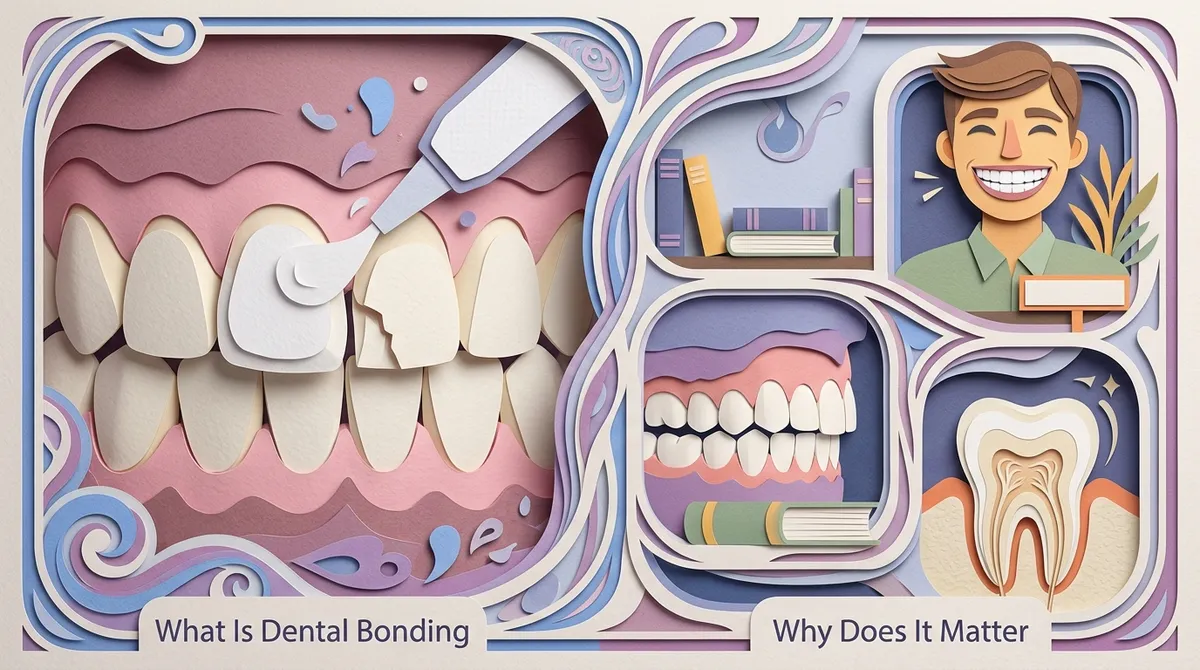
What Is Dental Bonding and Why Does It Matter?
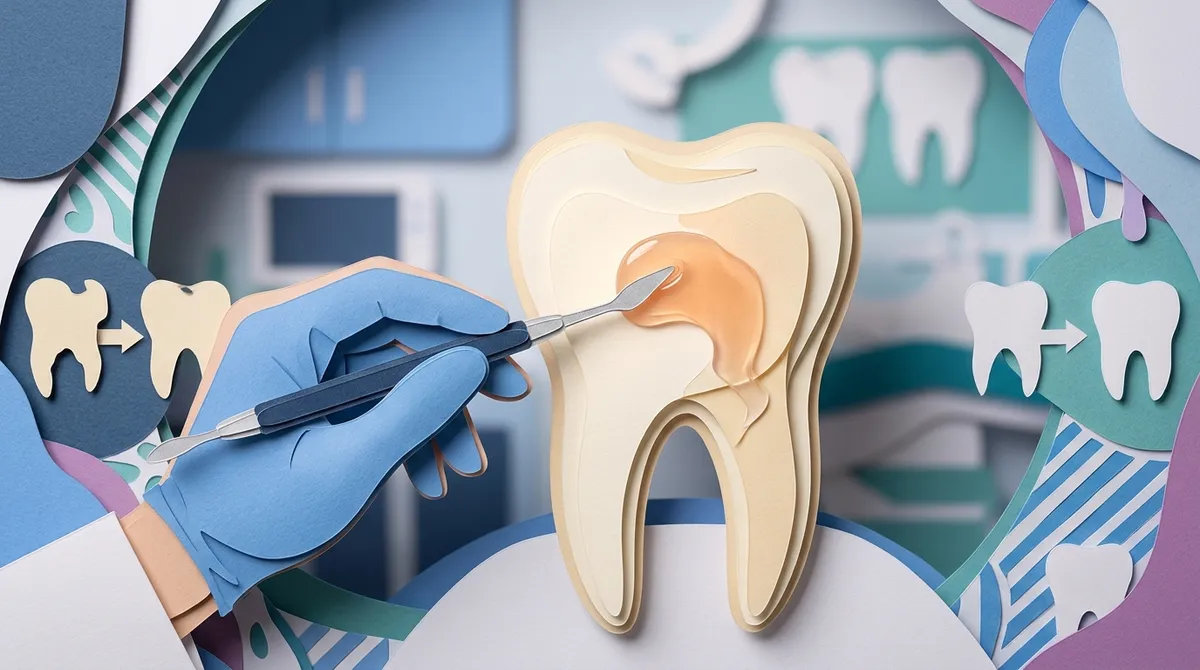
Dental bonding is a cosmetic dentistry procedure where a tooth-colored composite resin is applied directly to the tooth. The material is then shaped, hardened with a special light, and polished to match your natural teeth. It’s used to fix a wide range of cosmetic and minor structural issues.
What makes bonding so appealing is how fast and non-invasive it is. In most cases, the whole process takes 30 to 60 minutes per tooth. There’s usually no drilling and no anesthesia required. You walk in with a chipped or discolored tooth and walk out with a gorgeous, natural-looking smile.
Common Reasons People Choose Dental Bonding
- Chipped or cracked teeth
- Small gaps or spaces between teeth
- Teeth that appear too short
- Discoloration that doesn’t respond to whitening
- Slightly misshapen teeth
- Minor recession causing exposed tooth roots
Bonding is a fantastic option for adults who want a beautiful smile without committing to more intensive procedures like veneers, crowns, or bridges. It’s also reversible and easy to repair if anything ever chips or wears down over time.
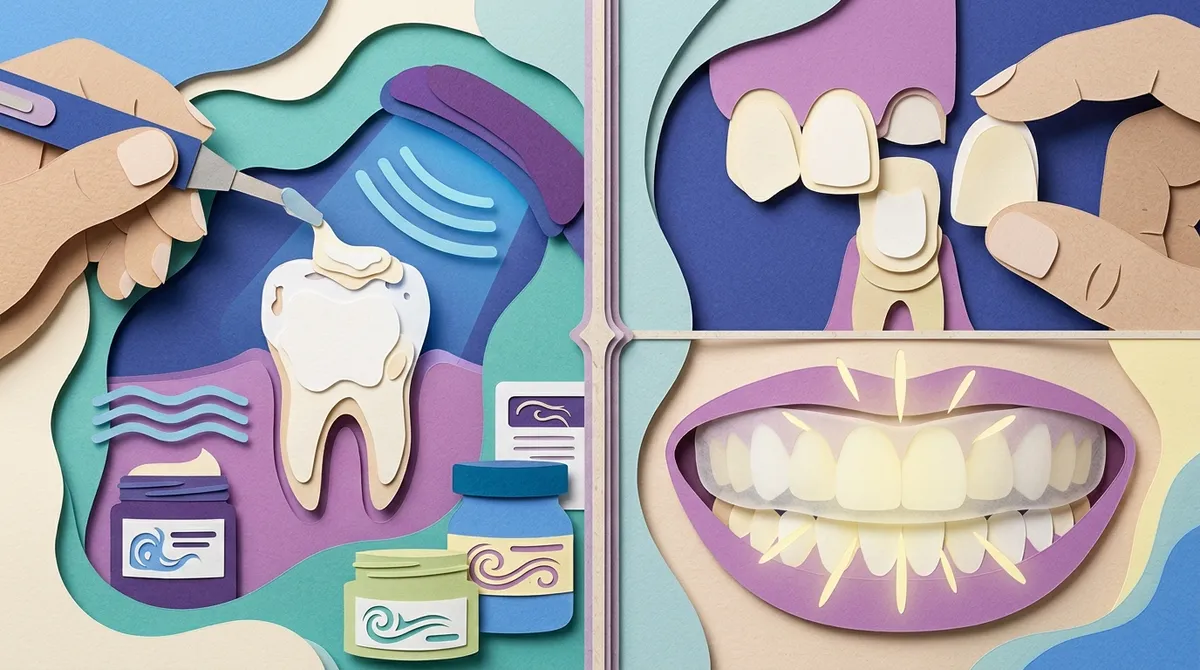
Dental Bonding vs. Other Cosmetic Options
Before you start searching for a dentist near you specializing in bonding, it helps to understand how bonding stacks up against other cosmetic solutions. Here’s a simple comparison to help you decide:
| Procedure | Time to Complete | Durability | Invasiveness | Best For |
|---|---|---|---|---|
| Dental Bonding | 30–60 min per tooth | 3–10 years | Minimal | Minor chips, gaps, discoloration |
| Porcelain Veneers | 2+ visits | 10–20 years | Moderate | Major cosmetic changes |
| Dental Crowns | 1 visit (same-day) or 2 visits | 15+ years | More invasive | Damaged or weakened teeth |
| Teeth Whitening | 1–2 hours | 6–12 months | Non-invasive | Surface staining only |
As you can see, bonding hits a sweet spot between affordability, simplicity, and impressive results. It’s worth noting that for more significant restorations, a same-day crown from a skilled cosmetic dentist might be the better route — but for cosmetic tweaks, bonding is hard to beat.
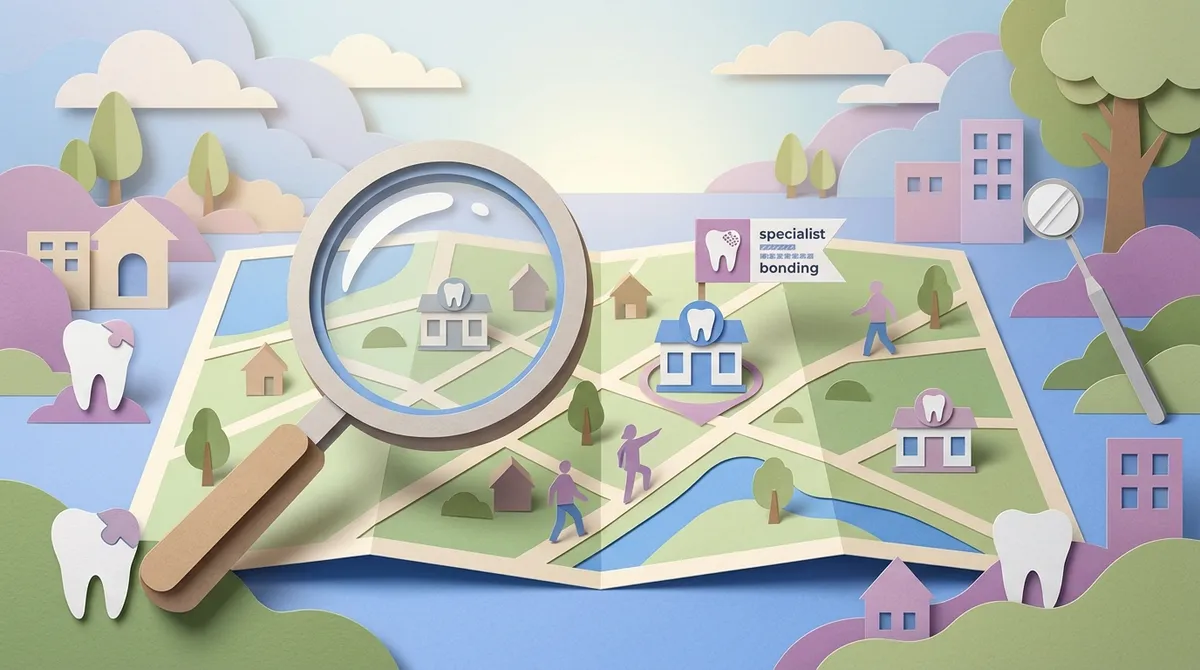
How to Find a Dentist Near You Specializing in Bonding
Not every general dentist has deep experience in cosmetic bonding. Finding the right specialist takes a little effort, but it’s absolutely worth it. Here’s a step-by-step process to help you find the best dentist near you for bonding:
Step-by-Step Guide to Finding a Bonding Specialist
- Start with an online search. Search for “dentist near me specializing in bonding” or “cosmetic dentist in [your city].” Read through the top results carefully and look for dentists who specifically list bonding as a core service.
- Check reviews and ratings. Look for consistent praise about cosmetic results and patient experience. A dentist with a 5-star rating on Healthgrades.com is a great sign of quality care and patient satisfaction.
- Look for before-and-after photos. A dentist who specializes in bonding should proudly show off their work. Look for galleries on their website or social media pages.
- Verify credentials and training. Ask about advanced cosmetic training, continuing education, and any professional recognitions. For example, Dr. Chris Karapasha has been named one of America’s Top Young Dentists in Incisal Edge magazine’s 2025 40 Under 40 — that kind of recognition matters.
- Schedule a consultation. Most bonding specialists offer consultations. Use this time to ask questions, look at their work, and get a feel for whether the practice is the right fit for you.
Questions to Ask During Your Consultation
- How many bonding procedures do you perform each year?
- Can I see examples of your bonding work?
- What type of composite resin do you use?
- How do you match the resin to my natural tooth color?
- What can I do to help the bonding last longer?
A dentist who welcomes these questions and answers them confidently is one you can trust. If they seem dismissive or rushed, that’s a red flag. You deserve a dentist who genuinely cares about your smile and takes time to listen.
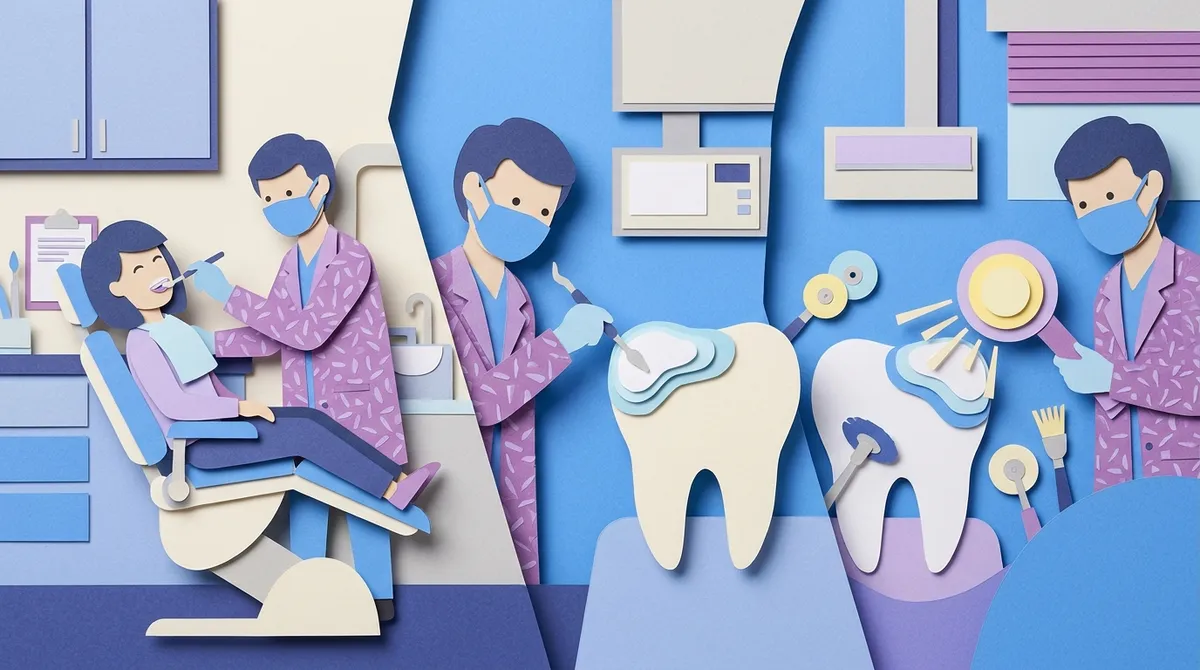
What to Expect During a Dental Bonding Procedure
Many people feel nervous about cosmetic dental work. But dental bonding is one of the gentlest procedures available. Here’s a quick breakdown of what happens from start to finish:
| Step | What Happens | Time |
|---|---|---|
| 1. Shade Matching | Dentist selects a resin color to match your teeth | 5 minutes |
| 2. Surface Preparation | Tooth is lightly roughened and conditioning liquid applied | 5–10 minutes |
| 3. Resin Application | Putty-like resin is applied and molded to shape | 10–20 minutes |
| 4. Curing | Special UV light hardens the resin | 5 minutes |
| 5. Polishing | Tooth is trimmed and polished to match your smile | 5–10 minutes |
The entire process is typically done in a single appointment. Most patients are pleasantly surprised by how comfortable and easy it is. And when it’s over? You leave with a smile you’re actually excited to show off.
How Long Does Dental Bonding Last?
With proper care, dental bonding can last anywhere from 3 to 10 years. The lifespan depends on a few key factors, including where the bonding is placed, your bite habits, and how well you maintain your oral hygiene.
Tips to Make Your Bonding Last Longer
- Avoid biting hard objects. Don’t use your teeth to open packages, bite nails, or chew ice. These habits can chip the resin.
- Limit staining foods and drinks. Coffee, tea, red wine, and dark berries can stain bonding material over time. Rinse with water after consuming them.
- Brush and floss regularly. Good general dentistry habits keep your natural teeth and bonded areas healthy and strong.
- See your dentist for regular check-ups. Your dentist can spot early signs of wear or damage and touch up the bonding before it becomes a bigger issue.
- Avoid tobacco products. Smoking or chewing tobacco significantly increases staining and can shorten the life of your bonding.
Is Dental Bonding Covered by Insurance?
This is one of the most common questions patients ask. The honest answer is: it depends. If bonding is done for a purely cosmetic reason — like closing a small gap or reshaping a tooth — most insurance plans won’t cover it. However, if the bonding is used to repair a decayed or chipped tooth, there’s a much better chance of at least partial coverage.
It’s always smart to check with your provider before your appointment. You can also explore your insurance options or look into an in-house membership plan to help manage the cost of cosmetic dental care. Membership plans can be a fantastic way to make high-quality dental care more accessible — especially if you don’t have traditional dental insurance.
Why Choose a Cosmetic Dentist Over a General Dentist for Bonding?
While many general dentists do offer bonding as part of their services, there’s a meaningful difference when you choose a dentist with specific cosmetic training and experience. Cosmetic bonding is as much an art as it is a science. The way the resin is shaped, layered, and polished is what separates a result that looks completely natural from one that looks — well, a little “off.”
A cosmetic specialist understands facial aesthetics, tooth proportions, and how your smile interacts with the rest of your face. They also have access to premium materials and the latest techniques to ensure your results are both beautiful and long-lasting. If you’re in Brandon, FL, Dr. K at Dental Theory brings both advanced cosmetic training and a genuine passion for transforming smiles through personalized care.
Bonding vs. Veneers: Which Is Right for You?
| Factor | Bonding | Veneers |
|---|---|---|
| Cost | More affordable | Higher investment |
| Visits Required | One appointment | Two or more |
| Tooth Prep | Minimal | Some enamel removal |
| Longevity | 3–10 years | 10–20 years |
| Ideal Candidate | Minor imperfections | Multiple cosmetic issues |
If you’re unsure which option is best for you, a consultation with a cosmetic dentist will help clarify everything. It’s not a one-size-fits-all situation, and a great dentist will take the time to understand your goals before recommending a treatment plan.
Finding a Bonding Dentist Near You in Brandon, FL
If you’re in the Brandon, Florida area and searching for a dentist near you specializing in bonding, look no further than Dental Theory. Dr. K is a highly skilled cosmetic dentist with a reputation for delivering stunning, natural-looking results. Whether you need bonding to fix a chip, close a gap, or refresh a discolored tooth, he approaches every smile with precision and care.
At Dental Theory, you’ll experience a warm, welcoming environment where your comfort always comes first. The practice uses the latest dental technology to ensure your results are both beautiful and built to last. You can also visit us on Google to read real patient reviews and see why so many Brandon families trust Dental Theory with their smiles. Want to see what’s possible for your teeth? You can easily schedule an appointment online and take the first step toward the smile you’ve always wanted.
Making Your Decision: A Quick Summary
Finding the right dentist near you specializing in bonding doesn’t have to be overwhelming. Use the steps we’ve outlined above, ask the right questions, and trust your instincts. The right dentist will make you feel heard, comfortable, and genuinely excited about your results.
Key Takeaways
- Dental bonding is a fast, affordable, and minimally invasive cosmetic treatment.
- Choosing a dentist with specific cosmetic training makes a big difference in your results.
- Read reviews, ask for before-and-after photos, and schedule a consultation before committing.
- Bonding can last 3–10 years with proper care and good oral hygiene habits.
- Explore insurance and membership plan options to make treatment more affordable.
Your smile is one of the first things people notice about you — and it’s something you deserve to feel great about every single day. Dental bonding is a simple, effective way to make that happen. And with the right cosmetic dentist in your corner, the results can be truly transformative.
Ready to explore your options? Reach out to the Dental Theory team today to schedule your consultation and discover how dental bonding can give you the confident, radiant smile you’ve been dreaming of. We can’t wait to meet you!
FAQs
Q: How much does dental bonding typically cost?
A: Dental bonding is one of the most affordable cosmetic dental treatments available! Costs can vary depending on how many teeth are treated and your location, but it’s generally much more budget-friendly than veneers or crowns. Be sure to check your insurance coverage or ask about an in-house membership plan to help manage the cost.
Q: Does dental bonding hurt?
A: Great news — most patients feel little to no discomfort during a bonding procedure! In many cases, anesthesia isn’t even needed unless the bonding is being used to fill a decayed area. It’s truly one of the gentlest cosmetic dental treatments available, which is why so many people love it.
Q: How do I know if I’m a good candidate for dental bonding?
A: Dental bonding works best for minor cosmetic issues like small chips, gaps, discoloration, or slightly misshapen teeth. The best way to find out if it’s right for you is to schedule a consultation with a cosmetic dentist who can evaluate your smile and recommend the most appropriate treatment for your specific goals.
Q: Can bonding be done on multiple teeth at once?
A: Absolutely! While each tooth takes about 30 to 60 minutes, your dentist can often treat multiple teeth in a single visit depending on your needs. During your consultation, your dentist will outline a treatment plan that works best for your smile and schedule.
Q: What is the difference between dental bonding and composite veneers?
A: Both use composite resin, but the application method and purpose differ slightly. Dental bonding is usually used to fix a specific issue on one or a few teeth, while composite veneers cover the entire front surface of a tooth for a more dramatic smile makeover. Your cosmetic dentist can help you decide which approach best matches your goals!