

Key Takeaways
-
Invisalign can finish faster than braces for mild cases, sometimes in 6 to 12 months, but complex bite problems often take as long as braces.
-
Wearing your aligners 20 to 22 hours a day is the single biggest factor in how quickly your treatment progresses.
-
Changing to each new tray on schedule, typically every one to two weeks, keeps teeth moving on pace without lagging or wasting time.
-
Rushing treatment or using unverified speed-up gadgets can stress gums, roots, and bone, so steady progress gives the most stable results.
If you’ve been thinking about straightening your teeth, you’ve probably asked the big question: does Invisalign work faster than traditional braces? It’s a fair thing to wonder. Nobody wants to spend years waiting for a new smile!
The honest answer is: sometimes yes, sometimes no, and it depends on you. Invisalign can be quicker for mild to moderate cases. But for complex bite problems, the timeline may look more like braces. The good news? There are plenty of ways to keep your treatment moving along.
In this friendly guide, we’ll walk through 12 truths about Invisalign speed. You’ll learn what really affects your timeline, what you can do to stay on track, and how to know if clear aligners are a good fit. Along the way, we’ll share what families and adults in Brandon, FL often ask us at Dental Theory. Let’s dive in and get you smiling!
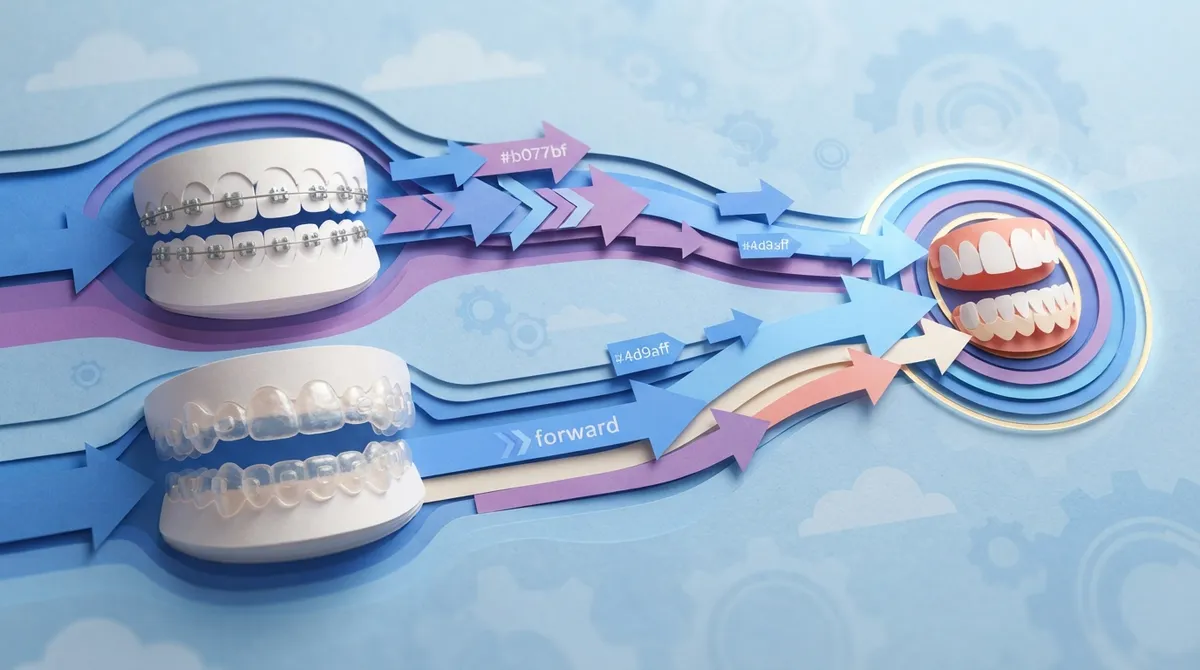
The Quick Answer: Is Invisalign Faster Than Braces?
For many patients, Invisalign takes about the same time as braces. Most treatments last 12 to 18 months. Simple cases can finish in as little as 6 months. Complex cases may take two years or more.
So does Invisalign work faster? It can for minor crowding, small gaps, or mild bite issues. It is not always faster for major corrections. Speed comes down to your teeth, your habits, and your treatment plan.
12 Truths About Invisalign Speed
1. Mild Cases Move the Fastest
If your teeth only need small changes, Invisalign shines. Minor crowding or small spacing can often be fixed in 6 to 12 months. Your teeth don’t have to travel far, so the trip is short.
2. Complex Cases Take Longer
Severe crowding, big gaps, or serious bite problems need more time. Teeth need to move farther and sometimes rotate. This is true for braces too, so Invisalign isn’t slower here. It just isn’t a magic shortcut.
3. Wearing Your Aligners Is the Biggest Factor
This one is all on you, and it’s the best news! Aligners only work when they’re in your mouth. Most plans call for 20 to 22 hours of wear each day. Skipping hours slows everything down.
Think of it like a walking goal. If you only walk half the days, you won’t reach the finish line on time.
4. Switching Trays on Schedule Matters
Most patients change to a new set of aligners every one to two weeks. Changing too early can make teeth lag behind. Changing too late wastes time. Follow the schedule your dentist gives you. You can learn more about the process in our guide to the final stages of Invisalign treatment.
5. Your Age Plays a Role
Teens and younger adults often see quicker movement because their bone is more responsive. Older adults can still get great results. It may just take a little longer. Age is not a barrier to a gorgeous smile!
6. Attachments Help Teeth Move Efficiently
Those tiny tooth-colored bumps are called attachments. They give the aligners something to grip so they can push teeth the right way. They may look small, but they make treatment more accurate and can prevent delays.
7. Digital Planning Takes Out the Guesswork
Invisalign uses a 3D scan to map your whole journey before you start. You can even preview your estimated end result. This planning helps your dentist predict your timeline and spot trouble early. It also means fewer surprises along the way.
8. Refinements Can Add Time
Sometimes teeth don’t move exactly as planned. When that happens, your dentist may order a new set of aligners to fine-tune things. This is normal and not a sign that something went wrong. It can add a few extra weeks or months.
9. Regular Checkups Keep You on Track
Visits every 6 to 10 weeks help your dentist confirm your teeth are moving right. Catching a small problem early prevents a big delay later. Don’t skip these appointments, even if everything feels fine.
10. Good Habits Prevent Slowdowns
Lost aligners, cracked trays, and skipped wear time all slow progress. Keep a case handy and always store your trays safely. Take them out only to eat, drink anything but water, and brush.
11. Retainers Protect Your Speed and Your Results
Finishing treatment is exciting, but your teeth can drift back without a retainer. Wearing one keeps all your hard work in place. If you’re curious about long-term wear, read do I need to wear a retainer forever after Invisalign.
12. Faster Is Not Always Better
Here’s a gentle reminder. Teeth need time to move safely. Rushing can stress your gums, roots, and bone. The goal is a healthy, lasting smile, not just a quick one. A steady pace gives the most stable results.
Invisalign vs. Braces: A Quick Comparison
Here is a simple look at how the two options often compare on speed and daily life.
| Factor | Invisalign | Traditional Braces |
|---|---|---|
| Average Treatment Time | 12 to 18 months | 18 to 24 months |
| Mild Cases | As little as 6 months | Often 12 months or more |
| Complex Cases | May need longer or refinements | Often better for severe cases |
| Depends on Patient Habits | Yes, wear time is key | Less, since braces stay on |
| Office Visits | Fewer, every 6 to 10 weeks | More frequent adjustments |
| Removable | Yes | No |
As you can see, Invisalign works faster in some situations, but the real winner depends on your smile. If you want a closer look at the choices, our post on orthodontics in Brandon, FL breaks it down nicely.
How to Help Your Invisalign Work Faster
You have more control than you think! Try these simple habits to keep your treatment on pace:
- Wear your aligners 20 to 22 hours a day. This is the number one speed booster.
- Switch trays exactly on schedule. Set a phone reminder so you never forget.
- Seat your aligners fully. Gently bite down so they click into place.
- Keep every appointment. Checkups catch small issues early.
- Clean your teeth and trays often. A clean fit works better and feels fresher.
A Simple Daily Routine to Follow
- Take out your aligners before meals and snacks.
- Brush your teeth, or at least rinse well, before putting them back in.
- Rinse and clean your aligners gently with cool water.
- Pop them back in and press them into place.
- Store them in their case whenever they’re out of your mouth.
It sounds like a lot, but it becomes second nature within a week or two. Soon it will feel as normal as brushing your teeth.
Who Is a Good Candidate for Fast Results?
Some people are set up for a speedier journey than others. You may see quicker results if you have:
- Mild crowding or small gaps
- A minor bite concern
- Healthy teeth and gums
- A strong commitment to wearing your aligners
On the other hand, some conditions may need extra time or a different approach. If you want to know what could rule you out, check our list of conditions that may disqualify you from Invisalign.
What About Speed-Up Gadgets and Quick Fixes?
You may see ads for vibration devices or promises of “rapid” straightening. It’s smart to be careful. The best way to move teeth faster is still the simple stuff: wear your trays, change them on time, and see your dentist. Always talk to your dental team before adding anything new to your routine.
Why Local Expertise Matters
Your provider’s experience can influence how smoothly your treatment goes. Dr. K’s Gold+ Invisalign Profile shows his strong track record with clear aligners. At Dental Theory, patients in Brandon get a detailed digital plan and friendly support from start to finish. That kind of guidance helps you avoid common slowdowns and stay confident along the way.
Dr. Chris Karapasha, known as Dr. K, focuses on adult and cosmetic dentistry. You can explore our full range of Invisalign services to see how we can help you reach your smile goals. Want to see what neighbors are saying? Visit us on Google — Dental Theory and read real reviews from Brandon patients.
Is Invisalign Right for You?
So, does Invisalign work faster? For the right smile and the right habits, it absolutely can. The best way to know is to have your teeth checked and your goals discussed. A personal plan beats any online guess every time.
If you’re curious about cost and coverage, our team can walk you through your options. You can also review our insurance details to see how to make treatment more affordable.
Ready to Start Your Smile Journey?
Straightening your teeth is a big, exciting step, and you don’t have to figure it out alone. A simple consultation can give you a clear timeline and a plan that fits your life. Ready to find out how fast your smile could change? Contact Dental Theory today, or schedule an appointment online. We can’t wait to meet you and help you love your smile!
FAQs
Q: Does Invisalign work faster than braces?
A: It can for mild to moderate cases, sometimes finishing in as little as 6 to 12 months. For complex bite problems, the timeline is often similar to braces. The biggest factor is how often you wear your aligners each day.
Q: How long does Invisalign usually take?
A: Most patients finish in about 12 to 18 months. Simple cases may take less time, while complex ones can run longer. Your dentist can give you a personal estimate after scanning your teeth.
Q: Can I speed up my Invisalign treatment?
A: Yes! Wear your aligners 20 to 22 hours a day, change trays on schedule, and keep every checkup. These simple habits are the best way to stay on track and avoid delays.
Q: What happens if I don’t wear my aligners enough?
A: Your teeth won’t move as planned, and your treatment may take longer. You might also need extra refinement trays. The good news is you can get back on track by wearing them consistently again.
Our Service Area