Key Takeaways
-
Early detection of oral cancer dramatically improves survival rates, making regular dental screenings critical since the disease often has no obvious warning signs in early stages.
-
Oral cancer affects over 58,000 Americans yearly and can develop at any age, including younger adults, particularly due to rising HPV-related cases that affect non-smokers.
-
A complete oral cancer screening takes less than 15 minutes and includes visual examination, physical palpation of tissues, and discussion of any findings without invasive procedures.
-
Persistent symptoms lasting more than two weeks—such as non-healing sores, white/red patches, lumps, or difficulty swallowing—require immediate professional evaluation rather than waiting for annual checkups.
-
Screening frequency should match risk level: low-risk patients need annual screenings, moderate-risk patients every 6 months, and high-risk patients every 3-4 months with their dentist.
-
Professional dental screenings cannot be replaced by home self-exams, as dentists are trained to detect subtle changes and abnormal cells that patients typically miss in a mirror.
Most people think twice about skipping a dental checkup. But did you know that your routine dental visit could literally save your life? Oral cancer affects tens of thousands of Americans every year, and early detection makes all the difference. In fact, when caught early, the survival rate for oral cancer jumps dramatically. Yet so many people make simple, avoidable mistakes that delay detection or put them at higher risk. If you’ve ever searched for a dentist near me oral cancer screening, you’re already thinking in the right direction. Whether you’re a parent, a busy adult, or someone who just wants to stay on top of their health, this guide is for you. We’ll walk through 14 common mistakes people make around oral cancer screenings, so you can protect yourself and the people you love. Let’s keep those smiles healthy and safe!
Why Oral Cancer Screenings Matter So Much
Oral cancer can develop in your lips, tongue, cheeks, the floor of your mouth, and your throat. It doesn’t always come with obvious warning signs at first. That’s exactly why regular screenings during your dental visits are so critical. A dentist who performs oral cancer screenings can spot suspicious changes before they become serious problems.
The American Cancer Society estimates that over 58,000 people in the U.S. are diagnosed with oral cavity or oropharyngeal cancer each year. Early-stage detection leads to significantly better outcomes. Skipping or delaying screenings is simply not worth the risk.
14 Oral Cancer Screening Mistakes to Stop Making
Mistake 1: Assuming You’re Too Young to Worry
Oral cancer is often thought of as a condition that only affects older adults. This is a dangerous myth. While age is a risk factor, oral cancer cases in younger adults are on the rise — largely due to HPV-related cancers. No matter your age, get screened regularly.
Mistake 2: Skipping Dental Visits Because You Feel Fine
Feeling healthy doesn’t mean everything is fine inside your mouth. Oral cancer can be painless in its early stages. Waiting until something feels wrong often means waiting too long. Your general dentistry checkup includes a visual screening that takes just a few minutes but can catch warning signs early.
Mistake 3: Not Knowing the Risk Factors
Understanding your personal risk level is important. Here are the most common oral cancer risk factors to be aware of:
- Tobacco use in any form (cigarettes, cigars, chewing tobacco)
- Heavy or frequent alcohol consumption
- Human Papillomavirus (HPV) infection
- Prolonged exposure to UV light (especially for lip cancer)
- A personal or family history of cancer
- Poor nutrition or a diet low in fruits and vegetables
Mistake 4: Ignoring Unusual Symptoms
Many people dismiss early warning signs as minor irritations. Don’t ignore these symptoms if they persist for more than two weeks:
- A sore in the mouth that doesn’t heal
- A lump or thickening in the cheek or neck
- White or red patches on the gums, tongue, or lining of the mouth
- Difficulty chewing, swallowing, or moving the tongue
- Persistent hoarseness or a change in your voice
Mistake 5: Relying Only on Self-Exams
It’s great to do self-exams at home and check your mouth for anything unusual. However, self-exams are not a replacement for a professional screening. Dentists are trained to spot subtle changes that most people would miss in a bathroom mirror. Both are important — just don’t use one as an excuse to skip the other.
Mistake 6: Not Asking Your Dentist About Screening
Many patients don’t realize they can simply ask their dentist to perform an oral cancer screening. Speak up at your next appointment! At Dental Theory in Brandon, FL, comprehensive screenings are part of providing whole-person care for patients of all ages.
Mistake 7: Thinking Tobacco-Free Means Risk-Free
You may not smoke or use tobacco products — that’s wonderful! But that does not mean you have zero risk. HPV-related oral cancers are increasingly common, and they often affect non-smokers. Everyone benefits from regular screenings, regardless of lifestyle habits.
Mistake 8: Choosing Convenience Over a Thorough Exam
A rushed dental visit may not include a proper screening. When you’re searching for a dentist near me oral cancer screening, look for a practice that takes the time to conduct a thorough head, neck, and oral exam. You deserve more than a quick glance in your mouth.
Oral Cancer Screening: What the Process Actually Looks Like
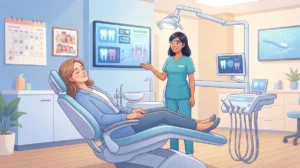
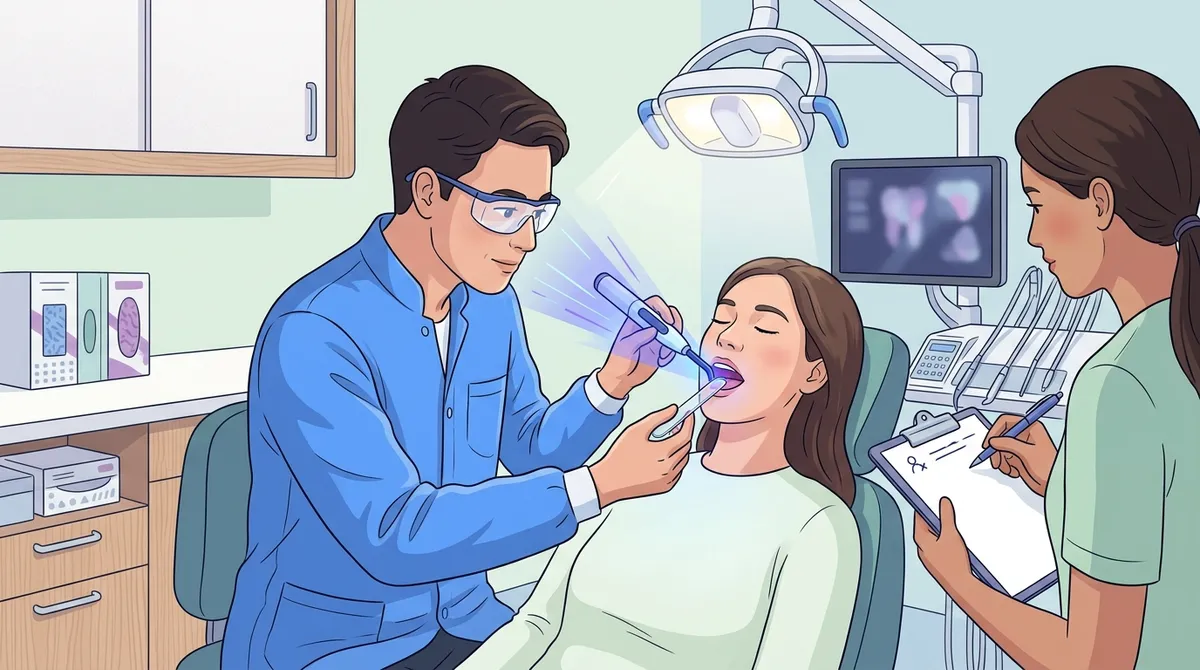
A lot of people avoid asking about screenings because they assume it’s complicated or uncomfortable. It’s actually neither! Here’s what a typical oral cancer screening involves:
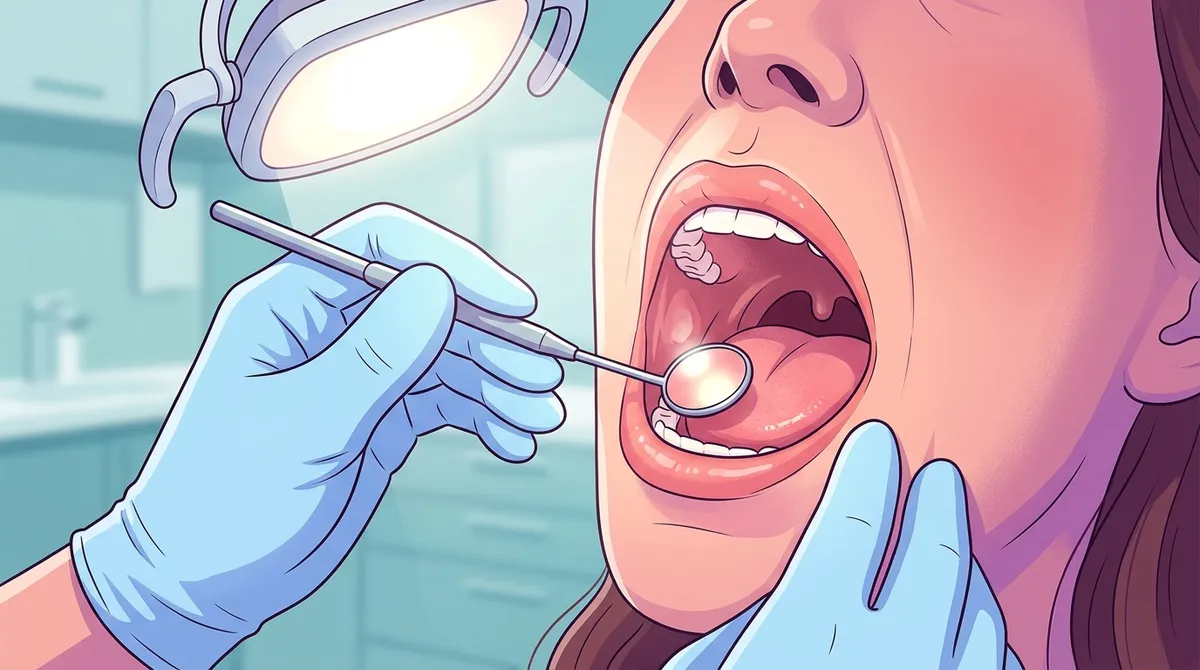
- Visual examination: Your dentist examines your lips, gums, tongue, cheeks, and the roof and floor of your mouth for any unusual spots, sores, or discoloration.
- Physical examination: The dentist gently feels the tissues in your mouth, jaw, and neck to check for lumps or abnormal areas.
- Special tools (when needed): Some practices use a light or special dye to help highlight abnormal cells that may not be visible to the naked eye.
- Discussion and follow-up: If anything unusual is found, your dentist will discuss next steps, which may include a biopsy or referral to a specialist.
| Screening Step | What It Checks | Duration |
|---|---|---|
| Visual Exam | Lips, gums, tongue, cheeks, palate | 2-3 minutes |
| Physical/Manual Exam | Jaw, neck, lymph nodes, oral tissues | 2-3 minutes |
| Enhanced Technology (if used) | Abnormal cell detection | 1-2 minutes |
| Discussion/Recommendations | Results and next steps | 2-5 minutes |
As you can see, the entire process takes less than 15 minutes. There’s truly no reason to avoid it.
Mistake 9: Waiting Until Your Annual Visit
If you notice anything unusual in your mouth, don’t wait for your annual checkup. Call your dentist right away. Changes that persist for two weeks or more should always be evaluated by a professional. Early action saves lives. You can reach out to schedule an appointment any time you have concerns.
Mistake 10: Not Prioritizing Your Kids’ Oral Health Checkups
Parents, listen up! While oral cancer in children is rare, establishing great dental habits early sets your child up for a lifetime of healthy checkups. Regular visits to a pediatric dentistry specialist like Dr. Pri ensures your little ones get a thorough exam in a warm, comfortable setting. As the only board-certified pediatric dentist offering in-office sedation in Brandon, FL, Dr. Pri makes even nervous kids feel at ease.
Mistake 11: Letting Cost Stop You From Getting Screened
Oral cancer screenings are typically included in regular dental checkups. If cost is a concern, don’t let it be a barrier to your health. Options like our in-house membership plan or checking your insurance coverage can make dental care far more affordable. Investing in prevention is always cheaper than treating a problem later.
Mistake 12: Not Knowing What’s Normal for Your Mouth
To notice what’s different, you need to know what’s normal. Here’s a quick guide to what a healthy mouth typically looks like:
| Area | Healthy Appearance | Warning Signs |
|---|---|---|
| Gums | Pink, firm, no bleeding | Red, swollen, bleeding, white patches |
| Tongue | Pink or light red, moist | White or red patches, lumps, sores |
| Lips | Smooth, consistent color | Persistent sores, discoloration |
| Cheeks/Inner Lining | Smooth, moist, pink | Rough patches, unexplained pain |
| Floor of Mouth | Soft, smooth, no lumps | Lumps, swelling, discoloration |
Mistake 13: Dismissing a Second Opinion
If you’re ever told something looks suspicious, don’t dismiss it or avoid follow-up out of fear. Getting a second opinion is completely okay. The goal is always to protect your health. Acting quickly is the best thing you can do for a positive outcome.
Mistake 14: Not Finding a Dentist You Actually Trust
Your relationship with your dentist matters. If you don’t feel comfortable, you’re less likely to go regularly or bring up concerns. Finding a caring, experienced dental team makes all the difference. Dental Theory is proud to have a 5-star rating on Healthgrades.com, reflecting the trust patients place in our team every day.
How Often Should You Get Screened?
Great question! Here’s a simple guideline based on risk level:
- Low risk (no major risk factors): Screening included with every regular dental visit — at least once a year.
- Moderate risk (one or more risk factors): Every 6 months, along with your regular cleanings.
- High risk (multiple risk factors or previous precancerous lesions): Every 3-4 months as recommended by your dentist.
HPV and Oral Cancer: What You Need to Know
HPV (Human Papillomavirus) is now one of the leading causes of oropharyngeal cancers, especially in adults aged 35-55. These cancers affect the back of the throat, base of the tongue, and tonsils. The good news is that HPV-related oral cancers often respond well to treatment, especially when caught early. Talk to your dentist and doctor about your HPV risk and whether vaccination is appropriate for you or your family members.
Comparing Screening Approaches: What to Expect
| Approach | Who Performs It | Best For | Limitations |
|---|---|---|---|
| At-Home Self-Exam | You | Monthly awareness checks | Misses many subtle changes |
| Dentist Visual/Manual Exam | Your dentist | Routine prevention, early detection | Requires a dental visit |
| Enhanced Technology Screening | Dentist with special equipment | High-risk patients, deeper review | Not always necessary for low-risk patients |
| Specialist Biopsy | Oral surgeon or specialist | Confirmed diagnosis of suspicious lesions | Referral required; more invasive |
Tips for Making Your Next Screening Count
Getting screened is great. Making the most of that appointment is even better. Here are a few tips to help:
- Arrive without lipstick or lip balm so the dentist can clearly see your lips
- Mention any changes you’ve noticed, even if they seem minor
- Tell your dentist about your tobacco or alcohol use honestly
- Ask your dentist to walk you through what they’re checking
- Don’t be embarrassed — your dentist has seen it all and is there to help
You can also schedule an appointment online quickly and easily, so there’s no reason to put it off any longer!
Finding the Right Dental Home in Brandon, FL
When you search for a dentist near me oral cancer screening, you want more than just proximity. You want a team that genuinely cares about your whole-body health. At Dental Theory in Brandon, FL, every patient — child or adult — receives attentive, thorough care in a welcoming environment. Visit us on Google to read what our patients are saying and see why families across Brandon trust us with their smiles and their health.
Our team is also proud to be recognized for excellence. Dr. Chris Karapasha has been named one of America’s Top Young Dentists in Incisal Edge magazine’s 2025 40 Under 40 — a testament to the quality and commitment you’ll find at every visit.
Take Action: Your Health Is Worth It
Oral cancer is scary to think about, but knowledge and action are your best tools. By avoiding the 14 mistakes we’ve covered, you put yourself in the best possible position for early detection and great outcomes. A screening takes less than 15 minutes. Your peace of mind is absolutely worth that time.
Don’t wait for symptoms. Don’t let fear or cost hold you back. And don’t settle for a dental team that doesn’t take your whole health seriously. Reach out to our team at Dental Theory today to schedule your next dental visit and oral cancer screening in Brandon, FL. We’re here for you — and we can’t wait to see your smile!
FAQs
Q: What happens during an oral cancer screening at the dentist?
A: An oral cancer screening is quick, painless, and usually takes less than 15 minutes! Your dentist will visually examine your lips, tongue, gums, cheeks, and throat, then gently feel the tissues in your mouth, jaw, and neck for any unusual lumps or changes. If anything looks suspicious, they’ll talk with you calmly about next steps — no need to worry, early detection is always a win!
Q: How often should I get an oral cancer screening?
A: For most adults with no major risk factors, a screening once a year during your regular dental checkup is a great starting point. If you use tobacco, drink heavily, or have other risk factors, your dentist may recommend screenings every 6 months. The important thing is to keep those appointments coming — consistency is key to catching anything early!
Q: Can non-smokers get oral cancer?
A: Absolutely, and this surprises a lot of people! HPV (Human Papillomavirus) is now one of the leading causes of oropharyngeal cancers, and it can affect non-smokers of any age. That’s exactly why everyone — smoker or not — benefits from regular oral cancer screenings at their dental visits.
Q: Is oral cancer screening covered by dental insurance?
A: In most cases, oral cancer screenings are included as part of your routine dental examination, so they’re often covered under standard dental insurance plans. If you’re unsure about your coverage, checking your insurance details or asking your dental team is always a smart move. Dental Theory also offers an in-house membership plan that can help make care more affordable!
Q: What are the early warning signs of oral cancer I should watch for?
A: Keep an eye out for sores in your mouth that don’t heal within two weeks, white or red patches on your gums or tongue, lumps in your cheek or neck, or any difficulty chewing and swallowing. These signs don’t always mean cancer, but they absolutely deserve a professional look — so don’t hesitate to call your dentist if you notice anything unusual!