Key Takeaways
-
Regular dental checkups every six months catch small problems early before they become expensive, and finding the right dentist with modern technology and a comfortable environment transforms checkups from a chore into a positive health habit you'll actually maintain.
-
A great dental checkup includes comprehensive exams of teeth, gums, jaw and bite alignment, digital X-rays for early detection, oral cancer screening, and gum disease assessment—services that go far beyond a basic tooth inspection.
-
Digital X-rays, intraoral cameras, and modern diagnostic software allow dentists to spot issues at the earliest stage, saving you time, money, and discomfort compared to traditional methods.
-
Some patients with gum disease history, higher cavity risk, diabetes, dry mouth, or orthodontic work may need checkups more frequently than the standard twice-yearly schedule—ask your dentist if you fall into a higher-risk category.
-
When choosing a local dentist, verify their credentials and continuing education, check for pediatric expertise if you have children, read patient reviews, and confirm they accept your insurance and offer convenient scheduling.
-
Preparing for your first visit by requesting previous dental records, verifying insurance coverage beforehand, and filling out paperwork online can save 15-20 minutes and help your new dentist understand your complete history.
That twice-yearly reminder card from your dentist might feel like homework you’d rather skip, but finding the right dental practice for routine checkups can actually make these visits something you look forward to. Seriously — the right office makes all the difference. When you walk into a welcoming space where the team knows your name, uses the latest technology, and genuinely cares about your comfort, a routine checkup stops feeling like a chore. It becomes a positive health habit you actually stick to. Routine checkups are the foundation of lifelong oral health. They help catch small problems before they become big, expensive ones. They keep your smile bright and your gums healthy. And when you find a local dentist who makes the experience easy and stress-free, your whole family benefits. Whether you’re searching for a dentist near me for routine checkup visits or looking to switch to a more family-friendly practice, this guide will help you find exactly what you need.
What Makes a Great Routine Dental Checkup Experience
Not all dental checkups are created equal. A truly great experience goes far beyond a quick peek in your mouth and a “see you in six months.” Here’s what separates a good checkup from a great one.
Comprehensive Exam Beyond Just Looking at Teeth
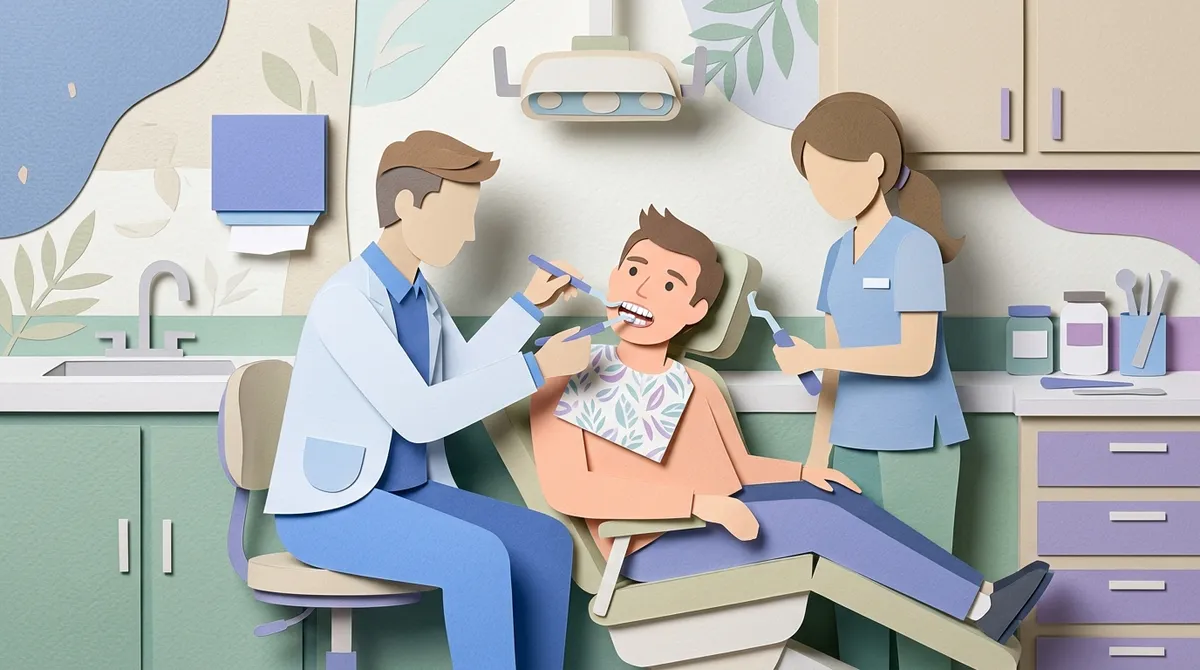
A thorough exam checks your teeth, gums, jaw, and overall oral health. Your dentist should look at bite alignment, signs of grinding, and soft tissue health. This whole-mouth approach catches issues you might not even know exist.
Modern Technology That Catches Problems Early
Great practices invest in up-to-date tools. Digital X-rays, intraoral cameras, and diagnostic software help dentists spot issues at the earliest stage. Early detection saves you time, money, and discomfort down the road. Practices like general dentistry at Dental Theory use modern technology to give patients the most complete picture of their oral health.
Comfortable Environment That Reduces Anxiety
Dental anxiety is real and very common. A welcoming office with a calm atmosphere goes a long way. Think soothing decor, friendly staff, and a team that takes your concerns seriously. Comfort isn’t a luxury — it’s part of good care.
Clear Communication About Findings and Next Steps
After your exam, your dentist should explain what they found in plain language. No confusing jargon. No rushed explanations. You deserve to understand your oral health and feel confident about any recommended treatments.
Convenient Scheduling and Reminder Systems
Life gets busy. The best dental practices make it easy to schedule, reschedule, and remember appointments. Look for offices that offer online booking, text reminders, and flexible hours. Convenience removes one more barrier to keeping up with your care.
| Feature | Why It Matters |
|---|---|
| Comprehensive exam | Catches hidden issues early |
| Modern technology | More accurate diagnosis |
| Comfortable environment | Reduces anxiety and builds trust |
| Clear communication | Empowers informed decisions |
| Easy scheduling | Removes barriers to consistent care |
Essential Services During Your Regular Dental Visit
A routine dental visit packs a lot of value into one appointment. Here’s a breakdown of what you should expect during a standard checkup.
Professional Cleaning and Plaque Removal Techniques
Even with great brushing and flossing at home, plaque builds up in spots you can’t reach. A professional cleaning removes that buildup before it hardens into tartar. Your hygienist will also polish your teeth, leaving them smooth and fresh.
Digital X-Rays and Diagnostic Imaging
Digital X-rays give your dentist a detailed look at what’s happening beneath the surface. They reveal cavities between teeth, bone loss, and other hidden concerns. The best part? Digital X-rays use significantly less radiation than traditional film X-rays.
Oral Cancer Screening Procedures
Oral cancer screenings are a routine but vital part of every checkup. Your dentist will check your lips, tongue, cheeks, and throat for any unusual spots or tissue changes. Early detection dramatically improves outcomes, making this a step you never want to skip. If you’re wondering whether all cavities really need to be filled, your dentist can walk you through what they find during this examination too.
Gum Health Assessment and Periodontal Checks
Gum disease is one of the most common — and most preventable — dental conditions. Your hygienist measures the depth of the pockets around each tooth. Healthy gums have shallow pockets. Deeper pockets may signal early gum disease that needs attention.
Preventive Treatments Like Fluoride and Sealants
Fluoride treatments strengthen enamel and protect against decay. Dental sealants, thin protective coatings applied to the chewing surfaces of back teeth, are especially helpful for children. These simple preventive steps can prevent costly treatments later.
| Service | Who Benefits Most | How Often |
|---|---|---|
| Professional cleaning | Everyone | Every 6 months |
| Digital X-rays | Everyone | Annually or as needed |
| Oral cancer screening | Adults (especially 40+) | Every visit |
| Periodontal check | Adults and teens | Every 6–12 months |
| Fluoride treatment | Children and high-risk adults | Every 6 months |
| Dental sealants | Children ages 6–14 | Once per tooth (permanent) |
How Often Should You Schedule Routine Checkups
One of the most common questions people ask when searching for a dentist near me for routine checkup visits is: how often do I actually need to go?
Standard Twice-Yearly Recommendation Explained
The American Dental Association recommends most people visit their dentist every six months. This frequency allows your dental team to monitor changes, clean areas that are hard to reach at home, and catch problems while they’re still small and easy to treat.
Factors That Might Require More Frequent Visits
Some people need to come in more often. This includes individuals with:
- A history of gum disease or periodontal concerns
- Higher cavity risk due to diet or dry mouth
- Diabetes or other conditions that affect oral health
- Braces or other orthodontic appliances
- Frequent dry mouth caused by medications
Your dentist will let you know if you fall into a higher-risk category and recommend the right schedule for you.
Special Considerations for Children’s Dental Schedules
Children should start seeing a dentist by their first birthday or when their first tooth appears. From there, twice-yearly visits are the standard. Kids’ teeth change fast, and regular monitoring helps ensure healthy development. Learn more about what to expect at a child’s first dental visit.
Building Checkups Into Your Family Calendar
Think of dental checkups like oil changes — skip them long enough, and small problems become big ones. Scheduling the whole family on the same day is a great time-saver. Many family practices offer back-to-back appointments so everyone gets seen in one trip.
Insurance Coverage and Timing Considerations
Most dental insurance plans cover two cleanings per year. Spacing them roughly six months apart maximizes your benefits. If you don’t have insurance, ask about an in-house membership plan — these can make routine care very affordable.
Choosing the Right Local Dentist for Your Family
Finding a dentist your whole family loves takes a little research, but it’s worth the effort. Here’s what to look for when making your choice.
Evaluating Dentist Credentials and Specializations
Check that your dentist holds proper licensure and keeps up with continuing education. Dentists who pursue advanced training in cosmetic, pediatric, or restorative dentistry bring more to the table. Look for recognition in professional circles — for example, Dr. Chris Karapasha has been named one of America’s Top Young Dentists in Incisal Edge magazine’s 2025 40 Under 40, a testament to the high-quality care available at Dental Theory.
Importance of Pediatric Expertise for Families
If you have children, a practice with dedicated pediatric dentistry expertise is a major plus. Board-certified pediatric dentists receive extra training in child development, behavior management, and child-specific dental care. This makes a meaningful difference for young patients.
Technology and Equipment Standards to Look For
Modern equipment isn’t just fancy — it leads to more accurate diagnoses and more comfortable procedures. Look for practices that use digital X-rays, intraoral cameras, and up-to-date sterilization protocols. These are signs that a practice invests in patient outcomes.
Reading Reviews and Asking the Right Questions
Online reviews are a goldmine of information. Check Google, Healthgrades, and Facebook for honest feedback from real patients. You can also check Dental Theory’s 5-star rating on Healthgrades.com to see what patients are saying. When you call a new office, ask about appointment availability, accepted insurance, and how they handle dental emergencies.
Location Convenience and Office Hours
The best dentist in the world won’t help if getting there is a hassle. Look for a practice close to home, work, or school. Evening and weekend hours are a bonus for busy families who can’t always get away during the workday.
Preparing for Your First Visit to a New Dentist
Starting with a new dentist is exciting! A little preparation makes the first visit smooth and productive.
Gathering Previous Dental Records and X-Rays
Contact your previous dental office and request copies of your records and most recent X-rays. Having this information on hand helps your new dentist understand your history without repeating diagnostic steps. It also saves you time and money.
Insurance Verification and Paperwork Tips
Call the office ahead of your visit to verify that they accept your insurance. Ask if you can fill out new patient paperwork online before you arrive. This small step can shave 15–20 minutes off your first appointment.
What to Expect During Initial Consultation
Your first visit will likely include:
- A full set of X-rays to establish a baseline
- A comprehensive exam of your teeth, gums, and jaw
- An oral cancer screening
- A professional cleaning (in most cases)
- A conversation about your dental history and goals
Discussing Your Dental History and Concerns
Don’t be shy about sharing your concerns. Tell your dentist about any sensitivity, pain, or anxiety. Mention past procedures, medications, and medical conditions that could affect your oral health. The more your dentist knows, the better they can help you.
Setting Up Ongoing Care Plans
Before you leave, work with the front desk to schedule your next appointment. Ask about any recommended treatments and get a clear timeline. A good dental team will help you understand costs, insurance coverage, and payment options upfront. You can also schedule an appointment online to make the process even easier.
Making Routine Checkups Stress-Free for Everyone
Dental anxiety doesn’t have to stand in the way of great oral health. Modern dental practices have come a long way in making visits comfortable for every member of the family.
Comfort Amenities Modern Practices Offer
Today’s dental offices are designed with patient comfort in mind. Think warm lighting, comfortable chairs, and entertainment options during treatment. Some practices even offer aromatherapy, noise-canceling headphones, or cozy blankets. These details may seem small, but they add up to a much more relaxed experience.
Special Accommodations for Anxious Patients
If dental anxiety is a concern for you, look for a practice that takes it seriously. Good dentists communicate each step before they do it, move at a pace you’re comfortable with, and offer options to help you feel in control. Open communication is the best tool for managing anxiety.
Kid-Friendly Approaches to Pediatric Visits
Children thrive in environments built just for them. Colorful waiting rooms, child-sized equipment, and a gentle, encouraging dental team make a world of difference. At Dental Theory, Dr. Pri is a board-certified pediatric dentist who specializes in creating positive experiences for young patients. As the only board-certified pediatric dentist offering sedation dentistry for kids in Brandon, Florida, she is uniquely equipped to help even the most anxious children feel safe and comfortable.
Same-Day Procedures to Minimize Appointments
Nobody wants to make multiple trips for one dental issue. Practices that offer same-day procedures — like same-day ceramic crowns — save you time and reduce the number of visits you need to make. Fewer appointments means less disruption to your schedule and less time in the chair overall.
Building Positive Dental Habits Early
When children have positive experiences at the dentist, they carry those habits into adulthood. Start visits early, keep the conversation positive at home, and celebrate each successful checkup. Building good dental habits early is one of the best gifts you can give your child. You can check out our Google Business Profile to read stories from families just like yours who’ve made Dental Theory their dental home.
| Who | Challenge | Solution |
|---|---|---|
| Anxious adults | Fear of pain or procedures | Clear communication, gentle approach |
| Young children | Unfamiliar environment, fear | Child-friendly staff, sedation options if needed |
| Busy families | Too many appointments | Same-day procedures, back-to-back scheduling |
| Uninsured patients | Cost concerns | In-house membership plans |
Your Next Step Toward a Healthier Smile
Routine checkups are one of the simplest and most effective things you can do for your long-term health. When you find the right dental practice — one that’s welcoming, skilled, and convenient — those twice-yearly visits become something you actually look forward to. From comprehensive exams and professional cleanings to kid-friendly care and same-day procedures, the right dentist near you can make all the difference.
Whether you’re an adult due for a cleaning, a parent looking for a gentle pediatric dentist, or someone who hasn’t been to the dentist in a while, now is the perfect time to take that first step. Reach out to the Dental Theory team today and discover how easy and enjoyable routine dental care can be for your whole family in Brandon, FL.
FAQs
Q: What should I do if I haven’t been to a dentist in several years?
A: No judgment here — life gets busy, and it happens more than you think! Simply call a local dental practice, let them know it’s been a while, and schedule a new patient exam. Your dentist will do a thorough assessment, catch up on your oral health status, and create a care plan to get you back on track comfortably.
Q: Can I switch dentists if I’m in the middle of treatment?
A: Yes, you absolutely can switch dentists at any point, even during ongoing treatment. Request your records and X-rays from your current office, then share them with your new dentist so they can pick up right where things left off. A good dental team will make the transition as smooth as possible for you.
Q: How much does a routine checkup cost without insurance?
A: Without insurance, a routine checkup including cleaning and X-rays typically ranges from $150 to $350 depending on the practice and your location. Many dental offices offer in-house membership plans that cover preventive visits at a significantly reduced cost — ask your dentist about available options before your first appointment.
Q: What’s the difference between a general dentist and a family dentist?
A: A general dentist primarily focuses on adult patients, while a family dentist is trained and equipped to treat patients of all ages — from toddlers to grandparents. Family dental practices are a convenient one-stop solution because the whole household can be seen in the same office, often on the same day.
Q: Should my child see a pediatric dentist or can they see my regular dentist?
A: While general and family dentists can treat children, a board-certified pediatric dentist has two to three additional years of specialized training focused entirely on kids’ dental development, behavior management, and age-appropriate care. For children with dental anxiety or special needs, a pediatric dentist — especially one offering in-office sedation options — is often the best choice.