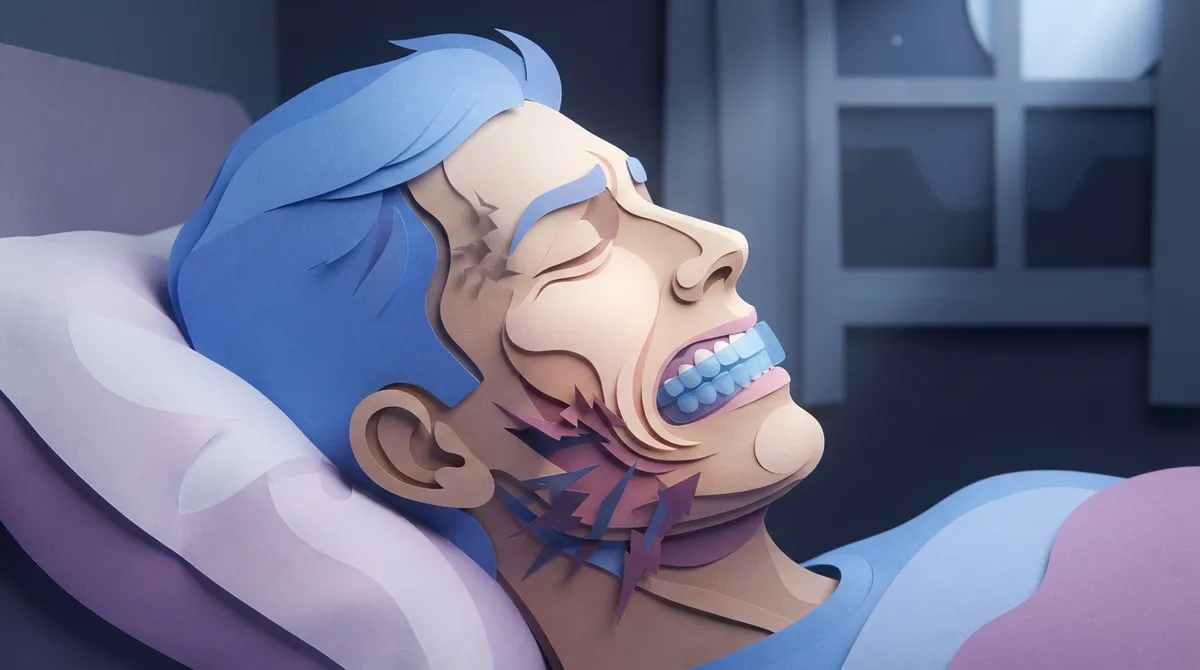
Key Takeaways
-
Morning jaw soreness, headaches near temples, and tooth sensitivity are early warning signs of bruxism that should prompt a dental visit to prevent serious damage.
-
Untreated bruxism can lead to complete enamel wear, cracked teeth, cavities, and damage to existing dental work, making early detection critical for long-term oral health.
-
Custom night guards are the most reliable protection against grinding damage, acting as a cushion between teeth while you sleep to prevent costly repairs.
-
Stress and anxiety are major bruxism triggers in both adults and children; combining a night guard with stress reduction techniques like exercise and relaxation habits works best.
-
Dentists can often spot bruxism before you notice symptoms by examining tooth wear patterns, jaw muscle tenderness, and bite marks during routine checkups.
-
Visible cracks, chips in teeth, worsening jaw pain, or daily headaches warrant prompt professional evaluation to prevent simple fixes from becoming expensive dental repairs.
Do you wake up with a sore jaw or a dull headache for no clear reason? You might be grinding your teeth at night without even knowing it. This condition is called bruxism, and it’s more common than most people think. Many folks here in Brandon, Florida come into our office confused about why their teeth feel worn down or why their jaw aches every morning.
The good news? Bruxism is very treatable once you know what to look for. In this guide, we’ll walk you through the most common signs and symptoms of teeth grinding. We’ll also share what you can do about it, and how the team at Dental Theory can help you protect your smile.
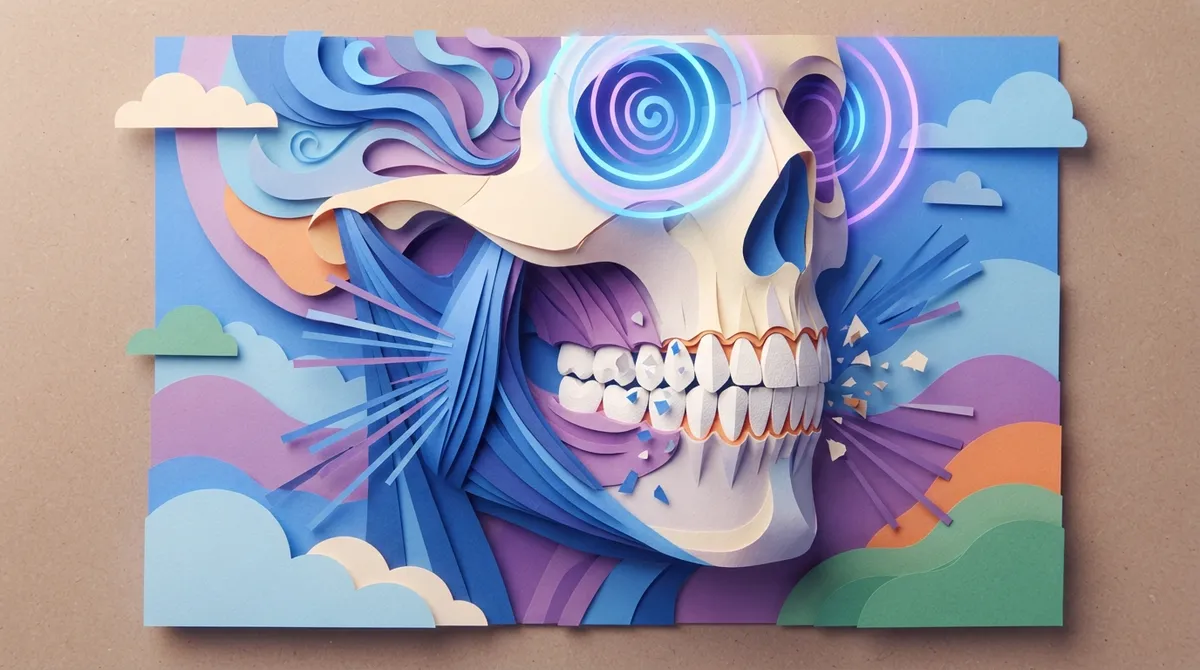
What Is Bruxism, Exactly?
Bruxism is the medical term for grinding or clenching your teeth. It can happen while you sleep or even during the day when you’re stressed. Some people grind their teeth so quietly that they never notice it happening. Others clench so hard they wake up with real pain.
Over time, this habit can wear down your teeth and cause serious damage. It can also lead to jaw problems and headaches. Catching the symptoms early can save you from bigger dental problems down the road.
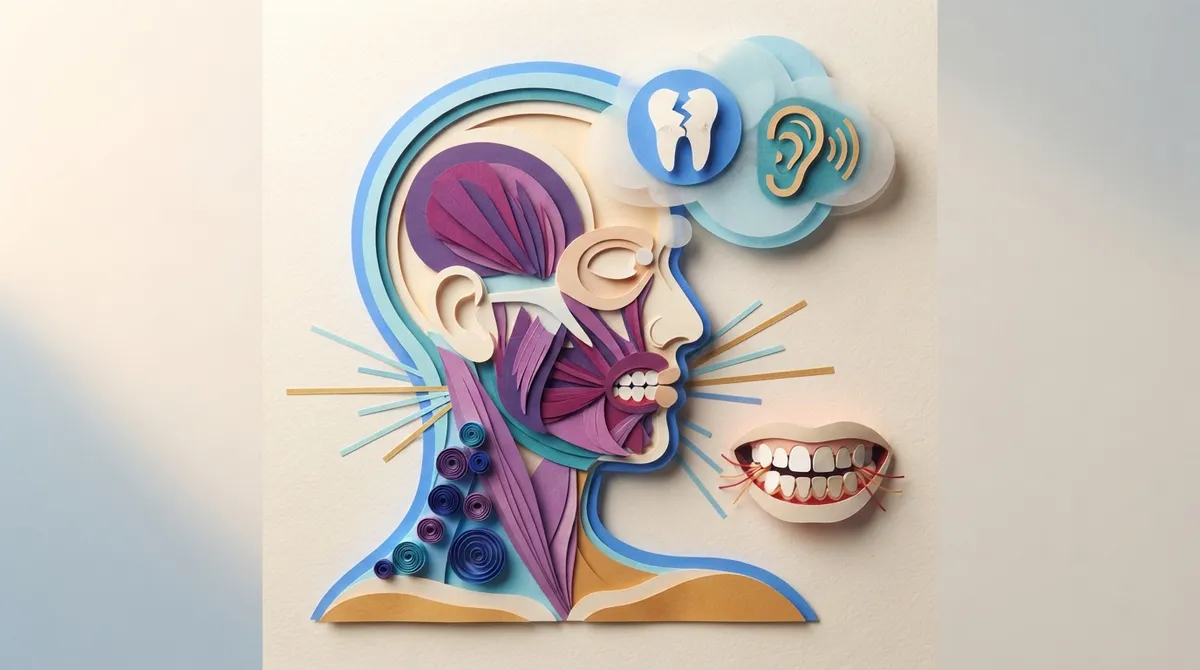
Common Symptoms of Bruxism to Watch For
Bruxism shows up in different ways for different people. Some signs are easy to spot, while others sneak up on you slowly. Here are the most common symptoms our patients in Brandon describe:
- Sore or tight jaw muscles, especially in the morning
- Frequent headaches, particularly near the temples
- Flattened, chipped, or cracked teeth
- Increased tooth sensitivity to hot or cold foods
- Jaw locking or clicking sounds when you open your mouth
- Worn tooth enamel that makes teeth look shorter
- Earaches that aren’t caused by an actual ear infection
- Damage to the inside of your cheek from biting
If any of these sound familiar, it might be time to schedule an appointment so we can take a closer look at your teeth and jaw.
Signs Your Partner or Family Might Notice
Sometimes the person grinding their teeth is the last to know. If you sleep next to someone, they may hear the grinding sound at night. This is often the first clue that leads people to ask questions about bruxism.
- Grinding or clicking noises during sleep
- Complaints about disrupted sleep from a partner
- Visible clenching of the jaw while awake, especially during stress
What Causes Teeth Grinding?
There isn’t just one cause of bruxism. It can come from a mix of physical and emotional factors. Understanding the root cause can help you and your dentist find the best treatment plan.
- Stress and anxiety: This is one of the biggest triggers for teeth grinding, especially at night.
- Misaligned bite: When your teeth don’t line up correctly, your jaw may compensate by clenching.
- Sleep disorders: Conditions like sleep apnea are often linked to bruxism.
- Lifestyle habits: Too much caffeine, alcohol, or smoking can increase your risk.
- Certain medications: Some antidepressants have been linked to teeth grinding as a side effect.
You can read more about how Sleep And Your Smile Understanding Tmj And Bruxism connects to this common problem, and why treating both together often works best.
How Bruxism Symptoms Differ by Age
Bruxism doesn’t just affect adults. Kids can grind their teeth too, especially during the toddler and early school years. Symptoms can look a bit different depending on the age group.
| Age Group | Common Symptoms | Typical Cause |
|---|---|---|
| Children (ages 3-8) | Worn baby teeth, jaw soreness, irritability | Growing teeth, stress, misaligned bite |
| Teens | Headaches, jaw clicking, tooth sensitivity | Stress from school, hormonal changes |
| Adults | Cracked teeth, TMJ pain, chronic headaches | Work stress, sleep disorders, lifestyle habits |
| Seniors | Enamel loss, worn crowns or fillings, jaw pain | Long-term wear, medication side effects |
If you’re a parent worried about your child grinding their teeth at night, Dr. Priyanka Karapasha, known to patients as Dr. Pri, offers gentle and caring pediatric dental exams. She’s a board-certified pediatric dentist and the only one in Brandon offering in-office sedation for anxious or special-needs kids. This makes her uniquely equipped to help nervous children feel safe and calm during their visit.
Why Untreated Bruxism Can Become a Bigger Problem
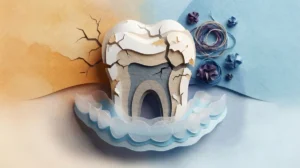
Ignoring the signs of bruxism can lead to more than just a sore jaw. Left untreated, grinding can wear down your enamel completely. This exposes the softer part of your tooth, which can lead to cavities and sensitivity.
It can also damage dental work you already have, like fillings or crowns. Chronic grinding puts a lot of pressure on your teeth every single night. Over time, this pressure can crack or fracture a tooth completely.
- Increased risk of cavities and tooth decay
- Higher chance of needing a dental crown or repair
- Chronic jaw pain that affects eating and speaking
- Damage to existing dental work like fillings and crowns
- Worsening TMJ symptoms over time
If a tooth cracks or a filling fails because of grinding, our office can often fix it the same day. Dr. Chris Karapasha, known as Dr. K, specializes in same-day ceramic crowns for adults. This means you won’t need multiple visits or a temporary crown while you wait. You can learn more about the process in our article on What Are Same Day Crowns Benefits Process Explained.
How Dentists Diagnose Bruxism
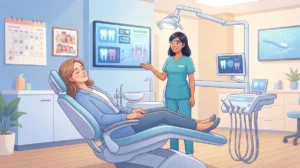
You might be surprised to learn that your dentist can often spot bruxism before you even mention any symptoms. During a routine checkup, we look for specific clues that point to grinding or clenching.
- We examine your teeth for flat spots or unusual wear patterns.
- We check your jaw muscles for tenderness or tightness.
- We ask about headaches, sleep quality, and stress levels.
- We look at the inside of your cheeks for bite marks.
- We may take X-rays to check for hidden damage below the gum line.
Regular checkups make a big difference here. Many people don’t realize they grind their teeth until a dentist points out the wear and tear. This is one more reason routine visits matter so much for long-term oral health.
Treatment Options for Teeth Grinding
The right treatment depends on what’s causing your bruxism in the first place. Some people just need a night guard, while others benefit from stress management techniques too.
- Custom night guards: These protect your teeth from grinding damage while you sleep.
- Stress reduction techniques: Things like exercise, therapy, or relaxation habits can help lower grinding triggers.
- Bite correction: If misalignment is the cause, orthodontic treatment may help.
- Dental repairs: Cracked or worn teeth may need crowns, fillings, or bonding to restore function.
- Lifestyle changes: Cutting back on caffeine and alcohol can reduce nighttime grinding.
For adults dealing with worn or damaged teeth from grinding, cosmetic dentistry options can restore both function and appearance. Same-day ceramic crowns are a popular choice because they protect your tooth without the hassle of a second visit.
When to See a Dentist About Bruxism
Not every case of teeth grinding needs urgent attention. But there are certain signs that mean you shouldn’t wait too long to get checked out.
- Your jaw pain is getting worse instead of better
- You notice visible cracks or chips in your teeth
- Headaches are happening almost every day
- Your partner says the grinding noise is getting louder
- You’ve had a filling or crown fall out recently
If you’re dealing with any of these symptoms, it’s a good idea to get a professional opinion soon. Waiting too long can turn a simple fix into a bigger, more expensive repair.
Protecting Your Smile Starts With Awareness
Bruxism is sneaky. It often happens while you sleep, which means you might not notice it until real damage is done. Paying attention to jaw pain, headaches, and tooth sensitivity can help you catch it early.
The team at Dental Theory has helped many Brandon families identify and manage bruxism before it caused lasting harm. Whether you need a custom night guard or a full evaluation of your bite, our general dentistry services are designed to keep your smile healthy for years to come.
Dr. Chris Karapasha was recently recognized for his work in the field. In fact, Dr. Chris Karapasha has been named one of America’s Top Young Dentists in Incisal Edge magazine’s 2025 40 Under 40, a huge honor that reflects his dedication to quality patient care. You can also check out his professional profile through Dr. K’s Gold+ Invisalign Profile to learn more about his credentials.
Taking Care of Your Whole Family’s Smile
Bruxism can affect anyone in your household, from your youngest child to your grandparents. That’s why having a family-focused dental practice matters so much. At Dental Theory, we treat patients of all ages under one roof, making it easier for busy Brandon families to stay on top of everyone’s oral health.
If your child grinds their teeth at night, don’t panic. It’s common, and Dr. Pri has plenty of experience helping young patients feel comfortable during their visits. For more tips on keeping your child’s smile healthy, check out our article on 10 Tips for Stress-Free Dental Care for Children in Brandon.
We know dental visits can feel stressful for some patients, especially those who’ve had bad experiences in the past. That’s part of why we focus so heavily on creating a calm, welcoming environment. You can read what other patients have said by visiting Visit us on Google — Dental Theory, or follow along and visit us on Facebook for updates and patient stories.
Simple Habits That May Help Reduce Grinding
While professional treatment is important, small daily habits can also make a difference. These won’t replace dental care, but they can support your overall treatment plan.
- Practice relaxation techniques before bed, like deep breathing or stretching.
- Avoid chewing on non-food items like pens or ice.
- Cut back on caffeine, especially in the afternoon and evening.
- Keep a consistent sleep schedule to reduce nighttime stress.
- Stay hydrated and maintain a balanced diet to support jaw health.
These habits work best alongside professional care. A custom night guard from your dentist is still the most reliable way to protect your teeth from grinding damage.
If you’re also dealing with outdoor projects around your Brandon home and need extra hands, our friends at Wayne & Sons Landscaping & Junk Removal can help keep your yard looking great while you focus on your health.
Your Next Step Toward a Healthier Smile
Bruxism symptoms can be easy to overlook until they start causing real problems. Jaw pain, headaches, and worn teeth are all signs that something needs attention. The sooner you address these symptoms, the easier it is to protect your smile long-term.
Our team at Dental Theory is here to help you figure out what’s going on and create a plan that works for your life. Whether you need a night guard, a same-day crown, or just some reassurance, we’re ready to help. Ready to get answers about your symptoms? Contact Dental Theory today and let’s protect that smile of yours together.
FAQs
Q: What are the earliest symptoms of bruxism?
A: The earliest signs are usually a sore jaw in the morning and mild headaches near your temples. You might also notice your teeth feel a little sensitive to hot or cold. Catching these early signs means an easier fix, so don’t wait to mention them at your next checkup!
Q: Can children have bruxism too?
A: Yes, teeth grinding is actually pretty common in young kids, especially during growth spurts. It usually shows up as worn baby teeth or jaw irritability. Dr. Pri has lots of experience gently checking for this during pediatric visits, so there’s no need to worry.
Q: Does stress really cause teeth grinding?
A: Absolutely, stress is one of the biggest triggers for bruxism in both kids and adults. Many people clench their jaw without even realizing it during busy or anxious moments. Finding ways to relax, paired with a custom night guard, can make a real difference.
Q: How do I know if I need a dental crown because of grinding?
A: If you notice cracks, chips, or major wear on a tooth, it might be time for a crown. The good news is Dr. K offers same-day ceramic crowns, so you won’t need multiple visits. We’ll always check first to see if a simpler fix will do the trick.
Q: Can a night guard really stop teeth grinding damage?
A: A custom night guard won’t stop the grinding itself, but it protects your teeth from the damage. Think of it like a cushion between your upper and lower teeth while you sleep. It’s a simple, affordable way to save your smile from bigger problems later.
Our Service Area