Key Takeaways
-
Schedule your child's first dental visit by their first birthday or within six months of their first tooth appearing, as baby teeth hold space for permanent teeth and affect chewing, speech, and confidence.
-
Choose a board-certified pediatric dentist with 2-3 years of specialized training in child behavior management and sedation techniques, rather than a general dentist, for significantly better comfort and experience.
-
Create positive attitudes about dental visits at home by using upbeat language, reading dental books, playing pretend dentist, and celebrating visits with non-sugary rewards to prevent anxiety.
-
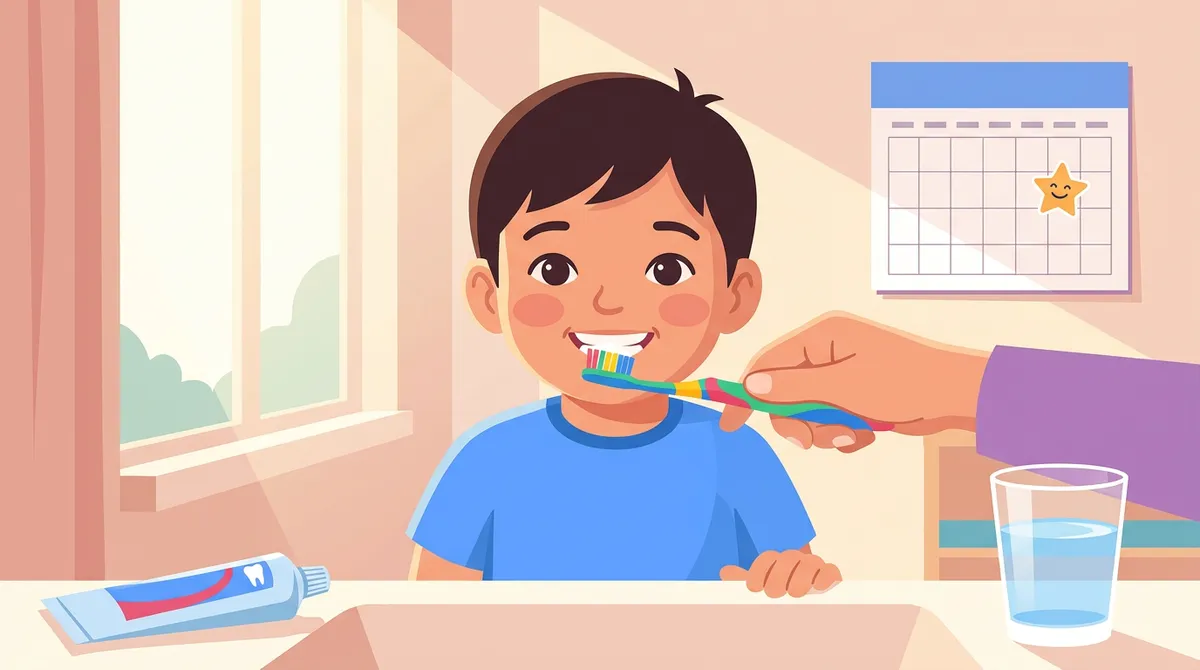
Establish daily oral hygiene habits including brushing twice daily for two minutes, flossing when teeth touch, and using fluoride toothpaste to prevent cavities and set lifelong healthy patterns.
-
Limit sugary drinks and frequent snacking, as sugar feeds cavity-causing bacteria and frequent snacking keeps mouth acid levels high; encourage fluoridated water as the main beverage instead.
-
Schedule regular checkups every six months and watch for early warning signs like white/brown spots, tooth sensitivity, swollen gums, or bad breath to catch problems before they require intensive treatment.
Let’s be honest — getting kids excited about the dentist isn’t always easy. Between the unfamiliar sounds, the bright lights, and the “open wide” requests, it’s no wonder some little ones feel nervous. But here’s the good news: dental care for children in Brandon doesn’t have to be stressful. With the right approach, the right environment, and the right dental team, your child can actually enjoy their visits — yes, really!
Whether your child is heading to their very first appointment or has been a few times before, these 10 tips will help you set them up for a lifetime of healthy smiles. From what to expect at early visits to how to handle dental anxiety, we’ve got you covered. And if you’re looking for a practice that truly puts kids first, pediatric dentistry at Dental Theory in Brandon, FL is a wonderful place to start.
Why Children’s Dental Care Matters So Much
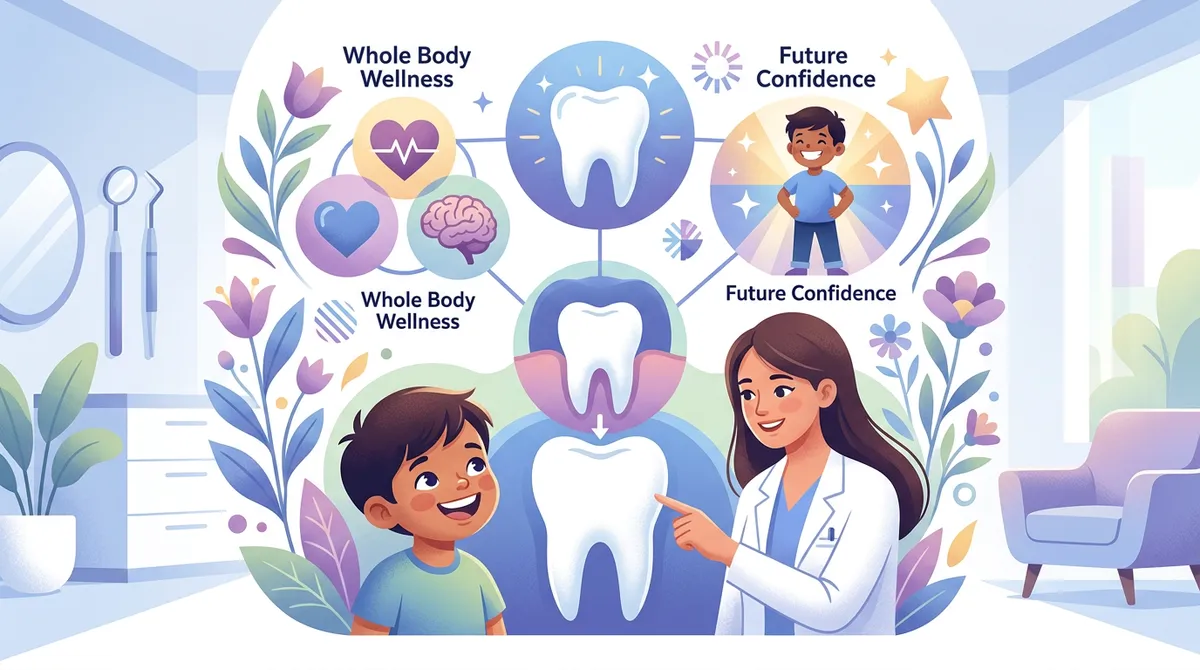
Many parents wonder if baby teeth really matter since they fall out anyway. The answer is a big yes! Baby teeth hold space for permanent teeth. They help with chewing, speech, and confidence. Neglecting them can lead to pain, infections, and problems with adult teeth later on.
The American Academy of Pediatric Dentistry recommends a child’s first dental visit by their first birthday or within six months of their first tooth appearing. Starting early builds positive habits that last a lifetime. Think of it as an investment in your child’s overall health and happiness.
1. Start Dental Visits Early
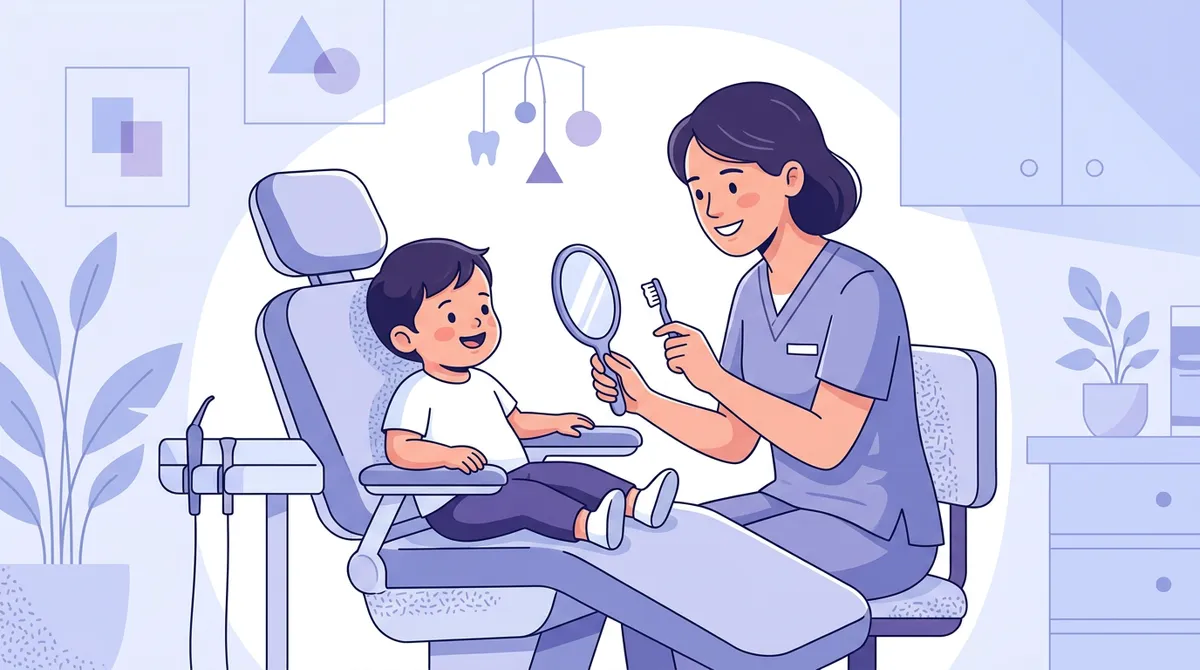
The earlier, the better! Scheduling your child’s first dental visit early helps them get comfortable with the experience. Early visits are usually quick and gentle. The dentist checks tooth development and talks with you about proper oral hygiene.
Starting young means your child won’t fear the dentist because they’ve always known it as a normal part of life. It’s like going to the pediatrician — just for their teeth!
2. Choose a Board-Certified Pediatric Dentist
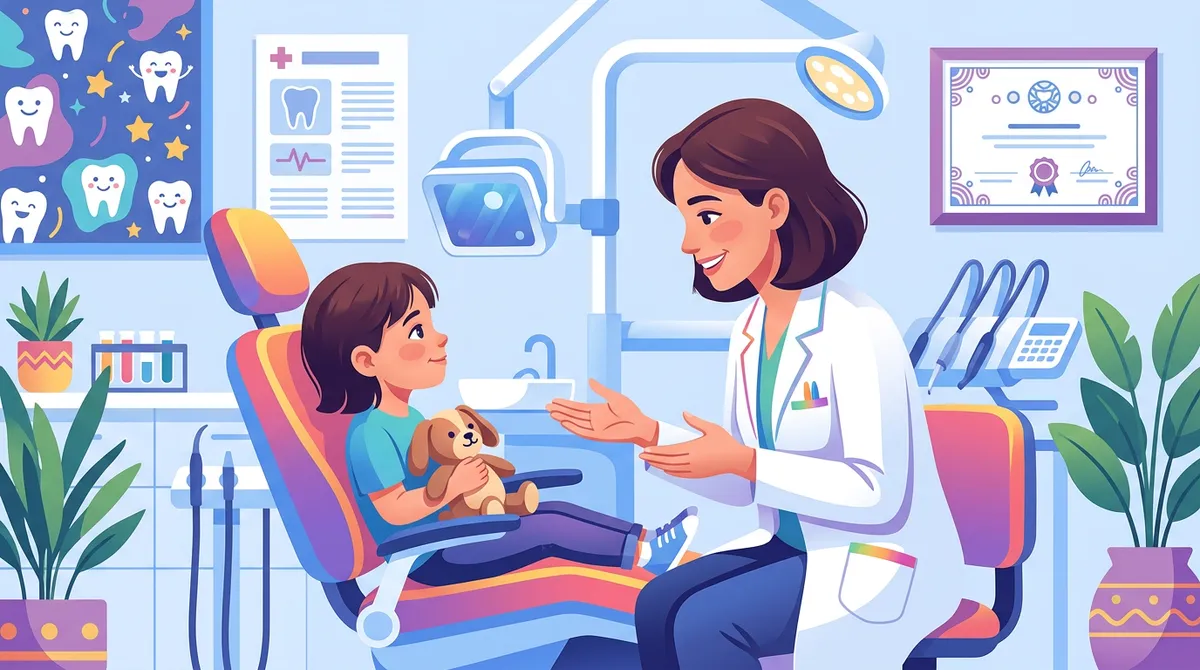
Not all dentists are the same. A board-certified pediatric dentist has extra years of specialized training specifically for children. This makes a huge difference in how your child is treated and how comfortable they feel.
Dr. Pri (Dr. Priyanka Karapasha) is a board-certified pediatric dentist right here in Brandon, FL. She is known for her warm, gentle approach and her ability to connect with kids of all ages. Parents consistently rave about how relaxed their children feel in her care.
| General Dentist | Board-Certified Pediatric Dentist |
|---|---|
| Treats patients of all ages | Specializes exclusively in children |
| Standard dental training | 2-3 extra years of pediatric training |
| General anxiety management | Child-specific behavior management techniques |
| May offer sedation | Certified to offer in-office sedation for kids |
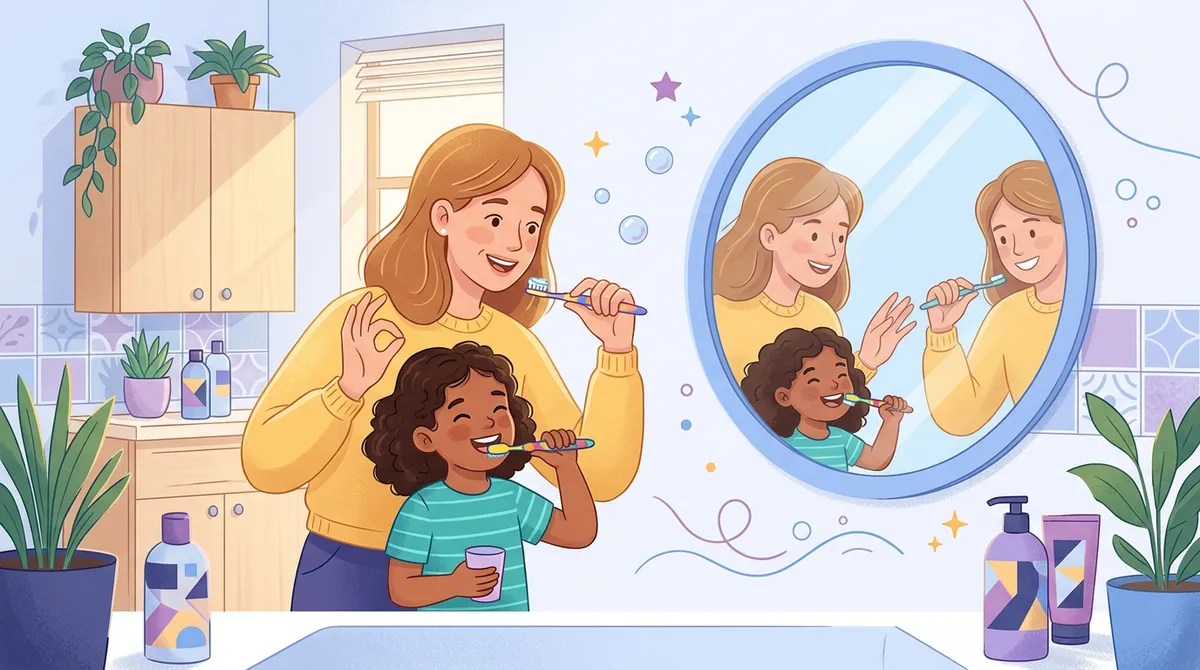
3. Create a Positive Attitude at Home
Kids pick up on everything — including your feelings about the dentist. If you approach dental visits with dread, your child will too. Try to talk about the dentist in a fun, upbeat way.
- Read books about dental visits before the appointment
- Play “dentist” at home with stuffed animals
- Watch child-friendly videos about teeth and dentist visits
- Celebrate after each visit with a fun (non-sugary!) reward
- Use positive language like “the dentist helps keep your smile shiny!”
Small conversations go a long way. Building excitement rather than anxiety makes the whole experience smoother for everyone.
4. Know What to Expect at Each Visit
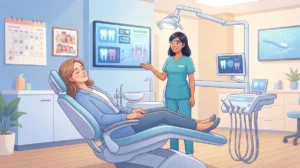
Understanding what happens during a dental checkup helps both parents and kids feel less nervous. Here’s a typical breakdown of a pediatric dental visit:
- Welcome and check-in — A friendly greeting to make your child feel at ease
- Dental cleaning — A gentle cleaning to remove plaque and tartar
- X-rays (if needed) — Quick images to check tooth development
- Dental exam — Dr. Pri checks teeth, gums, and jaw growth
- Fluoride treatment — A protective coating to strengthen enamel
- Parent education — Tips on brushing, diet, and oral hygiene at home
Most visits take about 45 minutes to an hour. Knowing the steps ahead of time helps your child feel in control and less anxious.
5. Address Dental Anxiety Head-On
Dental anxiety in children is very common. Some kids feel nervous, while others may refuse to cooperate. This is completely normal! The key is choosing a dental team that truly understands how to work with anxious kids.
Dr. Pri uses gentle, child-centered techniques to ease fears. For children who need extra support, sedation dentistry for kids is available at Dental Theory. As the only board-certified pediatric dentist in Brandon, FL offering in-office sedation, Dr. Pri provides a safe and calming experience for even the most anxious little patients.
| Type of Anxiety | Recommended Approach |
|---|---|
| Mild nervousness | Positive reinforcement, distraction, gentle reassurance |
| Moderate anxiety | Tell-show-do technique, child-paced appointments |
| High anxiety or special needs | In-office sedation with board-certified pediatric dentist |
| Fear from past experiences | Gradual reintroduction, trust-building visits |
6. Establish Great Oral Hygiene Habits at Home
Dental visits are important, but daily habits at home are just as critical. Teaching your child proper oral hygiene early sets them up for success. Here are the basics to cover:
- Brush teeth twice a day for two full minutes
- Use a soft-bristled, age-appropriate toothbrush
- Use a pea-sized amount of fluoride toothpaste (for children over age 3)
- Start flossing as soon as two teeth touch
- Rinse with water after sugary snacks
Making brushing fun is the secret. Try a timer, a song, or a brushing app to keep kids engaged. Some kids love having a special toothbrush with their favorite character on it — whatever works!
7. Watch for Early Signs of Dental Problems
Parents are often the first to notice something is off. Catching dental problems early saves your child from pain and saves you from bigger dental bills. Keep an eye out for these signs:
- White or brown spots on teeth (early signs of cavities)
- Tooth sensitivity to hot, cold, or sweet foods
- Swollen or bleeding gums
- Complaints of tooth pain
- Persistent bad breath
- Loose teeth at unexpected ages
If you notice any of these, don’t wait for the next scheduled cleaning. Call your dentist right away. Early treatment is always easier and less stressful for your child.
8. Understand the Role of Diet in Dental Health
What your child eats has a direct impact on their teeth. Sugar feeds the bacteria that cause cavities. Frequent snacking (even on healthy foods) keeps acid levels high in the mouth, which weakens enamel over time.
| Good for Teeth | Harmful to Teeth |
|---|---|
| Water (especially fluoridated) | Sugary drinks (juice, soda, sports drinks) |
| Cheese and dairy | Sticky candy and gummies |
| Crunchy fruits and vegetables | Crackers and starchy snacks |
| Lean proteins | Frequent snacking between meals |
Encouraging water as the main drink is one of the best things you can do for your child’s smile. It rinses away food particles and keeps enamel strong — especially if it’s fluoridated water.
9. Keep Up with Regular Checkups
Most children should visit the dentist every six months. These routine visits catch problems early, provide professional cleanings, and give your child consistent positive experiences with dental care.
Life gets busy — we totally get it! That’s why it helps to schedule the next appointment before you leave the office. Some practices even send reminders so you never miss a visit. Staying on top of regular general dentistry appointments is the simplest way to keep your child’s smile healthy year-round.
10. Make It a Family Affair
Kids model what they see. When they watch you brush, floss, and visit the dentist regularly, they learn that oral health is important. Turn dental care into a family routine, not a chore. Brush together in the mornings. Celebrate cavity-free checkups together.
Finding a practice where the whole family feels welcome makes things even easier. Dental Theory in Brandon, FL is a family-focused practice where both kids and adults are treated with the same level of care and warmth. You can even schedule an appointment for the whole family at once to keep things simple and stress-free.
Bonus Tips for Brandon Families
Living in Brandon, FL means you have access to some wonderful local resources and community support. Here are a few extra ideas to support your child’s dental health:
- Ask about fluoride treatments and sealants — These are quick, painless preventive treatments that significantly reduce cavity risk.
- Inquire about orthodontic referrals — If your child’s teeth need alignment guidance, ask Dr. Pri about trusted referrals. Families in Brandon can also visit Brockway Orthodontics for expert orthodontic care.
- Look into membership plans — If you don’t have dental insurance, Dental Theory’s in-house membership plan makes quality dental care affordable and accessible for the whole family.
Taking care of your family’s health is a full-time job. To make it a little easier, you can also rely on local services that keep your home and schedule in order — like AQ Total Lawn Service for your outdoor needs, giving you more time to focus on what matters most.
For more information about insurance coverage and payment options, check out the insurance plans available at Dental Theory to find what works best for your family’s budget.
Dental Milestones to Track for Your Child
Every child develops at their own pace, but here’s a helpful general guide of dental milestones to keep in mind:
- 6-12 months — First baby tooth appears; schedule first dental visit
- 2-3 years — All 20 baby teeth are usually in place
- 5-7 years — First permanent molars begin to emerge
- 6-8 years — Front baby teeth start falling out
- 11-13 years — Most permanent teeth are in; second molars emerge
- 17-21 years — Wisdom teeth may appear
Tracking these milestones with your pediatric dentist ensures that any development concerns are caught early. Dr. Pri and her team are there every step of the way to monitor your child’s growth and keep their smile on track.
Your Child’s Smile Deserves the Best
Dental care for children in Brandon doesn’t have to be a battle. With the right tips, the right habits, and a dental team that genuinely loves working with kids, every visit can be a positive one. Starting early, staying consistent, and keeping things fun are the three keys to raising a child who embraces their dental health with confidence.
Dental Theory is proud to be a trusted partner for families throughout Brandon, FL. Dr. Pri’s compassionate approach and specialized expertise make her the go-to choice for parents who want nothing but the best for their children’s smiles. You can also check out what other families are saying and visit us on Google to read our reviews and get directions.
Ready to give your child the gift of a healthy, happy smile? Reach out to the Dental Theory team today and let’s make your child’s next dental visit their best one yet!
FAQs
Q: When should my child have their first dental visit in Brandon?
A: Great news — the sooner, the better! Your child should have their first dental visit by their first birthday or within six months of their first tooth appearing. Starting early helps your child get comfortable with the dentist and allows Dr. Pri to monitor healthy tooth development right from the start.
Q: What makes a pediatric dentist different from a regular dentist?
A: A board-certified pediatric dentist like Dr. Pri has completed an additional 2-3 years of specialized training focused entirely on children’s dental care. This includes child behavior management, growth and development, and even in-office sedation techniques — making dental visits much more comfortable for little ones of all temperaments.
Q: Is sedation dentistry safe for children in Brandon?
A: Yes, absolutely! When performed by a board-certified pediatric dentist, in-office sedation is very safe and carefully monitored. Dr. Pri is the only board-certified pediatric dentist in Brandon, FL offering in-office sedation, making her uniquely qualified to provide this service with the highest level of safety and care for anxious or special needs children.
Q: How can I help my child feel less nervous about the dentist?
A: The best approach is to keep things fun and positive at home! Read books about dental visits, play pretend dentist, and always use upbeat language when talking about appointments. Choosing a friendly, child-focused dental team like Dr. Pri and her staff at Dental Theory also makes a world of difference in how your child feels about their visits.
Q: How often should children visit the dentist for checkups?
A: Most children should visit the dentist every six months for routine cleanings and checkups. These regular visits help catch any small issues before they become bigger problems and keep your child’s smile healthy and strong. Dr. Pri will let you know if your child needs to come in more frequently based on their individual needs.