Key Takeaways
-
A fallen crown is a dental emergency requiring immediate treatment; the exposed tooth risks decay, infection, and further damage that could necessitate root canal treatment if left untreated.
-
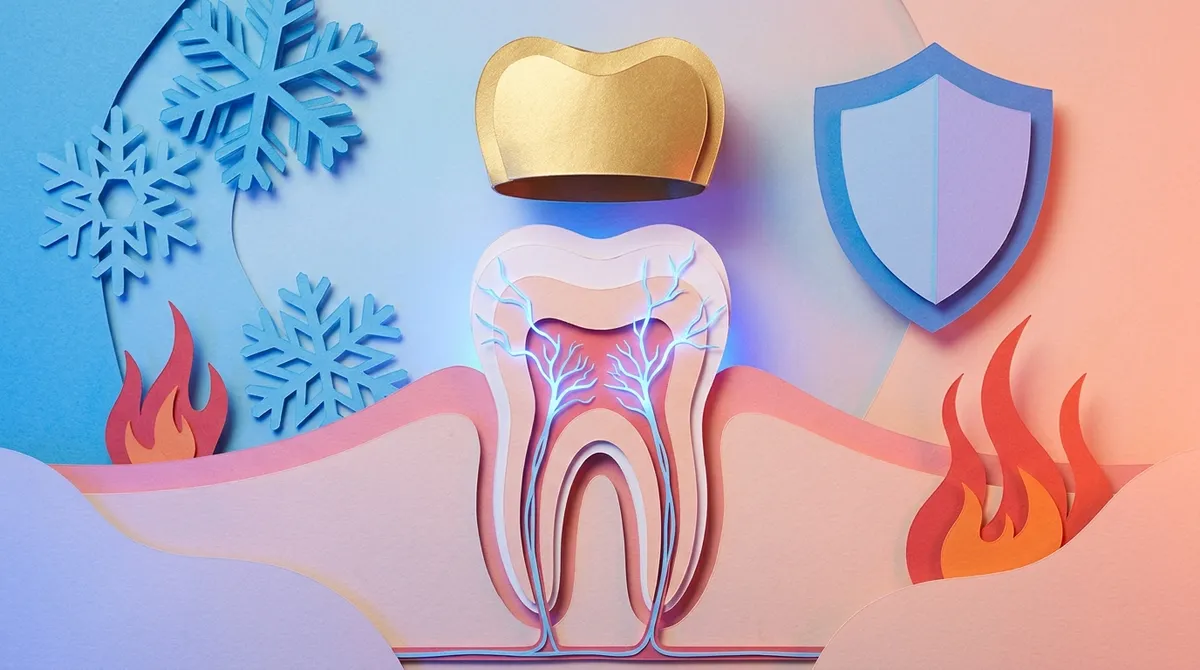
Exposed dentin beneath the crown causes sharp sensitivity to temperature and even air because it contains nerve channels leading directly to the tooth nerve; sensitivity goes away once the crown is replaced.
-
Temporary pharmacy dental cement can provide short-term relief by covering the exposed tooth, but never use super glue or household adhesives as they cause serious damage and complicate professional reattachment.
-
Avoid hard, sticky, and temperature-extreme foods immediately; use sensitivity toothpaste or clove oil for temporary pain relief while waiting for your dental appointment.
-
Same-day crown technology allows permanent crown placement in 1-2 hours during a single visit, eliminating the weeks of sensitivity and discomfort associated with traditional two-appointment crown procedures.
-
Keep the fallen crown and bring it to your appointment—if undamaged and decay-free, your dentist may simply re-cement it rather than create a new crown, saving time and money.
Your crown fell off — and now your tooth is screaming. If you’re dealing with a sensitive tooth after a crown falls, you are not alone. It happens more often than you think, and the good news is that it’s very treatable. But in the meantime, that exposed tooth can feel incredibly uncomfortable, even painful.
Whether it happened while eating dinner or biting into something chewy, a fallen crown leaves the underlying tooth vulnerable. The sensitivity you feel makes perfect sense once you understand what’s going on underneath. In this guide, we’ll walk you through 13 things you absolutely need to know — from why it hurts to what you can do about it right now.
Why Does Your Tooth Feel Sensitive After a Crown Falls Off?
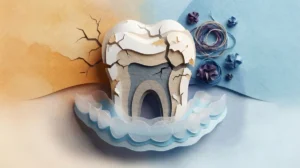
When a dental crown is in place, it acts like a protective helmet over your tooth. It shields the vulnerable inner layers from temperature changes, pressure, and bacteria. The moment that crown is gone, those layers are suddenly exposed to everything — hot coffee, cold water, and even air. That exposure is what causes the sharp, uncomfortable sensitivity you’re feeling.
Understanding the layers of your tooth helps explain this clearly. Take a look at the table below.
| Tooth Layer | What It Does | Sensitivity Level When Exposed |
|---|---|---|
| Enamel | Hard outer shell that protects the tooth | Low |
| Dentin | Porous layer beneath enamel with nerve connections | High |
| Pulp | Inner core containing nerves and blood vessels | Very High |
| Cementum | Covers tooth root below the gumline | Moderate to High |
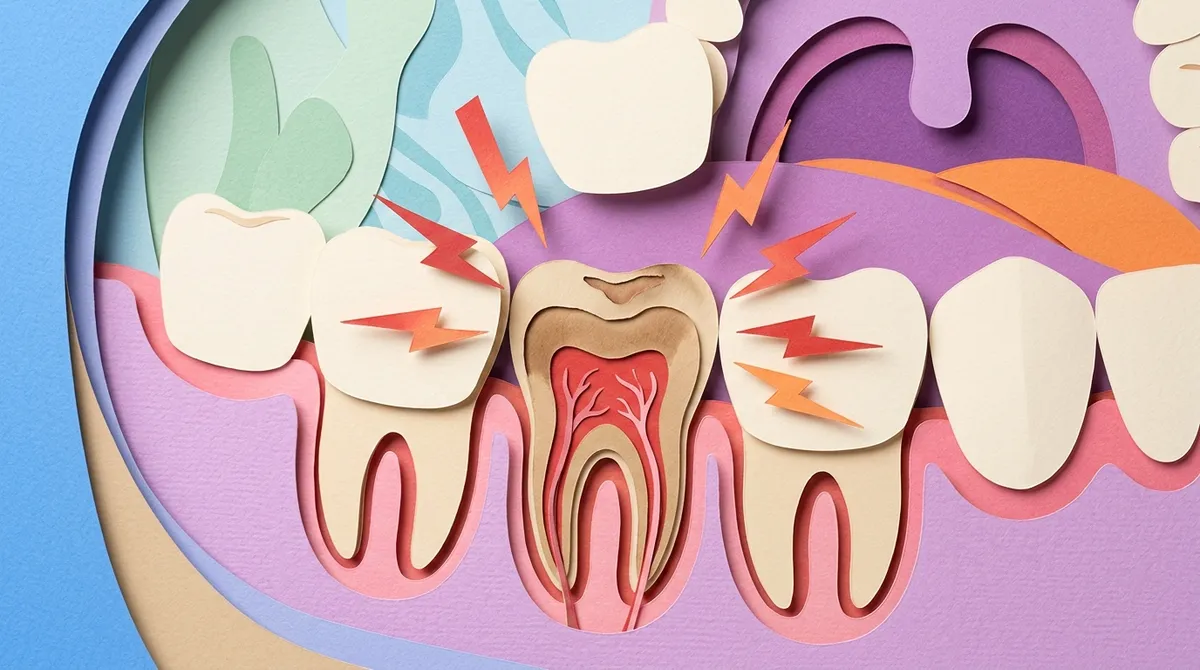
After a crown falls, the prepared tooth underneath (which has been shaped down) often has very little enamel left. That means you’re likely dealing with exposed dentin, which is packed with tiny channels that lead straight to the nerve. No wonder it hurts! If you’d like to learn more about why a tooth hurts under a crown, that’s a great place to start.
13 Things to Know When You Have a Sensitive Tooth After a Crown Falls
1. It Is a Dental Emergency — Don’t Wait Too Long
A fallen crown is not something you should ignore for days or weeks. The exposed tooth is at risk for new decay, infection, and further damage. The sooner you act, the better the outcome. Treating dental emergencies quickly can save your tooth and your wallet.
2. The Sensitivity Is Coming From Exposed Dentin
As mentioned, your crowned tooth has been shaped down to fit the crown. That reshaping removes most of the enamel. Without the crown covering it, exposed dentin is incredibly sensitive. Any temperature change or touch sends signals straight to the nerve. That’s why that tooth feels so uncomfortable right now.
3. You May Feel Pain Even Without Touching the Tooth
Some people are surprised to feel sensitivity just from breathing through their mouth. Cold air hitting that exposed tooth is enough to cause a sharp zing. You might also notice sensitivity when drinking anything warm or cool. This is completely normal and expected given what’s happening inside your mouth.
4. Avoid Hot and Cold Foods Immediately
Until you see your dentist, try to avoid temperature extremes. Very hot foods and icy cold drinks will likely cause significant pain. Stick to lukewarm or room-temperature foods and beverages. This simple step can make the next few hours or days much more comfortable while you wait for your appointment.
5. Over-the-Counter Sensitivity Toothpaste Can Help Temporarily
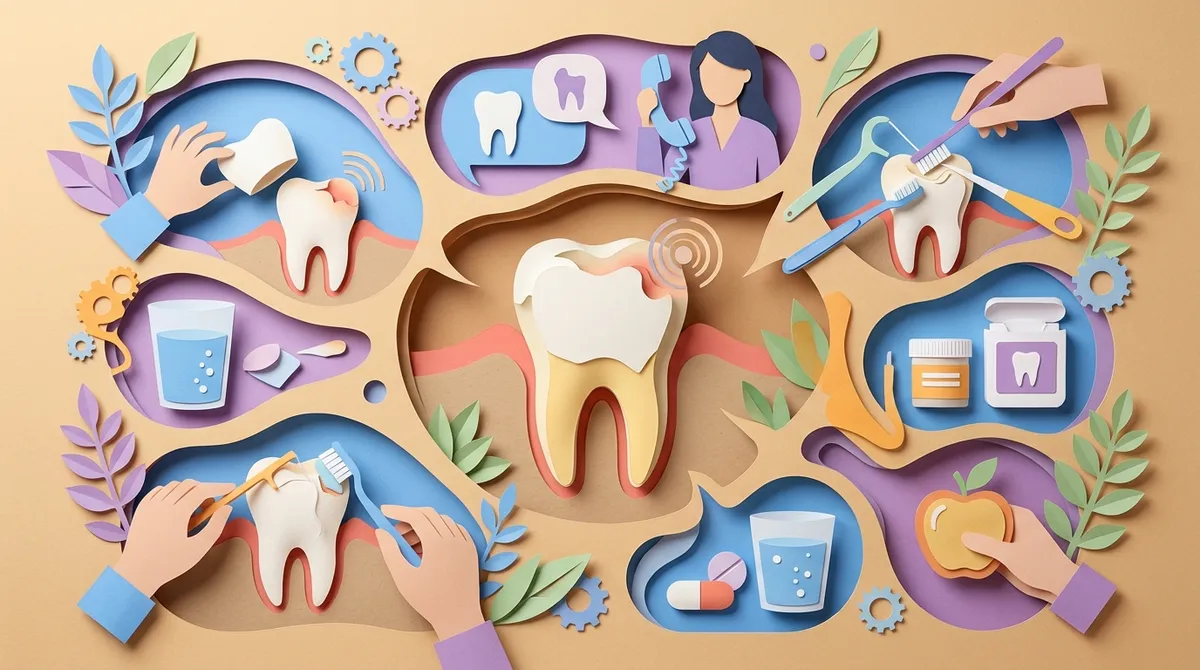
Applying a small amount of sensitivity toothpaste directly to the exposed tooth can help reduce discomfort. The active ingredient (usually potassium nitrate or stannous fluoride) helps block those open dentin channels. This is not a fix, but it can provide short-term relief. You can also use clove oil on a cotton ball as a natural numbing option.
6. Dental Cement From a Pharmacy Is a Short-Term Option
Many pharmacies sell temporary dental cement kits for situations just like this. You can use this to temporarily reattach the crown or at least cover the tooth. This helps reduce sensitivity by covering those exposed dentin tubules. However, this is only a temporary measure — you still need to see your dentist right away. Learn more about how to handle a fallen crown without damaging your tooth for more helpful tips.
7. Do Not Glue the Crown Back With Super Glue
This one seems obvious, but it needs to be said. Super glue or household adhesive is toxic and can cause serious damage to your tooth and gums. It also makes it much harder for your dentist to properly reattach or replace the crown. Stick to dental-grade temporary cement and nothing else.
8. Sensitivity Can Signal Deeper Problems
Sometimes a crown falls off because decay has developed underneath it. Bacteria can sneak under crowns over time, softening the tooth structure and loosening the bond. If the crown fell with little or no provocation, decay could be the culprit. Your dentist will need to evaluate what’s going on beneath the surface. Check out this helpful article on decay under a dental crown to understand the signs and solutions.
Here’s a quick look at common reasons a crown falls off and what it might mean for your sensitivity:
| Reason Crown Fell Off | Common Cause | Expected Sensitivity Level |
|---|---|---|
| Ate sticky or chewy food | Crown dislodged by suction/pull | Moderate |
| Crown fell while biting down | Bite force or worn cement | Moderate to High |
| Crown fell without much force | Possible decay underneath | High |
| Crown has been in place many years | Normal cement degradation | Varies |
9. Keep the Crown Safe and Bring It to Your Appointment
If the old crown came out intact, don’t throw it away! Your dentist may be able to reattach it if the crown is undamaged and the tooth underneath is healthy. Rinse it gently with water and store it in a small zip-lock bag or container. Bring it with you to your dental appointment for evaluation. If you’re wondering whether a crown can be reattached, this article on crown reattachment has all the details.
10. Sensitivity May Increase Over Time if Left Untreated
The longer the tooth stays exposed, the worse things can get. Bacteria can work their way into the dentin and toward the pulp. This can cause an infection or even require a root canal if ignored long enough. What starts as simple sensitivity can escalate into serious tooth pain. Don’t let that happen — get in to see your dentist quickly.
11. You Might Need a New Crown Entirely
In many cases, the old crown can simply be re-cemented. But sometimes a new crown is necessary — especially if the original crown is damaged or if decay was found underneath. The good news is that modern same-day crown technology makes getting a new crown faster than ever. At Dental Theory in Brandon, FL, Dr. K offers same-day crowns in Brandon, so you can walk in with a missing crown and leave with a brand new one — all in a single visit. No waiting, no temporary crown, no second trip.
12. Same-Day Crown Technology Is a Game Changer
Traditional crowns required two appointments and weeks of waiting with a temporary crown in place. Same-day crowns use advanced digital scanning and in-office milling technology to create a permanent ceramic crown right there. This means your tooth stays exposed for only a fraction of the time. Less time exposed means less time dealing with sensitivity. Here’s a comparison of your options:
| Crown Option | Time to Complete | Number of Visits | Sensitivity Duration |
|---|---|---|---|
| Traditional Crown | 2–3 weeks | 2 | Weeks (with temporary crown) |
| Same-Day Crown | 1–2 hours | 1 | Hours to a day |
| Crown Re-cementation | Minutes to 1 hour | 1 | Minimal |
To learn more about how same-day crowns work, check out this detailed guide on what same-day crowns are and how the process works.
13. Your Dentist Can Eliminate the Sensitivity Quickly
Here’s the most reassuring thing to know — once a new crown is placed or the old one is reattached, that sensitivity goes away. The tooth is covered again. Those nerve endings are shielded again. You go back to normal. This is a very solvable problem, and your dentist is ready and able to fix it fast.
What to Do Right Now: A Step-by-Step Action Plan
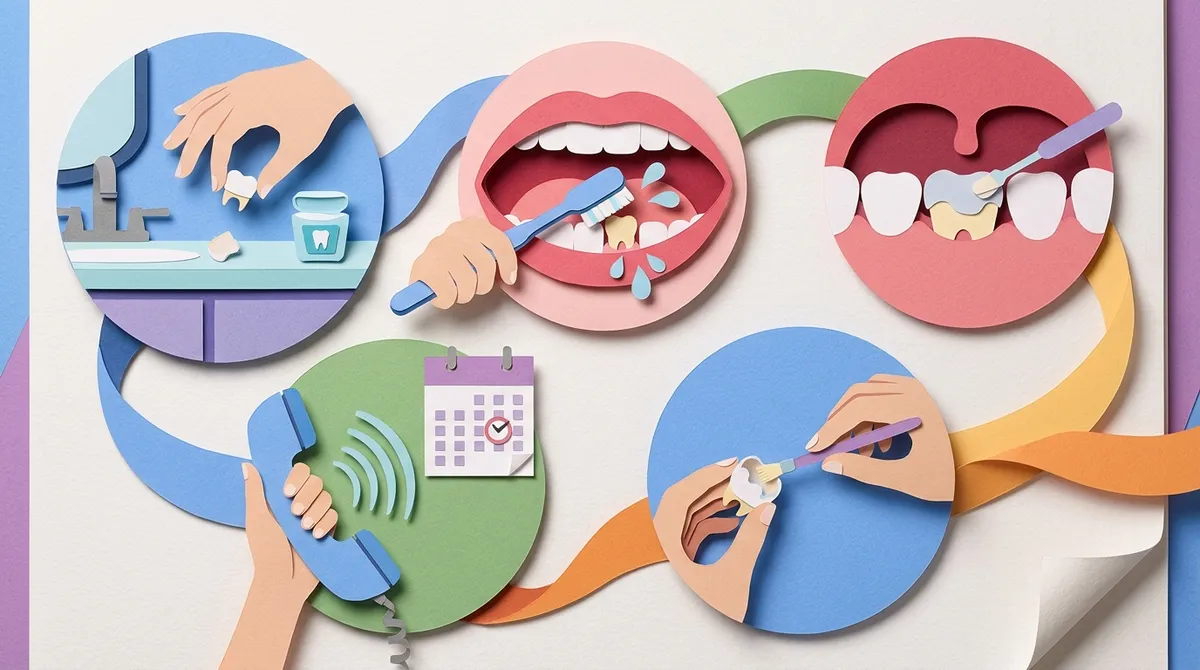
If your crown just fell off and you’re dealing with a sensitive tooth, here’s exactly what to do:
- Stay calm. This is fixable, and panicking won’t help.
- Find the crown and rinse it gently with water.
- Avoid touching the exposed tooth with your tongue or fingers.
- Use temporary dental cement from a pharmacy if available.
- Avoid hard, crunchy, hot, and cold foods until you see your dentist.
- Call your dentist immediately and explain it is an emergency.
- Bring the old crown with you to your appointment.
Signs You Need to See a Dentist Urgently
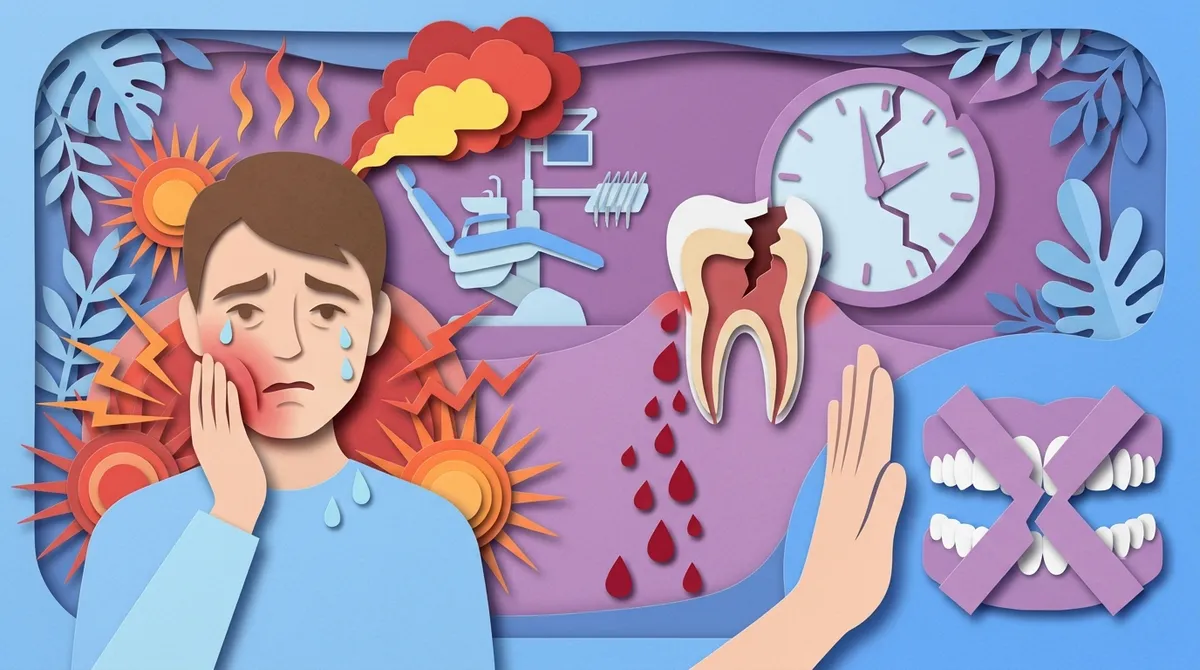
Some situations are more urgent than others. Here are the signs that you should not wait even one more day:
- Severe, throbbing pain that doesn’t stop
- Visible decay or dark spots on the exposed tooth
- Swelling in the gum near the affected tooth
- Pain that wakes you up at night
- Fever or swelling in the jaw area
- The tooth itself appears cracked or broken
Any of these signs may point to infection or nerve damage. Don’t wait — dental emergency treatment is available, and getting help quickly can prevent much bigger problems down the road.
Foods to Eat and Avoid With an Exposed Tooth
While you wait for your appointment, what you eat matters a lot. Here’s a simple guide to help you manage:
Foods to eat:
- Soft cooked foods like oatmeal, mashed potatoes, and scrambled eggs
- Room-temperature soups (not hot)
- Soft fruits like bananas or avocado
- Yogurt and smoothies at room temperature
Foods and drinks to avoid:
- Ice cream, cold water, and icy beverages
- Hot coffee, tea, or soups
- Sticky candies, gum, or chewy foods
- Hard foods like chips, nuts, or crusty bread
- Sugary foods that can feed bacteria near the exposed tooth
For a more complete list, check out 10 foods to avoid with crowns so you know exactly what to steer clear of.
How Dental Theory Makes Crown Replacement Easy in Brandon, FL
Nobody wants to sit around suffering with a sensitive tooth for days or weeks. That’s why Dental Theory in Brandon, FL is proud to offer same-day ceramic crowns that get you back to feeling normal — fast. Dr. K uses state-of-the-art technology to design and mill your crown right in the office. No lab waiting times, no temporary fix, no second visit. You can also schedule an appointment online for fast and convenient booking.
Dental Theory only uses ceramic crowns, which are beautiful, durable, and natural-looking. They blend in seamlessly with your surrounding teeth. If you want to understand your crown material options better, take a look at Dr. K’s expert recommendations on same-day crown materials.
We know dental emergencies are stressful. That’s why our team works hard to make every visit as comfortable and relaxed as possible. Visit Dental Theory on Google to read reviews from real patients who’ve been in your exact situation — and left smiling.
Preventing Future Crown Issues
Once your crown is back in place, here are a few tips to help keep it there for years to come:
- Avoid chewing sticky or very hard foods on the side with the crown.
- Wear a night guard if you grind your teeth while sleeping.
- Brush and floss daily, but be gentle around the crown margin.
- See your dentist regularly for checkups so any loosening is caught early.
- Avoid using your teeth as tools — no opening packages or bottles.
Want to know more about making your crown last? This guide on making dental crowns last as long as possible is packed with practical tips. And if you’re curious about typical crown lifespan, this article on how long dental crowns last gives you a great overview.
Final Thoughts
Dealing with a sensitive tooth after a crown falls is uncomfortable and stressful — but it doesn’t have to stay that way for long. Now that you know the 13 key things about this situation, you’re equipped to take smart action right away. The most important step? Get to your dentist as fast as possible.
If you’re in the Brandon, FL area, you don’t have to wait or suffer through multiple appointments. Same-day crowns at Dental Theory mean you can be back to eating, smiling, and living comfortably in no time. Don’t let tooth sensitivity from a fallen crown slow you down — reach out to the Dental Theory team today and get the fast, friendly, expert care you deserve. You can also visit us on Facebook to stay connected and see the latest updates from our practice.
FAQs
Q: How long will my tooth be sensitive after a crown falls off?
A: The sensitivity should last only as long as the tooth is exposed — which is why seeing your dentist quickly is so important! Once the crown is replaced or re-cemented, that sensitivity typically goes away within hours. The sooner you get treated, the sooner you’ll feel comfortable again.
Q: Can I put my crown back on myself at home?
A: You can use temporary dental cement from a pharmacy to hold the crown in place short-term, and that’s totally fine as a quick fix! But please don’t use super glue or any household adhesive — that can cause real damage. Your dentist needs to properly evaluate and re-cement the crown to make sure everything is secure and healthy underneath.
Q: Will I need a new crown or can the old one be reattached?
A: It depends on the condition of the old crown and the tooth underneath. If the crown is undamaged and there’s no decay beneath it, your dentist may be able to simply re-cement it — great news! But if there’s damage or decay involved, a new crown will likely be needed. Same-day crowns make this process fast and easy.
Q: Is it normal to feel pain even when I’m not touching the tooth?
A: Yes, completely! Exposed dentin (the layer beneath your enamel) is very sensitive to temperature and even air. Breathing through your mouth can cause a sharp zing on that exposed tooth. It’s uncomfortable, but it’s a very normal response and will resolve once the tooth is covered again.
Q: What if my tooth is sensitive under the crown even before it falls off?
A: That’s actually a sign worth paying attention to! Sensitivity under a crown can signal decay, a loose crown, or even nerve irritation. Don’t wait for the crown to fall off on its own — schedule a visit with your dentist to check things out. Catching it early makes treatment much simpler and more comfortable.