Key Takeaways
-
Decay under a dental crown is common and occurs at the crown’s edges where bacteria can enter through gaps; early detection through regular dental visits with X-rays is crucial for simple, treatable outcomes.
-
Poor oral hygiene, worn crown seals, old crowns, sugary diets, dry mouth, and gum recession are the main causes; even crowned teeth require daily brushing, flossing, and regular checkups to prevent decay.
-
Watch for warning signs including tooth sensitivity to hot/cold, persistent toothache, swollen gums, bad taste or odor, and loose crowns; act quickly if you notice any of these symptoms to avoid advanced decay.
-
Treatment depends on decay severity: mild cases need crown replacement, moderate cases may require fillings, and severe cases involving the nerve need root canal therapy before a new crown is placed.
-
Well-maintained crowns last 10-15 years; replace your crown if it’s older than this timeframe, has chips or cracks, or your dentist detects wear on X-rays to prevent future decay risk.
-
Dental insurance typically covers 50-80% of crown replacement and often covers root canal therapy; contact your insurance provider and dentist before treatment to understand your coverage and payment options.
You finally got your dental crown. You feel great about it. But then, something feels off. Maybe you notice a dull ache. Maybe your tooth is suddenly sensitive. Could there be decay under your dental crown? The short answer is yes — it can happen. And when it does, it’s important to act fast.
Decay under a dental crown is more common than most people think. A crown protects the visible part of your tooth, but the tooth root and edges still face risks. Bacteria, sugary foods, and poor oral hygiene can all sneak in and cause problems. The good news? With the right care and early detection, this issue is very treatable.
This guide will walk you through everything you need to know — from causes and warning signs to treatment options and prevention tips. If you’ve ever wondered why your tooth hurts under a crown, this article is for you.
What Is Decay Under a Dental Crown?
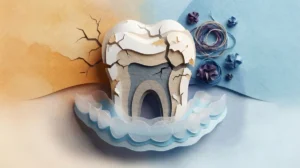
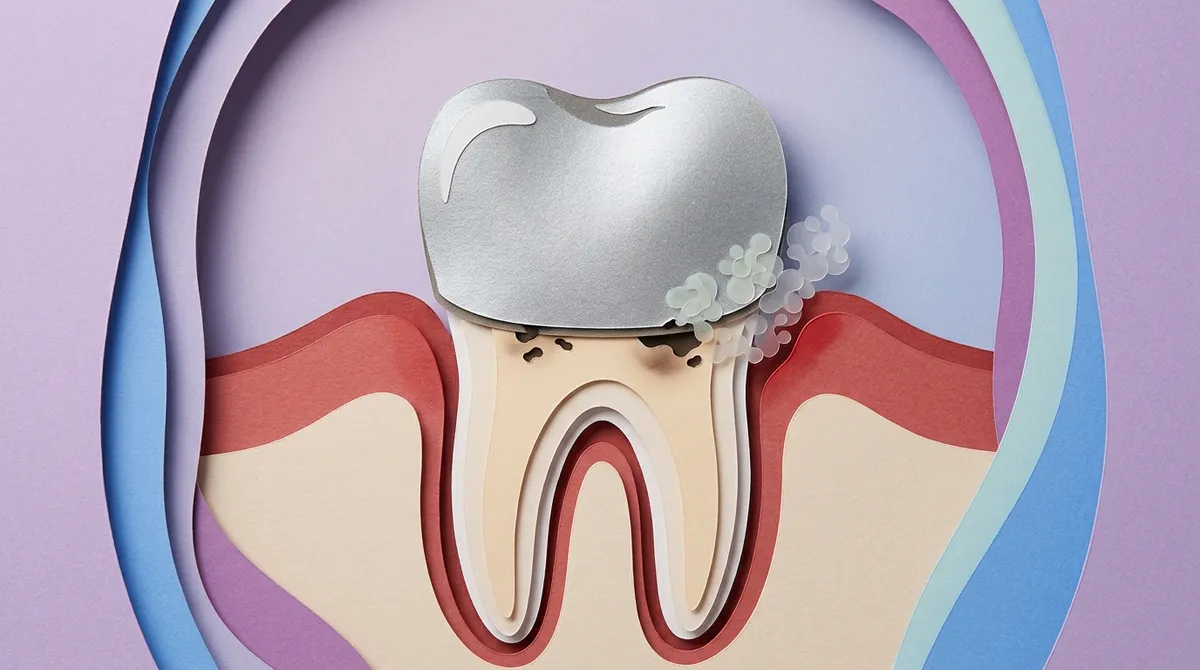
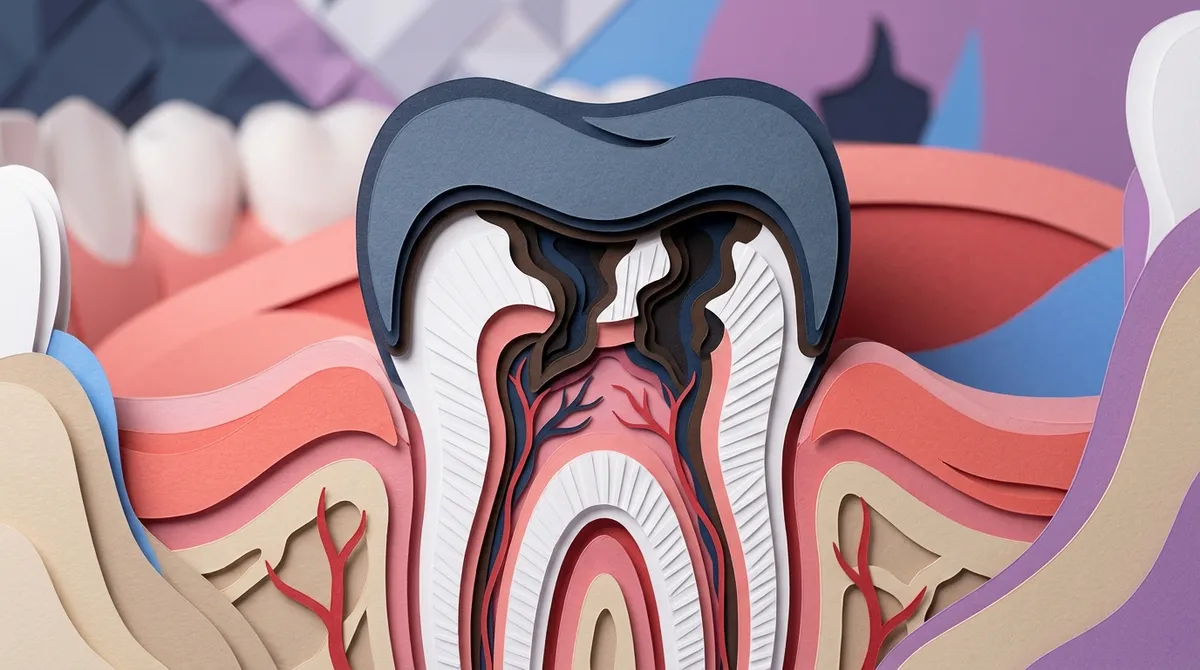
A dental crown is a cap that fits over a damaged or weakened tooth. It’s designed to protect and restore your natural tooth. But a crown is not a permanent barrier against bacteria. Decay under a dental crown — also called secondary or recurrent decay — happens when cavities form at or below the edge of the crown.
The area where the crown meets the gum line is especially vulnerable. If bacteria get in through a gap or a worn crown edge, they can start breaking down the natural tooth underneath. Over time, this leads to full-blown tooth decay hiding beneath the crown where you can’t see it.
If you want to understand what dental crowns are and when you need them, that’s a great place to start building your knowledge.
Why Does Decay Happen Under a Crown?
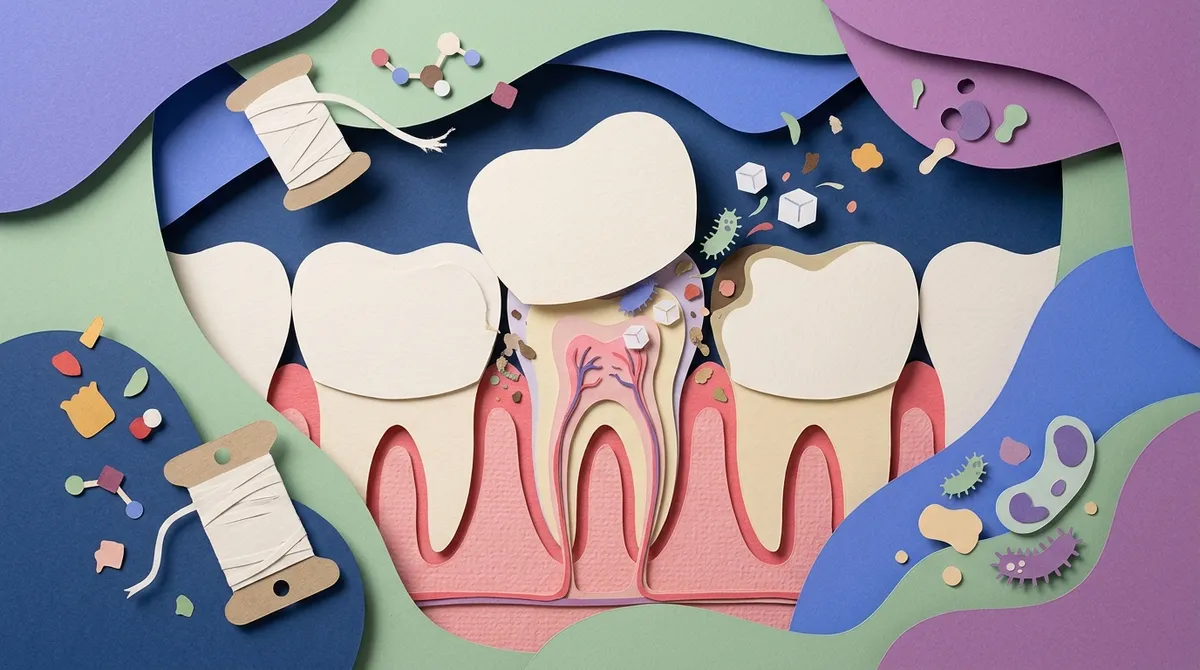
It might seem strange that decay can form under a crown. After all, the crown is supposed to protect your tooth, right? Here are the most common reasons it still happens:
- Poor oral hygiene: Skipping brushing or flossing lets plaque build up around the crown’s edges.
- Crown margin gaps: Over time, the seal between the crown and tooth can weaken or break down.
- Old or worn crowns: Crowns don’t last forever. As they age, tiny cracks or gaps can form.
- High sugar diet: Sugary and starchy foods feed the bacteria that cause decay.
- Dry mouth: Saliva helps wash away bacteria. Less saliva means more risk.
- Gum recession: When gums pull back, the tooth root gets exposed and becomes vulnerable.
Understanding the science of tooth decay can help you see why even crowned teeth need daily care and regular checkups.
Warning Signs of Decay Under a Dental Crown
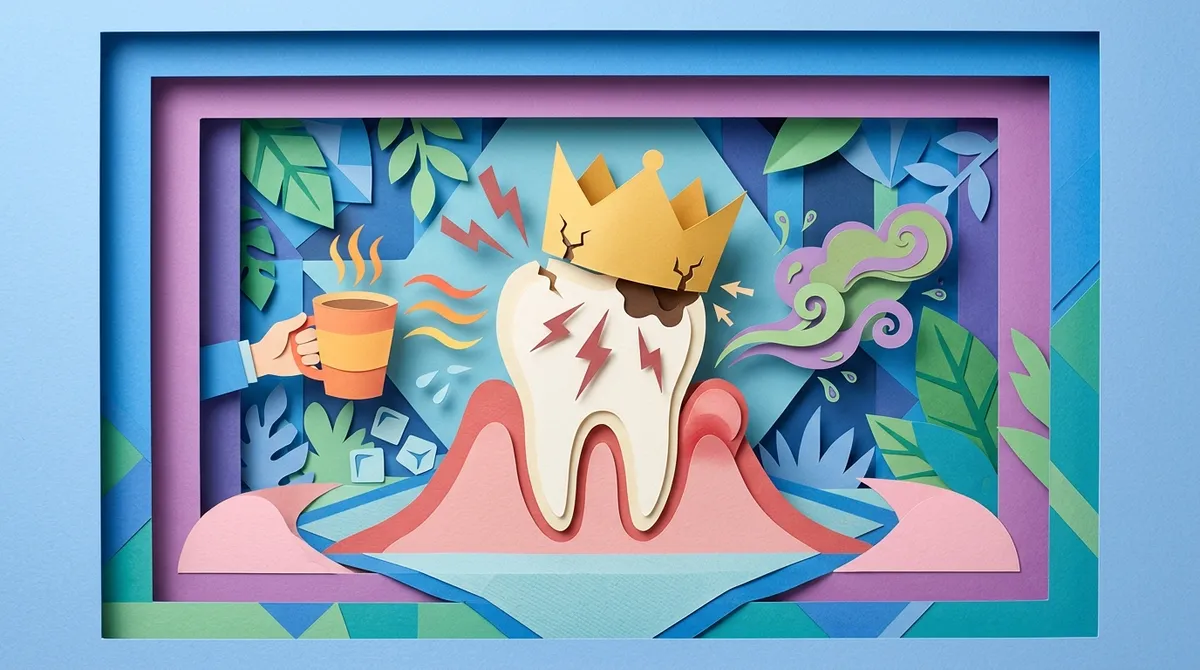
One of the trickiest things about decay under a dental crown is that it can be silent for a long time. You may not feel anything at first. But there are signs to watch for.
Common Symptoms to Watch For
- Tooth sensitivity: Sudden sensitivity to hot, cold, or sweets is often the first sign.
- Toothache or pain: A dull or throbbing ache under or around the crown.
- Swollen gums: Redness or swelling around the crowned tooth.
- Bad taste or smell: A foul taste or odor can signal decay or infection.
- Visible darkening: Dark spots near the crown’s edge may indicate decay.
- Loose or shifting crown: If your crown feels wobbly, the tooth beneath may be compromised.
If you’re experiencing any of these symptoms, don’t wait. Tooth sensitivity under a crown is one of the most important early warning signs you shouldn’t ignore.
| Symptom | What It Might Mean | Urgency Level |
|---|---|---|
| Mild sensitivity | Early decay or crown wear | Schedule soon |
| Persistent toothache | Deeper decay or infection | See dentist quickly |
| Swollen gums | Infection or abscess forming | Urgent — see dentist |
| Loose crown | Structural compromise under crown | Emergency visit needed |
| Bad taste or odor | Active decay or bacterial infection | See dentist soon |
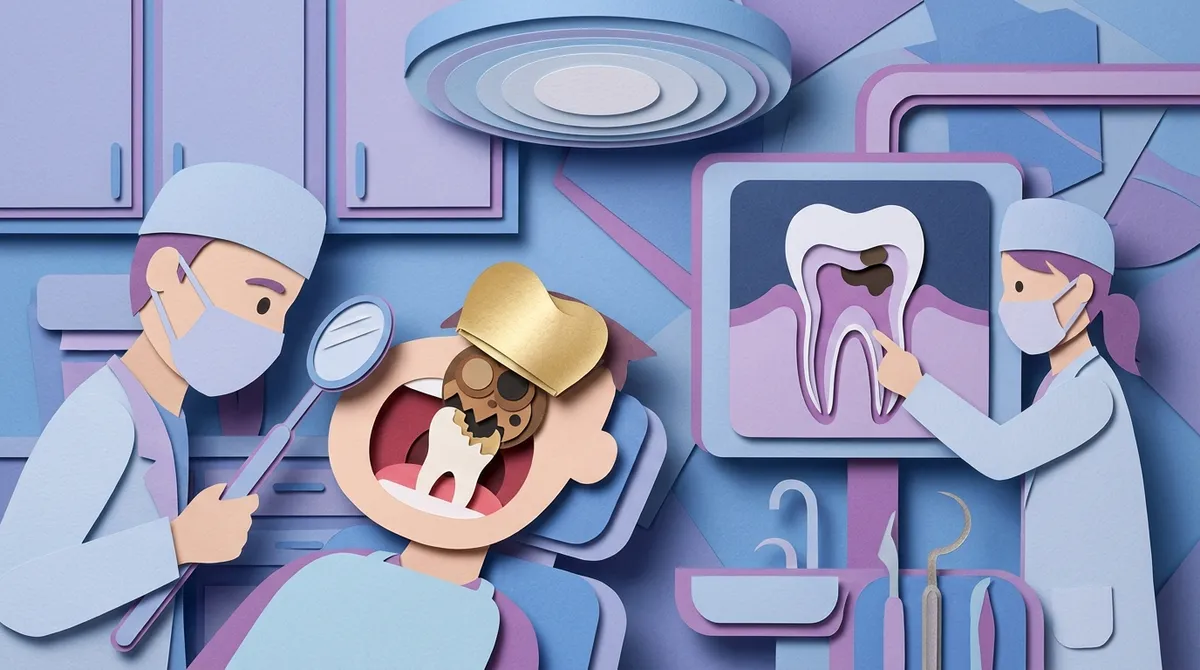
How Dentists Diagnose Decay Under a Crown
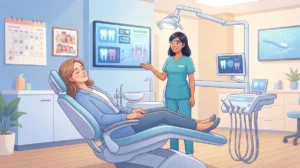
You can’t always see decay under a dental crown just by looking in the mirror. That’s why regular dental visits are so important. Dentists use a few key tools to find hidden decay:
- Digital X-rays: These allow dentists to see through the crown and spot decay that’s invisible to the naked eye. Digital X-rays at Dental Theory in Brandon, FL are precise and safe.
- Probing: Your dentist will gently check the area where the crown meets the gum for gaps or soft spots.
- Visual examination: Discoloration at the crown margin or gum changes can point to underlying decay.
- Comprehensive exam: A full comprehensive exam evaluates your entire oral health picture, not just individual teeth.
The earlier decay is caught, the simpler the treatment. This is one more reason why regular teeth cleanings and checkups matter so much.
Treatment Options for Decay Under a Dental Crown
So what happens if your dentist finds decay under a crown? The treatment depends on how bad the decay is. Here’s a look at your options:
Treatment by Severity
| Decay Severity | Likely Treatment | Crown Outcome |
|---|---|---|
| Mild — caught early | Remove decay, clean area, replace crown | New crown placed |
| Moderate | Remove decay, possible filling or buildup, new crown | Crown replaced |
| Severe — reaching pulp | Root canal therapy, then new crown | Crown replaced after root canal |
| Very severe — tooth loss | Extraction, dental implant or bridge | Crown cannot be saved |
In most cases, treating decay under a dental crown means removing the old crown, cleaning out the decay, and placing a brand-new crown. At Dental Theory, Dr. K offers same-day crowns using the latest ceramic technology — so you don’t have to make multiple trips or wear a temporary crown for weeks.
If the decay has reached the nerve, a root canal may be needed before a new crown is placed. This is nothing to fear — modern root canal therapy is comfortable and tooth-saving. You can also learn more about dental crowns and root canals to understand how these treatments work together.
Same-Day Crowns at Dental Theory
One of the biggest advantages of choosing Dental Theory is access to same-day ceramic crowns. Dr. K uses advanced technology to design, mill, and place your crown in a single visit. No messy impressions. No waiting weeks for a lab. No temporary crowns that fall off. If you’re dealing with decay under a dental crown and need a replacement, same-day crowns make the whole process much easier.
How to Prevent Decay Under a Dental Crown
Prevention is always better than treatment. The great news is that decay under a dental crown is largely preventable with good habits. Here’s what you can do:
- Brush twice daily: Use a soft-bristle toothbrush and fluoride toothpaste. Pay extra attention to the gum line around your crown.
- Floss every day: Flossing removes plaque from between teeth and along the crown’s edges. Brushing and flossing with a dental crown requires just a little extra care.
- Visit your dentist regularly: Routine checkups catch problems early. Aim for at least twice a year.
- Watch what you eat: Limit sugary snacks and drinks. They feed cavity-causing bacteria. Check out foods to avoid with crowns for a handy guide.
- Stay hydrated: Drinking water helps wash away bacteria and keeps saliva flowing.
- Ask about fluoride treatments: Your dentist may recommend fluoride to strengthen teeth around your crown.
It also helps to know how to care for a dental crown so it lasts as long as possible. These habits aren’t just good for your crowned tooth — they’re good for your whole mouth.
How Long Do Crowns Last and When Should You Replace Them?
A well-cared-for dental crown typically lasts between 10 and 15 years. Some last even longer. But over time, the fit and seal of a crown can change. This creates more opportunity for bacteria to sneak in and cause decay under the dental crown.
Here are some signs it may be time to replace your crown:
- The crown is more than 10–15 years old
- You notice chips, cracks, or rough edges
- Your bite feels different or off
- Gum line around the crown has receded significantly
- Your dentist spots early signs of wear or leakage on X-rays
Learn more about how long dental crowns last and what factors affect their lifespan. When it’s time for a replacement, the cost to replace a dental crown is worth knowing ahead of time so you can plan accordingly.
Does Insurance Cover Treatment for Crown Decay?
Many patients worry about the cost of treating decay under a dental crown. The good news is that dental insurance often covers at least part of the treatment. Coverage varies depending on your plan and how long ago the original crown was placed.
| Treatment Needed | Typically Covered? | Notes |
|---|---|---|
| New crown placement | Partially (50–80%) | May have waiting period |
| Root canal therapy | Often yes | Coverage varies by plan |
| Tooth extraction | Often yes | Usually covered as basic care |
| Dental implant (if needed) | Sometimes | Check your specific plan |
At Dental Theory, we work with most major insurance plans to help you maximize your benefits. Our team is happy to walk you through your coverage before any treatment begins. If you want more information, check out our guide on whether insurance covers dental crowns.
No insurance? No problem. We also offer flexible payment options. Visit how to get great dental care without insurance to learn more.
Why Choose Dental Theory for Crown Issues in Brandon, FL
If you’re in Brandon, FL and dealing with discomfort around a crown, Dental Theory is here to help. Our team — led by Dr. K — specializes in restoring and replacing crowns using modern ceramic materials and same-day technology. We make the process as smooth and stress-free as possible.
Whether you need a new crown, a root canal evaluation, or just a thorough checkup to make sure everything is okay, we’ve got you covered. Our general dentistry services include everything from routine cleanings to advanced restorative care. We’re proud to be a trusted name in Brandon family dental care, and we’d love to be your dental home.
You can also visit Dental Theory on Google to read reviews from our patients and see why so many Brandon families trust us with their smiles. We’re consistently rated among the best dental offices in the area — and we work hard every day to earn that trust.
Want to schedule an appointment today? We make it easy and convenient. Our friendly team is ready to help you feel confident in your smile again. And if you’re curious about what sets us apart, our digital presence and community connections — including our work with local partners like Brain Buzz Marketing and Panther Pools — reflect our deep roots in the Brandon community.
Quick Reference: Decay Under a Dental Crown
| Topic | Key Takeaway |
|---|---|
| What it is | Cavities that form beneath a dental crown |
| Main causes | Poor hygiene, worn crown seal, sugary diet |
| Warning signs | Sensitivity, pain, swelling, bad taste |
| How it’s diagnosed | X-rays, probing, visual exam |
| Treatment options | New crown, root canal, or extraction |
| Prevention tips | Brush, floss, eat less sugar, see your dentist regularly |
| Crown lifespan | 10–15 years with good care |
Final Thoughts
Decay under a dental crown is a real concern — but it doesn’t have to be scary. When you stay on top of your oral hygiene and keep your regular dental appointments, you give yourself the best chance of catching problems early. And if something does go wrong, modern dentistry has excellent solutions.
Whether you need a crown replaced, decay treated, or just a checkup to ease your mind, our team at Dental Theory is here for you. We’re warm, friendly, and genuinely passionate about helping you keep your smile healthy for life. Don’t wait until the pain becomes unbearable — reach out today and let us take a look.
Ready to take the next step? Reach out to the Dental Theory team in Brandon, FL and schedule your appointment. Your smile deserves the very best care — and we’re here to deliver it, one happy patient at a time.
FAQs
Q: Can decay really form under a dental crown?
A: Absolutely — and it’s more common than most people expect! A crown covers the visible part of your tooth, but the edges where the crown meets the gum line can still allow bacteria in over time. That’s why regular checkups and good oral hygiene are so important even after getting a crown.
Q: How do I know if I have decay under my dental crown?
A: Some telltale signs include sensitivity to hot or cold foods, a dull ache near the crowned tooth, swollen gums, or a bad taste in your mouth. The tricky part is that decay under a crown can be silent for a while — so your dentist will use digital X-rays to catch problems you can’t feel yet.
Q: What happens to my crown if decay is found underneath it?
A: In most cases, the old crown is carefully removed, the decay is cleaned out, and a brand-new crown is placed. At Dental Theory in Brandon, FL, Dr. K offers same-day ceramic crowns — so you can have everything sorted in just one visit without waiting weeks for a lab-made crown.
Q: How can I prevent decay from forming under my crown?
A: The best prevention is a solid daily routine — brush twice a day, floss around the crown edges, limit sugary snacks, and visit your dentist at least twice a year. Staying hydrated and asking about fluoride treatments can also help protect the tooth structure beneath your crown.
Q: Will my dental insurance cover treatment for decay under a crown?
A: Many dental insurance plans do cover at least part of the treatment, depending on your specific plan and when the original crown was placed. At Dental Theory, our friendly team will go over your insurance benefits with you before any treatment so there are no surprises!