Key Takeaways
-
If your crown sits too high, it changes your bite and causes constant pressure on the tooth—your dentist can fix this with a simple height adjustment in minutes.
-
Decay can develop under crowns when bacteria seep in at the edges; regular dental checkups are essential to catch early signs before it becomes a serious problem.
-
Sensitivity right after crown placement is usually temporary nerve irritation that fades within 1-2 weeks, but lingering pain after that timeframe needs professional evaluation.
-
A loose or cracked crown is a dental emergency—if cement washes out or the crown fractures, bacteria and food particles can infiltrate underneath, causing sensitivity and decay.
-
Hot sensitivity (not just cold) and throbbing pain indicate possible nerve damage or infection requiring prompt dental treatment; don’t delay if you experience these symptoms.
-
Ceramic crowns significantly reduce sensitivity risk compared to metal-based options because they’re biocompatible and metal-free, making them ideal for patients with material sensitivities.
You finally got your dental crown — and now your tooth hurts. Sound familiar? If you’re dealing with a tooth sensitive under a crown, you are definitely not alone. This is one of the most common concerns we hear from patients every single week.
The good news? Tooth sensitivity under a crown is usually very fixable. But first, you need to know why it’s happening. Once you understand the cause, the solution becomes much clearer. Let’s walk through 12 of the most common reasons this happens — and what you can do about it.
Whether your crown is brand new or has been in place for years, this guide is for you. We’ll also share some simple tips to help you feel better fast. And if you’re in the Brandon, FL area, the team at Dental Theory is always here to help you get comfortable again.
Why Sensitivity Under a Crown Happens
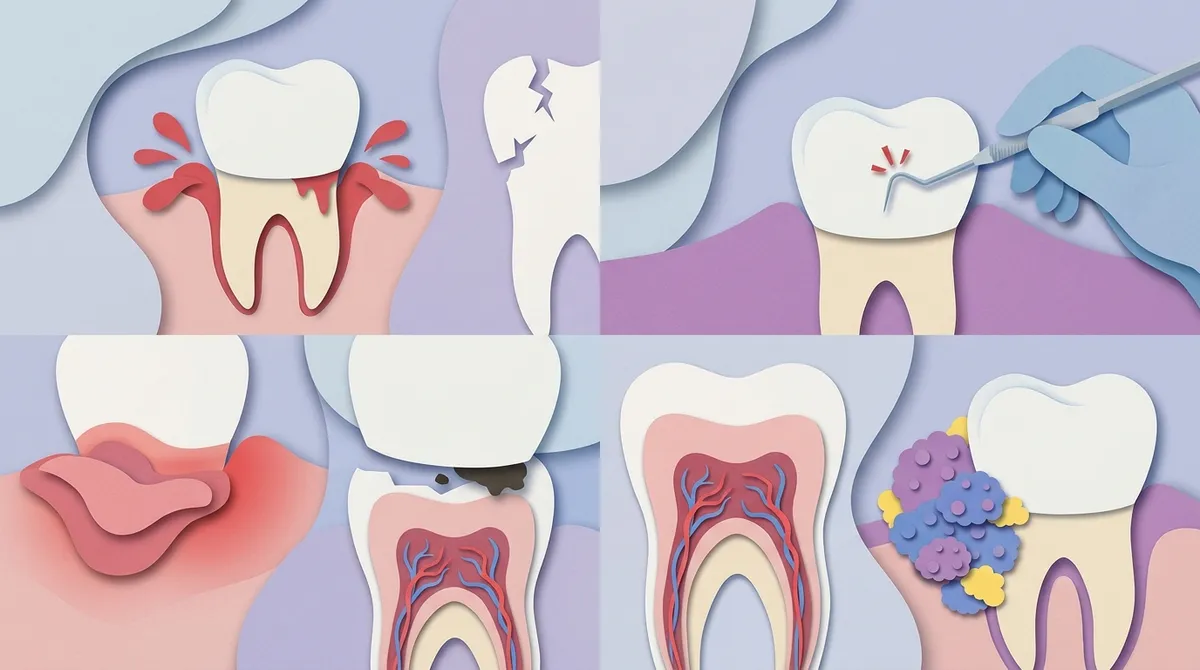
A dental crown covers and protects a damaged or weakened tooth. But the natural tooth underneath is still alive in many cases. That means it can still feel pressure, temperature, and pain. Understanding this is the first step to solving the problem.
Here’s a quick overview of the most common causes before we dive deeper:
- The crown doesn’t fit quite right
- The nerve inside the tooth is irritated
- Gum tissue around the crown is inflamed
- There’s decay developing under the crown
- You’re grinding your teeth at night
- The crown was placed too high on your bite
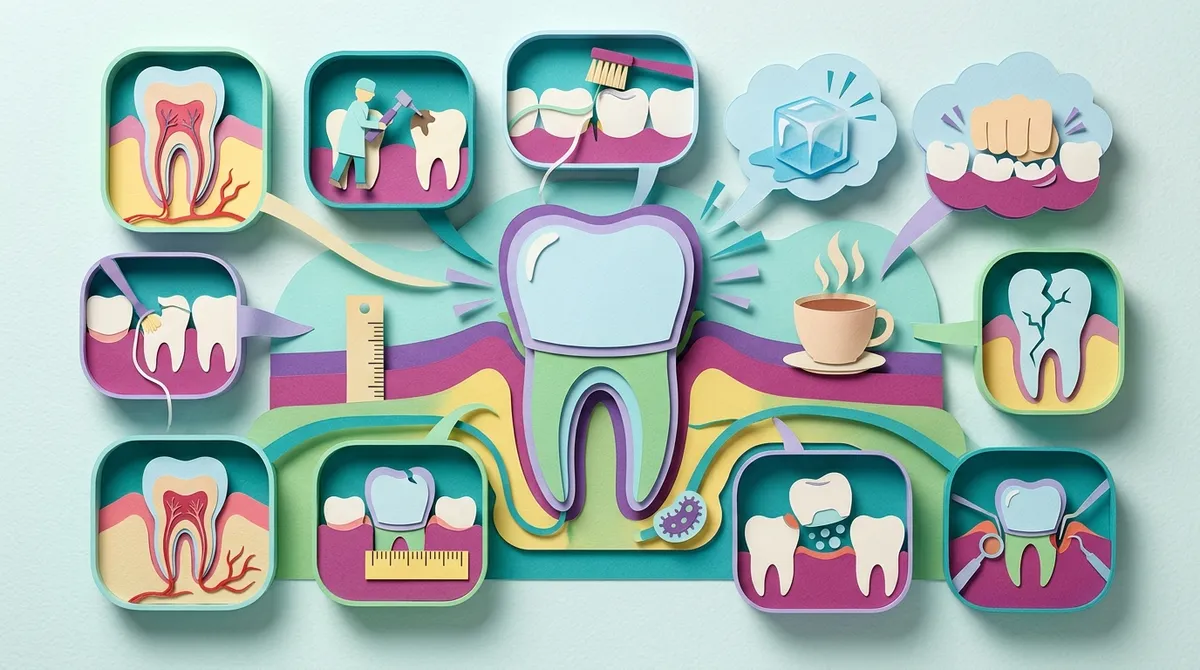
12 Reasons Your Tooth Is Sensitive Under a Crown
1. Your Bite Is Off
This is one of the most common causes of tooth sensitivity under a crown. If your crown sits even slightly too high, it changes how your teeth come together. Every time you bite down, that tooth takes more pressure than it should. This constant stress makes the tooth sore and sensitive.
The fix is simple — your dentist can adjust the crown’s height in just a few minutes. If you notice your bite feels different after a crown, don’t wait to say something. A quick adjustment can bring major relief.
2. The Nerve Is Irritated
To place a crown, your dentist has to shape the tooth underneath. This process can irritate the nerve inside. The result? Sensitivity that can last for a few days or even a few weeks after the crown is placed.
This type of sensitivity is usually temporary. It tends to fade on its own as the tooth heals. Cold drinks and sweets may bother you the most during this time. If you want to learn more about sensitive teeth solutions, we have helpful resources available.
3. Decay Under the Crown
Crowns protect teeth, but they don’t make them immune to cavities. If bacteria seep in at the edges of the crown, decay can form underneath. This can cause significant sensitivity — especially to sweets and cold temperatures.
This is why regular dental checkups are so important. Your dentist can spot early signs of decay before it becomes a bigger problem. You can read more about whether cavities always need to be filled on our blog.
4. The Crown Has a Crack or Fracture
Crowns are strong, but they can crack — especially under heavy biting forces. A cracked crown lets temperature and pressure reach the tooth underneath. This leads to sharp, sudden sensitivity that you’ll notice right away.
If your crown is cracked, it will likely need to be replaced. At Dental Theory, we offer same-day crowns in Brandon so you don’t have to wait or come back for multiple visits. We use only ceramic crowns for a natural look and feel.
5. Gum Recession Around the Crown
Your gums protect the roots of your teeth. When gums recede, the root surface becomes exposed. If the edge of your crown sits near the gumline, recession can expose sensitive root structure. This causes a sharp, zingy sensitivity — often to cold air and water.
Good brushing habits and regular cleanings help prevent gum recession. If you already have recession, your dentist can recommend the best treatment options for your situation.
6. Gum Inflammation
Sometimes the gum tissue around a new crown gets irritated or inflamed. This is especially common right after the crown is placed. The gums may be tender, swollen, and sensitive for a week or two while they adjust.
Keeping the area clean is the best way to help it heal. Gentle brushing and flossing — yes, you should brush and floss around your dental crown — will make a big difference.
7. The Crown Needs a Root Canal
If the tooth’s nerve was severely damaged before the crown was placed, a root canal may be needed. Sometimes this isn’t clear until after the crown is in place. Signs that you may need a root canal include:
- Lingering sensitivity to hot (not just cold) temperatures
- Throbbing or aching pain that doesn’t go away
- Pain when you bite or chew
- Swelling around the tooth
If you suspect this, don’t wait. Learn the signs that you need a root canal and get evaluated promptly. Early treatment is always easier and less expensive.
8. An Ill-Fitting Crown
A crown that doesn’t fit perfectly can cause a whole range of problems. If there are small gaps at the edges, bacteria can get in. If the crown is too tight between teeth, it can put pressure on the neighboring teeth too. Either way, the result is discomfort and sensitivity.
A well-fitted crown should feel natural and comfortable. If yours doesn’t, it’s worth going back to your dentist to have it checked. You can learn how crowns are properly attached to teeth so you know what to expect.
9. Teeth Grinding (Bruxism)
Grinding your teeth at night puts enormous pressure on your crowns and the teeth underneath. Over time, this can cause the tooth to become sore and sensitive. Bruxism can also crack crowns and wear them down prematurely.
If you grind your teeth, a custom night guard can protect your crown investment. Talk to your dentist about whether a night guard is right for you. You can also read about teeth grinding causes and cures for more information.
10. The Cement Under the Crown Washed Out
Dental crowns are held in place with special cement. Over time, that cement can wash out — especially around the edges. When this happens, bacteria and food particles can sneak under the crown. This causes sensitivity, bad taste, and sometimes decay.
A loose crown is a dental emergency. If your crown feels like it’s rocking or shifting, contact your dentist right away. You can find out more about how to handle a loose dental crown before it gets worse.
11. You Have a Temporary Crown
Temporary crowns are not meant to last. They are made of softer materials and may not fit as snugly as a permanent crown. It’s very normal to experience some sensitivity with a temporary crown. Hot, cold, and sweet foods can all cause discomfort.
Be gentle with your temporary crown while you wait for your permanent one. Avoid sticky or hard foods. If sensitivity is severe, let your dentist know. You can also learn about what to do if your temporary crown falls off.
12. Allergic Reaction to Crown Materials
This one is rare, but it does happen. Some patients have sensitivities to certain metals used in older crown types. Metal allergies can cause sensitivity, inflammation, and discomfort around the crowned tooth.
At Dental Theory, we use only ceramic crowns. Ceramic is biocompatible, which means it works beautifully with your body. It’s also metal-free and looks completely natural. If you suspect a material sensitivity, ask your dentist about switching to a ceramic option.
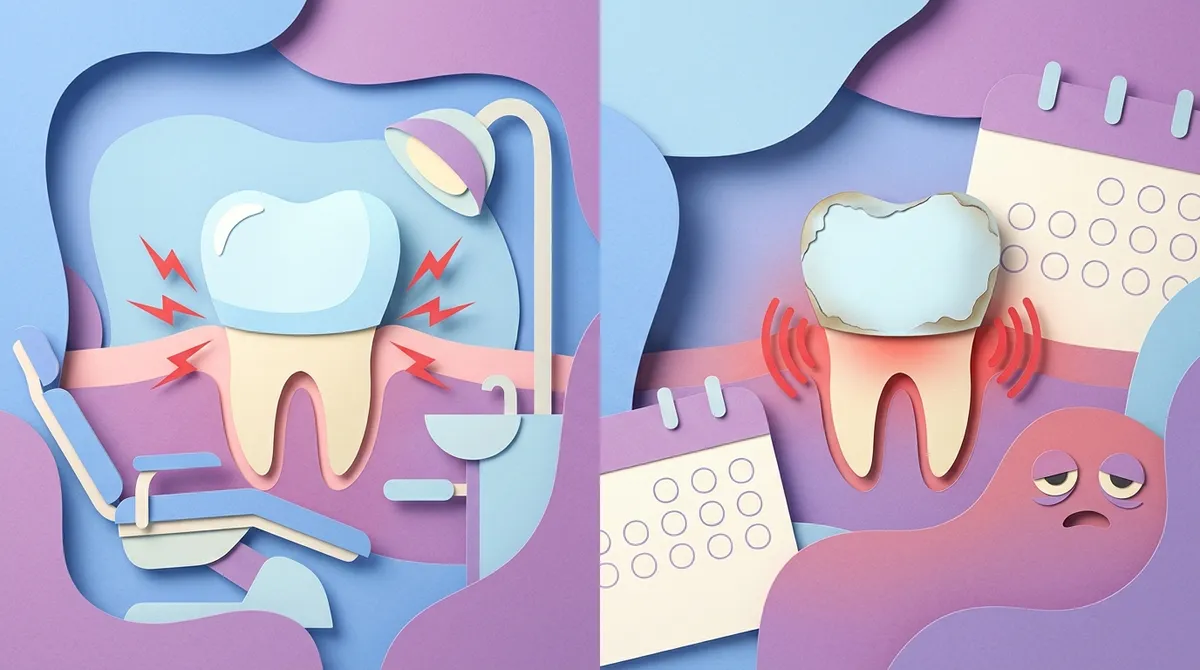
Sensitivity After a New Crown vs. an Old Crown
Not all crown sensitivity is the same. The timing matters a lot when figuring out the cause. Here’s a simple comparison:
| Situation | Likely Cause | What to Do |
|---|---|---|
| Sensitivity right after placement | Nerve irritation, bite adjustment needed | Wait a few days; call if it worsens |
| Sensitivity after 1-2 weeks | High bite, gum inflammation | Schedule a bite adjustment visit |
| Sensitivity months later | Decay, cracked crown, cement washout | See your dentist soon |
| Sensitivity years later | Recession, bruxism, failed crown | Full evaluation needed |
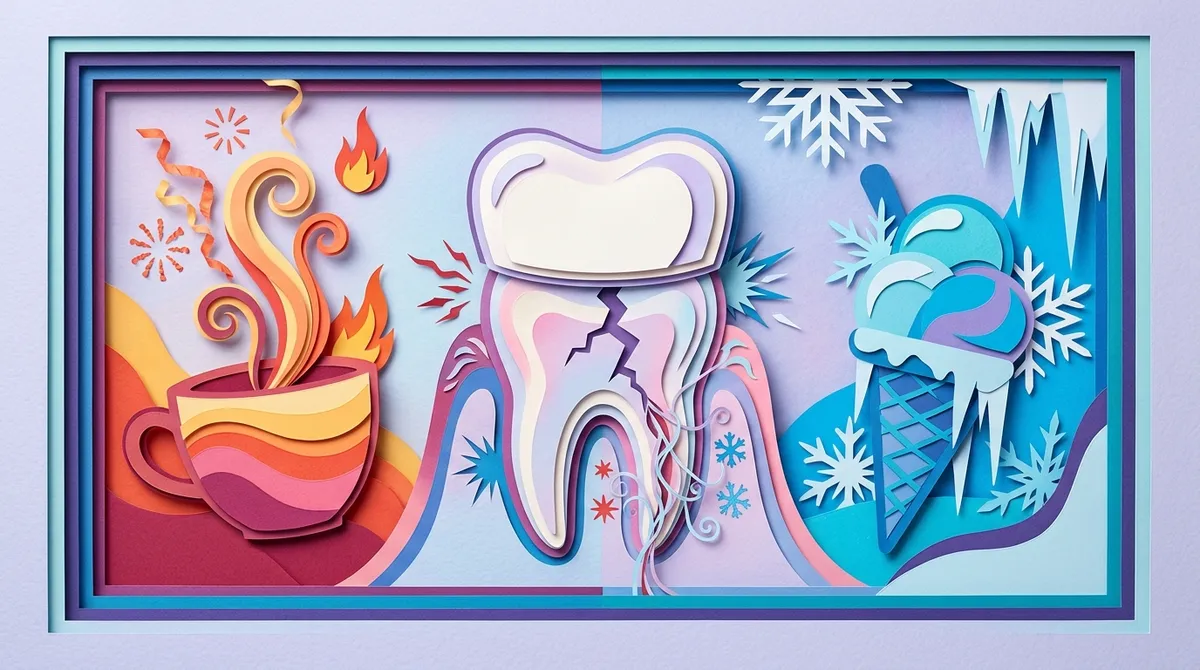
Hot vs. Cold Sensitivity: What It Means
The type of sensitivity you feel can tell you a lot about what’s going on. Here’s a quick guide:
| Type of Sensitivity | Possible Cause | Urgency Level |
|---|---|---|
| Cold sensitivity only | Minor nerve irritation, gum recession | Low to medium — monitor it |
| Hot sensitivity that lingers | Nerve damage, possible abscess | High — see dentist quickly |
| Sweet sensitivity | Decay under the crown | Medium — get it checked |
| Pressure/biting sensitivity | High bite, cracked crown | Medium — needs adjustment |
| Constant throbbing ache | Infection or nerve death | High — don’t wait |
How to Relieve Sensitivity at Home
While you’re waiting to see your dentist, a few simple steps can help reduce discomfort. Here are some practical home remedies:
- Use a toothpaste for sensitive teeth. These products block the tiny channels that carry pain signals to the nerve.
- Avoid extreme temperatures. Skip very hot coffee or ice-cold drinks until your sensitivity settles.
- Be gentle when brushing. Use a soft-bristled toothbrush and light pressure near the crown.
- Avoid hard or crunchy foods. Give the tooth a break while it’s tender.
- Rinse with warm salt water. This soothes inflamed gums and keeps the area clean.
When to Call Your Dentist Right Away
Some crown sensitivity is normal and resolves on its own. But other times, you need to act fast. Call your dentist immediately if you experience:
- Severe, constant pain that won’t go away
- Swelling in your gum, jaw, or face
- A fever along with tooth pain
- Your crown feels loose or falls off
- Pain that wakes you up at night
These could be signs of an infection or abscess — both of which need prompt treatment. Don’t try to tough it out. Your dental emergency treatment team is there to help. You can also schedule an appointment online quickly and easily.
Crown Materials and Sensitivity: A Quick Comparison
| Crown Material | Sensitivity Risk | Notes |
|---|---|---|
| Ceramic (all-porcelain) | Low | Metal-free, biocompatible, natural look |
| Porcelain-fused-to-metal | Medium | Metal core may cause sensitivity or allergies |
| Gold alloy | Low to medium | Durable but visible; may cause reactions in some |
| Base metal alloy | Medium to high | Higher allergy risk; older standard |
At Dental Theory, Dr. K uses only ceramic crowns — including same-day options. Ceramic crowns are highly compatible with your natural teeth and surrounding tissue. They look beautiful and minimize the risk of sensitivity from material reactions. You can learn why porcelain dental crowns are the best choice for most patients.
How to Prevent Crown Sensitivity in the Future
The best time to prevent problems is before they start. Here are some easy habits that protect your crowns long-term:
- Visit your dentist every 6 months for a checkup and cleaning
- Floss daily around your crown to prevent gum disease and decay
- Wear a night guard if you grind your teeth
- Avoid chewing ice, hard candy, or other very hard objects
- Notify your dentist at the first sign of any discomfort
Taking care of your crowns is not complicated. A little prevention goes a long way toward keeping your smile pain-free. For a detailed walkthrough, check out how to care for a dental crown and make it last.
Why Choose Dental Theory for Your Crown Care in Brandon, FL
When your tooth is sensitive under a crown, you want answers — and you want them fast. Dental Theory in Brandon, FL is a family-focused practice offering comprehensive general and cosmetic dentistry for patients of all ages. We use the latest technology to identify problems quickly and solve them comfortably.
Dr. K specializes in adult dentistry and same-day ceramic crowns. That means if your crown needs to be replaced or adjusted, you can often get it done in a single visit. No waiting weeks for a lab. No multiple trips. Just fast, high-quality care. You can read more about what same-day crowns are and how they work.
We also work hard to keep our services affordable. We accept many insurance plans and offer flexible options to fit your budget. You can also visit us on Google — Dental Theory to read what our patients are saying about their experiences. We love hearing from our community and are proud of the five-star care we provide every day.
Ready to stop dealing with that nagging sensitivity? Reach out to the Dental Theory team today and let us help you get back to comfortable, confident smiling. We’re here for you every step of the way!
FAQs
Q: Is it normal for a tooth to be sensitive under a new crown?
A: Yes, it’s completely normal! Some sensitivity right after getting a crown is expected as the nerve in the tooth adjusts to the new restoration. This usually fades within a week or two — but if it gets worse or lasts longer, give your dentist a call just to be safe.
Q: How long should sensitivity under a dental crown last?
A: Most post-placement sensitivity clears up within 1 to 2 weeks. If you’re still experiencing noticeable discomfort after that window, it’s a good sign that something specific — like a high bite or an irritated nerve — needs attention. Your dentist can pinpoint the cause quickly and get you comfortable again.
Q: Can a crown be adjusted if it’s causing tooth sensitivity?
A: Absolutely! If your crown is sitting too high and affecting your bite, your dentist can polish it down in just a few minutes. It’s a simple, painless adjustment that can bring almost immediate relief. Don’t hesitate to ask — this is one of the easiest fixes in dentistry!
Q: What does it mean if my tooth hurts under an old crown?
A: Pain or sensitivity under an older crown can point to a few things — decay sneaking under the edges, a cracked crown, gum recession, or even bruxism (teeth grinding). The best move is to book a dental exam so your dentist can use X-rays and a clinical check to find the exact cause and fix it.
Q: Should I be worried about tooth sensitivity under a crown?
A: Not right away — mild sensitivity is pretty common and usually not a big deal. However, if you have severe pain, swelling, a fever, or sensitivity that lingers after heat (not just cold), those are signs to see your dentist right away. Catching problems early always leads to faster, simpler treatment!