Key Takeaways
-
A crown that sits too high causes bite problems and soreness; your dentist can quickly adjust it to balance your bite and relieve pressure.
-
Sharp, constant pain lasting more than 2 weeks after crown placement or sudden pain in an old crown signals a serious problem requiring immediate dental attention.
-
Bacteria can sneak in at crown edges causing decay, infection, or abscess; use digital X-rays during regular checkups every 6 months to catch hidden problems early.
-
Throbbing pain, swelling, fever, or bad taste near the crowned tooth indicate infection requiring immediate dentist visit, as untreated dental infections can spread.
-
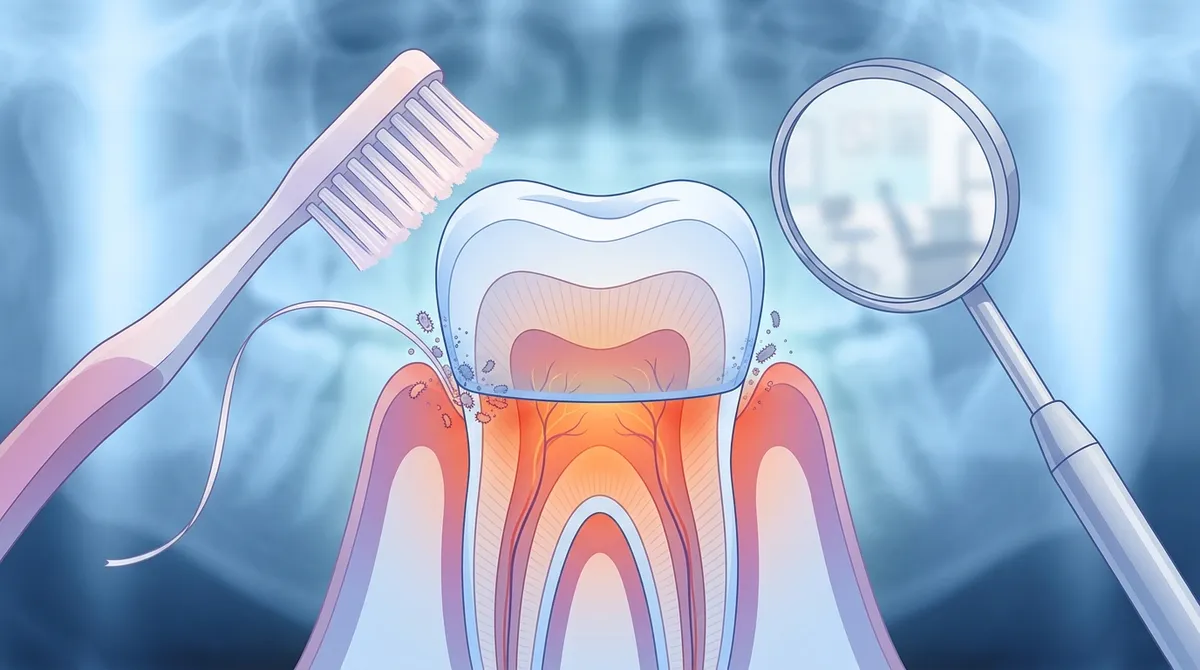
Daily flossing around crown margins, brushing with soft bristles, avoiding hard foods, and wearing a night guard if you grind teeth prevents most crown-related pain.
-
Nerve sensitivity from crown placement typically fades within 2-3 weeks; persistent sensitivity to hot/cold lasting over 30 seconds may indicate irritation requiring professional evaluation.
You finally got that dental crown. You thought the hard part was over. Then — ouch. Your tooth hurts under the crown. Sound familiar? You’re definitely not alone. Tooth pain under a crown is one of the most common concerns we hear from patients. It can be confusing, frustrating, and a little scary. But here’s the good news: there are real reasons this happens, and real solutions that can help. Whether your crown is brand new or has been in your mouth for years, this guide will walk you through everything you need to know. We’ll cover why it hurts, what might be causing it, and when it’s time to call your dentist. Let’s get to the bottom of that mystery pain together!
Is It Normal for a Tooth to Hurt Under a Crown?
Short answer? It depends. A little sensitivity right after getting a crown placed is pretty normal. Your tooth just went through a procedure, and it needs a bit of time to settle down. Think of it like a minor bruise — a little soreness is expected. However, if the pain is sharp, constant, or gets worse over time, that’s your body sending you a signal that something needs attention. Pain that lasts more than a few weeks after crown placement should always be checked out. The same goes for pain that comes on suddenly in a crown you’ve had for a long time. Don’t ignore it — early treatment is almost always easier (and less expensive) than waiting.
Top Reasons Your Tooth Hurts Under a Crown
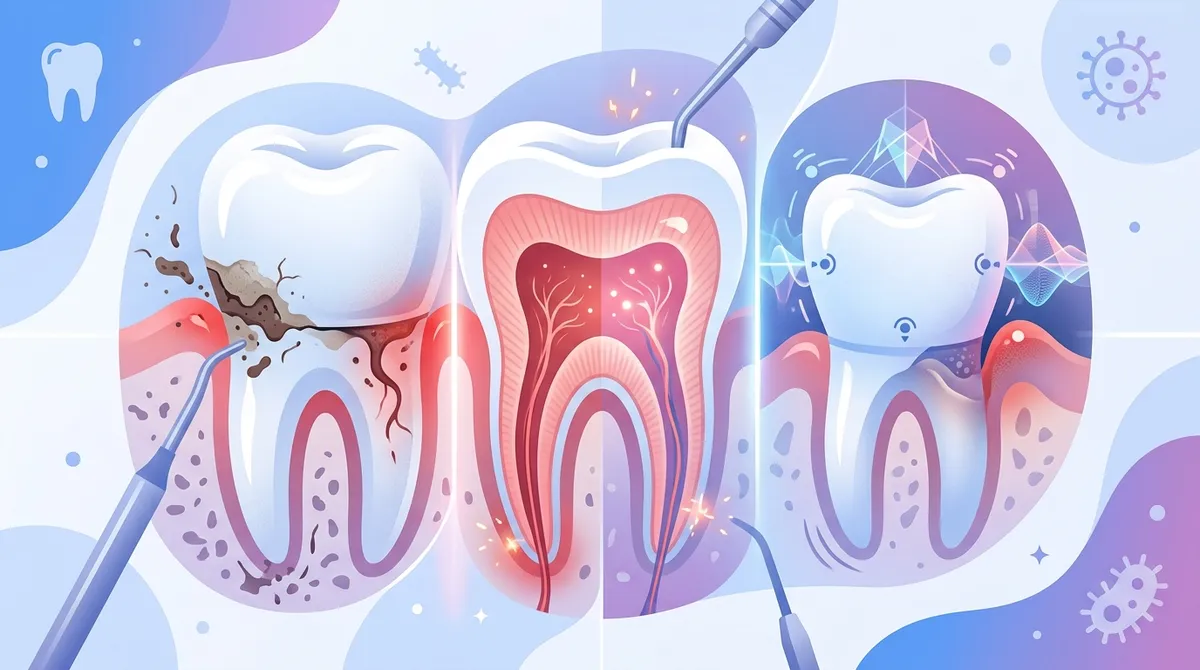
There are several reasons why a crowned tooth can start to ache. Understanding the cause helps your dentist find the right fix. Here’s a breakdown of the most common culprits:
1. The Crown Doesn’t Fit Quite Right
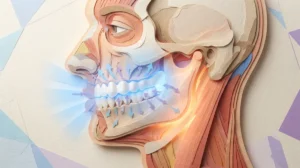
A crown that sits too high on your tooth can cause serious bite problems. Every time you chew, extra pressure gets placed on that tooth. Over time, this leads to soreness and pain. This is actually one of the most common reasons for post-crown discomfort. The great news? It’s also one of the easiest fixes. Your dentist can make a quick adjustment to balance your bite and relieve the pressure.
2. Nerve Sensitivity
Even with a crown on top, the nerve inside your tooth is still alive (unless you’ve had a root canal). Teeth can become sensitive to hot, cold, or sweet things after a crown procedure. This happens because the tooth was prepped and handled during placement. This type of sensitivity usually fades within a few weeks. If it doesn’t, it may mean the nerve is irritated or inflamed.
3. Tooth Decay Under the Crown
Crowns protect the visible part of your tooth, but bacteria can still sneak in at the edges. If decay develops beneath the crown, it can cause pain and infection. This is why regular dental checkups are so important — even for crowned teeth. Your dentist can use digital X-rays to spot decay hiding under a crown before it becomes a major problem.
4. You Need a Root Canal
Sometimes the tooth under a crown becomes infected. This can happen because the decay reached the pulp (the inner part of the tooth), or because the nerve was already stressed before the crown was placed. Signs you may need a root canal include throbbing pain, severe sensitivity, swelling near the tooth, or a small pimple on your gum. If you experience any of these, reach out to your dentist quickly. Learn more about dental crowns and root canals and what to expect.
5. Cracked Tooth Under the Crown
A crown covers and protects your tooth, but it doesn’t make it indestructible. Especially in back teeth used for heavy chewing, a crack can develop under the crown. This causes sharp pain when biting down. A cracked tooth under a crown is serious and needs prompt dental care. In some cases, the tooth can be saved — but acting fast matters.
6. Gum Disease Around the Crown
If the gums around your crown are red, swollen, or bleed easily, gum disease may be the culprit. Gum problems can cause aching pain that feels like it’s coming from the tooth itself. Proper brushing, flossing, and regular professional cleanings can prevent this. Check out how periodontal treatment and deep cleanings can help keep gum disease at bay.
Quick Comparison: New Crown Pain vs. Old Crown Pain
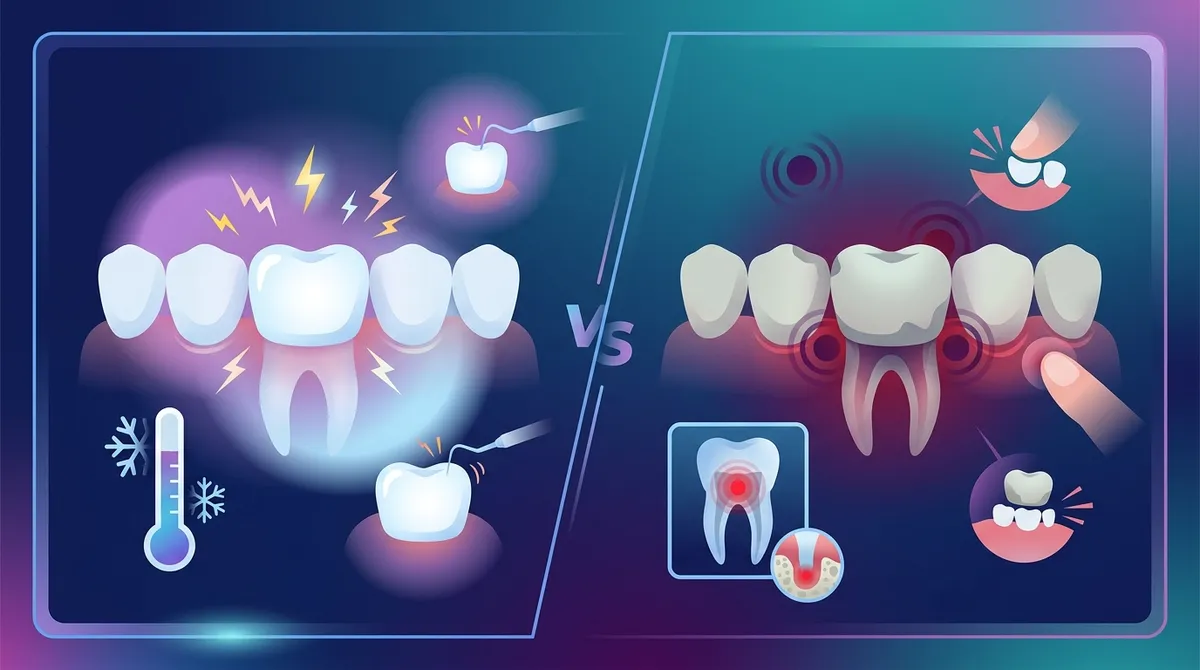
| Situation | Common Cause | What to Do |
|---|---|---|
| Pain right after placement | Bite adjustment needed, sensitivity | Wait 1–2 weeks, call dentist if persistent |
| Pain when biting down | Crown too high, cracked tooth | Schedule a bite adjustment ASAP |
| Sensitivity to hot/cold | Nerve irritation or decay | Monitor; see dentist if it worsens |
| Throbbing, constant pain | Infection, abscess, need for root canal | See dentist immediately |
| Pain in an old crown | Decay under crown, gum disease | Schedule a comprehensive exam |
Warning Signs That Need Immediate Attention
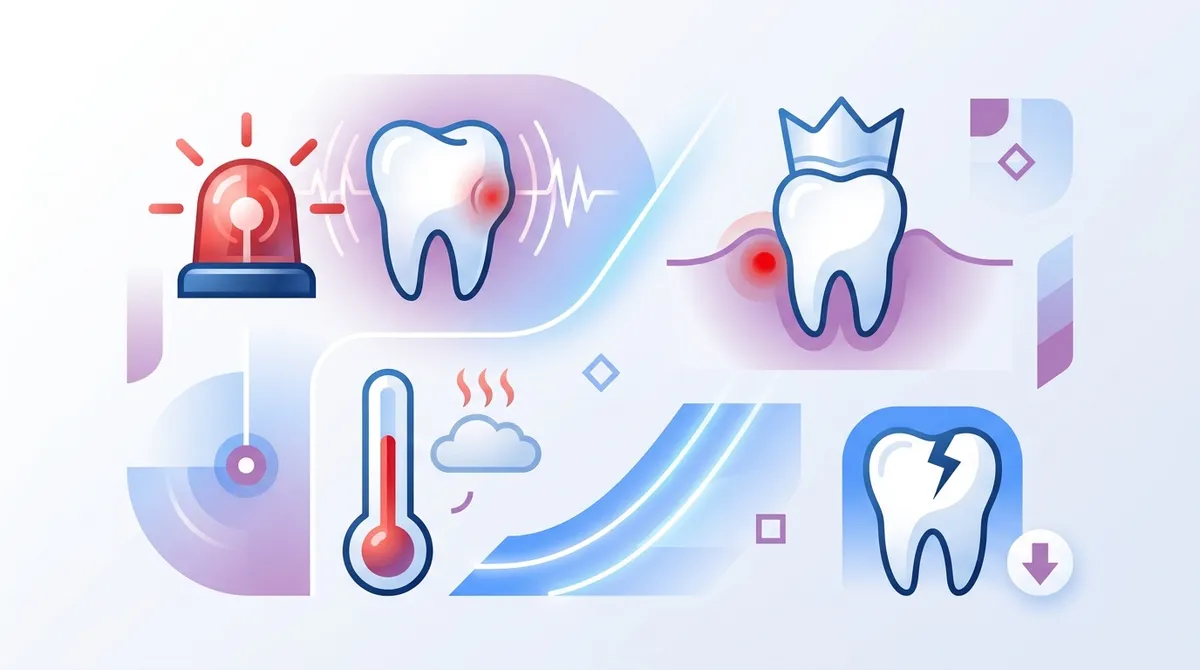
Some symptoms are urgent. If you notice any of the following, don’t wait to call your dentist. These could signal a more serious problem that needs fast treatment:
- Severe or throbbing pain that doesn’t let up
- Swelling in the gum, jaw, or face near the crowned tooth
- A bad taste in your mouth near the tooth
- Fever along with dental pain
- Pain that radiates to your ear or jaw
- Visible darkening or swelling around the crown
These symptoms can point to an abscess or infection. Dental infections can spread if left untreated, so please take them seriously. Our dental emergency treatment team is ready to help when you need it most.
How Is Crown Pain Diagnosed?
When you visit your dentist about tooth pain under a crown, here’s what typically happens:
- Visual Examination: Your dentist looks carefully at the crown, surrounding gum tissue, and the overall condition of the area.
- X-Rays: Digital X-rays reveal what’s happening under the crown — including decay, bone loss, or infection.
- Bite Test: Your dentist checks how your crown lines up with opposing teeth to detect high spots or pressure points.
- Sensitivity Testing: Hot, cold, or pressure tests help identify how the nerve is responding.
- Probing: Your dentist gently probes the gum around the tooth to check for pockets or signs of gum disease.
Treatment Options for a Tooth That Hurts Under a Crown
Good news — most causes of crown pain have effective solutions. Here’s a look at what treatment might look like:
| Cause of Pain | Treatment Option | Complexity Level |
|---|---|---|
| Crown too high (bite issue) | Simple bite adjustment | Low — quick office visit |
| Nerve sensitivity | Desensitizing toothpaste, monitoring | Low — may resolve on its own |
| Decay under crown | Remove crown, treat decay, replace crown | Moderate |
| Infected pulp | Root canal therapy + new crown | Moderate to High |
| Cracked tooth | Extraction or specialized repair | High — depends on crack severity |
| Gum disease | Deep cleaning (scaling and root planing) | Moderate |
What About Same-Day Crowns?
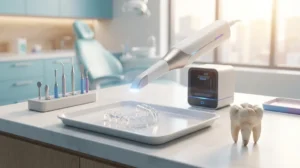
One advantage of same-day crowns is the precision and fit. At Dental Theory in Brandon, FL, Dr. K uses advanced technology to design and place ceramic crowns in a single visit. Because these crowns are milled to precise measurements using digital scans, fit-related pain is minimized. No temporary crown means less time with a crown that might not fit perfectly. You walk out with a permanent, custom-crafted ceramic crown the same day. Curious about this process? Explore what same-day crowns are and how they work or see same-day crown services available right here in Brandon.
How to Prevent Crown Pain in the Future
Prevention is always better than treatment! Here are simple habits that protect your crowned teeth:
- Brush twice a day with a soft-bristled toothbrush
- Floss daily, especially around the crown margins
- Avoid chewing ice, hard candy, or very hard foods
- Wear a night guard if you grind your teeth while sleeping
- Schedule regular checkups every six months
- Don’t skip your professional cleanings — even crowned teeth need them
Learning how to care for your dental crown properly can dramatically extend its life and keep pain away. Also, reviewing foods to avoid with crowns is a smart way to protect your investment.
Caring for Your Crown: A Simple Daily Checklist
| Daily Habit | Why It Matters | Frequency |
|---|---|---|
| Brushing with fluoride toothpaste | Prevents decay at crown margins | Twice daily |
| Flossing around crown | Removes bacteria between tooth and gum | Once daily |
| Using a mouthguard (if applicable) | Protects against grinding-related cracking | Every night |
| Avoiding hard foods | Prevents crown damage and cracking | Every meal |
| Dental checkup + cleaning | Catches problems early before they cause pain | Every 6 months |
When Should You See a Dentist About Crown Pain?
Here’s a simple rule: if you’re asking yourself whether you should see a dentist, the answer is probably yes! But more specifically:
- If pain continues more than 2 weeks after a new crown was placed.
- If the pain is getting worse rather than better over time.
- If you experience any swelling, fever, or a bad taste near the tooth.
- If the crowned tooth becomes very sensitive to hot or cold for more than 30 seconds.
- If pain wakes you up at night or interferes with daily life.
Don’t play the waiting game with dental pain. The sooner you get checked, the more options your dentist has to help you. You can always reach out to the Dental Theory team to get answers fast. Or, schedule an appointment at your convenience — online booking makes it easy!
Why Choose Dental Theory for Crown-Related Concerns
At Dental Theory in Brandon, FL, we believe dental care should never feel scary or overwhelming. Whether your tooth hurts under a crown or you’re looking to get a new crown placed, our team is here for you every step of the way. Dr. K specializes in same-day ceramic crowns using the latest digital technology, which means faster care and better fitting results for adults. We’re proud to offer a stress-free experience for the whole family. Want to know what our patients think? Visit us on Google — Dental Theory to read real reviews from our Brandon community. You can also visit us on Facebook to stay connected and see what’s happening at the practice.
Conclusion: Don’t Live With Crown Pain
A tooth that hurts under a crown is your body’s way of asking for help. Whether it’s a quick bite adjustment, a deep cleaning, or something more involved like a root canal, the right treatment can get you back to pain-free smiling. The key is not to ignore it. Pain that starts small can grow into a bigger (and more expensive) problem if left untreated. Fortunately, most crown-related pain has a clear cause and an effective fix. Your smile deserves the best care possible — and that’s exactly what we’re here to provide. Read more about how long dental crowns last and what you can do to protect them for years to come. When you’re ready to get that pain checked out, contact Dental Theory in Brandon, FL and let our friendly team take care of you!
FAQs
Q: Is it normal for a tooth to hurt after getting a crown?
A: Yes, a little tenderness right after a crown is placed is totally normal! Your tooth just went through a procedure, so some sensitivity for a week or two is expected. But if the pain sticks around longer than that or gets worse, it’s a great idea to give your dentist a call — they’ll get you sorted out quickly!
Q: Can a crowned tooth get infected?
A: Absolutely — and it’s more common than most people realize! Bacteria can sneak in at the edges of the crown over time, leading to decay or infection in the tooth underneath. Signs of infection include throbbing pain, swelling, and a bad taste in your mouth. If you notice any of these, don’t wait — reach out to your dentist right away!
Q: What should I do if my tooth hurts under a crown?
A: First, don’t panic — there are good solutions for most types of crown pain! Start by making a note of when the pain happens (biting, hot/cold, constant) and how long it’s been going on. Then schedule an appointment with your dentist. The sooner you go, the easier it usually is to treat.
Q: Can you fix a tooth under a crown without removing it?
A: It really depends on what’s causing the pain! For something like a bite adjustment or minor gum irritation, the crown usually stays put. But if there’s decay or infection underneath, the crown may need to come off so your dentist can properly treat the tooth. Your dentist will let you know the best path forward after an exam.
Q: How long do dental crowns last?
A: With great care, dental crowns can last 10 to 20 years or even longer! Regular brushing, flossing, avoiding hard foods, and keeping up with your dental checkups all help crowns stay in great shape. Same-day ceramic crowns, like those offered at Dental Theory, are designed for durability and a great natural fit!