Key Takeaways
-
Choose a crown if more than 50% of tooth structure is damaged or missing, as fillings won't provide adequate long-term support and durability.
-
Back molars with breaks almost always need crowns due to heavy chewing forces, while small front tooth chips can often be repaired with fillings.
-
Teeth that have undergone root canal treatment become brittle and require crown protection to prevent future fractures and tooth loss.
-
Same-day ceramic crowns eliminate the need for multiple visits and temporary crowns, allowing you to walk out with a fully restored tooth in one appointment.
-
A tooth already containing a large filling that subsequently breaks should receive a crown rather than another filling to ensure structural integrity.
-
Untreated broken teeth can develop infections, nerve damage, or lead to tooth loss—early professional evaluation determines whether simple filling or protective crown is needed.
You bit down on something hard, heard a crack, and now you’re staring at a chipped or broken tooth in the mirror. Sound familiar? First of all — don’t panic! A broken tooth is one of the most common dental problems we see, and the good news is there are great solutions available. The big question most people ask is: do I need a crown or a filling?
The answer depends on a few key factors, like how much of the tooth is damaged, where the break is located, and whether the tooth’s inner structure is affected. Understanding the difference between a crown and a filling can help you walk into your dental appointment feeling informed and confident. Let’s break it down in plain, simple language so you know exactly what to expect.
What Happens When a Tooth Breaks?
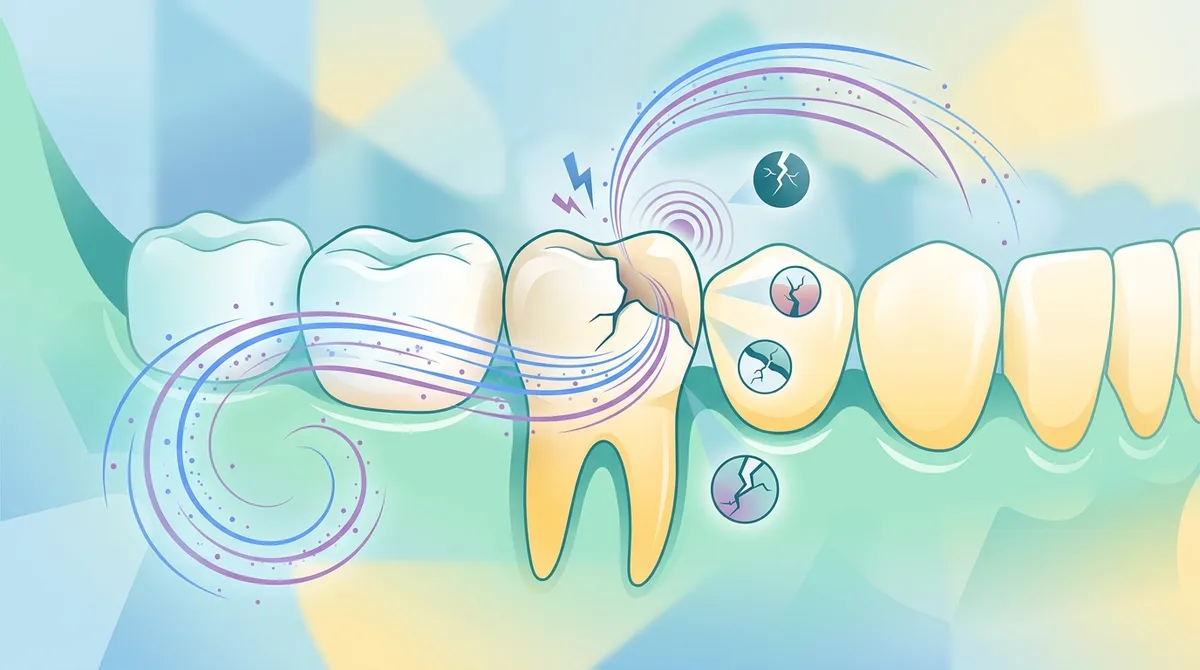
Teeth can break in many different ways. Some breaks are minor chips on the surface. Others go deep into the tooth, affecting the root or nerve. The type and size of the break determines which repair option is right for you. You can learn more about what causes teeth to break to better understand why this happens and how to prevent it in the future.
Here are the most common types of tooth breaks:
- Craze lines: Tiny surface cracks that usually don’t need treatment
- Chipped tooth: A small piece breaks off the enamel
- Fractured cusp: A piece of the chewing surface breaks off
- Cracked tooth: A crack extends from the surface downward toward the root
- Split tooth: The tooth splits into two separate parts
- Vertical root fracture: A crack starts at the root and moves upward
Minor chips and small fractures may only need a filling. Larger breaks, deep cracks, or damaged cusps usually call for a crown. Your dentist will evaluate the damage and recommend the best course of action.
What Is a Dental Filling?
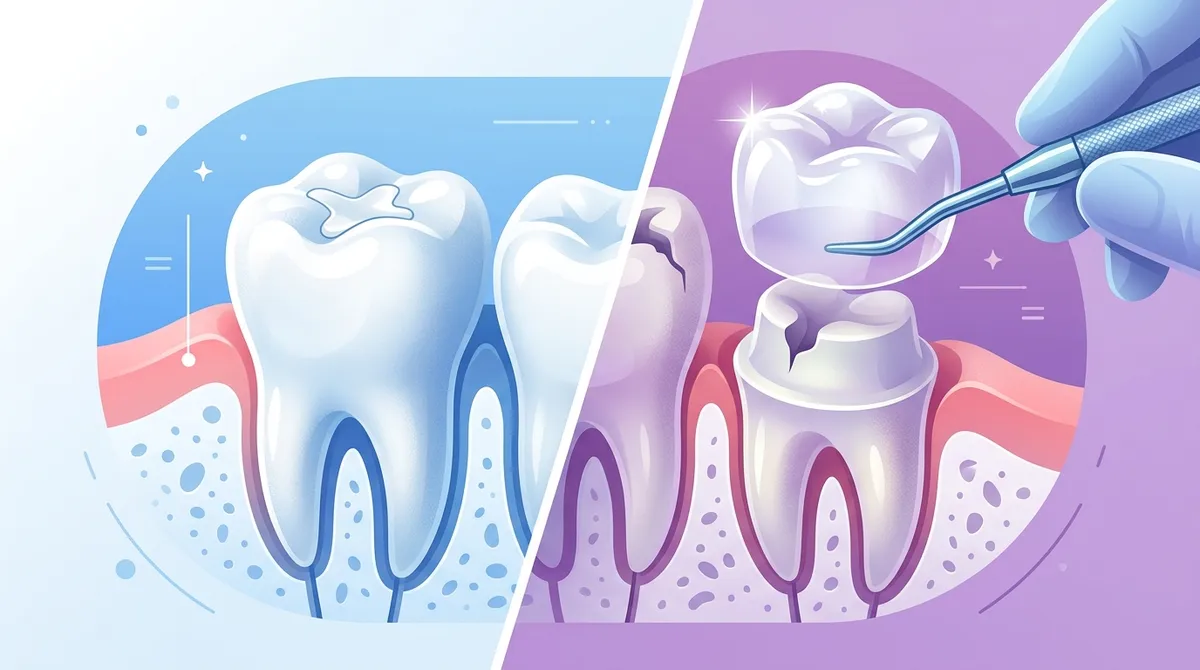
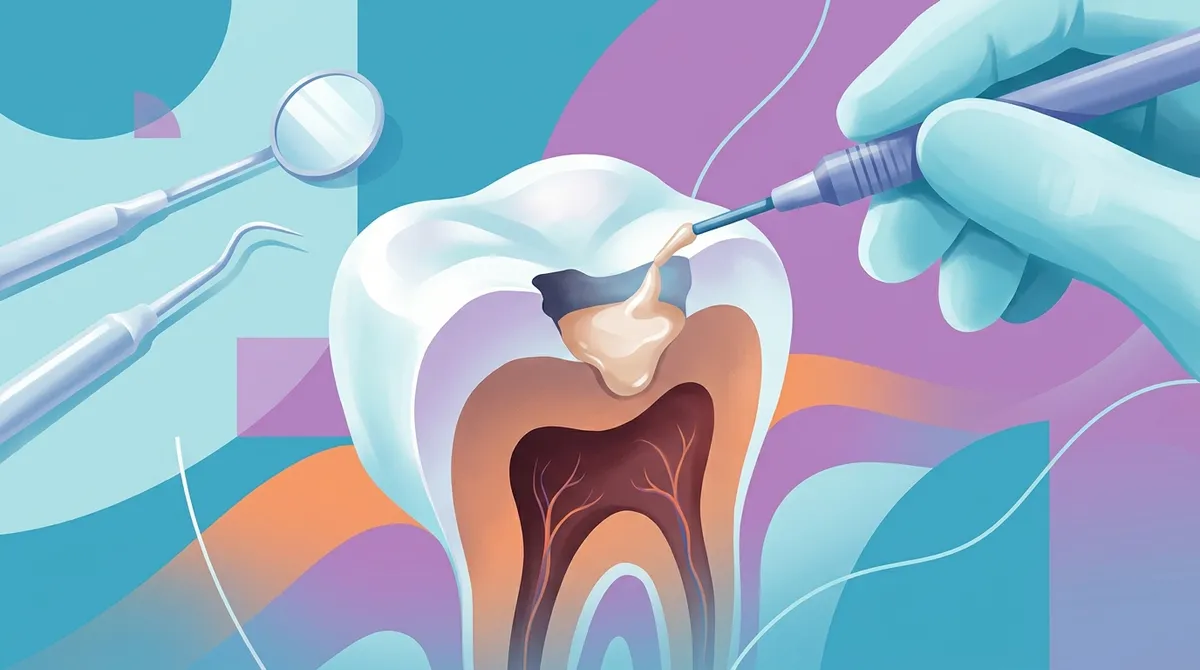
A dental filling is used to restore a tooth after minor damage or decay. It fills in the missing or damaged part of the tooth using a tooth-colored composite resin material. Fillings are a common, affordable, and quick fix for small problems. If you want to go deeper on this topic, check out these 12 things to know before getting a dental filling in 2026.
Fillings work best when:
- The break or chip is small
- Less than half the tooth is damaged
- The inner pulp (nerve) is not affected
- The tooth structure is still mostly intact
- The damage is on a front tooth with low chewing pressure
Fillings are fast, usually done in a single visit, and require minimal tooth preparation. They blend in well with your natural teeth when made from white composite material. However, they may not be strong enough for larger breaks or teeth that handle heavy chewing forces.
What Is a Dental Crown?
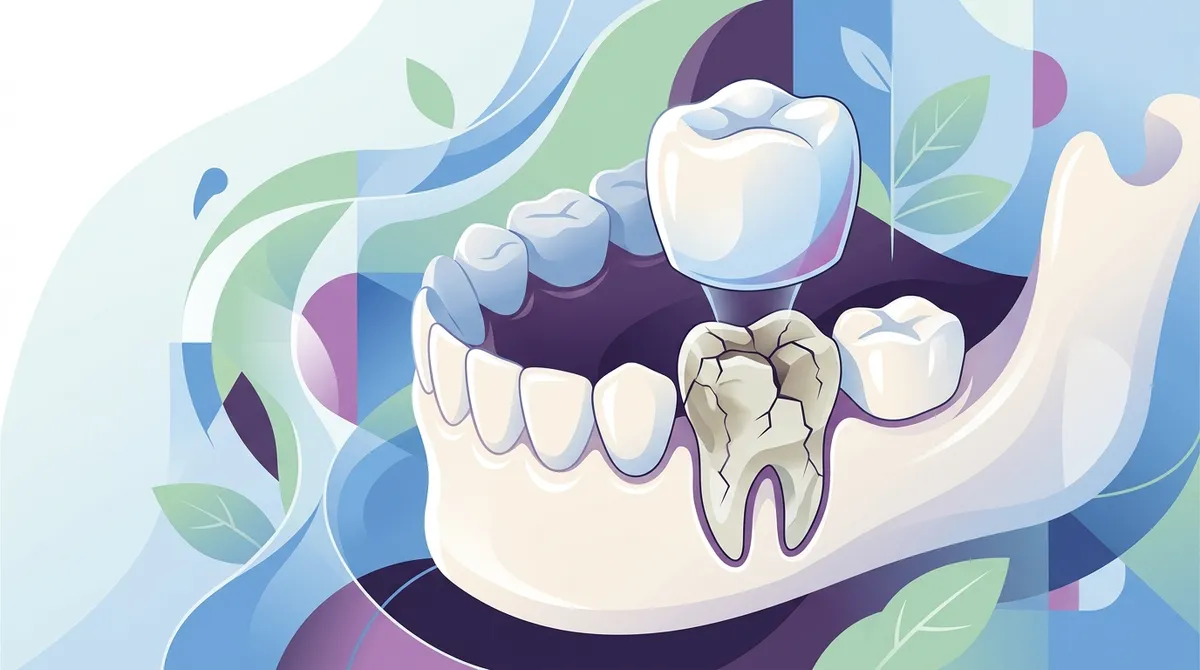
A dental crown is a cap that fits over the entire visible portion of your tooth. Think of it like a protective helmet for your tooth! It restores the tooth’s shape, size, strength, and appearance. Crowns are used when a filling simply won’t provide enough support or durability. You can learn what dental crowns are and when you need them for a more detailed overview.
Crowns work best when:
- More than half the tooth structure is damaged or missing
- The tooth has a large crack or fracture
- A root canal has been performed on the tooth
- The cusp (chewing surface) has broken off
- The tooth is severely weakened and at risk of further breaking
Crowns offer superior protection and longevity. They fully encase the damaged tooth and restore its full function. At Dental Theory in Brandon, FL, Dr. K offers same-day ceramic crowns — meaning you can walk in with a broken tooth and walk out with a beautiful, fully restored smile in just one visit. No waiting, no temporary crowns, no second appointment needed!
Crown vs. Filling for a Broken Tooth: Side-by-Side Comparison
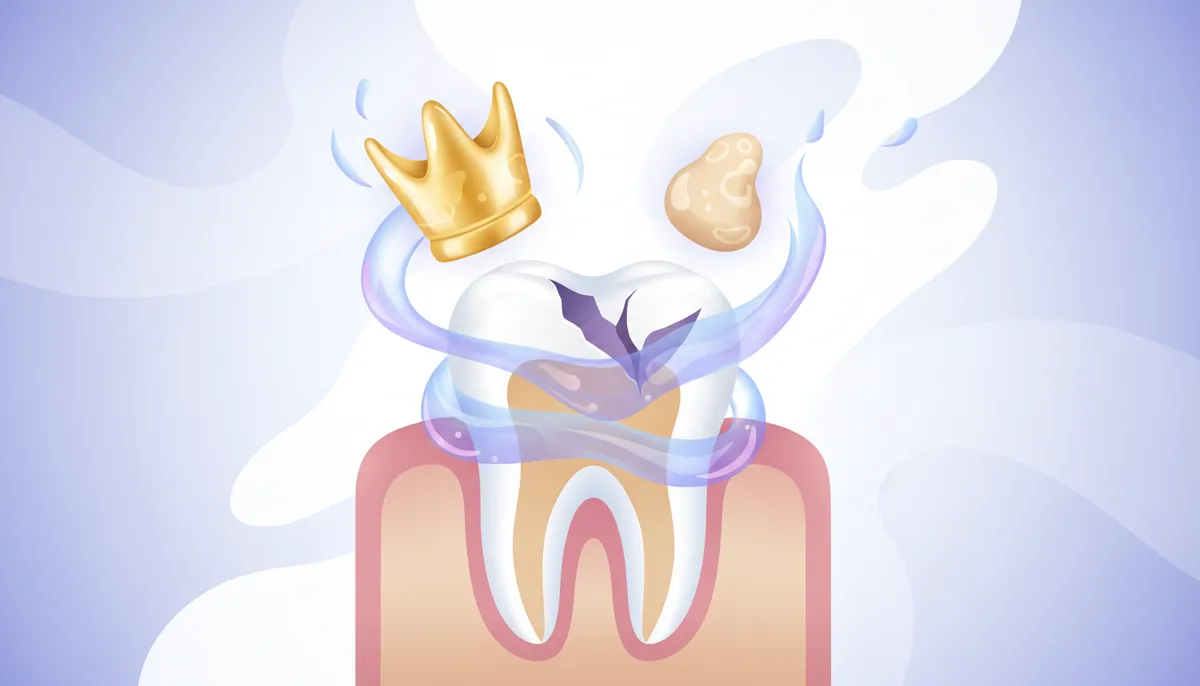
Here’s a quick and easy comparison to help you understand the key differences between these two treatment options:
| Feature | Filling | Crown |
|---|---|---|
| Best for | Small chips and minor damage | Large breaks, cracks, or weak teeth |
| Coverage | Fills in a portion of the tooth | Covers the entire visible tooth |
| Durability | 5–10 years with care | 10–20+ years with care |
| Tooth prep needed | Minimal | More reshaping required |
| Visits needed | One visit | One visit (same-day) or two visits (traditional) |
| Typical cost | Lower cost | Higher cost |
| Strength | Good for small areas | Excellent for full tooth protection |
| Appearance | Natural-looking composite | Natural-looking ceramic |
As you can see, the right choice depends on how much damage your tooth has sustained. A dentist will examine your tooth using X-rays and a visual inspection before making their recommendation. You can also explore the dental crown vs. filling debate in more detail to help you prepare for your consultation.
How Dentists Decide: Crown vs. Filling for a Broken Tooth
Your dentist considers several important factors before recommending a crown or a filling. Understanding their decision-making process can help you feel more confident about your treatment plan.
1. Size and Depth of the Break
Small chips that only affect the enamel are easy candidates for fillings. Larger breaks that reach deeper into the tooth — especially into the dentin or pulp — usually require a crown. The deeper the damage, the more protection the tooth needs.
2. Location of the Tooth
Front teeth handle less biting pressure than back molars. A small chip on a front tooth can often be repaired with a filling or dental bonding. Back teeth need more strength and durability, making crowns a better choice in most cases.
3. Amount of Remaining Tooth Structure
If more than 50% of the tooth is gone or compromised, a filling won’t hold up well over time. A crown is the more secure and lasting solution when a large portion of the tooth is missing. You can learn how much tooth structure is needed for a crown before your appointment.
4. Presence of a Previous Large Filling
If a tooth already has a large filling and then breaks, placing another filling on top of an existing one isn’t always ideal. A crown provides better structural support in this situation. Check out this helpful guide on whether you need a crown after a large filling.
5. Whether a Root Canal Was Performed
Teeth that have had a root canal become more brittle and prone to cracking. A crown is almost always recommended after a root canal to protect the tooth from future fractures. Learn more about dental crowns and root canals to understand this connection better.
Decision Guide: When to Choose a Crown vs. Filling
Not sure which one might apply to your situation? Use this simple decision guide based on common scenarios:
| Situation | Likely Treatment | Reason |
|---|---|---|
| Small chip on front tooth | Filling or bonding | Minimal damage, low chewing pressure |
| Large crack on back molar | Crown | High chewing forces, needs full coverage |
| Broken cusp on back tooth | Crown | Cusp damage weakens chewing structure |
| Minor chip with healthy structure | Filling | Enough healthy tooth remains |
| Tooth after root canal | Crown | Tooth is brittle and needs protection |
| Tooth with existing large filling | Crown | Not enough structure for another filling |
| Deep crack reaching the gumline | Crown or extraction | Severe structural compromise |
Of course, every mouth is different! This table gives general guidance, but your dentist’s in-person evaluation is the only way to know for sure. If you’re in the Brandon, FL area, you can always schedule an appointment at Dental Theory to get a personalized recommendation from an expert.
Benefits of Same-Day Ceramic Crowns at Dental Theory
If your broken tooth needs a crown, you might be wondering about the process. Traditional crowns often required two appointments and a waiting period with a temporary crown in place. At Dental Theory, Dr. K uses advanced technology to create and place beautiful ceramic crowns in a single visit. You can discover all the benefits of same-day crowns and how the process works.
Here are the top reasons patients love same-day crowns:
- One visit is all it takes — No need to come back a second time or wear a temporary crown
- Ceramic material looks natural — Matches the color and translucency of your real teeth
- Strong and durable — Ceramic crowns can last 15–20 years or more with good care
- No temporary crown discomfort — Traditional methods involve a temporary crown that can fall off or feel awkward
- Less time off work or school — Get in, get treated, and get back to your day
- Precise digital fit — Technology creates a crown that fits your tooth perfectly
Want to compare your options even further? Read this helpful breakdown of same-day crowns vs. traditional crowns to see which approach makes more sense for your lifestyle.
What to Expect During Treatment
Whether you need a filling or a crown, the process at a good dental office should be comfortable and stress-free. Here’s what the experience typically looks like for each option:
Getting a Filling
- Your dentist numbs the area with a local anesthetic
- Any damaged or decayed tooth material is removed
- The composite resin is applied in layers and shaped
- A curing light hardens the material in place
- Your bite is checked and adjusted as needed
Getting a Same-Day Crown
- Your dentist numbs the area completely
- The tooth is shaped and prepared for the crown
- Digital impressions are taken (no messy molds!)
- A milling machine crafts your ceramic crown on-site
- The crown is checked for fit and color, then bonded permanently
Both procedures are performed with your comfort in mind. The team at Dental Theory is known for making patients feel relaxed and at ease throughout every appointment. Visit us on Google — Dental Theory to read what real patients are saying about their experience with us.
Cost Considerations: Filling vs. Crown
We know cost matters when making dental decisions. Fillings are generally less expensive than crowns, but choosing the wrong treatment can cost you more in the long run. A filling placed on a severely damaged tooth may fail sooner, leading to additional repairs or an emergency visit. Choosing the right treatment upfront saves you time and money. Here’s a general overview:
| Treatment | Estimated Cost Range | Insurance Coverage | Longevity |
|---|---|---|---|
| Composite Filling | $150–$300 per tooth | Often partially covered | 5–10 years |
| Ceramic Crown | $1,000–$1,800 per tooth | Often partially covered | 15–20+ years |
Many insurance plans cover a portion of both fillings and crowns. It’s worth checking your benefits before your appointment. If you’re unsure how to navigate coverage, this guide on 5 insurance mistakes that cost you on dental crowns is a must-read. Dental Theory also offers flexible payment options to make your care affordable and accessible.
Taking care of your overall wellness goes hand in hand with good health habits. Many of our Brandon patients also love visiting Mobile Area Massage of Tampa Bay for stress relief — because a relaxed body makes for a healthier smile too! And if you’re keeping up with home maintenance in the Brandon area, Buckhorn Power Wash is a trusted local service worth knowing about.
Tips to Prevent Tooth Breakage
Prevention is always better than treatment! Here are some practical steps you can take to reduce your risk of breaking a tooth:
- Wear a mouthguard during contact sports
- Avoid chewing on ice, hard candy, or pen caps
- Don’t use your teeth as tools to open packages
- Get regular dental checkups to catch weak areas early
- Ask about a nightguard if you grind your teeth while sleeping
- Treat cavities promptly before they weaken tooth structure
You can also read these top tips to avoid breaking your teeth for a more comprehensive prevention guide. Your best defense is a healthy, well-maintained smile!
When to See a Dentist Right Away
Some broken teeth are dental emergencies. Here’s a numbered list of signs that mean you should call your dentist immediately:
- Severe pain or sensitivity when biting or drinking
- A large piece of the tooth has broken off
- The tooth is visibly cracked down to the gumline
- You notice swelling in the gum or jaw area
- The tooth feels loose or out of alignment
Don’t wait if you’re experiencing these symptoms. Dental Theory offers dental emergency treatment for urgent situations. Our team is here to help you get out of pain and protect your tooth as quickly as possible. For guidance on what to do in the moment, read about broken tooth care in Brandon with same-day appointments.
Your Next Step: Get the Right Treatment for Your Broken Tooth
When it comes to the crown vs. filling for a broken tooth debate, there’s no one-size-fits-all answer. What matters most is getting a proper evaluation from a qualified dentist who can assess the full picture — the size of the break, the tooth’s location, your overall oral health, and your long-term goals.
Whether you need a simple white filling or a strong ceramic same-day crown, the team at Dental Theory in Brandon, FL is here to help you make the best decision for your smile. You deserve a quick, comfortable, and lasting solution — and that’s exactly what we provide. Ready to get your broken tooth fixed? Reach out to Dental Theory today to schedule your evaluation and take the first step toward a healthy, beautiful smile.
FAQs
Q: How do I know if my broken tooth needs a crown or a filling?
A: Great question! Generally, if less than half the tooth is damaged and the inner nerve isn’t affected, a filling may do the trick. But if the break is large, involves a back molar, or follows a root canal, a crown is usually the stronger and smarter choice. Your dentist will check your tooth with X-rays and give you a clear recommendation!
Q: Can a filling fix a broken molar?
A: It depends on the size of the break! Small chips on a molar can sometimes be repaired with a filling, but back teeth handle a lot of chewing force — so larger breaks usually need a crown for lasting protection. Trying to patch a seriously damaged molar with just a filling can lead to the tooth breaking again down the road.
Q: How long does a same-day crown take at Dental Theory?
A: The whole process can typically be completed in a single appointment of a few hours. Dr. K uses advanced digital technology to design and mill your ceramic crown right in the office — no waiting weeks for a lab, no temporary crowns, just one comfortable visit and you’re done!
Q: Does insurance cover crowns and fillings for broken teeth?
A: Most dental insurance plans cover at least a portion of both fillings and crowns, though coverage levels vary by plan. Fillings are generally covered at a higher percentage, while crowns may fall under major restorative care. It’s always worth checking your benefits before treatment — and the Dental Theory team is happy to help you understand your coverage!
Q: What happens if I ignore a broken tooth and don’t get it treated?
A: Leaving a broken tooth untreated can lead to bigger problems like infection, nerve damage, or even tooth loss. A small chip might seem harmless, but cracks can grow and bacteria can get inside the tooth over time. Getting it checked and treated early is always the easiest — and most affordable — path forward!