
Key Takeaways
- At least 1.5 to 2 mm of healthy tooth structure is required around the entire tooth for a successful dental crown placement.
- The ferrule effect requires 1-2 mm of tooth structure above the gumline to distribute chewing forces and prevent crown failure.
- Core build-ups can help rebuild external tooth structure using composite resin when insufficient natural tooth remains.
- Post-and-core procedures provide internal support by placing a metal or fiber post into the root canal for additional crown stability.
- Dentists use minimally invasive techniques to preserve as much natural tooth structure as possible, maintaining long-term dental health.
- Crown material selection impacts tooth structure removal and overall restoration success, with ceramic crowns offering an excellent balance of strength and preservation.
If your dentist has recommended a dental crown, you might be wondering about the specifics of the procedure. One of the most common questions patients ask is how much of their natural tooth needs to remain for a crown to work properly. Understanding the requirements can help you feel more confident about your treatment and know what to expect during your visit.
A dental crown is like a protective cap that covers your damaged tooth. It restores the tooth’s shape, size, and strength while improving its appearance. But for a crown to be successful, your tooth needs enough healthy structure to support it. Let’s explore what dentists look for when determining if you’re a good candidate for a crown and what options exist if you don’t have quite enough tooth remaining.
At Dental Theory in Brandon, Florida, our team evaluates each patient individually to ensure the best possible outcome. Whether you’re dealing with a cracked tooth, extensive decay, or damage from an old filling, we’ll help you understand your options and create a treatment plan that works for you.

1. The Minimum Tooth Structure Required
Dentists generally need at least 1.5 to 2 millimeters of healthy tooth structure around the entire tooth for a crown to be successful. This measurement refers to the solid, healthy tooth material that remains after removing decay or damaged portions. Think of it like building a house – you need a solid foundation for the structure to stand strong.
Another way to think about it is that approximately one-quarter of your natural tooth structure should remain. This quarter of the tooth provides the necessary support and stability for the crown to function properly during everyday activities like chewing and speaking.
| Measurement Type | Minimum Required | Purpose |
|---|---|---|
| Healthy tooth structure around tooth | 1.5-2 mm | Provides base support for crown |
| Tooth structure above gumline | 2 mm (ferrule) | Resists chewing forces |
| Natural tooth remaining | About 1/4 | Overall stability and retention |
The exact amount needed can vary based on several factors including which tooth needs the crown, the type of crown material being used, and your individual bite pattern. Front teeth typically require less remaining structure than back molars because they don’t experience the same chewing forces.

2. Understanding the Ferrule Effect
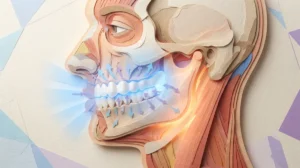
The ferrule effect is a crucial concept in crown dentistry. It refers to having at least 1 to 2 millimeters of healthy tooth structure extending above your gumline. This visible tooth structure creates what dentists call a “ferrule” – basically a collar of natural tooth that the crown can grip onto.
Why does this matter? The ferrule acts like a protective band that helps distribute the forces you place on your tooth when you bite and chew. Without adequate ferrule, your crown is more likely to fail over time. The natural tooth structure above the gums prevents the crown from being pushed down into the gums or breaking away from the tooth.
- Provides resistance against vertical forces during chewing
- Reduces stress concentration at the crown margin
- Improves long-term crown retention and success
- Helps prevent root fractures
- Creates a seal that protects against bacteria
If you don’t have enough tooth structure above your gumline naturally, your dentist might recommend a procedure called crown lengthening. This minor surgical procedure removes a small amount of gum tissue to expose more of your natural tooth, creating the ferrule needed for crown success.

3. What Happens During Crown Preparation
When preparing a tooth for a crown, your dentist needs to remove a certain amount of tooth structure to make room for the crown material. Typically, about 1.5 to 2 millimeters of tooth structure is removed from all surfaces of the tooth. This might sound like a lot, but it’s necessary to ensure the crown fits properly and doesn’t make your tooth feel too bulky.
The preparation process involves several steps. First, your dentist will numb the area to keep you comfortable. Then they’ll carefully shape the tooth, removing any decay and creating smooth surfaces for the crown to fit over. The goal is to preserve as much healthy tooth structure as possible while creating the ideal shape for crown placement.
At Dental Theory, Dr. K uses advanced techniques and technology to ensure precise crown preparation. Our practice offers cosmetic dentistry services including Same-Day Crowns, which means you can get your permanent ceramic crown in just one visit without temporary crowns or multiple appointments.

4. Options When You Don’t Have Enough Tooth Structure
Not having enough natural tooth structure doesn’t automatically mean you can’t get a crown. Modern dentistry offers several solutions to build up your tooth and create the foundation needed for successful crown placement. Your dentist will evaluate your specific situation and recommend the best approach.
The most common solutions include core build-ups, post-and-core foundations, and crown lengthening surgery. Each option serves a different purpose and works best in specific situations. The good news is that these procedures can often save teeth that might otherwise need extraction.
| Procedure | Best For | How It Works |
|---|---|---|
| Core Build-Up | External tooth damage | Rebuilds outer tooth structure with composite resin |
| Post-and-Core | Teeth after root canal | Places metal post in root canal for internal support |
| Crown Lengthening | Too much gum coverage | Removes gum tissue to expose more tooth |
These procedures are routine and highly successful. They allow dentists to restore teeth that have significant damage while maintaining the natural tooth root, which is always preferable to extraction when possible. Your dentist will discuss which option makes the most sense for your specific tooth and situation.
5. Core Build-Up: Rebuilding External Structure
A core build-up is exactly what it sounds like – building up the core or central part of your tooth. This procedure uses tooth-colored composite resin material to replace missing external tooth structure. It’s similar to getting a large filling, but the purpose is different. Instead of just filling a cavity, the build-up creates a solid foundation for the crown.
The composite material bonds directly to your remaining natural tooth structure, creating a strong, stable base. Once the build-up is complete and hardened, your dentist can then prepare the tooth for a crown just like they would with a tooth that had more natural structure remaining.
- Uses durable composite resin material
- Bonds chemically to natural tooth structure
- Can be shaped to ideal crown preparation form
- Tooth-colored for natural appearance
- Completed in single appointment
- Provides solid foundation for crown placement
Core build-ups work best when you have good tooth structure below the gumline and enough tooth to create a stable bond with the composite material. Your dentist will evaluate whether you have sufficient remaining structure for this approach or if you need additional support from a post-and-core procedure.
6. Post-and-Core: Internal Support Systems
When a tooth has undergone root canal therapy or has extensive internal damage, a post-and-core foundation might be necessary. This procedure provides internal support by placing a metal or fiber post into the root canal space, then building up the external structure around it.
The post acts like a reinforcement rod in concrete. It extends down into the root of your tooth, anchoring into the bone and providing stability that the tooth can no longer provide on its own. Once the post is secured, your dentist builds up the external portion with composite resin or another material, creating the structure needed for crown placement.
- Post is placed into cleaned root canal space
- Post is cemented securely in place
- Core material is built up around post
- Combined structure creates stable foundation
- Tooth is then prepared for crown placement
Post-and-core procedures are incredibly common and highly successful, especially for teeth that have had root canals. The combination of internal and external support allows dentists to save teeth that might otherwise be too weak to support a crown on their own.
7. Full Crowns vs. Partial Crowns: Understanding Your Options
Not all crowns cover the entire tooth. Depending on how much healthy tooth structure you have and where the damage is located, your dentist might recommend either a full crown or a partial crown (sometimes called a three-quarter crown).
Full crowns cover the entire visible portion of the tooth above the gumline. They’re ideal for teeth with extensive damage, large fillings, or after root canal treatment. Full crowns provide maximum protection and are the most common type used in general dentistry.
Partial crowns cover only three of the four sides of the tooth, preserving more of your natural tooth structure. They work well when you have good remaining structure on one side of the tooth but need coverage and protection on the other sides. Partial crowns are more conservative but require specific conditions to be successful.
| Crown Type | Coverage | Best For |
|---|---|---|
| Full Crown | Entire visible tooth | Extensive damage, after root canal, large fillings |
| Partial Crown (3/4) | Three sides of tooth | Moderate damage, good structure on one side |
At Dental Theory, we only use high-quality ceramic crowns that provide excellent strength and natural appearance. Our Same-Day Crown technology means you can get a permanent ceramic crown in just one visit, eliminating the need for temporary crowns and multiple appointments.
Material Matters: Choosing the Right Crown
The type of crown material your dentist recommends can affect how much tooth structure needs to be removed and how much needs to remain. Different materials have different thickness requirements and strength characteristics.
Ceramic crowns like the ones used at Dental Theory offer an excellent combination of strength, durability, and natural appearance. They’re strong enough for back teeth yet can be made thin enough to preserve more natural tooth structure. All-ceramic crowns are also biocompatible and metal-free, making them an excellent choice for patients with metal sensitivities.
- Ceramic crowns: Natural appearance, strong, biocompatible
- Porcelain-fused-to-metal: Durable, but requires more tooth removal
- Gold crowns: Extremely durable, requires minimal tooth removal
- Zirconia crowns: Strongest ceramic option, great for back teeth
The material choice depends on which tooth needs the crown, your bite pattern, aesthetic concerns, and how much natural tooth structure remains. Your dentist will help you choose the best material for your specific situation, balancing strength, appearance, and preservation of natural tooth structure.
Why Preserving Natural Tooth Structure Matters
You might wonder why dentists are so focused on preserving natural tooth structure. The answer is simple: your natural tooth is always better than any artificial replacement. The more of your natural tooth that remains, the stronger and more stable the final restoration will be.
Natural tooth structure provides several important benefits. It maintains the blood supply and nerve connections in the tooth (unless you’ve had a root canal). It provides natural resilience and shock absorption when you bite. And it creates a stronger bond with the crown material, improving the long-term success of the restoration.
- Natural tooth structure is stronger than any artificial material
- Preserving structure maintains bone and gum health
- More natural tooth means better crown retention
- Reduces risk of future complications
- Maintains natural bite and jaw function
- Improves overall restoration longevity
This is why dentists use minimally invasive techniques whenever possible and why procedures like core build-ups and post-and-core foundations are so valuable. They allow us to save natural tooth roots while creating the structure needed for successful crown placement.
Special Considerations for Children
When it comes to dental crowns for children, the considerations are somewhat different than for adults. Children’s teeth are still developing, and their dental needs change as they grow. Pediatric dentistry requires specialized knowledge and techniques to ensure the best outcomes.
At Dental Theory, Dr. Pri is a board-certified pediatric dentist who specializes in providing gentle, comprehensive care for children. As the only board-certified pediatric dentist offering in-office sedation dentistry for kids in Brandon, Florida, Dr. Pri is uniquely qualified to help anxious children receive the dental care they need in a calm, comfortable environment.
Children who need crowns often receive stainless steel crowns on baby teeth or ceramic crowns on permanent teeth. The goal is always to preserve as much natural tooth structure as possible while ensuring the tooth can function properly until it naturally falls out (for baby teeth) or throughout the child’s life (for permanent teeth).
What to Expect During Your Crown Consultation
When you visit the dentist for a crown consultation, they’ll perform a thorough examination of the affected tooth. This includes visual inspection, x-rays, and possibly other diagnostic tests to determine the extent of damage and how much healthy tooth structure remains.
Your dentist will explain whether you have sufficient tooth structure for a crown or if you’ll need additional procedures first. They’ll discuss your options, answer your questions, and create a treatment plan tailored to your specific needs and goals. This is the perfect time to ask about timeline, costs, and what you can expect during the procedure.
- Comprehensive examination of the tooth
- Digital x-rays to evaluate tooth and root condition
- Discussion of treatment options and alternatives
- Explanation of procedures needed
- Timeline and appointment scheduling
- Cost estimate and payment options
Don’t hesitate to contact Dental Theory if you have questions about dental crowns or think you might need one. Our friendly team is here to help you understand your options and feel confident about your dental care decisions.
Making Your Crown Last
Once you have your crown, proper care will help it last as long as possible. Most dental crowns last between 10 to 15 years or even longer with good care. The key is maintaining excellent oral hygiene and protecting your crown from excessive forces.
Brush twice daily with fluoride toothpaste and floss around your crown just like you would your natural teeth. Avoid chewing ice, hard candies, or using your teeth to open packages. If you grind your teeth at night, wear a nightguard to protect both your crown and natural teeth. Regular dental checkups allow your dentist to monitor your crown and catch any potential issues early.
- Brush twice daily with soft-bristled toothbrush
- Floss daily around the crown margins
- Avoid chewing hard foods or ice
- Wear nightguard if you grind teeth
- Schedule regular dental checkups every six months
- Address any sensitivity or discomfort promptly
With proper care and attention, your crown can provide years of comfortable function and natural appearance. If you experience any problems with your crown, such as sensitivity, looseness, or discomfort, contact your dentist right away. Early intervention can often prevent more serious complications.
Your Path to a Healthy, Complete Smile
Understanding how much tooth structure is needed for a crown helps you make informed decisions about your dental care. While the general requirement is 1.5 to 2 millimeters of healthy tooth structure around the entire tooth, every situation is unique. Modern dentistry offers excellent options even when natural tooth structure is limited.
Whether you need a core build-up, post-and-core foundation, or crown lengthening procedure, these treatments can create the stable foundation necessary for successful crown placement. The investment in these preparatory procedures often means the difference between saving your natural tooth and needing an extraction and implant.
At Dental Theory in Brandon, Florida, we combine advanced technology with personalized care to ensure the best possible outcomes for our patients. Our Same-Day Crowns eliminate the hassle of multiple visits, and our experienced team takes the time to explain your options and answer all your questions. We accept most insurance plans and offer an affordable in-house membership plan for patients without insurance.
Ready to learn more about dental crowns or schedule a consultation? Schedule an appointment with our team today. We’ll evaluate your tooth, discuss your options, and create a treatment plan that works for you. Don’t let a damaged tooth affect your confidence or oral health – let us help you achieve a healthy, complete smile. You can also visit us on Google to see what our patients are saying about their experiences at Dental Theory.
FAQs
Q: Can I get a crown if I have very little tooth left?
A: Yes, in many cases you can still get a crown even with minimal tooth structure remaining. Your dentist may recommend procedures like a core build-up or post-and-core foundation to create the necessary support. These treatments rebuild the tooth structure needed for successful crown placement, allowing you to save your natural tooth rather than having it extracted.
Q: How long does it take to get a dental crown?
A: Traditional crowns typically require two visits over several weeks. However, at Dental Theory we offer Same-Day Crowns using advanced ceramic technology. This means you can get your permanent crown in just one appointment without temporaries or multiple visits, making the process much more convenient for busy families.
Q: Will a crown hurt my tooth more if there’s less structure?
A: The amount of remaining tooth structure doesn’t typically affect pain levels during or after crown placement. Your dentist will ensure you’re comfortable throughout the procedure with appropriate anesthesia. Some sensitivity after crown placement is normal regardless of tooth structure amount, but it usually resolves within a few days to weeks.
Q: What happens if my tooth breaks below the gumline?
A: If a tooth breaks below the gumline, you may still be able to save it with crown lengthening surgery. This procedure removes a small amount of gum tissue to expose more healthy tooth structure above the gums, creating the ferrule needed for crown success. Your dentist will evaluate whether this option is appropriate for your specific situation.
Q: Are ceramic crowns as strong as metal crowns?
A: Modern ceramic crowns are incredibly strong and durable, especially newer materials like zirconia. While metal crowns are slightly stronger, ceramic crowns offer excellent strength for most situations along with superior aesthetics. At Dental Theory, we use only high-quality ceramic crowns that provide both the strength and natural appearance our patients want.