Key Takeaways
-
Dental cement breaks down over time and is the most common cause of crowns falling off; a quick re-cementing by your dentist can often solve this problem.
-
Tooth decay underneath the crown can cause the tooth to shrink or weaken, loosening the crown; your dentist must treat decay before placing a new crown.
-
Teeth grinding (bruxism) puts enormous pressure on crowns and breaks down the cement seal; a custom nightguard can protect your crown if this is your issue.
-
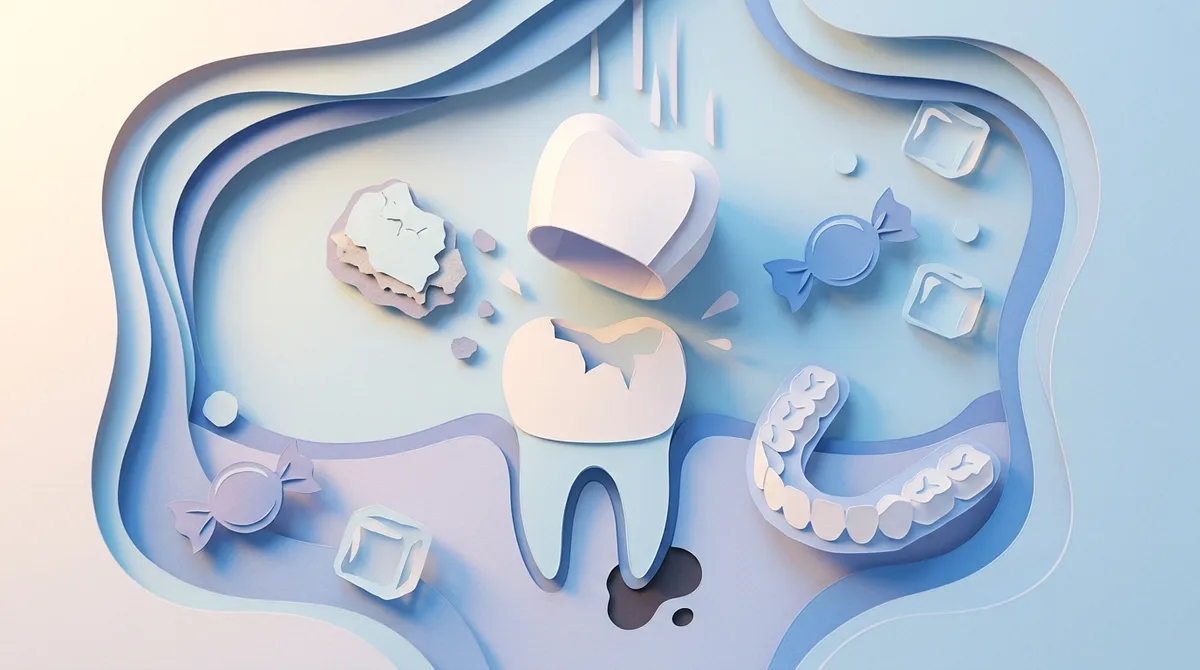
Hard and sticky foods like ice, candy, and caramel can pull crowns loose or crack them; avoid these foods to prevent crown damage.
-
Crowns typically last 10-15 years and naturally weaken with age; if your crown is older, replacement may be more effective than re-cementing.
-
Call your dentist immediately if your crown falls off multiple times, you experience severe pain, or see visible tooth damage or swelling.
You’re eating dinner, biting into something soft, and suddenly — there it is. That familiar, sinking feeling. Your dental crown has popped off again. If you’ve been asking yourself “why does my crown keep falling off,” you’re definitely not alone. It’s one of the most common dental frustrations people face. And the good news? It’s almost always fixable.
A dental crown should feel solid and secure. When it keeps coming loose, something isn’t quite right. Maybe it happened once and you thought it was a fluke. But now it’s happened again — or even a third time. That’s a signal your mouth is trying to tell you something.
In this article, we break down the 9 most common reasons crowns fall off, what you can do about it, and how to make sure your next crown actually stays put. Whether you have a brand-new crown or an older one that keeps slipping, there’s help here for you. Let’s dive in.
Why Dental Crowns Fall Off: The Big Picture
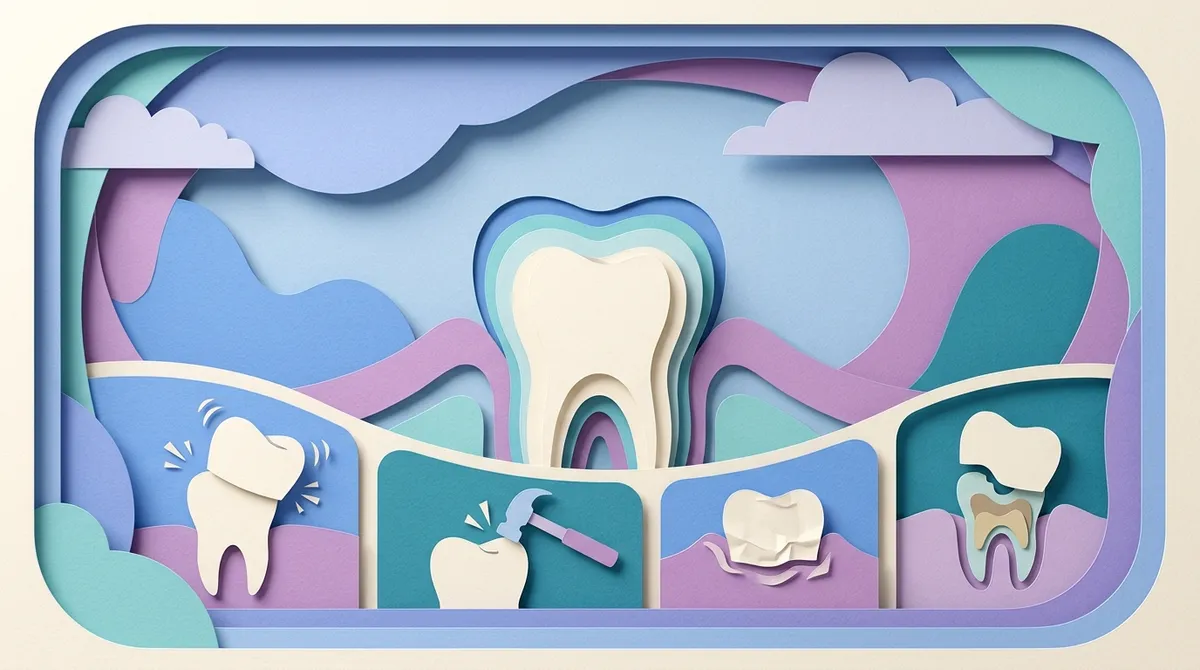
Before we get into the specific reasons, it helps to understand how crowns work. A dental crown fits over your natural tooth like a cap. It’s held in place by dental cement and the shape of the prepared tooth underneath it. When either of those elements fails, the crown loosens or falls off completely.
If you want a deeper look at the basics, check out this helpful guide on what dental crowns are and when you need them. Now, let’s talk about why yours might keep escaping!
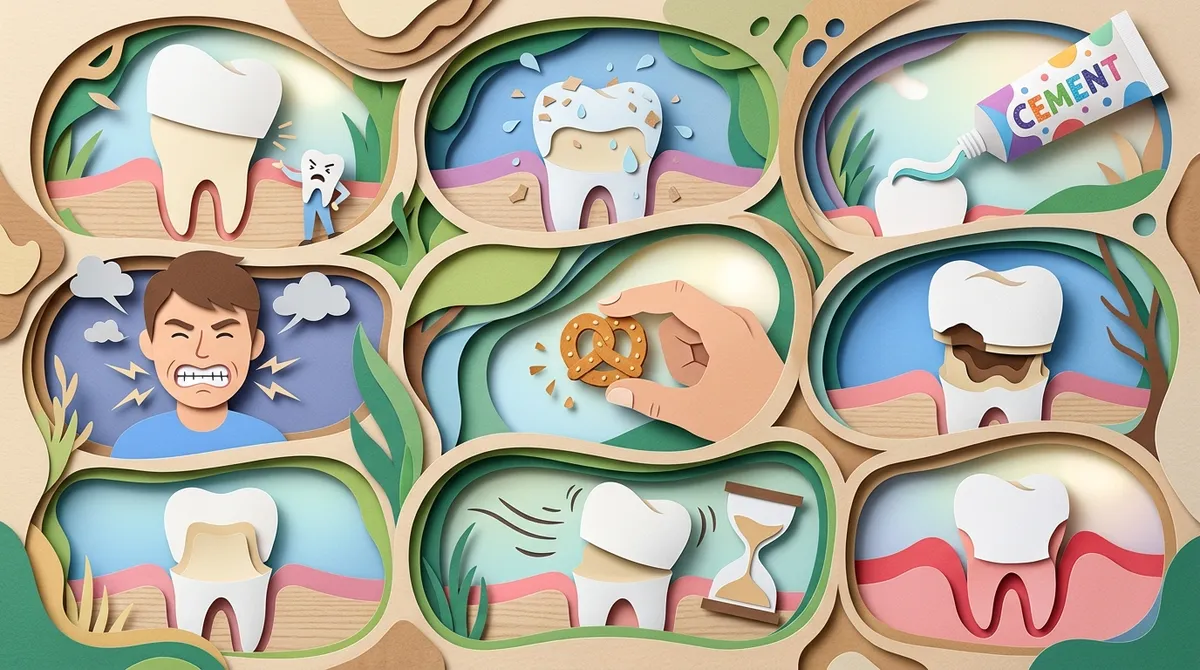
9 Reasons Your Crown Keeps Falling Off
1. The Dental Cement Has Broken Down
Dental cement doesn’t last forever. Over time, it can wash away, dissolve, or weaken. When the cement fails, there’s nothing holding your crown to the tooth. This is one of the most common reasons a crown keeps falling off, especially in older restorations.
A quick re-cementing by your dentist can often solve this problem. It’s a simple fix! Learn more about how crowns are attached to teeth to understand the process better.
2. Tooth Decay Underneath the Crown
A crown protects your tooth, but it doesn’t make it invincible. Bacteria can still sneak in around the edges. Over time, decay can eat away at the tooth structure beneath your crown. When the tooth shrinks or weakens, the crown no longer fits properly and starts to loosen.
This is a serious one. If you notice your crown keeps falling off and there’s also some sensitivity or bad taste, decay could be the culprit. Your dentist will need to treat the decay before placing a new crown. The real impact of cavities is something every crown patient should understand.
3. Not Enough Tooth Structure Remaining
For a crown to stay secure, there needs to be enough natural tooth structure to grip onto. If your tooth was badly broken or had a large filling, there may not be enough left to anchor the crown properly. This is called insufficient tooth structure, and it’s a real challenge.
In these cases, your dentist may need to use a dental post or build up the tooth before re-crowning it. Want to learn more? This article on how much tooth is needed for a crown explains it clearly.
4. A Poor Crown Fit
A crown that doesn’t fit perfectly won’t stay put for long. The fit has to be precise — not too loose, not too tight. If the original crown was poorly made or the tooth wasn’t prepared correctly, it will eventually work its way loose. This is more common with older crowns or low-quality restorations.
A well-made crown should feel completely natural in your mouth. If yours never felt quite right from day one, that’s a clue. Modern solutions like same-day crowns use advanced digital scanning to create a near-perfect fit every time.
5. Teeth Grinding or Clenching (Bruxism)
Do you grind your teeth at night? This is called bruxism, and it puts enormous pressure on your crowns. Over time, that constant force breaks down the cement seal. It can also crack or chip the crown itself. Many people don’t even know they grind their teeth until their dentist spots the signs.
If bruxism is your problem, a custom nightguard can protect your crown and your natural teeth. Without addressing the grinding, you could keep having the same crown problems over and over again. Your dentist can also check for related issues like TMJ and bruxism together.
6. Eating Hard or Sticky Foods
Some foods are just really hard on crowns. Chewing on ice, biting into hard candy, or eating extra-sticky foods like caramel can pull or break a crown loose. This is especially true if the crown already has a weakened cement seal. Even healthy foods like raw carrots or crusty bread can cause problems.
Here’s a quick look at the foods most likely to cause crown trouble:
| Food Type | Risk Level | Why It’s Risky |
|---|---|---|
| Sticky candy (caramel, taffy) | Very High | Pulls crown directly off tooth |
| Chewing ice | Very High | Extreme force can crack or dislodge crown |
| Hard nuts | High | Concentrated bite pressure |
| Crusty bread | Medium | Repeated stress on cement seal |
| Raw vegetables | Medium | Can apply lateral force to crown |
| Soft foods | Low | Generally safe for crowns |
For a full list, check out 10 foods to avoid with crowns and what to eat instead.
7. The Crown Is Old and Worn
Even the best dental crowns don’t last forever. Most crowns last between 10 and 15 years, though some can last longer with great care. As they age, the cement weakens, the fit may change as your mouth shifts, and the crown material can wear down. An old crown is much more likely to fall off than a newer one.
If your crown is getting up there in age, it might just be time for a replacement rather than another re-cementing. Here’s a helpful read on how long dental crowns last and what affects their lifespan.
8. Root Canal Changes the Tooth Structure
Did your tooth need a root canal before getting the crown? If so, that tooth is now hollow inside and can actually become more brittle over time. A brittle tooth is more likely to crack or crumble, which can cause the crown sitting on top of it to loosen or fall off. A dental post can help in these cases.
Understanding the relationship between root canals and crowns is really important. Check out dental crowns and root canals for everything you need to know.
9. Gum Recession Changing the Crown Margin
Your gums naturally recede a bit over time. When that happens, the edge of your crown can become exposed. This creates a gap where bacteria can enter, decay can start, and the crown seal can fail. Gum recession is slow and painless, so many people don’t notice until their crown starts to loosen.
Regular dental checkups help catch gum recession early before it causes bigger problems. Learn about the importance of periodontal treatment and deep cleanings in keeping your gums — and your crowns — healthy.
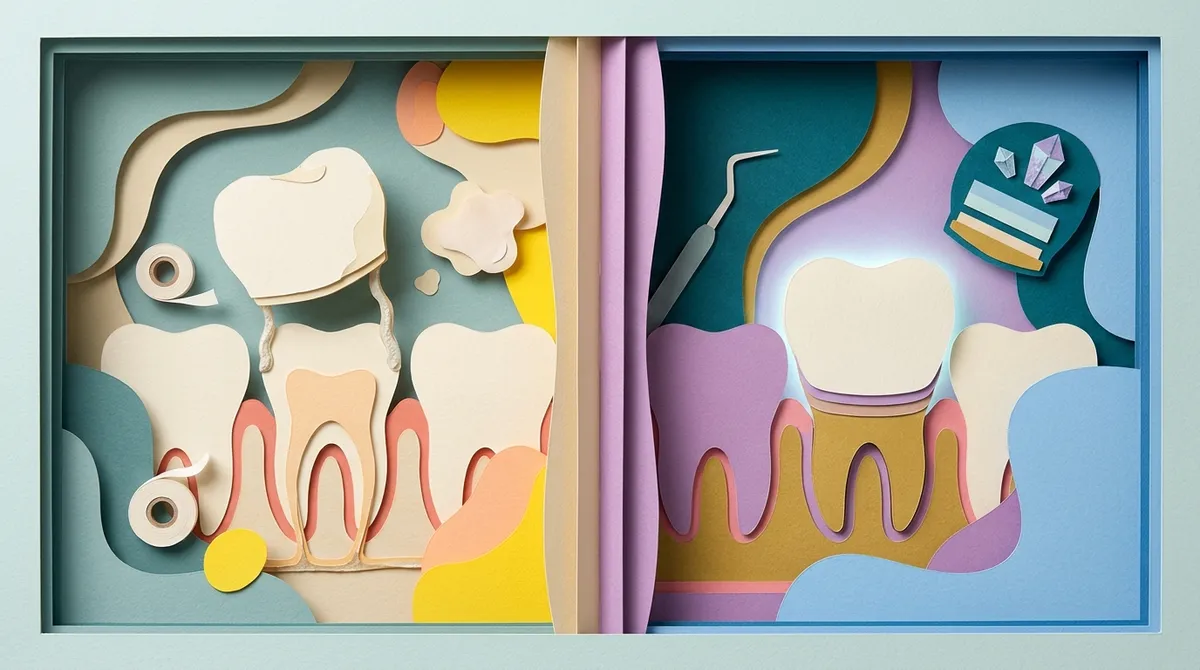
Quick Comparison: Temporary Fix vs. Permanent Fix
| Situation | Temporary Fix | Permanent Fix |
|---|---|---|
| Crown just fell off | Over-the-counter dental cement | Professional re-cementing at the dentist |
| Decay under crown | None — see dentist ASAP | Remove decay, new crown placement |
| Poor crown fit | Avoid sticky/hard foods | New crown with proper fit |
| Teeth grinding | Avoid hard foods | Nightguard + new crown if needed |
| Old, worn crown | Re-cementing (short term) | Crown replacement |
If your crown has fallen off, here’s what to do when your crown falls off — including how to handle it safely until you can see your dentist.
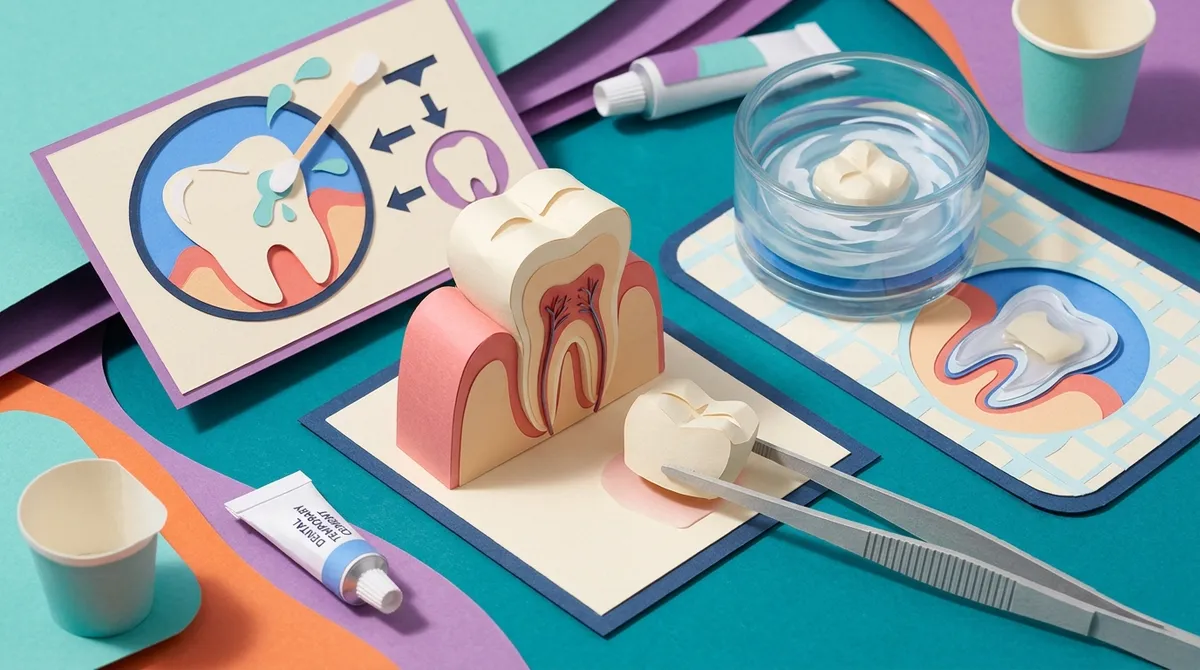
What To Do Right After Your Crown Falls Off
Don’t panic! Here’s a simple step-by-step guide for handling a fallen crown:
- Find the crown — Rinse it gently with water and keep it safe in a small container.
- Inspect your tooth — Look for any obvious damage, decay, or sharp edges on the exposed tooth.
- Protect the tooth — You can use over-the-counter dental cement or even a tiny bit of toothpaste as a temporary fix.
- Avoid hard and sticky foods — Protect the exposed tooth until you see your dentist.
- Call your dentist right away — Don’t wait. The sooner you’re seen, the better your outcome.
For more detailed guidance, read how to handle a fallen crown without damaging your tooth.
How to Keep Your Crown From Falling Off Again
Prevention is always better than an emergency call to your dentist. Here are the best habits to keep your crown secure:
- Brush and floss daily — Especially around the crown margin to prevent decay buildup.
- See your dentist regularly — Twice-yearly checkups catch small problems before they become big ones.
- Wear a nightguard if you grind — This single step can dramatically extend your crown’s life.
- Avoid crown-busting foods — Skip the ice chewing and sticky candy habit.
- Don’t use your teeth as tools — No opening bottles or tearing packaging with your crowned tooth!
- Stay on top of gum health — Healthy gums support a healthy crown margin.
You can also explore how to care for a dental crown and make it last for a full maintenance guide.
Crown Material Matters Too
Not all crowns are created equal. The material your crown is made from affects how long it lasts and how well it stays in place. Here’s a simple breakdown:
| Crown Material | Durability | Appearance | Best For |
|---|---|---|---|
| Ceramic / Porcelain | Very Good | Excellent (natural-looking) | Front and back teeth |
| Porcelain-fused-to-metal | Good | Good (may show metal at gumline) | Back teeth |
| All-metal | Excellent | Poor (very visible) | Back molars (less cosmetic concern) |
At Dental Theory in Brandon, FL, Dr. K uses only ceramic crowns — they look completely natural and are highly durable. Better yet, he offers same-day crowns in Brandon so you can walk in and walk out with a permanent, perfectly fitted crown in a single visit. No temporaries, no return trips, no waiting!
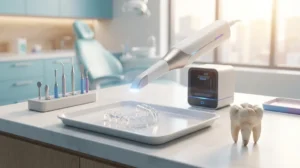
Same-day crown technology uses digital scans to create a precise fit — which means less chance of a loose or poorly fitting crown from the start. Curious about the difference? Read about same-day crowns vs. traditional crowns to see why so many patients love this option.
When to Call Your Dentist Immediately
Some crown situations are dental emergencies. Call your dentist right away if you experience:
- Severe pain or sensitivity after the crown falls off
- Visible cracks or breaks in the underlying tooth
- Signs of infection (swelling, fever, bad taste)
- The crown has fallen off multiple times in a short period
- You accidentally swallow or inhale the crown
You can reach the team at Dental Theory easily — just get in touch with Dental Theory and they’ll get you seen quickly. You can also schedule an appointment online for fast, convenient booking.
For urgent crown issues, also check out dental emergency treatment options to know what to expect when you arrive.
Insurance and the Cost of Crown Replacement
One of the first things people worry about when a crown falls off is the cost. The good news is that many dental insurance plans cover crown re-cementing or replacement, especially if it’s tied to decay or structural damage. Understanding your benefits ahead of time can save you a lot of stress.
Before you assume you’re on the hook for the full bill, explore your options with dental insurance coverage at Dental Theory. You can also read about 5 insurance mistakes that cost you on dental crowns to make sure you’re maximizing your benefits.
Not sure what your insurance covers? The friendly team at Dental Theory is happy to help you navigate it. Visit us on Google — Dental Theory to read what patients are saying about their experience with us, including how we make billing easy and stress-free.
Wrapping It All Up
If you keep asking “why does my crown keep falling off,” the answer almost always comes down to one of these 9 reasons: failed cement, decay, insufficient tooth structure, a poor fit, grinding, food choices, age, root canal changes, or gum recession. The great news is that every single one of these problems has a solution.
The key is not to ignore it. A crown that keeps falling off is a sign that something needs attention. The longer you wait, the more complicated (and costly) the fix can become. Catching it early keeps things simple.
Whether you need a re-cementing, a brand new crown, or a full evaluation to figure out what’s going on, the team at Dental Theory in Brandon, FL is here to help. Dr. K’s same-day crown technology means you can get a perfectly fitted, beautiful ceramic crown without a second visit. Reach out to Dental Theory today and let’s get your smile feeling secure and confident again — for good!
You deserve a crown that stays put. Let’s make that happen. Also, visit us on Facebook to stay connected and see the latest news, tips, and smiles from our practice.
FAQs
Q: Why does my crown keep falling off even after being re-cemented?
A: If your crown keeps falling off even after re-cementing, there’s likely an underlying issue like tooth decay, insufficient tooth structure, or a poor crown fit that needs to be addressed first. Simply re-cementing without fixing the root cause is just a short-term patch — your dentist should do a full evaluation to find the real problem and give you a long-lasting solution!
Q: Is it a dental emergency if my crown falls off?
A: It depends! If you’re in severe pain, notice swelling, or see visible damage to the underlying tooth, call your dentist right away — that’s an emergency. If there’s no pain and the tooth looks intact, it’s still urgent (call within 24 hours), but you can protect the tooth temporarily with over-the-counter dental cement while you wait for your appointment.
Q: Can I eat normally after my crown falls off?
A: It’s best to avoid eating on the side where your crown fell off, especially hard, sticky, hot, or cold foods that can irritate the exposed tooth. Stick to soft foods like yogurt, mashed potatoes, or soup until you can see your dentist — your exposed tooth is vulnerable and deserves a little TLC!
Q: How long should a dental crown last before it needs replacing?
A: Most dental crowns last between 10 and 15 years, though well-cared-for crowns can last even longer. Factors like good oral hygiene, avoiding teeth grinding, skipping hard and sticky foods, and regular dental visits all play a big role in extending your crown’s lifespan. Think of your crown like a car — regular maintenance keeps it running smoothly!
Q: What is a same-day crown and is it more likely to stay in place?
A: A same-day crown is a permanent crown made in a single dental visit using digital scanning and milling technology — no temporary crowns, no waiting weeks for a lab. Because same-day crowns are digitally designed for a precise fit, they can actually stay in place more reliably than traditionally made crowns. At Dental Theory in Brandon, FL, Dr. K offers same-day ceramic crowns that look natural and fit beautifully!