Key Takeaways
-
Most root canal teeth require a crown to prevent fractures; skipping it is one of the costliest dental mistakes, often leading to extraction and expensive implants instead of a simple crown placement.
-
Get your crown within 30 days of root canal treatment; delaying allows temporary fillings to break down, enabling bacterial re-entry and tooth cracking before the crown is placed.
-
Root canal teeth become brittle and vulnerable after the pulp is removed; without a blood supply and protective covering, they crack easily during normal chewing despite feeling pain-free.
-
Dental insurance often covers a significant portion of crown costs after root canal treatment; always request pre-authorization and ask about payment plans before declining due to cost concerns.
-
Same-day ceramic crowns eliminate inconvenience of multiple appointments and temporary crowns; advanced in-office technology allows crowns to be designed, milled, and permanently placed in one visit.
-
Back molars and premolars almost always need crowns after root canal; front teeth may sometimes avoid crowns, but your dentist should assess remaining tooth structure to determine what's necessary.
You just had a root canal. Maybe it wasn’t as scary as you expected. Now your dentist mentions a crown, and suddenly you’re wondering — do I really need this? Is this just an extra expense? These are totally fair questions, and you deserve honest answers.
The truth is, skipping a crown after a root canal is one of the most common — and costly — dental mistakes people make. In this article, we’ll walk you through exactly what happens after a root canal, when a crown is necessary, and the four big mistakes that could put your tooth at risk. Whether you’re dealing with this right now or planning ahead, this guide is for you.
Understanding your options helps you make smarter decisions for your smile. And if you’re in Brandon, FL, the team at Dental Theory is always here to help you navigate every step of your dental care journey.
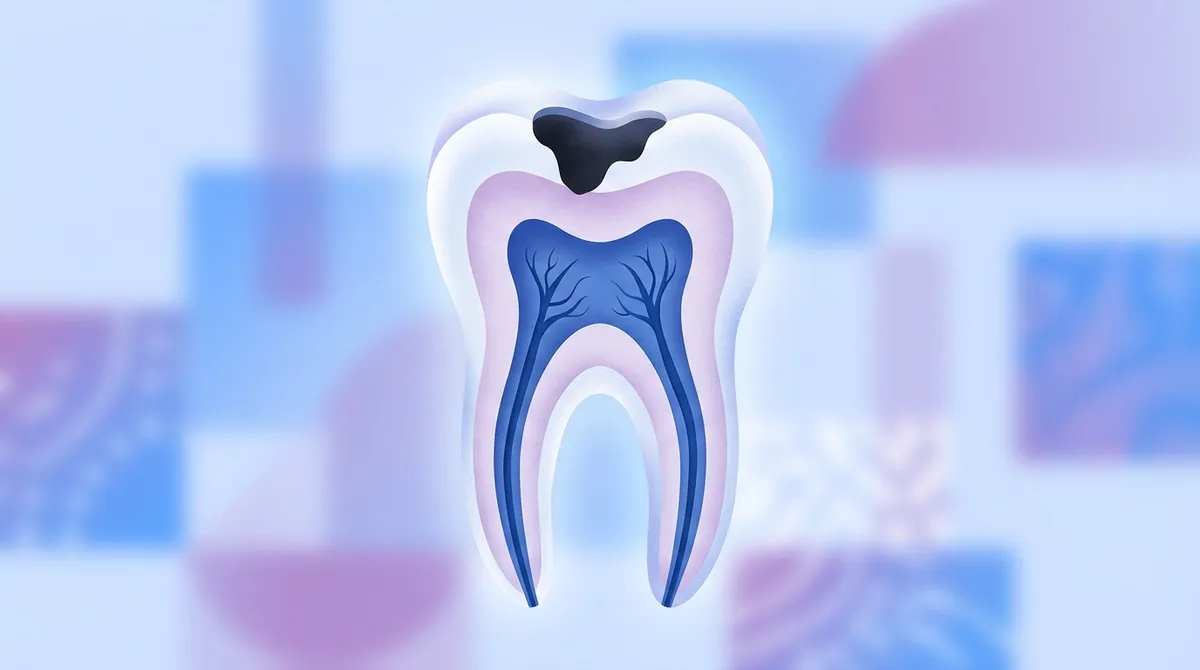
What Happens to Your Tooth After a Root Canal?
During a root canal, the inner pulp of your tooth is removed. This pulp contains nerves and blood vessels. Once it’s gone, your tooth can no longer feel temperature or pain signals the same way. Learn more about what a root canal procedure involves and why you shouldn’t fear it.
Here’s what changes after the procedure:
- The tooth becomes more brittle over time
- There is no longer a blood supply nourishing the tooth structure
- The tooth becomes more vulnerable to cracks and fractures
- The tooth still needs to handle chewing forces every day
Think of it like a dried-out tree branch. It looks solid, but it snaps far more easily than a living branch. That’s why protecting the tooth becomes so important after a root canal.
Do You Need a Crown After a Root Canal?
This is the big question everyone asks. The short answer is: most of the time, yes. But the full answer depends on a few factors.
Here’s a helpful breakdown:
| Tooth Type | Crown Typically Needed? | Why |
|---|---|---|
| Back molars and premolars | Almost always yes | These teeth handle heavy chewing forces |
| Front teeth (incisors/canines) | Often yes, sometimes no | Less biting force, but still brittle |
| Teeth with large existing fillings | Strongly recommended | Less natural tooth structure remains |
| Teeth with minimal damage | May be possible without | More tooth structure intact |
For a deeper look at the relationship between these two procedures, check out this helpful guide on dental crowns and root canals — what you need to know.
The best person to make this call is your dentist. They can assess how much natural tooth structure is left and how much force your tooth faces daily. If you’re wondering whether to choose a crown after a root canal vs. a filling, your dentist will guide you based on your specific situation.
Why Crowns Protect Root Canal Teeth So Well
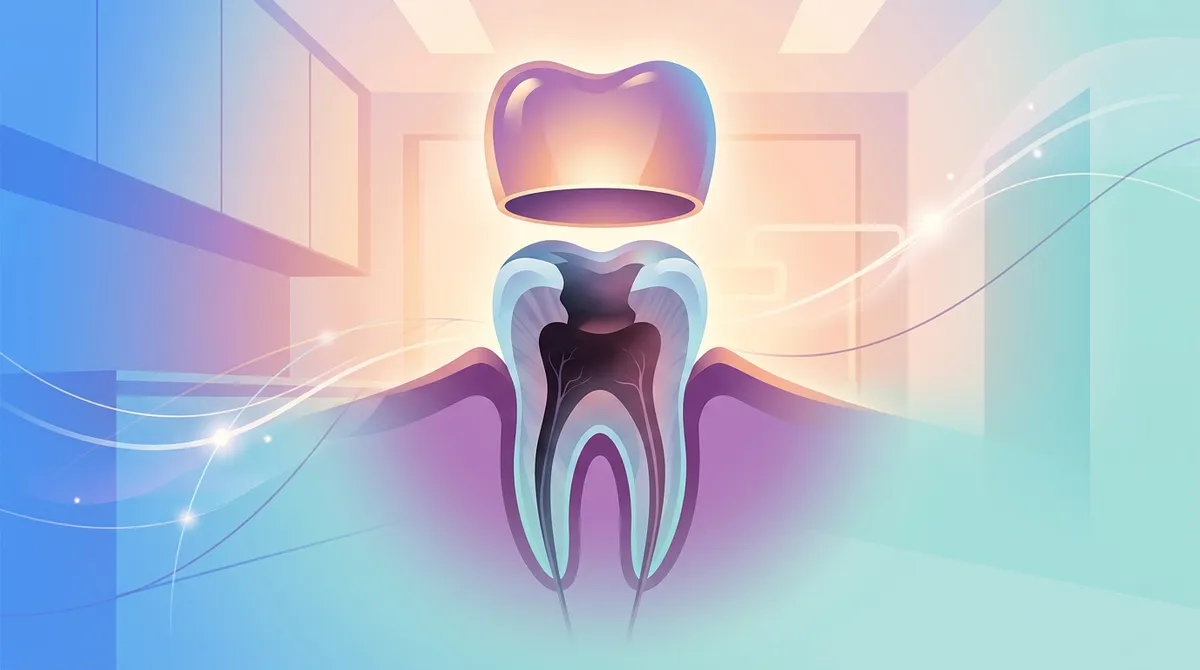
A dental crown acts like a protective helmet for your tooth. It covers the entire visible surface above the gumline. This is especially important for teeth that have been through a root canal.
Here are the key benefits a crown provides:
- Prevents fracture: Brittle teeth crack easily without coverage
- Restores full function: You can chew normally again
- Seals the tooth: Keeps bacteria from re-entering
- Improves appearance: Matches the color of your natural teeth
- Extends tooth life: Helps your tooth last for many more years
Want to understand more about how this protection works? Read about how dental crowns work to protect your teeth. At Dental Theory in Brandon, FL, Dr. K places ceramic crowns that look completely natural and blend in with your smile.
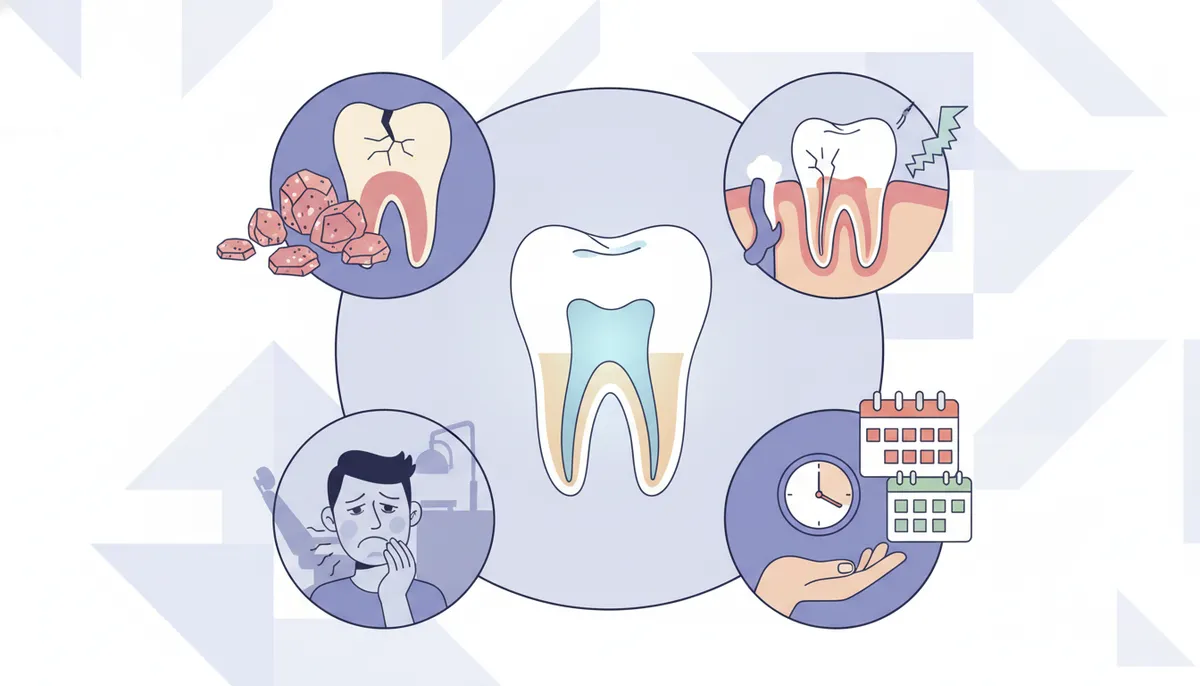
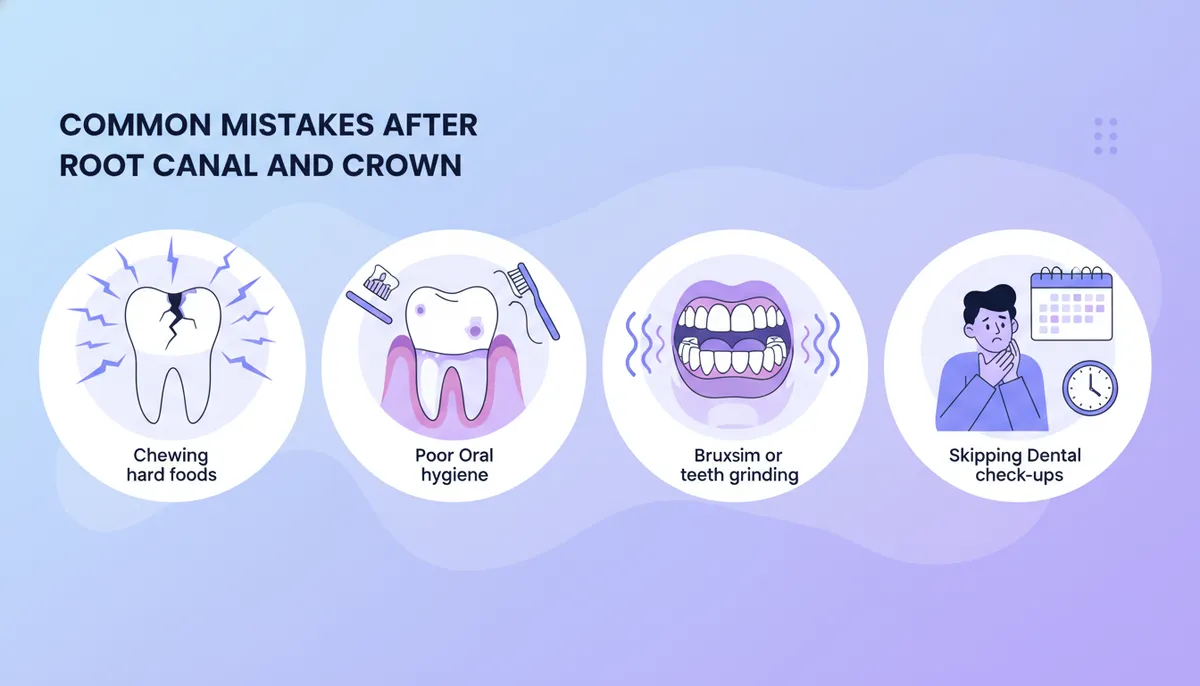
The 4 Mistakes to Avoid After a Root Canal
Now let’s get to the heart of this article. These are the four most damaging mistakes patients make after getting a root canal — and how to avoid them.
Mistake 1: Skipping the Crown Because It Feels Fine
This is the number one mistake. Many people feel great after a root canal. The pain is gone. Everything seems okay. So they skip the crown and move on.
Here’s the problem: no pain doesn’t mean no risk. The tooth is now fragile. It can crack during a normal meal — even chewing something as simple as a carrot or a crusty piece of bread.
When a root canal tooth fractures without a crown, the crack often goes below the gumline. At that point, the tooth usually can’t be saved. You end up needing an extraction instead of a simple crown. That’s a much more expensive and complicated outcome.
Read more about why dentists recommend dental crowns and the top reasons behind it to understand why this step matters so much.
Mistake 2: Waiting Too Long to Get the Crown
Maybe you agreed to get a crown, but you’re putting it off. Life gets busy. Schedules get full. A few weeks turn into a few months.
Waiting too long creates real risks:
- The temporary filling used after your root canal can break down
- Bacteria can seep back into the tooth
- The tooth can crack before the crown is placed
- You may need additional treatment if the tooth becomes re-infected
Most dentists recommend getting your crown placed within a few weeks of your root canal — ideally within 30 days if possible. Procrastinating can turn a simple crown appointment into a much bigger dental issue.
If timing is a concern, ask about same-day crowns in Brandon — a fast option that means no second appointment and no long wait. Dr. K at Dental Theory offers same-day ceramic crowns so you can walk in and walk out with a fully restored smile in just one visit.
Mistake 3: Choosing the Wrong Type of Crown
Not all crowns are created equal. The material matters a great deal — especially for a tooth that has already been through a root canal.
Here’s a quick comparison of crown materials:
| Crown Material | Appearance | Durability | Best For |
|---|---|---|---|
| Ceramic (all-porcelain) | Most natural-looking | Very durable | Front and back teeth |
| Porcelain-fused-to-metal | Good appearance | Strong | Back teeth |
| Metal (gold or silver) | Noticeable | Very strong | Back molars |
| Zirconia | Natural-looking | Extremely strong | High-pressure areas |
At Dental Theory, all crowns are ceramic — meaning they look completely natural. You don’t have to choose between strength and aesthetics. Ceramic crowns deliver both. Learn more about why porcelain dental crowns are often the best choice.
Curious about which crown material might be best for your specific situation? Explore which dental crown material is best for you.
Mistake 4: Ignoring Insurance and Payment Options
Some patients skip crowns because of cost concerns. This is completely understandable. But the good news is that dental insurance often covers a significant portion of crown costs — especially when the crown is medically necessary after a root canal.
Here’s what to do before dismissing the crown on cost grounds:
- Check your insurance plan to see what percentage is covered
- Ask your dental office to submit a pre-authorization to your insurer
- Ask about payment plans if out-of-pocket costs are a concern
- Consider the long-term cost of NOT getting a crown (extraction + implant is far more expensive)
Avoiding the crown to save money now often leads to spending far more later. A broken tooth that can’t be saved will need an implant or bridge — both of which cost significantly more than a crown. Read about common insurance mistakes that cost you on dental crowns so you can sidestep those pitfalls.
Same-Day Crowns: A Game-Changer After Root Canal Treatment
One of the biggest barriers to getting a crown used to be the inconvenience. Traditional crowns required two appointments, a temporary crown in between, and weeks of waiting.
That’s no longer the case at Dental Theory. Dr. K uses advanced technology to create and place same-day ceramic crowns in a single visit. Here’s how the process typically works:
- Your tooth is examined and prepared
- Digital impressions are taken (no messy dental putty)
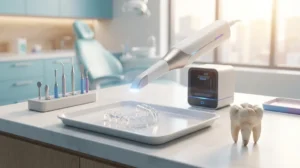
- Your custom ceramic crown is designed and milled in the office
- The crown is fitted, adjusted, and permanently placed — same day
This is especially convenient right after a root canal. You can bundle the root canal treatment and crown into a streamlined experience without multiple trips. See a full same-day crown process step-by-step to know exactly what to expect.
How Long Will a Crown on a Root Canal Tooth Last?
With proper care, a well-placed ceramic crown can last 15 years or more. Some crowns last 20+ years. The key factors that affect crown longevity include:
- Brushing and flossing daily
- Attending regular dental cleanings and checkups
- Avoiding habits like chewing ice or grinding your teeth
- Wearing a nightguard if you grind at night
For a full breakdown, read how long dental crowns last and what you need to know.
What If Your Crown Falls Off a Root Canal Tooth?
This can happen, and it can feel alarming. But don’t panic. Here’s what to do if your crown comes off a root canal tooth:
- Keep the crown safe — your dentist may be able to reattach it
- Don’t chew on that side of your mouth
- Call your dental office as soon as possible
- Avoid leaving the tooth uncovered for long periods
You can read more about what to do when a crown falls off a root canal tooth for step-by-step guidance. Dental Theory also offers emergency dental care, so you’re never left without options when something unexpected happens.
When a Crown Might Not Be Necessary
In rare cases, your dentist might determine that a crown isn’t needed. This typically applies to:
| Scenario | Crown Needed? | Alternative |
|---|---|---|
| Front teeth with minimal existing damage | Sometimes no | Composite filling may suffice |
| Teeth with most natural structure intact | Possibly no | Strong bonded filling |
| Temporary solution needed | Not immediately | Build-up filling short term |
Even in these situations, your dentist will monitor the tooth closely. The goal is always to protect your natural tooth for as long as possible. If you’re unsure whether you need a crown or a filling, read this guide on dental crown vs. filling — who really needs a crown.
How Dental Theory in Brandon Makes Crown Placement Easy
At Dental Theory, the goal is to make your dental experience as smooth and stress-free as possible. Dr. K specializes in adult and cosmetic dentistry, including same-day ceramic crowns that look and feel completely natural.
Here’s what sets the experience apart:
- Same-day ceramic crowns — no waiting, no second visit
- Digital impressions for precise, comfortable fit
- Natural-looking ceramic materials that blend with your smile
- Friendly, low-stress environment for patients of all ages
- Flexible insurance and payment options
You can also schedule an appointment online — fast and easy, no phone call needed. And if you’d like to read what real patients are saying, visit Dental Theory on Google to see their reviews firsthand.
Want to learn even more about crowns and how to care for them long-term? Read our guide on how to care for a dental crown and make it last.
Conclusion: Don’t Let a Good Root Canal Go to Waste
A root canal saves your tooth. A crown protects it. Together, they give your tooth the best possible chance of lasting a lifetime. Skipping the crown — or delaying it — puts everything you just went through at risk.
The four mistakes to avoid are simple: don’t skip the crown, don’t wait too long, don’t ignore material quality, and don’t let cost fears stop you from exploring your options. With same-day ceramic crowns available at Dental Theory in Brandon, FL, there’s never been a better or more convenient time to protect your smile.
Ready to take the next step? Reach out to the Dental Theory team today and let Dr. K create a same-day crown that fits perfectly, looks amazing, and protects your tooth for years to come. You can also visit us on Facebook to stay connected and see the latest updates from our practice.
FAQs
Q: Do I always need a crown after a root canal?
A: Not always, but most of the time — especially for back teeth that handle heavy chewing. Your dentist will assess how much natural tooth structure remains and recommend the best option for long-term protection. When in doubt, a crown is the safer choice to prevent fracture and re-infection.
Q: How soon should I get a crown after a root canal?
A: Most dentists recommend getting your crown within 30 days of your root canal. The longer you wait, the greater the risk of cracking or bacterial re-entry through the temporary filling. Ask about same-day crowns if you want to skip the waiting entirely!
Q: What happens if I don’t get a crown after a root canal?
A: Without a crown, your treated tooth becomes vulnerable to cracks and fractures — often to the point where the tooth can’t be saved. This usually leads to extraction and a more costly replacement like an implant. A crown is a smart investment to protect the root canal work you’ve already done.
Q: Can I get a same-day crown after a root canal?
A: Yes! At Dental Theory in Brandon, FL, Dr. K offers same-day ceramic crowns using advanced in-office technology. You can have your crown designed, made, and placed in a single visit — no temporary crown, no waiting, no second appointment needed.
Q: Does insurance cover a crown after a root canal?
A: In many cases, yes! Dental insurance often covers a significant portion of crown costs, especially when it’s deemed medically necessary following a root canal. Always ask your dental office to submit a pre-authorization so you know your out-of-pocket costs before committing.