Key Takeaways
-
Call your dentist within 24-48 hours even if there’s no pain, as the exposed tooth is vulnerable to bacterial decay, temperature sensitivity, and cracking without the crown’s protection.
-
A painless crown loss often means the nerve is not exposed or irritated (common in root canal-treated teeth), but root canal teeth are more brittle and need prompt re-cementing to prevent fracturing.
-
Common causes of crown loss include aged dental cement breakdown, decay under the crown, hard/sticky food trauma, teeth grinding, poor crown fit, and mouth injury—knowing the cause helps prevent recurrence.
-
Seek immediate dental care if you notice visible decay, swollen gums, sudden pain, sensitivity, or if the crown fell off a front tooth, as these signs indicate complex issues requiring urgent treatment.
-
Store the fallen crown carefully and use over-the-counter dental cement as a temporary protective measure only; your dentist can often re-cement the same crown same-day or provide a new ceramic crown in one visit.
-
Prevent future crown loss by brushing twice daily, flossing gently, avoiding hard/sticky foods, wearing a night guard if you grind teeth, and attending dental checkups every six months to catch loosening early.
You’re eating dinner, biting into something chewy, and suddenly — something small and hard is in your mouth. You realize your permanent crown fell off. No pain, though. So you wonder: is this actually a dental emergency? Can you wait a few days? The short answer is yes, a crown falling off with no pain is less urgent than one that causes immediate agony — but it still needs prompt attention. Understanding the difference between painless and painful crown loss can help you make smart decisions about your next steps.
In this article, we break down what it means when your permanent crown fell off with no pain, how that compares to a crown that falls off with pain, and what you should do in either situation. Whether you’re in Brandon, FL, or just looking for solid dental guidance, this guide has you covered.
Why Permanent Crowns Fall Off
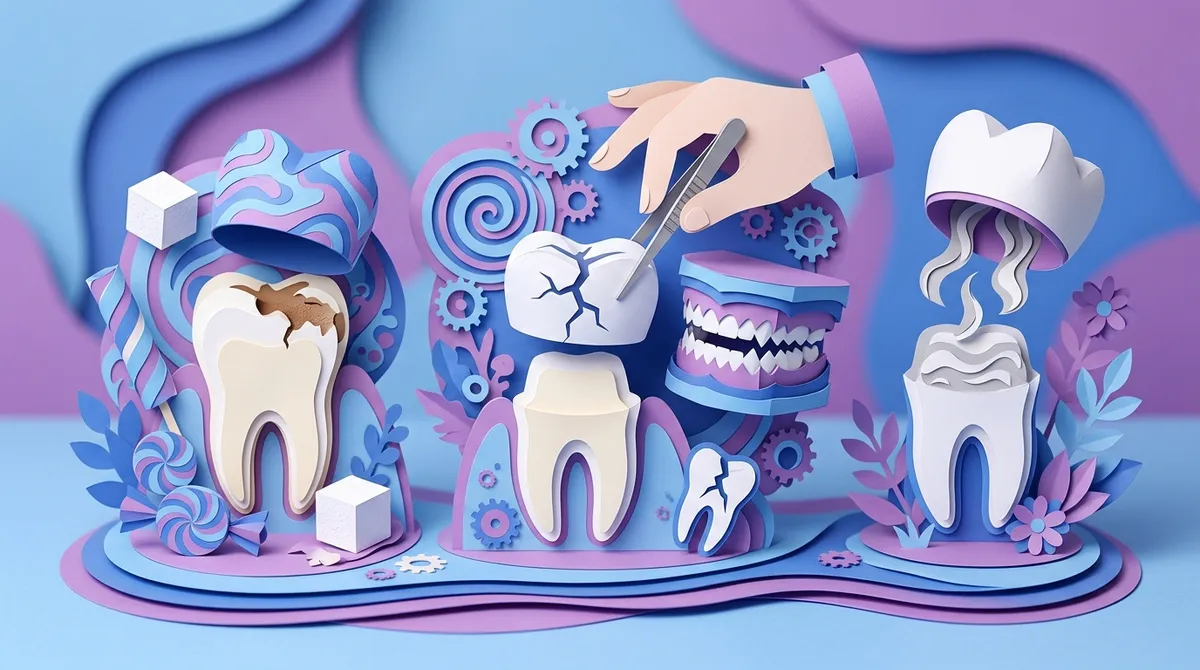
Before diving into the pain versus no-pain comparison, it helps to understand why crowns fall off in the first place. A crown is essentially a cap that sits over a damaged or weakened tooth. It’s cemented in place, but over time, several things can cause it to come loose. Knowing the cause helps your dentist find the right fix.
Common reasons permanent crowns fall off include:
- Old or worn dental cement that breaks down over time
- Decay forming under the crown and weakening the tooth structure
- Biting down on hard or sticky foods
- Teeth grinding (bruxism) that places repeated pressure on the crown
- A poorly fitting crown that never bonded securely
- Trauma or injury to the mouth
If your crown fell off and you’re wondering if it can be reattached, the answer depends on the condition of the tooth underneath. Sometimes your dentist can re-cement the same crown. Other times, a new crown is needed.

Permanent Crown Fell Off No Pain vs. With Pain: A Quick Comparison
The presence or absence of pain tells your dentist a lot about what’s happening underneath the crown. Here’s a side-by-side look at what each scenario might mean:
| Factor | Crown Fell Off — No Pain | Crown Fell Off — With Pain |
|---|---|---|
| Urgency Level | Moderate — call your dentist within 24–48 hours | High — seek dental care the same day |
| Likely Cause | Cement failure or normal wear over time | Decay, nerve exposure, or cracked tooth |
| Nerve Involvement | Unlikely — nerve may be protected or removed (root canal) | Likely — nerve may be irritated or exposed |
| Risk to Tooth | Lower, but still present if left untreated | Higher — nerve damage or infection possible |
| Temporary Fixes at Home | Dental cement from pharmacy (short-term only) | Pain reliever while waiting for appointment |
| Treatment Timeline | Can often wait 1–2 days if no symptoms appear | Should be seen immediately |
What Happens When a Permanent Crown Falls Off With No Pain
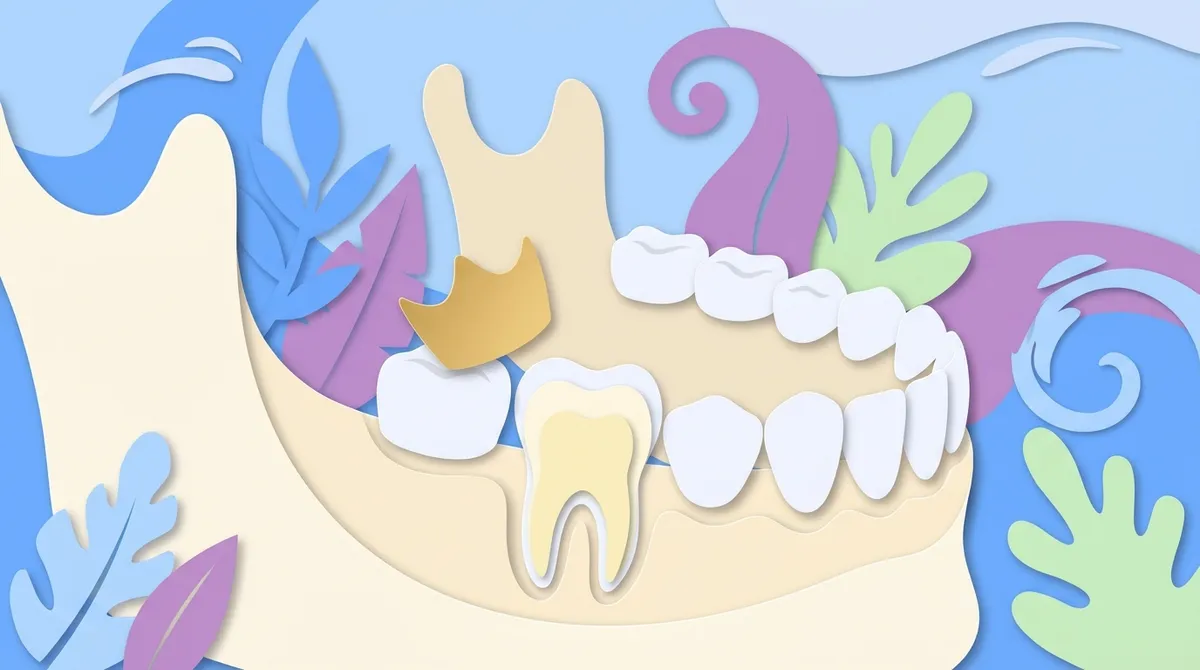
It might feel like a lucky break when your permanent crown falls off with no pain. And in some ways, it is. Pain-free crown loss often means the nerve inside the tooth is not exposed or irritated. This is common in teeth that have already had a root canal — where the nerve has been removed — or in cases where the cement simply gave out and the tooth underneath is still healthy.
That said, don’t let the lack of pain fool you into thinking it’s fine to ignore. Here’s what’s happening to the exposed tooth while you wait:
- The dentin layer (beneath the enamel) is now exposed to bacteria
- Temperature sensitivity may develop within hours or days
- The tooth becomes more fragile and prone to cracking or chipping
- Bacteria can start causing decay rapidly without the crown’s protection
- Adjacent teeth can begin to shift into the open space
So while a permanent crown fell off no pain situation is less of a 911 dental emergency, it absolutely still warrants a quick call to your dentist. You can reach out to the Dental Theory team to get assessed quickly and comfortably.
What Happens When a Crown Falls Off With Pain
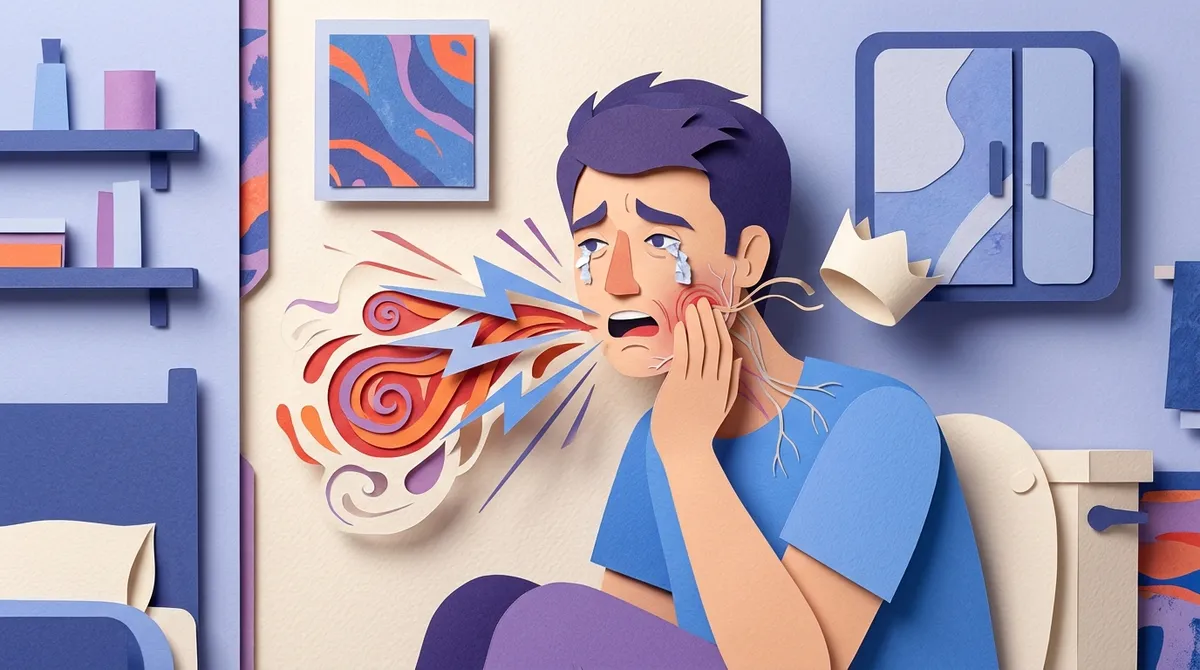
Pain changes everything. When a crown falls off and you immediately feel discomfort, that’s your tooth — and possibly your nerve — sending you a signal. Pain after crown loss usually means one of the following is going on:
- Decay under the crown: Bacteria have been at work under the crown, and the tooth structure is compromised. The exposed decay can be very sensitive.
- Cracked or fractured tooth: The crown may have come off because the tooth beneath it broke. A cracked tooth is painful because the nerve gets stimulated when pressure is applied.
- Exposed nerve endings: If decay or trauma has reached close to the pulp (the inner part of the tooth), even a little air exposure can trigger sharp, immediate pain.
- Gum inflammation: Sometimes swollen gum tissue around the crown base contributes to pain when the crown dislodges.
In these cases, it’s important to seek dental emergency treatment as soon as possible. Waiting can allow infection to set in or make the tooth harder to save. You can also learn more about how to handle a fallen crown without damaging your tooth while you wait for your appointment.
The Role of Root Canal Teeth in Pain-Free Crown Loss
One of the most common reasons a permanent crown falls off with absolutely no pain is a prior root canal. During a root canal, the nerve inside the tooth is removed. That means the tooth can no longer feel temperature, pressure, or pain in the traditional sense.
If your crown is on a tooth that’s had a root canal, it makes perfect sense that losing the crown didn’t hurt. But here’s the thing — that tooth is still vulnerable. In fact, root canal-treated teeth are more brittle than natural teeth and rely heavily on the crown for structural support. Without the crown, that tooth could crack or fracture, which would be a much bigger problem to fix. Learn more about dental crowns and root canals to understand how they work together to protect your smile.
Comparing Your Crown Replacement Options
Once your dentist evaluates the fallen crown and the tooth underneath, they’ll recommend the best path forward. Here’s a comparison of the most common options:
| Option | Best For | Timeline | Notes |
|---|---|---|---|
| Re-cementing the original crown | Crown is intact and tooth is healthy | Same-day or next day | Quick and cost-effective if crown fits well |
| Same-day crown | Original crown is damaged or doesn’t fit | One visit, same day | Digital scanning and milling — no waiting weeks |
| New traditional crown | Complex cases needing a custom lab crown | 2–3 weeks with temporary crown | Requires two visits and a temporary crown in between |
| Dental implant | Tooth cannot be saved | Several months total | Best long-term solution if the tooth needs extraction |
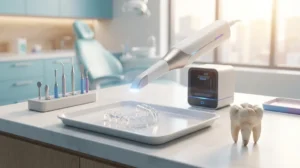
At Dental Theory in Brandon, FL, Dr. K offers same-day crowns — so if your original crown can’t be reused, you won’t have to walk around with a temporary crown for weeks. Using advanced digital technology, a custom ceramic crown can be designed, milled, and placed in a single visit. That’s a game-changer for busy adults who don’t want multiple dental appointments. Find out more about same-day crowns in Brandon and how the process works.
Step-by-Step: What to Do Right After Your Crown Falls Off
Whether your permanent crown fell off with no pain or with discomfort, here’s exactly what to do in the first few hours:
- Don’t panic. This is more common than you think, and it’s usually very treatable.
- Keep the crown safe. Rinse it gently with water and store it in a small bag or container to bring to your appointment.
- Rinse your mouth. Use warm saltwater to clean the area and remove any debris around the exposed tooth.
- Protect the tooth. If you have dental cement from a pharmacy, you can apply a small amount temporarily. This is not a permanent fix — just a short-term measure.
- Avoid certain foods. Skip sticky, hard, and very hot or cold foods and drinks until your crown is replaced. Here’s a list of foods to avoid with crowns.
- Call your dentist promptly. Even if there’s no pain, contact your dental office to schedule an appointment as soon as possible.
Not sure if your situation qualifies as a dental emergency? This guide on dental emergencies can help you figure out how quickly you need to be seen.
Signs You Should See a Dentist Immediately
Even in a no-pain crown situation, certain warning signs mean you shouldn’t wait at all. Head straight to the dentist if you notice:
- Visible decay, darkening, or damage on the exposed tooth
- Bleeding or swollen gum tissue around the tooth
- Pain that develops hours after the crown fell off
- Sensitivity to cold, heat, or sweet foods
- A crown that fell off a front tooth (for cosmetic and functional reasons)
- A bad taste or odor coming from the area
These are signs that something more complex may be going on beneath the surface. The faster you act, the better your chances of saving the tooth and avoiding more extensive treatment. You can also learn why crowns keep falling off to prevent this from happening again.
Preventing Future Crown Loss
Once your crown is reattached or replaced, a few good habits can help it stay in place for many years. Most quality ceramic crowns last 10–15 years or longer with proper care. Here’s how to protect your investment:
- Brush twice daily with a soft-bristle toothbrush
- Floss gently around the crown each day
- Avoid chewing ice, hard candy, and extremely sticky foods
- Wear a night guard if you grind your teeth
- Attend regular dental checkups every six months
Routine visits allow your dentist to spot early signs of crown loosening before the crown actually falls out. If you’re looking for a caring dental home in Brandon, FL, see what Dental Theory patients are saying on Google and find out why so many families trust us with their smiles. You can also check out our complete guide on how to care for a dental crown to keep yours in top shape.
A Note on Insurance and Crown Replacement Costs
One concern many patients have when a crown falls off — especially without pain — is whether it will be covered by insurance. The good news is that most dental insurance plans do cover crown replacement when it’s medically necessary. However, there are often waiting periods and coverage limits to navigate. Avoid these 5 insurance mistakes that cost you on dental crowns to make the most of your benefits. Dental Theory also works with a variety of insurance plans and offers flexible options to help make your care affordable.
For those without dental insurance, don’t let cost be a reason to delay care. You can also check out resources like the Dental Theory in-house membership plan to get quality care at a predictable, affordable price. The folks at Bucheli Trim, who work hard with their hands every day, know better than anyone how important it is to protect what you’ve invested in — and your smile is no different.
Same-Day Crown Solutions at Dental Theory
If your permanent crown fell off — whether with pain or without — Dental Theory in Brandon, FL is ready to help. Dr. K specializes in crowns, veneers, and bridges and can evaluate your tooth, discuss your options, and in many cases, place a brand-new ceramic crown the same day. No lengthy waits. No multiple visits. Just a restored, beautiful smile as quickly as possible.
You can schedule an appointment online at any time, or simply reach out to the Dental Theory team to discuss your situation and get the care you need without delay.
FAQs
Q: Is it a dental emergency if my permanent crown fell off with no pain?
A: Great news — no pain usually means it’s not an immediate emergency! That said, you should still call your dentist within 24 to 48 hours because the exposed tooth is vulnerable to bacteria, decay, and cracking even without discomfort.
Q: Can I temporarily reattach my crown at home if there’s no pain?
A: Yes, you can use over-the-counter dental cement from a pharmacy as a short-term fix to protect the tooth. Just remember this is a temporary measure only — your dentist still needs to properly evaluate and reattach or replace the crown as soon as possible.
Q: Why did my permanent crown fall off without any pain or warning?
A: This often happens when the dental cement holding the crown in place simply wears out over time — it’s more common than you’d think! It can also happen if there’s decay slowly forming under the crown, which can loosen the bond without causing immediate discomfort.
Q: Will my dentist be able to reuse the same crown, or will I need a new one?
A: It depends on the condition of both the crown and the tooth underneath. If the crown is undamaged and the tooth is still healthy, your dentist may be able to re-cement it. If the crown is cracked or the tooth has decay, a new crown will be needed — and at Dental Theory, same-day ceramic crowns mean you won’t have to wait!
Q: How long can I wait before seeing a dentist after my crown falls off painlessly?
A: Ideally, you should see your dentist within one to two days, even without pain. Waiting longer leaves the unprotected tooth exposed to bacteria and physical damage, which could turn a simple fix into a more complex (and costly) procedure.
Our Service Area