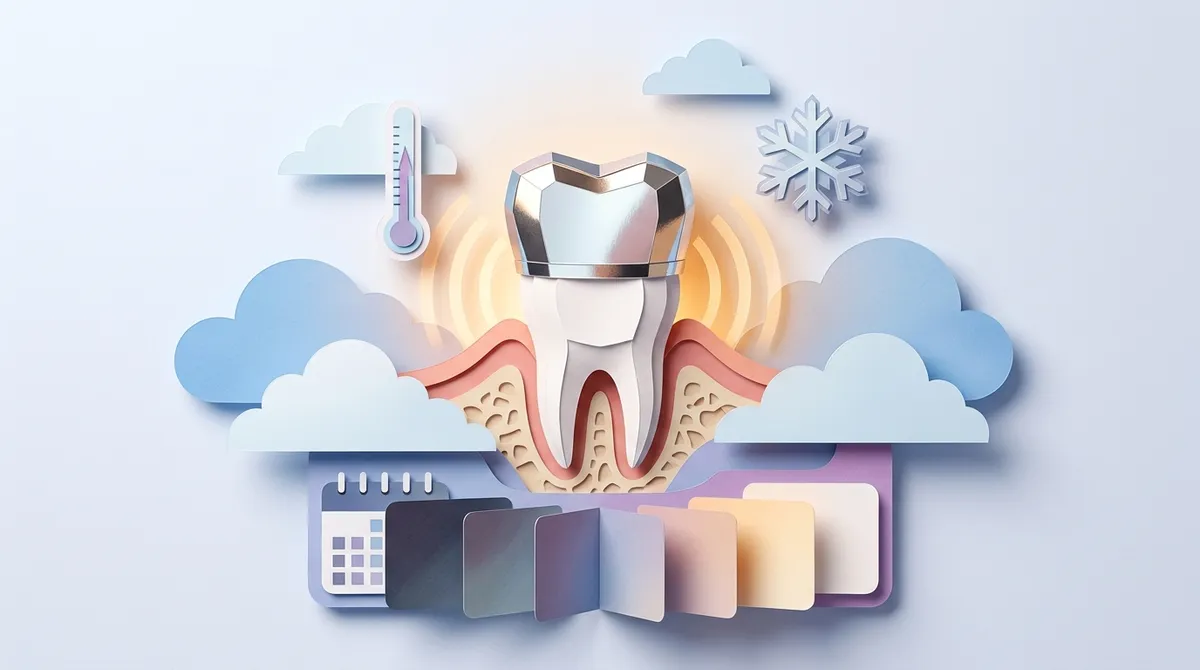
Key Takeaways
-
Most pain after a new crown is normal and temporary, typically lasting 1-2 weeks; call your dentist if pain worsens or persists beyond 2-4 weeks.
-
A bite that’s even slightly too high (off by a fraction of a millimeter) is a common cause of crown pain and can be quickly fixed with a simple adjustment.
-
Watch for warning signs like throbbing pain, worsening discomfort, swelling, fever, or bad taste, which may indicate infection or pulp damage requiring immediate dental attention.
-
Tooth sensitivity to hot and cold after crown placement is normal due to nerve irritation; use sensitive toothpaste and avoid extreme temperatures for 1-2 weeks.
-
Home remedies like over-the-counter pain relievers, warm salt water rinses, soft foods, and avoiding chewing on the crowned side can ease discomfort during healing.
-
High-quality ceramic crowns with precise digital fitting reduce post-placement sensitivity and discomfort compared to other crown materials.
You finally got your new dental crown. You were excited to have a restored, healthy smile. But now your tooth hurts, and you’re wondering what went wrong. Sound familiar? You’re not alone! Pain after a new crown is one of the most common concerns patients share with their dentist. The good news is that most of the time, this discomfort is completely normal — and temporary.
In this article, we’ll walk you through why pain after a new crown happens, what’s normal versus what needs attention, and how to feel better fast. Whether you just got a same-day crown or a traditional one, this guide will help you understand exactly what your mouth is going through right now.
Is It Normal to Have Pain After a New Crown?
Yes! A little soreness after a crown procedure is completely expected. Your dentist had to work on your tooth, which involves numbing shots, reshaping the tooth, and placing the new crown. Your mouth needs a little time to recover from all of that. Think of it like a minor workout for your tooth.
That said, not all pain is created equal. Some discomfort is normal, while other types of pain can signal something that needs a closer look. Understanding the difference helps you know when to relax and when to call your dentist.
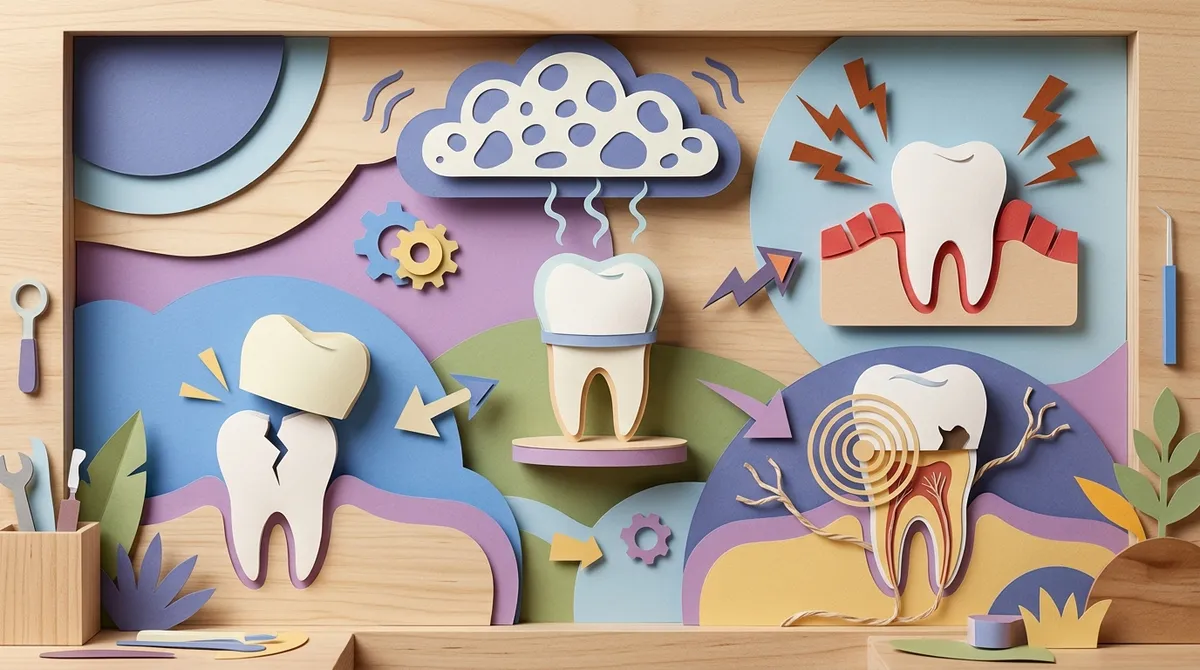
Common Causes of Pain After a New Crown
There are several reasons you might feel pain after a new crown is placed. Here are the most common ones:
- Gum soreness: The tissue around the crown may be inflamed from the procedure.
- Tooth sensitivity: The nerve inside your tooth may be temporarily irritated.
- High bite: If the crown sits just slightly too high, it creates pressure when you chew.
- Pulp inflammation: The inner tissue of the tooth can become inflamed after extensive dental work.
- Loose fit: A crown that doesn’t fit perfectly can cause discomfort over time.
- Cracked tooth underneath: In rare cases, an existing crack under the crown may cause pain.
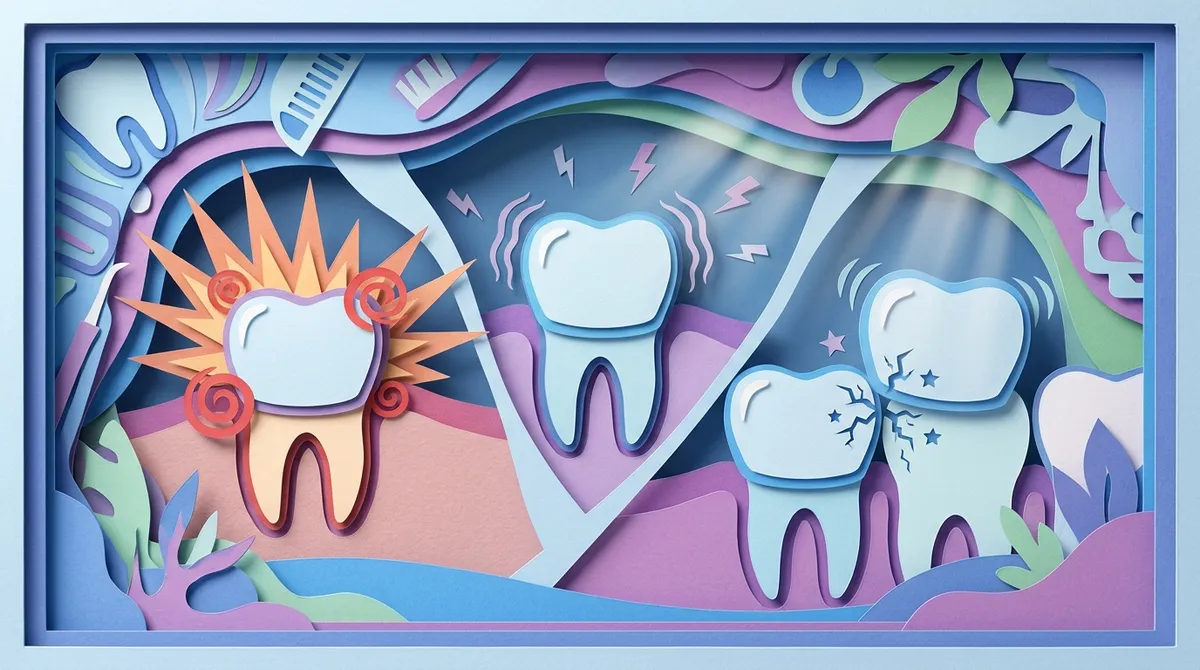
Types of Crown Pain and What They Mean
Not all pain feels the same. The type of discomfort you experience can tell you a lot about what’s happening with your new crown. Here’s a handy breakdown:
| Type of Pain | Likely Cause | Action Needed |
|---|---|---|
| Mild ache after placement | Normal healing | Wait and monitor |
| Pain when biting down | Crown too high (bite issue) | Call your dentist for an adjustment |
| Sensitivity to hot/cold | Nerve irritation | Usually resolves on its own in days to weeks |
| Throbbing or sharp pain | Possible infection or pulp damage | See your dentist soon |
| Gum tenderness near the crown | Inflamed gum tissue | Monitor; call if it lasts more than 2 weeks |

How Long Should Pain After a New Crown Last?
Most pain after a new crown should start to improve within a few days. Light soreness and sensitivity often go away on their own within one to two weeks. This is especially true for gum tenderness and mild aching.
If your pain after a new crown is still strong after two weeks, or if it’s getting worse instead of better, that’s your sign to schedule a follow-up visit. Don’t wait too long — catching small issues early makes them much easier to fix. You can learn more about what to expect during the crown process by reading about the complete dental crown process.
Why Your Bite Matters So Much
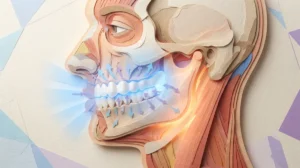
One of the most common causes of pain after a new crown is a bite that’s just slightly off. Even a tiny fraction of a millimeter can make a big difference in how your teeth come together. When your crown is a little too high, it takes more force than it should every time you bite down.
This extra pressure creates soreness not just in your crowned tooth but sometimes in your jaw and surrounding teeth too. The fix is simple — your dentist can adjust the crown’s height in just a few minutes. It’s a quick, painless procedure that can make a huge difference in your comfort. If you suspect a bite issue, don’t put it off. Contact your dentist sooner rather than later.
Tooth Sensitivity After a Crown: What’s Normal
Feeling sensitivity to hot and cold after getting a crown is very common. Here’s why it happens:
- The tooth was prepared by removing some of its outer layer (enamel) to make room for the crown.
- The nerve inside the tooth may have been disturbed during the process.
- The dental materials and adhesive used to set the crown can cause temporary nerve irritation.
- The tooth’s pulp (inner tissue) adjusts slowly to the presence of the new crown.
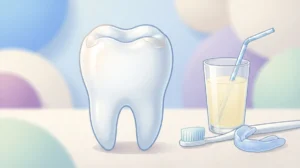
Using a toothpaste made for sensitive teeth can help a lot during this time. Try to avoid very hot or very cold foods and drinks for the first couple of weeks after your crown is placed. This gives your tooth’s nerve a chance to settle down comfortably.
When Pain After a New Crown Is a Warning Sign
Most crown pain is harmless, but sometimes it points to something that needs treatment. Here are red flags to watch for:
- Pain that gets worse each day instead of gradually improving
- Throbbing or intense pain that keeps you up at night
- Swelling in your gum or face near the crowned tooth
- Fever or bad taste in your mouth, which can signal infection
- Pain lasting longer than 2 to 4 weeks with no improvement
These symptoms may mean the tooth needs a root canal or that there’s an infection developing. Getting checked out quickly can save your tooth and prevent more serious problems down the road. For more insight, learn why your tooth might hurt under a crown and what steps to take next.
Home Remedies to Ease Crown Discomfort
While you’re waiting for things to settle, there are some easy things you can do at home to feel better:
- Take over-the-counter pain relievers like ibuprofen or acetaminophen as directed.
- Rinse with warm salt water to reduce gum inflammation and kill bacteria.
- Stick to soft foods like yogurt, mashed potatoes, and soup for the first few days.
- Avoid chewing on the side where the crown was placed until the pain subsides.
- Use sensitive toothpaste to help calm nerve irritation during brushing.
These simple steps won’t fix a serious problem, but they can make your healing process much more comfortable. They’re also a great way to protect your new crown while your mouth adjusts.
Pain After a Same-Day Crown vs. Traditional Crown
In 2026, same-day crowns have become a popular choice because they eliminate the wait and the need for a temporary crown. But does the type of crown affect how much pain you feel afterward? Here’s a comparison:
| Crown Type | Procedure Time | Temporary Crown Needed | Expected Pain Level | Healing Time |
|---|---|---|---|---|
| Same-Day Crown | 1 visit | No | Low to Moderate | 1–2 weeks |
| Traditional Crown | 2+ visits | Yes | Low to Moderate | 1–2 weeks |
The level of pain after a new crown is generally similar for both types. With same-day crowns, you skip the temporary crown stage, which can actually reduce some sources of irritation. However, both types can cause mild soreness and sensitivity during the healing period. See how same-day and traditional crowns compare to find the best fit for your smile.
What Dental Theory Does to Minimize Crown Discomfort
At Dental Theory in Brandon, FL, patient comfort is always the top priority. Dr. K uses the latest technology and precision ceramic crowns — including same-day crowns — to ensure the best possible fit. A well-fitted crown means less chance of bite problems and a smoother recovery for you.
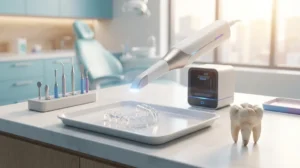
Every crown at Dental Theory is made from high-quality ceramic material that looks natural and feels comfortable. The practice uses digital imaging and advanced equipment to get the most accurate crown fit possible. This attention to detail significantly reduces the risk of post-crown discomfort. You can even schedule an appointment online at your convenience to get started.
Crown Materials and Sensitivity: What You Need to Know
The material your crown is made from can influence how your tooth responds after placement. Here’s a quick look at how different materials compare in terms of comfort and sensitivity:
| Crown Material | Sensitivity Risk | Durability | Natural Appearance |
|---|---|---|---|
| All-Ceramic / Porcelain | Low | High | Excellent |
| Porcelain-Fused-to-Metal | Moderate | High | Good |
| Metal (Gold/Alloy) | Low to Moderate | Very High | Poor (visible metal) |
Dental Theory exclusively uses ceramic crowns, which are known for their low sensitivity risk and beautiful, natural appearance. Ceramic is also biocompatible, meaning your body is less likely to react to it negatively. This helps reduce post-placement discomfort significantly. For more details, check out why porcelain dental crowns are the best choice for your smile.
How to Prevent Pain After a New Crown
While some discomfort is unavoidable, there are steps you can take to minimize pain after your crown is placed:
- Follow all post-procedure instructions your dentist gives you carefully.
- Call your dentist right away if the bite feels off — don’t wait for it to “settle.”
- Brush gently around the crowned tooth during the first week of healing.
- Avoid sticky, hard, or chewy foods that can stress the new crown.
- Keep up with regular dental check-ups so any issues are caught early.
Taking care of your new crown is just like taking care of any investment — a little extra attention in the beginning goes a long way. If you want to know more about ongoing crown care, read our guide on how to care for a dental crown and make it last.
When to Call Your Dentist About Crown Pain
Here’s a simple rule of thumb: if you’re unsure, just call. Your dental team would always rather hear from you than have you suffer in silence. That said, here’s a quick guide to help you decide when to reach out:
- Pain or sensitivity that lasts more than two weeks without improvement
- Sharp or throbbing pain that gets worse over time
- Visible swelling in your gum tissue near the crown
- Any sign of fever or infection
- Feeling like your bite is consistently off or uneven
Don’t ignore these signs. Your dentist can usually resolve most crown-related pain quickly and easily. Early treatment almost always means simpler and less expensive solutions. You can also explore 12 common reasons your tooth might be sensitive under a crown to better understand your symptoms.
Final Thoughts: Pain After a New Crown Doesn’t Have to Be Scary
Experiencing pain after a new crown can feel alarming, but most of the time it’s a completely normal part of the healing process. Your tooth just went through a significant procedure, and it needs a little time to adjust. With the right care and attention, most crown discomfort fades within days to a couple of weeks.
That said, always trust your instincts. If something feels wrong or the pain isn’t improving, reach out to your dentist right away. You deserve to feel comfortable and confident in your smile. The team at Dental Theory is here to support you every step of the way — from your first appointment to your full recovery and beyond.
Ready to get your crown or address any discomfort you’re experiencing? Reach out to our caring team at Dental Theory and let us help you get back to smiling with confidence. You can also visit Dental Theory on Google to read patient reviews and see what makes us Brandon’s most trusted dental home. We’d love to hear from you — and we’re always happy to connect with you on Facebook too!
Great dental experiences are built on trust, communication, and top-quality care. The content in this article was crafted with support from SEO Rocket, helping practices like Dental Theory share helpful information with families who need it most.
FAQs
Q: How long does pain after a new crown normally last?
A: Most pain after a new crown lasts about one to two weeks. Mild soreness and sensitivity are completely normal during this time. If your pain is getting worse or hasn’t improved after two weeks, give your dentist a call — it’s always better to check!
Q: What should I eat after getting a new dental crown?
A: Stick to soft foods like yogurt, soup, mashed potatoes, and scrambled eggs for the first few days. Avoid hard, crunchy, sticky, or chewy foods that could put extra stress on your new crown while it’s settling in. Your tooth will thank you for the gentle treatment!
Q: Can a crown hurt because my bite is off?
A: Absolutely! A crown that sits even slightly too high can cause significant discomfort every time you bite down. The great news is that this is one of the easiest problems to fix — your dentist can make a quick adjustment in just a few minutes during a short visit.
Q: Is sensitivity to hot and cold normal after a new crown?
A: Yes, this is very common and usually nothing to worry about! The nerve inside the tooth can be temporarily irritated by the crown preparation and placement process. Using a sensitive toothpaste and avoiding extreme temperatures for a couple of weeks usually helps a lot.
Q: When should I be worried about pain after a new crown?
A: Watch out for pain that gets worse each day, throbbing or intense pain at night, visible swelling in your gums, or any signs of fever. These symptoms can indicate an infection or a deeper issue that needs prompt attention from your dentist. Don’t wait — call your dental office right away!