Key Takeaways
-
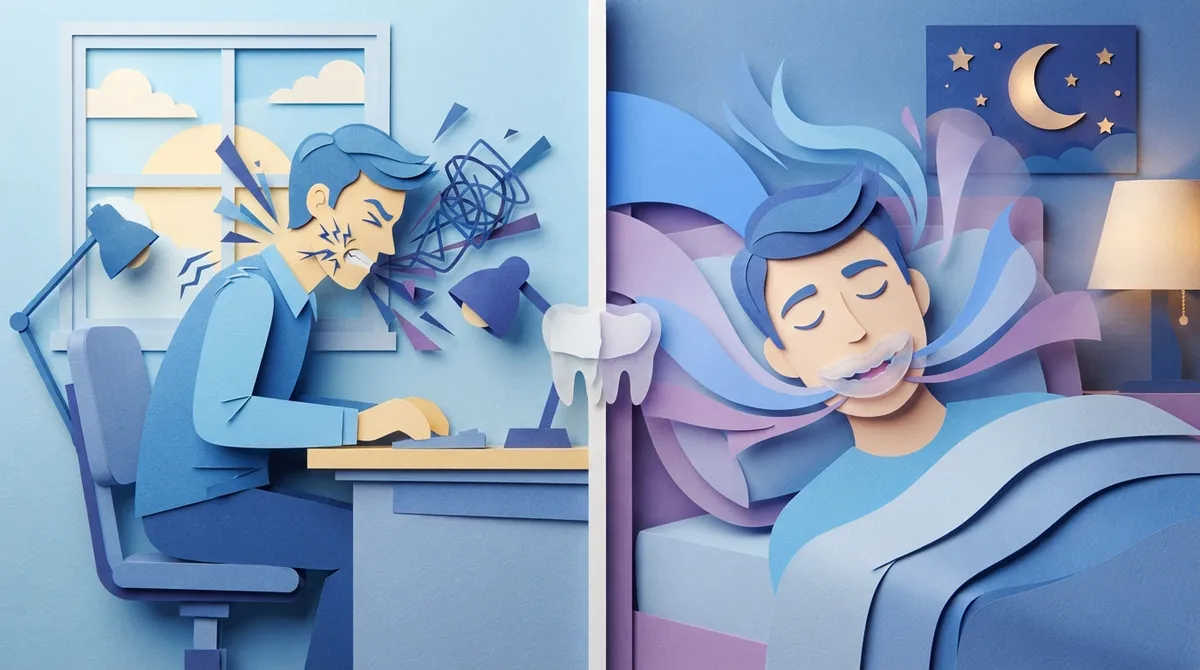
Bruxism occurs in two distinct forms: daytime clenching (stress-related, often unnoticed) and nighttime grinding (unconscious, more forceful), each requiring different treatment approaches.
-
Custom nightguards are one of the most effective protective tools for nighttime bruxism, while daytime clenching responds well to stress management, mindfulness reminders, and jaw relaxation exercises.
-
Untreated bruxism can cause serious dental damage including worn teeth, cracks, loose crowns, TMJ disorder, and increased tooth sensitivity, making early detection critical.
-
Common daytime triggers include stress, anxiety, and concentration during work or driving, while nighttime grinding links to sleep disorders, misaligned bites, and certain medications.
-
Warning signs to watch for are morning headaches, jaw soreness, visible tooth wear, flattened teeth, and increased sensitivity—scheduling a dental checkup when these appear prevents escalation.
-
Simple daily habits like taking jaw relaxation breaks, practicing deep breathing, avoiding gum chewing, limiting caffeine, and maintaining regular dental visits can reduce grinding frequency.
Ever caught yourself clenching your jaw while stuck in traffic? Or maybe your partner mentioned hearing you grind your teeth in your sleep? If both sound familiar, you’re not imagining things. Bruxism really can happen during the day and at night, and it’s more common than most people realize. At Dental Theory in Brandon, we see patients of all ages dealing with this exact issue every week.
The good news is that once you understand the difference between daytime and nighttime teeth grinding, you can take real steps to protect your smile. This guide breaks it all down in simple terms, so you know exactly what’s happening in your mouth and what to do about it.
What Is Bruxism, Exactly?
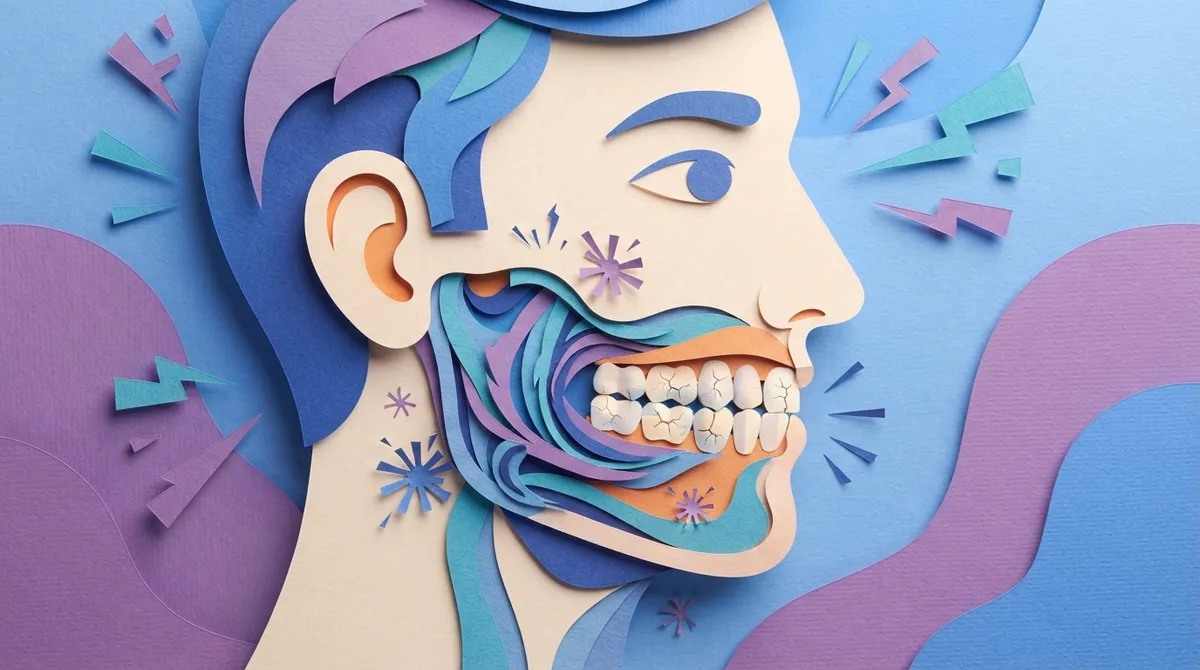
Bruxism is the medical term for grinding, clenching, or gnashing your teeth. It can happen without you even noticing. Some people grind lightly. Others clench so hard they wake up with a sore jaw or a headache.
This habit can wear down your enamel over time. It can also lead to cracked teeth, jaw pain, and even loosened dental work. If you want a deeper look at how this condition is diagnosed, check out our article on bruxism as a dental diagnosis.
Two Types of Bruxism
Dentists generally split bruxism into two categories based on when it happens:
- Awake bruxism: Happens during the day, often linked to stress or concentration
- Sleep bruxism: Happens at night, often linked to sleep disorders or misaligned bites
Both types can cause damage. But they often have different triggers and different treatment plans. Let’s look at each one closely.
Daytime Bruxism: The Silent Habit
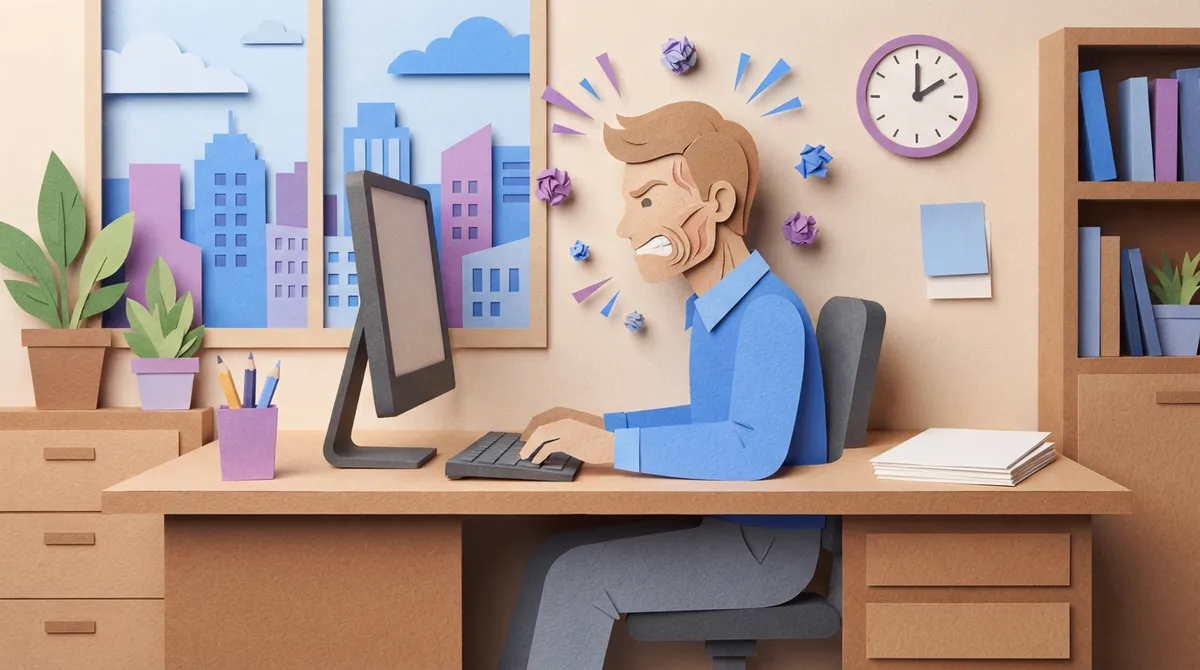
Daytime bruxism usually shows up as clenching rather than grinding. You might do it while working, driving, or even watching a stressful movie. It’s often tied to emotions like anxiety, frustration, or deep focus.
Many people don’t even know they’re doing it. It becomes a habit, almost like tapping your foot or biting your nails. Over time, this clenching puts pressure on your teeth and jaw joint.
Common Signs of Daytime Clenching
- Sore jaw muscles by midafternoon
- Catching yourself with clenched teeth during stressful moments
- Tension headaches near your temples
- Jaw fatigue after long meetings or focused tasks
- Teeth that feel sensitive after a busy workday
If any of these sound familiar, it might be time to reach out to Dental Theory for a checkup. Catching it early makes treatment much easier.
Nighttime Bruxism: The One You Can’t Control
Sleep bruxism is trickier because it happens while you’re unconscious. You can’t just tell yourself to stop. It’s often more forceful than daytime clenching, which means it can cause more damage over time.
Sleep bruxism is also linked to other sleep issues, like snoring or sleep apnea. If you wake up with headaches, sore teeth, or a stiff jaw, nighttime grinding could be the cause.
Signs You Might Grind Your Teeth at Night
- Waking up with a dull headache
- Jaw soreness or tightness in the morning
- Flattened or chipped teeth
- A partner who hears grinding sounds while you sleep
- Increased tooth sensitivity to hot or cold
Our article on bruxism and teeth grinding at night covers this topic in even more detail if you want to learn more.
Daytime vs. Nighttime Bruxism: A Quick Comparison
| Feature | Daytime Bruxism | Nighttime Bruxism |
|---|---|---|
| Main Trigger | Stress, focus, anxiety | Sleep disorders, misaligned bite |
| Awareness Level | Sometimes noticeable | Usually unconscious |
| Typical Action | Clenching | Grinding and clenching |
| Force Level | Moderate | Often stronger |
| Common Symptoms | Jaw fatigue, tension headaches | Morning headaches, worn teeth |
Why Does Bruxism Happen in the First Place?
There isn’t one single cause. Bruxism usually comes from a mix of things happening in your body and mind. Here are some of the most common causes dentists see:
- High stress or anxiety levels
- Misaligned teeth or an uneven bite
- Sleep disorders like sleep apnea
- Certain medications or caffeine intake
- Lifestyle habits like smoking or alcohol use
For a deeper breakdown, take a look at our guide on root causes of bruxism. Understanding your personal triggers helps our team build a treatment plan that actually works for you.
What Bruxism Can Do to Your Smile
Ignoring bruxism doesn’t make it go away. In fact, it usually gets worse. Left untreated, grinding and clenching can lead to serious dental problems.
Possible Long-Term Effects
- Worn down or flattened teeth
- Cracked or chipped teeth
- Loose or damaged dental crowns
- Jaw joint pain, also called TMJ disorder
- Increased tooth sensitivity
- Receding gums from excess pressure
If you already have dental work like dental crowns, bruxism can wear them down faster than normal. That’s one more reason to get it checked out early. You can read more in our piece about what happens when bruxism goes untreated.
How Dentists Diagnose Bruxism
Diagnosing bruxism doesn’t require anything scary or complicated. During a regular checkup, our dental team looks for specific warning signs.
What We Look For During an Exam
- Flattened or worn tooth surfaces
- Small cracks in the enamel
- Jaw muscle tenderness
- Signs of clenching along the inside of your cheeks
- Wear patterns on old dental crowns or fillings
We often ask patients simple questions about morning headaches, jaw soreness, and sleep quality. This helps us figure out whether you’re dealing with daytime bruxism, nighttime bruxism, or both. Our guide on how dentists check for bruxism walks through the process step by step.
Treatment Options That Actually Help
The right treatment depends on whether your bruxism happens during the day, at night, or both. Here are some common approaches our team may recommend.
For Daytime Clenching
- Stress management techniques
- Mindfulness reminders to relax your jaw
- Cutting back on caffeine
- Simple jaw exercises
For Nighttime Grinding
- Custom nightguards made to fit your bite
- Addressing sleep issues like sleep apnea
- Correcting bite alignment when needed
- Reducing evening alcohol or caffeine intake
A custom nightguard is one of the most effective tools for protecting your teeth while you sleep. Learn more in our comparison of nightguards vs. Botox for bruxism, or check out our list of common nightguard mistakes to avoid.
How General Dentistry Helps Manage Bruxism
Routine visits play a huge role in catching bruxism early. During your regular exam at Dental Theory, our team checks for wear patterns, jaw tension, and other warning signs before they turn into bigger problems.
Our general dentistry services include everything from cleanings to bite evaluations. If we notice signs of grinding, we’ll talk you through your options right away, no guesswork involved.
Protecting Dental Work From Bruxism Damage
If you already have crowns, bridges, or veneers, bruxism can put extra pressure on that dental work. This is especially true for people who clench hard at night.
Dr. Chris Karapasha, known to patients as Dr. K, specializes in cosmetic dentistry and adult dental care. He also offers Same-Day Crowns, so if a crown gets damaged from grinding, you won’t need to wait around for weeks to get it fixed. One visit, and you’re done. You can learn more about his approach through Dr. K’s Gold+ Invisalign Profile, which highlights his commitment to advanced dental care.
In fact, Dr. Chris Karapasha has been named one of America’s Top Young Dentists in Incisal Edge magazine’s 2025 40 Under 40, which speaks to the level of expertise you’ll find at our Brandon office.
Simple Daily Habits That Can Reduce Grinding
While professional treatment is important, small daily habits can also make a difference. Here are a few easy changes to try:
- Take short breaks to relax your jaw muscles
- Practice deep breathing during stressful moments
- Avoid chewing gum, which can overwork your jaw
- Limit caffeine, especially in the afternoon
- Stretch your neck and shoulders to release tension
- Stay consistent with your dental checkups
These small steps won’t cure bruxism on their own, but they can lower how often it happens.
When to See a Dentist About Bruxism
You don’t need to wait until you’re in pain to get checked out. If you notice any warning signs, it’s smart to schedule a visit sooner rather than later.
Reasons to Book an Appointment
- Frequent morning headaches
- Jaw pain that doesn’t go away
- Visible wear on your teeth
- A partner who notices grinding sounds
- Tooth sensitivity that’s getting worse
Our team at Dental Theory can walk you through every step, from diagnosis to treatment. You’re always welcome to schedule an appointment so we can take a closer look at your smile.
Why Brandon Families Trust Dental Theory
Dental Theory has built a reputation as a friendly, family-focused dental practice right here in Brandon, Florida. Whether you’re dealing with daytime clenching, nighttime grinding, or just need a routine cleaning, our team is ready to help.
We use the latest technology to make your visit as smooth and stress-free as possible. You can see what our neighbors are saying by checking out Visit us on Google — Dental Theory, or follow along and visit us on Facebook for updates and patient stories.
And if you’re tackling home projects around Brandon this season, our friends at Buckhorn Power Wash and All Trusted Lawn Care are great local resources for keeping your property looking its best while you focus on your health.
Final Thoughts on Managing Bruxism Day and Night
So, can bruxism happen during the day and at night? Absolutely. It’s a habit that can sneak into your life whether you’re wide awake or fast asleep. The key is recognizing the signs early and getting the right treatment before it damages your teeth or jaw.
Whether you’re dealing with stress-related clenching at your desk or waking up with a sore jaw every morning, help is available. Our team at Dental Theory is here to guide you through diagnosis, treatment, and long-term prevention.
Ready to protect your smile? Reach out today and contact Dental Theory to schedule your bruxism evaluation. Your jaw, your teeth, and your mornings will thank you.
FAQs
Q: Can bruxism happen during the day and at night?
A: Yes, bruxism can absolutely happen both during the day and at night. Daytime bruxism often shows up as clenching linked to stress, while nighttime bruxism usually involves grinding during sleep. Many people actually experience both without realizing it.
Q: What’s the difference between daytime and nighttime bruxism?
A: Daytime bruxism is usually clenching tied to stress or concentration, and you might catch yourself doing it. Nighttime bruxism happens while you’re asleep and unaware, often with more force, which can lead to more noticeable wear on your teeth.
Q: How do I know if I have bruxism?
A: Common signs include jaw soreness, morning headaches, tooth sensitivity, and flattened or chipped teeth. If your partner hears grinding sounds at night, that’s another big clue. A dental checkup can confirm what’s going on.
Q: Can bruxism damage my dental crowns?
A: Yes, grinding and clenching put extra pressure on crowns, which can wear them down faster or even cause damage. The good news is Dr. K offers Same-Day Crowns at Dental Theory, so repairs don’t require multiple visits.
Q: What treatments help stop teeth grinding?
A: Treatment depends on the type of bruxism you have. Custom nightguards work great for nighttime grinding, while stress management and jaw exercises help with daytime clenching. Our team can create a personalized plan during your visit.
Our Service Area