
Key Takeaways
-
Custom nightguards provide a long-term, affordable solution for nighttime grinding by creating a barrier between teeth, while Botox relaxes jaw muscles for daytime clenching and lasts 3-4 months per treatment.
-
Untreated bruxism causes permanent tooth damage including wear, cracks, and chips, plus chronic jaw pain and TMJ disorder that require expensive restorative work like crowns.
-
Combine stress-relief practices like deep breathing, reduce caffeine intake, and monitor daytime jaw clenching habits alongside professional treatment for better results.
-
Schedule a dental evaluation to determine if nightguard, Botox, or combined treatment is right for your specific grinding pattern and lifestyle needs.
Do you wake up with a sore jaw or a dull headache? You might be dealing with bruxism and clenching, and you are not alone. So many folks in Brandon grind their teeth without even knowing it. The good news? There are real solutions, and today we’re comparing two popular ones: nightguards and Botox. Grab a cup of coffee, and let’s chat about which option might be the best fit for your smile.
Bruxism and clenching can happen day or night. Some people clench their jaw during a stressful meeting. Others grind their teeth while they sleep and have no clue until their dentist points it out. Either way, this habit can wear down your teeth, hurt your jaw, and even change the shape of your face over time. At Dental Theory, we see this all the time, and we want to help you understand your options in plain, simple terms.
What Exactly Are Bruxism and Clenching?
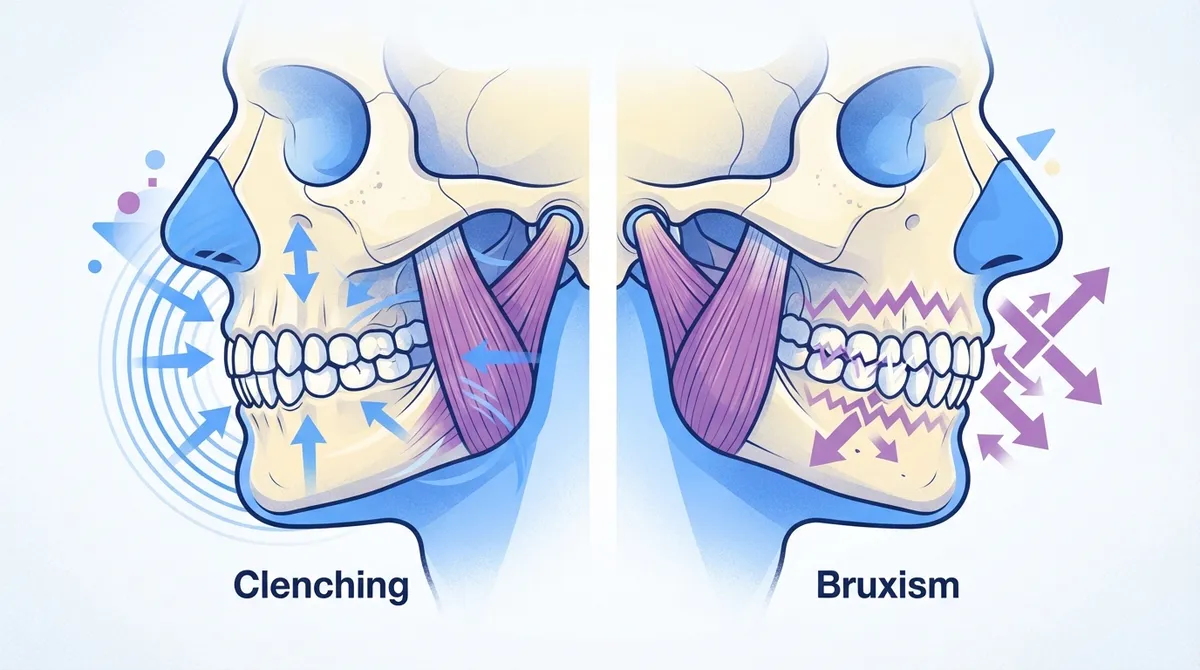
Bruxism is the medical word for grinding your teeth. Clenching is when you squeeze your jaw muscles tight without moving your teeth back and forth. Both habits put a lot of pressure on your teeth, gums, and jaw joint. Many people do both without realizing it, especially at night.
This habit can be triggered by stress, anxiety, sleep issues, or even your bite alignment. Kids can grind their teeth too, though it often goes away as they get older. Adults, however, may need extra help to break the cycle.
Common Signs You Might Be Grinding or Clenching
Here are some signals your body might be sending you:
- Waking up with a sore or tight jaw
- Frequent headaches, especially in the morning
- Flattened, chipped, or cracked teeth
- Increased tooth sensitivity
- Jaw clicking or popping sounds
- Sore facial muscles
- Your partner tells you they hear grinding at night
If any of these sound familiar, it might be time to talk with your dentist. You can read more about the signs, causes, and simple fixes for bruxism to learn even more.
Why Treating Bruxism and Clenching Matters
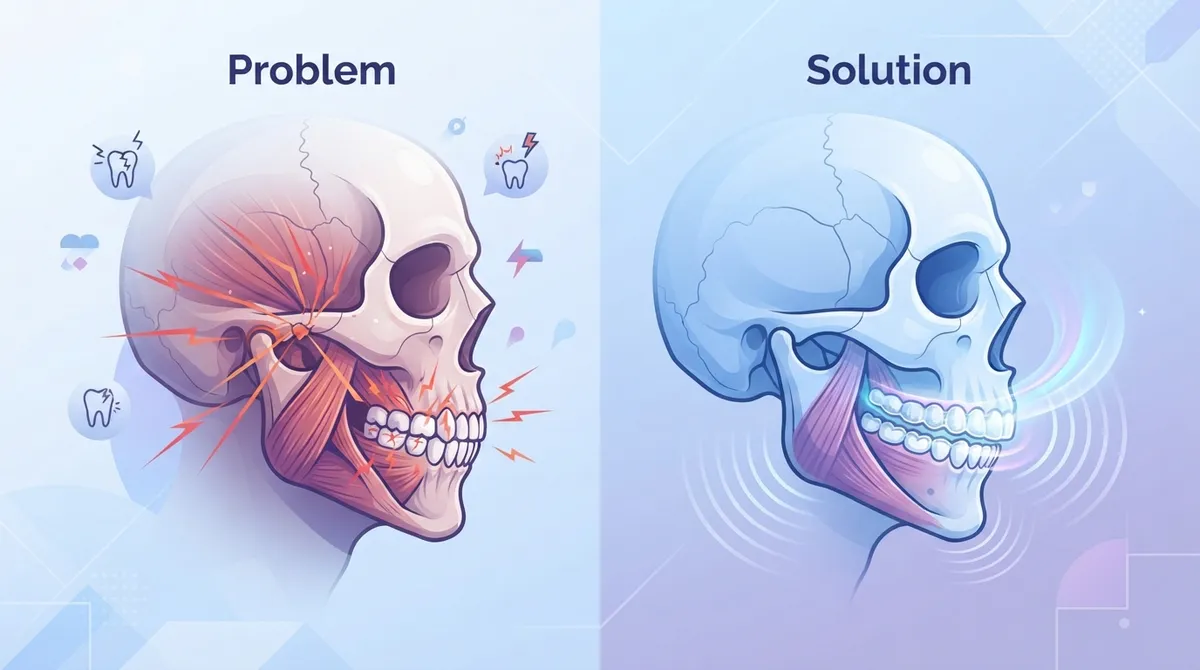
Ignoring this habit is not a good idea. Over time, grinding can wear your teeth down to nubs. It can also lead to jaw pain, known as TMJ disorder, and even cause your teeth to crack or break. Fixing the problem early saves you money, pain, and stress later on.
According to the National Institute of Dental and Craniofacial Research, jaw disorders linked to grinding and clenching affect millions of people. That is a huge number, but it also means treatments have come a long way. You have real, proven options to protect your smile.
Nightguards: The Classic Solution
Nightguards have been around for a long time, and for good reason. They work. A nightguard is a custom-made mouthpiece you wear while you sleep. It creates a soft barrier between your top and bottom teeth so grinding does not wear them down.
How Nightguards Are Made
- Your dentist takes an impression or digital scan of your teeth
- A dental lab crafts a custom guard to fit your mouth perfectly
- You come back for a fitting to make sure it feels right
- You wear it each night to protect your teeth from grinding
Custom nightguards fit much better than the store-bought kind. They are made just for your mouth, so they feel comfortable and stay in place all night long.
Benefits of Nightguards
- Protects teeth from wear and cracks
- Non-invasive and pain-free
- Affordable compared to other treatments
- Easy to clean and maintain
- Can last for years with proper care
Botox for Bruxism: A Newer Approach
Botox is not just for smoothing wrinkles anymore. Many dentists now use it to relax the jaw muscles that cause clenching and grinding. It works by calming down the muscle that clenches too hard, called the masseter muscle.
How Botox Treatment Works
A dentist injects small amounts of Botox directly into the jaw muscle. This does not stop you from chewing or talking normally. It simply reduces the strength of the clenching force, so your jaw and teeth get a break.
- Treatment usually takes less than 30 minutes
- Results appear within a few days to two weeks
- Effects typically last three to four months
- Repeat treatments are needed to maintain results
Nightguards vs. Botox: Side-by-Side Comparison
| Feature | Nightguards | Botox |
|---|---|---|
| How it works | Physical barrier between teeth | Relaxes jaw muscles |
| Treatment time | One-time fitting, ongoing wear | Quick injection appointment |
| Results last | Years with proper care | 3-4 months per treatment |
| Cost over time | Lower long-term cost | Repeat cost every few months |
| Comfort level | Takes a night or two to adjust | No adjustment period needed |
| Best for | Nighttime grinding | Daytime clenching or jaw tension |
Which Option Is Right for You?
Honestly, it depends on your specific situation. Some people even use both treatments together for the best results. Here is a simple way to think about it:
- If you mostly grind at night, a nightguard is often the easiest first step
- If you clench during the day due to stress, Botox may help relax those muscles faster
- If your jaw pain is severe, your dentist may suggest combining treatments
- If you want a long-term, lower-cost fix, nightguards tend to win out
Every mouth is different, so what works great for your neighbor might not be the right fit for you. That is why a checkup with your dentist matters so much.
Other Ways to Manage Bruxism and Clenching
Nightguards and Botox are popular, but they are not the only tools in the toolbox. Here are a few extra tips that can help:
- Practice stress-relief habits like deep breathing or light exercise
- Cut back on caffeine, especially in the evening
- Try to notice when you clench during the day and relax your jaw
- Apply a warm compress to sore jaw muscles
- Stay consistent with your regular dental checkups
You can also check out our guide on how to get rid of bruxism stress and stop grinding for more tips you can use right at home.
What Happens If You Skip Treatment?
Letting bruxism and clenching go untreated can cause bigger problems down the road. Your teeth may crack, chip, or wear down faster than normal. You could also develop chronic jaw pain or headaches that make daily life harder. Learn more about what happens when bruxism goes untreated so you know what to watch for.
If your grinding has already caused damage, you may need restorative work. Dental Theory offers Same-Day Crowns made from durable ceramic material, so you never have to wait around or come back for a second visit. Dr. Chris Karapasha, known to patients as Dr. K, can repair a worn or cracked tooth quickly, often in just one appointment.
Kids and Bruxism: What Parents Should Know
Bruxism and clenching are not just an adult problem. Many kids grind their teeth too, especially during certain growth stages. Most of the time, it is harmless and fades away on its own. Still, it is worth mentioning at your child’s next visit, just to be safe.
Our Dr. Pri is a board-certified pediatric dentist who understands how to spot early signs of grinding in little ones. She can guide you through simple, gentle solutions if your child needs extra care.
How Dental Theory Can Help
At Dental Theory in Brandon, FL, we take a friendly, no-pressure approach to treating bruxism and clenching. Our team will check your bite, look at your jaw joint, and talk through your daily habits. From there, we build a plan that actually fits your life, whether that means a custom nightguard, Botox, or a combination of both.
We also offer general dentistry services to keep your whole mouth healthy, plus cosmetic dentistry options if grinding has left your smile looking less than perfect. Curious what other patients think? You can visit us on Facebook or check out reviews and visit us on Google — Dental Theory to see what our neighbors in Brandon are saying.
Dr. K has also been recognized nationally for his work. In fact, Dr. Chris Karapasha has been named one of America’s Top Young Dentists in Incisal Edge magazine’s 2025 40 Under 40. He also holds a Gold+ status you can view on his Dr. K’s Gold+ Invisalign Profile, showing his dedication to advanced dental care.
Steps to Take If You Suspect Bruxism
- Notice your symptoms, like jaw pain or headaches, and write them down
- Ask your partner or family if they have heard you grinding at night
- Book a checkup with your dentist for a proper evaluation
- Discuss which treatment option, like a nightguard or Botox, fits your lifestyle
- Follow through with regular follow-up visits to track your progress
Being proactive now can save your teeth and your peace of mind later. Waiting too long often means more expensive fixes down the road.
Bringing It All Together
Bruxism and clenching are common, but they do not have to control your life. Whether you choose a custom nightguard, Botox, or a mix of both, the goal is the same: protect your smile and ease your jaw pain. Every option has its own strengths, so it really comes down to your daily habits and what feels right for you.
Ready to find real relief from teeth grinding or jaw clenching? Our friendly team is here to help you feel comfortable every step of the way. Contact Dental Theory today to schedule your evaluation, or schedule an appointment online at a time that works for you. Your smile deserves a fresh start, and we cannot wait to help you get there.
FAQs
Q: What is the difference between bruxism and clenching?
A: Bruxism usually means grinding your teeth back and forth, while clenching means squeezing your jaw tight without movement. Many people actually do both without realizing it, especially while they sleep!
Q: Can bruxism and clenching damage my teeth permanently?
A: Yes, if left untreated, grinding and clenching can wear down your enamel and even crack your teeth over time. The good news is that catching it early with your dentist makes a huge difference.
Q: Is Botox safe for treating jaw clenching?
A: Botox has been used safely for years to relax overactive jaw muscles. It is a quick, simple treatment that many patients find gives them real relief from clenching pain.
Q: How long does a custom nightguard last?
A: A well-made custom nightguard can last several years if you take good care of it. That makes it a great long-term investment for protecting your smile.
Q: Should I bring up teeth grinding at my next dental visit?
A: Absolutely, yes! Your dentist can spot early signs of wear you might miss at home, so it is always worth mentioning any jaw pain or headaches at your checkup.
Our Service Area