Key Takeaways
-
Bruxism is a specific type of parafunction (teeth grinding/clenching), while parafunction is the broader term for any abnormal oral habit like nail biting, pen chewing, or cheek biting outside normal chewing and speaking.
-
Sleep bruxism causes more damage than awake bruxism because the grinding forces are much stronger at night, making early detection through dentist checkups critical to prevent severe tooth wear and cracking.
-
Common warning signs include flattened or worn-down teeth, morning jaw soreness, frequent headaches, clicking jaw joints, and chipped teeth—if present, schedule a dental checkup immediately.
-
Stress and anxiety are the primary triggers for both bruxism and parafunctional habits, along with misaligned bites, sleep disorders, and certain medications, so managing stress is key to prevention.
-
Treatment varies by habit type: custom night guards protect grinding damage, stress management reduces clenching, bite adjustments improve tooth alignment, and Same-Day Crowns can repair teeth already damaged by grinding.
-
Ignoring bruxism leads to progressive damage requiring expensive restorative work like crowns, making early intervention through night guards and lifestyle changes far more affordable and effective.
Do you wake up with a sore jaw? Maybe your partner says you grind your teeth at night. Or perhaps you catch yourself clenching while stuck in traffic. If you’ve ever searched online for answers, you’ve probably seen two confusing words: bruxism and parafunction. Are they the same thing? Not quite. Understanding the difference can help you protect your smile and know when it’s time to see a dentist.
At Dental Theory in Brandon, FL, we see patients every week dealing with jaw pain, cracked teeth, and headaches caused by these habits. This guide breaks down what bruxism and parafunction really mean, why they matter, and what you can do about them.
What Is Parafunction?
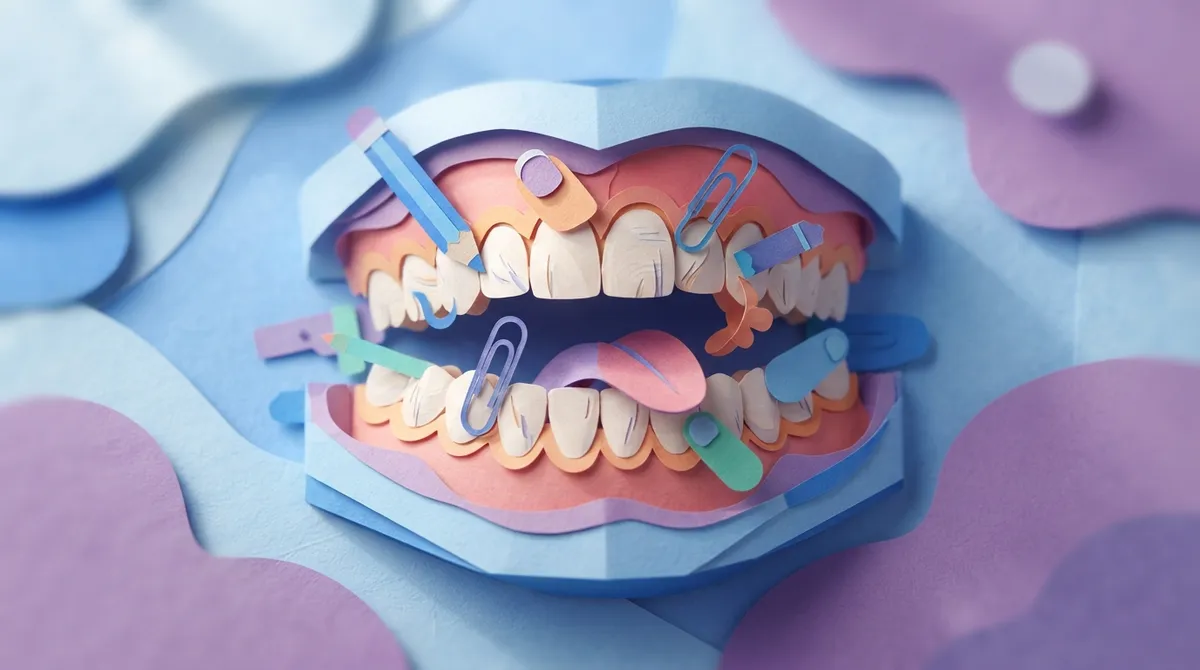
Parafunction is the bigger, broader term. It means any use of your mouth, jaw, or teeth outside of their normal function. Normal functions include chewing, talking, and swallowing. Parafunction is everything else.
Think of parafunction as an umbrella term. It covers many different habits that put extra stress on your teeth and jaw. These habits often happen without you even noticing.
Common Examples of Parafunctional Habits
- Nail biting
- Chewing on pens or pencils
- Clenching your jaw during stress
- Grinding your teeth (bruxism)
- Chewing ice
- Biting your cheek or lip
- Holding objects like bobby pins with your teeth
As you can see, bruxism is actually just one type of parafunctional habit. It’s the most common one, but it’s not the only one.
What Is Bruxism?
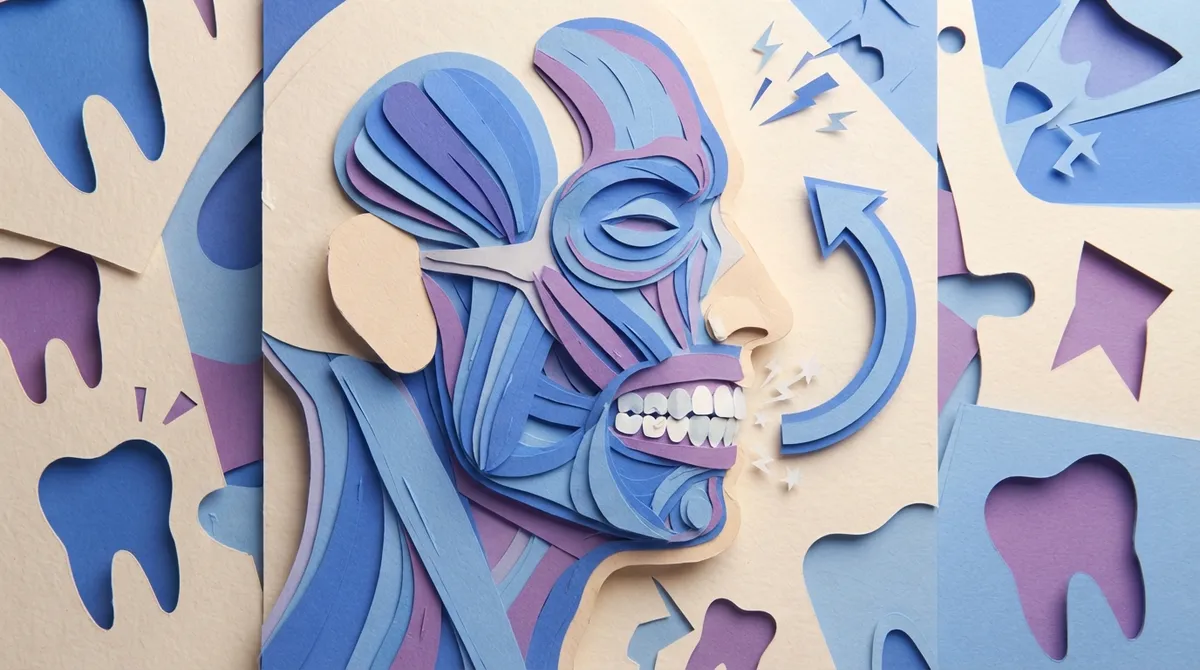
Bruxism is a specific type of parafunction. It refers to the grinding, gnashing, or clenching of teeth. This can happen while you’re awake or while you’re asleep.
There are two main types of bruxism:
- Awake bruxism: This happens during the day, often linked to stress, focus, or concentration. You might clench your jaw while working or driving without realizing it.
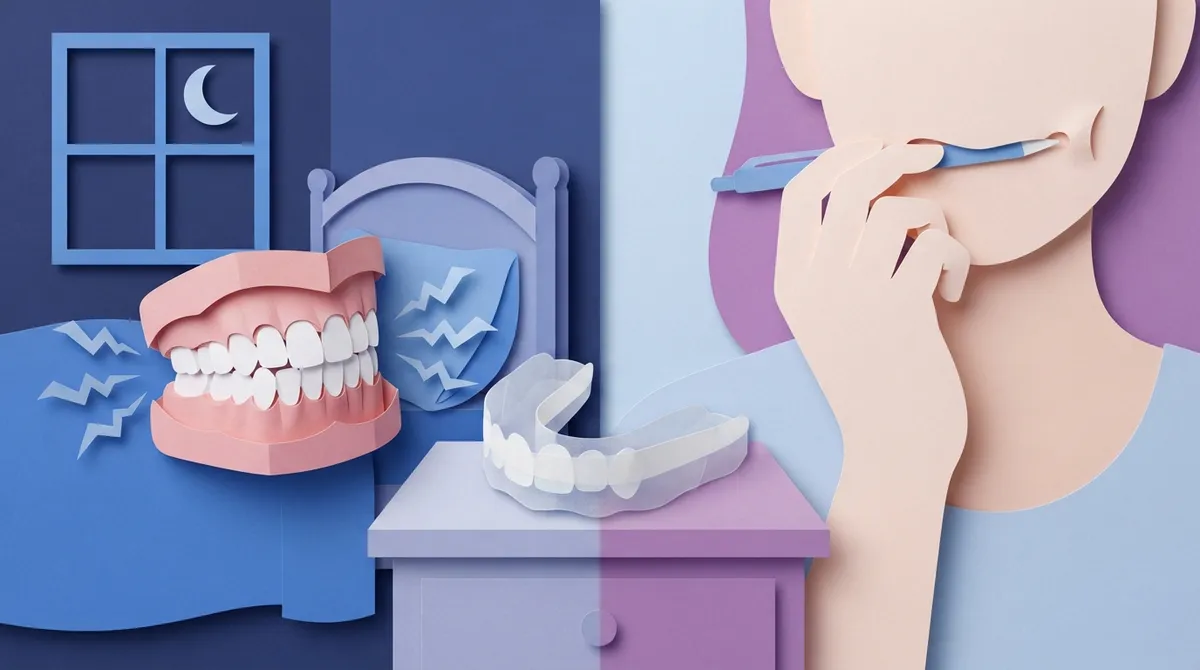
- Sleep bruxism: This happens at night while you’re sleeping. It’s considered a sleep-related movement disorder and can be harder to control since you’re unaware it’s happening.
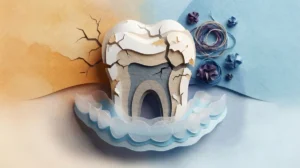
Sleep bruxism tends to cause more damage because the forces involved can be much stronger than what happens during the day. Many people don’t even know they grind their teeth at night until a dentist points out the signs during a checkup.
Bruxism vs Parafunction: A Simple Comparison
Here’s a simple way to see how these two terms relate to each other.
| Feature | Parafunction | Bruxism |
|---|---|---|
| Definition | Any abnormal oral habit outside normal chewing or speaking | Specific grinding or clenching of teeth |
| Scope | Broad category | One type within parafunction |
| Examples | Nail biting, cheek chewing, pen chewing, grinding | Jaw clenching, tooth grinding (day or night) |
| Common Cause | Stress, habit, anxiety | Stress, sleep disorders, misaligned bite |
| Main Damage | Varies by habit | Worn teeth, cracked teeth, jaw pain |
So in short: all bruxism is parafunction, but not all parafunction is bruxism. It’s like how all squares are rectangles, but not all rectangles are squares.
Why Does This Difference Matter for Your Dental Health?
Knowing the difference helps your dentist figure out the right treatment. A patient who bites their nails needs different advice than someone who grinds their teeth every night. Both are parafunctional habits, but they require different fixes.
Left untreated, both types of habits can lead to serious dental problems over time. This is why regular checkups matter so much, especially if you already suspect you have a habit like this. You can read more about signs, causes, and simple fixes for bruxism to learn more.
Signs You May Have a Parafunctional Habit
- Flattened or worn-down teeth
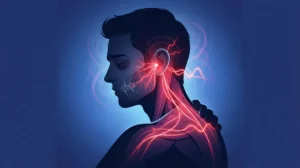
- Jaw soreness, especially in the morning
- Frequent headaches near your temples
- Clicking or popping in your jaw joint
- Chipped or cracked teeth with no clear cause
- Increased tooth sensitivity
- A partner who says they hear you grinding at night
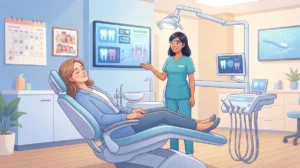
If any of these sound familiar, it may be time to talk to a dentist. You can learn how dentists check for bruxism during a routine visit.
What Causes These Habits?
There isn’t just one cause. Most parafunctional habits, including bruxism, come from a mix of factors.
- Stress and anxiety: This is the number one trigger for both clenching and grinding.
- Misaligned bite: When teeth don’t fit together correctly, the jaw may compensate by grinding.
- Sleep disorders: Conditions like sleep apnea are often linked to nighttime grinding.
- Lifestyle habits: Caffeine, alcohol, and smoking can increase the chances of teeth grinding.
- Medications: Some antidepressants list bruxism as a possible side effect.
You can find more detail in our article about the root causes of bruxism and what triggers this common habit.
How Are Bruxism and Other Parafunctional Habits Treated?
Treatment depends on which habit you have and how severe it is. Here are some common approaches used by dental professionals.
Common Treatment Options
- Custom night guards: A soft or hard guard worn while sleeping to protect teeth from grinding forces
- Stress management: Techniques like meditation or therapy to reduce daytime clenching
- Bite adjustments: Reshaping teeth slightly to improve how they fit together
- Behavior changes: Breaking habits like nail biting or pen chewing through awareness training
- Dental restorations: Fixing teeth that have already been damaged by grinding
If grinding has already caused damage like cracked or worn teeth, restorative options may be needed. Our general dentistry services cover everything from checkups to fillings that repair this kind of wear.
When Grinding Damages Your Teeth: Restoration Options
Sometimes bruxism causes enough damage that a tooth needs more than a filling. This is where crowns can help. A crown covers the entire visible part of a tooth, protecting it from further cracking or breaking.
At Dental Theory, Dr. Chris Karapasha, known as Dr. K, offers Same-Day Crowns for patients dealing with worn or damaged teeth from grinding. This means you get a custom ceramic crown made and placed in one visit. No need to wait weeks or come back for a second appointment. Dr. K only uses ceramic crowns, giving you a natural look that blends with your smile.
You can learn more about same-day crowns and how the process works, or read about same-day crowns versus traditional crowns to see which fits your needs. Dr. K’s cosmetic expertise has been recognized as well. In fact, Dr. Chris Karapasha has been named one of America’s Top Young Dentists in Incisal Edge magazine’s 2025 40 Under 40, a proud milestone for our Brandon practice.
Steps to Take If You Think You Have Bruxism or a Parafunctional Habit
- Pay attention to morning jaw soreness or headaches
- Ask family members if they notice grinding sounds at night
- Look closely at your teeth for flattening or chipping
- Schedule a dental checkup to get a professional opinion
- Discuss stress levels and sleep habits with your dentist
- Follow through with a custom night guard if recommended
- Keep up with regular visits to monitor changes
Catching these habits early makes a big difference. The sooner you address grinding or clenching, the less damage your teeth will take over time.
Why Choose Dental Theory for Bruxism and Parafunction Care?
Our Brandon, FL practice takes a friendly, judgment-free approach to these common issues. We know grinding and clenching can feel embarrassing to talk about, but it’s more common than you think. Many of our patients come in surprised to learn their headaches or jaw pain were connected to nighttime grinding all along.
We combine modern technology with a relaxed, welcoming environment so you feel comfortable discussing your symptoms. Whether you need a simple night guard or a same-day crown to repair grinding damage, our team is here to help. Feel free to contact Dental Theory to talk through your symptoms and find the right treatment plan.
Want to see what other patients say about their experience? You can visit us on Google — Dental Theory to read reviews from our Brandon community. You can also visit us on Facebook to stay updated on tips, promotions, and patient stories.
Frequently Missed Facts About Bruxism and Parafunction
| Myth | Fact |
|---|---|
| Only adults grind their teeth | Children can grind their teeth too, often during growth spurts |
| Grinding only happens at night | Awake bruxism is common during stressful daytime moments |
| A night guard fixes the root cause | Night guards protect teeth but don’t address stress or bite issues |
| Parafunction always means grinding | Parafunction includes many habits beyond grinding, like nail biting |
Protecting Your Smile for the Long Run
Understanding the difference between bruxism and parafunction helps you take the right steps toward protecting your teeth. Bruxism is one piece of the larger parafunction puzzle, but it’s often the piece that causes the most damage if left untreated.
The good news is that these habits are very treatable once identified. According to the National Institute of Dental and Craniofacial Research, jaw disorders linked to grinding and clenching can often be managed successfully with proper dental care. Simple lifestyle changes combined with dental support can protect your smile for years to come.
If you’re dealing with jaw pain, worn teeth, or suspect you grind your teeth at night, don’t wait. Our team is ready to help you find relief and protect your smile before more damage happens. You can also learn more about general oral health habits from the American Dental Association’s resources on teeth grinding.
Ready to get answers about your jaw pain or grinding habits? Schedule an appointment with our Brandon team today and let us help you find lasting relief.
FAQs
Q: Is bruxism a type of parafunction, or are they the same thing?
A: Bruxism is actually a specific type of parafunction. Parafunction is the broader term for any abnormal oral habit, like nail biting or cheek chewing, while bruxism refers specifically to grinding or clenching your teeth. Think of parafunction as the big category and bruxism as one item inside it.
Q: Can children have parafunctional habits like bruxism?
A: Yes, kids can definitely grind their teeth, especially during growth spurts or times of stress. It’s actually pretty common in children and often improves as they get older. Still, it’s worth mentioning to your dentist during checkups just to keep an eye on things.
Q: How do I know if I have bruxism versus another parafunctional habit?
A: The best way to know for sure is to get checked by a dentist, since worn teeth and jaw soreness are telltale signs of grinding. Other habits like nail biting or pen chewing usually show different wear patterns. Your dentist can look closely and help you figure out exactly what’s going on.
Q: What happens if I ignore my teeth grinding for too long?
A: Ignoring bruxism can lead to cracked teeth, jaw pain, and even headaches that get worse over time. In some cases, teeth become so worn down that they need crowns or other restorative work. It’s much easier and more affordable to treat this early rather than waiting until damage is severe.
Q: Does Dental Theory offer treatment for teeth damaged by grinding?
A: Absolutely! If grinding has already caused cracks or significant wear, our team can help restore your smile, including with Same-Day Crowns made from ceramic material. This means you won’t need multiple visits to fix damaged teeth. We’re happy to walk you through your options during a visit to our Brandon office.
Our Service Area