Key Takeaways
-
Custom night guards are the most effective and common bruxism treatment, protecting tooth enamel, reducing jaw pressure, and easing morning headaches by preventing direct tooth-to-tooth grinding during sleep.
-
Addressing underlying causes like stress, misaligned bites, or sleep disorders is essential; combining stress management techniques with a night guard often produces the best results.
-
Regular dental monitoring catches grinding damage early before it requires costly repairs like crowns or veneers, and dentists can screen for linked sleep disorders like sleep apnea.
-
Muscle relaxation techniques such as warm compresses, jaw stretches, and avoiding gum chewing, when combined with other treatments, significantly reduce clenching episodes and jaw tension.
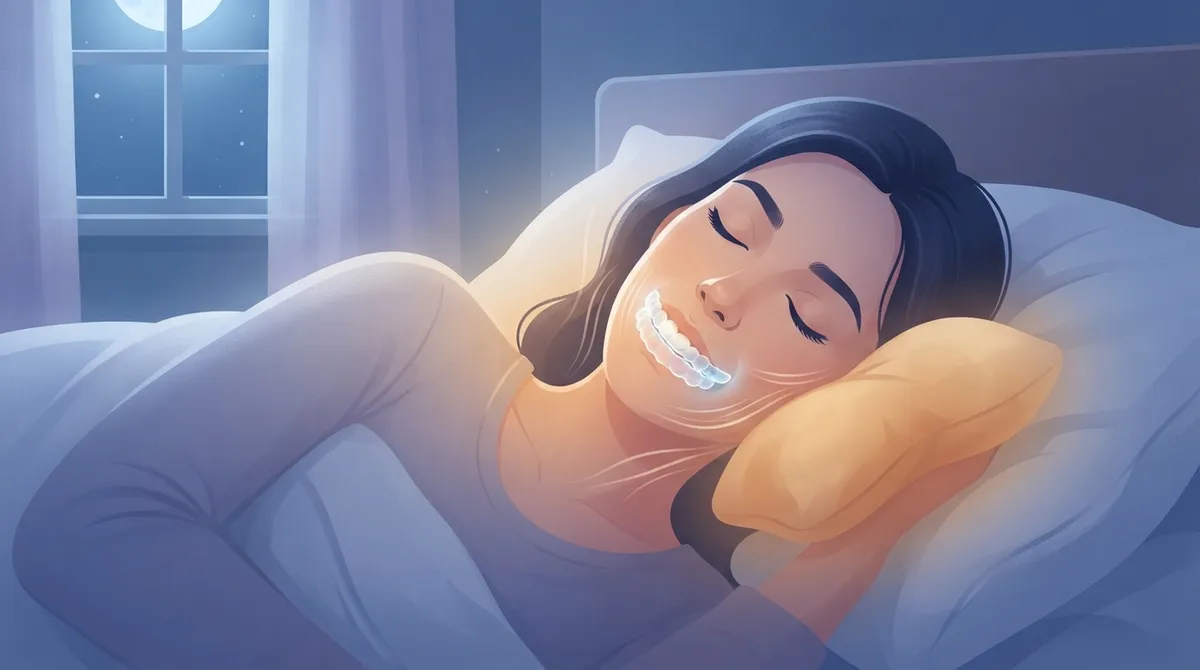
Do you wake up with a sore jaw or a dull headache? You might be grinding your teeth at night without even knowing it. This condition is called bruxism, and it affects people of all ages in Brandon, FL. The good news? Bruxism is very treatable, and you don’t have to live with the pain any longer. Let’s walk through exactly how dentists treat this common problem, so you can get back to smiling comfortably.
Bruxism happens when you clench or grind your teeth, often while you sleep. Stress, misaligned teeth, or even sleep issues can trigger it. Left untreated, it can wear down your teeth, damage dental work, and even lead to jaw pain that spreads to your neck and shoulders. That’s why finding the right treatment matters. At Dental Theory, we help patients of every age find lasting relief. Here are six proven ways bruxism gets treated today.
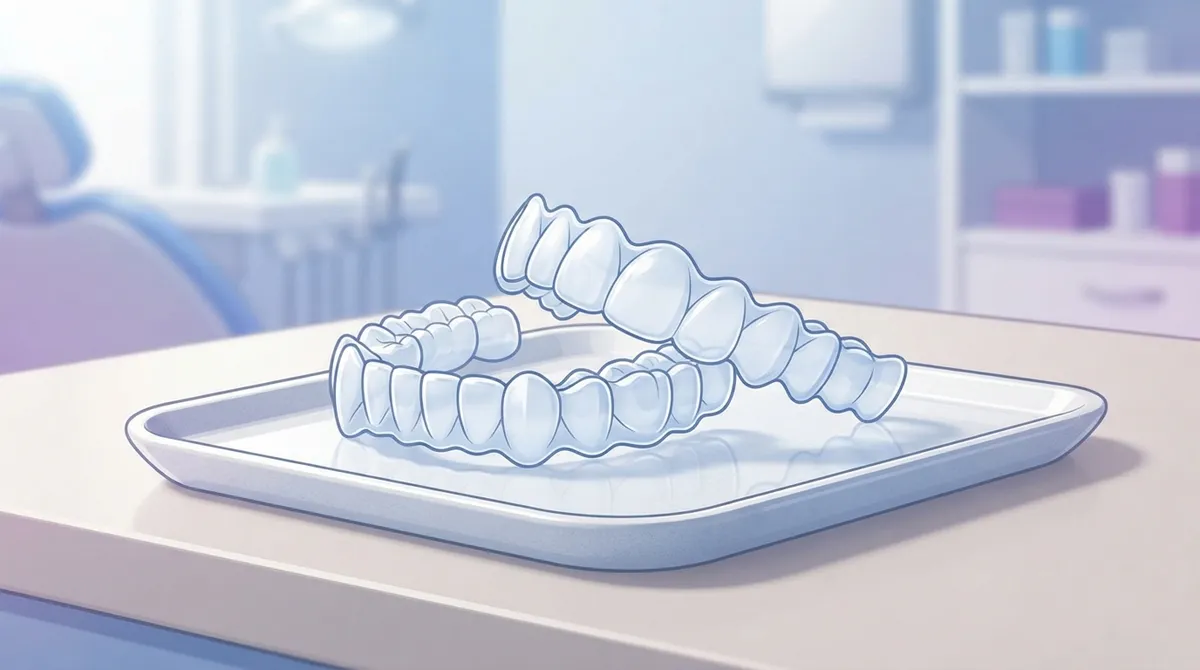
1. Custom Night Guards
A night guard is one of the most common and effective bruxism treatments. This small plastic device fits over your teeth while you sleep. It acts as a cushion, so your upper and lower teeth don’t grind directly against each other.
Custom night guards are made just for your mouth. They fit better and last longer than store-bought versions. Here’s why patients love them:
- They protect your enamel from wearing down
- They ease pressure on your jaw joint
- They reduce morning headaches and soreness
- They’re comfortable enough to wear every night
Your dentist will take an impression of your teeth to create a guard that fits perfectly. This simple step can save you from bigger dental problems later, like cracked teeth or damaged fillings.

2. Stress Management Techniques
Since stress is a leading cause of teeth grinding, managing it can make a huge difference. Many patients don’t realize how much daily stress affects their jaw muscles until they start addressing it.
Some simple stress-reduction habits include:
- Practicing deep breathing before bed
- Trying light stretching or yoga
- Limiting caffeine in the evening
- Setting a consistent sleep schedule
While these habits won’t fix bruxism alone, they work well alongside other dental treatments. Combining stress relief with a night guard often gives the best results.
3. Dental Correction and Bite Adjustment
Sometimes bruxism happens because your bite is off. If your teeth don’t line up correctly, your jaw muscles work harder to compensate. This can trigger grinding and clenching.
Dentists can adjust your bite through several methods. Here’s a quick look at common options:
| Treatment | What It Does | Best For |
|---|---|---|
| Reshaping teeth | Smooths high spots on teeth | Mild bite misalignment |
| Orthodontic treatment | Straightens teeth over time | Moderate to severe misalignment |
| Dental crowns | Restores worn or damaged teeth | Teeth already affected by grinding |
If grinding has already damaged your teeth, restorative options like crowns, veneers, or bridges can repair the damage. Since Dr. K offers Same-Day Crowns, you won’t need multiple visits to fix a worn-down tooth. You can learn more about this process by reading what same-day crowns are and how they work.
4. Addressing Sleep Disorders
Bruxism is often linked to sleep problems like sleep apnea. If you snore loudly or wake up gasping for air, your grinding might be connected to a bigger issue.
Dentists trained in sleep-related conditions can screen for these problems. Treating an underlying sleep disorder often reduces or even stops the grinding entirely. You can read more about how these two conditions connect in our article on sleep and your smile: understanding TMJ and bruxism.
5. Muscle Relaxation Therapy
For some patients, jaw muscle tension is the main driver of bruxism. Relaxing these muscles can bring real relief.
Here are steps often recommended for muscle relaxation:
- Apply a warm compress to the jaw before bed
- Do gentle jaw stretches during the day
- Avoid chewing gum, which overworks the jaw muscles
- Practice good posture, especially at a desk
- Ask your dentist about massage techniques for the jaw area
These small daily changes add up. Combined with a night guard, they can significantly reduce clenching episodes.
6. Ongoing Dental Monitoring and Repair
Bruxism isn’t always a one-time fix. It’s important to keep an eye on your teeth and jaw over time. Regular dental visits help catch new wear patterns early, before they turn into bigger problems.
During these visits, your dentist will check for:
- Cracks or chips in your teeth
- Wear on old fillings or crowns
- Signs of jaw joint strain
- Gum recession caused by grinding
If you already have dental crowns, understanding how long dental crowns last can help you know what to expect. And if a crown ever becomes loose from grinding, our guide on what to do when a crown falls off is a helpful resource.
How Do You Know If You Have Bruxism?
Many people grind their teeth without realizing it, especially during sleep. Here are common signs to watch for:
- Waking up with a sore or tight jaw
- Frequent headaches, especially in the morning
- Flattened or chipped teeth
- Increased tooth sensitivity
- A partner mentioning grinding noises at night
If any of these sound familiar, it’s worth scheduling a checkup. Catching bruxism early makes treatment simpler and prevents bigger repairs down the road.
Bruxism Treatment Options at a Glance
| Treatment | Main Benefit | Ideal Patient |
|---|---|---|
| Night guard | Protects teeth from grinding damage | Anyone with nighttime clenching |
| Stress management | Reduces triggers for grinding | Patients with stress-related bruxism |
| Bite correction | Fixes underlying alignment issues | Patients with uneven bites |
| Sleep disorder treatment | Addresses root sleep issues | Patients with sleep apnea symptoms |
| Muscle relaxation | Eases jaw tension | Patients with muscle-related clenching |
| Regular monitoring | Prevents long-term damage | All bruxism patients |
Why Choose Dental Theory for Bruxism Treatment in Brandon
At Dental Theory, we take a friendly, personalized approach to every patient. Whether you need a custom night guard, a bite adjustment, or same-day crown work to repair grinding damage, our team is here to help. We use the latest technology to make your visit comfortable and efficient.
Adults dealing with bruxism-related damage can also explore cosmetic dentistry options to restore their smile’s appearance after treatment. Dr. K, who specializes in adult and cosmetic dentistry, is proud to have been recognized when Dr. Chris Karapasha was named one of America’s Top Young Dentists in Incisal Edge magazine’s 2025 40 Under 40. He’s also listed on his Invisalign Gold+ provider profile, showing his commitment to advanced dental care.
Don’t forget to check out what our patients are saying. You can visit us on Google — Dental Theory to read real reviews from Brandon families. We also love connecting with our community, so feel free to visit us on Facebook for updates and dental tips.
Steps to Take If You Suspect Bruxism
If you think you might be grinding your teeth, here’s a simple plan to follow:
- Pay attention to morning jaw soreness or headaches
- Ask a partner or family member if they hear grinding at night
- Schedule a dental checkup to look for wear patterns
- Discuss treatment options like a custom night guard
- Follow up regularly to track your progress
Taking these steps early can save you time, money, and discomfort down the road. Bruxism is manageable, especially with the right dental team guiding you.
Ready to Stop the Grinding?
You don’t have to live with jaw pain, headaches, or worn-down teeth. Bruxism is treatable, and our friendly team at Dental Theory is ready to help you find the right solution. Whether it’s a custom night guard, bite correction, or restorative work like same-day crowns, we’ll create a plan that fits your needs. Ready to protect your smile? Contact Dental Theory today to schedule your consultation, or schedule an appointment online at a time that works for you.
FAQs
Q: How is bruxism treated at the dentist?
A: Dentists usually start with a custom night guard to protect your teeth while you sleep. From there, they might suggest bite adjustments, stress management tips, or restorative work if grinding has already caused damage. Every treatment plan is tailored to your specific needs, so don’t worry, we’ll find what works best for you!
Q: Can bruxism be cured completely?
A: While there isn’t always a permanent cure, bruxism can be managed very effectively. Many patients see major improvement with a night guard and stress reduction techniques. With the right care team, you can keep your teeth protected for the long haul.
Q: Is a night guard the only treatment for teeth grinding?
A: Not at all! A night guard is popular because it works well, but it’s often paired with other treatments like bite correction or muscle relaxation techniques. Your dentist will look at the root cause to build the best plan for you.
Q: How do I know if I need bruxism treatment?
A: Common signs include morning headaches, jaw soreness, and flattened or chipped teeth. If a partner mentions hearing grinding at night, that’s another good clue. A quick dental checkup can confirm whether treatment is needed.
Q: Can children have bruxism too?
A: Yes, teeth grinding can happen in kids, though it often improves on its own as they grow. Still, it’s smart to mention it during your child’s dental visit so it can be monitored closely and treated if needed.
Our Service Area