Key Takeaways
-
Retainers are mandatory after Invisalign, not optional—teeth can relapse within months without one, undoing your entire treatment investment and requiring expensive re-treatment.
-
Retainer costs range from $100-$600 per arch depending on type: clear retainers ($100-$250) are cheapest upfront, Hawley retainers ($150-$300) are durable, and permanent bonded retainers ($250-$600) last longest but cost more initially.
-
Many dentists bundle retainers into the original Invisalign package cost, so always ask your provider upfront if retainers are already included before agreeing to separate retainer fees.
-
Dental insurance may cover retainers partially if orthodontic benefits are included, but replacement retainers are rarely covered—use FSA/HSA funds as a tax-advantaged alternative to reduce out-of-pocket costs.
-
Proper retainer maintenance dramatically reduces long-term costs: store in cases, clean gently, get backups when possible, and see your dentist regularly to catch damage early before expensive replacements are needed.
-
After initial full-time wear (3-6 months), most patients transition to nighttime-only retainers, making long-term compliance manageable and affordable compared to the cost of correcting relapse through new orthodontic treatment.
You just finished your Invisalign treatment. Your teeth look amazing. You’re smiling more than ever. But then your dentist mentions the word retainer — and suddenly you have questions. How much will it cost? Do you really need one? What types are available?
Don’t worry. You’re not alone. The retainer cost after Invisalign is one of the most common questions patients ask once their aligner journey wraps up. And it’s a really smart question to ask. Skipping a retainer after Invisalign can undo all your hard work — and your dentist won’t be happy about that!
The good news? Retainers are very affordable compared to the full treatment. And at Dental Theory’s Invisalign services in Brandon, FL, we make sure every patient knows exactly what to expect before, during, and after treatment. Let’s break down the 7 key facts you need to know about retainer costs after Invisalign.
1. Retainers Are Not Optional After Invisalign
This is the big one. A retainer isn’t just a nice-to-have item. It’s a must-have after any orthodontic treatment, including Invisalign. Your teeth are like new employees — they need time to settle into their new positions.
Without a retainer, your teeth will slowly drift back toward where they started. This is called relapse. It can happen faster than you think — sometimes within just a few months of finishing treatment.
Here’s why teeth move back:
- Your gum tissue and bone haven’t fully hardened around the new tooth positions yet
- Natural forces from chewing and speaking push teeth around daily
- The tongue and lips apply constant pressure to teeth
- Genetics can cause teeth to want to return to old positions
If you want to protect your Invisalign investment, a retainer is non-negotiable. For more on what life looks like after aligners, check out this helpful guide on wearing a retainer forever after Invisalign.
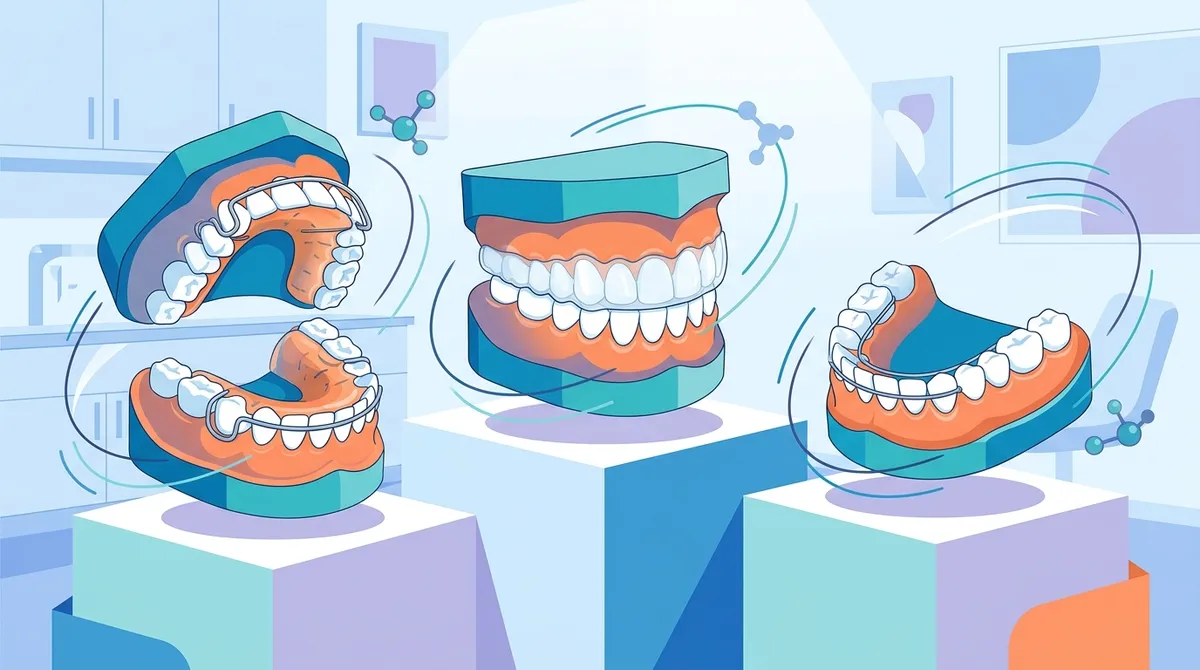
2. There Are Three Main Types of Retainers
Before we talk numbers, you need to know what types of retainers exist. Each type comes with a different price point and different care routine.
| Retainer Type | Material | Removable? | Average Cost | Lifespan |
|---|---|---|---|---|
| Hawley Retainer | Acrylic + wire | Yes | $150 – $300 per arch | 5–10 years |
| Essix / Clear Retainer | Plastic (similar to aligners) | Yes | $100 – $250 per arch | 1–3 years |
| Permanent / Fixed Retainer | Wire bonded to teeth | No | $250 – $600 per arch | 10+ years |
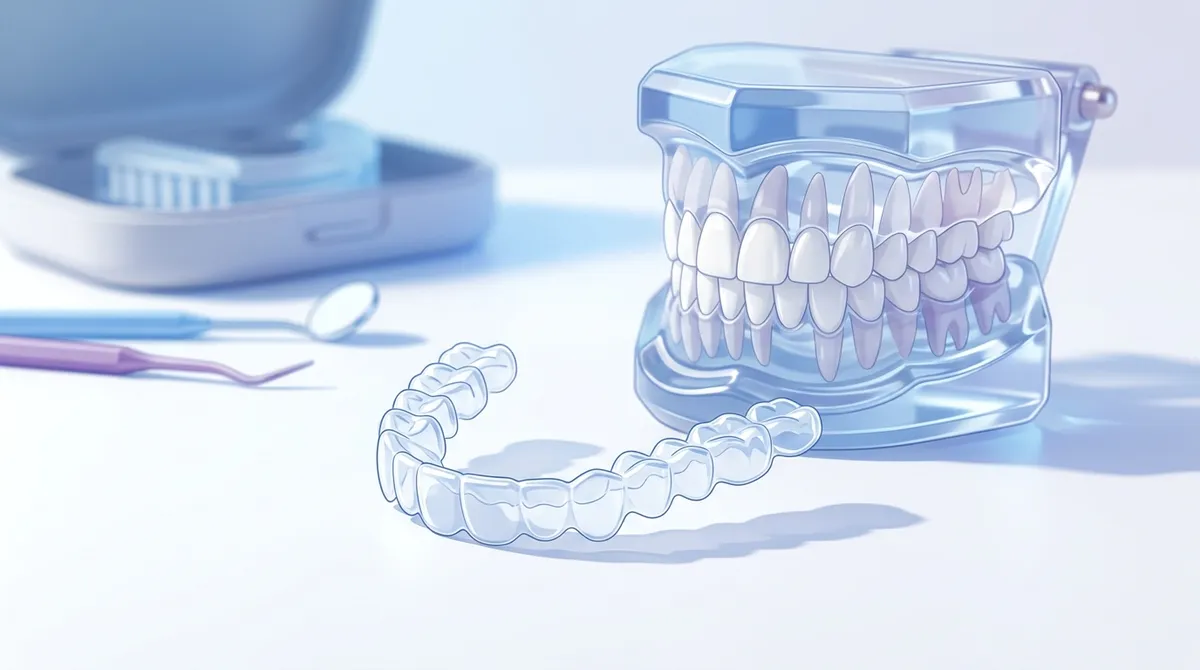
Each has pros and cons. Clear retainers look just like your Invisalign trays and are very discreet. Hawley retainers are durable and easy to adjust. Permanent retainers require no effort — they’re always there doing their job. Your dentist can help you choose the best option for your lifestyle.

3. The Average Retainer Cost After Invisalign in 2026
Let’s get into the actual numbers. Most patients wonder what they’ll pay out of pocket for a retainer once Invisalign wraps up. The retainer cost after Invisalign typically ranges based on your location, the type you choose, and your provider.
| Retainer Type | Cost Per Arch | Cost for Both Arches | Replacement Cost |
|---|---|---|---|
| Clear / Essix Retainer | $100 – $250 | $200 – $500 | $100 – $250 per arch |
| Hawley Retainer | $150 – $300 | $300 – $600 | $150 – $300 per arch |
| Permanent Retainer | $250 – $600 | $500 – $1,200 | $200 – $500 for repair |
Many dentists include one set of retainers in the original Invisalign treatment package. Always ask your provider if retainers are bundled into your treatment cost. You might be surprised — your retainers could already be covered!
To learn more about Invisalign treatment options and pricing in Brandon, FL, you can check out Dr. K’s profile. He is a cosmetic dentistry expert and even holds a Gold+ Invisalign provider status — you can view Dr. K’s Gold+ Invisalign Profile to learn more about his qualifications.
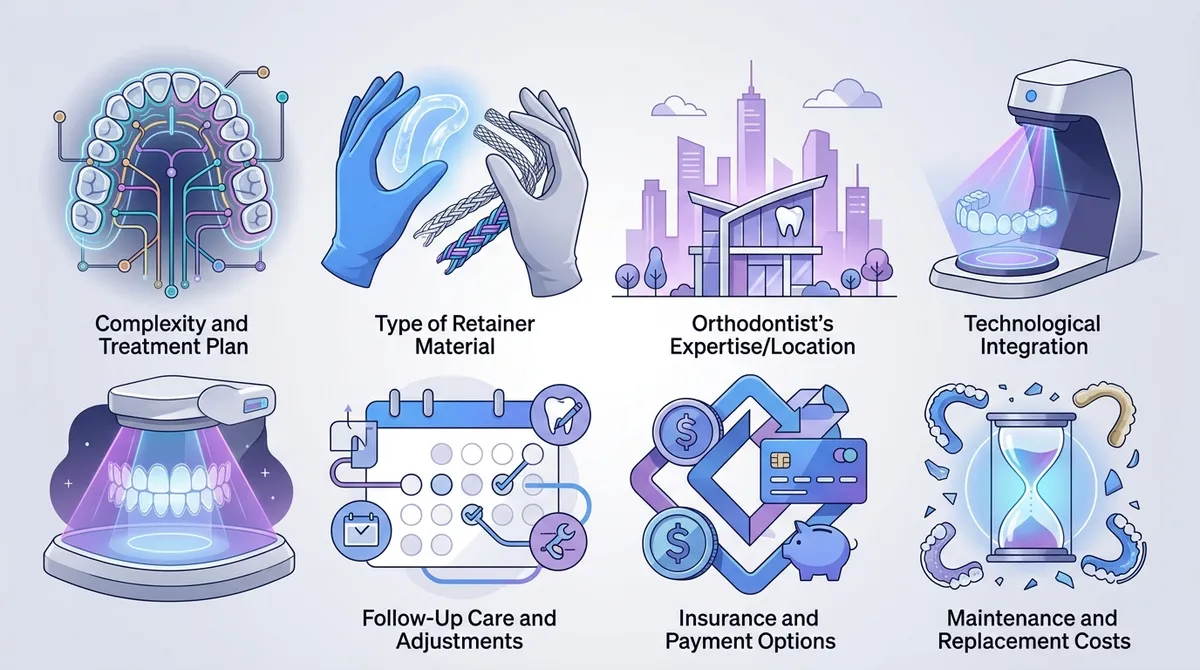
4. Seven Factors That Affect Your Retainer Cost
The price you’ll pay isn’t one-size-fits-all. Several things influence the total retainer cost after Invisalign. Here’s a numbered list of the biggest factors:
- Type of retainer: Clear retainers cost less upfront than permanent ones.
- Number of arches: One arch costs less than treating both upper and lower.
- Your location: Dental costs vary by city and region.
- Your dental provider: Independent practices often have more flexible pricing than corporate chains.
- Whether retainers are included: Some Invisalign packages bundle retainers in the total cost.
- Insurance coverage: Some dental plans cover part of the retainer cost — always check!
- Replacement needs: If you lose or damage a retainer, replacement costs add up over time.
Understanding these factors helps you plan ahead. And when it comes to planning, it’s worth checking your insurance coverage options before committing to a retainer type.
5. Does Dental Insurance Cover Retainer Costs?
This is a big question — and the answer is: it depends. Dental insurance can be tricky when it comes to retainers. Here’s a general breakdown of how coverage tends to work:
- Orthodontic benefits: If your plan includes ortho coverage, retainers may be partially covered as part of the overall orthodontic treatment.
- Replacement retainers: These are rarely covered by insurance. Lost or broken retainers are typically an out-of-pocket expense.
- Lifetime maximum: Many orthodontic benefits have a lifetime maximum. If you’ve already used it for Invisalign, there may be nothing left for retainers.
- FSA/HSA funds: You can often use Flexible Spending Account or Health Savings Account dollars to pay for retainers — a smart move!
Always call your insurance company before your final Invisalign appointment to ask about retainer coverage. It takes five minutes and could save you real money. At Dental Theory, we’re happy to help you navigate your dental insurance plans so you know exactly what’s covered.
6. How Long Do You Actually Need to Wear a Retainer?
Here’s the honest truth: most dentists recommend wearing retainers for life. Before you groan — it’s not as intense as it sounds. The schedule typically goes like this:
- First 3–6 months: Wear your retainer full-time (22 hours a day), just like your Invisalign aligners.
- Months 6–12: Shift to nighttime-only wear, which is much easier to handle.
- After year one: Many patients wear retainers a few nights per week to maintain results long-term.
The great news? Once you get into the routine, wearing a retainer at night becomes second nature. Most people barely notice it. And it’s a small price to pay to keep your beautiful smile intact for years to come.
Want to dive deeper into the Invisalign process from start to finish? This article on the final stages of Invisalign treatment gives a great overview of what happens at the end of your aligner journey — including what comes next.
7. Tips to Save Money on Retainers After Invisalign
Nobody wants to spend more than they have to. Here are some practical, friendly tips to keep your retainer costs reasonable over time:
- Ask about package deals: Many providers include initial retainers in the Invisalign cost. Always ask upfront.
- Use FSA or HSA funds: Tax-advantaged accounts make retainers more affordable.
- Order a backup: Getting two clear retainers at once is usually cheaper than replacing one later.
- Clean them properly: Proper care extends retainer life significantly. Use the right cleaning tablets or a gentle brush.
- Store them safely: Most retainers are lost in napkins at restaurants or left on countertops. Always use the case!
- See your dentist regularly: Routine check-ups catch small retainer issues before they become big expensive ones.
The cheapest retainer is the one you already own and take good care of. A little mindfulness goes a long way!
Comparing Retainer Types Side by Side
Still not sure which retainer is right for you? This comparison table breaks down the key differences to help you decide:
| Feature | Clear / Essix | Hawley | Permanent (Fixed) |
|---|---|---|---|
| Visibility | Nearly invisible | Visible wire on front teeth | Invisible (behind teeth) |
| Ease of care | Easy to clean | Moderate | Harder (flossing required) |
| Durability | Moderate (1–3 years) | High (5–10 years) | Very high (10+ years) |
| Cost over time | Higher (frequent replacement) | Moderate | Lower long-term |
| Best for | Patients who want discretion | Durable and adjustable needs | Forgetful patients! |
Talk to your dentist about which type fits your habits and budget best. There’s no single “right” answer — it’s about finding the best match for your lifestyle.
What Happens If You Skip the Retainer Altogether?
Let’s paint a quick picture. You finish Invisalign. Your smile is perfect. You skip the retainer because it seems like an extra expense. Six months later, you notice your teeth look a little off. A year later, you’re back to needing orthodontic treatment.
This scenario is more common than you’d think — and it’s completely avoidable. Skipping a retainer after Invisalign is one of the most costly mistakes you can make. The price of a retainer is a fraction of the cost of re-doing orthodontic treatment.
Think of a retainer as an insurance policy for your smile. A small monthly cost (when you factor in replacement over years) protects a much larger investment. You worked hard for that smile — protect it!
If you’re in Brandon, FL and ready to take the next step, we’d love to help. Schedule an appointment with our team today and let’s talk about your post-Invisalign options.
Why Brandon Patients Trust Dental Theory for Invisalign and Retainers
At Dental Theory in Brandon, FL, we believe your smile journey doesn’t end when your last aligner tray goes in. It continues with proper retention. Our team takes the time to explain every step — including the retainer cost after Invisalign — so you’re never caught off guard by unexpected expenses.
Dr. K is not only a Gold+ Invisalign provider, but he’s also been recognized for his excellence — Dr. Chris Karapasha has been named one of America’s Top Young Dentists in Incisal Edge magazine’s 2025 40 Under 40. That’s the kind of trusted care you deserve for your smile.
We make sure your post-treatment plan is just as strong as your treatment itself. Want to see what our patients say? Visit us on Google — Dental Theory and read our reviews from happy Brandon families.
Conclusion: Protect Your Smile — It’s Worth Every Penny
Here’s the bottom line: the retainer cost after Invisalign is one of the best investments you can make for your oral health. For a relatively small amount of money, you protect a smile you spent months working to achieve. Whether you choose a clear retainer, a Hawley retainer, or a permanent bonded option — the most important thing is that you wear it consistently.
Don’t let your hard work drift away. Talk to your dentist about retainer options, check your insurance benefits, and create a plan that works for your lifestyle and budget. Your future self will thank you every time you look in the mirror.
Ready to wrap up your Invisalign journey the right way? Reach out to our Dental Theory team in Brandon, FL today. We’ll walk you through everything — from your final aligner to your first retainer — with warmth, expertise, and zero surprises.
FAQs
Q: How much does a retainer cost after Invisalign treatment?
A: Retainer costs after Invisalign typically range from $100 to $600 per arch depending on the type you choose. Clear retainers are the most affordable upfront, while permanent bonded retainers cost more initially but last much longer. Always ask your dentist if retainers are included in your Invisalign package!
Q: Does dental insurance cover the cost of retainers after Invisalign?
A: It depends on your plan! Some dental insurance policies with orthodontic benefits will cover part of your retainer cost, especially if it’s part of your original Invisalign treatment. However, replacement retainers are rarely covered — so take good care of your first set. Using FSA or HSA funds is a great way to offset out-of-pocket costs.
Q: How long do I need to wear a retainer after Invisalign?
A: Most dentists recommend wearing your retainer full-time for the first 3–6 months, then transitioning to nighttime-only wear. After the first year, many patients wear them just a few nights per week. To keep your results long-term, wearing your retainer consistently — even years down the road — is the best habit you can build!
Q: What is the cheapest type of retainer after Invisalign?
A: Clear (Essix) retainers tend to have the lowest upfront cost, typically ranging from $100 to $250 per arch. However, they need to be replaced every 1–3 years, so the long-term cost can add up. Permanent retainers cost more initially but are very cost-effective over many years since they rarely need replacing.
Q: What happens if I don’t wear my retainer after Invisalign?
A: Without a retainer, your teeth can start drifting back toward their original positions — sometimes within just a few months! This is called relapse, and fixing it often means restarting orthodontic treatment at full cost. Wearing your retainer is the easiest way to protect your Invisalign investment and keep your smile looking its best.