Key Takeaways
-
Teeth can begin shifting within just a few days of stopping retainer use, with noticeable movement occurring within 1-3 months, making the first few months after orthodontic treatment the most critical window.
-
Most dental professionals recommend wearing a retainer indefinitely in some form, starting with full-time wear (20-22 hours daily) for 3-6 months, then transitioning to nightly wear and eventually several nights per week.
-
Younger patients, those with severe original misalignment, and individuals with teeth grinding experience faster relapse; factors like tongue thrusting, weak gum health, and poor bone density also accelerate tooth shifting.
-
Mild to moderate tooth shifting can often be corrected without full retreatment by resuming retainer use, getting a new retainer, or doing a short Invisalign refinement course if caught early.
-
Untreated tooth relapse leads to crowding that increases cavity and gum disease risk, reduces chewing effectiveness, and can progress to significant misalignment requiring major retreatment within 1-2 years.
-
If your retainer no longer fits, do not force it in as this causes damage; instead visit your dentist immediately for a new impression and retainer to prevent accelerated shifting.
You finally finished orthodontic treatment. Your smile looks amazing. Then life gets busy, and your retainer sits forgotten in a drawer. Sound familiar? You are definitely not alone. Many people wonder exactly how fast teeth shift without a retainer — and the answer might surprise you.
The truth is, teeth can start moving sooner than most people expect. Understanding the teeth shift without retainer timeline can help you protect the smile you worked so hard to achieve. Whether you just completed Invisalign treatment or finished traditional braces years ago, this guide breaks it all down in a simple, easy-to-follow way.
Why Do Teeth Shift After Orthodontic Treatment?
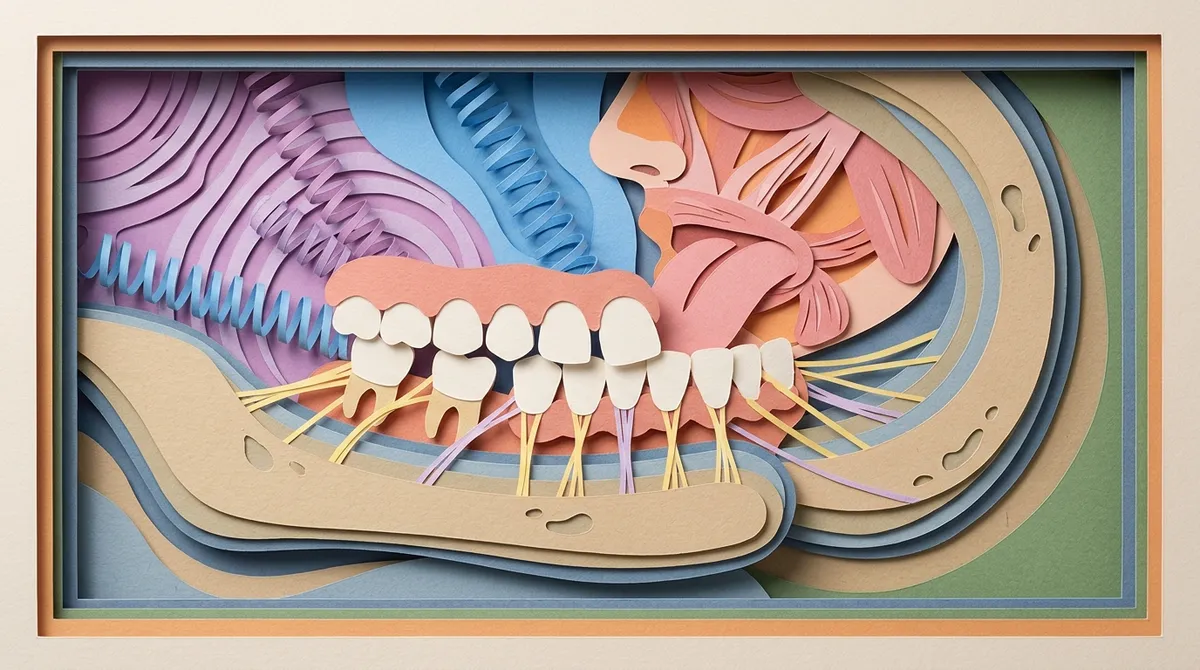
Your teeth are not locked in place the way most people think. They sit in a soft tissue called the periodontal ligament. This tissue acts like a flexible anchor. After braces or aligners move your teeth into new positions, that tissue needs time to fully settle and firm up. Until it does, your teeth are eager to drift back toward their old positions.
This natural backward movement is called relapse. It happens because the bones and tissues around your teeth are still adapting. Without a retainer holding everything in place, relapse is almost guaranteed over time. Learn more about whether you need to wear a retainer forever after Invisalign to understand the full picture.
The Teeth Shift Without Retainer Timeline
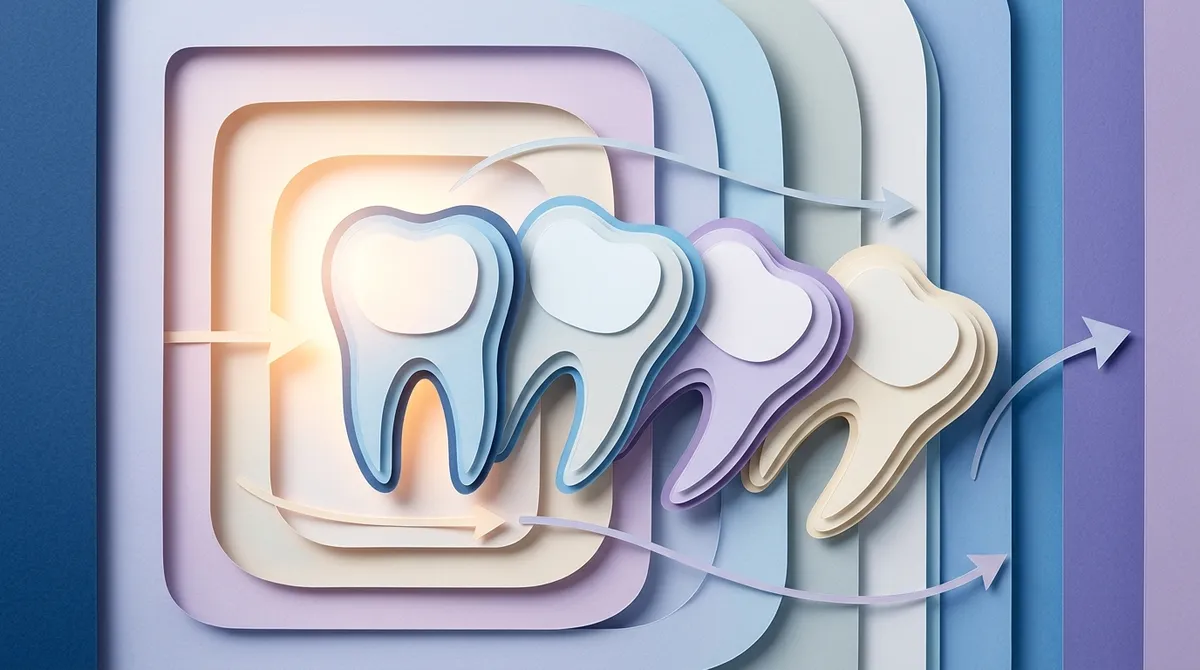
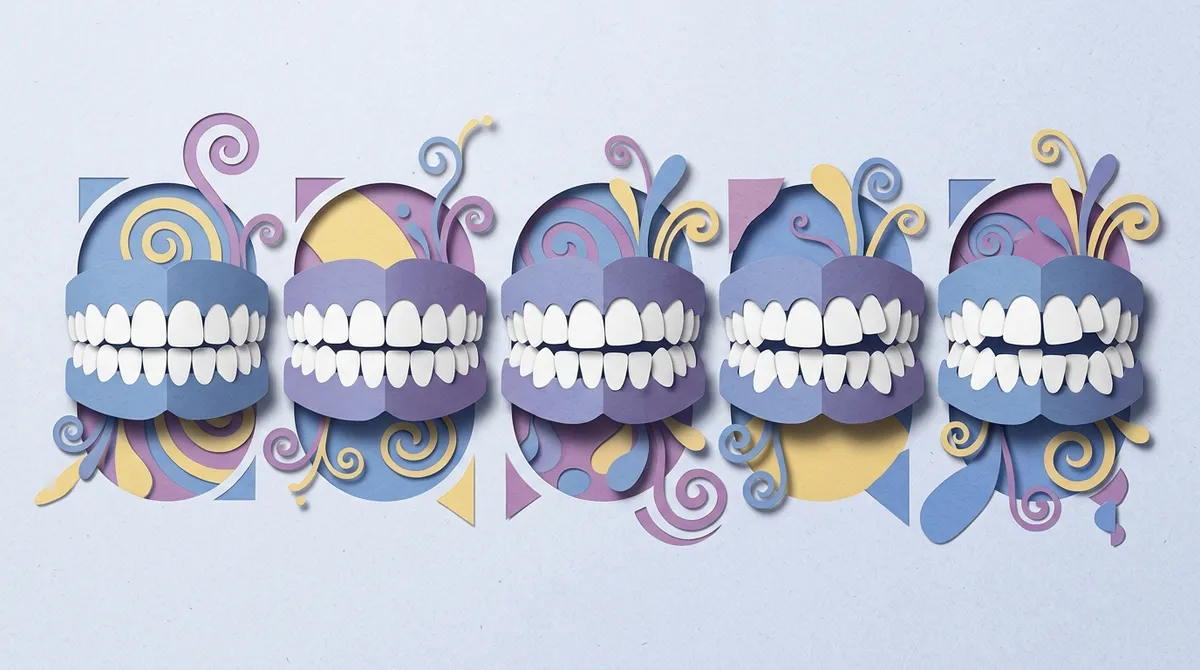
Every person is different, but dental professionals have identified a general pattern for how teeth move after treatment ends. Here is what you can typically expect when you stop wearing your retainer.
| Time Without Retainer | What Happens to Your Teeth | Risk Level |
|---|---|---|
| 1–2 Days | Very minimal movement; retainer may feel slightly tight when you put it back | Low |
| 1–2 Weeks | Noticeable tightness when wearing retainer again; early shifting begins | Moderate |
| 1–3 Months | Visible shifting may begin; retainer may no longer fit comfortably | High |
| 6–12 Months | Significant relapse; teeth return closer to original positions | Very High |
| 1+ Years | Major shifting; may require retreatment with aligners or braces | Severe |
The most critical window is the first few months after treatment. This is when the risk of relapse is highest. Many people also notice their retainer feels tight after just a few days without it — that tightness is your teeth already trying to move. If you have experienced this, take a look at common mistakes when your retainer feels tight.
Factors That Affect How Fast Teeth Shift
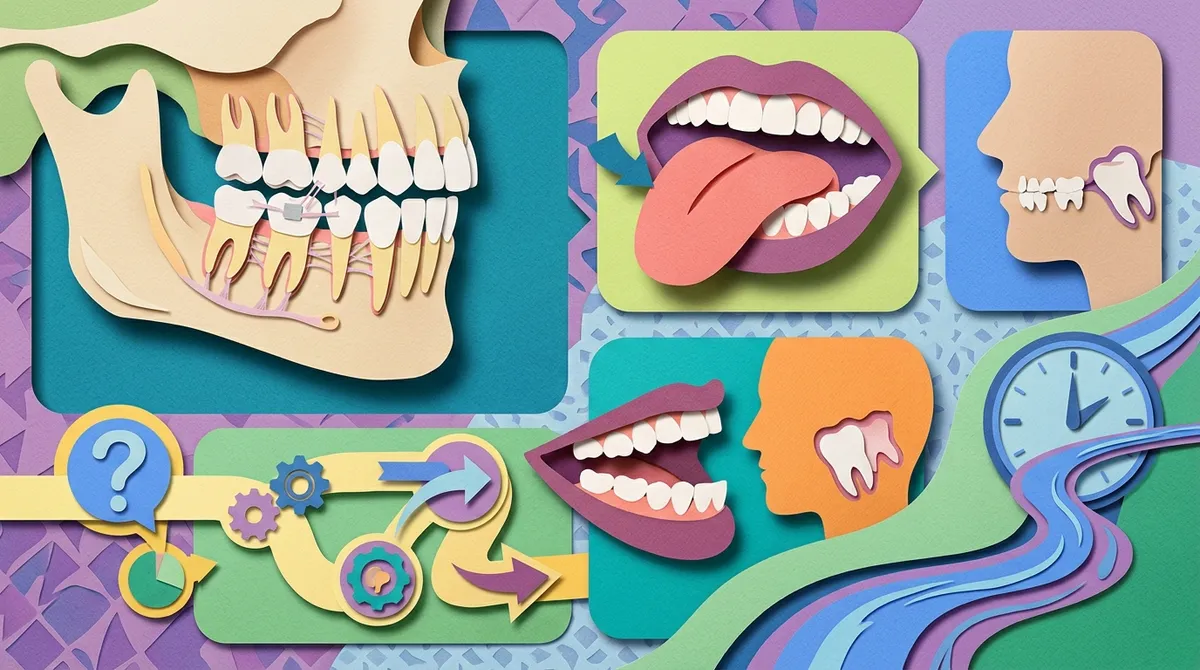
Not everyone’s teeth move at the same speed. Several factors influence how quickly relapse happens for each individual person.
- Age: Younger patients tend to experience faster shifting because their bone density is still developing.
- Severity of original misalignment: The more correction your teeth needed, the more likely they are to shift back.
- Tongue and lip pressure: Daily habits like tongue thrusting or lip pressing push teeth out of alignment.
- Teeth grinding (bruxism): Grinding puts constant pressure on teeth, accelerating movement.
- Gum and bone health: Weakened gum tissue or bone loss makes teeth less stable overall.
- Type of orthodontic treatment: Some treatment types result in more stable outcomes than others.
Understanding these factors helps you take the right steps to protect your smile. If grinding is a concern, it may be worth reading about teeth grinding causes and solutions from our team.
Warning Signs That Your Teeth Are Shifting
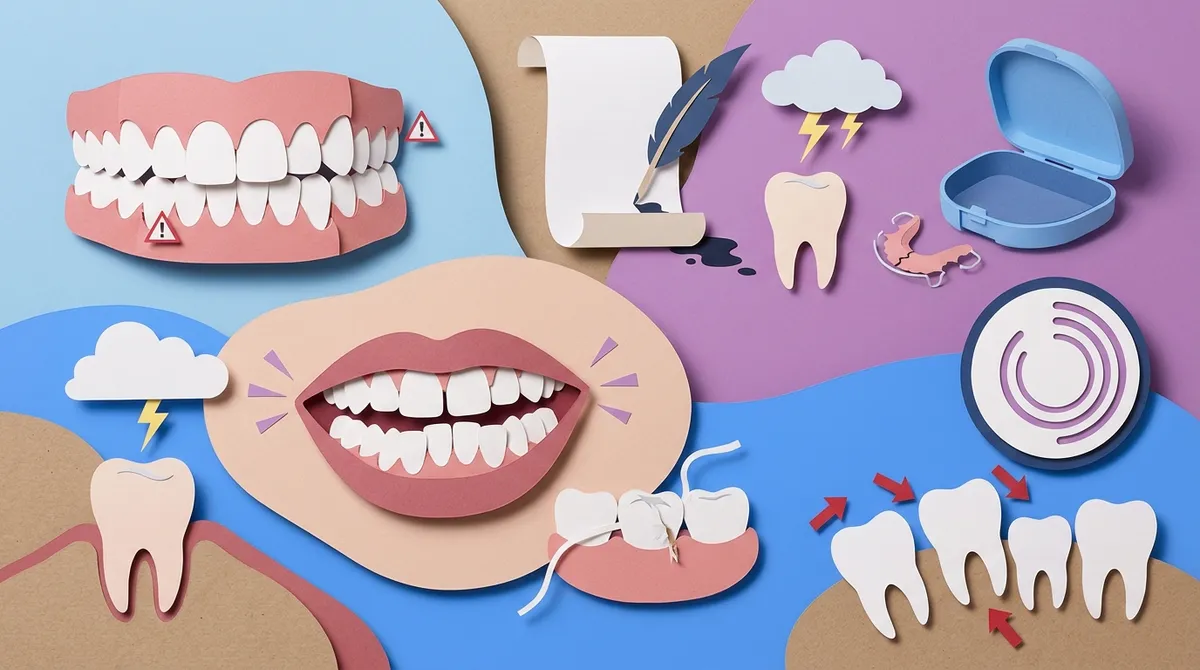
Sometimes teeth shift gradually, and you may not notice right away. Here are the key warning signs to watch for.
- Your retainer feels tight or painful when you try to put it back in after a break.
- Gaps appear between teeth that were previously closed after treatment.
- Front teeth begin to overlap or crowd together again, especially the lower front teeth.
- Your bite feels different — you may chew differently or notice jaw discomfort.
- Your retainer no longer fits at all and feels like it belongs to someone else.
If your retainer no longer fits, do not force it in. Forcing an ill-fitting retainer can actually damage your teeth. Instead, visit a dental professional as soon as possible. You can reach out to Dental Theory in Brandon, FL to schedule a quick evaluation and find out what your options are.
What Happens If You Leave Shifting Untreated?
Ignoring tooth relapse does not make the problem disappear. In fact, it gets worse over time. Here is what can happen when shifting goes unchecked for too long.
| Stage of Neglect | Potential Consequences |
|---|---|
| Early (weeks to months) | Mild crowding, tight retainer, minor cosmetic changes |
| Intermediate (months to 1 year) | Noticeable crowding, bite changes, harder to clean teeth |
| Late (1+ years) | Significant relapse, increased cavity risk, possible retreatment needed |
| Severe (multiple years) | Return to near-original misalignment, gum disease risk, jaw stress |
Crowded teeth are harder to brush and floss effectively. This raises your risk of cavities and gum disease. Protecting your alignment is not just about looks — it is about long-term oral health too. You can explore how general dentistry services at Dental Theory support your overall smile health.
Can You Fix Shifted Teeth Without Starting Over?
The good news is that mild shifting can often be corrected without a full round of orthodontic treatment. Here are some common solutions depending on how much movement has occurred.
- Resume wearing your retainer: If only a short time has passed, your retainer may still fit well enough to gently guide teeth back.
- Get a new retainer: A fresh retainer made from a new mold of your current teeth can help stabilize where you are now.
- Try Invisalign refinements: If moderate shifting has occurred, a short round of clear aligners may correct it quickly. Review the final stages of Invisalign treatment to see how refinements work.
- Full retreatment: For severe relapse, a complete new course of orthodontic treatment may be necessary.
The earlier you catch the shifting, the simpler and less expensive the fix usually is. That is why staying on top of your retainer routine matters so much from day one.
Retainer Wearing Schedule: What Experts Recommend
The most common mistake patients make is assuming they only need a retainer for a short time after treatment. Most dental professionals recommend a long-term retainer schedule that evolves over the years.
| Phase | Recommended Wear Time | Why It Matters |
|---|---|---|
| First 3–6 months post-treatment | Full-time (20–22 hours per day) | Tissues are still stabilizing around new tooth positions |
| 6–12 months post-treatment | Nightly wear every night | Bone density continues to build and lock in position |
| Year 1–3 | Every night or most nights | Long-term stability is being established |
| Beyond 3 years | Several nights per week minimum | Natural aging and habits continue to shift teeth over time |
Many patients ask, “Do I really need to wear a retainer forever?” The honest answer is: some form of retainer use is recommended indefinitely for most people. Natural forces never fully stop trying to move your teeth. You can read more about common mistakes that cause teeth to shift when you stop wearing your retainer to avoid the most frequent pitfalls.
Types of Retainers and Their Effectiveness
Not all retainers work the same way. Knowing your options helps you choose the best one for your lifestyle and needs.
- Hawley retainers: Traditional wire retainers that are durable and adjustable. Great for long-term use.
- Clear plastic retainers: Removable and nearly invisible. Popular after Invisalign treatment. Need regular replacement.
- Fixed (bonded) retainers: A thin wire bonded to the back of your teeth. Permanent and worry-free since you cannot forget to wear it.
- Vivera retainers: Made by Invisalign, these are stronger and longer-lasting than standard clear retainers.
Each type has advantages and trade-offs. Talk to your dental provider to find the retainer that best fits your daily routine. You can also explore fixed vs. removable retainer durability to compare options more closely before deciding.
If you are considering switching from one retainer type to another, check out whether you can switch retainer types after Invisalign for helpful guidance.
Protecting Your Smile in Brandon, FL
At Dental Theory in Brandon, Florida, we understand how much your smile means to you. Our friendly, family-focused team helps patients of all ages maintain the results of their orthodontic work. Whether you need a new retainer, a check-up on shifting concerns, or a fresh Invisalign consultation, we are here for you.
You can visit Dental Theory on Google to read reviews from our Brandon community and see why local families trust us with their smiles. We also encourage you to schedule an appointment online at your convenience — it only takes a few minutes.
Our team also offers comprehensive cosmetic dentistry services if your shifting has affected your smile in ways you want to address. From clear aligners to smile design, we have options to get you back on track.
Quick Tips to Stop Teeth From Shifting
Here are some easy, actionable steps you can take starting today to protect your alignment and keep your smile looking its best.
- Wear your retainer every night — even if treatment was years ago.
- Store your retainer in its case so you always know where it is.
- Replace worn or cracked retainers promptly rather than skipping wear time.
- Attend regular dental check-ups so your provider can monitor alignment changes early.
- Avoid chewing hard objects like ice, pens, or fingernails that stress your teeth.
- Get a nightguard if you grind your teeth — this protects both your teeth and any retainer you wear.
Simple habits like these make a big difference over time. And if you ever feel your retainer is not working the way it should, learn about common retainer mistakes so you can troubleshoot quickly.
Conclusion: Do Not Let Your Hard Work Go to Waste
Teeth shift without a retainer faster than most people expect. Within just a few weeks, early movement can begin. Within months, that movement can become visible. The good news? Consistent retainer use is a simple and affordable way to protect everything you worked for during orthodontic treatment.
Whether your treatment was recent or happened years ago, it is never too late to get back on track. Our warm, welcoming team at Dental Theory in Brandon, FL is ready to help you protect and maintain your smile. Connect with Dental Theory today and let’s make sure your smile stays exactly where it belongs — beautiful and healthy for life. You can also visit us on Facebook to stay connected and see the latest from our team.
FAQs
Q: How quickly do teeth shift without a retainer?
A: Teeth can begin shifting within just a few days of not wearing your retainer — you may notice your retainer feels tight when you put it back in. More noticeable movement typically occurs within 1 to 3 months, so getting back to your retainer routine as soon as possible is always the best move!
Q: Can I fix my teeth if they have already shifted?
A: Great news — mild to moderate shifting can often be corrected without starting a full round of orthodontic treatment all over again. Depending on how much movement has occurred, a new retainer or a short Invisalign refinement course may be all you need to get your smile back on track.
Q: What happens if my retainer no longer fits after not wearing it?
A: If your retainer feels too tight or simply will not fit anymore, do not try to force it — this can actually cause discomfort or damage. Visit your dental provider as soon as possible for an evaluation so they can take a new impression and create a retainer that fits your teeth where they are now.
Q: Do I need to wear a retainer forever after orthodontic treatment?
A: Most dental professionals recommend wearing a retainer indefinitely in some form, because natural forces continue to push on your teeth throughout your life. The great news is that after the first year, many patients only need to wear their retainer a few nights per week to keep their smile beautifully stable.
Q: Are fixed retainers better than removable ones for preventing teeth from shifting?
A: Fixed retainers are bonded to the back of your teeth, which means you never have to remember to put them in — making them a fantastic option for patients who tend to forget removable retainers. That said, both types work well when used consistently, so the best retainer is truly the one you will actually wear!