Key Takeaways
-
Teeth can begin shifting within days of skipping retainer wear, making even one or two nights without your retainer cause slight but cumulative movement that becomes visible over weeks.
-
Significant tooth relapse may require expensive retreatment with new aligners or braces, costing thousands of dollars and months of additional appointments—making consistent retainer wear essential to protect your original investment.
-
Skipped retainer wear allows teeth to shift into positions that are harder to clean, increasing cavity and gum disease risk by creating tight contact points and overlapping areas where floss cannot reach.
-
When teeth shift, your retainer stops fitting properly and may warp or crack from disuse, requiring replacement and forcing you to purchase a new retainer sooner than necessary.
-
Bite changes from inconsistent retainer wear can trigger TMJ pain, jaw clicking, teeth grinding damage, and bone density loss around teeth—all preventable with nightly retainer use.
-
Most patients need to wear retainers long-term (nightly for at least the first year post-treatment), as teeth naturally want to return to their original position regardless of how long ago orthodontic treatment ended.
You finally finished your orthodontic treatment. Your teeth look amazing. You feel great about your smile. Then life gets busy, and you start skipping your retainer. Sound familiar? You are definitely not alone — but those skipped nights add up fast. The skip retainer wear consequences can be surprising, frustrating, and even costly. The good news? Most problems are 100% preventable when you know what to watch for. Whether you just finished Invisalign or traditional braces, this guide is for you. We are breaking down 14 real consequences of skipping retainer wear — and what you can do about each one.
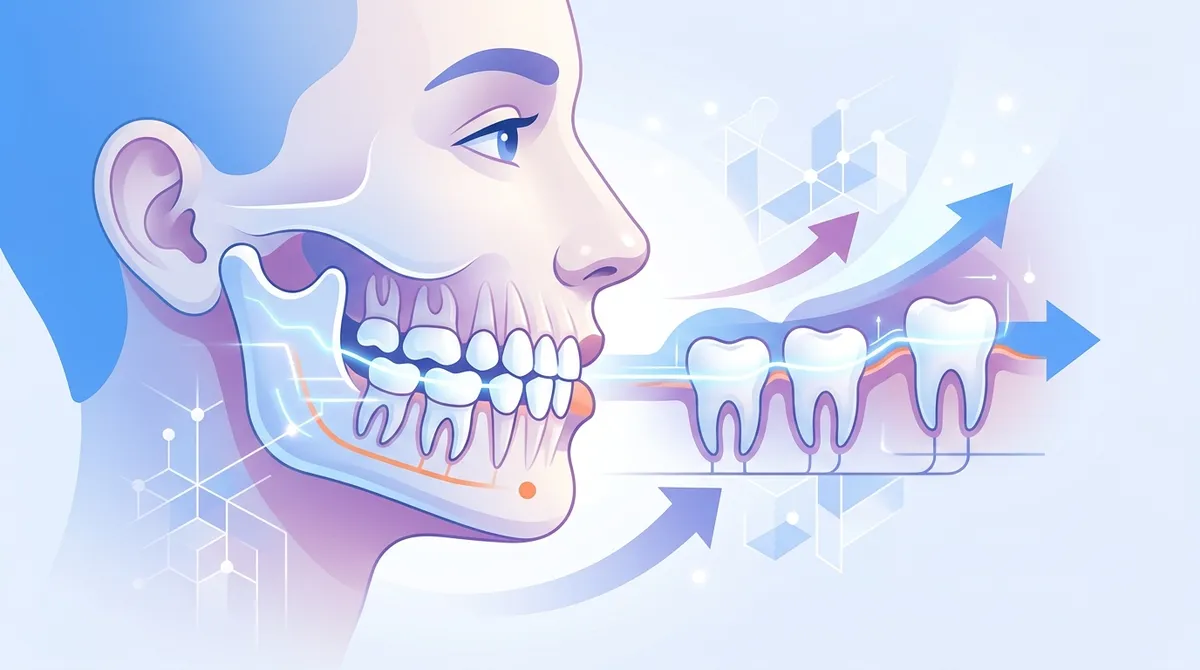
Why Retainer Wear Matters So Much
Your teeth are not locked into place after braces or aligners. They are held by tiny fibers in your gums called periodontal ligaments. These fibers have memory. They want to pull your teeth back to where they used to be. Your retainer is the only thing stopping that from happening. According to orthodontic research, teeth can begin shifting within days of stopping retainer use. That is not a typo — days. Understanding the skip retainer wear consequences can motivate you to stay consistent with your wear schedule.
If you are curious about what happens after your aligner treatment wraps up, check out this helpful guide on the 7 final stages of Invisalign treatment. It covers exactly what to expect — including the retainer phase.
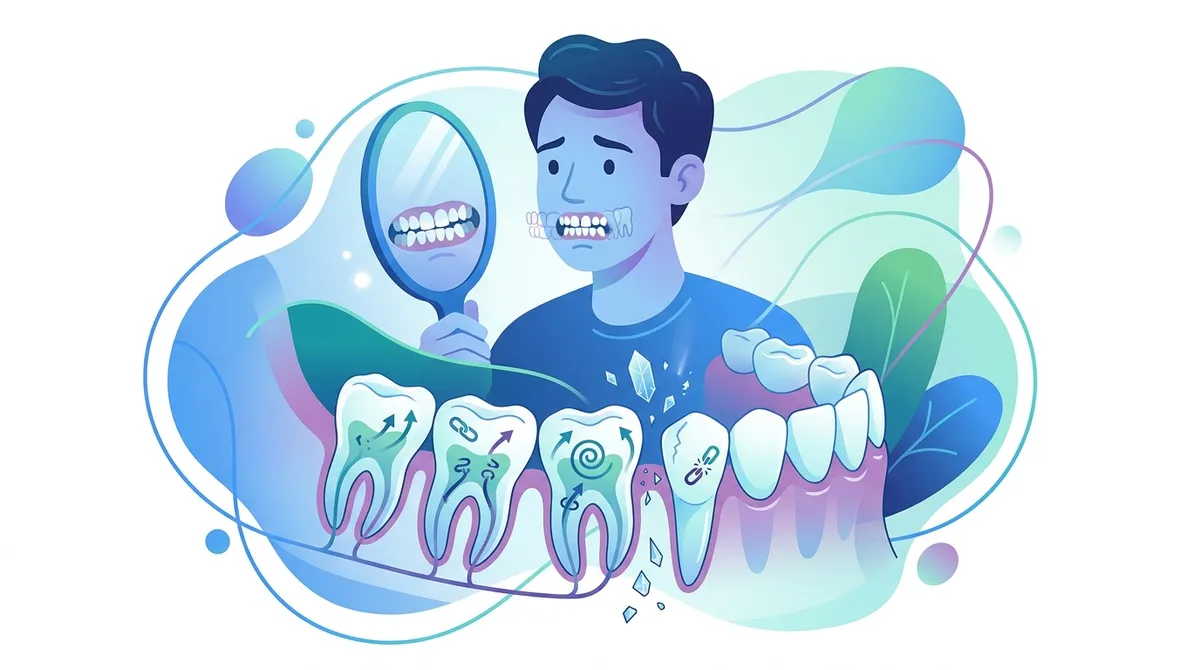
14 Consequences of Skipping Retainer Wear
1. Your Teeth Will Start to Shift
This is the most obvious and immediate consequence. Even one or two nights without your retainer can cause slight movement. Over weeks and months, that movement becomes visible. You may notice gaps, crowding, or overlapping returning to your smile.
2. Your Retainer Will Stop Fitting
If your teeth shift even slightly, your retainer may no longer fit properly. Forcing it back in can actually damage your teeth and gums. A retainer that does not fit is basically useless — and you will need a new one. Learn more about what it means when your retainer feels tight and your teeth are moving.
3. You Could Face Expensive Retreatment
Retreatment is one of the biggest skip retainer wear consequences people do not think about upfront. If your teeth shift significantly, you may need another round of aligners or braces. That means more time, more appointments, and more money. Protecting your retainer habit is protecting your investment.
4. Your Bite Can Change
Your teeth do not just shift horizontally — they can also tip, rotate, or extrude. This changes how your upper and lower teeth meet. A misaligned bite can cause jaw discomfort, headaches, and uneven tooth wear over time.
5. Gum Disease Risk Goes Up
Crowded or misaligned teeth are harder to clean properly. When your teeth start shifting back, plaque and bacteria find new hiding spots. This increases your risk of gum disease. If you want to know the warning signs, read about 11 signs you need a dentist for gum disease in 2026.
6. Cavities Become More Likely
Shifting teeth create tight contact points and overlapping areas. Floss and toothbrushes cannot reach these spots easily. This creates the perfect environment for cavities to develop. Consistent retainer wear helps keep your teeth in a position that is easier to clean.
7. TMJ Pain Can Develop
When your bite shifts, your jaw joint — the temporomandibular joint, or TMJ — has to work harder. This can lead to clicking, popping, or pain in the jaw. TMJ problems can be difficult and expensive to treat. You can read more about TMJ rehabilitation options if you are already experiencing symptoms.
8. You May Need a New Retainer Sooner
Retainers have a lifespan, but skipping wear makes that lifespan shorter. When you leave your retainer out too long, it can warp, crack, or no longer fit due to teeth movement. Replacing retainers costs money. Wearing them consistently makes them last longer. Learn more about retainer cost facts after Invisalign.
9. Your Smile Confidence Takes a Hit
You worked hard for that straight smile. Watching your teeth slowly shift back is discouraging. Many patients report feeling self-conscious about their smile again after relapse. All of that emotional effort from your original treatment deserves to be protected.
10. Teeth Grinding Gets Worse
If you grind your teeth at night — a condition called bruxism — your retainer also helps protect your enamel. Skipping it means your teeth are grinding against each other unprotected. Over time, this erodes tooth enamel and can lead to sensitivity, chips, or cracking. Read about teeth grinding causes and cures for more insight.
11. Bone Density Around Teeth Can Be Affected
Teeth that shift cause the surrounding bone structure to adapt to the new position. This process works both ways. When teeth move back toward their old position, it can put stress on the bone. Long-term instability can affect the health of the bone supporting your teeth.
12. You May Not Be Able to Switch Retainer Types
Some patients want to switch from a removable retainer to a fixed (bonded) retainer, or vice versa. If your teeth have already shifted, that transition becomes more complicated. Keeping your teeth stable gives you more flexibility with retainer options. Find out if you can switch retainer types after Invisalign.
13. Your Invisalign Trays May No Longer Work as a Retainer
Many patients use their last set of Invisalign aligners as a temporary retainer. But if you skip wearing them, your teeth shift — and those trays no longer fit. This is one of the most common mistakes patients make right after finishing treatment. Check out the 6 mistakes to avoid when using Invisalign as a retainer.
14. You May Wonder If You Need to Wear a Retainer Forever
The honest answer is: yes, most patients need to wear a retainer long-term. The frequency decreases over time, but the need never fully goes away. Your teeth will always want to move. A consistent retainer habit is the only permanent solution. This article answers the big question: do I need to wear a retainer forever after Invisalign?
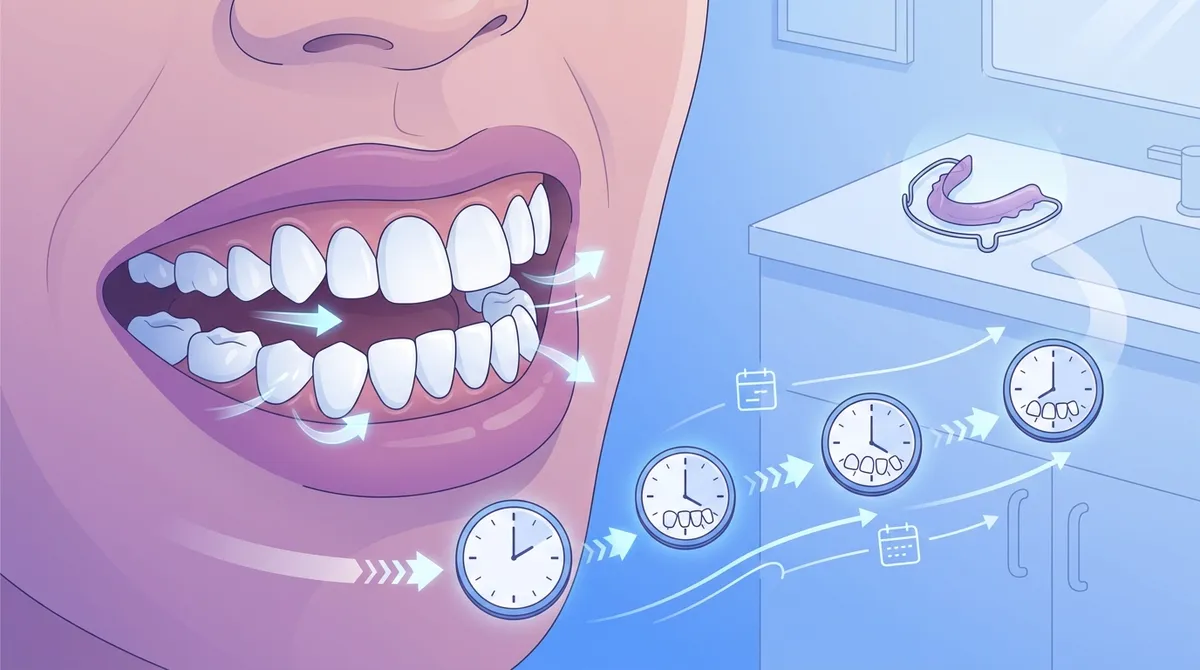
How Quickly Do Teeth Shift Without a Retainer?
The timeline varies by person, but here is a general idea of what to expect:
| Time Without Retainer | What May Happen | Reversibility |
|---|---|---|
| 1–3 Days | Minor tightness when retainer is replaced | Usually reversible with consistent wear |
| 1–2 Weeks | Noticeable tightness, possible slight movement | Often reversible but may need dental check |
| 1–3 Months | Visible tooth movement may begin | May need a new retainer or refinements |
| 6+ Months | Significant relapse; bite changes possible | May require full retreatment |
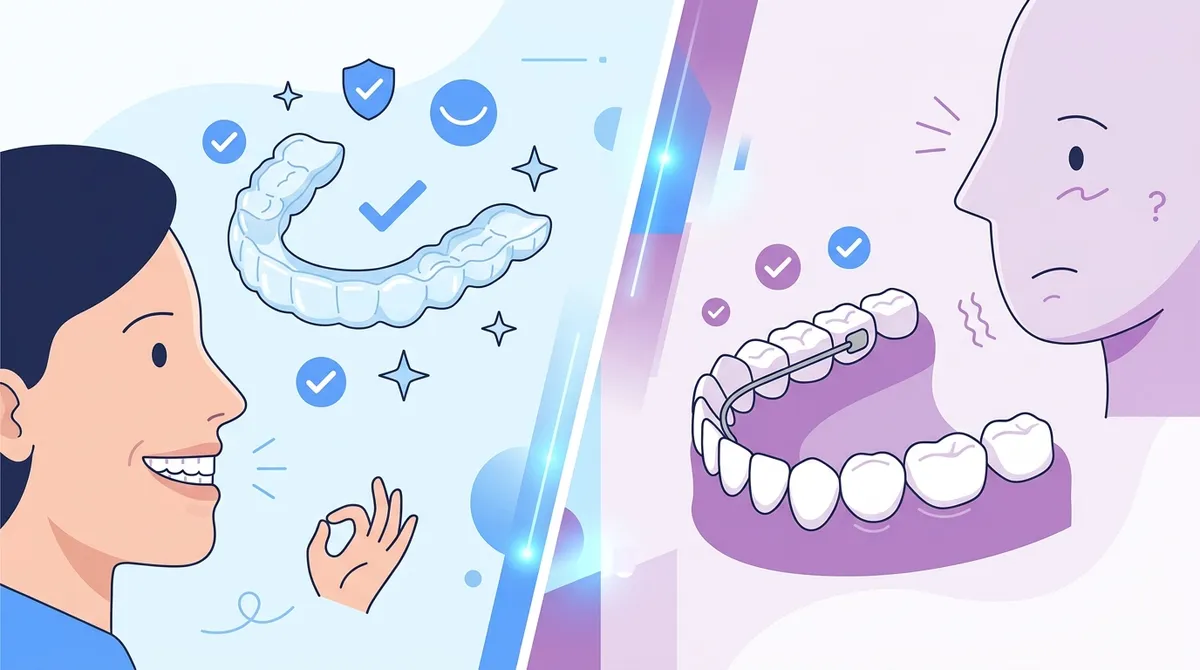
Retainer Types and Their Pros and Cons
Choosing the right retainer can make it easier to stay consistent. Here is a quick breakdown of your main options:
| Retainer Type | How It Works | Pros | Cons |
|---|---|---|---|
| Hawley Retainer | Wire and acrylic plate, removable | Durable, adjustable, long-lasting | Visible, bulkier feel |
| Clear Plastic Retainer | Fits over teeth like an aligner | Discreet, comfortable, easy to wear | Can crack, may need more frequent replacement |
| Fixed (Bonded) Retainer | Wire bonded to back of teeth | Always working, no willpower needed | Harder to floss, not removable |
Tips to Stay Consistent With Retainer Wear
Building good habits is the real secret to avoiding skip retainer wear consequences. Here are some strategies that actually work:
- Keep your retainer case on your nightstand. Visual reminders are powerful. If you see it, you are more likely to use it.
- Set a phone alarm. A simple nightly reminder can break the habit of forgetting.
- Make it part of your bedtime routine. Brush, floss, place retainer — in that order, every night.
- Tell someone who will hold you accountable. A partner, roommate, or parent can offer a friendly reminder.
- Schedule regular dental check-ins. Your dental team can monitor your teeth and catch early shifting before it becomes a problem.
Signs Your Teeth Have Already Started Shifting
Not sure if the damage has already begun? Watch for these warning signs:
- Your retainer feels tighter than usual when you put it in
- You notice gaps or crowding returning between your teeth
- Your bite feels different when you chew
- You see visible changes in your smile in photos
- Your retainer no longer sits flush against your teeth
- You experience new jaw soreness or clicking
If any of these signs sound familiar, do not panic — but do act quickly. The sooner you address shifting, the better your options are. You can also read about retainer not working and teeth moving mistakes to avoid for guidance on next steps.
What Happens to a Fixed Retainer That Breaks?
Fixed retainers are great because they work without any effort from you. But if they break or come loose, your teeth can shift quickly — sometimes in unexpected ways. Here is what to look out for:
- A wire that feels loose or pokes your tongue
- Visible space where the wire used to be bonded
- Teeth that suddenly feel like they are moving
- Tenderness or discomfort near your front teeth
If your fixed retainer breaks, contact your dental provider right away. Do not wait. Read more about 11 signs your broken retainer is causing teeth relapse so you know exactly what to watch for.
How Dental Theory Helps Brandon Patients Protect Their Smiles
At Dental Theory in Brandon, FL, we believe your smile is worth protecting long after treatment ends. Our team helps patients with retainer checks, replacements, and monitoring for early tooth movement. Whether you are brand new to orthodontic treatment or years into your retainer routine, we are here to help. You can reach out to Dental Theory to schedule a quick retainer check and make sure your smile is still on track. You can also visit Dental Theory on Google to read reviews from real Brandon patients who trust us with their smiles.
Curious about our full range of services? Explore our general dentistry and cosmetic dentistry options — all under one roof for your whole family.
Frequently Asked Questions About Retainer Wear Habits
Here is a quick reference for some of the most common retainer questions we hear from patients:
| Question | Short Answer |
|---|---|
| Can I just wear my retainer once a week? | No — this is usually not enough to prevent shifting, especially in the first year after treatment. |
| What if my retainer cracks? | Replace it as soon as possible. A cracked retainer is not effective and can cut your gums. |
| Can I use my old retainer if my teeth have shifted? | Not always — forcing an old retainer may cause damage. Check with your dental provider first. |
| How long should I wear my retainer each night? | Most dentists recommend wearing it all night, every night — especially in the first year post-treatment. |
Your Smile Is Worth the Two Minutes It Takes
Skipping your retainer might not feel like a big deal in the moment. But the skip retainer wear consequences can snowball quickly — from minor tightness to full-scale relapse that requires retreatment. The effort required to wear your retainer is truly minimal compared to what is at stake. Think of it as a two-minute nightly investment in the smile you worked so hard to achieve. If you are noticing early signs of shifting or just want peace of mind, now is a great time to connect with a dental professional. You can also schedule an appointment at Dental Theory to have your retainer and teeth evaluated today. Your future smile will thank you!
FAQs
Q: What happens if I skip wearing my retainer for a week?
A: Even one week without your retainer can cause noticeable tightness and minor tooth movement. The good news is that catching it early usually means your retainer can still fit — but do not wait any longer! Pop it back in and aim for consistent nightly wear going forward.
Q: Can teeth shift back into place without retreatment after retainer neglect?
A: It depends on how much shifting has occurred. Minor shifts caught early may be corrected by simply resuming retainer wear consistently. However, significant relapse usually requires a new retainer, refinements, or even a new round of aligners — so the sooner you act, the better!
Q: How do I know if my retainer still fits after skipping it?
A: Try placing it in gently — it should sit flush against your teeth without excessive force. If it feels tight, painful, or does not seat properly, it may no longer fit well. Check with your dental provider before forcing it in, as that could damage your teeth or gums.
Q: Is a fixed retainer better than a removable one for preventing tooth shifting?
A: Fixed retainers have a big advantage — they work around the clock without relying on your memory! However, they require extra care when flossing and must be monitored for breakage. Many patients do best with both a fixed retainer and a removable one used nightly for maximum protection.
Q: How long do I really need to wear my retainer after Invisalign?
A: Most orthodontic professionals recommend wearing your retainer every night indefinitely — yes, long-term! In the first year after treatment, teeth are especially prone to shifting. Over time, some patients can reduce to a few nights per week, but only based on their dentist’s specific recommendation.