Key Takeaways
-
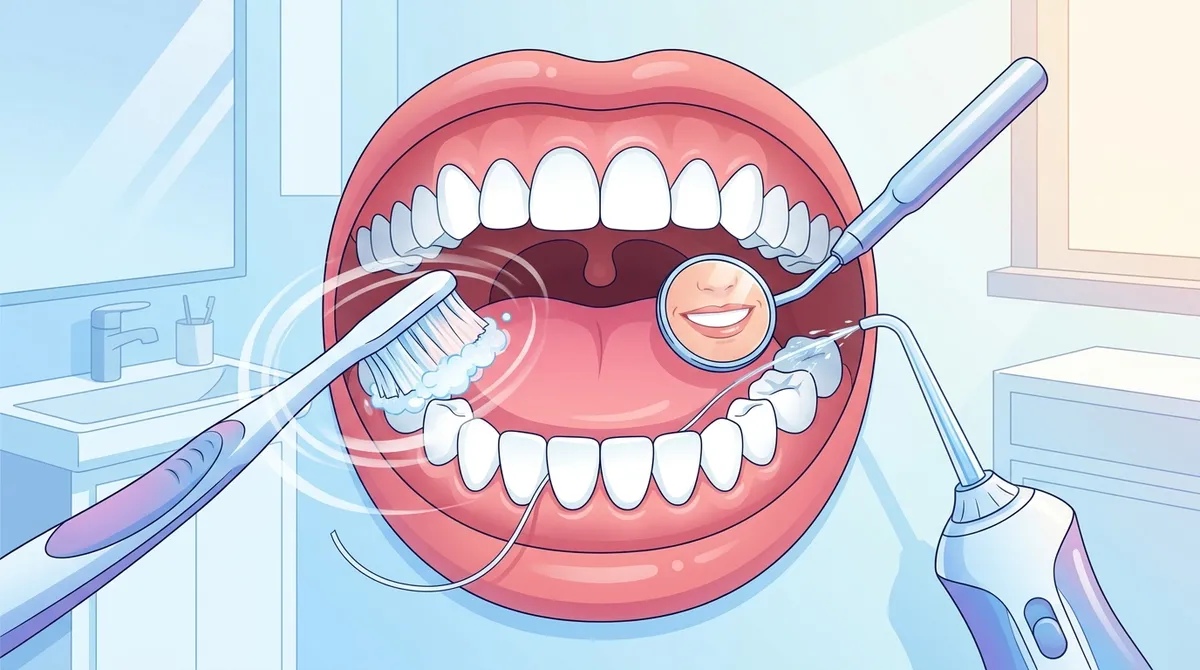
Brush for a full two minutes using a soft-bristled toothbrush with gentle circular motions, not hard scrubbing, to avoid wearing down enamel and causing gum recession.
-
Daily flossing is essential because toothbrushes cannot reach spaces between teeth where plaque hides and hardens into tartar; try floss picks or water flossers if traditional floss feels awkward.
-
Visit your dentist every six months for professional cleanings and exams that remove tartar and catch cavities, gum disease, and oral cancer early before they become painful and expensive.
-
Don't ignore your tongue, cheeks, and roof of mouth when brushing—bacteria live there too and cause bad breath and plaque buildup; gently brush your tongue or use a tongue scraper daily.
-
Limit sugary and acidic foods and drinks like soda and citrus, as they feed bacteria that erode enamel; rinse your mouth with water after consuming acidic items to neutralize the acid.
-
Schedule your child's first dental visit by age one or within six months of their first tooth, as baby teeth affect speech, chewing, and adult tooth development despite being temporary.
Be honest — how long do you actually brush your teeth? If you’re like most people, the answer is somewhere between “not long enough” and “I have absolutely no idea.” You’re not alone, and there’s no judgment here! But here’s the thing: many of us learned how to brush our teeth as kids and never really updated those habits as adults. The result? We repeat the same oral hygiene mistakes year after year without even realizing it.
Good oral hygiene isn’t just about fresh breath or a bright smile (though those are pretty great perks). It’s directly tied to your overall health. From heart disease to diabetes, poor dental care can have ripple effects throughout your entire body. The good news? Most mistakes are easy to fix once you know what they are. Let’s walk through the seven most common oral hygiene mistakes — and how to stop making them starting today.
Mistake #1: Brushing Too Hard or Too Fast
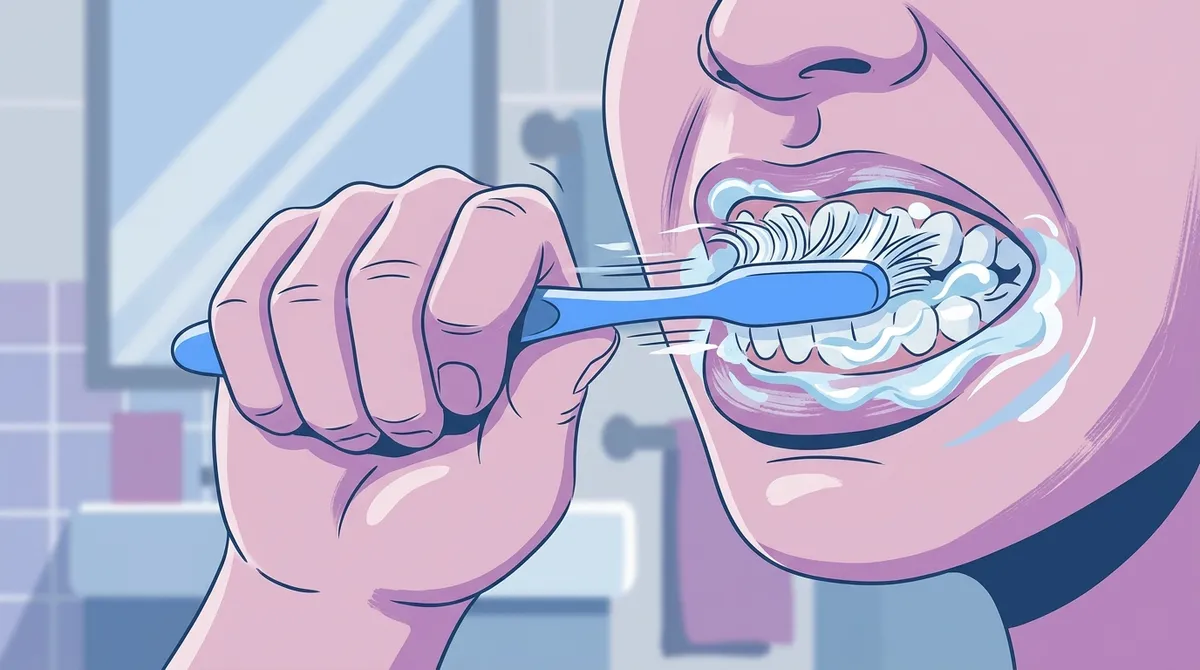
This is one of the most common habits dentists see. Many people think brushing harder means cleaner teeth. In reality, it does the opposite. Brushing too aggressively wears down your enamel and irritates your gums, leading to sensitivity and recession over time.
The American Dental Association recommends brushing for a full two minutes using a soft-bristled toothbrush with gentle, circular motions. Think of it like washing a delicate fabric — not scrubbing a dirty pan.
| Brushing Habit | What It Does | Recommended Approach |
|---|---|---|
| Hard bristle brush | Wears down enamel | Use a soft-bristled toothbrush |
| Brushing for 30 seconds | Leaves plaque behind | Brush for a full 2 minutes |
| Scrubbing back and forth | Irritates gum line | Use gentle circular motions |
| Brushing right after eating | Can damage softened enamel | Wait 30 minutes after meals |

Mistake #2: Skipping Flossing Entirely
We get it — flossing feels like the vegetable of the dental world. Nobody gets excited about it, but everybody knows they should be doing it. Skipping flossing is a major oral hygiene mistake because your toothbrush simply cannot reach the spaces between your teeth. That’s where plaque hides and turns into tartar.
Daily flossing removes food particles and bacteria that brushing misses. If traditional string floss feels awkward, try floss picks or a water flosser. The important thing is that you do it consistently — not just the night before your dental cleaning!
Quick Tips for Making Flossing a Habit
- Keep floss picks on your nightstand or bathroom counter where you’ll see them
- Floss while watching TV or listening to a podcast
- Try a water flosser if traditional floss bothers your gums
- Set a reminder on your phone until it becomes second nature
- Floss before brushing so the fluoride in toothpaste can reach between teeth
Mistake #3: Ignoring Your Tongue and Cheeks
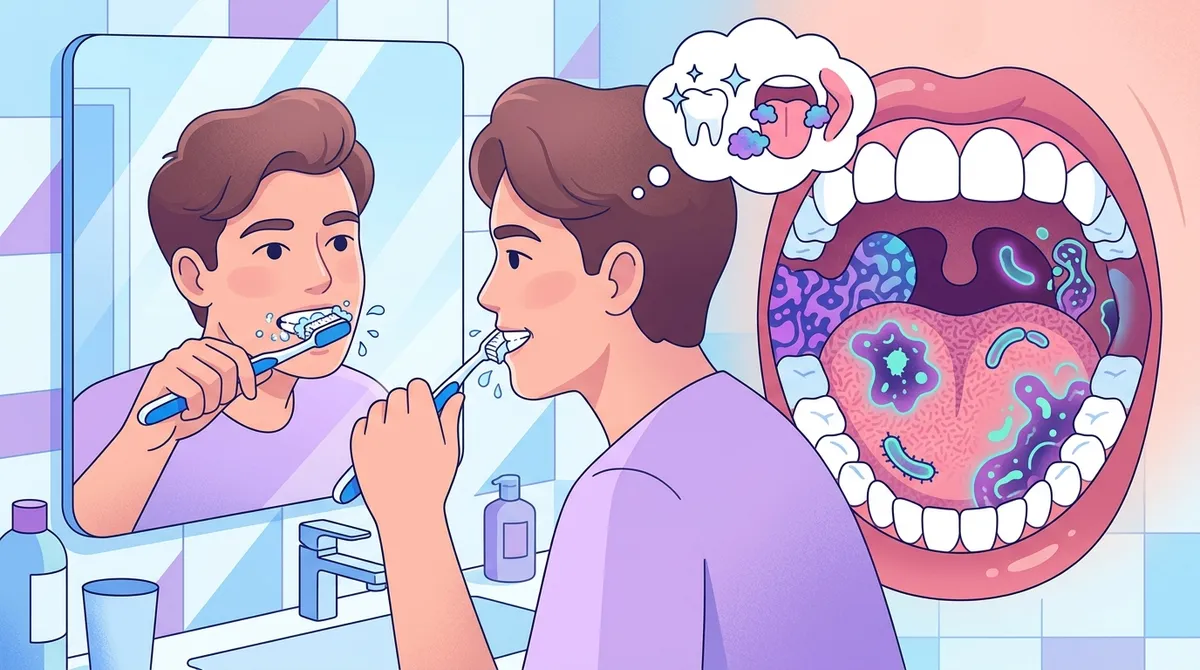
Your mouth is more than just your teeth. Bacteria live on your tongue, the roof of your mouth, and your inner cheeks too. If you’re only brushing your teeth, you’re leaving a lot of bacteria behind — and that bacteria is responsible for bad breath, plaque buildup, and other issues.
Gently brush your tongue every time you brush your teeth. You can also use a tongue scraper, which is a simple tool that removes the thin coating of bacteria from your tongue’s surface. It takes about ten seconds and makes a noticeable difference in freshness and oral hygiene overall.
Mistake #4: Using the Wrong Toothpaste
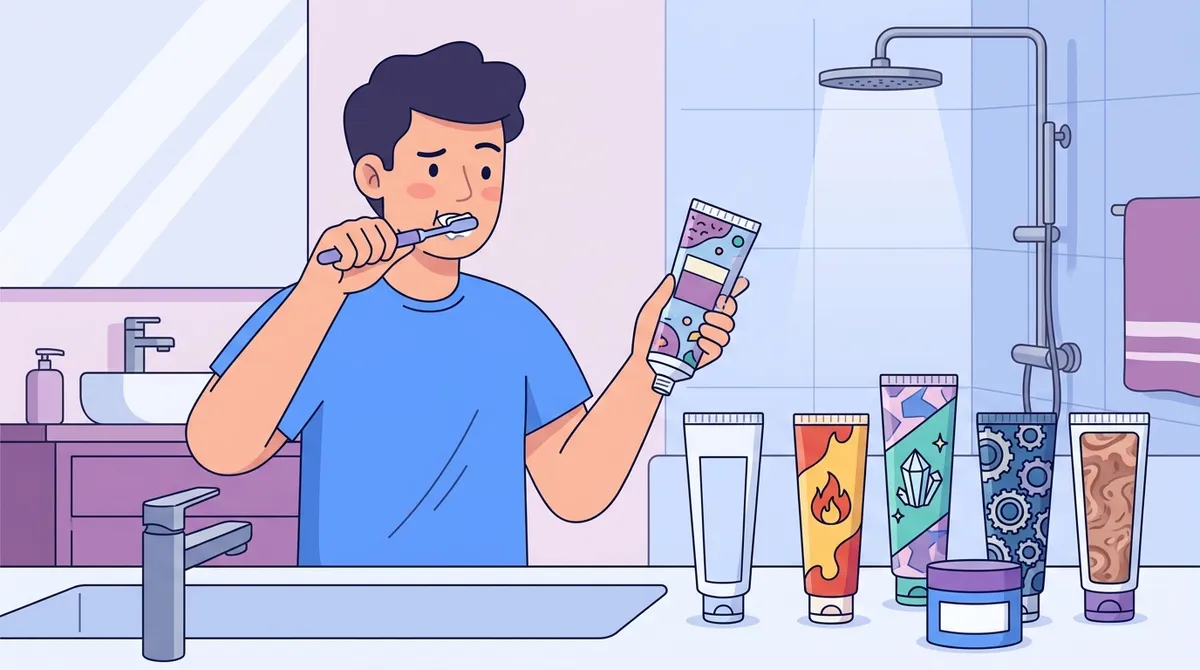
Not all toothpastes are created equal. Some are designed for whitening, some for sensitivity, some for cavity prevention, and some are just…minty foam with little dental benefit. Choosing the wrong one for your needs is a surprisingly common oral hygiene mistake.
| Toothpaste Type | Best For | Key Ingredient to Look For |
|---|---|---|
| Fluoride toothpaste | Cavity prevention (all ages) | Sodium fluoride |
| Sensitivity toothpaste | Sensitive teeth and exposed roots | Potassium nitrate or stannous fluoride |
| Whitening toothpaste | Surface stain removal | Mild abrasives or hydrogen peroxide |
| Children’s toothpaste | Kids under 6 | Low-fluoride formula (ADA approved) |
Ask your dentist which toothpaste is right for your specific situation. The team at general dentistry services can give you personalized recommendations based on your dental history and current needs.
Mistake #5: Skipping Regular Dental Checkups
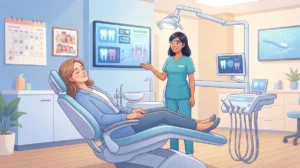
This is the big one. Many people only see a dentist when something hurts. But by the time a tooth hurts, the problem has usually been brewing for a while. Regular dental checkups catch small issues before they turn into painful, expensive ones.
The standard recommendation is to visit your dentist every six months for a cleaning and exam. These visits include professional removal of tartar (which cannot be removed by brushing alone), X-rays when needed, and a thorough check for cavities, gum disease, and even early signs of oral cancer.
What a Routine Dental Visit Includes
- Professional cleaning to remove plaque and tartar buildup
- Dental X-rays to check for hidden issues between teeth and below the gum line
- Examination for cavities, gum disease, and bite problems
- Oral cancer screening
- Personalized home care advice from your dental team
If cost is a concern, ask about your options. Dental Theory offers an in-house membership plan that makes routine care more affordable, and the team is happy to help you navigate your insurance coverage too.
Mistake #6: Giving Kids a Pass on Oral Hygiene
“They’re just baby teeth” is one of the most well-meaning but misguided things parents say. Baby teeth matter a lot! They hold space for adult teeth, help kids chew and speak properly, and early cavities can lead to pain, infection, and problems with developing permanent teeth.
Great oral hygiene for kids starts early. The American Academy of Pediatric Dentistry recommends scheduling a child’s first dental visit by their first birthday or within six months of their first tooth appearing. Early visits build positive associations with dental care and catch problems early.
Dr. Pri is a board-certified pediatric dentist who makes visits fun and stress-free for little ones. For children who feel anxious about dental care, she’s the only board-certified pediatric dentist offering sedation dentistry for kids in Brandon, FL — so even the most nervous patients can get the care they need comfortably. You can learn more about what to expect at your child’s first visit on the Dental Theory website.
Age-by-Age Oral Hygiene Guide for Kids
| Age Range | Oral Hygiene Routine | Dentist Visit |
|---|---|---|
| 0–1 year | Wipe gums with a soft cloth after feeding | First visit by age 1 |
| 1–3 years | Brush with rice-sized amount of fluoride toothpaste | Every 6 months |
| 3–6 years | Pea-sized toothpaste; supervise brushing | Every 6 months |
| 6–12 years | Brush and floss independently with supervision | Every 6 months |
| 12+ years | Full adult routine: brush, floss, mouthwash | Every 6 months |
Mistake #7: Forgetting That Diet Affects Your Teeth
Your oral hygiene routine doesn’t stop when you put down your toothbrush. What you eat and drink throughout the day plays a huge role in the health of your teeth and gums. Sugary drinks are one of the biggest culprits — they feed the bacteria in your mouth that produce acid, which erodes enamel over time.
Acidic foods like citrus fruits, coffee, and soda also weaken enamel. That doesn’t mean you have to give up your morning coffee (we’d never ask that of you), but rinsing your mouth with water after consuming acidic foods and drinks helps neutralize the acid.
Foods That Help vs. Hurt Your Oral Health
- Great for teeth: Water, dairy products, leafy greens, nuts, and crunchy vegetables like carrots and celery
- Harmful in excess: Sugary drinks, candy, citrus juices, alcohol, and sticky snacks
- Surprising offenders: Dried fruit, sports drinks, and flavored sparkling water with added citric acid
- Pro tip: Chewing sugar-free gum with xylitol after meals stimulates saliva production and helps protect your teeth
Bonus: Signs Your Oral Hygiene Needs a Reset
Sometimes our teeth try to tell us something is off. Don’t ignore these signals — they’re your body’s way of asking for a little extra attention. Here are some red flags to watch for:
- Bleeding gums when you brush or floss
- Persistent bad breath even after brushing
- Tooth sensitivity to hot, cold, or sweet foods
- Visible buildup on your teeth (yellowish or brownish deposits near the gum line)
- Teeth that feel loose or gums that look like they’re pulling away from your teeth
If you’re noticing any of these signs, it’s a great time to schedule an appointment and get a professional evaluation. Catching these things early always leads to simpler, less invasive treatment.
How to Build a Winning Oral Hygiene Routine
Building great oral hygiene habits doesn’t have to feel overwhelming. Here’s a simple, proven routine that covers all your bases:
- Morning: Brush for two minutes with a fluoride toothpaste, then use mouthwash
- After meals: Rinse with water or chew sugar-free gum to remove food debris
- Evening: Floss first, then brush for two minutes, and finish with mouthwash
- Weekly: Check in on your routine — are you actually hitting two minutes?
- Every 6 months: Visit your dentist for a professional cleaning and exam
Sticking to this routine will put you miles ahead of where most people are. And the best part? Your future self (and your dentist) will thank you.
Why Professional Dental Care Completes the Picture
Even the most dedicated home care routine has its limits. Professional dental cleanings remove hardened tartar that cannot be brushed away. Dentists can spot cavities in their earliest stages, identify gum disease before it progresses, and screen for oral cancer — all things that home care simply cannot do.
Think of your oral hygiene routine and your professional dental visits as teammates. One doesn’t replace the other. Together, they give you the best possible chance of keeping your smile healthy for life. The team at Dental Theory in Brandon, FL is here to be that partner for your whole family — from your toddler’s first visit to cosmetic care for adults. You can even check out our reviews on Google to see what families in the community are saying about their experience.
And if you’re curious about other ways to improve your smile beyond daily habits, cosmetic dentistry options like whitening, veneers, crowns, and bridges can take a healthy smile to the next level. Great oral hygiene is the foundation — and a beautiful smile is the reward.
We’re proud to be part of this community alongside other local businesses that share our values of quality and care. Whether you’re visiting us for a cleaning or a neighbor like Wayne & Sons Landscaping & Junk Removal for your yard, Brandon, FL is full of dedicated local teams ready to help. And for businesses looking to grow their online presence, Brain Buzz Marketing is a great resource worth knowing about.
Take the Next Step Toward Better Oral Health
Fixing your oral hygiene habits doesn’t have to be complicated. Start with one or two changes from this list and build from there. Small, consistent actions add up to big results over time — and your smile is worth the effort.
Whether you’re an adult due for a checkup, a parent wanting to set your child up for lifelong dental health, or someone who’s been putting off that dentist visit a little too long (no judgment, we promise), the team at Dental Theory is ready to welcome you. You can reach out to Dental Theory today to schedule your visit and take the first step toward a healthier, happier smile for your whole family.
FAQs
Q: How often should I brush my teeth for good oral hygiene?
A: You should brush your teeth at least twice a day — once in the morning and once before bed — for a full two minutes each time. Using a soft-bristled toothbrush and fluoride toothpaste makes a big difference too. It sounds simple, but consistency is the real secret to great oral hygiene!
Q: Is flossing really that important for oral hygiene?
A: Absolutely — flossing is one of the most important parts of a solid oral hygiene routine. Your toothbrush can’t reach the spaces between your teeth, where plaque loves to hide and harden into tartar. Daily flossing removes that buildup before it becomes a bigger problem, so think of it as a two-minute investment in your future smile.
Q: When should my child start seeing a dentist?
A: The American Academy of Pediatric Dentistry recommends scheduling your child’s first dental visit by their first birthday or within six months of their first tooth appearing. Starting early helps build positive habits and lets the dentist catch any developing issues right away. At Dental Theory in Brandon, FL, Dr. Pri makes first visits fun and completely stress-free for little ones!
Q: Can my diet really affect my oral hygiene?
A: Yes, definitely! What you eat and drink throughout the day has a direct impact on your teeth and gums. Sugary and acidic foods and drinks feed bacteria that erode your enamel, while water, dairy, and crunchy vegetables actually help protect your teeth. Rinsing with water after meals is a quick and easy habit that supports great oral hygiene between brushings.
Q: How do I know if my oral hygiene routine is working?
A: A few good signs include no bleeding when you brush or floss, no persistent bad breath, and no visible buildup on your teeth. Regular dental checkups every six months are the best way to get a professional assessment and make sure your at-home routine is doing its job. Your dentist can spot things you’d never notice on your own — and they’re rooting for your success!