Key Takeaways
-
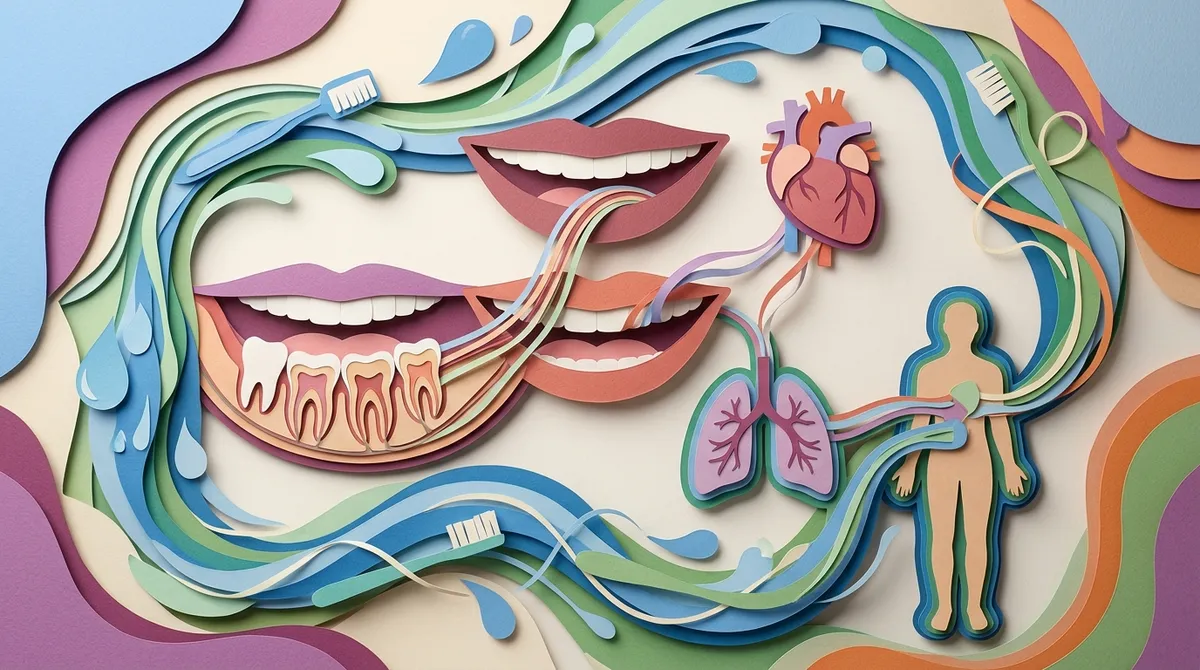
Poor oral health is linked to serious systemic conditions like heart disease, diabetes complications, and respiratory issues through the oral-systemic connection, making regular dental visits essential for overall body health.
-
Brush twice daily with fluoride toothpaste for two minutes, floss once daily, and drink water after meals—these simple consistent habits prevent most dental problems without requiring expensive products or gadgets.
-
Visit your dentist every six months for routine prevention, but adults with gum disease need visits every 3-4 months and pregnant women should visit each trimester due to increased gum disease risk.
-
Early gum disease often shows no pain but presents as red, swollen, or bleeding gums; if left untreated, it progresses to periodontitis which destroys the bone supporting teeth.
-
Start children's dental care by their first birthday or within six months of their first tooth, then introduce flossing at ages 2-3 and schedule six-month checkups to establish lifelong healthy habits.
-
Limit sugary snacks and acidic drinks that erode enamel; instead eat tooth-friendly foods like cheese, dairy, crunchy vegetables, and leafy greens to naturally support dental health.
Most people know they should brush their teeth twice a day. But do you know why dental health is so much bigger than just keeping your smile pretty? Your mouth is the gateway to your entire body. When your teeth and gums are healthy, the rest of you tends to be healthier too. When they’re not, problems can spread in ways that might surprise you.
Whether you’re a parent trying to keep your kids’ smiles bright, an adult looking for stress-free dental care, or someone who’s been putting off that dentist visit (no judgment — we’ve all been there!), this article is for you. We’re going to break down what dental health really means, why it matters so much, and simple steps you can take starting today. Let’s dive in!
What Is Dental Health, Really?
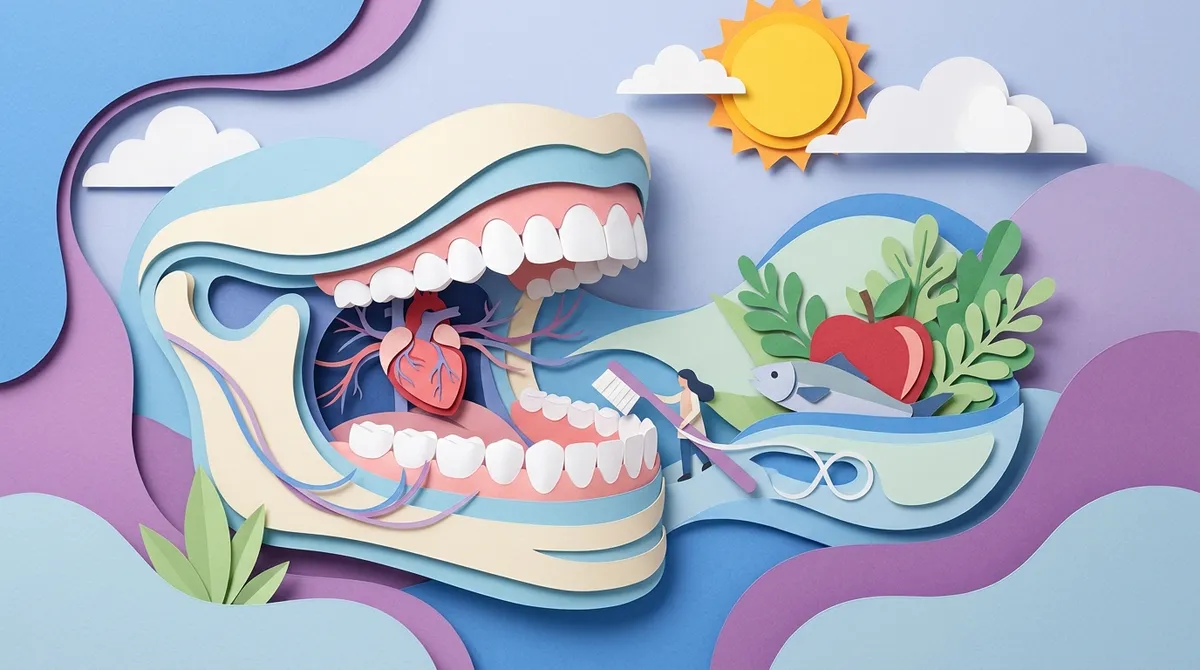
Dental health is more than just having white teeth. It covers everything from your gums and jaw to your bite and even your breathing. Good dental health means your teeth are clean and free of decay, your gums are pink and firm, and there’s no pain or discomfort when you chew or talk.
Here’s a simple breakdown of what dental health includes:
- Healthy, cavity-free teeth
- Strong, non-bleeding gums
- A balanced bite (no jaw pain or clicking)
- Fresh breath throughout the day
- No tooth sensitivity to hot or cold
- A full set of teeth (or well-fitted replacements)
When all of these things are in good shape, your quality of life improves in a big way. You can eat what you love, smile with confidence, and avoid expensive problems down the road.
How Dental Health Affects Your Overall Body
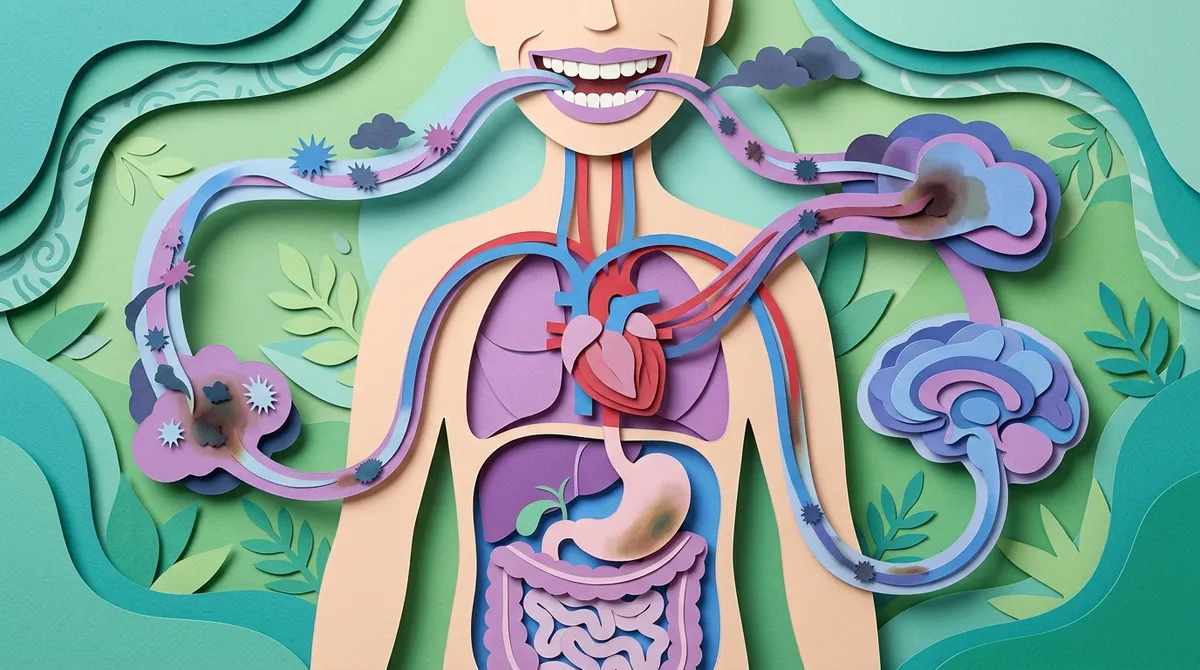
Here’s something many people don’t realize — your mouth and your body are deeply connected. Research has shown that poor oral health is linked to serious health conditions. This connection is called the oral-systemic link, and dentists take it seriously.
Here’s a look at how dental problems can impact your overall health:
| Oral Health Issue | Linked Systemic Condition | Why It Happens |
|---|---|---|
| Gum Disease (Periodontitis) | Heart Disease | Bacteria from gums enter the bloodstream |
| Poor Oral Hygiene | Diabetes Complications | Inflammation affects blood sugar control |
| Tooth Infections | Respiratory Issues | Bacteria can be inhaled into the lungs |
| Missing Teeth | Poor Nutrition | Difficulty chewing limits food choices |
This is why regular dental visits are about so much more than a cleaning. They’re a key part of staying healthy overall. Visiting your dentist regularly helps catch problems early before they become serious — and expensive.
Common Dental Health Problems and How to Spot Them
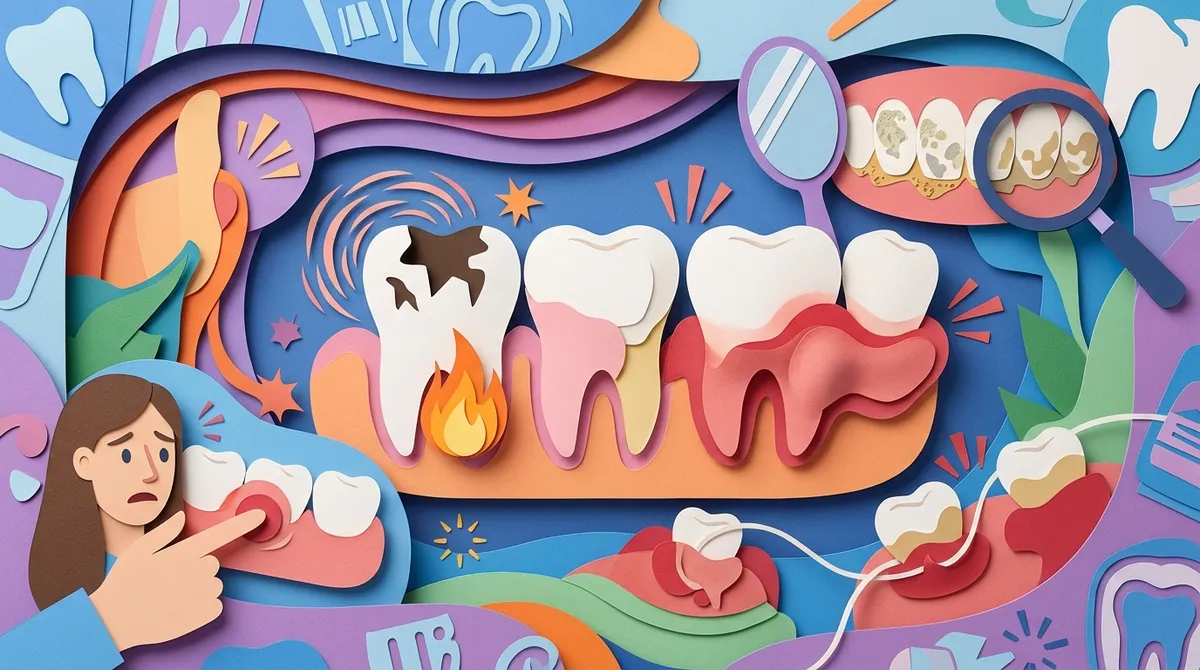
Most dental health issues don’t happen overnight. They develop slowly, which is actually great news — because that means they’re often preventable. Knowing the warning signs can help you act fast.
Tooth Decay (Cavities)
Cavities are the most common dental problem in the world. They happen when sugar and bacteria combine to form acid that eats away at your tooth enamel. If caught early, not all cavities immediately need filling — but left untreated, they can lead to pain, infection, and tooth loss.
Signs of a cavity include:
- Tooth sensitivity to sweets or temperature
- Visible holes or dark spots on teeth
- Toothache or pain when biting
Gum Disease
Gum disease starts as gingivitis — red, swollen, or bleeding gums. If left alone, it can progress to periodontitis, which can destroy the bone supporting your teeth. The tricky part? Early gum disease often has no pain at all.
Tooth Sensitivity
Do hot coffee or cold ice cream make you wince? Sensitivity can be a sign of worn enamel, exposed roots, or a cracked tooth. It’s worth mentioning to your dentist — it’s often very treatable.
Dental Health for Kids: Starting Strong
Good dental habits start early — and we mean really early. Even babies can get cavities! Creating a healthy routine for your kids sets them up for a lifetime of healthy smiles. Pediatric dentistry plays a huge role in this, making sure children get the right care at every stage of development.
Here are the key milestones for children’s dental health:
- First tooth appears — Begin brushing with a soft, tiny toothbrush
- Age 1 — Schedule their first dental visit to get started on the right foot
- Age 2-3 — Introduce flossing and a tiny amount of fluoride toothpaste
- Age 6 — First permanent molars arrive; sealants may be recommended
- Ages 6-12 — Mixed dentition phase; regular checkups every six months are key
- Teen years — Watch for orthodontic needs and wisdom teeth development
Dr. Pri is a board-certified pediatric dentist and the only one in Brandon, FL offering in-office sedation for children. She creates a gentle, fun environment so even nervous little ones feel right at home. For children who feel anxious about dental visits, sedation dentistry for kids is a safe and compassionate option.
How Often Should You Visit the Dentist?
This is one of the most common questions in dental care. The short answer? Every six months for most people. But your dentist might recommend more or less frequent visits based on your personal health needs.
| Patient Type | Recommended Visit Frequency | Reason |
|---|---|---|
| Children (ages 1-17) | Every 6 months | Fast development; cavity-prone |
| Healthy Adults | Every 6 months | Routine prevention and cleaning |
| Adults with Gum Disease | Every 3-4 months | More frequent monitoring needed |
| Pregnant Women | Every trimester | Hormonal changes increase gum risk |
If cost is a concern, dental insurance can help offset the cost of visits. Dental Theory also offers an in-house membership plan — a budget-friendly way for families and individuals to access regular care without the stress of traditional insurance.
Your Daily Dental Health Routine: The Basics Done Right
Great dental health doesn’t require fancy gadgets or expensive products. It just takes consistency. Here’s what an effective daily routine looks like:
- Brush twice a day — Use a fluoride toothpaste for at least two minutes, morning and night
- Floss once a day — Gets rid of plaque between teeth where your brush can’t reach
- Use mouthwash — An antibacterial rinse adds an extra layer of protection
- Stay hydrated — Water helps wash away food particles and keeps saliva flowing
- Watch your diet — Limit sugary snacks and acidic drinks that erode enamel
Small habits add up over time. Even switching from a manual to an electric toothbrush can make a noticeable difference in plaque removal.
Foods That Help (and Hurt) Your Dental Health
What you eat plays a big role in your dental health. Some foods are your teeth’s best friends — others are sneaky villains in disguise.
| Good for Teeth | Bad for Teeth | Neutral / Okay in Moderation |
|---|---|---|
| Cheese and dairy | Soda and energy drinks | Coffee (unsweetened) |
| Crunchy vegetables (carrots, celery) | Candy, especially sticky kinds | Fruit juices (diluted) |
| Leafy greens | White bread and crackers | Dried fruit |
| Water (especially fluoridated) | Citrus fruits (in excess) | Sports drinks |
Drinking water after meals is one of the easiest things you can do for your teeth. It rinses away food and helps neutralize acids. Simple, free, and effective!
When to Consider Dental Treatments
Sometimes prevention isn’t enough, and that’s completely okay. Dental treatments are here to restore your smile and get you back to feeling great. Here are some common scenarios where treatment makes a big difference:
- Damaged or decayed teeth — Crowns, veneers, and bridges can restore function and appearance
- Missing teeth — Dental implants are the gold standard for replacement
- Infected tooth — Root canal therapy can save a tooth that might otherwise need extraction
- Crowded or misaligned teeth — Invisalign is a clear, comfortable way to straighten your smile
- Significant tooth loss — Dentures offer a reliable solution to restore your ability to chew and speak
At Dental Theory in Brandon, FL, the general dentistry team and cosmetic dentistry specialists work together to create a treatment plan that fits your life. You don’t have to pick between a healthy smile and a beautiful one — you can have both!
Dental Health and Your Confidence
Here’s something that doesn’t get talked about enough: your dental health has a real impact on how you feel about yourself. Studies consistently show that people who are happy with their smile feel more confident at work, in relationships, and in social settings.
If you’ve been hiding your smile because of staining, gaps, or damaged teeth, know that there are gentle, effective solutions available. Dr. K at Dental Theory specializes in cosmetic dentistry and has been recognized as one of the top young dentists in America by Incisal Edge magazine’s 2026 40 Under 40. You’re in great hands.
Whether it’s a same-day ceramic crown or a full smile makeover, the goal is always the same — to help you feel great about your smile every single day.
Making Dental Health a Family Priority
The best way to build lasting dental habits is to make them a family affair. When kids see their parents brushing, flossing, and going to regular checkups, they naturally follow suit. It becomes part of the family culture rather than a chore.
Here are some fun, family-friendly tips to make dental health stick:
- Brush together as a family — turn it into a two-minute dance party
- Let kids pick their own toothbrush in their favorite color or character
- Use a reward chart to celebrate consistent brushing habits
- Read books or watch videos about dental health for young children
- Talk positively about dental visits so kids feel excited, not scared
When the whole family is on board, dental health becomes a lifestyle — not just a chore. And the payoff is a lifetime of healthy, happy smiles for everyone you love.
- Routine matters most — Same time every day builds the habit faster
- Lead by example — Children copy what they see parents do
- Make it fun — Positive associations with brushing last a lifetime
Conclusion: Your Smile Is Worth the Effort
Your dental health is one of the most important investments you can make in your overall well-being. From preventing cavities and gum disease to boosting your confidence and protecting your heart, taking care of your mouth pays off in countless ways.
You don’t have to figure it all out alone. Whether you’re booking your child’s first dental visit or finally addressing that nagging tooth sensitivity, a caring dental team makes all the difference. Check out our reviews on Google to see what families in Brandon are saying about their experience, and schedule an appointment that works for your family today.
Ready to take the next step toward a healthier, happier smile? Reach out to Dental Theory today — we’d love to welcome you and your family into our practice!
FAQs
Q: How do I know if my dental health is good?
A: Great question! Signs of good dental health include no tooth pain, pink firm gums that don’t bleed when you brush, fresh breath, and no visible holes or dark spots on your teeth. The best way to know for sure is to schedule a checkup — your dentist can catch things you might miss at home!
Q: At what age should my child first see a dentist?
A: Your little one should see a dentist by their first birthday or within six months of their first tooth appearing — whichever comes first! Early visits help spot any issues early and, just as importantly, help your child feel comfortable with dental care from the start. Dr. Pri makes first visits warm and fun for kids!
Q: Can poor dental health really affect my heart?
A: It really can! Research has found a strong link between gum disease and heart disease. Bacteria from infected gums can enter the bloodstream and contribute to inflammation in the arteries. Keeping your gums healthy is a simple but powerful way to protect your heart too.
Q: How can I improve my dental health at home?
A: Start with the basics — brush twice a day with fluoride toothpaste, floss daily, and drink plenty of water. Cutting back on sugary and acidic foods also makes a big difference. Combine these habits with regular dental visits and you’re already winning the battle for a healthy smile!
Q: What if I’m nervous about going to the dentist?
A: You’re definitely not alone — dental anxiety is super common! The good news is that modern dentistry has come a long way, and practices like Dental Theory are built around making every visit as stress-free and comfortable as possible. For children, sedation options are available to keep the experience calm and gentle. Just let the team know how you’re feeling — they’re here to help!