Key Takeaways
-
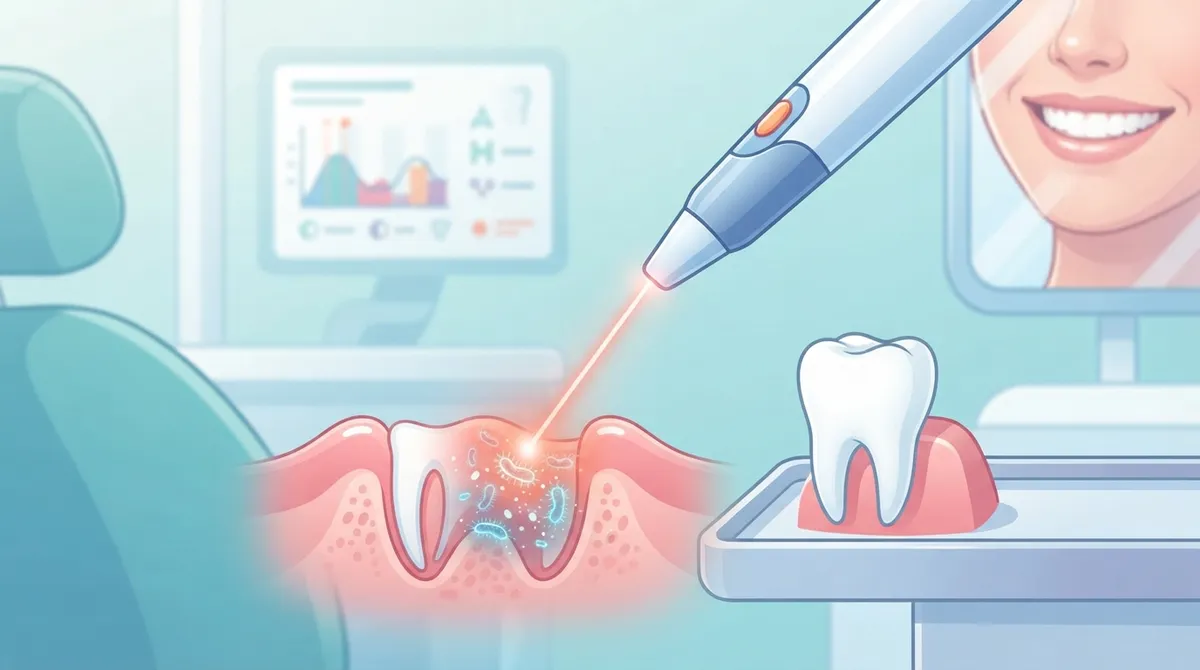
LANAP uses a laser to target infected gum tissue and bacteria in deep pockets without scalpels or stitches, which many patients find gentler than traditional gum surgery.
-
LANAP is designed for moderate to advanced gum disease (periodontitis); mild gingivitis usually responds to professional cleaning and better home care instead.
-
Warning signs that warrant a periodontist visit include bleeding gums, red or tender gums, receding gums, persistent bad breath, loose or lengthening teeth, and pus or sores along the gumline.
-
A proper evaluation with a health history review, X-rays, and gum pocket measurements comes before any recommendation, since health conditions and medications can affect which treatment fits.
-
Gum disease can be linked to tooth loss and may relate to other health concerns, so early treatment aims to save teeth, with implants as a restoration option if a tooth cannot be saved.
-
Long-term success depends on daily brushing, flossing, not smoking, and regular cleanings and follow-up visits, since gum disease can return if plaque and bacteria build up again.
Bleeding gums. Bad breath that never seems to go away. A smile that feels a little looser than it used to. If any of that sounds familiar, you may have heard your dentist mention gum disease. And if you have been searching for LANAP Brandon, you are probably hoping for a gentler way to treat it.
The good news is that a laser-based option exists. LANAP stands for Laser-Assisted New Attachment Procedure. It is a modern approach to treating advanced gum disease without the cutting and stitching that many people dread.
At Dental Theory in Brandon, FL, board-certified periodontist Dr. Chad Bardsley offers LANAP laser gum treatment for patients who want to save their natural teeth. In this friendly guide, we will walk through four things every patient should know before they decide. We will keep it simple, honest, and jargon-free. Grab a cup of coffee and let’s get started!
1. What LANAP Actually Is (And Why It Feels So Different)
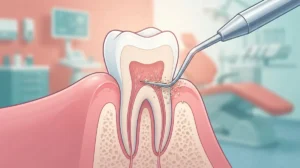
Let’s start with the basics. LANAP is a laser treatment for periodontitis, which is the more serious stage of gum disease. In periodontitis, harmful bacteria collect in deep pockets between your gums and teeth. Over time, they can damage the gum tissue and the bone that holds your teeth in place.
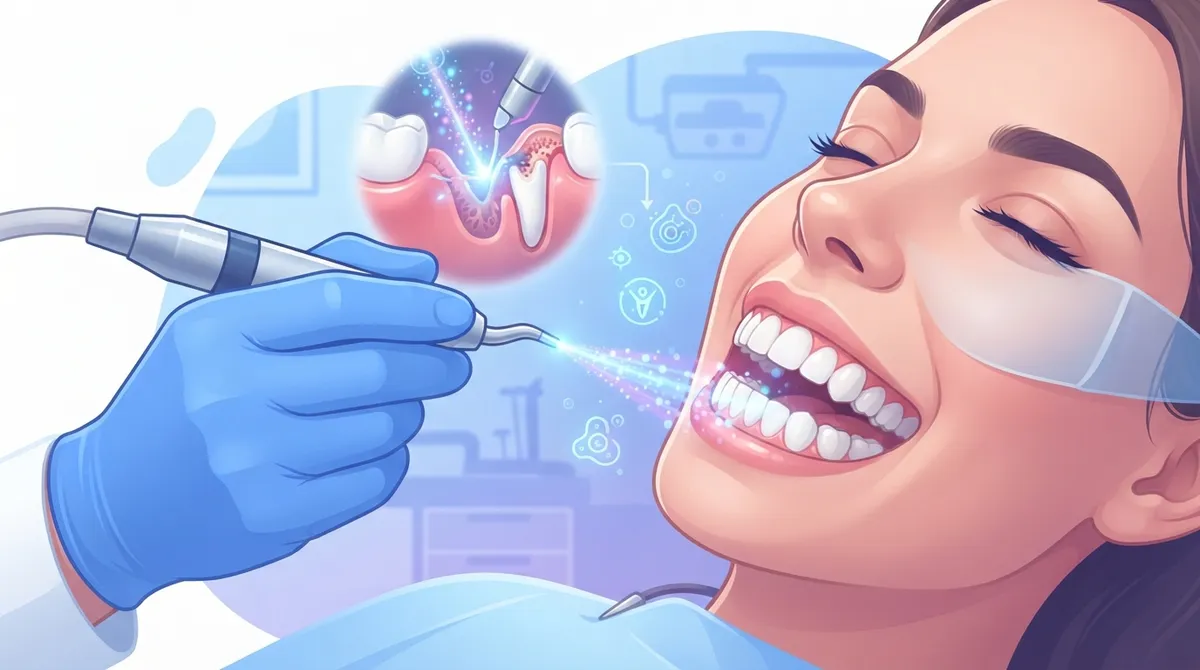
With a traditional gum surgery, the dentist makes cuts in the gums, cleans the area, and stitches everything back up. LANAP takes a different path. A small, precise laser reaches into the pockets and targets the diseased tissue and bacteria. Healthy tissue is left alone as much as possible.
How the laser works, step by step
- Numbing: Your periodontist numbs the area so you stay comfortable.
- Measuring: The gum pockets are measured so the team knows how deep the problem goes.
- Laser cleaning: The laser removes infected tissue and kills bacteria inside the pockets.
- Root cleaning: Hardened buildup (tartar) is carefully removed from the tooth roots.
- Sealing: The laser is used again to help form a stable seal around the tooth as the area heals.
- Bite check: Your bite is checked to make sure your teeth meet in a healthy way.
Many patients like that this approach avoids scalpels and sutures. That is a big reason LANAP has become so popular for people who feel nervous about gum surgery.

2. Who Might Be a Good Fit for LANAP in Brandon
LANAP is not for everyone, and that is okay. It is designed for people with moderate to advanced gum disease. If you only have mild gum inflammation (called gingivitis), a regular cleaning and better home care may be all you need.
Here are some signs that you may want to talk to a periodontist:
- Gums that bleed when you brush or floss
- Red, puffy, or tender gums
- Gums that look like they are pulling away from your teeth
- Persistent bad breath or a bad taste in your mouth
- Teeth that feel loose or look longer than before
- Pus or sores along the gumline
Does this sound like you? Please do not panic. Gum disease is very common, and it is very treatable when caught in time. You can read more about warning signs in our guide to 5 oral health problems you should never ignore, or learn more about the signs you need a dentist for gum disease.
Who may need a different plan
Some patients have health conditions, medications, or gum situations that call for another approach. That is why a proper exam comes first. Your periodontist will review your health history, take X-rays, and measure your gum pockets before recommending anything. Honest advice matters more than any one treatment.
Where your general dentist fits in
Your regular dentist is often the first person to spot gum trouble during a checkup. That is one more reason routine visits matter so much. If you are not sure whether you need a general dentist or a specialist, our post on general dentist vs. specialist can help you sort it out.
3. How LANAP Compares to Traditional Gum Treatments
When you are weighing your options, a side-by-side look can make things clearer. Here is a simple comparison of common approaches to treating gum disease. Keep in mind that every mouth is different, so your own results and recommendations may vary.
| Feature | LANAP Laser Treatment | Traditional Gum Surgery | Deep Cleaning (Scaling and Root Planing) |
|---|---|---|---|
| Best for | Moderate to advanced gum disease | Advanced gum disease | Early to moderate gum disease |
| Uses a scalpel | No | Yes | No |
| Uses stitches | No | Usually | No |
| Tissue removed | Focused on diseased tissue only | Gum tissue may be cut or reshaped | Buildup removed from roots |
| Typical comfort during healing | Many patients report less discomfort | More soreness is common | Mild soreness is common |
| Goal | Remove infection and support gum reattachment | Reduce pocket depth and access roots | Remove bacteria and tartar |
You can also learn the basics of cleaning-level care in our article on routine vs. deep cleaning. Deep cleanings are often the first step, and Dental Theory offers periodontal treatment and deep cleanings for patients who need them.
The comfort factor
Ask most people what worries them about gum treatment, and the answer is usually pain or recovery time. Because LANAP does not involve cutting or stitching, many patients find the healing process feels gentler. Some people return to normal routines quickly, though you should always follow the specific instructions you are given.
Why a specialist matters
Gum disease is the heart of periodontics. A periodontist has extra training in the gums and the bone that supports your teeth. If you are curious about what that training means, take a peek at what a periodontist is and what they do. Dr. Chad Bardsley is a board-certified periodontist at Dental Theory who focuses on treating gum disease and placing dental implants.
4. What to Expect Before, During, and After Your Visit
Knowing what is coming can melt away a lot of nerves. Here is a friendly walkthrough of the whole experience.
Before your appointment
Your journey starts with a consultation. Your team will look at your gums, take X-rays, and measure your pockets. Then they will explain what they found in plain language. You will have time to ask questions, and nobody will rush you.
Before treatment, it helps to keep a few things in mind:
- Tell your team about any medications or health conditions
- Eat a light meal unless told otherwise
- Arrange a ride if you were advised to do so
- Wear comfortable clothes and bring a list of questions
If you want to make the most of your first visit, our tips in 9 things to expect at your first dentist consultation are a great read.
During treatment
On the day of your procedure, the area is numbed so you stay comfortable. The laser does its work, the roots are cleaned, and your bite is checked. Treatment is often done in sections of the mouth, so you may need more than one visit depending on how much attention your gums need.
After treatment
Healing is a team effort between you and your care team. In the days after, you will likely be asked to follow a few simple habits:
- Eat soft, cool foods for a short time
- Avoid brushing or flossing the treated area until you are told it is safe
- Skip smoking, which can slow healing
- Take medications exactly as directed
- Come back for your follow-up visits
Long-term success depends on daily care at home. Good brushing, flossing, and regular cleanings help keep gum disease from coming back. If your habits could use a refresh, check out 7 oral hygiene mistakes you’re probably making right now. It is full of easy fixes.
Why Treating Gum Disease Early Matters
Gum health is about more than your smile. Untreated gum disease can lead to tooth loss, and researchers continue to study links between gum disease and other health concerns, including heart disease and diabetes. According to the Centers for Disease Control and Prevention, gum disease is common among adults in the United States, which is why regular dental visits are so important.
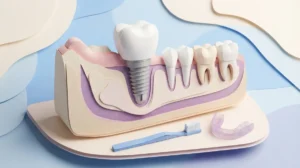
When teeth are lost to gum disease, there are ways to restore them. LANAP may help save teeth in the first place, which is always the best outcome. If a tooth cannot be saved, options such as dental implants can help rebuild your smile. And since LANAP and implants are both part of Dr. Bardsley’s specialty, your care can stay under one roof.
Want to understand why oral health reaches so far beyond your mouth? Our article on why dental health matters more than you think explains it nicely.
Making the Decision: Questions to Ask Your Periodontist
Choosing a treatment is personal, and you deserve to feel confident about it. Here are some good questions to bring to your consultation:
- How advanced is my gum disease?
- Am I a good candidate for LANAP, or would another option suit me better?
- How many visits will I need?
- What will healing feel like, and how should I care for my mouth?
- How will we keep the disease from coming back?
- What will it cost, and does my insurance help?
That last question is a big one. Dental Theory works with many insurance plans, and you can find details on the insurance page. If you do not have coverage, our guide to getting great care without dental insurance shares helpful options.
Why Brandon Families Choose Dental Theory
Dental Theory is a family-focused practice in Brandon that offers general, pediatric, and cosmetic dentistry for patients of all ages. Our goal is a calm, friendly visit where you never feel rushed or judged. When you need specialty gum care, you can see Dr. Chad Bardsley right here in the same trusted office. That means familiar faces, shared records, and a team that works together on your health.
If you like to hear from other patients first, you can read what neighbors say and see Dental Theory reviews on Google, or visit us on Facebook for updates from our team. Our practice also takes pride in staying current. For example, Dr. Chris Karapasha has been named one of America’s Top Young Dentists in Incisal Edge magazine’s 2025 40 Under 40, a recognition that reflects the high standard our whole team strives for.
Looking for a closer look at the practice? Here is a quick tour of 11 reasons families choose Dental Theory in Brandon, FL. And if you want practical advice on picking any dental office, how to choose the right dental office in Brandon is a handy checklist.
One more helpful note: practices that offer in-house technology and specialists often streamline care. For tips on how a well-run practice should operate, our list of things every dental practice must do in 2026 shows what to look for. If you want business and marketing guidance for your own practice or company, partners like O’Reilly Consultants can help you grow.
Simple Habits That Protect Your Gums After Treatment
Whether you have LANAP or simply want to keep gum disease away, small daily habits go a long way. Here are some easy wins:
- Brush twice a day with a soft toothbrush for two minutes
- Floss once a day, gently, to clean between teeth
- Schedule cleanings and checkups as often as your dentist recommends
- Skip tobacco, which raises the risk of gum disease
- Eat a balanced diet and limit sugary snacks
- Manage stress and sleep well, since both affect your health
For a full routine you can start today, read about the best daily dental care routine for healthy teeth. And if you want to build lasting habits, our guide to building strong preventive dentistry habits in 2026 is a great place to begin.
Ready to Take the Next Step?
If bleeding gums, loose teeth, or stubborn bad breath have been on your mind, now is a wonderful time to get answers. Gum disease rarely fixes itself, but it can be managed, and the earlier you act, the more options you have. LANAP in Brandon may be the gentle, modern path you have been hoping to find.
You do not have to figure this out alone. Contact Dental Theory to ask questions about gum care, or book an appointment online at a time that works for you. We would love to help you protect your smile for years to come.
FAQs
Q: What does LANAP stand for?
A: LANAP stands for Laser-Assisted New Attachment Procedure. It is a laser-based treatment for moderate to advanced gum disease that targets infected tissue without the cutting and stitches of traditional gum surgery.
Q: Is LANAP in Brandon painful?
A: Your gums are numbed first, so you should stay comfortable during treatment. Many patients say healing feels gentler than with traditional gum surgery, though some soreness is normal and your periodontist will share simple aftercare tips.
Q: Who performs LANAP at Dental Theory?
A: Dr. Chad Bardsley, a board-certified periodontist at Dental Theory in Brandon, offers LANAP laser gum treatment. He also provides deep cleanings and dental implants, so your gum care can stay in one friendly office.
Q: How do I know if I need LANAP?
A: Signs like bleeding gums, receding gums, loose teeth, and ongoing bad breath may point to gum disease. The only way to know for sure is an exam with X-rays and gum measurements, so schedule a visit and let your periodontist guide you.
Q: Can gum disease come back after treatment?
A: Yes, it can if plaque and bacteria build up again. Daily brushing and flossing, along with regular cleanings and follow-up visits, are the best ways to keep your gums healthy after treatment.
Our Service Area