
Key Takeaways
-
Routine dental cleanings typically recommended twice yearly, but frequency should be personalized based on individual oral health status.
-
Deep cleaning (scaling and root planing) is a therapeutic procedure for treating periodontal disease, targeting bacteria below the gumline.
-
Most dental insurance plans cover routine cleanings at 100%, making preventive care financially accessible.
-
Advanced technologies like ultrasonic scalers and air polishing systems make dental cleanings more comfortable and efficient.
-
Signs you might need deep cleaning include persistent bad breath, bleeding gums, and gum recession.
-
Patients with a history of gum disease require periodontal maintenance cleanings every 3-4 months.
-
Risk factors for needing deep cleaning include smoking, diabetes, genetic predisposition, and inconsistent oral hygiene.
When you search for “dental cleanings near me,” you’re taking an important step toward protecting your oral health. But did you know that not all dental cleanings are created equal? Understanding the difference between routine cleanings and deep cleanings can help you make informed decisions about your dental care and set realistic expectations for your next appointment. Whether you’re looking for preventive maintenance or addressing gum disease concerns, finding the right type of cleaning at a nearby dental office like Dental Theory in Brandon, Florida, can make all the difference in your smile’s health and longevity.
The landscape of dental hygiene has evolved significantly in recent years. Modern dental practices now offer advanced cleaning technologies, personalized care plans, and evidence-based approaches that go far beyond the traditional scraping and polishing many of us remember from childhood. In 2025, the American Dental Hygienists’ Association released updated Standards for Clinical Dental Hygiene Practice, emphasizing individualized assessment and patient-centered care rather than one-size-fits-all approaches. This means your dental team should consider your unique health history, risk factors, and specific needs when recommending cleaning intervals and techniques.
Understanding Routine Dental Cleanings (Prophylaxis)
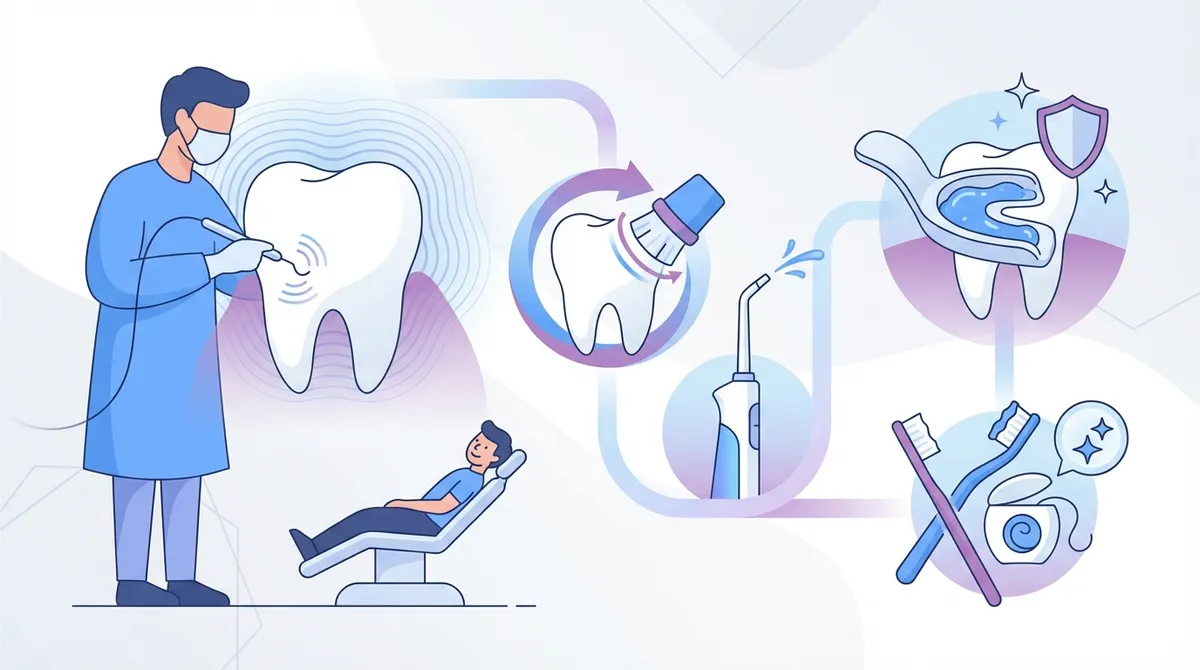
A routine dental cleaning, professionally known as prophylaxis, is the preventive maintenance service most people think of when scheduling their regular dental appointments. This type of cleaning focuses on removing plaque and tartar (calculus) from above the gumline, polishing teeth to remove surface stains, and applying fluoride treatments when appropriate. Think of it as regular maintenance for your smile, similar to changing the oil in your car to prevent bigger problems down the road.
During a routine cleaning at general dentistry practices like Dental Theory, your dental hygienist will use specialized instruments to gently remove buildup from tooth surfaces. Many modern offices now incorporate advanced technologies like ultrasonic scalers, which use high-frequency vibrations and water spray to break up tartar more comfortably and efficiently than traditional hand scaling alone. These tools can make your cleaning experience faster and more pleasant while achieving excellent results.
For most adults with healthy gums and good oral hygiene habits, routine cleanings are typically recommended twice yearly. However, it’s important to note that this six-month rule isn’t universal. According to updated professional guidance, your cleaning frequency should be individualized based on your oral health status, systemic health conditions, and risk factors for dental disease. Some patients may benefit from more frequent visits, while others with excellent oral health might maintain their smiles with less frequent professional care.
What Happens During a Routine Cleaning
Your routine cleaning appointment typically begins with a thorough examination of your teeth and gums. The hygienist will check for signs of cavities, gum inflammation, and other oral health concerns before beginning the cleaning process. Using specialized tools, they’ll carefully remove plaque and tartar deposits from all tooth surfaces, paying particular attention to areas where buildup tends to accumulate, such as along the gumline and between teeth.
After scaling, your hygienist will polish your teeth using a mildly abrasive paste and a rotating rubber cup or brush. This step removes surface stains and creates a smooth surface that makes it harder for plaque to accumulate. Many practices now offer air polishing systems that use a stream of air, water, and fine powder particles to clean and brighten teeth with minimal discomfort. This technology is particularly effective for patients with sensitive teeth or those who find traditional polishing uncomfortable.
Deep Cleaning: When Basic Isn’t Enough
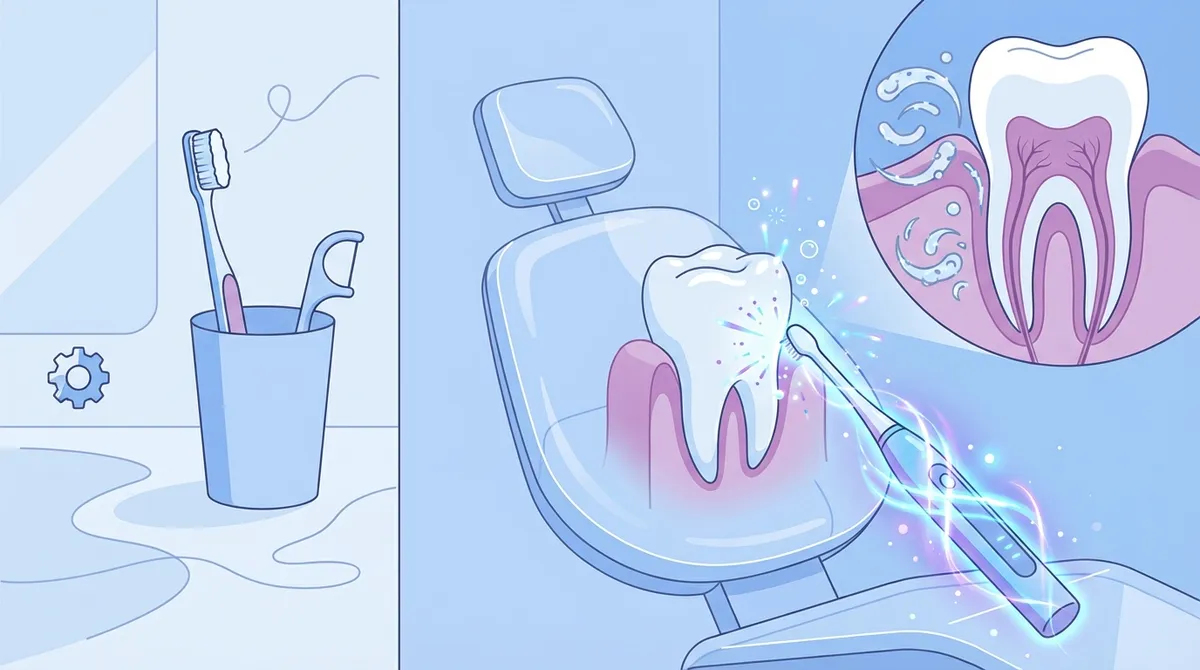
Deep cleaning, clinically termed scaling and root planing (SRP), is a therapeutic procedure performed when periodontal disease is present. Unlike routine cleanings that address supragingival (above the gumline) buildup, deep cleaning targets subgingival deposits—the tartar and bacteria that have accumulated below the gumline in periodontal pockets. This procedure is essential for treating gum disease and preventing its progression to more serious stages that can lead to tooth loss.
If your dentist recommends a deep cleaning, it means there’s clinical evidence of periodontal disease, such as gum pockets deeper than 4 millimeters, bleeding upon probing, bone loss visible on X-rays, or gum recession. These signs indicate that bacteria have colonized below the gumline, creating an infection that routine cleaning alone cannot resolve. Deep cleaning is a necessary medical treatment, not an upsell or optional service.
The procedure typically requires one or two appointments, depending on the extent of disease and the number of affected areas. Because deep cleaning involves working below the gumline where tissues are sensitive, local anesthesia is commonly used to ensure your comfort throughout the procedure. Your dental team at practices like Dental Theory will numb the treatment areas so you can remain relaxed while they thoroughly clean the tooth roots and smooth rough surfaces where bacteria tend to accumulate.
The Scaling and Root Planing Process
During scaling, your hygienist or periodontist uses specialized instruments to remove tartar, plaque, and toxins from below the gumline. This step may involve ultrasonic scalers that use vibrations to break up deposits, hand instruments for detailed work in deep pockets, or even laser technology in some advanced practices. The goal is to eliminate all bacterial deposits from the tooth roots and pocket walls.
Root planing follows scaling and involves smoothing the tooth roots to remove rough spots where bacteria congregate. This smooth surface helps the gum tissue heal and reattach to the teeth, reducing pocket depth over time. Some dentists also apply antimicrobial agents or place antibiotic microspheres in periodontal pockets to further control infection and promote healing.
| Feature | Routine Cleaning | Deep Cleaning |
|---|---|---|
| Clinical Name | Prophylaxis | Scaling and Root Planing (SRP) |
| Treatment Area | Above gumline | Below gumline in periodontal pockets |
| Purpose | Preventive maintenance | Therapeutic treatment for gum disease |
| Anesthesia | Usually not needed | Local anesthesia typically required |
| Number of Visits | One appointment | One to two appointments |
| Frequency | Every 6-12 months (individualized) | As needed, followed by maintenance every 3-4 months |
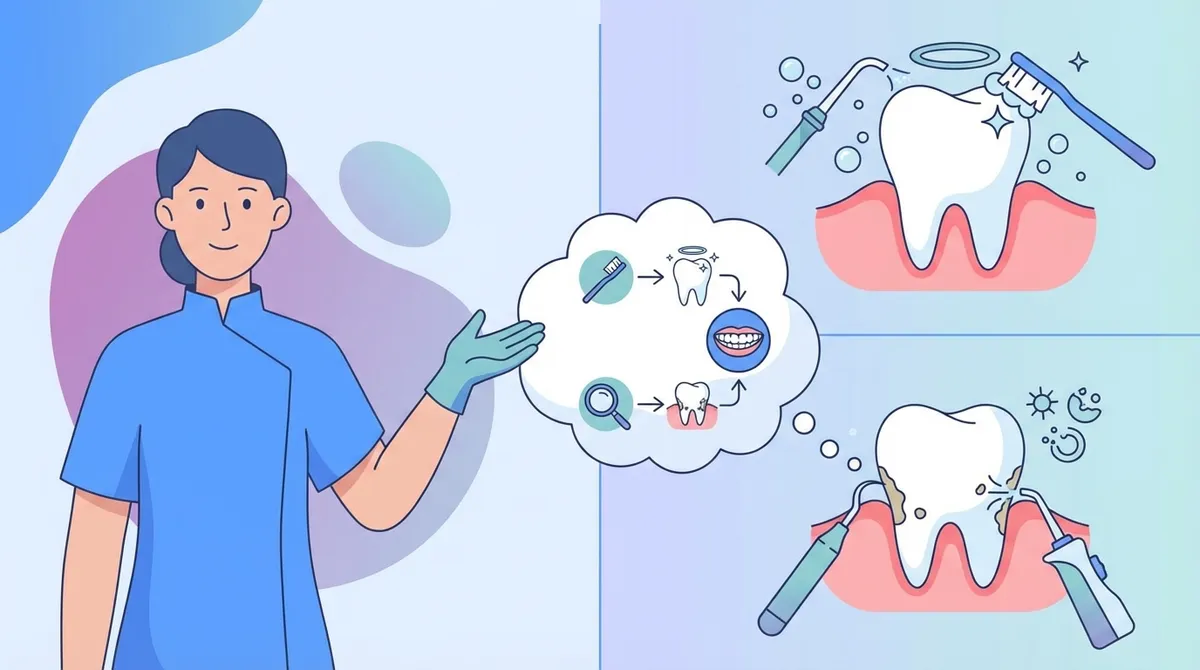
How to Know Which Cleaning You Need
The determination between routine and deep cleaning isn’t based on preference or budget—it’s a clinical diagnosis made by your dentist based on measurable signs of gum health. During your examination, your dental team will measure the depth of the spaces between your teeth and gums (periodontal pockets) using a small probe. Healthy gums typically have pocket depths of 1-3 millimeters, while measurements of 4 millimeters or greater may indicate periodontal disease requiring deep cleaning.
Your dentist will also evaluate other factors including bleeding when tissues are probed, the amount of visible tartar buildup, gum recession, tooth mobility, and bone loss visible on X-rays. If you have signs of gingivitis (early gum inflammation) without significant pocket depth, your dentist may recommend more frequent routine cleanings and improved home care rather than immediately proceeding to deep cleaning.
Several risk factors increase your likelihood of needing deep cleaning, including smoking or tobacco use, diabetes, genetic predisposition to gum disease, certain medications that reduce saliva flow, hormonal changes in women, and inconsistent oral hygiene habits. If you fall into these higher-risk categories, your dental team may recommend more frequent monitoring and preventive care to catch problems early.
Signs You Might Need Deep Cleaning
- Persistent bad breath that doesn’t improve with brushing and mouthwash
- Red, swollen, or tender gums that bleed easily when brushing or flossing
- Gums that have pulled away from your teeth, making teeth appear longer
- Loose teeth or changes in how your teeth fit together when biting
- Pus or discharge between teeth and gums
- Pain when chewing or increased tooth sensitivity
If you’re experiencing any of these symptoms, don’t delay seeking care. Early intervention can prevent the progression of periodontal disease and save you from more extensive and costly treatments later. When searching for “dental cleanings near me,” look for practices that offer comprehensive periodontal assessments and a full range of treatment options.

Advanced Cleaning Technologies in 2025
The dental hygiene field has embraced innovative technologies that make cleanings more effective, comfortable, and efficient. When searching for dental cleanings near you, consider asking about these modern approaches that many practices, including Dental Theory in Brandon, Florida, have incorporated into their care.
Ultrasonic scalers have become standard equipment in most modern dental offices. These devices use high-frequency vibrations combined with a water spray to break up and flush away tartar deposits. Patients often find ultrasonic scaling more comfortable than traditional scraping, and it can be particularly effective for heavy buildup or cleaning around orthodontic appliances and dental implants. The ultrasonic technology also has antibacterial effects that contribute to healthier gums.
Air polishing systems represent another advancement in cleaning technology. These devices use a pressurized stream of air, water, and fine powder particles (typically made from sodium bicarbonate, glycine, or erythritol) to remove stains and biofilm from tooth surfaces. Air polishing is gentler than traditional rubber cup polishing, making it ideal for patients with sensitive teeth, exposed root surfaces, or dental restorations. It’s also faster and more effective at reaching difficult areas like between teeth and around braces.
Laser Technology and Minimally Invasive Care
Some dental practices now offer laser-assisted periodontal therapy as part of deep cleaning protocols. Dental lasers can target and remove diseased tissue while sterilizing periodontal pockets, often with less discomfort and faster healing than traditional methods. Laser technology may reduce the need for anesthesia in some cases and can enhance the results of scaling and root planing procedures.
The integration of digital imaging and AI-assisted diagnostics is also changing how dental professionals assess your cleaning needs. Intraoral cameras allow you to see exactly what your hygienist sees, making it easier to understand recommendations for treatment. Some practices use digital periodontal charting systems that track changes in pocket depths and gum health over time, providing objective data to guide your personalized care plan.
Cost and Insurance Considerations
Understanding the financial aspects of dental cleanings helps you plan and budget for your oral health care. Most dental insurance plans cover routine prophylaxis cleanings at 100% as preventive care, typically allowing two cleanings per calendar year. This coverage reflects the insurance industry’s recognition that preventive care saves money by avoiding more costly restorative treatments later.
Deep cleaning (scaling and root planing) is classified as a basic or major service depending on your insurance plan, with coverage typically ranging from 50% to 80% after your deductible. Because deep cleaning is a therapeutic procedure rather than preventive maintenance, it usually requires pre-authorization from your insurance company. Your dental office can submit a treatment plan with supporting documentation like X-rays and periodontal charting to help secure approval.
For patients without dental insurance, many practices offer in-house membership plans or payment options to make care more accessible. Dental Theory’s in-house membership plan provides an affordable alternative to traditional insurance, offering preventive care benefits including cleanings, exams, and X-rays for a flat annual or monthly fee. These plans can be particularly valuable for families or individuals who don’t have employer-sponsored dental benefits.
| Service Type | Typical Insurance Coverage | Average Cost Without Insurance |
|---|---|---|
| Routine Cleaning | 100% (preventive) | $75-$200 |
| Deep Cleaning (per quadrant) | 50-80% (basic/major) | $150-$400 |
| Periodontal Maintenance | 80-100% (varies by plan) | $100-$250 |
| Air Polishing Add-on | Not typically covered | $30-$75 |
After Deep Cleaning: Periodontal Maintenance
If you’ve undergone deep cleaning for periodontal disease, your dental care doesn’t end when the procedure is complete. Patients with a history of gum disease typically require periodontal maintenance cleanings every three to four months rather than the standard six-month interval. This more frequent schedule isn’t optional—it’s essential for preventing disease recurrence and protecting your investment in periodontal therapy.
Periodontal maintenance visits are more intensive than routine cleanings but less extensive than the initial deep cleaning. Your hygienist will carefully clean above and below the gumline, paying particular attention to areas that previously had deeper pockets. They’ll also re-measure pocket depths, check for signs of inflammation or bleeding, and assess whether your home care routine is effectively controlling plaque and bacteria.
The transition from active periodontal treatment to maintenance is a critical time for establishing habits that will protect your gums long-term. Your dental team will provide personalized guidance on brushing techniques, interdental cleaning tools like floss or interdental brushes, antimicrobial rinses, and other strategies tailored to your specific needs. Compliance with recommended maintenance intervals significantly improves long-term outcomes and reduces the risk of disease progression.
Choosing the Right Dental Practice Near You
When searching for “dental cleanings near me,” several factors beyond proximity should influence your decision. The credentials and experience of the dental hygienists matter significantly—look for practices that employ licensed professionals who participate in continuing education and stay current with the latest techniques and technologies. The American Dental Hygienists’ Association’s 2025 updated Standards emphasize comprehensive assessment including systemic health factors, so you want hygienists who take a holistic approach to your care.
Infection control practices remain paramount in 2025, with most dental offices maintaining enhanced sterilization protocols introduced during the pandemic. When visiting a potential dental office, observe whether staff wear appropriate personal protective equipment, whether treatment rooms appear clean and organized, and whether disposable barriers cover surfaces. Don’t hesitate to ask about sterilization procedures for instruments—reputable practices are proud to discuss their safety protocols.
Technology availability can enhance your experience and outcomes. Practices that invest in ultrasonic scalers, air polishing systems, intraoral cameras, and digital radiography demonstrate a commitment to modern, evidence-based care. However, technology alone doesn’t make a great practice—the skill and chairside manner of your hygienist and dentist are equally important for a positive experience.
What to Look for in a Family-Friendly Practice
If you’re searching for dental care for your entire family, consider practices that offer comprehensive services for all ages. Pediatric dentistry requires specialized training and a gentle approach that helps children develop positive attitudes toward dental care. Dental Theory in Brandon, Florida, offers both adult and pediatric services under one roof, with Dr. Chris Karapasha specializing in adult and cosmetic dentistry and Dr. Priyanka Karapasha serving as the only board-certified pediatric dentist offering in-office sedation dentistry for kids in the Brandon area.
For anxious pediatric patients, sedation options can transform dental visits from stressful experiences into calm, comfortable appointments. Dr. Priyanka Karapasha’s specialized training in pediatric sedation allows her to safely provide care for children who might otherwise struggle with dental procedures, ensuring they receive the preventive and restorative care they need without fear or trauma.
Convenience factors also matter when establishing a dental home for your family. Look for practices with flexible scheduling including early morning, evening, or weekend appointments. Online appointment booking, text message reminders, and digital patient portals make managing dental care easier for busy families. Location and parking accessibility are practical considerations that affect whether you’ll consistently keep appointments.
Preparing for Your Dental Cleaning Appointment
Proper preparation helps you get the most from your dental cleaning appointment. In the days leading up to your visit, maintain your regular oral hygiene routine without making dramatic changes. Some patients mistakenly think they should brush and floss excessively right before an appointment, but this can irritate gums and doesn’t accurately represent your typical oral health status.
If you’re visiting a new practice, arrive 10-15 minutes early to complete paperwork including medical history, current medications, and insurance information. Be thorough when listing health conditions and medications, as many systemic diseases and drugs affect oral health and may influence your treatment plan. Conditions like diabetes, heart disease, osteoporosis, and autoimmune disorders have important connections to periodontal health.
For routine cleanings, you typically don’t need to fast or make special preparations. However, if you’re anxious about dental appointments, communicate this to the office when scheduling. Many practices offer comfort amenities like headphones, blankets, or even sedation options for patients with dental anxiety. Open communication about your concerns allows the team to tailor the experience to your needs.
Questions to Ask During Your Appointment
- Based on my oral health assessment, how often should I schedule cleanings?
- Are there areas where I need to improve my home care technique?
- What tools or products do you recommend for my specific situation?
- Do I have any signs of early gum disease that we should monitor?
- Would I benefit from any advanced cleaning technologies like air polishing?
- What’s my risk level for developing periodontal disease based on my health history?
- If I need deep cleaning, what’s the treatment timeline and expected outcome?
The Connection Between Oral and Overall Health
Regular dental cleanings protect more than just your teeth and gums—they’re an important component of your overall health strategy. Research has established clear links between periodontal disease and systemic conditions including cardiovascular disease, diabetes, respiratory infections, adverse pregnancy outcomes, and cognitive decline. While the exact mechanisms are still being studied, inflammation and bacteria from diseased gums can enter the bloodstream and affect distant organ systems.
For patients with diabetes, the relationship is bidirectional: diabetes increases the risk and severity of periodontal disease, while periodontal infection can make blood sugar control more difficult. Regular professional cleanings and excellent home care are particularly crucial for diabetic patients to break this cycle. Similarly, pregnant women benefit from maintaining optimal oral health, as severe gum disease has been associated with preterm birth and low birth weight.
The 2025 ADHA Standards specifically emphasize assessing social determinants of health and systemic factors during dental hygiene appointments. This holistic approach recognizes that oral health doesn’t exist in isolation—factors like nutrition, stress, access to care, and overall wellness all influence your dental health and should inform your personalized care plan.
Making the Most of Your Investment in Dental Cleanings
Professional cleanings are most effective when combined with consistent home care. Your hygienist removes deposits that have mineralized and hardened into tartar, but daily plaque removal is your responsibility. Brush at least twice daily with fluoride toothpaste, paying particular attention to the gumline where bacteria accumulate. Clean between teeth daily using floss, interdental brushes, or water flossers based on your hygienist’s recommendations for your specific needs.
Your oral care routine should be personalized rather than generic. If you have recession or exposed roots, you might benefit from a sensitive toothpaste and softer brushing technique. Patients prone to heavy tartar buildup might need tartar-control toothpaste and more frequent professional cleanings. Those with dexterity limitations may find electric toothbrushes or floss holders easier to use effectively than manual tools.
Nutrition also plays a role in maintaining the benefits of professional cleanings. Limit sugary and acidic foods and beverages that feed bacteria and erode enamel. Drink plenty of water throughout the day to help wash away food particles and maintain healthy saliva flow. If you smoke or use tobacco products, quitting is the single most important thing you can do for your oral health—tobacco use is a major risk factor for periodontal disease and oral cancer.
When you invest time and resources in professional dental cleanings, you’re investing in your long-term health and quality of life. The benefits extend far beyond a bright smile, protecting you from painful infections, tooth loss, and potential systemic health complications. Finding a dental home where you feel comfortable and establishing a consistent routine for professional and home care sets the foundation for a lifetime of oral health.
Whether you need a routine cleaning to maintain your healthy smile or therapeutic deep cleaning to address gum disease, the right dental team makes all the difference. At Dental Theory in Brandon, Florida, patients benefit from comprehensive care tailored to their individual needs, advanced technology for comfort and effectiveness, and a family-friendly environment that welcomes patients of all ages. Schedule an appointment today to experience the difference personalized, evidence-based dental hygiene care can make. You can also visit us on Google to read reviews from satisfied patients and learn more about our commitment to exceptional dental care.
FAQs
Q: How do I know if I need a routine cleaning or a deep cleaning?
A: The determination is based on a clinical assessment by your dentist. They’ll measure the depth of spaces between your teeth and gums (periodontal pockets), check for bleeding and inflammation, and review X-rays for bone loss. Healthy gums have pocket depths of 1-3 millimeters, while depths of 4 millimeters or greater typically indicate the need for deep cleaning. Your dentist will explain their findings and recommendations during your examination.
Q: How often should I get my teeth professionally cleaned?
A: While many adults benefit from cleanings every six months, the frequency should be individualized based on your oral health status, systemic health conditions, and risk factors. According to updated 2025 professional standards, some patients may need more frequent visits (every 3-4 months if they have periodontal disease), while others with excellent oral health might maintain their smiles with less frequent care. Your dental team will recommend the optimal schedule for your specific situation.
Q: Will my dental insurance cover both routine and deep cleanings?
A: Most dental insurance plans cover routine prophylaxis cleanings at 100% as preventive care, typically allowing two per year. Deep cleaning (scaling and root planing) is usually classified as a basic or major service with 50-80% coverage after your deductible. Deep cleaning often requires pre-authorization from your insurance company. If you don’t have insurance, ask about in-house membership plans or payment options that can make care more affordable.
Q: What are the newest dental cleaning technologies available in 2025?
A: Modern practices now offer ultrasonic scalers that use high-frequency vibrations and water to remove tartar more comfortably, air polishing systems that clean with pressurized air and fine powder particles for gentler stain removal, and laser-assisted periodontal therapy for enhanced deep cleaning results. These technologies typically provide faster, more comfortable experiences with excellent outcomes. When searching for dental cleanings near you, consider asking which technologies the practice offers.
Q: What should I expect during my first visit to a new dental office for a cleaning?
A: Arrive early to complete paperwork including your medical history, medications, and insurance information. Your appointment will begin with a comprehensive examination including periodontal measurements, cavity checks, and possibly X-rays if you’re a new patient. The hygienist will then perform your cleaning using appropriate techniques and tools based on your needs. Expect open communication about findings, personalized home care recommendations, and a discussion of your optimal cleaning schedule moving forward.