Key Takeaways
-
Bleeding gums are a warning sign of potential gum disease, which can progress to serious conditions affecting teeth and overall health
-
Persistent tooth sensitivity indicates underlying issues like cavities or enamel damage that require professional dental examination
-
Chronic bad breath often signals deeper oral health problems beyond simple hygiene issues
-
Teeth grinding and jaw pain can cause significant dental damage and should be addressed with custom night guards
-
Regular dental checkups every six months are crucial for catching and preventing oral health problems before they escalate
Your mouth is trying to tell you something, and ignoring those warning signs could lead to serious problems down the road. Many people brush off minor dental issues, thinking they’ll go away on their own. Unfortunately, oral health problems rarely improve without professional care, and what seems like a small concern today could become a major issue tomorrow.
At Dental Theory in Brandon, Florida, we see patients every day who waited too long to address their oral health concerns. The good news? Most dental problems are preventable or easily treatable when caught early. In this article, we’ll walk you through five common oral health problems you should never ignore, plus simple steps to protect your smile and overall health.
Understanding these warning signs helps you take action before minor issues become painful, expensive, or complicated. Whether you’re a parent watching for signs in your children or an adult managing your own dental care, this guide will help you recognize when it’s time to schedule an appointment with your dentist.
The Hidden Danger of Ignoring Bleeding Gums
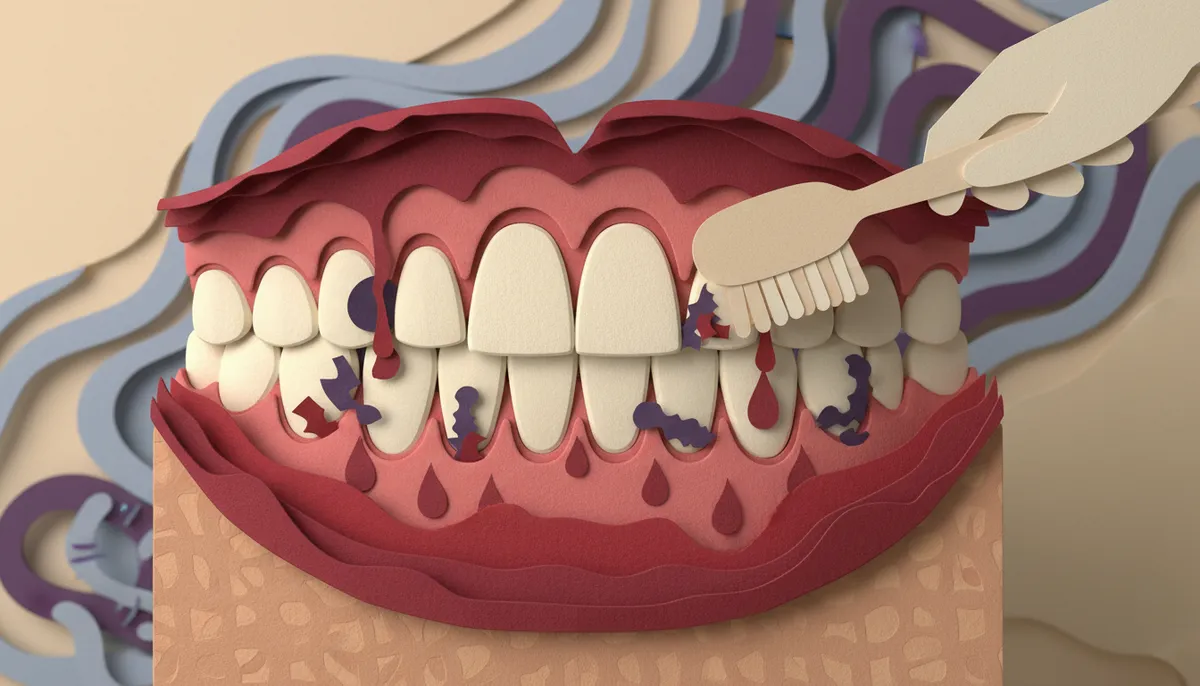
Many people see blood in the sink after brushing and think it’s normal. It’s not. Bleeding gums are often the first sign of gum disease, a condition that affects nearly half of all adults over age 30. When you ignore this symptom, you’re allowing bacteria to damage the soft tissue and bone that support your teeth.
Gum disease starts as gingivitis, which causes red, swollen gums that bleed easily. At this stage, the damage is reversible with proper care. However, if left untreated, gingivitis progresses to periodontitis, a more serious condition that can lead to tooth loss. The bacteria from gum disease can even enter your bloodstream and affect your heart, lungs, and other organs.
Warning Signs Beyond Bleeding
Pay attention to these additional symptoms that indicate gum problems:
- Persistent bad breath that doesn’t improve with brushing
- Gums that pull away from your teeth, making teeth look longer
- Loose or shifting teeth that change your bite
- Pus between your teeth and gums
- Pain when chewing or brushing
If you notice any of these signs, don’t wait for your next routine checkup. General dentistry services can address gum disease at any stage, but earlier intervention means easier treatment and better outcomes.
Prevention Is Easier Than You Think
Protecting your gums doesn’t require expensive products or complicated routines. These simple habits make a big difference:
- Brush twice daily for two full minutes each time
- Floss at least once per day to remove plaque between teeth
- Visit your dentist every six months for professional cleanings
- Quit smoking, which dramatically increases gum disease risk
- Eat a balanced diet with plenty of fruits and vegetables
Regular professional cleanings remove tartar buildup that you can’t eliminate at home. This preventive care is your best defense against gum disease and keeps your smile healthy for life.

Tooth Sensitivity That Won’t Go Away
A quick jolt of pain when you drink cold water or eat ice cream might seem minor. However, persistent tooth sensitivity signals that something isn’t right. Your teeth have a protective outer layer called enamel, and when it wears down or gets damaged, the sensitive inner layers become exposed.
Sensitivity can result from several issues, including cavities, cracked teeth, worn fillings, or receding gums. Each of these problems requires professional attention. What starts as mild discomfort can escalate to severe pain if the underlying cause isn’t addressed.
Common Causes of Tooth Sensitivity
| Cause | Symptoms | Treatment Needed |
|---|---|---|
| Cavities | Sharp pain with hot, cold, or sweet foods | Filling or crown |
| Enamel erosion | Dull ache, discoloration | Fluoride treatment, diet changes |
| Cracked tooth | Pain when biting down | Crown, bonding, or extraction |
| Gum recession | Exposed tooth roots, temperature sensitivity | Deep cleaning, gum grafting |
| Worn filling | Sensitivity in specific tooth | Filling replacement |
Don’t mask the problem with sensitivity toothpaste alone. While these products can provide temporary relief, they don’t fix the underlying issue. A dentist needs to examine your teeth to determine the real cause and provide appropriate treatment.
When Sensitivity Requires Immediate Care
Some types of sensitivity need urgent attention. Contact your dentist right away if you experience:
- Sudden, severe pain that keeps you awake at night
- Sensitivity that lasts more than an hour after exposure to triggers
- Visible cracks, chips, or dark spots on your teeth
- Swelling or pus around a sensitive tooth
- Fever accompanying tooth pain
These symptoms could indicate an infection or abscess that requires immediate treatment. Root canal therapy can save an infected tooth and eliminate pain, returning you to normal life quickly.

Chronic Bad Breath Signals Deeper Problems
Everyone experiences occasional bad breath after eating garlic or onions. However, chronic bad breath, called halitosis, usually points to an underlying health problem. Most cases stem from oral health issues like gum disease, tooth decay, or infections.
Bacteria in your mouth produce sulfur compounds that smell unpleasant. When these bacteria multiply due to poor oral hygiene, dry mouth, or gum disease, the odor becomes constant. No amount of mouthwash or mints will fix the problem if you don’t address the root cause.
Medical Conditions That Cause Bad Breath
Sometimes bad breath originates outside your mouth. These conditions can contribute to persistent odor:
- Sinus infections that create post-nasal drip
- Acid reflux disease (GERD) that brings stomach acids into your throat
- Diabetes, which can cause a fruity or acetone smell
- Kidney or liver disease that affects your body’s waste removal
- Respiratory infections in your lungs or throat
Your dentist can help determine if your bad breath comes from oral health problems or if you need to see a medical doctor. Starting with a dental evaluation makes sense because most halitosis cases have dental causes.
Quick Fixes vs. Real Solutions
Temporary solutions provide short-term relief but don’t solve the problem. Here’s what works and what doesn’t:
| Temporary Fix | Real Solution |
|---|---|
| Breath mints | Professional teeth cleaning |
| Mouthwash | Treating gum disease |
| Chewing gum | Fixing cavities |
| Drinking water | Addressing dry mouth causes |
| Brushing more often | Proper brushing technique plus flossing |
The team at Dental Theory can identify the source of your bad breath and create a treatment plan that actually works. Don’t let embarrassment keep you from getting help – your dentist has seen it all and wants to help you feel confident again.

Jaw Pain and Headaches You Keep Dismissing
Waking up with a sore jaw or frequent headaches might not seem related to your teeth. However, these symptoms often indicate temporomandibular joint (TMJ) disorders or teeth grinding (bruxism). Many people grind their teeth at night without realizing it, causing significant damage over time.
TMJ disorders affect the joint that connects your jaw to your skull. When this joint isn’t working properly, you experience pain, clicking sounds, difficulty chewing, and even ear pain. Teeth grinding wears down your enamel, cracks teeth, and can lead to serious dental problems that require extensive treatment.
Signs You’re Grinding Your Teeth
Teeth grinding often happens during sleep, so you might not know you’re doing it. Watch for these warning signs:
- Flat, worn-down tooth surfaces
- Increased tooth sensitivity
- Tired or tight jaw muscles when you wake up
- Indentations on the sides of your tongue
- Cheek tissue damage from chewing
- Frequent tension headaches
A custom night guard can protect your teeth from grinding damage. Unlike store-bought versions, professionally made guards fit your mouth perfectly and provide better protection. This simple device prevents thousands of dollars in future dental work.
Lifestyle Changes That Reduce Jaw Pain
Along with professional treatment, these habits help reduce TMJ pain and teeth grinding:
- Practice stress management through exercise, meditation, or therapy
- Avoid chewing gum, which overworks jaw muscles
- Apply warm compresses to sore jaw muscles
- Avoid hard or chewy foods that strain your jaw
- Maintain good posture, especially at your desk
- Limit caffeine, which can increase muscle tension
If you’re experiencing jaw pain or frequent headaches, mention it during your dental visit. Dr. K can examine your jaw joint, check for signs of grinding, and recommend the best treatment approach for your situation.
Loose or Shifting Teeth Need Immediate Attention
Adult teeth should never feel loose. If your teeth are shifting positions or feel wobbly, you have a serious problem that requires prompt dental care. Loose teeth usually indicate advanced gum disease, bone loss, or infection that’s destroying the support structure around your teeth.
Many people avoid the dentist when they notice loose teeth because they’re afraid of bad news. However, early intervention can often save teeth that might otherwise need extraction. The longer you wait, the fewer options your dentist has for preserving your natural teeth.
Causes of Tooth Movement in Adults
| Condition | How It Affects Teeth | Urgency Level |
|---|---|---|
| Advanced periodontitis | Destroys bone supporting teeth | High – see dentist within days |
| Dental trauma | Loosens or displaces tooth | Emergency – same day care |
| Osteoporosis | Weakens jawbone density | Moderate – address soon |
| Bruxism | Gradually loosens teeth from grinding force | Moderate – needs treatment plan |
| Infection/abscess | Destroys tissue and bone around tooth | High – see dentist immediately |
When caught early, many treatments can stabilize loose teeth. Options include deep cleaning, bone grafts, splinting teeth together, or addressing the underlying infection. Your dentist will create a personalized plan based on the cause and severity of your condition.
Children’s Loose Teeth: When to Worry
Loose teeth in children are usually normal as baby teeth make way for permanent teeth. However, some situations require professional evaluation:
- A baby tooth becomes loose before age 4
- Permanent teeth are loose at any age
- A tooth was knocked loose by trauma
- Swelling, fever, or pus accompanies the loose tooth
- The child experiences significant pain
- A permanent tooth comes in behind a baby tooth that hasn’t fallen out
Dr. Pri, our board-certified pediatric dentist, specializes in children’s dental health. She can evaluate your child’s tooth development and ensure everything is progressing normally. For children who feel anxious about dental visits, sedation dentistry for kids creates a calm, comfortable experience.
Why Regular Dental Visits Prevent These Problems
The best way to avoid serious oral health problems is catching them early through regular dental checkups. Most dental issues start small and painless, making them easy to treat. By the time you notice symptoms, the problem has usually progressed to a more serious stage.
During routine exams, your dentist checks for cavities, gum disease, oral cancer, and other issues you might not notice yourself. Professional cleanings remove plaque and tartar that cause decay and gum disease. These preventive visits cost far less than treating advanced dental problems.
What Happens During a Comprehensive Exam
A thorough dental examination includes several important steps:
- Visual inspection of teeth, gums, tongue, and soft tissues
- X-rays to detect problems below the surface
- Gum measurements to check for periodontal disease
- Oral cancer screening of your mouth, throat, and neck
- Bite assessment to identify alignment issues
- Professional cleaning to remove plaque and tartar
These comprehensive evaluations allow your dentist to spot problems in their earliest stages. What might require a simple filling today could need root canal therapy or extraction if you wait too long.
Making Dental Care Affordable
Cost concerns keep many people from getting regular dental care. Dental Theory offers solutions to make quality dentistry accessible to everyone:
| Payment Option | Best For | Key Benefits |
|---|---|---|
| Insurance | Those with employer coverage | Preventive care often covered 100% |
| In-house membership plan | Uninsured patients | Affordable monthly payments, discounts on treatments |
| Payment plans | Larger treatment needs | Spread costs over time |
| Care Credit | Financing needed | Special promotional periods available |
Don’t let finances prevent you from getting necessary dental care. The team at Dental Theory works with you to find payment solutions that fit your budget. Investing in preventive care now saves money compared to treating advanced problems later.
Take Action Before Small Problems Become Big Ones
Your oral health affects more than just your teeth and gums. Research shows strong connections between dental health and conditions like heart disease, diabetes, stroke, and pregnancy complications. Bacteria from your mouth can travel throughout your body, impacting your overall health in serious ways.
The oral health problems discussed in this article share one common thread: they’re all easier to treat when caught early. Regular dental visits, good home care, and prompt attention to warning signs keep your mouth healthy and prevent minor issues from becoming major emergencies.
Dental Theory serves families throughout Brandon, Florida, providing comprehensive care for patients of all ages. Whether you need general dentistry services, pediatric dentistry for your children, or cosmetic dentistry to enhance your smile, our team uses the latest technology in a comfortable, welcoming environment.
Don’t ignore the warning signs your mouth is sending. Whether you’re dealing with bleeding gums, tooth sensitivity, bad breath, jaw pain, or loose teeth, professional dental care can address these problems before they worsen. Visit us on Google to read reviews from our satisfied patients and see why families throughout Brandon trust Dental Theory with their dental health.
The stress-free, rejuvenating experience you deserve is just one appointment away. Our friendly team makes every visit comfortable, whether you’re coming in for a routine cleaning or addressing a specific concern. We believe everyone deserves a healthy, beautiful smile, and we’re here to help you achieve it.
Ready to take control of your oral health? Contact Dental Theory today to schedule your comprehensive examination. Let us help you avoid the common mistakes that lead to serious dental problems. Your smile will thank you!
FAQs
Q: How often should I visit the dentist to prevent oral health problems?
A: Most people should visit their dentist every six months for routine checkups and cleanings. However, if you have gum disease, a history of cavities, or other dental issues, your dentist might recommend more frequent visits every three to four months. Regular visits catch problems early when they’re easier and less expensive to treat.
Q: Can bleeding gums be a sign of something serious?
A: Yes, bleeding gums are often the first sign of gum disease, which can lead to tooth loss if left untreated. The bacteria causing gum disease can also enter your bloodstream and contribute to heart disease, diabetes complications, and other health problems. If your gums bleed regularly, schedule a dental appointment right away instead of waiting for your next routine visit.
Q: What should I do if my tooth suddenly becomes loose?
A: A loose adult tooth is always a dental emergency that requires immediate attention. Contact your dentist the same day for an evaluation. Loose teeth can result from advanced gum disease, infection, or trauma, and prompt treatment gives you the best chance of saving the tooth. Never try to wiggle or remove a loose permanent tooth yourself.
Q: Is tooth sensitivity normal as you get older?
A: No, tooth sensitivity isn’t a normal part of aging and shouldn’t be ignored. Sensitivity indicates an underlying problem like cavities, worn enamel, gum recession, or cracked teeth. While some gum recession is common with age, persistent sensitivity needs professional evaluation and treatment. Your dentist can identify the cause and provide solutions that eliminate discomfort.
Q: How do I know if my jaw pain is related to my teeth?
A: Jaw pain, headaches, clicking sounds when you open your mouth, and difficulty chewing are often related to TMJ disorders or teeth grinding. Your dentist can examine your jaw joint, check for signs of grinding on your teeth, and recommend treatment like a custom night guard. Many people don’t realize their headaches and jaw pain have dental causes until they get a proper evaluation.