
Key Takeaways
-
Schedule dental cleanings strategically at times that work best for your personal routine and avoid conflicts with important meetings.
-
Brush and floss thoroughly before your appointment to show respect for the dental team and help them focus on deep cleaning.
-
Bring a comprehensive list of dental concerns and questions to ensure you address all potential health issues during the visit.
-
Review your recent medical history and medications before the appointment, as these can impact your dental care approach.
-
Be prepared with necessary documents like insurance card, identification, and a list of current medications when arriving early.
-
Practice relaxation techniques like deep breathing or visualization to manage dental anxiety and create a more comfortable experience.
-
Ask your dental professional key questions about gum health, brushing techniques, and personalized oral care recommendations during the cleaning.
Getting ready for a routine dental cleaning doesn’t have to be stressful or confusing. Many people walk into their appointments unsure of what to expect or how to make the most of their visit. A little preparation goes a long way in making your experience smooth, comfortable, and beneficial for your oral health. Whether you’re visiting for the first time or you’re a regular patient, knowing how to prepare helps you get the best results from your cleaning.
At Dental Theory in Brandon, Florida, we believe that an informed patient is a confident patient. Our team works hard to create a stress-free environment where families feel welcome and comfortable. From the moment you schedule your appointment to when you leave with a bright, clean smile, preparation makes all the difference. Let’s walk through everything you need to know to prepare for your routine dental cleaning in 2026.
Understanding What Happens During Your Routine Dental Cleaning
Before you can properly prepare, it helps to know what actually happens during a routine dental cleaning. This knowledge removes the mystery and helps you feel more in control of your dental health journey.
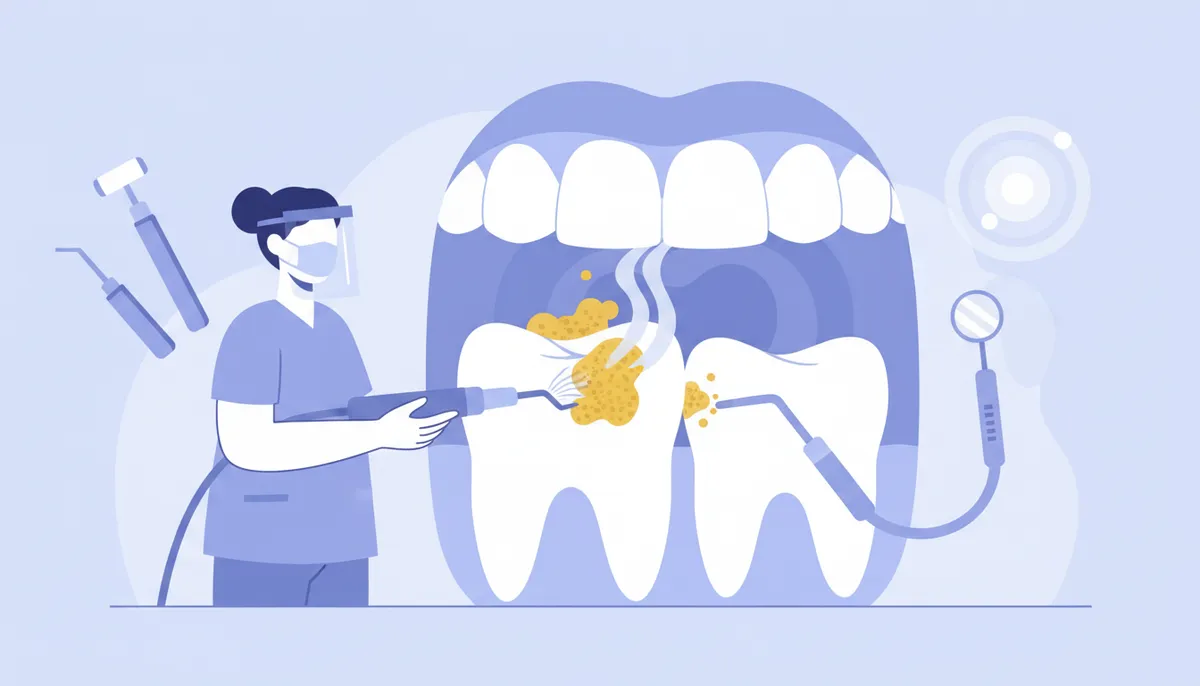
A typical cleaning appointment includes several important steps. First, your dental hygienist examines your mouth for any obvious issues like swollen gums or visible decay. They look at the overall health of your teeth and gums before starting the cleaning process. Next comes the actual cleaning, where special tools remove plaque and tartar buildup from your teeth surfaces and along the gum line.
After the thorough cleaning, your teeth get polished with a gritty paste that removes surface stains and makes your teeth feel incredibly smooth. The hygienist then flosses between all your teeth to remove any remaining debris. Finally, you might receive a fluoride treatment to strengthen your tooth enamel and protect against cavities. The entire process usually takes between 30 and 60 minutes, depending on how much buildup you have.
Why Regular Cleanings Matter for Your Health
Routine dental cleanings do more than just make your smile look nice. They play a critical role in preventing serious dental problems before they start. Professional cleanings remove hardened plaque (called tartar) that you can’t remove with regular brushing at home.
These appointments also give your dentist a chance to catch problems early. Small cavities, gum disease in its early stages, and even oral cancer can be detected during routine visits. Early detection almost always means easier, less expensive treatment. Plus, research shows strong connections between oral health and overall body health, including heart disease and diabetes.
Step-by-Step Guide to Preparing for Your Appointment
Now that you understand what happens during a cleaning, let’s talk about how to prepare properly. Following these steps ensures you get the maximum benefit from your visit and makes the experience more pleasant for everyone involved.
1. Schedule Your Appointment Strategically
Pick a time that works well with your schedule. Morning appointments work great if you want to start your day fresh, while afternoon slots might be better if you need time to wake up fully. Avoid scheduling right before important meetings or events, just in case your mouth feels sensitive afterward.
2. Brush and Floss Before Your Visit
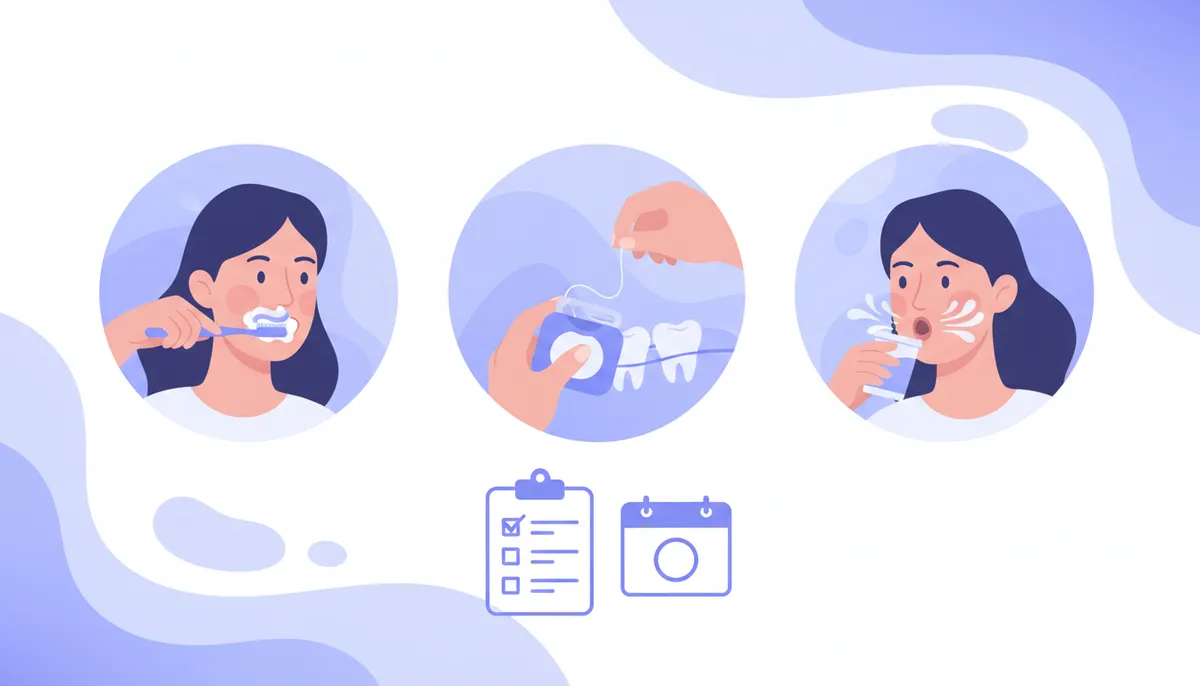
Yes, your hygienist will clean your teeth thoroughly, but you should still brush and floss before your appointment. This shows respect for the dental team and removes food particles that might be stuck in your teeth. It also allows the hygienist to focus on the deeper cleaning rather than removing obvious debris.
3. Make a List of Questions and Concerns
Write down any dental concerns you’ve noticed since your last visit. Does a tooth feel sensitive? Do your gums bleed when you brush? Have you noticed bad breath? Bringing a list ensures you don’t forget to mention important symptoms. Your dental team can only help with problems they know about.
4. Review Your Medical History
Think about any changes in your health or medications since your last visit. New prescriptions, health conditions, or even pregnancy can affect your dental care. Some medications cause dry mouth or gum changes, and your hygienist needs to know this information to provide the best care.
5. Arrive Early With Necessary Documents
Plan to arrive about 10-15 minutes before your scheduled time. This gives you time to fill out any paperwork, update your information, and relax before your appointment. Bring your insurance card and a form of identification. If you’re a new patient, arriving early is especially important.

What to Bring to Your Dental Cleaning Appointment
Being prepared means having the right items with you when you arrive. Here’s a helpful checklist of what to bring to your routine dental cleaning.
- Insurance card and photo ID
- List of current medications (including vitamins and supplements)
- Payment method for any copays or out-of-pocket costs
- List of questions or concerns about your oral health
- Contact information for any previous dentists (if you’re a new patient)
- Sunglasses (the dental light can be bright)
Some patients also like to bring headphones and a playlist to help them relax during the cleaning. Most dental offices, including Dental Theory, welcome anything that makes you more comfortable. Just make sure you can still hear instructions from your hygienist.

Foods and Drinks to Avoid Before Your Cleaning
What you eat and drink before your appointment can affect your experience. Certain foods make the cleaning process more difficult or leave unpleasant tastes and smells. Planning your meals strategically shows consideration and improves your comfort.
| Foods to Avoid | Why to Avoid Them | Better Alternatives |
|---|---|---|
| Garlic and onions | Strong odors linger in your mouth | Fresh fruits or vegetables |
| Sticky candies | Get stuck between teeth | Sugar-free mints |
| Popcorn | Kernels wedge between teeth | Soft crackers |
| Dark sodas | Can stain teeth right before cleaning | Water or clear drinks |
| Coffee | Leaves strong taste and can stain | Herbal tea or water |
The best approach is to eat a light, simple meal a couple of hours before your appointment. This prevents you from feeling hungry during the cleaning but gives your mouth time to settle. Always brush your teeth after eating and before heading to your appointment.
Managing Dental Anxiety and Nervousness
Feeling nervous about dental visits is completely normal and very common. Many people experience some level of anxiety when facing a cleaning appointment. The good news is that several simple strategies can help you feel calmer and more in control.
Deep breathing exercises work wonders for reducing stress. Try the 4-7-8 technique: breathe in for four counts, hold for seven counts, and exhale for eight counts. Repeat this several times before and during your appointment. This triggers your body’s relaxation response and slows your heart rate.
Communicate openly with your dental team about your anxiety. At Dental Theory, we understand that dental fear is real, and we work with you to make your experience as comfortable as possible. We can explain each step before we do it, take breaks when you need them, and answer all your questions patiently.
Relaxation Techniques That Really Work
Beyond breathing exercises, several other techniques help patients relax during dental cleanings. Progressive muscle relaxation involves tensing and releasing different muscle groups, starting with your toes and working up to your head. This helps release physical tension you might not even realize you’re holding.
Visualization can transport your mind to a peaceful place. Close your eyes and imagine yourself on a beach, in a forest, or anywhere that brings you calm. Focus on the details: what do you see, hear, smell, and feel? This mental escape makes the appointment feel shorter and less stressful.
Some patients find that listening to music or podcasts through headphones helps them stay calm. The audio provides a distraction and gives you something to focus on besides the cleaning. Just make sure the volume allows you to hear your hygienist when they need to communicate with you.
Special Considerations for Different Patients
Not everyone’s dental cleaning preparation looks the same. Different situations call for different approaches to ensure the best experience and results.
Preparing Children for Their First Cleaning
When bringing your child for their first dental cleaning, preparation starts at home. Talk about the visit in positive, simple terms. Explain that the dentist has special tools to help keep their teeth healthy and strong. Read children’s books about dental visits or watch kid-friendly videos that show what to expect.
At Dental Theory, Dr. Pri specializes in pediatric dentistry and knows exactly how to make children feel comfortable and safe. As the only board-certified pediatric dentist offering in-office sedation in Brandon, Florida, Dr. Pri provides gentle, compassionate care that helps even anxious children have positive dental experiences.
Bring your child’s favorite stuffed animal or comfort item to the appointment. Arrive early so they can get familiar with the office environment before their turn. Never use dental visits as a threat or punishment, as this creates negative associations that can last a lifetime.
Considerations for Patients With Special Needs
Patients with physical disabilities, sensory sensitivities, or cognitive differences may need extra preparation for dental cleanings. Contact the office ahead of time to discuss specific accommodations. Most dental practices, including Dental Theory, want to know how they can make your visit successful.
If you have mobility challenges, ask about accessibility features like wheelchair ramps and accessible restrooms. For sensory sensitivities, inquire about quieter appointment times or whether you can bring noise-canceling headphones. Some offices can dim lights or provide weighted blankets for comfort.
Bringing a caregiver or support person can make a huge difference. This person can help communicate your needs, provide emotional support, and assist with any physical needs during the appointment. Don’t hesitate to advocate for what you need to have a successful visit.
Questions to Ask During Your Routine Dental Cleaning
Your cleaning appointment is the perfect time to learn about your oral health and get professional advice. Coming prepared with questions shows you’re invested in your dental care and helps you make informed decisions. Here are important questions to consider asking:
- How is the overall health of my gums?
- Are there any early signs of cavities or other problems?
- Am I brushing and flossing correctly?
- What type of toothbrush and toothpaste work best for my needs?
- Do I have any areas that need extra attention when cleaning at home?
- When should I schedule my next cleaning appointment?
- Are there any dietary changes that would benefit my oral health?
Don’t feel embarrassed about asking basic questions. Your dental team wants you to understand your oral health. If you don’t understand an answer, ask them to explain it in simpler terms. Good dental professionals appreciate curious patients who want to learn.
Understanding the Cost and Insurance Coverage
Knowing what to expect financially removes stress and helps you plan appropriately. Routine dental cleanings are typically covered by dental insurance as preventive care, but coverage varies by plan.
Most insurance plans cover two cleanings per year at 100%, meaning you pay nothing out of pocket. However, some plans have deductibles or require copays. Call your insurance company before your appointment to understand your specific coverage. Ask about your deductible status, copay amounts, and whether your chosen dentist is in-network.
If you don’t have insurance, ask about payment options and dental membership plans. Dental Theory offers an in-house membership plan that provides significant savings on cleanings and other services. These plans often cost less than traditional insurance and give you access to quality dental care without the hassle of claims and approvals.
| Payment Option | Typical Cost Range | Best For |
|---|---|---|
| Insurance Coverage | $0 (fully covered) | Patients with dental insurance |
| Cash/Credit Payment | $75-$200 | Patients without insurance |
| Membership Plans | $25-$40/month | Families or uninsured patients |
| Payment Plans | Varies by agreement | Patients needing financial flexibility |
Always ask for a cost estimate before any procedure beyond the basic cleaning. Most dental offices provide written estimates that you can review and discuss. Understanding costs upfront prevents surprise bills and allows you to make informed decisions about your care.
What to Do After Your Dental Cleaning
Your routine dental cleaning doesn’t end when you leave the office. What you do afterward affects how long your clean feeling lasts and how well you maintain your oral health until your next visit.
Your teeth and gums might feel slightly sensitive for a few hours after the cleaning, especially if you had significant tartar buildup. This is completely normal and usually goes away quickly. Avoid extremely hot or cold foods and drinks for the rest of the day if you experience sensitivity.
Wait at least 30 minutes before eating or drinking if you received a fluoride treatment. This gives the fluoride time to absorb into your tooth enamel for maximum protection. When you do eat, choose soft, non-acidic foods that won’t irritate your gums.
Building Better Home Care Habits
Use your cleaning appointment as motivation to improve your daily oral hygiene routine. Your hygienist likely gave you personalized advice about brushing technique, flossing, or problem areas that need extra attention. Write down this advice while it’s fresh in your mind.
Brush your teeth twice daily for two full minutes each time. Use gentle, circular motions rather than harsh back-and-forth scrubbing. Don’t forget to brush your tongue, as bacteria collect there and cause bad breath. Floss at least once per day, ideally before bedtime.
Consider adding mouthwash to your routine if your dentist recommends it. Not all mouthwashes are the same, so ask which type works best for your specific needs. Some fight bacteria, others strengthen enamel, and some help with dry mouth.
How Often Should You Get a Routine Dental Cleaning
Most people should have a routine dental cleaning every six months, which equals two cleanings per year. This schedule allows your dentist to monitor your oral health consistently and catch problems early. However, your individual needs might differ based on several factors.
People with gum disease, a history of cavities, or other dental issues may need cleanings more frequently. Some patients benefit from cleanings every three to four months to keep their oral health on track. Your dentist will recommend a schedule that makes sense for your specific situation.
On the other hand, patients with excellent oral health and no history of problems might maintain healthy teeth with less frequent cleanings. However, this should always be a decision made with your dentist’s input, not something you decide on your own. Regular cleanings prevent problems rather than just treating them.
Signs You Might Need to Schedule Sooner
Even if your next appointment is months away, certain symptoms mean you should call your dentist right away. Don’t wait for your scheduled cleaning if you experience any of these issues:
- Persistent tooth pain or sensitivity that doesn’t go away
- Bleeding gums, especially if it happens regularly when brushing
- Loose teeth or teeth that feel different than usual
- Sores or lumps in your mouth that don’t heal within two weeks
- Bad breath that doesn’t improve with brushing and flossing
- Swollen, red, or tender gums
These symptoms might indicate problems that need attention before your next routine cleaning. Early intervention almost always leads to better outcomes and less extensive treatment. Never feel like you’re bothering your dentist by calling with concerns between scheduled appointments.
Making Your Next Appointment Before You Leave
One of the smartest things you can do after your cleaning is schedule your next appointment before you leave the office. This simple step helps you maintain consistent care and ensures you don’t forget to book your next visit.
Most dental offices, including Dental Theory, can schedule appointments up to a year in advance. If you know you prefer morning appointments or specific days of the week, booking early gives you the best selection of times. You can always change the appointment if something comes up, but having it on the calendar increases the likelihood you’ll keep up with your dental care.
Many offices send reminder calls, texts, or emails as your appointment approaches. This helpful service reduces the chance you’ll forget about your visit. Make sure the office has your current contact information so these reminders reach you.
If you have children, try to schedule their appointments at the same time as yours or back-to-back. This reduces the number of trips you need to make to the dentist and makes it easier to manage everyone’s dental care. Family block scheduling saves time and helps everyone stay on track with their cleanings.
Why Choose Dental Theory for Your Routine Cleanings
Finding the right dental home makes a huge difference in your oral health journey. At Dental Theory in Brandon, Florida, we’re more than just a dental office. We’re a family-focused practice that truly cares about making your experience positive and stress-free.
Our team uses the latest technology to provide thorough, comfortable cleanings. We take time to explain what we’re doing and why it matters for your health. Whether you’re bringing your whole family or coming in for your own care, you’ll find a welcoming environment where questions are encouraged and comfort is a priority.
Dr. K specializes in general dentistry and cosmetic dentistry for adults, while Dr. Pri brings her specialized training in pediatric dentistry to care for your children. Together, they provide comprehensive care for the entire family under one roof. This husband and wife team understands that family dental care should be convenient, comfortable, and consistent.
We accept most insurance plans and offer an in-house membership plan for patients without insurance. Our goal is to make quality dental care accessible to everyone in the Brandon community. You can schedule an appointment online or give us a call to learn more about how we can serve your family’s dental needs.
Conclusion: Take Control of Your Oral Health Today
Preparing for your routine dental cleaning doesn’t require complicated steps or major effort. Simple preparation like brushing before your visit, making a list of questions, and arriving early can transform your experience from stressful to smooth. Understanding what happens during your cleaning and why it matters helps you appreciate the value of this important preventive care.
Remember that your dental team is there to help you maintain a healthy smile for life. Open communication, consistent care, and good home hygiene habits work together to keep your teeth and gums in great shape. Regular cleanings catch problems early when they’re easier to treat, saving you time, money, and discomfort down the road.
Don’t put off your dental health another day. If you’re in the Brandon, Florida area and looking for a dental home that treats you like family, we’d love to meet you. Contact Dental Theory today to schedule your routine dental cleaning and experience the difference that compassionate, skilled dental care makes. Check out our reviews on Google to see why families throughout Brandon trust us with their smiles. Your journey to better oral health starts with one simple phone call or click.
FAQs
Q: How often should I get a routine dental cleaning?
A: Most people need a routine dental cleaning every six months, which is twice a year. This schedule helps your dentist catch problems early and keeps your teeth and gums healthy. However, if you have gum disease or other dental issues, your dentist might recommend more frequent cleanings every three to four months.
Q: What should I do if I feel nervous about my dental cleaning?
A: Feeling nervous is totally normal, and there are lots of ways to help yourself relax. Try deep breathing exercises like the 4-7-8 technique before and during your appointment. Talk to your dental team about your anxiety so they can work with you and take breaks when needed. Bringing headphones with calming music or using visualization techniques can also make a big difference in how comfortable you feel.
Q: Do I need to brush my teeth before going to my dental cleaning?
A: Yes, you should definitely brush and floss before your dental cleaning appointment. While your hygienist will clean your teeth thoroughly, brushing beforehand removes food particles and shows respect for the dental team. It also allows the hygienist to focus on deep cleaning rather than removing obvious debris, making your appointment more effective.
Q: Will my dental insurance cover my routine cleaning?
A: Most dental insurance plans cover two routine cleanings per year at 100% as preventive care. However, coverage varies by plan, so it’s smart to call your insurance company before your appointment to understand your specific benefits. If you don’t have insurance, ask your dentist about payment options or membership plans that can make cleanings more affordable.
Q: How long does a typical routine dental cleaning take?
A: A typical routine dental cleaning takes between 30 and 60 minutes, depending on how much plaque and tartar buildup you have. The appointment includes an examination, cleaning, polishing, flossing, and possibly a fluoride treatment. If you have more buildup or it’s been a while since your last cleaning, the appointment might take a bit longer to ensure your teeth are thoroughly cleaned.