Key Takeaways
-
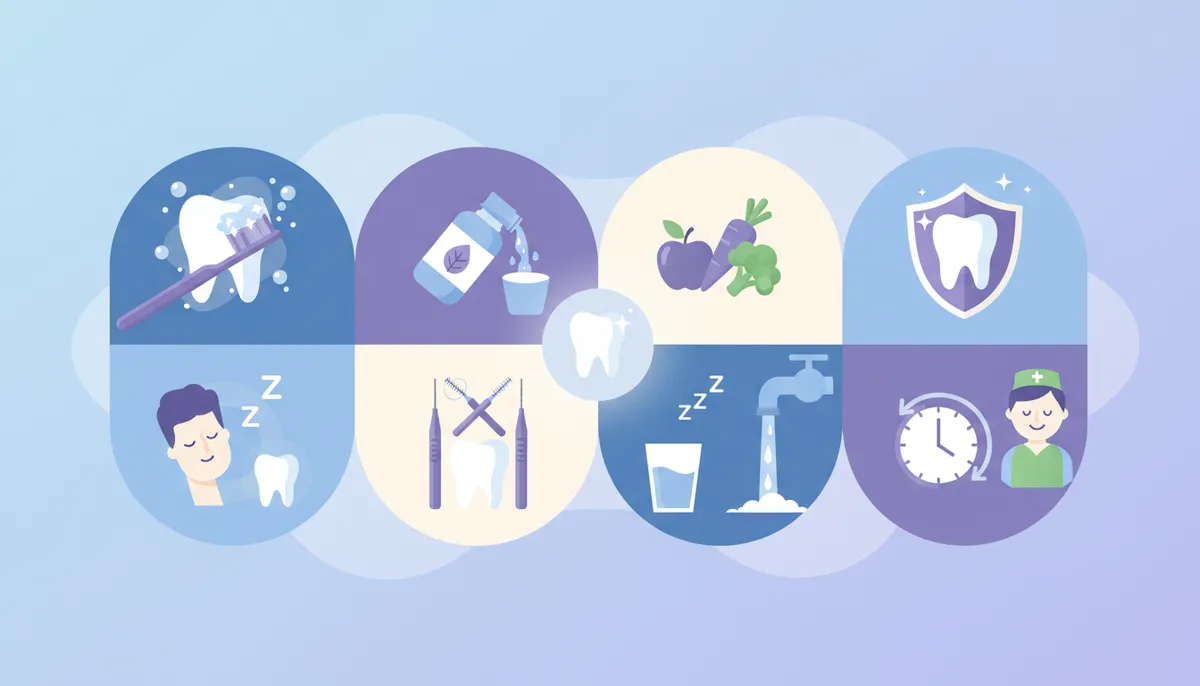
Brush for at least 2 minutes twice daily using gentle circular motions at a 45-degree angle to your gums to effectively remove plaque; replace your soft-bristled toothbrush every 3-4 months.
-
Floss daily to clean between teeth where cavities often form; use 18 inches of floss with a gentle zigzag motion, or try floss picks or water flossers if traditional flossing feels awkward.
-
Visit your dentist every 6 months for checkups and professional cleanings to catch problems early before they become expensive and complex; pain usually means a problem has been developing for weeks.
-
Limit sugary and starchy foods that feed bacteria producing cavity-causing acid; instead eat calcium-rich dairy, crunchy vegetables, and leafy greens that strengthen teeth and support gum health.
-
Use fluoride toothpaste twice daily and consider professional fluoride treatments for extra protection; fluoride strengthens enamel and helps repair early tooth decay before cavities form.
-
Protect your teeth from grinding damage with a custom nightguard and from sports injuries with a custom mouthguard; wear a sports mouthguard to significantly reduce risk of broken or knocked-out teeth.
Your smile says a lot about you, and keeping it healthy doesn’t have to feel like a full-time job. Whether you’re looking to prevent cavities, brighten your teeth, or simply maintain good oral hygiene, improving your dental health is easier than you think. The good news? Small changes in your daily routine can make a big difference in how your teeth and gums look and feel.
At Dental Theory, we believe everyone deserves a healthy, confident smile. Our family-focused practice in Brandon, Florida, is here to help you achieve just that. From kids to adults, we offer comprehensive care that makes dental visits stress-free and even enjoyable. Let’s explore eight practical ways you can improve your dental health starting today.

1. Brush Your Teeth Twice Daily With the Right Technique
Brushing your teeth might seem basic, but doing it correctly makes all the difference. Many people rush through brushing or use the wrong motion, which can leave plaque behind. You should brush for at least two minutes, twice a day, using gentle circular motions.
Hold your toothbrush at a 45-degree angle to your gums. This position helps remove plaque from the gum line, where it tends to build up. Don’t scrub too hard—aggressive brushing can damage your enamel and irritate your gums. Think of it like washing a delicate dish, not scrubbing a dirty pot.
Choose a soft-bristled toothbrush and replace it every three to four months. If the bristles start to fray, it’s definitely time for a new one. Electric toothbrushes can be helpful too, especially if you have trouble with manual brushing technique.
Common Brushing Mistakes to Avoid
-
Brushing too quickly without covering all tooth surfaces
-
Using a toothbrush with hard bristles that can damage enamel
-
Forgetting to brush your tongue, where bacteria love to hide
-
Rinsing immediately after brushing, which washes away protective fluoride
-
Brushing right after eating acidic foods, which can harm softened enamel
2. Floss Daily to Clean Between Your Teeth
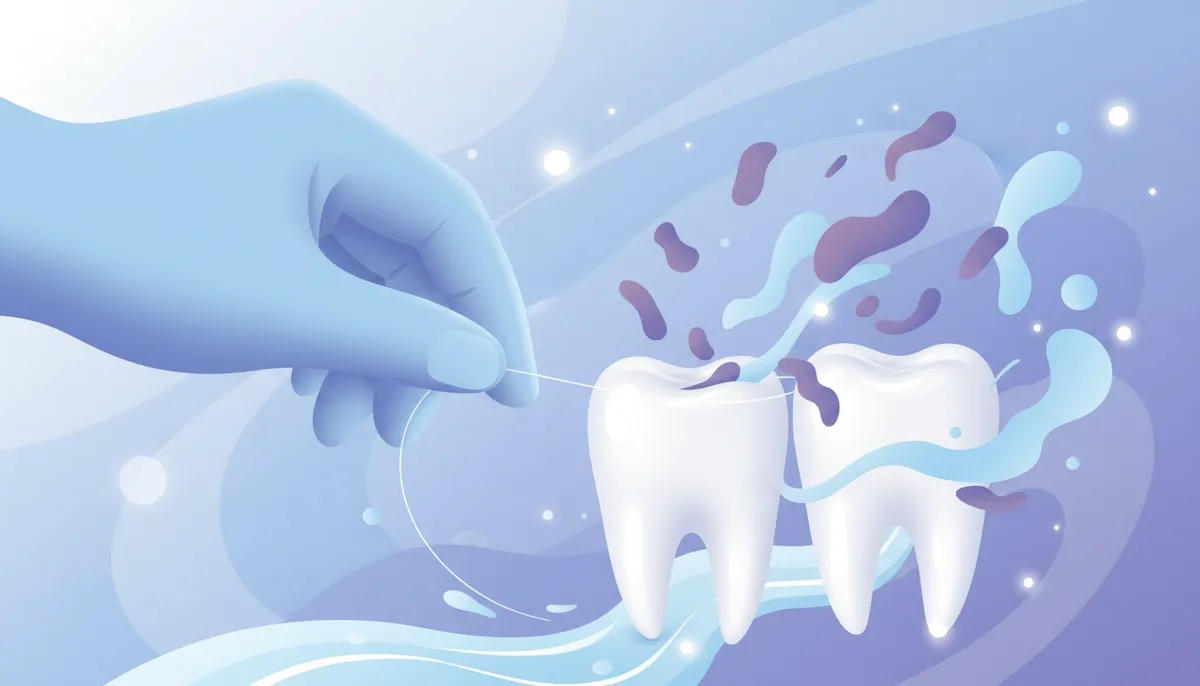
Flossing is the unsung hero of dental care. Your toothbrush can’t reach between your teeth, where food particles and plaque love to hide. This is where cavities often form, making flossing essential for good oral health.
The best time to floss is before bedtime, but any time of day works as long as you do it once daily. Use about 18 inches of floss, wrapping most of it around your middle fingers and leaving an inch or two to work with. Gently slide the floss between your teeth using a zigzag motion.
If traditional floss feels awkward, try floss picks or water flossers. These tools can make the job easier, especially if you have braces or dental work. The important thing is finding a method you’ll actually use every day.
|
Flossing Tool |
Best For |
Pros |
Cons |
|---|---|---|---|
|
Traditional Floss |
Most people |
Inexpensive, effective, portable |
Requires good technique |
|
Floss Picks |
Beginners, kids |
Easy to use, convenient |
Less effective than traditional floss |
|
Water Flosser |
Braces, implants |
Gentle, thorough cleaning |
More expensive, needs electricity |
|
Interdental Brushes |
Wide gaps, bridges |
Good for larger spaces |
Not suitable for tight contacts |
3. Visit Your Dentist Regularly for Checkups and Cleanings
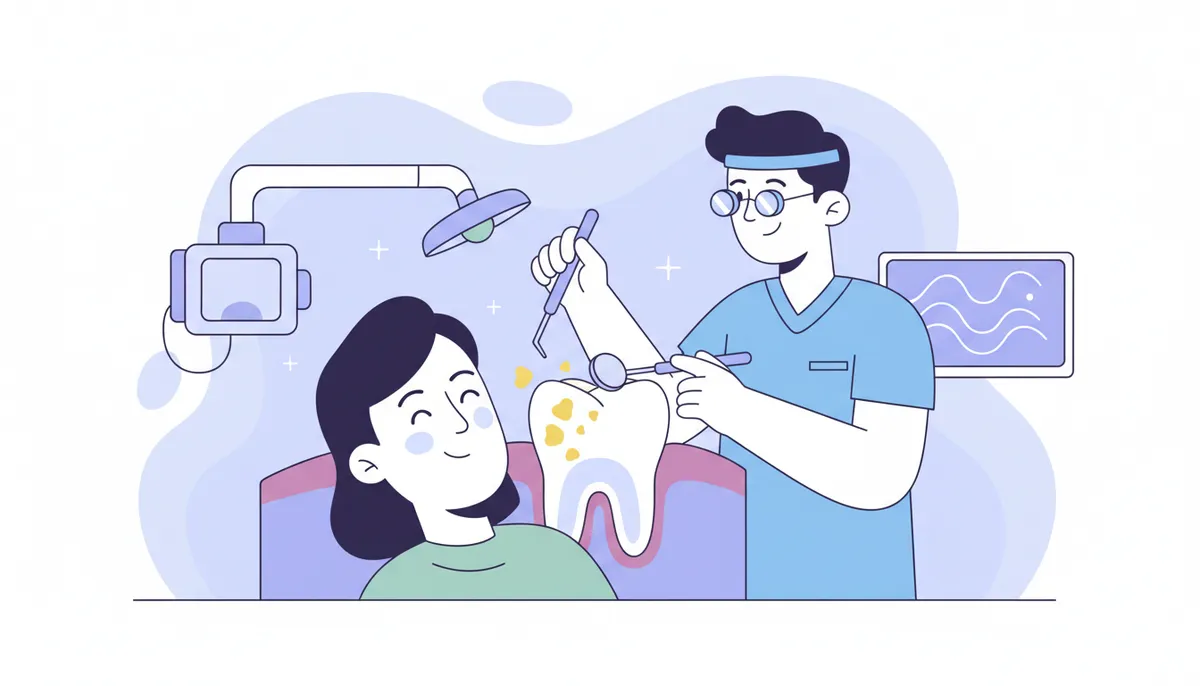
Regular dental visits are one of the most important things you can do for your oral health. Most people should see their dentist every six months, though some may need more frequent visits depending on their needs. These appointments catch problems early, when they’re easier and less expensive to fix.
During a checkup, your dentist looks for cavities, gum disease, and other issues you might not notice at home. Professional cleanings remove hardened plaque (called tartar) that you can’t remove with brushing and flossing alone. This helps prevent cavities and keeps your gums healthy.
Don’t wait until something hurts to see your dentist. Pain often means a problem has been growing for a while. General dentistry services at Dental Theory include comprehensive exams, cleanings, and preventive care for the whole family. Our team uses the latest technology to make your visits comfortable and efficient.
What Happens During a Dental Checkup
-
Comprehensive oral examination of teeth, gums, and soft tissues
-
Professional cleaning to remove plaque and tartar buildup
-
X-rays if needed to check for hidden problems
-
Oral cancer screening to catch any concerning changes early
-
Discussion of any concerns or treatment recommendations
-
Tips and advice for improving your home care routine

4. Eat a Tooth-Friendly Diet With Less Sugar
What you eat affects your dental health more than you might think. Sugary and starchy foods feed the bacteria in your mouth, which produce acid that attacks your tooth enamel. Over time, this leads to cavities and decay.
You don’t have to give up sweets completely, but try to limit how often you eat them. It’s better to enjoy dessert with a meal than to snack on sugary foods throughout the day. When you do have something sweet, rinse your mouth with water afterward to help wash away the sugar.
Focus on foods that strengthen your teeth and gums. Dairy products like cheese and yogurt provide calcium and phosphates that help rebuild enamel. Crunchy vegetables like carrots and celery help clean your teeth naturally. Leafy greens are packed with vitamins that support gum health.
|
Foods That Help |
Foods That Harm |
|---|---|
|
Cheese, milk, yogurt (calcium-rich) |
Candy, cookies, cake (high sugar) |
|
Apples, carrots, celery (natural cleaners) |
Soda, sports drinks (acidic and sugary) |
|
Leafy greens, broccoli (vitamin-rich) |
Chips, crackers (starchy, stick to teeth) |
|
Almonds, cheese (protein-rich) |
Dried fruit (sticky, concentrated sugar) |
|
Water, unsweetened tea (neutral pH) |
Citrus fruits (acidic, can erode enamel) |
5. Use Fluoride Toothpaste and Consider Fluoride Treatments
Fluoride is a natural mineral that strengthens tooth enamel and helps prevent cavities. Most toothpastes contain fluoride, but it’s worth checking the label to make sure yours does. Using fluoride toothpaste twice daily is one of the easiest ways to protect your teeth.
For extra protection, your dentist might recommend professional fluoride treatments. These concentrated applications help remineralize weak spots in your enamel before they become cavities. They’re especially helpful for kids, people with dry mouth, or anyone at higher risk for decay.
Many communities also add fluoride to tap water, which has been shown to reduce cavities by about 25 percent. Drinking tap water throughout the day gives your teeth constant exposure to this protective mineral. If you drink mostly bottled water, you might be missing out on this benefit.
Benefits of Fluoride for Dental Health
-
Strengthens tooth enamel and makes it more resistant to acid
-
Helps repair early signs of tooth decay before cavities form
-
Reduces sensitivity in teeth by blocking exposed dentin tubules
-
Provides ongoing protection when used consistently over time
-
Safe and effective for both children and adults when used properly
6. Protect Your Teeth From Grinding and Injury
Many people grind their teeth at night without realizing it. This habit, called bruxism, can wear down your enamel, cause jaw pain, and even crack teeth. If you wake up with headaches or a sore jaw, grinding might be the culprit.
A custom nightguard from your dentist can protect your teeth while you sleep. These guards are more comfortable and effective than the one-size-fits-all versions you can buy at the store. They cushion your teeth and prevent the damage that grinding causes over time.
If you play sports, wearing a mouthguard is essential for protecting your teeth from injury. Dental injuries from sports are common and can be expensive to fix. A properly fitted mouthguard absorbs impact and significantly reduces your risk of broken or knocked-out teeth. At Dental Theory, we can create a custom mouthguard that fits comfortably and provides maximum protection.
7. Keep Your Gums Healthy With Proper Care
Healthy gums are just as important as healthy teeth. Gum disease starts with inflammation and bleeding, but it can progress to serious problems like bone loss and tooth loss if left untreated. The good news is that gum disease is preventable with good oral hygiene.
Pay attention to your gums when you brush and floss. They should look pink and firm, not red or swollen. If your gums bleed when you floss, that’s a sign of inflammation. Don’t stop flossing—bleeding usually improves with consistent, gentle flossing over a few weeks.
Smoking is terrible for gum health. It reduces blood flow to your gums, making it harder for them to heal and fight infection. If you smoke, quitting is one of the best things you can do for your oral health. Your dentist can provide resources and support to help you quit.
Warning Signs of Gum Disease
-
Red, swollen, or tender gums that feel uncomfortable
-
Bleeding when you brush or floss your teeth
-
Persistent bad breath that doesn’t go away
-
Gums that are pulling away from your teeth
-
Loose teeth or changes in how your teeth fit together
-
Pus between your teeth and gums
8. Address Dental Problems Quickly Before They Worsen
Small dental problems rarely fix themselves. That tiny cavity or slight sensitivity will almost always get worse if you ignore it. Treating problems early saves you time, money, and discomfort in the long run.
If something doesn’t feel right in your mouth, don’t wait for your next scheduled appointment. Call your dentist and describe what’s happening. Many issues can be resolved quickly if caught early, but they become much more complicated if they’re allowed to progress.
Modern dentistry offers many solutions for common problems. Crowns and bridges can restore damaged teeth, while root canal therapy can save teeth that are badly infected. At Dental Theory, we even offer same-day crowns, so you never have to wait or come back for multiple visits. Our ceramic crowns look natural and are built to last.
|
Problem |
Early Treatment |
Delayed Treatment |
|---|---|---|
|
Small cavity |
Simple filling in one visit |
May need crown or root canal |
|
Gum inflammation |
Professional cleaning, improved home care |
Deep cleaning, possible surgery |
|
Cracked tooth |
Bonding or crown to protect tooth |
Root canal, extraction, implant |
|
Tooth sensitivity |
Fluoride treatment, desensitizing toothpaste |
May indicate decay or exposed nerves |
Special Considerations for Children’s Dental Health
Kids need extra attention when it comes to dental care. Their teeth are still developing, and they’re learning habits that will last a lifetime. Starting dental visits early helps children feel comfortable with the dentist and catches any issues while they’re easy to fix.
Dr. Pri, our board-certified pediatric dentist, specializes in making dental care fun and stress-free for kids. She understands that some children feel nervous about dental visits, which is why she offers sedation options for anxious patients. As the only board-certified pediatric dentist offering in-office sedation in Brandon, Florida, Dr. Pri provides gentle, compassionate care that puts children and parents at ease.
Teach your kids to brush twice a day and floss daily. Make it fun by letting them pick their own toothbrush or playing a two-minute song while they brush. Supervise young children to make sure they’re doing a thorough job. Remember, building good habits now sets them up for a lifetime of healthy smiles.
Take Control of Your Dental Health Today
Improving your dental health doesn’t require a complete lifestyle overhaul. These eight strategies are simple, practical, and proven to work. Start with one or two changes and gradually add more as they become habits. Your teeth and gums will thank you.
Remember, you’re not alone in this journey. Professional dental care is an essential partner in maintaining excellent oral health. Regular checkups, professional cleanings, and expert advice make a huge difference in preventing problems and catching them early.
At Dental Theory in Brandon, Florida, we’re committed to helping families achieve and maintain healthy smiles. Whether you need cosmetic dentistry to enhance your smile or pediatric dentistry for your little ones, we offer comprehensive care in a warm, welcoming environment. Our team uses the latest technology to make your visits comfortable and efficient. Ready to take the next step? Schedule your appointment with Dental Theory today and discover how easy it can be to love your smile again.
FAQs
Q: How often should I brush my teeth to improve dental health?
A: You should brush your teeth twice a day for at least two minutes each time. Use a soft-bristled toothbrush at a 45-degree angle to your gums, and don’t forget to brush your tongue too. Morning and bedtime brushing provides the best protection against cavities and gum disease.
Q: Is flossing really necessary if I brush regularly?
A: Yes, flossing is absolutely necessary because your toothbrush can’t reach between your teeth where plaque and food particles hide. These areas are where many cavities start, making daily flossing essential for complete oral health. Water flossers or floss picks can make the job easier if traditional floss feels awkward.
Q: What foods should I avoid to protect my teeth?
A: Limit sugary foods like candy and soda, which feed bacteria that produce tooth-damaging acid. Sticky foods like dried fruit cling to teeth and cause problems, while acidic beverages can erode enamel over time. When you do enjoy treats, have them with meals and rinse your mouth with water afterward.
Q: How can I tell if I have gum disease?
A: Warning signs include red, swollen, or bleeding gums, persistent bad breath, and gums that pull away from your teeth. You might also notice loose teeth or changes in how your teeth fit together. If you experience any of these symptoms, see your dentist right away for an evaluation.
Q: Why are regular dental checkups important for dental health?
A: Regular checkups catch problems early when they’re easier and less expensive to treat. Professional cleanings remove hardened tartar that you can’t remove at home, preventing cavities and gum disease. Most people should visit their dentist every six months for optimal oral health.