
Key Takeaways
-
Brush twice daily for two minutes using fluoride toothpaste, holding your toothbrush at a 45-degree angle to gums with gentle circular motions.
-
Floss at least once daily to clean the 40% of tooth surfaces your toothbrush can't reach, dramatically reducing cavity and gum disease risks.
-
Professional dental cleanings every six months remove hardened plaque and help catch potential dental problems early before they become serious.
-
Limit sugary and acidic foods like sodas, candies, and energy drinks that contribute to tooth decay and enamel erosion.
-
Pay attention to gum disease warning signs like bleeding gums, persistent bad breath, and teeth looking longer, and seek professional evaluation promptly.
Have you ever wondered if you’re doing enough to keep your teeth and gums healthy? Most of us brush our teeth every day, but dental care involves so much more than just a quick scrub with a toothbrush. Taking care of your smile isn’t just about having white teeth or fresh breath—it’s about protecting your overall health and preventing costly dental problems down the road. The good news? Building a solid dental care routine is easier than you think, and the benefits last a lifetime.
Whether you’re a parent teaching your kids about oral hygiene, an adult looking to improve your dental habits, or someone dealing with dental anxiety, this guide will walk you through everything you need to know about proper dental care. We’ll cover daily routines, professional treatments, and how your dental health connects to your overall well-being. Let’s dive in and discover how to keep your smile bright and healthy for years to come.
Why Daily Dental Care Matters More Than You Think
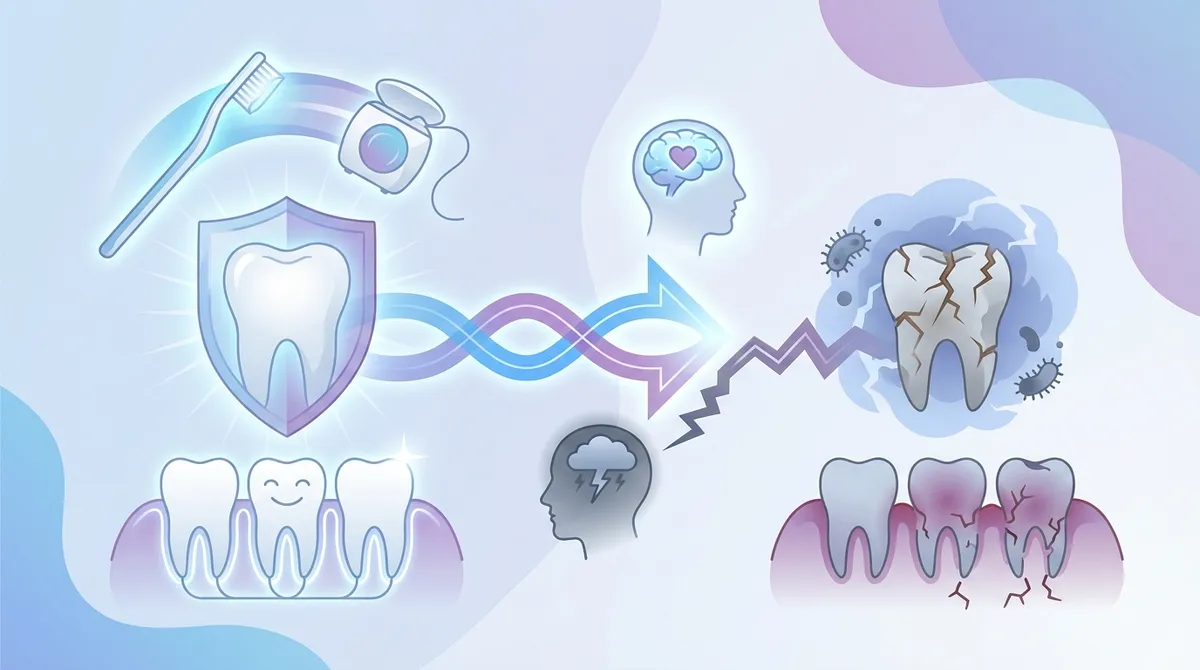
Your mouth is the gateway to your body, and what happens there affects your entire health. Research shows that poor oral health is linked to serious conditions like heart disease, diabetes complications, and even problems during pregnancy. When you skip brushing or ignore gum bleeding, you’re not just risking cavities—you’re potentially opening the door to bigger health issues.
Think of your mouth as a busy neighborhood. When you maintain it well with regular cleaning and checkups, everything runs smoothly. But when you neglect it, harmful bacteria start throwing parties on your teeth and gums, causing inflammation and infection that can spread throughout your body. The simple act of brushing twice a day and flossing removes these troublemakers before they cause serious damage.
The Connection Between Oral Health and Overall Wellness
Your dentist isn’t just looking at your teeth during checkups—they’re checking for signs of systemic disease. Inflammation in your gums can mirror inflammation in your blood vessels, which is why people with gum disease have higher rates of cardiovascular problems. Similarly, diabetes makes it harder to fight gum infections, while gum disease makes it harder to control blood sugar levels. It’s a two-way street that highlights why dental care deserves a top spot in your health priorities.
The Perfect Daily Dental Care Routine
Creating an effective dental care routine doesn’t require expensive gadgets or hours of your time. It just needs consistency and the right techniques. Here’s what dental professionals recommend for keeping your teeth and gums in top shape.
Morning and Night Brushing Best Practices
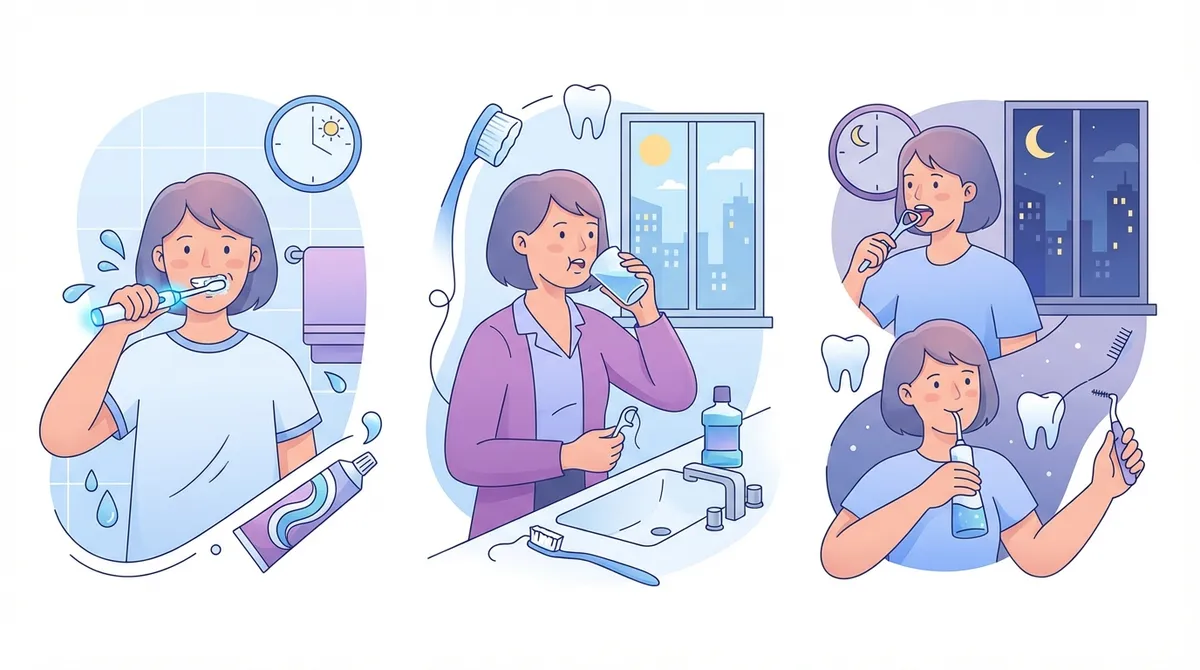
Brushing twice a day for two minutes with fluoride toothpaste is the foundation of good dental care. But technique matters just as much as frequency. Hold your toothbrush at a 45-degree angle to your gums and use gentle, circular motions. Imagine you’re massaging your teeth clean rather than scrubbing them like a dirty pot. This approach effectively removes plaque without damaging your enamel or irritating your gums.
Set a timer or play your favorite song to make sure you’re brushing for the full two minutes. Many people rush through brushing in just 30-45 seconds, which doesn’t give you enough time to clean all surfaces of your teeth properly. Don’t forget to brush your tongue too—it harbors bacteria that cause bad breath and can contribute to tooth decay.
The Flossing Factor You Can’t Skip
If brushing is the star of your dental care routine, flossing is the essential supporting actor. Flossing reaches the 40% of tooth surfaces that your toothbrush can’t touch—the tight spaces between your teeth where food particles and plaque love to hide. General dentistry experts agree that flossing at least once daily dramatically reduces your risk of cavities and gum disease.
| Dental Care Task | Recommended Frequency | Time Required | Primary Benefit |
|---|---|---|---|
| Brushing with fluoride toothpaste | Twice daily | 2 minutes each time | Removes plaque and prevents cavities |
| Flossing | Once daily | 2-3 minutes | Cleans between teeth and prevents gum disease |
| Mouthwash (optional) | Once or twice daily | 30 seconds | Reduces bacteria and freshens breath |
| Toothbrush replacement | Every 3-4 months | N/A | Maintains cleaning effectiveness |
Choosing the Right Tools for Your Smile
Walk down any store aisle and you’ll face dozens of toothbrush choices. Don’t overthink it—soft-bristled brushes work best for most people because they’re gentle on gums while still effective at removing plaque. Whether you choose manual or electric is less important than using it correctly and consistently. That said, electric toothbrushes can be especially helpful if you have arthritis, limited dexterity, or just want a little extra cleaning power.
Replace your toothbrush or brush head every three to four months, or sooner if the bristles start looking frayed. Worn bristles don’t clean as effectively and can actually harbor bacteria. Think of it like trying to sweep with a broom that’s lost half its bristles—it just won’t do the job right.
Foods That Help or Hurt Your Teeth
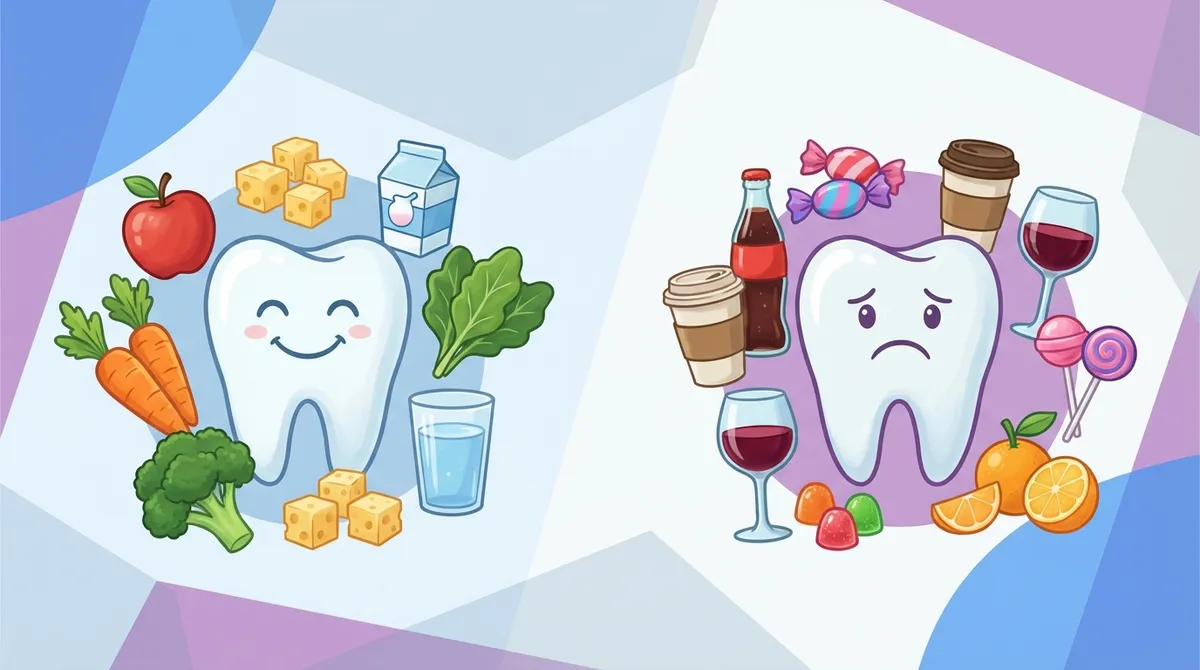
Your diet plays a huge role in your dental health, and understanding which foods support or sabotage your smile can help you make better choices throughout the day.
The Worst Offenders for Your Teeth
Sugary and acidic foods are the main culprits behind tooth decay and enamel erosion. When you eat sugar, the bacteria in your mouth throw a feast, producing acid as a byproduct that attacks your tooth enamel. Sodas, energy drinks, and fruit juices are particularly problematic because they bathe your teeth in both sugar and acid.
Here are the top foods and drinks to limit for better dental health:
- Candy, especially sticky or hard varieties that cling to teeth or can crack them
- Soda and energy drinks that combine sugar with enamel-eroding acid
- Citrus fruits and juices that are highly acidic, even without added sugar
- White bread and chips that break down into sugar and stick in tooth crevices
- Ice—yes, chewing ice can crack teeth and damage enamel
Smile-Friendly Foods to Add to Your Plate
On the flip side, certain foods actually strengthen your teeth and gums. Calcium-rich foods like milk, cheese, and yogurt provide the minerals your teeth need to stay strong. Crunchy fruits and vegetables like apples, carrots, and celery act like natural toothbrushes, scrubbing away plaque while stimulating saliva production.
Foods high in vitamin C, such as strawberries, bell peppers, and broccoli, support healthy gums by strengthening blood vessels and reducing inflammation. And don’t forget about water—it’s the best beverage for your teeth because it rinses away food particles and keeps your mouth hydrated without exposing your teeth to sugar or acid.
| Food Category | Examples | Dental Benefit |
|---|---|---|
| Calcium-Rich Foods | Milk, cheese, yogurt, almonds | Strengthens tooth enamel and jawbone |
| Crunchy Vegetables | Carrots, celery, broccoli | Naturally cleans teeth and stimulates saliva |
| Vitamin C Foods | Oranges, strawberries, bell peppers | Supports gum health and healing |
| Water | Plain water | Rinses away food and bacteria without sugar |
Professional Dental Care: What to Expect
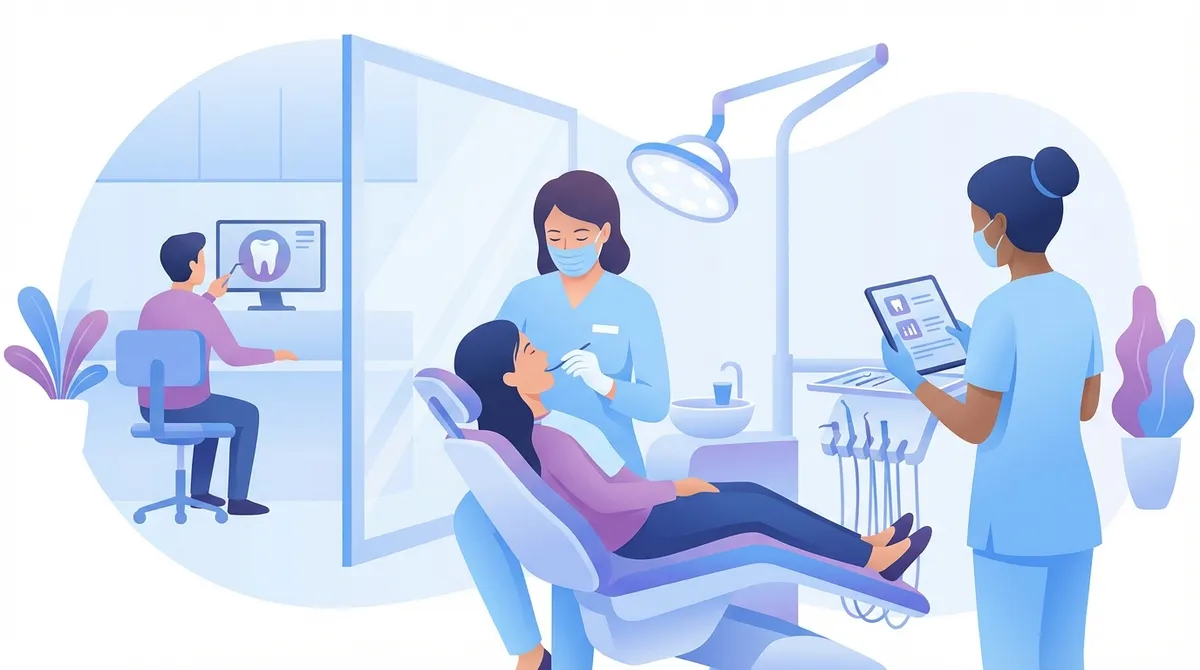
Even with perfect home care, you still need professional dental checkups and cleanings. At Dental Theory in Brandon, Florida, both Dr. K and Dr. Pri emphasize that routine visits catch problems early when they’re easiest and least expensive to treat.
Why You Need Dental Cleanings Every Six Months
Most dentists recommend professional exams and cleanings twice a year—roughly every six months. These visits aren’t just about making your teeth look shiny. During a cleaning, the dental hygienist removes hardened plaque (called tartar or calculus) that your toothbrush can’t budge. Even with excellent brushing and flossing, most people develop some tartar buildup that needs professional removal.
According to major dental insurance providers, prophylaxis (routine cleaning) is typically covered twice per calendar year at 100%, with no out-of-pocket cost for preventive services. This coverage structure reflects how valuable these regular cleanings are for preventing more serious dental problems. Some plans even allow an additional cleaning during pregnancy or for members with diabetes, recognizing the special oral health needs of these groups.
What Happens During a Comprehensive Dental Exam
During your exam, your dentist checks much more than just cavities. They’re evaluating your gum health, looking for signs of gum disease, checking your bite alignment, examining existing dental work, and screening for oral cancer. They may take X-rays to see what’s happening beneath the surface, catching problems between teeth or under old fillings that aren’t visible to the naked eye.
This comprehensive approach is why regular dental visits are so important. Many dental problems don’t cause pain or obvious symptoms in their early stages. By the time you feel pain, the problem has often advanced significantly. Regular checkups catch issues when they’re small and simple to fix, saving you discomfort and money in the long run.
Understanding Gum Disease and How to Prevent It
Gum disease (also called periodontal disease) is incredibly common and is actually the leading cause of tooth loss in adults. The good news? It’s largely preventable with proper dental care, and when caught early, it’s often reversible.
The Stages of Gum Disease
Gum disease starts as gingivitis—inflammation of the gums caused by plaque buildup along the gumline. Signs include gums that bleed when you brush or floss, redness, swelling, and sometimes bad breath. At this stage, improved home care and a professional cleaning can usually reverse the condition completely.
If gingivitis goes untreated, it can progress to periodontitis, where the infection spreads below the gumline and starts destroying the bone that supports your teeth. This stage requires more intensive treatment, such as scaling and root planing (a deep cleaning procedure) and ongoing periodontal maintenance visits. Insurance plans typically cover periodontal maintenance twice per year in addition to regular cleanings, with root scaling and planing in a given area covered once every 24 months.
Warning Signs You Shouldn’t Ignore
Pay attention to these red flags that might indicate gum disease:
- Gums that bleed easily when brushing or flossing
- Persistent bad breath that doesn’t improve with brushing
- Gums that are pulling away from your teeth, making teeth look longer
- Loose teeth or changes in how your teeth fit together when you bite
- Pus between your teeth and gums
- Painful chewing or increased tooth sensitivity
If you notice any of these symptoms, don’t wait for your next scheduled appointment. Contact a dental professional right away to get evaluated and start treatment before the problem worsens.
Common Dental Treatments and When You Need Them
Despite our best prevention efforts, sometimes dental problems occur and require treatment. Understanding common procedures helps you know what to expect and why they’re necessary.
Restorative Dental Treatments
Fillings are the most common restorative treatment, used to repair teeth damaged by decay. When a cavity forms, your dentist removes the decayed portion and fills the space with a durable material to restore the tooth’s shape and function. Caught early, a filling is a simple, straightforward procedure that prevents the decay from spreading deeper into the tooth.
When decay or damage is more extensive, a crown might be necessary to protect and restore the tooth. At Dental Theory, Dr. K offers Same-Day Crowns, which means you can get a permanent crown in just one visit without the hassle of temporary crowns or multiple appointments. This modern technology makes getting a crown faster and more convenient than ever before.
Other restorative treatments include:
- Root canal therapy to save a tooth when infection reaches the pulp
- Bridges to replace one or more missing teeth using adjacent teeth for support
- Dentures for replacing multiple missing teeth
- Dental implants that act as permanent tooth replacements anchored in the jawbone
Cosmetic Dental Options
If you’re unhappy with your smile’s appearance, cosmetic dentistry offers solutions to boost your confidence. Teeth whitening brightens stained or discolored teeth, while veneers can completely transform your smile by covering imperfections with thin porcelain shells. Bonding repairs chips and gaps with tooth-colored resin, and contouring reshapes uneven teeth for a more balanced appearance.
These treatments aren’t just about vanity—they can significantly improve your quality of life and self-esteem. When you feel good about your smile, you’re more likely to smile often, which has psychological benefits and makes positive impressions on others.
| Treatment Type | Common Procedures | Typical Insurance Coverage |
|---|---|---|
| Preventive | Exams, cleanings, X-rays, sealants, fluoride | 100% covered (most plans) |
| Basic Restorative | Fillings, simple extractions | 50-80% covered after deductible |
| Major Restorative | Crowns, bridges, dentures, implants | 50% covered (annual maximum applies) |
| Orthodontic | Braces, clear aligners | Varies widely (often separate coverage) |
Orthodontic Treatment: More Than Just Straight Teeth
Many people think orthodontic treatment is purely cosmetic, but straightening your teeth actually provides important functional benefits. Crowded, overlapping, or misaligned teeth are harder to clean properly, which increases your risk of cavities and gum disease. Bite problems can lead to uneven tooth wear, jaw pain, TMJ disorders, and even headaches.
When to Consider Braces or Clear Aligners
Orthodontic treatment corrects issues like crowding, spacing, overbites, underbites, crossbites, and open bites. While traditional metal braces remain an effective option, many adults and teens prefer Invisalign clear aligners for their discreet appearance and removability.
The best time for orthodontic evaluation is during childhood when the jaw is still growing, but adults can absolutely benefit from treatment too. In fact, more adults than ever are seeking orthodontic care to improve both function and appearance. The investment in properly aligned teeth pays dividends in easier cleaning, more comfortable chewing, and reduced wear on your teeth and jaw joints.
Dental Care for Kids: Building Healthy Habits Early
Starting good dental care habits in childhood sets the foundation for a lifetime of healthy teeth. Children need pediatric dentistry care that’s tailored to their developing teeth and unique needs.
When to Start Dental Visits
Children should have their first dental visit by their first birthday or when their first tooth appears, whichever comes first. These early visits help kids get comfortable with the dentist in a non-threatening environment and allow the dentist to catch any developmental issues early. Dr. Pri at Dental Theory is a board-certified pediatric dentist who specializes in making dental visits positive experiences for children.
Managing Dental Anxiety in Children
Some children feel anxious about dental visits, especially if they’ve had an uncomfortable experience or fear the unknown. For anxious children who need dental work, sedation dentistry for kids can make procedures calm and comfortable. Dr. Pri is the only board-certified pediatric dentist offering in-office sedation in Brandon, Florida, providing gentle, compassionate care that helps anxious children receive the dental treatment they need without fear or distress.
Parents can help by staying positive about dental visits, avoiding scary language, and letting the dental team use their child-friendly explanations. Reading books about going to the dentist and playing pretend dental visits at home can also help prepare young children.
Maximizing Your Dental Insurance Benefits
Understanding your dental insurance helps you get the most value from your coverage and avoid surprise bills. Most dental plans emphasize preventive care because keeping teeth healthy is far less expensive than treating serious problems.
How Dental Insurance Typically Works
Most dental insurance plans operate on a tiered system. Preventive and diagnostic services like exams, cleanings, and X-rays are usually covered at 100% with no out-of-pocket cost when you see an in-network provider. This encourages patients to maintain regular checkups and cleanings, which prevent more expensive problems.
Basic restorative services like fillings and simple extractions are typically covered at 50-80% after you meet your deductible. Major services such as crowns, bridges, and dentures usually receive 50% coverage. Most plans have an annual maximum benefit—often around $3,000 for comprehensive dental services—which resets each calendar year. This maximum can be applied toward major treatments, but it’s important to plan accordingly for expensive procedures.
Alternatives to Traditional Insurance
If you don’t have dental insurance, an in-house membership plan can be an affordable alternative. These plans typically offer discounted preventive care and reduced rates on other services for an annual or monthly fee. They’re especially valuable for people whose employers don’t offer dental benefits or who have used up their annual insurance maximum.
Taking Action on Your Dental Health Today
Now that you understand what comprehensive dental care involves, it’s time to put that knowledge into action. Start by evaluating your current routine—are you brushing twice daily for two minutes? Flossing every day? When was your last dental checkup? If it’s been more than six months, it’s time to schedule an appointment.
Remember, dental problems rarely improve on their own. That small twinge of sensitivity or occasional gum bleeding might seem minor now, but these early warning signs can develop into painful, expensive problems if ignored. The best time to address dental issues is always now, before they become bigger concerns.
At Dental Theory in Brandon, Florida, we’re committed to making dental care accessible, comfortable, and stress-free for the whole family. Whether you need general dentistry services, pediatric care for your children, or cosmetic treatments to enhance your smile, our experienced team is here to help. We use the latest technology, including Same-Day Crowns, to provide efficient, high-quality care that fits your busy life. Schedule an appointment today and take the first step toward a healthier, more confident smile. Your future self will thank you for the investment in your dental health.
FAQs
Q: How often should I replace my toothbrush?
A: You should replace your toothbrush or electric toothbrush head every three to four months, or sooner if the bristles become frayed or worn. Worn bristles don’t clean your teeth effectively and can harbor bacteria. If you’ve been sick, it’s also a good idea to replace your toothbrush to avoid reinfecting yourself.
Q: What’s the difference between gingivitis and periodontitis?
A: Gingivitis is the early, reversible stage of gum disease that causes inflammation, redness, and bleeding gums. With improved oral hygiene and professional cleaning, gingivitis can be completely reversed. Periodontitis is the advanced stage where infection spreads below the gumline and damages the bone supporting your teeth, requiring more intensive treatment like scaling and root planing.
Q: Do I really need to floss if I brush thoroughly?
A: Absolutely! Flossing is essential because it reaches the 40% of tooth surfaces that your toothbrush can’t access—the tight spaces between teeth where food particles and plaque hide. Even the best brushing can’t clean these areas effectively. Daily flossing significantly reduces your risk of cavities between teeth and prevents gum disease.
Q: Are dental X-rays safe and necessary?
A: Yes, dental X-rays are very safe and provide crucial information that your dentist can’t see during a visual exam. They use minimal radiation (less than you’re exposed to during a short airplane flight) and reveal problems like cavities between teeth, bone loss from gum disease, infections, and other issues hidden beneath the surface. The benefits of early problem detection far outweigh the minimal radiation exposure.
Q: What foods should I avoid to protect my teeth?
A: Limit sugary foods and drinks like candy, soda, and energy drinks that fuel cavity-causing bacteria. Also watch out for acidic foods and beverages like citrus juices and sports drinks that erode tooth enamel. Sticky foods that cling to teeth and hard foods that can crack teeth (like ice and hard candies) should also be consumed carefully or avoided.