
Key Takeaways
-
General dentists use AI-powered diagnostic tools that can spot dental problems 30% faster, enabling quicker appointments and early issue detection.
-
Dental hygienists perform professional cleanings, take X-rays, and are essential for preventing gum disease and tooth decay through personalized care.
-
Pediatric dentists specialize in creating child-friendly dental experiences, using engaging techniques to help children build positive lifelong dental attitudes.
-
Cosmetic dentists offer advanced aesthetic enhancements like same-day crowns and digital smile design, transforming patient confidence and appearance.
-
Dental assistants are versatile professionals who manage multiple clinical and administrative tasks, increasingly taking on expanded procedural responsibilities.
-
Oral surgeons utilize advanced 3D imaging technology to perform precise surgical procedures with less invasiveness and faster patient recovery.
-
Orthodontic treatments have become more comfortable and discreet, with clear aligners and digital treatment planning revolutionizing teeth straightening options.
-
Dental therapists are emerging professionals helping expand dental care access, particularly in underserved communities and rural areas.
When you walk into a dental office, have you ever wondered who all those people are and what they do? The dental team is much bigger than just the dentist you see in the chair. Behind every healthy smile is a group of dedicated dental health professionals working together to keep your teeth and gums in top shape. In 2026, the dental field has grown and changed in exciting ways, with new roles emerging and technology making care better than ever before.
Understanding who these professionals are and what they do can help you feel more comfortable during your next visit. Whether you’re bringing your kids for their first checkup or scheduling your own routine cleaning, knowing your dental team makes the whole experience less stressful. Let’s explore the different types of dental health professionals you’ll meet and how they work together to protect your oral health.
1. General Dentists: Your Primary Dental Care Provider
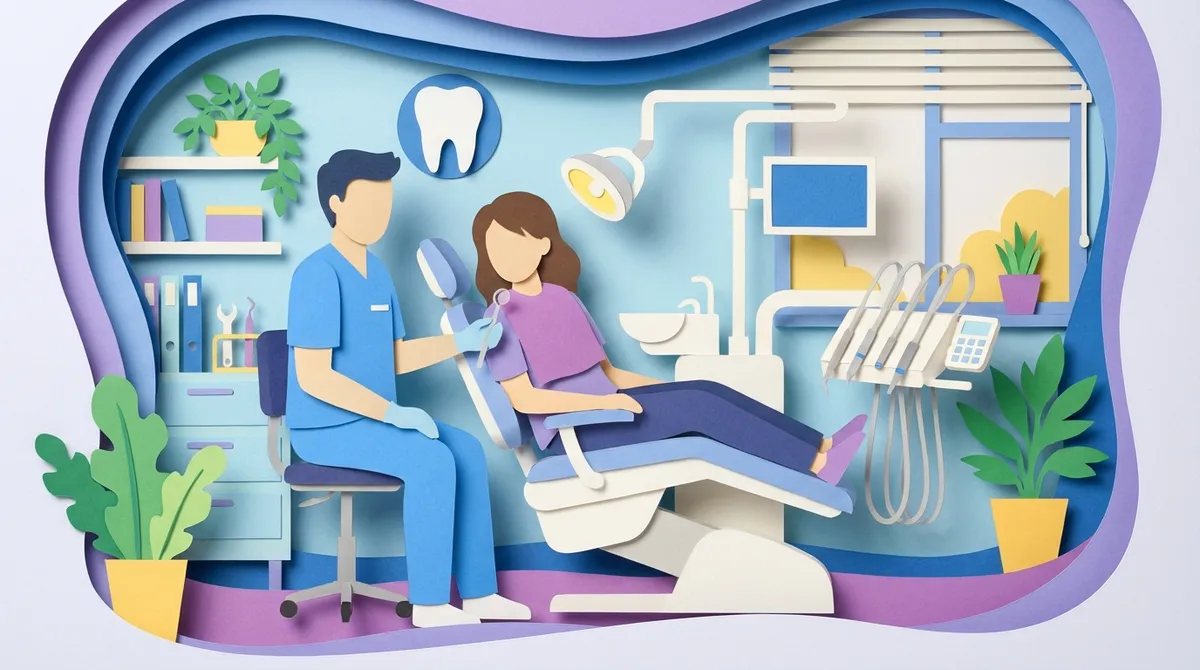
General dentists are like primary care doctors for your mouth. They’re the ones who diagnose and treat most dental problems, from cavities to gum disease. In 2026, general dentists are using advanced technology like AI-powered diagnostic tools that can spot problems 30% faster than traditional methods. This means quicker appointments and earlier detection of issues before they become serious.
At general dentistry practices, dentists perform routine cleanings, fill cavities, extract teeth, and create treatment plans for more complex issues. They’re trained to spot early warning signs of oral cancer, diabetes, and other health conditions that show up in the mouth. Most adults should see their general dentist every six months, and in 2026, 75% of Americans are following this recommendation.
General dentists also coordinate care with specialists when needed. If you need a root canal or orthodontic work, your general dentist will refer you to the right specialist. They keep track of your complete dental history and make sure all aspects of your oral health are addressed. This comprehensive approach is why having a regular dentist is so important for long-term dental health.
2. Pediatric Dentists: Specialists in Children’s Dental Care
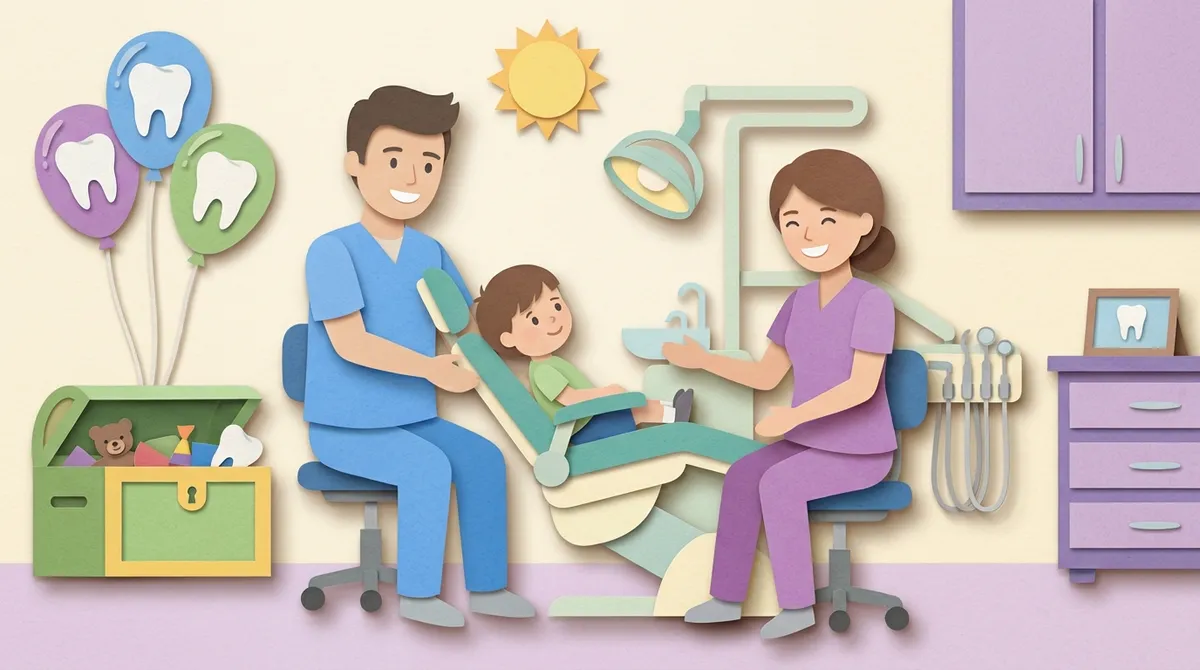
Pediatric dentists receive extra training specifically focused on treating children from infancy through their teenage years. They understand child development, behavior management, and how to make dental visits fun instead of scary. Dr. Pri at Dental Theory is a board-certified pediatric dentist who specializes in creating stress-free experiences for young patients in Brandon, Florida.
These specialists are experts at preventing and treating dental problems unique to growing smiles. They monitor tooth development, apply protective sealants, and teach kids proper brushing techniques through engaging demonstrations. Pediatric dentists create child-friendly environments with bright colors, toys, and gentle approaches that help children build positive associations with dental care that last a lifetime.
For children who feel anxious about dental procedures, pediatric dentists like Dr. Pri offer specialized sedation dentistry for kids. As the only board-certified pediatric dentist offering in-office sedation in Brandon, Florida, Dr. Pri provides gentle, compassionate care that ensures even the most nervous young patients can receive the treatment they need comfortably and safely.

3. Cosmetic Dentists: Enhancing Your Smile’s Appearance
Cosmetic dentists focus on improving the appearance of your teeth, gums, and smile. While general dentists handle functional problems, cosmetic dentists specialize in aesthetic enhancements that boost confidence and self-esteem. Common procedures include teeth whitening, veneers, bonding, and smile makeovers that transform how you look and feel.
Dr. K at Dental Theory specializes in cosmetic dentistry, helping Brandon residents achieve the smiles they’ve always wanted. He offers same-day crowns using advanced technology, which means patients never have to wait weeks or return for multiple visits. This convenience has revolutionized cosmetic dental care in 2026, making smile transformations faster and more accessible than ever.
The field of cosmetic dentistry has expanded significantly with new materials and techniques. Digital smile design allows patients to preview their results before treatment begins. Many cosmetic procedures are now minimally invasive, preserving more of your natural tooth structure while delivering stunning results. Whether you want a brighter smile or a complete makeover, cosmetic dentists have the skills and tools to help you achieve your goals.
4. Dental Hygienists: Your Preventive Care Partners
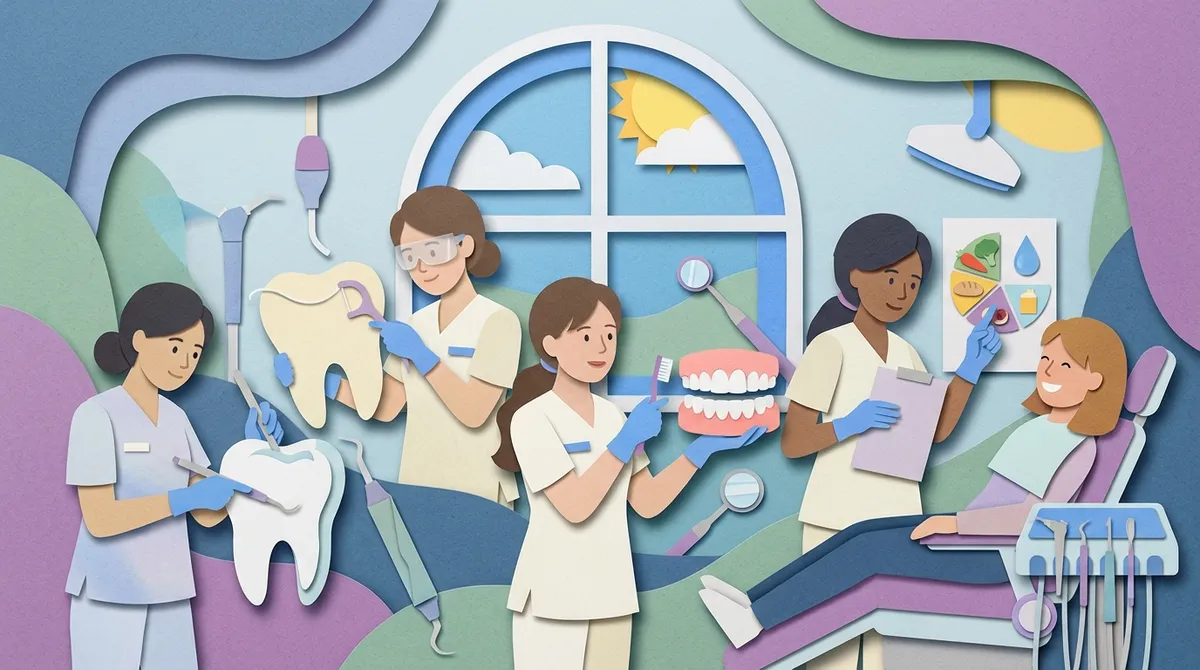
Dental hygienists are essential members of every dental team. They perform professional cleanings, take X-rays, apply fluoride treatments, and educate patients about proper oral hygiene. In 2026, dental hygienists have expanded their roles significantly, with many states allowing them to administer local anesthesia and perform certain restorative procedures under supervision.
These professionals are your first line of defense against gum disease and tooth decay. During your cleaning appointment, hygienists remove plaque and tartar buildup that you can’t eliminate with regular brushing and flossing. They also screen for oral cancer, measure gum pocket depths to check for periodontal disease, and provide personalized recommendations for improving your home care routine.
The relationship between patients and their hygienists often becomes the cornerstone of good dental health. Because you typically see your hygienist more frequently than your dentist, they get to know your mouth well and can spot changes early. Their preventive care and education help you avoid costly procedures down the road. Many practices now offer extended hygiene appointments that include deeper cleanings and additional preventive treatments.
5. Dental Assistants: The Backbone of Every Practice
Dental assistants are the multitaskers who keep dental offices running smoothly. They perform more than 20 different responsibilities, from preparing treatment rooms to assisting during procedures to processing X-rays. These professionals make sure dentists have everything they need to provide excellent care while helping patients feel comfortable and informed.
In 2026, dental assistants work with cutting-edge technology including digital imaging systems, 3D printers for dental models, and electronic health records. They sterilize instruments, manage infection control protocols, and educate patients about post-treatment care. Many dental assistants also handle scheduling, billing, and insurance coordination, making them invaluable to both the clinical and administrative sides of dental practices.
The role of dental assistants continues to evolve with expanded responsibilities in many states. Some can now apply sealants, take impressions, and perform other procedures that previously required a dentist or hygienist. Their diverse skill set and hands-on involvement in patient care make them essential team members who directly impact the quality and efficiency of dental services.
| Dental Professional | Primary Responsibilities | Typical Education |
|---|---|---|
| General Dentist | Diagnose and treat dental problems, routine cleanings, fillings, extractions | Dental school (4 years after bachelor’s degree) |
| Pediatric Dentist | Specialized care for children, behavior management, growth monitoring | Dental school + 2-3 year pediatric residency |
| Cosmetic Dentist | Aesthetic procedures, teeth whitening, veneers, smile makeovers | Dental school + additional cosmetic training |
| Dental Hygienist | Professional cleanings, X-rays, patient education, preventive care | Associate or bachelor’s degree in dental hygiene |
| Dental Assistant | Chair-side assistance, sterilization, X-rays, office coordination | Certification program or on-the-job training |
6. Orthodontists: Specialists in Straightening Teeth
Orthodontists are dentists who receive additional specialized training in correcting misaligned teeth and jaws. They use braces, clear aligners like Invisalign, retainers, and other appliances to gradually move teeth into proper positions. Straight teeth aren’t just about appearance – they’re easier to clean, reduce wear patterns, and can prevent jaw problems.
In 2026, orthodontic treatment has become more comfortable and discreet than ever. Clear aligners have revolutionized the field, allowing adults and teens to straighten their teeth without visible metal braces. Digital treatment planning shows patients exactly how their smile will look before treatment begins. Many orthodontists now offer accelerated treatment options that reduce the time needed to achieve results.
Orthodontic care often begins in childhood when jaw development issues are easier to correct, but adults are increasingly seeking treatment too. Early intervention can prevent more serious problems later, while adult orthodontics can address long-standing concerns and improve both function and aesthetics. Orthodontists work closely with general dentists to coordinate comprehensive care plans that address all aspects of oral health.
7. Endodontists: Root Canal Specialists
Endodontists specialize in saving teeth through procedures that treat the inside of the tooth, particularly the pulp and root canals. When tooth decay reaches the nerve or an infection develops, root canal therapy can save the tooth and eliminate pain. These specialists use advanced techniques and microscopes to perform precise treatments with high success rates.
Root canals have a bad reputation, but modern endodontic procedures are far more comfortable than in the past. Advanced anesthetics and sedation options ensure patients feel little to no discomfort during treatment. Endodontists also handle traumatic dental injuries, cracked teeth, and complex cases that require specialized expertise beyond general dentistry.
The goal of endodontic treatment is always to preserve your natural tooth whenever possible. Saving your natural teeth maintains proper jaw alignment, prevents neighboring teeth from shifting, and preserves your bite function. With success rates above 95%, root canal therapy is an effective way to keep your smile complete and healthy for years to come.
8. Oral Surgeons: Handling Complex Dental Procedures
Oral and maxillofacial surgeons are dental specialists who perform surgical procedures involving the mouth, jaws, face, and neck. They extract difficult wisdom teeth, place dental implants, correct jaw alignment problems, and treat facial trauma. These highly trained professionals bridge dentistry and medicine, often working in hospital settings as well as private practices.
In 2026, oral surgery has become less invasive thanks to advanced imaging technology and surgical techniques. 3D cone beam CT scans allow surgeons to plan procedures with incredible precision. Many surgeries that once required hospital stays can now be performed in outpatient settings with faster recovery times and less discomfort for patients.
Oral surgeons also diagnose and treat oral cancers, perform reconstructive surgery after accidents or cancer treatment, and address temporomandibular joint (TMJ) disorders. Their extensive training includes four to six years beyond dental school, preparing them to handle complex cases and emergencies. When your general dentist refers you to an oral surgeon, you’re getting specialized care from someone with advanced surgical expertise.
9. Dental Therapists: Expanding Access to Care
Dental therapists are a relatively new addition to the dental team in many states. These professionals work under the supervision of dentists to provide routine preventive and restorative care, particularly in underserved communities. They can perform fillings, extractions, and other procedures, helping to address the shortage of dental care providers in areas where 24.7 million Americans lack adequate access.
The dental therapist model has proven successful in improving patient outcomes and satisfaction. In states with established programs, dental therapists bridge the gap between dental hygienists and dentists, providing more comprehensive care than hygienists while working collaboratively with dentists on complex cases. This mid-level provider approach helps practices serve more patients efficiently.
As the dental workforce continues to evolve in 2026, dental therapists represent an important solution to workforce shortages. They receive specialized training that prepares them for expanded responsibilities while maintaining high standards of care. Their role is particularly valuable in rural areas, community health centers, and school-based programs where access to traditional dental services is limited.
How Technology is Transforming Dental Health Careers
The dental field is experiencing a technological revolution that’s changing how professionals work and how patients receive care. AI-powered diagnostic systems analyze X-rays and identify potential problems with greater accuracy than ever before. These tools don’t replace dental professionals – they enhance their abilities and help them make better clinical decisions faster.
Teledentistry has evolved from a pandemic necessity to a standard practice option in 2026. Dental professionals now conduct virtual consultations, follow-up appointments, and urgent care triage through secure video platforms. This technology improves access for patients with mobility issues, those in remote areas, or anyone who needs quick guidance between regular office visits.
3D printing, digital impressions, and CAD/CAM technology have streamlined many procedures. Same-day crowns, custom aligners, and surgical guides can be created in-office, reducing wait times and improving precision. These innovations make dental care more convenient and comfortable while allowing professionals to deliver higher quality results. The integration of technology is creating new opportunities and requiring dental health professionals to continuously update their skills.
- AI diagnostic systems improve accuracy and speed up problem detection
- Teledentistry expands access to care for remote and underserved populations
- Digital imaging eliminates uncomfortable traditional impressions
- 3D printing enables same-day restorations and custom appliances
- Electronic health records improve coordination between providers
- Laser dentistry reduces bleeding and recovery time for many procedures
Choosing the Right Dental Professional for Your Needs
With so many types of dental health professionals available, how do you know who to see? For most people, a general dentist is your starting point for all dental concerns. They perform comprehensive exams, handle routine treatments, and refer you to specialists when necessary. Building a relationship with a trusted general dentist ensures continuity of care and someone who knows your complete dental history.
If you have children, finding a pediatric dentist who specializes in treating young patients makes a huge difference in their comfort level and long-term attitude toward dental care. Pediatric dentistry focuses on creating positive experiences that help kids develop good oral health habits early. Look for practices that offer family-friendly environments where both you and your children can receive comprehensive care.
For specific concerns like crooked teeth, missing teeth, or smile aesthetics, specialists offer advanced expertise in their particular areas. Don’t hesitate to ask your general dentist for recommendations – they work with trusted specialists and can help you find the right professional for your situation. At Dental Theory in Brandon, Florida, we offer comprehensive family dental care and can guide you through any specialized treatment you might need.
The Importance of Collaborative Dental Care
Modern dental care works best when professionals collaborate as a team. Your general dentist coordinates with specialists, hygienists, and assistants to create comprehensive treatment plans that address all aspects of your oral health. This team approach ensures nothing falls through the cracks and that you receive the most effective, efficient care possible.
Communication between dental professionals is easier than ever in 2026 thanks to electronic health records and digital imaging systems. When you need a referral to a specialist, your complete dental history, X-rays, and treatment notes can be shared instantly. This seamless information flow prevents duplicate tests, reduces wait times, and ensures every provider has the information they need to deliver optimal care.
The collaborative model also benefits dental practices by allowing each professional to work at the top of their license. Dentists can focus on complex procedures while hygienists provide preventive care and assistants manage clinical support. This division of labor improves efficiency, reduces patient wait times, and creates a better experience for everyone involved. When you choose a practice that values teamwork, you benefit from the combined expertise of multiple professionals working together for your health.
| Specialty | When to See Them | Common Procedures |
|---|---|---|
| General Dentist | Routine care, checkups, basic treatments | Cleanings, fillings, crowns, extractions |
| Pediatric Dentist | For children and teens | Preventive care, sealants, behavior management |
| Orthodontist | Crooked teeth, bite problems | Braces, clear aligners, retainers |
| Endodontist | Severe tooth pain, infections | Root canals, treating traumatic injuries |
| Oral Surgeon | Extractions, implants, jaw surgery | Wisdom teeth removal, dental implants |
Understanding the Training Behind Dental Professionals
The education and training required for dental health professionals varies by role but always emphasizes patient safety and clinical excellence. Dentists complete four years of dental school after earning a bachelor’s degree, then must pass rigorous licensing exams to practice. Specialists like pediatric dentists, orthodontists, and oral surgeons complete additional residency programs lasting two to six years beyond dental school.
Dental hygienists typically earn associate degrees, though many pursue bachelor’s degrees for expanded career opportunities. Their programs include extensive clinical training in patient care, radiology, and preventive services. Dental assistants may complete certification programs or receive on-the-job training, with many choosing to pursue additional credentials that expand their scope of practice.
Continuing education is mandatory for all licensed dental professionals. They must regularly update their knowledge about new techniques, materials, and technologies to maintain their licenses. This commitment to lifelong learning ensures that dental teams stay current with the latest advances and provide patients with the best possible care. When you visit a dental office, you can trust that every professional has met strict educational standards and continues to enhance their skills throughout their career.
The Future of Dental Health Professions
The dental workforce is adapting to meet changing patient needs and address access challenges. The Dental Degree Holder Compact, implemented in several states by 2026, allows licensed dentists and hygienists to practice across state lines without obtaining additional licenses. This increased mobility helps address provider shortages and gives professionals more career flexibility.
New career pathways are emerging as the field evolves. Dental therapists are expanding into more states, addressing the needs of underserved populations. Dental hygienists are taking on expanded roles in public health programs and mobile dental clinics. These innovations create more opportunities for professionals while improving access to care for millions of Americans living in dental care shortage areas.
Technology will continue to reshape dental careers, with AI, robotics, and telemedicine creating both challenges and opportunities. Professionals who embrace new tools and technologies while maintaining the personal touch that patients value will thrive. The future of dental care is collaborative, technology-enhanced, and focused on prevention and accessibility. For those considering careers in dentistry, 2026 offers more diverse pathways and exciting possibilities than ever before.
- The DDH Compact improves professional mobility across state lines
- Dental therapists are addressing workforce shortages in underserved areas
- Expanded scope of practice for hygienists creates new career opportunities
- Technology integration requires continuous skill development
- Teledentistry is becoming a permanent fixture in dental care delivery
- Focus on prevention and public health is growing across all dental professions
Conclusion: Your Dental Health Team is Here to Help
Understanding the different types of dental health professionals helps you make informed decisions about your oral health care. From general dentists who provide comprehensive care to specialists who handle complex problems, each professional brings unique expertise to your dental team. In 2026, advances in technology, expanded roles, and improved access are making dental care better than ever.
Whether you need routine preventive care, specialized treatment, or cosmetic enhancements, there’s a dental professional ready to help you achieve optimal oral health. At Dental Theory in Brandon, Florida, our team of dedicated professionals works together to provide comprehensive care for the whole family. From Dr. Pri’s gentle pediatric care to Dr. K’s expertise in cosmetic dentistry, we’re committed to creating stress-free experiences and beautiful, healthy smiles.
Don’t wait until you have a problem to establish a relationship with a dental team you trust. Regular checkups and preventive care are your best defense against costly treatments down the road. If you’re looking for a dental practice that offers comprehensive services for your entire family in a welcoming, technologically advanced environment, we invite you to experience the Dental Theory difference. Contact Dental Theory today to schedule your appointment and meet the professionals who will keep your smile bright for years to come. You can also visit us on Google to read reviews from our satisfied patients and learn more about what makes our practice special.
FAQs
Q: What’s the difference between a general dentist and a pediatric dentist?
A: General dentists treat patients of all ages for routine dental care like cleanings, fillings, and extractions. Pediatric dentists receive additional specialized training focused specifically on children from infancy through teenage years. They understand child development, behavior management techniques, and how to create positive dental experiences that help kids build lifelong healthy habits. Pediatric dentists like Dr. Pri also offer specialized services such as sedation options for anxious young patients.
Q: How often should I see my dental hygienist for cleanings?
A: Most adults should see their dental hygienist for professional cleanings every six months. However, some people may need more frequent visits if they have gum disease, a history of cavities, or other risk factors. Your dentist and hygienist will recommend a schedule based on your individual oral health needs. Regular cleanings remove plaque and tartar buildup that can’t be eliminated with brushing and flossing alone, helping prevent cavities and gum disease.
Q: What does a dental assistant do during my appointment?
A: Dental assistants perform over 20 different responsibilities to keep your appointment running smoothly. They prepare the treatment room, hand instruments to the dentist, take X-rays, process digital images, and help with procedures by suctioning and keeping the area dry. They also sterilize equipment, educate patients about post-treatment care, and often handle scheduling and insurance coordination. Their multitasking skills allow dentists to focus on providing excellent clinical care.
Q: When should I see a specialist instead of my regular dentist?
A: Your general dentist will refer you to a specialist when your case requires advanced expertise beyond general dentistry. You might see an orthodontist for crooked teeth, an endodontist for root canal therapy, an oral surgeon for wisdom teeth removal or dental implants, or a cosmetic dentist for smile makeovers. General dentists coordinate with specialists to ensure you receive comprehensive care tailored to your specific needs while maintaining oversight of your overall oral health.
Q: How is technology changing the way dental professionals work in 2026?
A: In 2026, dental professionals use AI-powered diagnostic systems that spot problems 30% faster, digital imaging that eliminates uncomfortable impressions, and 3D printing for same-day crowns and appliances. Teledentistry allows virtual consultations and follow-ups, expanding access to care. Electronic health records enable seamless communication between providers. These technologies enhance the skills of dental professionals, making care more accurate, comfortable, and efficient while allowing them to serve more patients effectively.