Key Takeaways
-
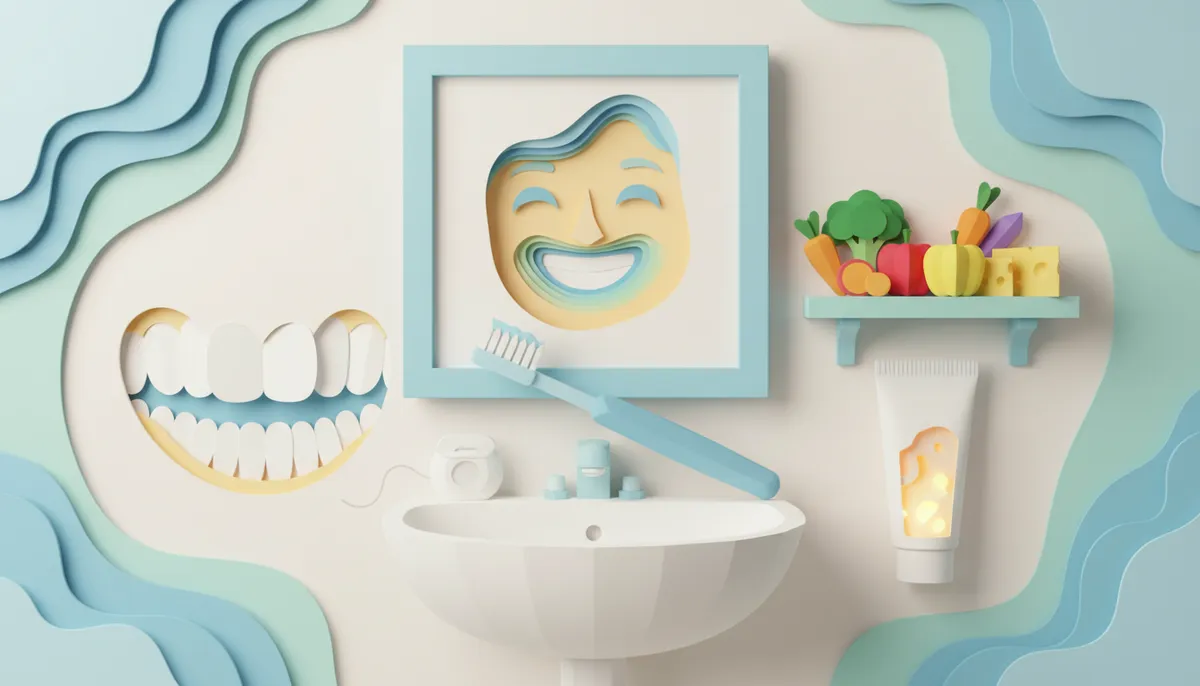
Brush twice daily using a soft-bristled toothbrush at a 45-degree angle to gums, spending at least two minutes with gentle circular motions.
-
Floss daily to remove plaque and food particles between teeth, using about 18 inches of floss and a gentle rubbing motion.
-
Visit your dentist every six months for professional cleanings and checkups to catch potential issues early and prevent more serious dental problems.
-
Choose tooth-friendly foods like cheese, crunchy vegetables, and nuts while limiting sugary and acidic foods that can damage tooth enamel.
-
Use fluoride toothpaste and mouthwash to strengthen tooth enamel and kill bacteria that cause plaque and gum disease.
-
For children, start oral care early by cleaning gums before teeth appear and scheduling first dental visit by age one.
-
Consider using electric toothbrushes and additional preventive treatments like dental sealants to enhance your oral health routine.
Taking care of your teeth doesn’t have to feel like a chore. Preventive dentistry is all about simple daily habits that keep your smile healthy and bright. Think of it as giving your teeth the care they deserve before problems start. When you focus on prevention, you save time, money, and avoid painful dental issues down the road.
Most people don’t realize how much power they have over their dental health. By following basic preventive care steps, you can avoid cavities, gum disease, and tooth loss. The best part? These habits are easy to learn and even easier to stick with. Whether you’re a parent looking to protect your children’s teeth or an adult wanting to maintain a healthy smile, this guide will walk you through everything you need to know about preventive dentistry in 2026.
At Dental Theory in Brandon, Florida, we believe that prevention is the foundation of excellent oral health. Our team helps families build strong dental habits that last a lifetime. Let’s explore how you can take control of your dental health starting today.
What Makes Preventive Dentistry So Important
Preventive dentistry focuses on stopping dental problems before they begin. This approach saves you from painful procedures and expensive treatments later. Your mouth is home to billions of bacteria that can damage teeth and gums if left unchecked. Regular preventive care keeps these bacteria under control.
When you skip preventive care, small issues become big problems. A tiny cavity can grow into a root canal. Mild gum inflammation can turn into serious gum disease. These problems don’t just affect your mouth. Research shows strong links between oral health and overall health conditions like heart disease and diabetes.
The good news is that most dental problems are preventable. By brushing, flossing, and visiting your dentist regularly, you can keep your teeth healthy for life. Preventive care is especially important for children whose teeth are still developing. Early habits set the foundation for a lifetime of good oral health.
Daily Preventive Dentistry Steps You Need to Follow
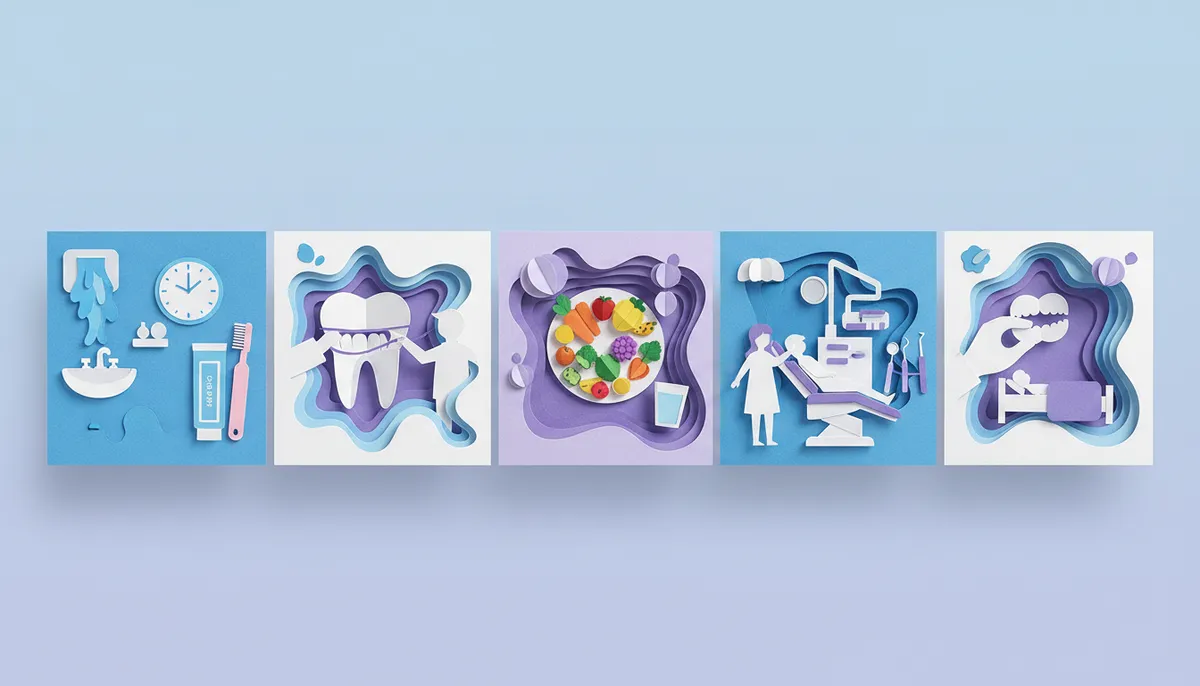
Building strong preventive dentistry habits starts with what you do every day. These simple steps make a huge difference in your oral health over time.
Brushing the Right Way
Brushing twice daily is the cornerstone of preventive dentistry. But it’s not just about brushing—it’s about brushing correctly. Use a soft-bristled toothbrush and fluoride toothpaste. Hold your brush at a 45-degree angle to your gums and use gentle circular motions.
Spend at least two minutes brushing each time. That might seem long, but it’s what your teeth need for a thorough clean. Don’t forget to brush your tongue, which harbors bacteria that cause bad breath. Replace your toothbrush every three to four months or sooner if the bristles look worn.
Electric toothbrushes can make brushing easier and more effective. They do much of the work for you and often include timers to ensure you brush long enough. Many people find they clean better with electric brushes, especially if they have limited hand mobility.
Flossing Every Single Day
Flossing removes food particles and plaque from between teeth where your toothbrush can’t reach. This step is crucial for preventing cavities and gum disease. Use about 18 inches of floss, wrapping most around your middle fingers and leaving an inch or two to work with.
Gently slide the floss between your teeth using a rubbing motion. Curve it around each tooth in a C-shape and move it up and down along the tooth surface. Don’t snap the floss into your gums—this can cause damage. If traditional floss feels awkward, try floss picks or water flossers as alternatives.
Make flossing part of your bedtime routine. It takes less than two minutes and can save you from painful dental problems. If your gums bleed when you first start flossing, don’t worry. This usually stops after a week or two of consistent flossing as your gums become healthier.
Using Mouthwash for Extra Protection
Mouthwash adds an extra layer of protection to your preventive dentistry routine. Antimicrobial mouthwashes kill bacteria that cause plaque and gum disease. Fluoride rinses help strengthen tooth enamel and prevent cavities.
Swish mouthwash around your mouth for 30 seconds to one minute after brushing and flossing. Don’t rinse with water afterward—you want the active ingredients to stay on your teeth. Choose an alcohol-free mouthwash if you have sensitive gums or dry mouth.
Remember that mouthwash supplements brushing and flossing but doesn’t replace them. Think of it as the finishing touch in your daily oral care routine. Your dentist can recommend the best type of mouthwash for your specific needs.
Foods That Support Your Preventive Dentistry Goals
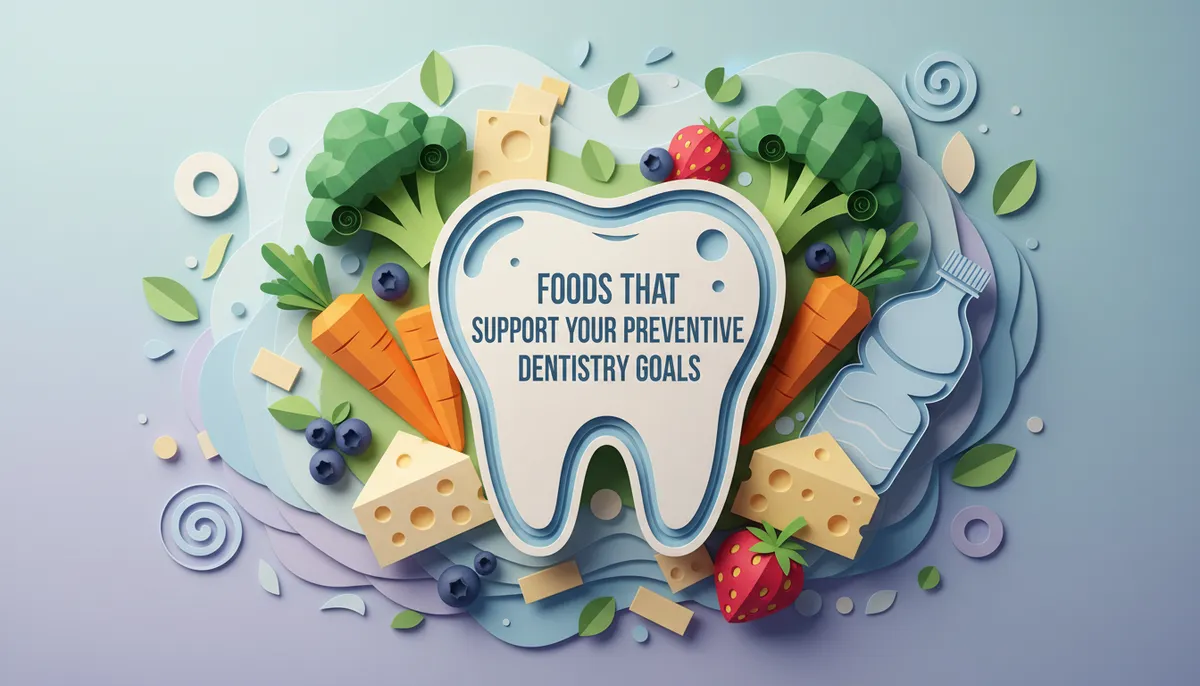
What you eat plays a huge role in your dental health. Some foods strengthen teeth while others damage them. Making smart food choices is a key part of preventive dentistry.
| Foods That Help Your Teeth | Why They’re Good | Foods That Harm Your Teeth | Why They’re Bad |
|---|---|---|---|
| Cheese and dairy products | Rich in calcium and phosphates that strengthen enamel | Candy and sugary snacks | Feed bacteria that produce acid and cause cavities |
| Crunchy vegetables like carrots | Scrub teeth naturally and stimulate saliva production | Soda and energy drinks | High in sugar and acid that erode enamel |
| Apples and pears | Increase saliva flow and clean teeth surfaces | Sticky dried fruits | Cling to teeth and provide sugar for bacteria |
| Nuts and seeds | Contain minerals that support tooth health | Chips and crackers | Get stuck in teeth and break down into sugars |
| Water | Rinses away food particles and keeps mouth hydrated | Sports drinks | Contain high sugar and acid levels |
Try to limit snacking between meals. Every time you eat, bacteria in your mouth produce acid that attacks your teeth. This acid bath lasts about 20 minutes after eating. Frequent snacking means your teeth face more acid attacks throughout the day.
When you do snack, choose tooth-friendly options. A piece of cheese, some raw vegetables, or a handful of nuts make excellent choices. Drink water throughout the day to wash away food particles and keep your mouth hydrated. If you consume acidic or sugary foods, rinse your mouth with water afterward.
Professional Preventive Dentistry Care You Shouldn’t Skip
Home care is essential, but professional dental visits complete your preventive dentistry plan. Dentists catch problems you can’t see and provide deep cleaning that prevents disease.
Regular Dental Checkups and Cleanings
Visit your dentist every six months for checkups and cleanings. These appointments allow your dentist to spot cavities, gum disease, and other issues early when they’re easiest to treat. Professional cleanings remove hardened plaque called tartar that you can’t remove with brushing alone.
During your checkup, your dentist examines your teeth, gums, tongue, and throat. They look for signs of decay, gum disease, oral cancer, and other conditions. X-rays help detect problems below the gum line and between teeth. Early detection saves you from more extensive and expensive treatments later.
Professional cleanings reach areas your toothbrush misses. Dental hygienists use special tools to remove tartar buildup and polish your teeth. They also provide personalized tips for improving your home care routine. These visits are especially important for children, whose teeth and habits are still developing.
Protective Treatments That Make a Difference
Several preventive treatments strengthen teeth and reduce cavity risk. Fluoride treatments provide extra protection for tooth enamel. Your dentist applies a concentrated fluoride solution to your teeth during your visit. This treatment is quick, painless, and highly effective.
Dental sealants protect the chewing surfaces of back teeth where cavities often start. The dentist paints a thin coating over the grooves and pits of these teeth. The sealant acts as a barrier against food and bacteria. Sealants are especially beneficial for children but can help adults too.
Your dentist might recommend other preventive treatments based on your specific needs. These might include custom mouthguards if you grind your teeth at night or play sports. The goal is always to prevent problems before they require more invasive treatment.
Preventive Dentistry Tips for Different Age Groups
Preventive care needs change throughout life. Here’s what you need to know for each stage:
Caring for Children’s Teeth
- Start cleaning your baby’s gums with a soft cloth before teeth appear
- Begin brushing as soon as the first tooth comes in using a rice-sized amount of fluoride toothpaste
- Schedule the first dental visit by age one or when the first tooth appears
- Teach children to brush twice daily with supervision until age 7 or 8
- Avoid putting babies to bed with bottles containing milk or juice
Children face unique dental challenges as their teeth develop. Baby teeth need just as much care as permanent teeth. Cavities in baby teeth can cause pain, infection, and problems with permanent teeth later. At Dental Theory, Dr. Pri specializes in pediatric dentistry and creates positive dental experiences for young patients.
Make dental care fun for kids. Let them pick out their own toothbrush with their favorite character. Play their favorite song while they brush to ensure they spend enough time. Praise them for good brushing habits. Building positive associations with dental care now creates lifelong healthy habits.
Adult Preventive Care Strategies
Adults need to maintain the preventive habits they learned as children while addressing new challenges. Gum disease becomes more common with age and can lead to tooth loss if untreated. Watch for warning signs like bleeding gums, bad breath, or loose teeth.
Many adults face increased cavity risk due to medications that cause dry mouth. Saliva naturally protects teeth, so reduced saliva flow increases decay risk. If you take medications that dry your mouth, drink extra water and consider using saliva substitutes. Sugar-free gum can also stimulate saliva production.
Adults interested in improving their smile have many options. Cosmetic dentistry services like teeth whitening can boost confidence. Invisalign offers a discreet way to straighten teeth while maintaining good oral health.
Senior Dental Health Considerations
- Continue regular dental visits even if you have dentures
- Pay extra attention to gum health as recession increases with age
- Manage dry mouth with frequent water sips and sugar-free lozenges
- Clean dentures daily and remove them at night
- Report any changes in your mouth to your dentist promptly
Seniors may need more frequent dental visits to monitor age-related changes. Root surfaces become exposed as gums recede, making teeth more vulnerable to decay. Some seniors experience difficulty with manual dexterity, making electric toothbrushes and floss holders helpful tools.
Common Preventive Dentistry Mistakes to Avoid
Even people who care about their teeth make mistakes that undermine their preventive efforts. Here are the most common errors and how to fix them:
Brushing Too Hard
Many people think scrubbing harder cleans better. This isn’t true and can actually damage your teeth and gums. Aggressive brushing wears away enamel and causes gum recession. Use gentle pressure and let your toothbrush bristles do the work.
Signs you’re brushing too hard include frayed toothbrush bristles before three months of use, sensitive teeth, and receding gums. Switch to a soft-bristled brush and practice gentle circular motions. Your teeth should feel clean and smooth, not sensitive or sore.
Skipping the Dentist When Nothing Hurts
Waiting until you have pain to visit the dentist defeats the purpose of preventive care. Most dental problems don’t cause pain in early stages. By the time something hurts, you often need more extensive treatment. Regular checkups catch problems early when they’re easier and less expensive to fix.
Some people avoid the dentist due to anxiety or fear. If this describes you, look for a dental practice that specializes in creating comfortable experiences. Many dentists now offer amenities and techniques to help anxious patients feel at ease. Don’t let fear prevent you from getting the care you need.
Using Your Teeth as Tools
Opening packages, holding items, or cracking nuts with your teeth can cause chips, cracks, and other damage. These habits put unnecessary stress on teeth that are designed for chewing food, not opening bottles or tearing tags.
Keep scissors, bottle openers, and nutcrackers handy so you’re not tempted to use your teeth. If you accidentally damage a tooth, contact Dental Theory right away. Quick treatment can often save the tooth and prevent more serious problems.
How Technology Improves Preventive Dentistry in 2026
Modern dental technology makes preventive care more effective and comfortable than ever before. These advances help dentists detect problems earlier and provide better treatment.
| Technology | How It Helps Prevention | Patient Benefits |
|---|---|---|
| Digital X-rays | Detect cavities and bone loss with 90% less radiation | Safer, faster results with clearer images |
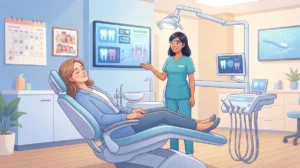
| Intraoral Cameras | Show real-time images of your teeth on a screen | Better understanding of your dental health |
| Laser Cavity Detection | Find decay earlier than traditional methods | Less invasive treatment needed |
| 3D Imaging | Create detailed models of teeth and jaw structure | More accurate diagnosis and treatment planning |
Smart toothbrushes now connect to smartphone apps that track your brushing habits. They provide real-time feedback on technique and ensure you brush long enough. Some even send reminders and create fun challenges to keep you motivated.
Teledentistry has expanded access to preventive care. You can now have virtual consultations for minor concerns, saving time while still getting professional advice. This technology is especially helpful for busy families or people in rural areas with limited access to dental offices.
The True Cost of Preventive Dentistry Versus Treatment
Preventive care requires time and money, but it costs far less than treating dental problems. Let’s look at the real numbers:
- A typical cleaning and checkup costs between $75 and $200
- A filling for a small cavity ranges from $150 to $300
- Root canal therapy can cost $800 to $1,500 or more
- Replacing a lost tooth with an implant runs $3,000 to $5,000
- Treating advanced gum disease may require thousands in specialized care
Two preventive visits per year cost around $150 to $400 total. That’s significantly less than even one filling. When you factor in the pain, lost work time, and stress of dental procedures, prevention becomes even more valuable.
Most dental insurance plans cover preventive care at 100% because insurers know prevention saves money long-term. If you don’t have insurance, Dental Theory offers an in-house membership plan that makes preventive care affordable for everyone.
Think of preventive dentistry as an investment in your health. The small amount you spend now prevents much larger expenses later. You also avoid the discomfort and inconvenience of dental problems that could have been prevented.
Creating Your Personal Preventive Dentistry Plan
Now that you understand preventive dentistry, it’s time to create a plan that works for your life. Start by assessing your current habits honestly. Do you brush twice daily? Floss regularly? Visit the dentist every six months? Identify areas where you can improve.
Set Specific, Achievable Goals
- Choose one habit to improve first rather than changing everything at once
- Make your goals specific and measurable (like “floss every night before bed”)
- Set reminders on your phone until new habits become automatic
- Track your progress to stay motivated
- Reward yourself for meeting your goals
Start small and build from there. If you currently don’t floss, begin with three times per week rather than trying to floss daily right away. Once that becomes routine, increase to daily flossing. Small victories build momentum and confidence.
Get Your Family Involved
Preventive dentistry works best as a family effort. When everyone commits to good oral health, you support and encourage each other. Make brushing and flossing a family activity with young children. Lead by example and show them that dental care matters to you.
Schedule family dental appointments together so no one forgets or procrastinates. Celebrate milestones like cavity-free checkups with non-food rewards. Create friendly competitions to see who can maintain the best brushing habits. Making dental care fun increases compliance for everyone.
Discuss dental health openly at home. When children understand why these habits matter, they’re more likely to stick with them. Teach them that taking care of their teeth now means healthy, beautiful smiles as adults.
Special Preventive Considerations
Some situations require extra preventive care attention:
Pregnancy and Oral Health
Pregnancy hormones increase the risk of gum disease and cavities. Morning sickness exposes teeth to stomach acid that can damage enamel. Pregnant women should continue regular dental visits and may need more frequent cleanings.
Rinse with water or fluoride mouthwash after morning sickness rather than brushing immediately. Acid softens enamel temporarily, and brushing right away can cause damage. Wait at least 30 minutes before brushing. Maintain excellent home care and don’t skip dental appointments during pregnancy.
Diabetes and Dental Health
People with diabetes face higher risks for gum disease, which can make blood sugar harder to control. This creates a challenging cycle where each condition worsens the other. Extra attention to preventive care becomes crucial.
Control your blood sugar as well as possible and maintain meticulous oral hygiene. Visit your dentist at least twice yearly and mention any changes in your mouth. Tell your dentist about your diabetes so they can provide appropriate care. Good oral health supports better diabetes management.
Sports and Mouth Protection
Active individuals need to protect their teeth during sports and physical activities. Custom mouthguards provide the best protection against dental injuries. They cushion blows that might otherwise break teeth or damage soft tissues.
Don’t rely on store-bought mouthguards that don’t fit properly. Custom guards from your dentist fit better, stay in place, and provide superior protection. The investment is worthwhile considering the cost of repairing damaged teeth. Athletes of all ages benefit from properly fitted mouthguards.
Making Preventive Dentistry a Lifelong Habit
The key to successful preventive dentistry is consistency over time. Good oral health isn’t about perfection—it’s about making smart choices most of the time and sticking with proven habits.
Your teeth are meant to last your entire life. With proper preventive care, they can. Every time you brush, floss, make a good food choice, or visit your dentist, you invest in your future health. These small daily actions compound over years to create a healthy, confident smile.
Remember that it’s never too late to improve your oral health habits. Even if you’ve neglected your teeth in the past, starting preventive care now will benefit you. Your mouth has remarkable healing abilities when given proper care and support.
Preventive dentistry is truly about taking control of your health in a simple, practical way. You don’t need expensive products or complicated routines. You need basic habits performed consistently, regular professional care, and smart lifestyle choices. These three elements create the foundation for excellent oral health.
If you’re ready to build a strong preventive dentistry plan for yourself and your family, the team at Dental Theory in Brandon, Florida, is here to help. We provide comprehensive general dentistry services in a comfortable, welcoming environment. Our approach focuses on prevention first, helping you maintain healthy teeth for life.
Don’t wait for dental problems to develop. Take charge of your oral health today by scheduling an appointment with us. We’ll assess your current dental health, identify any areas of concern, and create a personalized preventive care plan that fits your life and budget. Your future smile will thank you for making this investment in preventive dentistry.
Visit us at our Brandon location or check out our reviews on Google to see how we’ve helped other families achieve excellent oral health through preventive care. We look forward to becoming your partner in maintaining a healthy, beautiful smile for years to come.
FAQs
Q: How often should I visit the dentist for preventive care?
A: You should visit your dentist every six months for routine checkups and cleanings. These regular visits allow your dentist to catch problems early and remove tartar buildup that you can’t remove at home. Some people with higher risk factors like gum disease or diabetes may need more frequent visits—your dentist will recommend the right schedule for your specific needs.
Q: Is preventive dentistry worth the cost if my teeth feel fine?
A: Absolutely! Preventive care costs far less than treating dental problems after they develop. Most dental issues don’t cause pain in early stages, so waiting until something hurts means you’ll need more extensive and expensive treatment. Two preventive visits per year typically cost $150-$400 total, while a single root canal can cost $800-$1,500 or more. Preventive care is the smartest investment you can make in your oral health.
Q: What’s the single most important thing I can do for my dental health?
A: If you can only do one thing, brush your teeth twice daily with fluoride toothpaste for two minutes each time. Brushing removes the bacteria and food particles that cause cavities and gum disease. That said, the best results come from combining brushing with daily flossing and regular dental visits. Think of preventive dentistry as a three-legged stool—you need all three components for the best results.
Q: Can adults benefit from dental sealants and fluoride treatments?
A: Yes! While these treatments are often associated with children, adults can absolutely benefit from them too. Dental sealants protect the chewing surfaces of back teeth from cavities, and fluoride treatments strengthen enamel that may have weakened over time. Adults with increased cavity risk due to dry mouth, gum recession, or frequent sugar consumption particularly benefit from these preventive treatments. Ask your dentist if they’re right for you.
Q: How can I help my child develop good preventive dentistry habits?
A: Start early by cleaning your baby’s gums even before teeth appear, and schedule the first dental visit by age one. Make dental care fun with colorful toothbrushes, favorite songs during brushing, and praise for good habits. Lead by example by taking care of your own teeth and maintaining a positive attitude about dental visits. Children who grow up seeing dental care as normal and important are more likely to maintain these habits throughout their lives.