Key Takeaways
-
Gum contouring is a cosmetic dental procedure that reshapes your gum line to improve smile aesthetics, revealing more tooth surface and creating balanced proportions.
-
Most ideal candidates have gummy smiles, uneven gum lines, or gum overgrowth that makes teeth appear shorter or asymmetrical.
-
Modern laser technology has made the procedure faster, more precise, and less invasive, with minimal discomfort and quicker healing times.
-
The procedure typically takes 30-120 minutes and involves carefully removing excess gum tissue to create a more proportional, natural-looking smile.
-
Recovery is relatively quick, with most patients returning to normal activities within 1-2 days and experiencing only minor tenderness.
-
Gum contouring works best when combined with good oral hygiene and can be integrated with other cosmetic dental treatments like veneers or whitening.
-
The results are permanent and can significantly boost confidence by creating a more harmonious and attractive smile that complements facial features.
Have you ever looked in the mirror and felt like your smile shows too much gum? Or maybe your teeth appear shorter than they should be? You’re not alone. Many people feel self-conscious about their gum line, and the good news is that modern dentistry has a solution. Gum contouring, also called gum reshaping, is a cosmetic dental procedure that can dramatically improve your smile’s appearance. This innovative treatment has helped countless patients feel more confident about their teeth by creating a more balanced and attractive smile. Whether you’re dealing with a “gummy smile” or uneven gum tissue, understanding what gum contouring involves can help you decide if it’s the right choice for you.
At Dental Theory in Brandon, Florida, we’ve seen firsthand how this procedure can boost confidence and create beautiful, natural-looking results. Let’s explore everything you need to know about gum contouring and how it might be the smile transformation you’ve been searching for.
Understanding Gum Contouring: The Basics
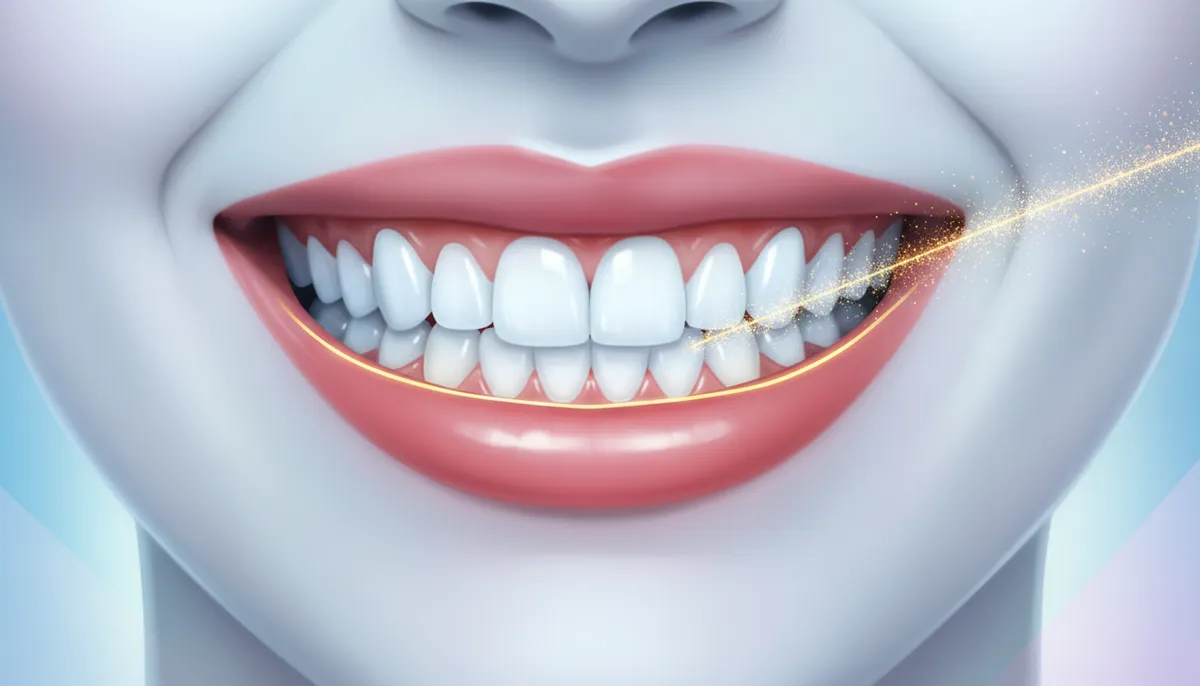
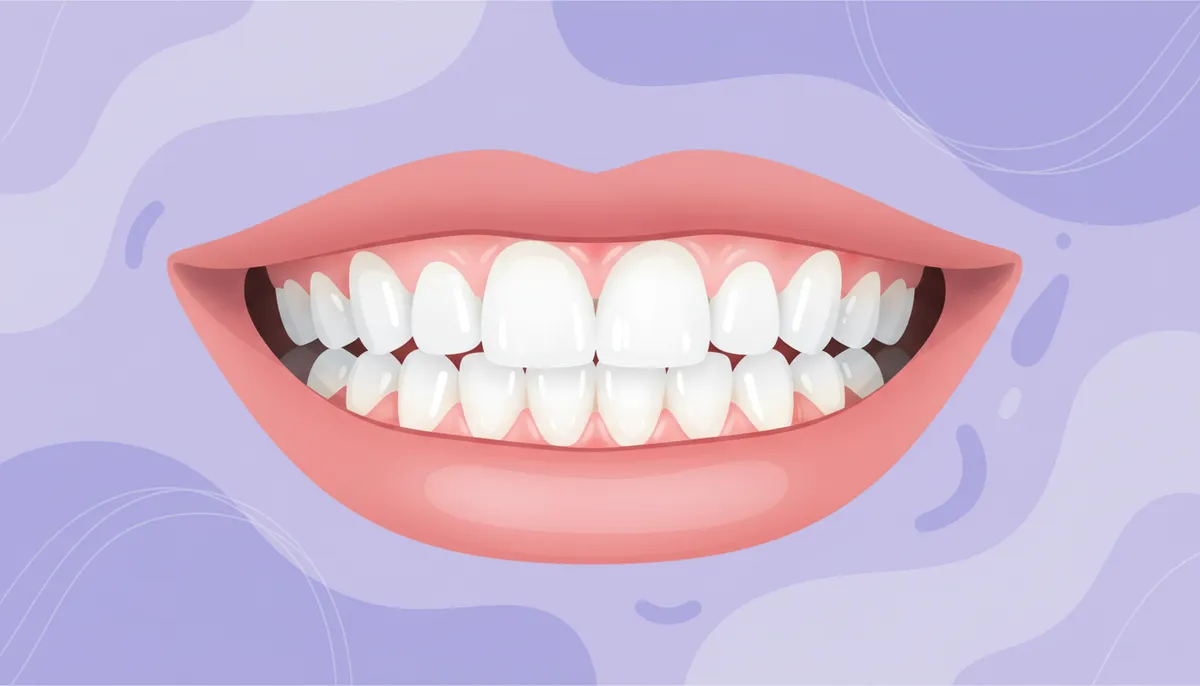
Gum contouring is a cosmetic dental procedure that reshapes your gum line to improve the appearance of your teeth. Think of it as sculpting the frame around your smile. When your gums sit too low on your teeth, they can make your teeth look short or small. When they’re uneven, your smile might appear crooked even when your teeth are perfectly straight.
The procedure involves carefully removing excess gum tissue or reshaping the existing tissue to create a more aesthetically pleasing proportion between your teeth and gums. Modern technology has made this process more comfortable and precise than ever before. Dentists now use advanced tools like soft tissue lasers, which offer faster healing times and minimal discomfort compared to traditional methods.
Most people don’t realize that the ideal smile shows about 1-2 millimeters of gum tissue above your top teeth when you smile fully. If you’re showing significantly more than that, or if your gum line is noticeably uneven, gum contouring might be something to consider. The procedure isn’t just about aesthetics either. Sometimes reshaping gum tissue can improve oral health by making it easier to clean your teeth properly.
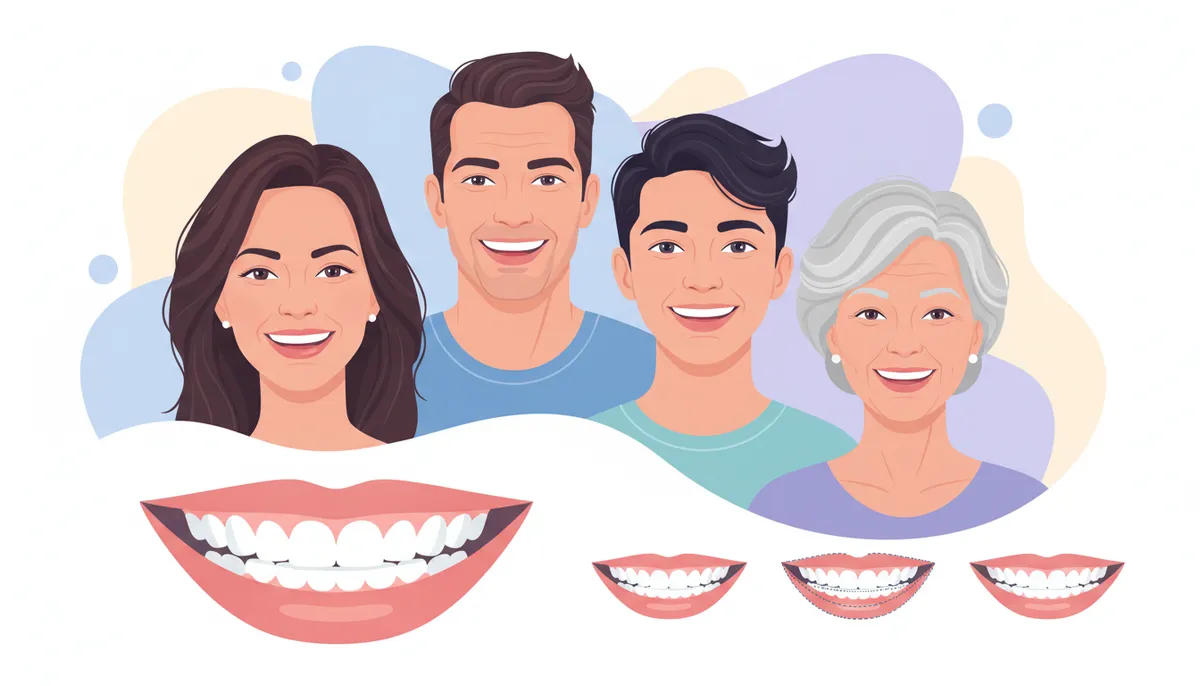
Who Benefits Most From Gum Contouring?
Gum contouring isn’t for everyone, but it can be life-changing for the right candidates. Understanding whether you’re a good fit for this procedure is the first step toward achieving your dream smile. Here are the most common situations where gum contouring makes a real difference:
Ideal Candidates for Gum Reshaping
- People with gummy smiles: If your gums cover a large portion of your teeth, making them appear short or square-shaped, you’re an excellent candidate for this procedure.
- Those with uneven gum lines: When one tooth looks longer than another because of gum tissue placement, contouring can create balance and symmetry.
- Patients with gum overgrowth: Certain medications or health conditions can cause gums to grow over teeth, and reshaping can restore a normal appearance.
- Individuals seeking smile enhancement: If you’re already getting veneers, crowns, or other cosmetic work, gum contouring can enhance those results dramatically.
- Adults with healthy gums: You need to have good overall oral health and no active gum disease to be a candidate for this elective procedure.
It’s worth noting that gum contouring works best when combined with good oral hygiene habits. Before considering this procedure, you should have any underlying dental issues addressed first. Your dentist will examine your teeth, gums, and bite to determine if you’re a suitable candidate. They’ll also discuss your expectations to ensure the results will meet your goals.
When Gum Contouring Might Not Be Recommended
While gum contouring is safe for most people, there are situations where your dentist might suggest waiting or choosing a different approach. If you have active gum disease or infection, that needs to be treated first. Similarly, if you’re dealing with bone loss or certain health conditions that affect healing, your dentist will want to address those concerns before any cosmetic procedures.
The Gum Contouring Procedure: What to Expect
One of the most common questions people ask is, “What actually happens during gum contouring?” Understanding the process can ease anxiety and help you prepare mentally for the appointment. The good news is that modern gum contouring is typically a straightforward, same-day procedure that’s far more comfortable than you might imagine.
Step-by-Step Breakdown of the Process
- Initial Consultation and Planning: Your dentist will examine your gums and teeth, often taking photographs and measurements. They’ll use a marker or digital imaging to show you exactly how your new gum line will look.
- Local Anesthesia: The area will be numbed with local anesthesia, so you won’t feel pain during the procedure. Most patients report feeling pressure but no discomfort.
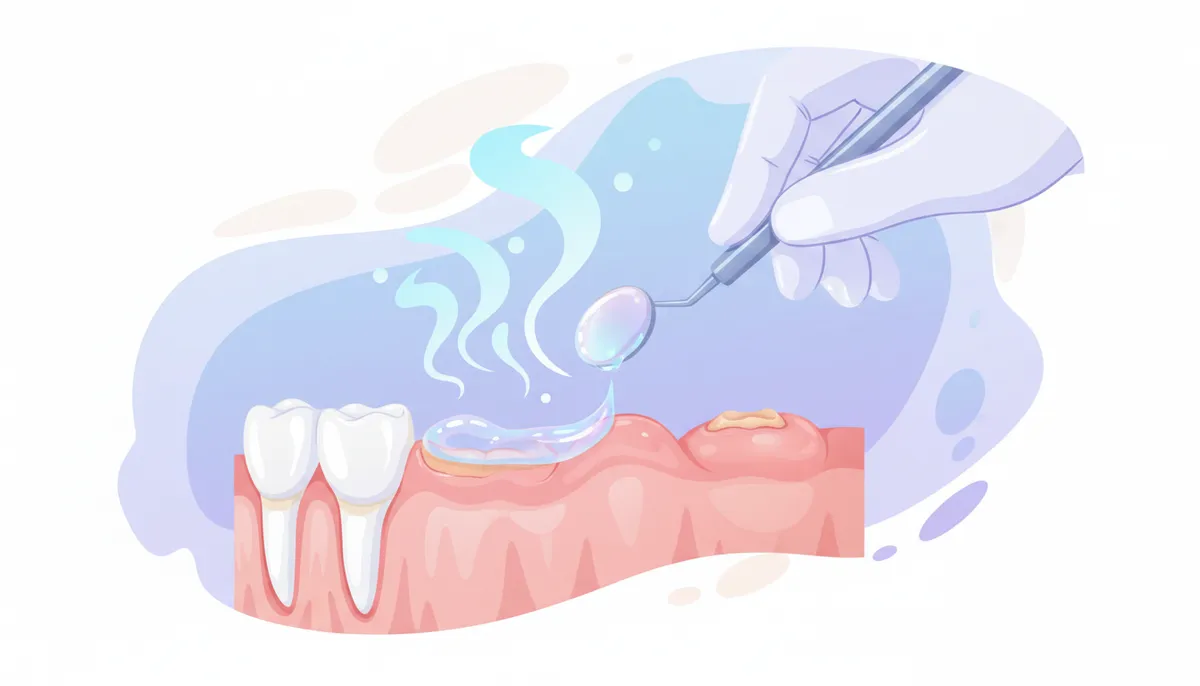
- Gum Tissue Removal: Using either a scalpel, laser, or radiosurgery device, your dentist carefully removes excess gum tissue and reshapes the gum line. Laser technology has become increasingly popular because it seals blood vessels as it cuts, reducing bleeding and promoting faster healing.
- Bone Reshaping (if needed): In some cases, a small amount of bone tissue may need to be removed to achieve the best long-term results and prevent gums from growing back.
- Final Shaping and Smoothing: Your dentist will carefully sculpt and smooth the gum line to create a natural, aesthetically pleasing appearance that complements your facial features.
The entire procedure typically takes between 30 minutes to two hours, depending on how many teeth are being treated. Many patients are surprised by how quick and painless the process feels. The precision of modern dental technology allows for incredibly accurate results that look completely natural.
Technology Makes All the Difference
Today’s gum contouring procedures have come a long way from the traditional scalpel methods of the past. Soft tissue lasers have revolutionized the procedure by offering several key advantages. They minimize bleeding during the procedure, reduce post-operative discomfort, lower the risk of infection, and speed up healing time significantly.
At practices like Dental Theory, using the latest technology means patients experience less anxiety and achieve better results. The precision of laser technology allows dentists to work with millimeter accuracy, ensuring your new gum line looks natural and balanced.
Recovery and Aftercare: What You Need to Know
After your gum contouring procedure, proper aftercare is essential for optimal healing and long-lasting results. Most patients are pleasantly surprised by how manageable the recovery process is, especially when compared to other dental procedures. Here’s what you can expect in the days and weeks following your treatment.
Immediate Post-Procedure Care
Right after your appointment, your mouth will still be numb from the anesthesia. Plan to take it easy for the rest of the day. Avoid eating until the numbness wears off to prevent accidentally biting your cheek or tongue. When you do eat, stick to soft, cool foods like yogurt, smoothies, applesauce, and mashed potatoes for the first 24-48 hours.
You’ll likely experience some tenderness and minor swelling in the treated area. This is completely normal and usually peaks within the first 48 hours before gradually improving. Over-the-counter pain relievers like ibuprofen or acetaminophen are typically sufficient to manage any discomfort. Many patients report that the pain is much less than they anticipated.
Long-Term Healing Timeline
| Timeframe | What to Expect | Care Instructions |
|---|---|---|
| Days 1-3 | Tenderness, minor swelling, slight bleeding when brushing | Soft foods, gentle brushing, rinse with salt water |
| Days 4-7 | Reduced swelling, healing tissue becomes firmer | Resume normal diet gradually, continue gentle oral care |
| Weeks 2-4 | Gums take their final shape, sensitivity decreases | Return to normal brushing and flossing routine |
| Weeks 4-8 | Complete healing, final results visible | Maintain excellent oral hygiene, attend follow-up |
Most people return to work or school the next day without issues. However, if you have an important event coming up, schedule your procedure at least two weeks in advance to ensure you’re completely healed and looking your best.
Essential Aftercare Tips for Best Results
- Avoid hot, spicy, or crunchy foods that could irritate the healing tissue
- Don’t smoke or use tobacco products, as these significantly slow healing and increase infection risk
- Brush very gently around the treated area using a soft-bristled toothbrush
- Rinse with warm salt water (1/2 teaspoon salt in 8 ounces of water) several times daily
- Avoid strenuous exercise for the first few days to prevent increased bleeding
- Take all prescribed medications exactly as directed by your dentist
If you experience excessive bleeding, severe pain that doesn’t improve with medication, or signs of infection like fever or pus, contact your dentist immediately. These complications are rare but should be addressed promptly if they occur.
Comparing Gum Contouring to Other Cosmetic Options
When you’re considering improving your smile, it helps to understand how gum contouring fits into the bigger picture of cosmetic dentistry. Many people wonder whether they should pursue gum reshaping alone or combine it with other treatments for maximum impact. Let’s look at how gum contouring compares to and complements other popular smile enhancement procedures.
| Treatment | Best For | Recovery Time | Results Duration |
|---|---|---|---|
| Gum Contouring | Gummy smiles, uneven gum lines | 1-2 weeks | Permanent |
| Veneers | Stained, chipped, or misshapen teeth | None to minimal | 10-15 years |
| Teeth Whitening | Discolored or yellowed teeth | None | 1-3 years with touch-ups |
| Invisalign | Crooked or misaligned teeth | None (ongoing treatment) | Permanent with retainer use |
Gum contouring often works beautifully alongside other cosmetic treatments. For example, if you’re getting veneers or crowns, reshaping your gums first ensures these restorations look natural and proportional. Similarly, patients who complete Invisalign treatment sometimes discover that adjusting their gum line puts the finishing touch on their newly straightened smile.
Combining Treatments for Maximum Impact
Many patients achieve their dream smile by combining multiple procedures. Here’s how gum contouring typically fits into comprehensive smile makeovers:
- Foundation Work: Address any underlying oral health issues like cavities or gum disease first
- Orthodontic Treatment: Straighten teeth with Invisalign or braces if needed
- Gum Contouring: Reshape the gum line to create proper proportions and symmetry
- Restorative Work: Place veneers, crowns, or bonding to perfect tooth shape and color
- Teeth Whitening: Brighten natural teeth to match any restorations or enhance overall appearance
The beauty of modern cosmetic dentistry is that treatments can be customized to your specific needs and budget. Not everyone needs all these procedures. Dr. K at Dental Theory specializes in creating personalized treatment plans that prioritize the procedures that will make the biggest difference for your unique smile.
The Cost Factor: Investment in Your Smile
One of the most practical questions people have about gum contouring is, “How much will this cost?” While we can’t provide exact pricing without an examination, understanding the factors that influence cost can help you budget and plan accordingly. Gum contouring is considered a cosmetic procedure, which means it typically isn’t covered by dental insurance unless there’s a medical necessity.
Factors That Influence Gum Contouring Costs
- Number of teeth being treated: Contouring one or two teeth costs less than reshaping your entire smile
- Complexity of the case: Extensive reshaping or bone removal requires more time and expertise
- Technology used: Laser procedures may cost more initially but offer benefits like faster healing
- Geographic location: Costs vary by region, with urban areas typically charging more than rural locations
- Dentist’s experience: Specialists with advanced training and extensive experience may charge premium rates
- Combined procedures: Bundling gum contouring with other treatments sometimes offers cost savings
Most practices offer flexible payment options to make cosmetic dentistry more accessible. At Dental Theory, we work with patients to explore financing plans and payment arrangements that fit their budget. Our in-house membership plan can also help make dental care more affordable for those without traditional insurance.
Is Gum Contouring Worth the Investment?
When considering any cosmetic procedure, it’s important to think about the value beyond just the dollar amount. Gum contouring offers permanent results, meaning you won’t need touch-ups or repeated treatments over time. Many patients report that the confidence boost they experience makes the investment worthwhile. Feeling good about your smile can positively impact your personal relationships, professional opportunities, and overall quality of life.
Think of it this way: you’ll likely smile thousands of times over the coming years. Every photograph, every conversation, every moment of joy will be enhanced by a smile you’re proud to show. When viewed through that lens, investing in your smile becomes an investment in yourself and your future happiness.
Real Results: What Changes Can You Expect?
Understanding the potential outcomes of gum contouring helps set realistic expectations and ensures you’ll be happy with your results. The transformation can be subtle or dramatic depending on your starting point, but the improvements are typically quite noticeable. Let’s explore what you can realistically expect after your procedure.
Visible Improvements You’ll Notice
- More Tooth Surface Visible: Your teeth will appear longer and more proportional to your face and smile
- Improved Symmetry: Uneven gum lines become balanced, making your smile look more harmonious
- Better Tooth Proportions: Teeth that previously looked too short or square-shaped gain a more attractive rectangular appearance
- Enhanced Facial Aesthetics: A properly proportioned smile can actually make your entire face look more balanced
- Increased Confidence: Perhaps the most important change is how you feel about smiling and showing your teeth
The results of gum contouring are permanent, which means your newly shaped gum line won’t grow back or change over time. However, maintaining excellent oral hygiene is crucial to preserving your results. Gum disease or poor dental care can cause gum recession or other changes that might affect your smile’s appearance.
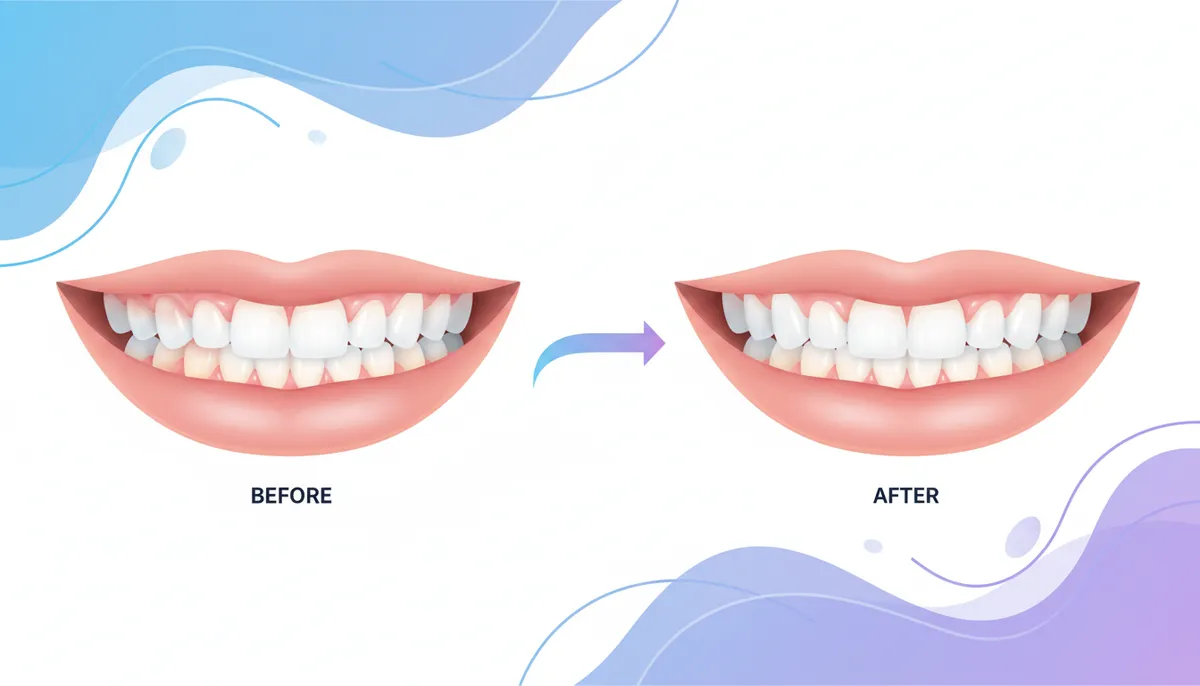
Before and After: Setting Realistic Expectations
While gum contouring can create dramatic improvements, it’s important to understand what it can and cannot do. This procedure reshapes gum tissue but doesn’t change the color, alignment, or structure of your teeth themselves. If you have issues like severe crowding, large gaps, or significantly discolored teeth, you’ll need additional treatments to address those concerns.
During your consultation, your dentist will show you digital previews or use other tools to help you visualize your potential results. This is your opportunity to ask questions and ensure you and your dentist share the same vision for your smile. Clear communication during this planning phase is key to achieving results that exceed your expectations.
Maintaining Your Results: Long-Term Care
Once you’ve invested in gum contouring, protecting your results becomes a top priority. The good news is that maintaining your newly contoured gums doesn’t require any special procedures or expensive products. It simply requires commitment to excellent oral hygiene and regular dental care. Here’s how to keep your smile looking beautiful for years to come.
Daily Oral Hygiene Essentials
- Brush twice daily for two minutes each time using a soft-bristled toothbrush
- Floss at least once daily to remove plaque and food particles between teeth
- Use an antiseptic mouthwash to reduce bacteria and keep gums healthy
- Replace your toothbrush every three to four months or sooner if bristles fray
- Consider using an electric toothbrush for more thorough cleaning
- Be gentle when brushing along the gum line to avoid irritation or recession
Your daily habits make the biggest difference in maintaining healthy gums and preventing problems that could compromise your results. Consistency is key. Even missing just a few days of proper oral care can allow plaque to build up and potentially cause gum inflammation.
Professional Care and Regular Checkups
No matter how well you care for your teeth at home, professional cleanings and examinations remain essential. Schedule dental checkups and cleanings every six months, or more frequently if your dentist recommends it. These visits allow your dental team to remove tartar that can’t be eliminated by brushing alone and catch potential problems before they become serious.
During these appointments, your dentist will also monitor your gum health and ensure your contoured gums remain in excellent condition. They can provide personalized advice on any areas that need extra attention and make recommendations to help you maintain optimal oral health. Regular visits to practices like Dental Theory ensure you’re getting comprehensive care that protects your investment in your smile.
Why Choose Dental Theory for Your Gum Contouring
Selecting the right dental practice for your gum contouring procedure is just as important as deciding to have the treatment done. You want a dentist who combines technical expertise with an artistic eye and a genuine commitment to patient comfort. At Dental Theory in Brandon, Florida, we pride ourselves on delivering exceptional cosmetic dentistry results in a warm, welcoming environment.
Dr. K specializes in cosmetic dentistry and has extensive experience with gum contouring procedures. His attention to detail and commitment to using the latest technology means you’ll receive care that’s both comfortable and effective. Dr. K’s approach focuses on creating natural-looking results that enhance your unique facial features rather than creating a cookie-cutter smile.
What sets Dental Theory apart is our family-focused approach to dental care. We understand that considering cosmetic procedures can feel overwhelming, and we’re here to guide you through every step of the process. From your initial consultation through your final follow-up appointment, you’ll receive personalized attention and clear communication about what to expect.
Our practice uses state-of-the-art technology to ensure precise, comfortable treatments with faster healing times. We also offer flexible scheduling to accommodate busy families and professionals. Whether you’re a longtime Brandon resident or new to the area, we’re committed to making your experience as stress-free and positive as possible.
Don’t just take our word for it—check out what our patients are saying! Dr. K maintains a 5-star rating on Healthgrades.com, and you can visit us on Google to read reviews from real patients who’ve experienced our care firsthand. We’re proud of the relationships we’ve built with our patients and the smiles we’ve helped create.
Taking the Next Step Toward Your Dream Smile
If you’ve been hiding your smile because you’re self-conscious about your gums, it’s time to consider whether gum contouring might be right for you. This procedure has helped countless patients achieve the confident, beautiful smile they’ve always wanted. The transformation isn’t just physical—it’s emotional too. When you feel good about your smile, it shows in everything you do.
The first step is scheduling a consultation to discuss your concerns and goals. During this appointment, your dentist will examine your teeth and gums, answer your questions, and help you understand what’s possible. There’s no pressure or obligation—just honest information to help you make an informed decision about your dental care.
Many people put off cosmetic dental procedures for years, wishing they’d acted sooner once they finally take the leap. If you’ve been thinking about improving your smile, now is the perfect time to explore your options. Modern dental technology has made procedures like gum contouring more comfortable, affordable, and effective than ever before.
Remember, investing in your smile is investing in yourself. The confidence and happiness that come from loving your smile are benefits that extend far beyond your teeth. Whether you’re preparing for a special event, wanting to look your best in photos, or simply ready to feel more confident in everyday interactions, gum contouring could be the solution you’ve been searching for.
Ready to explore how gum contouring can transform your smile? Contact Dental Theory today to schedule your consultation. Our friendly team is here to answer your questions and help you take the first step toward the smile you deserve. You can also schedule an appointment online at your convenience. We look forward to welcoming you to our dental family and helping you achieve the confident, beautiful smile you’ve always wanted!
FAQs
Q: Does gum contouring hurt during or after the procedure?
A: Most patients experience minimal discomfort during gum contouring because the area is numbed with local anesthesia. After the procedure, you might feel some tenderness for a few days, similar to minor soreness. Over-the-counter pain relievers typically manage any discomfort effectively, and most people return to normal activities the next day.
Q: How long do gum contouring results last?
A: Gum contouring provides permanent results. Once your gum tissue is reshaped, it won’t grow back to its original position. However, maintaining excellent oral hygiene is essential to prevent gum disease or recession, which could affect your smile’s appearance over time. With proper care, your results will last a lifetime.
Q: Can gum contouring fix a gummy smile completely?
A: Yes, gum contouring is specifically designed to address gummy smiles by removing excess gum tissue and reshaping the gum line. The procedure reveals more of your tooth surface, creating better proportions between your teeth and gums. Many patients see dramatic improvements, though results depend on your individual anatomy and how much gum tissue needs to be removed.
Q: Is gum contouring covered by dental insurance?
A: Gum contouring is typically considered a cosmetic procedure and isn’t covered by dental insurance unless there’s a medical necessity, such as gum tissue interfering with proper oral hygiene or function. However, many dental practices offer financing options and payment plans to make the procedure more affordable. It’s worth checking with your insurance provider to understand your specific coverage.
Q: How soon can I eat normally after gum contouring?
A: You should stick to soft, cool foods for the first 24-48 hours after gum contouring to allow the area to heal. Most people can gradually return to their normal diet within 3-5 days as tenderness decreases. Avoid hot, spicy, or crunchy foods during the initial healing period, and always follow your dentist’s specific aftercare instructions for the best results.