Key Takeaways
-
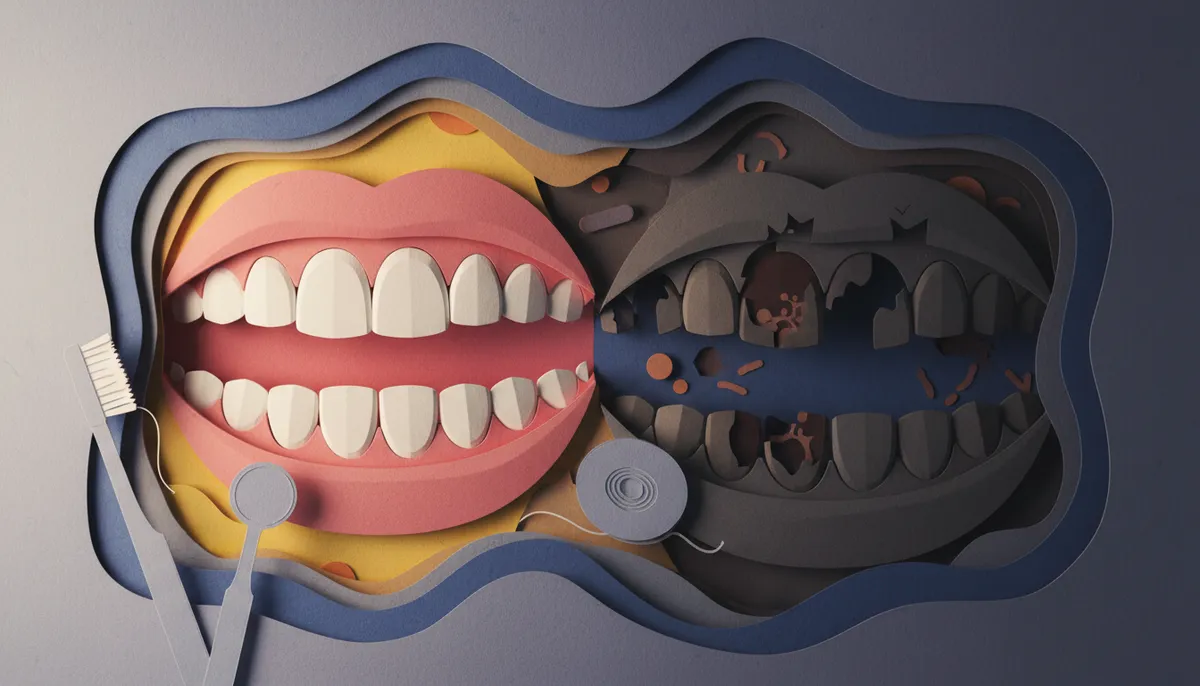
Regular dental checkups prevent small issues from becoming expensive problems, with routine exams catching cavities and gum disease early.
-
Proper brushing technique matters more than frequency – use soft bristles, gentle circular motions, and brush for a full two minutes.
-
Floss daily to clean the 35% of tooth surfaces brushing misses, preventing cavities and gum disease between teeth.
-
Sugar and acidic foods don't just damage teeth directly – they create an environment where bacteria produce harmful acids.
-
Gum disease is not just an oral health issue – it's linked to serious conditions like heart disease, diabetes, and respiratory infections.
-
Use teeth only for eating – opening packages, biting nails, or cracking nuts can cause expensive and painful dental emergencies.
Your mouth is the gateway to your body’s overall health, yet many people make simple mistakes that lead to costly problems down the road. At Dental Theory in Brandon, Florida, we see patients every day who could have avoided pain, expense, and embarrassment with better oral health habits. The good news? It’s never too late to start taking better care of your teeth and gums.
In this article, we’ll walk you through the most common oral health mistakes people make and how to avoid them. Whether you’re a parent looking after your child’s smile or an adult trying to maintain your teeth for life, understanding these pitfalls will save you time, money, and discomfort. Let’s dive into what you need to know to keep your mouth healthy and your smile bright.

The Hidden Dangers of Skipping Regular Dental Visits
One of the biggest mistakes people make is thinking they don’t need to see a dentist unless something hurts. This couldn’t be further from the truth. Regular dental checkups are your first line of defense against serious oral health problems.
Most dental issues start small and painless. Cavities begin as tiny spots of decay that you can’t see or feel. Gum disease often shows no symptoms until it’s advanced. By the time you notice pain or swelling, the problem has usually gotten much worse and more expensive to fix.
What Happens When You Skip Checkups
When you avoid regular dental visits, several problems can develop:
- Small cavities grow larger and may require root canals instead of simple fillings
- Gum disease progresses from mild gingivitis to severe periodontitis
- Plaque hardens into tartar that only professionals can remove
- Oral cancer and other serious conditions go undetected
- Minor cosmetic issues become major concerns
- Overall treatment costs increase significantly
Dr. K and Dr. Pri at Dental Theory recommend visiting every six months for routine cleanings and exams. These visits allow us to catch problems early when they’re easiest and least expensive to treat. Our general dentistry services focus on prevention first, so you can avoid bigger issues later.
The Real Cost of Avoidance
| Problem | Cost if Caught Early | Cost if Left Untreated |
|---|---|---|
| Small Cavity | $150-$300 | $1,500-$3,000 (root canal + crown) |
| Early Gum Disease | $200-$400 | $2,000-$8,000 (deep cleaning + surgery) |
| Minor Tooth Misalignment | $3,000-$5,000 | $5,000-$8,000+ (extensive orthodontics) |
If cost is a concern, Dental Theory offers an in-house membership plan that makes regular care affordable. We also work with most insurance providers to maximize your benefits.
Brushing and Flossing: You’re Probably Doing It Wrong
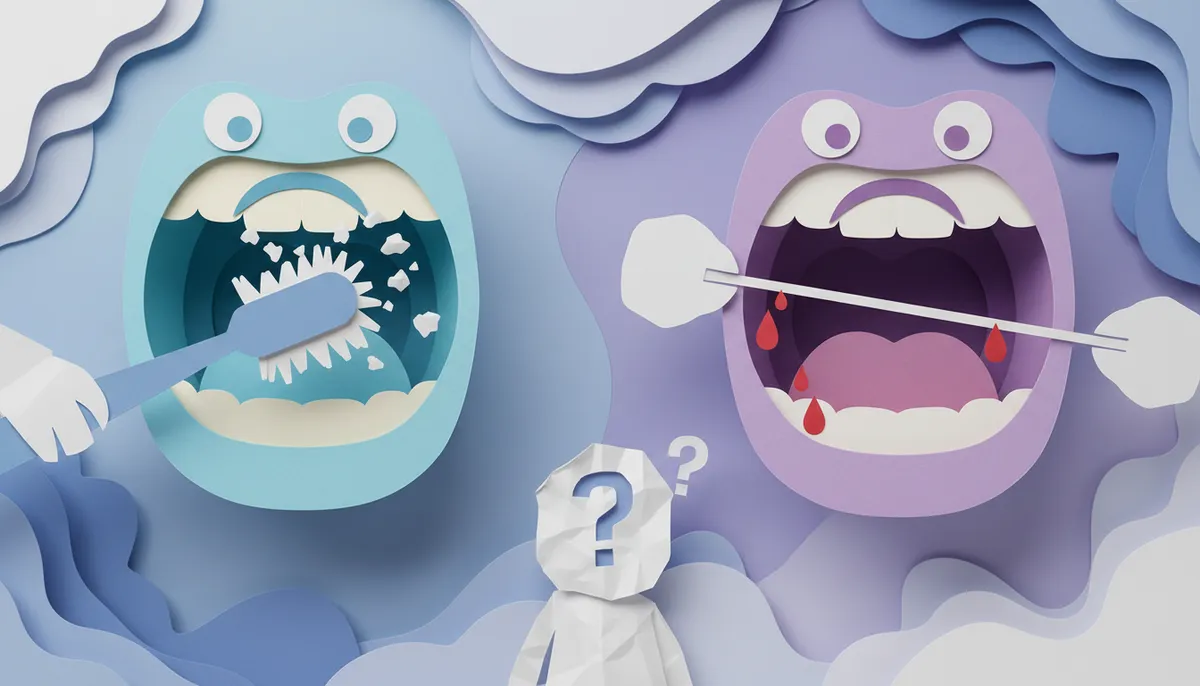
Most people brush their teeth every day, but that doesn’t mean they’re doing it correctly. Poor brushing technique is one of the most common oral health mistakes we see. It’s not just about moving a toothbrush around your mouth—it’s about doing it the right way.
Common Brushing Mistakes
Here are the top brushing errors that harm your oral health:
- Brushing too hard and damaging your gums and enamel
- Using the wrong type of toothbrush (too hard bristles)
- Not brushing long enough (you need a full two minutes)
- Forgetting to brush your tongue where bacteria hide
- Using an old toothbrush that no longer cleans effectively
Your toothbrush should have soft bristles and be replaced every three to four months. Hold it at a 45-degree angle to your gums and use gentle, circular motions. Don’t scrub back and forth like you’re cleaning a floor—this can wear away your enamel and cause gum recession.
The Flossing Problem Nobody Talks About
If you’re not flossing daily, you’re missing about 35% of your tooth surfaces. That’s where food particles and bacteria love to hide, leading to cavities and gum disease between your teeth.
- Floss at least once per day, preferably before bedtime
- Use about 18 inches of floss, winding it around your middle fingers
- Gently slide it between teeth in a C-shape around each tooth
- Don’t snap the floss down onto your gums—this can cause damage
- If traditional floss is difficult, try floss picks or water flossers
Many parents struggle to get their children to floss regularly. Dr. Pri specializes in pediatric dentistry and can teach your kids proper brushing and flossing techniques in a fun, engaging way. Making oral care enjoyable helps children develop healthy habits that last a lifetime.
Sugar and Acids: The Silent Destroyers
What you eat and drink has a massive impact on your oral health. Sugar and acidic foods are the biggest culprits when it comes to tooth decay and enamel erosion. Understanding how these substances damage your teeth is key to avoiding serious problems.
How Sugar Attacks Your Teeth
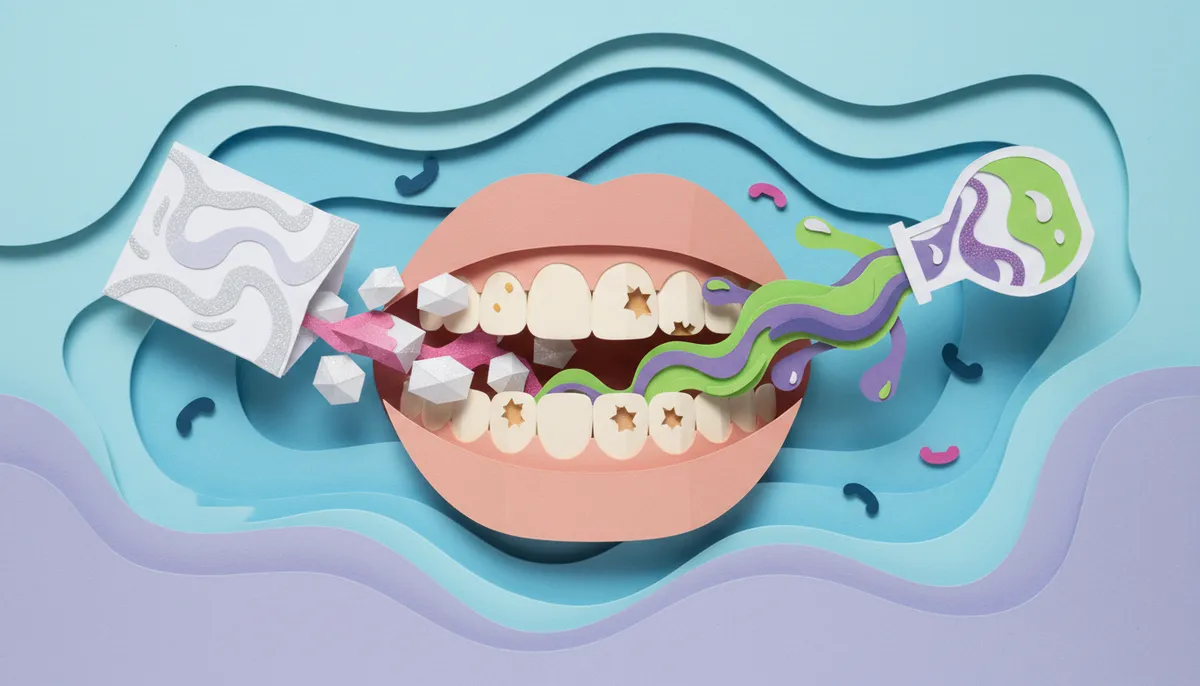
Sugar itself doesn’t directly harm your teeth. Instead, bacteria in your mouth feed on sugar and produce acid as a waste product. This acid attacks your tooth enamel, creating weak spots that turn into cavities.
The frequency of sugar consumption matters more than the amount. Sipping soda all day or constantly snacking on candy keeps your mouth in an acidic state for hours. This gives bacteria plenty of time to damage your teeth.
| Food/Drink | Sugar Content | Acid Level | Risk to Teeth |
|---|---|---|---|
| Regular Soda | Very High | Very Acidic | Extremely High |
| Fruit Juice | High | Moderately Acidic | High |
| Sports Drinks | High | Very Acidic | Very High |
| Water | None | Neutral | None |
Protecting Your Teeth from Dietary Damage
You don’t have to completely give up your favorite treats, but you should be smart about when and how you consume them:
- Eat sugary foods with meals rather than as standalone snacks
- Drink water after consuming acidic beverages to rinse your mouth
- Wait 30 minutes after eating acidic foods before brushing (brushing immediately can damage softened enamel)
- Choose cheese, nuts, or vegetables as snacks instead of candy or chips
- Use a straw when drinking acidic beverages to minimize contact with teeth
If you’ve already experienced damage from poor dietary habits, our cosmetic dentistry services can help restore your smile. Dr. K specializes in procedures like Veneers Crowns Bridges that repair damaged teeth and give you back your confidence.
Ignoring Gum Disease Warning Signs
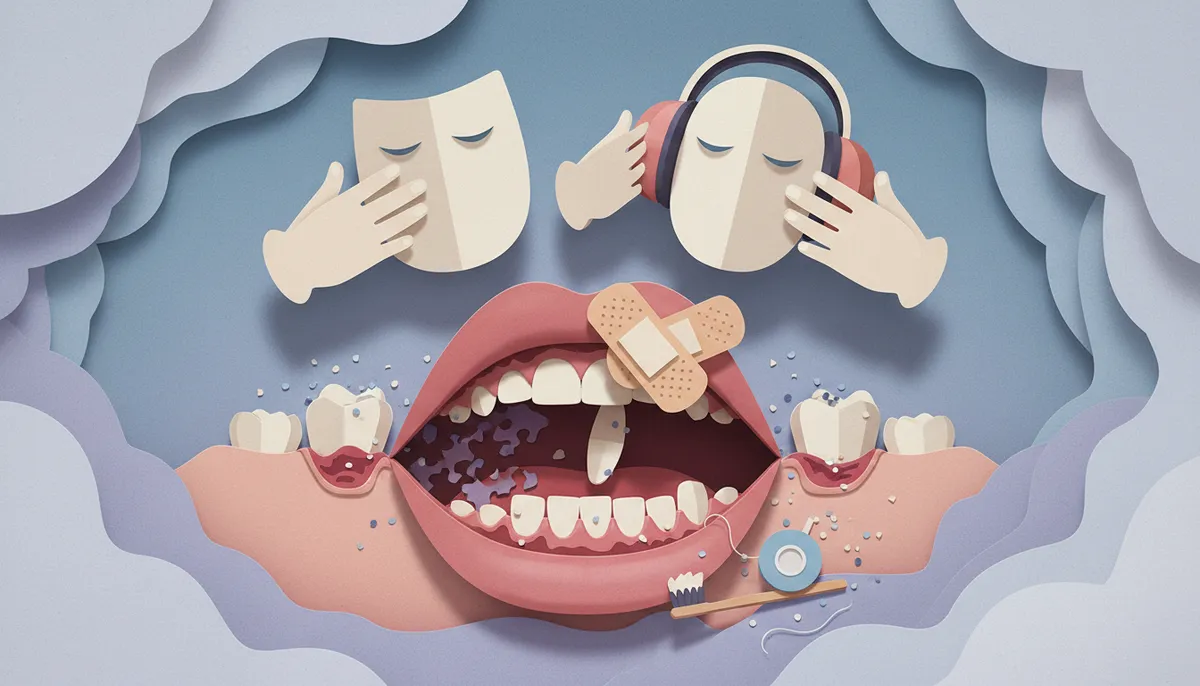
Gum disease is one of the most common oral health problems in adults, yet many people ignore the early warning signs. This is a serious mistake because gum disease can lead to tooth loss and has been linked to heart disease, diabetes, and other health conditions.
Early Signs You Shouldn’t Ignore
Healthy gums are firm and pink. If you notice any of these symptoms, you may have gum disease:
- Gums that bleed when you brush or floss
- Red, swollen, or tender gums
- Persistent bad breath that doesn’t go away
- Gums that are pulling away from your teeth
- Teeth that feel loose or are shifting position
- Pain when chewing food
Many people think bleeding gums are normal, but they’re not. If your gums bleed regularly, it’s a sign of inflammation and possibly infection. The earlier you address gum disease, the easier it is to reverse.
Stages of Gum Disease
Understanding the progression of gum disease helps you recognize how serious it can become:
- Gingivitis: The earliest stage with red, swollen gums that may bleed. This is reversible with proper care.
- Early Periodontitis: Infection begins to damage the bone supporting your teeth. Treatment can prevent further damage.
- Moderate Periodontitis: Significant bone loss occurs, and teeth may start to feel loose. More intensive treatment is needed.
- Advanced Periodontitis: Severe bone loss leads to tooth loss. Extensive treatment or tooth replacement may be necessary.
Regular cleanings and exams at Dental Theory help prevent gum disease from developing in the first place. Our team can spot early warning signs and provide treatment before the condition worsens. Schedule an appointment if you’ve noticed any symptoms of gum disease.
Using Your Teeth as Tools
Your teeth are designed for chewing food, not opening packages, cracking nuts, or holding objects. Using your teeth as tools is a surprisingly common mistake that can lead to chipped, cracked, or broken teeth.
Common Ways People Damage Their Teeth
We’ve seen patients come in with dental emergencies caused by these bad habits:
- Opening bags of chips or other packages with teeth
- Biting fingernails or chewing on pens and pencils
- Cracking nuts or hard candy with teeth
- Using teeth to hold items while hands are busy
- Chewing ice cubes from drinks
- Opening bottle caps with teeth
These actions put extreme pressure on your teeth in ways they weren’t designed to handle. Even if you’ve done these things for years without problems, it only takes one wrong angle to cause serious damage.
What Happens When Teeth Break
A cracked or broken tooth can be painful and expensive to repair. Depending on the severity of the damage, you might need:
| Type of Damage | Treatment Needed | Time Required |
|---|---|---|
| Minor Chip | Bonding or smoothing | Single visit |
| Moderate Crack | Crown or veneer | Single visit with same-day crown |
| Severe Break | Root canal + crown or extraction | Multiple visits |
| Tooth Loss | Dental implant or bridge | Several months |
The good news is that Dental Theory offers Same-Day Crowns, so if you need a crown due to a broken tooth, you won’t have to wait or return for multiple visits. We use advanced ceramic crown technology to create and place your crown in a single appointment, getting you back to normal as quickly as possible.
If you’ve experienced a dental emergency, don’t wait to seek treatment. The longer you wait, the more complicated and expensive the repair becomes. Our team is here to help restore your smile with minimal disruption to your life. Contact Dental Theory right away if you’ve damaged a tooth.
Special Considerations for Children’s Oral Health
Children face unique oral health challenges, and the mistakes parents make can set kids up for problems later in life. From baby bottle tooth decay to dental anxiety, understanding how to properly care for young teeth is essential.
Common Mistakes Parents Make
Even well-meaning parents sometimes make these oral health errors:
- Putting babies to bed with bottles of milk or juice (causes severe tooth decay)
- Not brushing children’s teeth until they’re older (decay can start as soon as teeth appear)
- Thinking baby teeth don’t matter because they’ll fall out anyway
- Not taking children for their first visit by age one
- Using fear or threats to make children cooperate at dental appointments
Baby teeth are crucial for proper speech development, nutrition, and guiding permanent teeth into the correct position. Losing baby teeth too early due to decay can cause spacing problems and the need for orthodontic treatment later.
Creating Positive Dental Experiences
Dr. Pri is Brandon’s only board-certified pediatric dentist offering in-office sedation. She understands that some children feel anxious about dental visits, and she’s specially trained to make dental care comfortable and even fun for kids.
For children with severe dental anxiety or extensive treatment needs, sedation dentistry for kids provides a safe, gentle way to complete necessary dental work without trauma or fear. This helps children develop positive associations with dental care that last into adulthood.
- Start dental visits early to make them routine and normal
- Read books about going to the dentist to prepare your child
- Avoid using the dentist as a threat or punishment
- Praise your child for cooperating during dental visits
- Choose a pediatric dentist who specializes in working with children
- Ask about sedation options if your child is extremely anxious
Teaching children proper oral hygiene at home is equally important. Make brushing fun with colorful toothbrushes, flavored toothpaste, and songs or timers to ensure they brush for the full two minutes. The habits children learn now will protect their oral health for a lifetime.
The Impact of Oral Health on Overall Wellness
Your mouth is connected to the rest of your body, and poor oral health can contribute to serious medical conditions. This connection is often overlooked, but understanding it shows why oral care is about more than just having a nice smile.
Health Conditions Linked to Poor Oral Health
Research has shown connections between oral health and:
- Heart disease and increased risk of heart attack
- Stroke from bacteria traveling through the bloodstream
- Diabetes complications and difficulty controlling blood sugar
- Respiratory infections from inhaling bacteria from infected gums
- Pregnancy complications including premature birth
- Dementia and Alzheimer’s disease in some studies
The inflammation caused by gum disease can affect your entire body, not just your mouth. Bacteria from oral infections can enter your bloodstream and cause problems in other organs. This is why maintaining good oral health is an important part of your overall health strategy.
Signs Your Oral Health Is Affecting Your Body
Pay attention to these warning signs that oral health problems may be impacting your overall wellness:
- Persistent bad breath despite good oral hygiene
- Frequent sore throat or respiratory infections
- Difficulty controlling blood sugar if you have diabetes
- Chronic fatigue or feeling generally unwell
- Unexplained weight loss due to difficulty eating
If you’re experiencing any of these symptoms along with oral health problems, talk to both your dentist and your doctor. A team approach to your health ensures that all aspects of your wellbeing are addressed.
Building Better Oral Health Habits Starting Today
Now that you know the most common oral health mistakes, it’s time to take action. The good news is that improving your oral health doesn’t require dramatic changes—small, consistent habits make the biggest difference.
Your Daily Oral Health Checklist
Follow this simple routine every day for optimal oral health:
- Brush twice daily for two minutes each time using gentle circular motions
- Floss once daily, preferably before bedtime
- Rinse with water after meals and snacks
- Limit sugary and acidic foods and drinks
- Drink plenty of water throughout the day
- Replace your toothbrush every three to four months
Making Dental Care a Priority
| Frequency | Action | Why It Matters |
|---|---|---|
| Daily | Brush and floss | Removes plaque before it hardens |
| Every 3-4 months | Replace toothbrush | Maintains cleaning effectiveness |
| Every 6 months | Professional cleaning | Removes tartar and catches problems early |
| Annually | Comprehensive exam | Screens for oral cancer and other serious issues |
At Dental Theory, we make it easy to maintain excellent oral health for your entire family. From routine cleanings to advanced treatments like Invisalign and Dental Implants, our team provides comprehensive care in a comfortable, stress-free environment.
Don’t wait until you have pain or problems to seek dental care. Prevention is always easier and less expensive than treatment. Our practice has earned a 5-star rating on Healthgrades.com because we focus on patient education and gentle, effective care. Visit us on Google to read reviews from our satisfied patients and learn more about our services.
Take Control of Your Oral Health Today
Avoiding these five common oral health mistakes will save you pain, money, and embarrassment down the road. Remember that your oral health impacts your overall wellness, so taking care of your teeth and gums is an investment in your entire body’s health.
Whether you need routine care, have dental anxiety, or want to improve your smile’s appearance, Dental Theory is here to help. Dr. K and Dr. Pri bring expertise, compassion, and the latest technology to every patient interaction. We treat families of all ages in a welcoming environment where everyone feels comfortable.
The best time to start taking better care of your oral health was yesterday. The second best time is today. Don’t let another day go by making these costly mistakes. Contact Dental Theory to schedule your appointment and take the first step toward a healthier, more beautiful smile. Your future self will thank you for the care you provide your teeth today.
FAQs
Q: How often should I really visit the dentist?
A: You should visit the dentist every six months for routine cleanings and exams. These regular checkups allow your dentist to catch small problems before they become big, expensive issues. If you have gum disease or other dental concerns, your dentist may recommend more frequent visits every three to four months.
Q: Is it normal for my gums to bleed when I brush?
A: No, bleeding gums are not normal and usually indicate gingivitis, the early stage of gum disease. Healthy gums should not bleed during regular brushing or flossing. If your gums bleed consistently, schedule a dental appointment as soon as possible—early gum disease is reversible with proper treatment and improved oral hygiene.
Q: Can poor oral health really affect my overall health?
A: Yes, research shows strong connections between oral health and conditions like heart disease, diabetes, and stroke. Bacteria from gum infections can enter your bloodstream and cause inflammation throughout your body. This is why maintaining good oral health is important for your overall wellness, not just your smile.
Q: What should I do if my child is afraid of the dentist?
A: Choose a pediatric dentist who specializes in working with children and creating positive experiences. At Dental Theory, Dr. Pri is board-certified in pediatric dentistry and offers sedation options for anxious children. Start dental visits early, use positive language, and never use the dentist as a threat or punishment to help your child develop healthy attitudes toward dental care.
Q: How can I tell if I’m brushing my teeth correctly?
A: Use a soft-bristled toothbrush held at a 45-degree angle to your gums, and brush in gentle circular motions for two full minutes. Don’t scrub hard—this damages enamel and gums. Make sure to brush all surfaces including the backs of teeth and your tongue. If you’re unsure about your technique, ask your dentist or hygienist to demonstrate proper brushing at your next appointment.