Key Takeaways
-
Brush for two full minutes twice daily with fluoride toothpaste, floss once daily, and use an antibacterial mouthwash—brushing alone only cleans 60% of tooth surfaces.
-
Visit your dentist every six months for professional cleanings that remove tartar buildup and catch problems early, which is cheaper than treating advanced dental issues.
-
Poor oral health is linked to serious conditions like heart disease, diabetes, and pregnancy complications, making dental care essential for overall body health.
-
Limit sugary sodas, candies, and sticky foods since sugar feeds cavity-causing bacteria; rinse your mouth with water immediately after eating sweets.
-
Start children at the dentist by their first birthday or when the first tooth appears, and ask about dental sealants which can prevent up to 80% of cavities.
-
Avoid common mistakes like brushing too hard (which wears enamel), skipping flossing, ignoring gum bleeding, and using teeth as tools to prevent long-term damage.
Your smile is one of the first things people notice about you. But keeping it healthy takes more than just brushing twice a day. Whether you’re a parent trying to protect your child’s first teeth, an adult juggling a busy schedule, or someone looking to brighten their smile, good dental health tips can make a real difference. The right habits today can save you from painful problems — and expensive dental bills — down the road.
The good news? Caring for your teeth doesn’t have to be complicated or stressful. With a few smart routines and the right dental team in your corner, you can keep your whole family smiling confidently for years to come. Let’s walk through the most practical, age-friendly advice that actually works in 2026.
Why Dental Health Matters More Than You Think
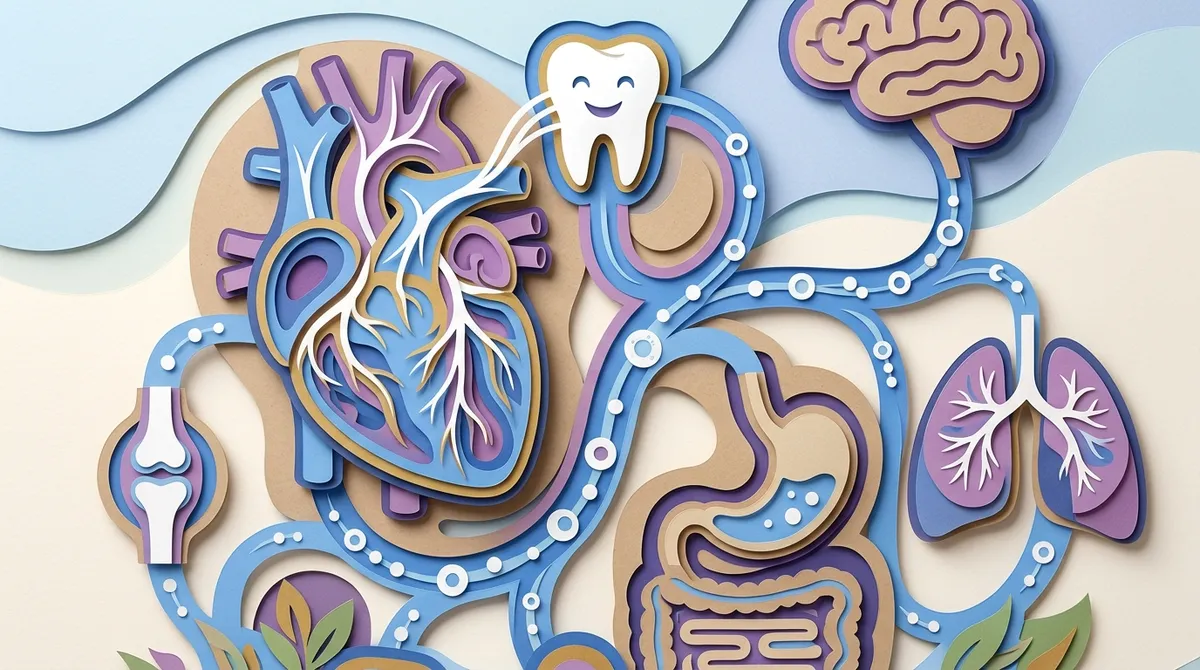
Most people know cavities are bad. But did you know that poor oral health is linked to heart disease, diabetes, and even pregnancy complications? Your mouth is truly a window into your overall health. Dental health matters more than most people realize, and the connection between your teeth, gums, and the rest of your body is very real.
Gum disease, for example, causes chronic inflammation that can spread beyond your mouth. Tooth infections, if left untreated, can become serious medical emergencies. Taking care of your teeth is truly taking care of your whole body. That’s why general dentistry plays such an important role in your overall wellness.
Core Dental Health Tips for Adults
Adults often skip the dentist until something hurts. But prevention is always cheaper and less painful than treatment. Here are the most important habits every adult should build right now.
1. Build a Strong Daily Oral Hygiene Routine
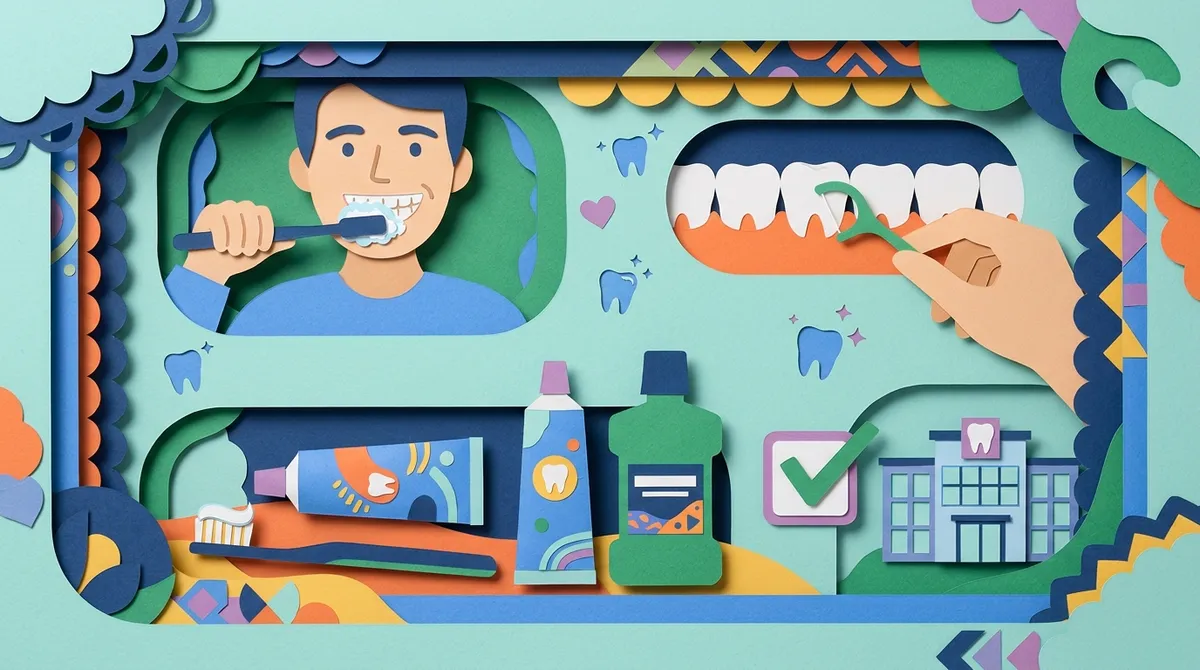
A consistent routine is your best defense against cavities and gum disease. The best daily dental care routine includes these steps in order:
- Brush for two full minutes twice a day using fluoride toothpaste
- Floss once daily to remove plaque between teeth where your brush can’t reach
- Rinse with an antibacterial mouthwash to reduce bacteria and freshen breath
- Clean your tongue with a tongue scraper or your toothbrush to remove bacteria
- Stay hydrated by drinking plenty of water throughout the day to flush away food particles
Many adults wonder whether electric toothbrushes are really worth it. The short answer is yes — studies consistently show they remove more plaque than manual brushes. Electric toothbrushes often outperform manual ones, especially for people with limited dexterity or those who tend to brush too hard.
Key Diet Habits for Healthier Teeth
What you eat affects your teeth just as much as how you brush. Some foods actively protect your teeth. Others slowly destroy them. Here’s a quick breakdown:
| Foods That Help Your Teeth | Foods That Harm Your Teeth |
|---|---|
| Cheese and dairy (strengthen enamel) | Sugary sodas and energy drinks |
| Leafy greens (rich in calcium) | Sticky candies and gummies |
| Apples and carrots (natural scrubbing) | Citrus fruits in excess (erodes enamel) |
| Nuts (minerals that strengthen teeth) | White bread and crackers (stick to teeth) |
| Water with fluoride | Alcohol (dries out your mouth) |
Limiting sugary snacks and drinks is one of the most powerful dental health tips you can follow. Sugar feeds the bacteria that cause cavities. When you do eat sweets, try to rinse your mouth with water right after.
Don’t Skip Your Dental Checkups
Visiting your dentist every six months isn’t just a suggestion — it’s essential. Professional teeth cleanings remove hardened plaque (tartar) that brushing at home can’t touch. Your dentist can also catch small problems before they become big, painful, expensive ones.
During a checkup, your dental team will also check for signs of oral cancer, gum disease, and other concerns. Regular dental checkups are truly your best defense against long-term oral health problems. Don’t wait until a tooth hurts to make that call!
Dental Health Tips Specifically for Kids
Children’s teeth need special care from day one. Baby teeth matter more than many parents realize. They hold space for adult teeth and help kids learn to speak and chew properly. Starting good habits early sets the foundation for a lifetime of healthy smiles.
When Should Kids First See a Dentist?
The American Academy of Pediatric Dentistry recommends that children see a dentist by their first birthday or when their first tooth appears. Early visits help kids get comfortable in the dental chair and let the dentist catch any early concerns. Knowing what to expect at your child’s first dental visit can take a lot of the worry out of the experience for both parent and child.
If your child feels nervous about dental visits, you’re not alone. Dental anxiety is very common in kids. Dr. Pri at Dental Theory in Brandon is a board-certified pediatric dentist who specializes in making visits calm, gentle, and even fun for little ones. As the only board-certified pediatric dentist in Brandon offering in-office sedation, she is uniquely qualified to care for children who feel anxious or need more complex treatment.
Top Dental Health Tips for Parents
- Start brushing as soon as the first tooth appears — use a soft infant toothbrush and a tiny smear of fluoride toothpaste
- Supervise brushing until age 7 or 8 — young children don’t have the motor skills to brush effectively on their own
- Limit juice and sugary drinks — put water or milk in sippy cups, not juice or soda
- Ask about dental sealants — these protective coatings on the back teeth can prevent up to 80% of cavities in children
- Make dental visits fun and positive — your attitude about the dentist will directly shape your child’s attitude
Dental sealants are a powerful tool for protecting your family’s smiles. They’re quick, painless, and can save you from costly cavity treatments later. Ask about them at your child’s next visit.
Children’s Dental Health by Age Group
| Age Range | Key Dental Milestones | Recommended Care |
|---|---|---|
| 0–2 years | First baby teeth emerge | Wipe gums, start brushing first tooth |
| 3–5 years | Full set of 20 baby teeth | Supervised brushing, first dental X-rays |
| 6–11 years | Baby teeth lost, adult teeth arrive | Sealants, flossing instruction, fluoride |
| 12–17 years | Most adult teeth present | Orthodontic evaluation, cavity prevention |
For more detailed guidance on caring for your child’s smile at every stage, check out these essential preventative dental care tips for parents.
Common Dental Health Mistakes to Avoid
Even well-meaning people make habits that quietly damage their teeth over time. Here are the most common mistakes — and how to fix them. You might be surprised by a few of these! Learn about the oral hygiene mistakes you might be making right now so you can course-correct before they cause real damage.
- Brushing too hard — aggressive brushing wears down enamel and irritates gums. Use gentle, circular motions instead
- Skipping flossing — brushing only cleans about 60% of your tooth surfaces. Flossing gets the rest
- Ignoring gum problems — bleeding or swollen gums are a warning sign, not something to brush off (pun intended)
- Using teeth as tools — opening packages with your teeth is a great way to crack them
- Grinding your teeth at night — if you wake up with jaw pain or headaches, talk to your dentist about a night guard
Families in Brandon, FL should also be aware of common dental care mistakes that can sneak up on even the most health-conscious households. Knowledge really is the best prevention.
Preventive Dental Services That Make a Big Difference
Good dental health isn’t just about what you do at home. Professional preventive care is equally important. Here’s what to ask your dentist about during your next visit:
- Comprehensive exams — a full comprehensive dental exam gives your dentist a complete picture of your oral health
- Digital X-rays — low-radiation digital X-rays detect problems hidden between teeth and under the gumline
- Periodontal treatment — if your gums need extra attention, deep cleaning and periodontal treatment can reverse early gum disease
- Fluoride treatments — especially beneficial for children and adults at higher cavity risk
- Oral cancer screenings — quick and painless, these screenings can catch early signs of oral cancer when treatment is most effective
Prevention is always the smartest investment in your dental health. A routine cleaning costs far less than a root canal or crown. Preventive dental care with Dr. K and Dr. Pri at Dental Theory keeps your whole family protected throughout the year.
Dental Health Tips for Specific Concerns
Sensitive Teeth
Tooth sensitivity is one of the most common dental complaints. It often means your enamel is worn or your gums have receded slightly. Using a sensitivity toothpaste can help, but you should also talk to your dentist. Sometimes sensitivity signals a cracked tooth or early decay that needs professional attention. Don’t just mask the pain — find the source.
Gum Disease Prevention
Gum disease affects nearly half of adults over 30. The good news is that early stages are very treatable. The key is catching it early. Watch for these warning signs:
- Gums that bleed when you brush or floss
- Red, swollen, or tender gum tissue
- Persistent bad breath that won’t go away
- Gums that appear to be pulling away from teeth
These gum disease prevention tips that actually work in 2026 can help you stay ahead of this very common — but very preventable — condition.
Comparison: Home Care vs. Professional Care
| Task | At-Home Care | Professional Care |
|---|---|---|
| Plaque removal | Daily brushing and flossing | Professional scaling at cleanings |
| Tartar removal | Cannot be done at home | Removed with special instruments |
| Cavity detection | Visual check only | X-rays detect hidden cavities |
| Gum health assessment | Monitor for bleeding or swelling | Pocket depth measurements |
| Oral cancer screening | Not possible | Visual and tactile exam by dentist |
As you can see, home care and professional care truly work as a team. Neither one is enough on its own. You need both to keep your mouth in great shape. Ready to get started? You can schedule an appointment with the Dental Theory team today.
Your Smile Deserves the Best Care in Brandon, FL
Whether you’re looking to improve your own oral health habits or find the perfect dental home for your growing family, Dental Theory in Brandon, FL is here for you. From routine cleanings and comprehensive exams to cosmetic treatments and specialized pediatric care, every member of your family can get the care they need under one roof.
We know life is busy and dental anxiety is real. That’s why everything at Dental Theory is designed to make your experience as comfortable, efficient, and stress-free as possible. Visit Dental Theory on Google to read reviews from real Brandon families who have made us their dental home.
Good oral health is one of the greatest gifts you can give yourself and your family. The dental health tips in this article are a great starting point. But there’s no substitute for personalized guidance from a dentist who knows your smile. We’d love to be that partner for you. Reach out to our friendly Dental Theory team to schedule your next visit — we can’t wait to help your whole family smile brighter!
You can also visit us on Facebook to stay connected with the latest news, tips, and special offers from Dental Theory. We love hearing from our patients and community!
FAQs
Q: How often should I visit the dentist for a checkup?
A: Most people should visit the dentist every six months for a cleaning and exam. If you have gum disease, a history of cavities, or other concerns, your dentist may recommend more frequent visits — and that’s totally normal! Regular checkups are the best way to catch small problems before they become big ones.
Q: At what age should my child first see a dentist?
A: Your child should see a dentist by their first birthday or when their first tooth appears — whichever comes first! Early visits help kids get comfortable in the dental chair and let the dentist spot any concerns early. Starting young truly sets the stage for a lifetime of healthy smiles.
Q: What are the most important dental health tips for preventing cavities?
A: The best cavity prevention habits include brushing twice a day with fluoride toothpaste, flossing daily, limiting sugary foods and drinks, drinking plenty of water, and visiting your dentist for regular cleanings. Dental sealants are also a fantastic option for kids and cavity-prone adults!
Q: Is flossing really that important if I brush twice a day?
A: Absolutely — flossing is not optional! Brushing only cleans about 60% of your tooth surfaces, leaving the spaces between teeth untouched. Those tight spaces are where cavities and gum disease love to start. Think of flossing as the finishing step that makes your whole routine complete.
Q: What should I do if my child is afraid of going to the dentist?
A: Dental anxiety in children is very common, and the best approach is to stay positive and choose a kid-friendly dental team. A board-certified pediatric dentist like Dr. Pri at Dental Theory in Brandon specializes in gentle, compassionate care designed just for kids — making visits fun and fear-free. In-office sedation options are also available for children who need extra comfort.
Our Service Area