
Key Takeaways
-
Regular dental checkups help detect and prevent oral health issues early, saving money and avoiding complex treatments later.
-
Professional cleanings remove tartar and plaque buildup that regular brushing can't, protecting against gum disease and tooth decay.
-
Your ideal dental checkup frequency depends on individual risk factors, ranging from every 12 months for low-risk patients to every 3-4 months for high-risk individuals.
-
Dental checkups can reveal broader health issues like diabetes, heart disease, and nutritional deficiencies through comprehensive oral examinations.
-
Children should have their first dental visit by age one or when their first tooth appears to establish good oral health habits early.
Let’s be honest—dental checkups probably aren’t at the top of your list of favorite things to do. But here’s the thing: these routine visits are one of the simplest ways to protect your smile, your health, and even your wallet. Think of dental checkups as your smile’s regular tune-up. Just like you wouldn’t skip oil changes for your car, you shouldn’t skip these essential appointments. Whether you’re booking for yourself or your little ones, understanding what happens during these visits and why they matter can transform your perspective on dental care.
At Dental Theory, we’ve seen firsthand how regular checkups prevent big problems down the road. Our team in Brandon, Florida, is passionate about making these visits stress-free and actually enjoyable. Ready to discover why dental checkups deserve a permanent spot on your calendar? Let’s dive into the eight compelling reasons that’ll have you scheduling your next appointment before you finish reading.

1. Early Detection Saves Your Smile (and Your Budget)
One of the most powerful benefits of regular dental checkups is catching problems before they become painful or expensive. During a routine exam, your dentist examines every corner of your mouth—teeth, gums, tongue, and even your jaw joints. This comprehensive screening can reveal cavities when they’re tiny, gum disease in its earliest stages, or even signs of oral cancer that are much more treatable when discovered early.
Studies consistently show that people who attend regular dental checkups have significantly fewer decayed teeth and require fewer extractions compared to those who only visit when something hurts. According to research from the UK Child Dental Health Survey, regular attenders had half as many missing teeth as problem-only visitors. Think about it—a small filling today costs far less than a root canal or crown tomorrow. Early detection isn’t just smart dentistry; it’s smart economics.
Your dentist can also spot issues that might not cause symptoms yet. A cracked tooth, worn enamel from grinding, or early gum recession might not hurt today, but addressing them now prevents bigger headaches later. This proactive approach is what general dentistry is all about—keeping your smile healthy rather than just fixing problems after they occur.
2. Professional Cleanings Do What Brushing Can’t
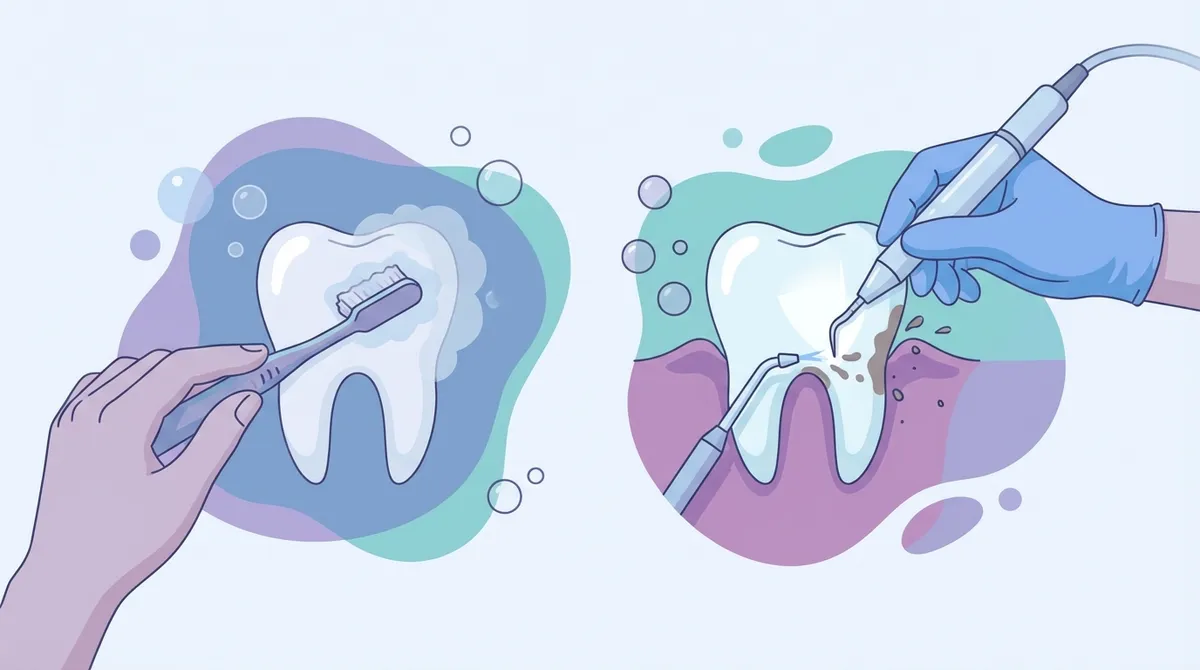
Even if you’re diligent about brushing twice daily and flossing like a champion, professional cleanings remove buildup that your toothbrush simply can’t tackle. Dental hygienists use specialized tools to remove plaque and tartar (hardened plaque) from areas that are nearly impossible to reach at home—especially below the gum line and between teeth.
Here’s what makes professional cleanings essential:
- Tartar removal prevents gum disease and tooth decay
- Polishing eliminates surface stains for a brighter smile
- Fluoride treatments strengthen enamel and protect against cavities
- Deep cleaning reaches below the gum line where bacteria hide
- Professional assessment identifies areas needing better home care
Think of professional cleanings as a reset button for your oral health. They give you a fresh start and make your daily brushing and flossing more effective. Plus, that smooth, clean feeling after a professional cleaning? Nothing quite compares to it. Many patients report feeling more motivated to maintain their oral hygiene routine after experiencing how clean their teeth can truly be.
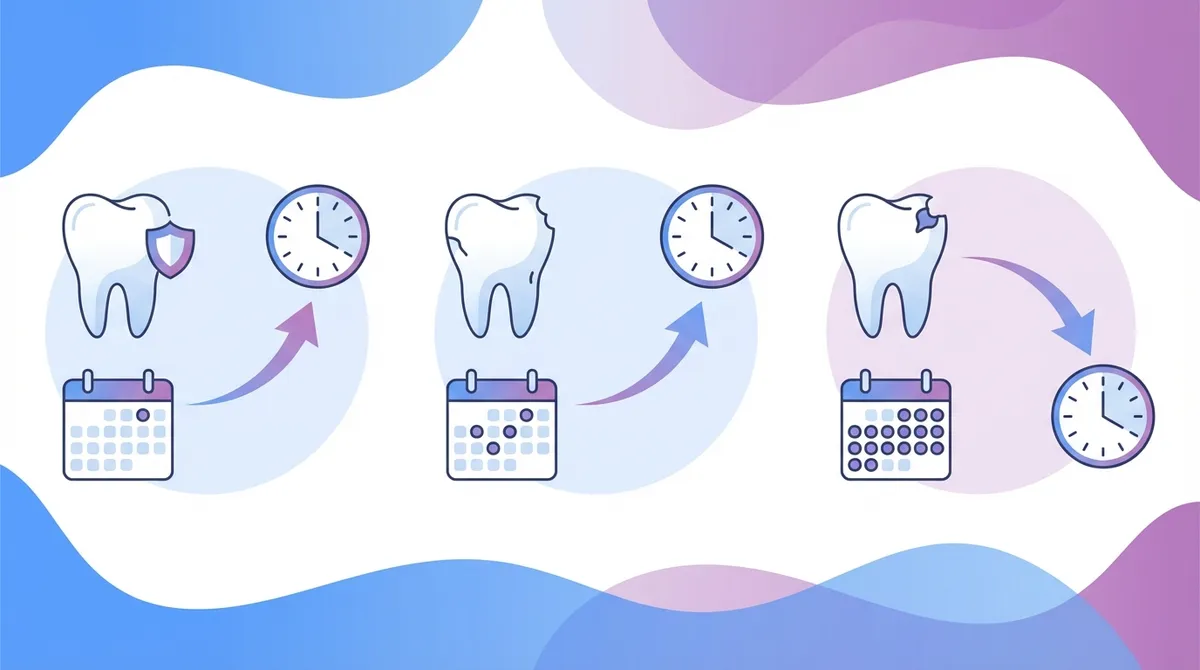
3. Your Dental Checkup Schedule Should Match Your Risk Level
Here’s something that might surprise you: the “every six months” rule isn’t actually one-size-fits-all. While that’s a solid baseline for most adults with good oral health, your ideal checkup frequency depends on several personal factors. Your dentist considers your unique situation to recommend a schedule that optimizes your oral health.
| Risk Level | Recommended Frequency | Who This Applies To |
|---|---|---|
| Low Risk | Every 12-24 months | Adults with excellent oral health, no history of decay or gum disease, non-smokers |
| Average Risk | Every 6 months | Most adults and children with good oral hygiene and no major concerns |
| High Risk | Every 3-4 months | History of gum disease, frequent cavities, diabetes, smokers, weakened immune system |
| Very High Risk | Monthly to quarterly | Active periodontal disease treatment, complex dental work, severe medical conditions |
Several factors influence your personal risk level and ideal visit frequency. These include your current oral health status, history of dental problems, quality of your home care routine, diet and lifestyle habits (especially smoking), medical conditions like diabetes that affect oral health, medications that cause dry mouth, and previous dental work that requires monitoring. Your dentist evaluates these factors during your checkup to create a personalized schedule that gives you the best outcomes.

4. Children Need Special Attention (Starting Earlier Than You Think)
If you’re a parent, you might wonder when to start dental checkups for your little one. The American Academy of Pediatric Dentistry recommends that children have their first dental visit by age one or when their first tooth erupts—whichever comes first. This early start establishes a foundation for lifelong oral health and helps children become comfortable with dental visits.
Children typically benefit from checkups every six months, though some may need more frequent visits. During orthodontic treatment, for example, your child might see the dentist every 3-4 months to monitor tooth movement and oral health. Pediatric dentistry focuses on creating positive experiences that set kids up for a lifetime of healthy dental habits.
At Dental Theory, Dr. Priyanka Karapasha specializes in making dental visits fun and stress-free for kids. As the only board-certified pediatric dentist offering in-office sedation dentistry for kids in Brandon, Florida, she’s uniquely qualified to provide gentle, compassionate care—even for children who feel anxious about dental visits. Early checkups catch developmental issues, prevent cavities with sealants and fluoride treatments, and teach children proper brushing and flossing techniques in age-appropriate ways.
5. Dental Checkups Protect More Than Just Your Teeth
Here’s something that might blow your mind: your dental checkup is actually a whole-body health screening in disguise. Your mouth is intimately connected to your overall health, and your dentist can spot warning signs of systemic conditions during a routine exam. This connection between oral and general health makes dental checkups an essential part of your healthcare routine.
During your checkup, your dentist might detect signs of:
- Diabetes (gum disease and oral infections are often early indicators)
- Heart disease (research links periodontal disease to cardiovascular problems)
- Osteoporosis (bone loss in the jaw can signal this condition)
- Nutritional deficiencies (your mouth reveals a lot about your diet)
- Autoimmune disorders (oral symptoms often appear before other signs)
- Sleep apnea (wear patterns on teeth and throat examination provide clues)
Your dentist also performs oral cancer screenings during routine checkups. Oral cancer is highly treatable when caught early, but it can be deadly if detected late. These screenings take just minutes but could literally save your life. Your dentist examines your lips, tongue, throat, and soft tissues for any unusual spots, lumps, or lesions that warrant further investigation.
6. What Actually Happens During Your Dental Checkup
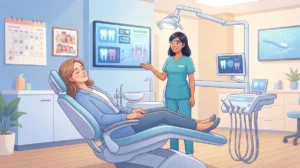
Understanding what to expect can ease any anxiety about your dental checkup. These appointments typically last 45-60 minutes and follow a comprehensive yet straightforward process. Knowing the steps helps you feel more comfortable and prepared for your visit.
Here’s the typical flow of a routine dental checkup:
- Medical History Review: Your dentist asks about any changes in your health, medications, or concerns since your last visit. This conversation is crucial because many medical conditions and medications affect oral health.
- Professional Cleaning: A dental hygienist removes plaque and tartar buildup, polishes your teeth to remove surface stains, and may apply fluoride treatment for extra cavity protection.
- Comprehensive Examination: Your dentist examines each tooth for cavities, cracks, or wear. They check your gums for signs of disease, assess your bite and jaw alignment, and examine your tongue, throat, and oral tissues.
- X-rays (as needed): Dental x-rays, typically taken once a year or as needed, reveal problems not visible during the visual exam, like cavities between teeth, bone loss, or impacted teeth.
- Oral Cancer Screening: Your dentist checks for any abnormalities in your mouth, throat, and neck that could indicate oral cancer or other conditions.
- Treatment Planning: If issues are found, your dentist discusses treatment options, answers your questions, and helps you schedule any necessary follow-up appointments.
The best part? Modern dentistry focuses on comfort and efficiency. At practices like Dental Theory, advanced technology makes checkups faster and more comfortable than ever. Digital x-rays use less radiation, intraoral cameras let you see exactly what your dentist sees, and gentle techniques ensure a stress-free experience.
7. Skipping Checkups Costs More in the Long Run
We get it—dental checkups require time and money. But here’s the financial reality: preventive care is always cheaper than restorative treatment. A routine cleaning and exam might cost $100-$200 (often covered by insurance or in-house membership plans), while a root canal and crown can easily run $2,000-$3,000 or more.
| Preventive Care | Average Cost | Restorative Treatment | Average Cost |
|---|---|---|---|
| Routine Checkup & Cleaning | $100-$200 | Filling (per tooth) | $150-$400 |
| Fluoride Treatment | $30-$50 | Root Canal | $700-$1,500 |
| Dental Sealants | $30-$60 per tooth | Crown | $800-$2,500 |
| X-rays (annual) | $25-$250 | Extraction & Implant | $3,000-$6,000 |
Beyond the financial cost, consider the time investment. A preventive checkup takes an hour twice a year—that’s two hours annually. Compare that to multiple appointments for restorative work: consultations, procedures, follow-ups, and recovery time. Plus, there’s the discomfort and disruption to your daily life when dental problems become emergencies.
Many dental practices offer flexible payment options to make preventive care accessible. Dental Theory provides an in-house membership plan that makes regular checkups affordable, even without traditional insurance. Investing in prevention today protects both your smile and your budget tomorrow.
8. Know When to Schedule an Earlier Visit
While regular checkups follow a schedule, certain symptoms warrant an immediate call to your dentist—don’t wait for your next routine appointment if you experience any of these warning signs:
- Persistent tooth pain or sensitivity that doesn’t resolve
- Bleeding gums, especially during brushing or flossing
- Swollen, red, or tender gums
- Loose teeth or changes in your bite
- Chronic bad breath that doesn’t improve with oral hygiene
- Sores or lesions in your mouth that don’t heal within two weeks
- Jaw pain, clicking, or difficulty opening your mouth
- Sudden sensitivity to hot or cold temperatures
These symptoms could indicate cavities, gum disease, infection, or other conditions that require prompt attention. Addressing problems early prevents them from worsening and requiring more extensive treatment. Remember, your regular checkup schedule is for prevention and maintenance—but don’t hesitate to contact your dentist between appointments if something doesn’t feel right.
Trust your instincts. You know your mouth better than anyone. If something feels off, it’s always better to have it checked out and be told everything is fine than to wait and let a small problem become a big one. Your dental team wants to hear from you when you have concerns—that’s what they’re there for.
Making Dental Checkups Part of Your Routine
Dental checkups are more than just a box to check off your to-do list—they’re an investment in your health, confidence, and quality of life. From catching problems early to keeping your smile bright and preventing serious health conditions, these routine visits deliver benefits that extend far beyond your mouth. The evidence is clear: regular dental care leads to fewer cavities, healthier gums, and a better overall prognosis for your teeth.
Whether you’re due for your six-month checkup or it’s been a while since your last visit, there’s no better time than now to prioritize your oral health. At Dental Theory in Brandon, Florida, Dr. Chris Karapasha and Dr. Priyanka Karapasha are committed to making your dental experience comfortable, thorough, and tailored to your unique needs. From general dentistry for adults to specialized pediatric care for children, we’re here to be your partner in maintaining a healthy, beautiful smile.
Ready to take charge of your oral health? Don’t wait for a toothache or emergency to bring you in. Schedule your checkup today and experience the difference that comprehensive, compassionate dental care makes. Your smile deserves the best—and regular checkups are the foundation of a lifetime of dental health. Let’s work together to keep your smile healthy, confident, and pain-free for years to come.
FAQs
Q: How often should I go to the dentist for checkups?
A: Most adults with good oral health should visit every six months, but your ideal frequency depends on your risk factors. If you have excellent oral health with no history of cavities or gum disease, you might only need annual visits. However, if you have a history of dental problems, gum disease, diabetes, or smoke, you may benefit from checkups every 3-4 months. Your dentist will recommend a personalized schedule based on your specific needs.
Q: What happens during a routine dental checkup?
A: A routine dental checkup includes a professional cleaning to remove plaque and tartar, a comprehensive exam of your teeth and gums, oral cancer screening, and x-rays as needed. Your dentist checks for cavities, gum disease, and other oral health issues while also examining your bite, jaw, and soft tissues. The entire appointment typically takes 45-60 minutes and is designed to prevent problems before they become serious.
Q: Can I skip dental checkups if my teeth feel fine?
A: No, you shouldn’t skip checkups even if your teeth feel fine. Many dental problems like cavities, gum disease, and oral cancer don’t cause symptoms in their early stages when they’re easiest and cheapest to treat. Regular checkups catch these issues before you feel pain or notice problems. Think of it like getting your car serviced—you don’t wait for it to break down; you maintain it to prevent problems.
Q: Are dental checkups really necessary every six months?
A: For most people, yes—six-month checkups are ideal for maintaining good oral health. However, this isn’t a rigid rule for everyone. Research shows that visit frequency should be personalized based on your risk factors. Low-risk individuals might extend to annual visits, while high-risk patients benefit from more frequent checkups every 3-4 months. Your dentist assesses your individual needs and recommends the schedule that best protects your smile.
Q: What are signs I need to see the dentist sooner than my scheduled checkup?
A: You should contact your dentist immediately if you experience persistent tooth pain, bleeding or swollen gums, loose teeth, chronic bad breath, mouth sores that don’t heal within two weeks, jaw pain or clicking, or sudden temperature sensitivity. These symptoms could indicate cavities, gum disease, infection, or other conditions requiring prompt attention. Don’t wait for your scheduled checkup if something doesn’t feel right—early intervention prevents bigger problems.