
Key Takeaways
- Schedule dental appointments 6 months in advance to maintain consistent preventive care and secure convenient time slots.
- Always bring photo ID, insurance card, medication list, and prepare specific dental concerns when visiting a new dentist.
- For true dental emergencies like severe tooth pain or knocked-out teeth, call your dental office immediately for urgent guidance.
- First dental appointments typically last 60 minutes and include comprehensive oral health examination, digital X-rays, and treatment planning.
- Routine checkups every six months involve professional cleaning, oral health screening, and opportunity to discuss any dental concerns.
- Pediatric dental appointments require positive, age-appropriate communication and may benefit from pre-visit meet and greet sessions.
- Most dental insurance plans cover preventive services like cleanings at 100%, so verify your specific coverage before appointments.
Choosing between a walk-in visit and a scheduled dentist appointment can feel confusing, especially when you’re dealing with dental concerns that need attention. Both options have their place in dental care, but understanding when to use each approach helps you get the best treatment at the right time. Whether you’re a busy parent juggling family schedules or someone managing unexpected tooth pain, knowing your options makes dental care more accessible and less stressful.
Most dental practices, including Dental Theory in Brandon, Florida, operate primarily by appointment to ensure each patient receives dedicated, personalized attention. This scheduling system allows your dentist to review your history, prepare necessary materials, and allocate proper time for your specific needs. However, understanding emergency protocols and how to prepare for your visits can transform your dental experience from anxiety-inducing to genuinely comfortable.
This guide walks you through everything you need to know about scheduling and attending dentist appointments, from booking your first visit to understanding what happens during routine checkups. We’ll explore the benefits of scheduled care, emergency situations that might warrant immediate attention, and practical tips to make every dental visit smooth and stress-free for the whole family.
Understanding Scheduled Dentist Appointments
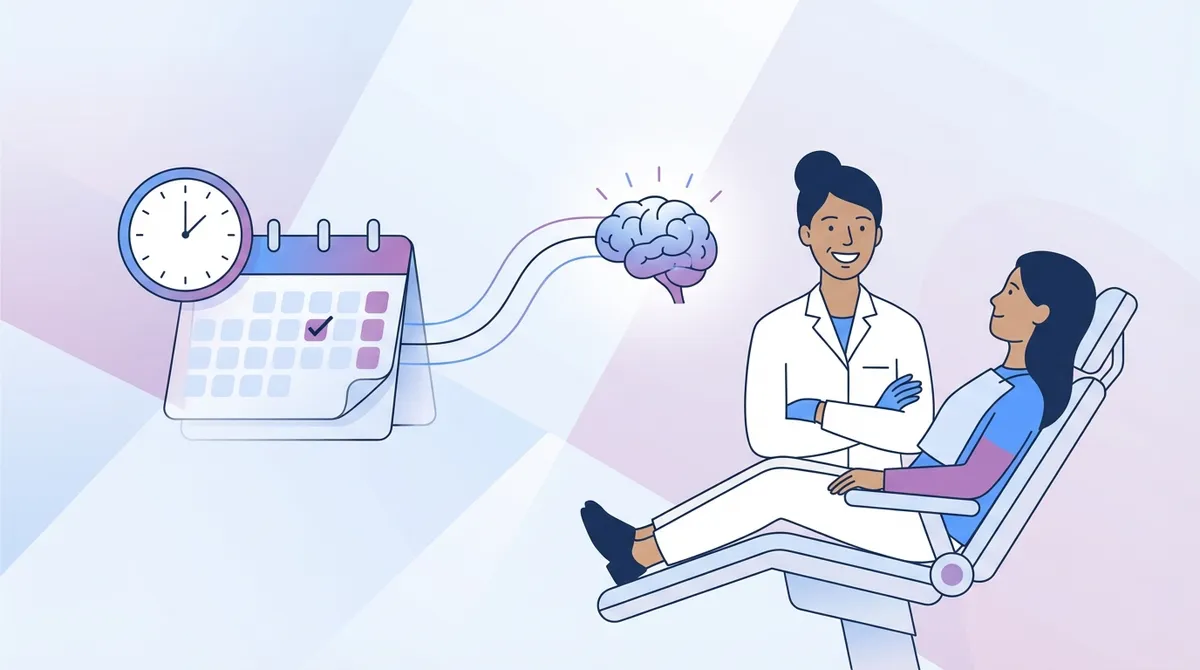
Scheduled appointments form the foundation of quality dental care. When you book an appointment in advance, your dental team can prepare specifically for your visit, review your medical history, and ensure all necessary equipment and materials are ready. This preparation time translates directly into better care and more efficient visits.
Most dental offices offer multiple scheduling methods to fit your lifestyle. You can call during business hours, use online booking systems available 24/7, or even schedule through mobile apps. The flexibility of modern scheduling means you’re never locked into one communication method. Online systems are particularly helpful because you can view available time slots instantly and choose what works best for your calendar.
Booking appointments typically requires just a few minutes of your time. However, the full verification process, especially for insurance benefits, can take several days to weeks behind the scenes. Your dental office will contact your insurance provider to confirm coverage, copays, and any pre-authorization requirements. This groundwork prevents billing surprises and helps you understand your financial responsibility before treatment begins.
How Far in Advance Should You Schedule
Dental appointments can book up weeks or even months in advance, particularly for popular time slots like early mornings, lunch hours, and late afternoons. If you have scheduling constraints due to work or school, it’s wise to book your next cleaning before you even leave your current appointment. Many practices schedule routine cleanings six months out, ensuring you maintain consistent preventive care.
For new patient appointments or specialized procedures like cosmetic dentistry consultations, you might find more flexibility in scheduling. These appointments often require longer time blocks, so offices may have different availability patterns. When calling to schedule, have your preferred dates and times ready, along with a few backup options to increase your chances of securing a convenient slot.

Walk-In Dental Visits: When They Make Sense
While most dental care happens by appointment, true dental emergencies sometimes require immediate attention. A walk-in visit makes sense when you’re experiencing severe tooth pain, a knocked-out tooth, uncontrolled bleeding, or facial swelling that could indicate infection. These situations can’t wait for a scheduled appointment days or weeks away.
However, it’s important to understand that most dental offices don’t accept routine walk-ins for standard services like cleanings or checkups. The appointment-based system ensures every patient receives appropriate time and attention. Walking in without an appointment for non-emergency care often results in being asked to schedule a proper visit or experiencing very long wait times if the office can accommodate you between scheduled patients.
If you’re unsure whether your situation qualifies as an emergency, call the dental office first. The front desk staff can assess your symptoms over the phone and guide you on whether you should come in immediately or if scheduling an urgent same-day or next-day appointment would be more appropriate. This quick call saves you time and ensures you receive care through the proper channels.
Emergency Dental Care Guidelines
True dental emergencies include knocked-out permanent teeth, severe infections causing facial swelling, uncontrolled bleeding, or trauma affecting your jaw or teeth. These situations require immediate professional attention, potentially at an emergency room if they occur outside dental office hours. For knocked-out teeth, time is critical – the tooth has the best chance of being saved if reimplanted within 30 minutes to an hour.
Many dental practices reserve time slots specifically for emergency patients during regular business hours. When you call with an urgent issue, the office will often work you into the schedule that same day, even if it means extending their hours slightly. This commitment to emergency care ensures patients aren’t left suffering with serious dental problems while waiting for a routine appointment opening.

What Happens During Your First Dentist Appointment
Your first visit to a new dental practice sets the foundation for your ongoing oral health care. Understanding what to expect helps reduce anxiety and ensures you come prepared with everything needed for a smooth experience. First appointments typically last about 60 minutes and include several important components beyond just examining your teeth.
Arriving 10-15 minutes early gives you time to complete necessary paperwork without feeling rushed. You’ll need to provide your medical and dental history, list current medications, and sign consent forms. Many modern practices, including Dental Theory, offer digital forms you can complete online before your visit, significantly reducing wait time and streamlining your arrival.
| What to Bring | Why It’s Important |
|---|---|
| Photo ID | Verifies your identity and matches records |
| Dental insurance card | Enables benefits verification and proper billing |
| List of current medications | Identifies potential drug interactions and health considerations |
| Previous dentist contact information | Allows records transfer for continuity of care |
| List of dental concerns or questions | Ensures all your issues are addressed during the visit |
The Comprehensive Initial Examination
After paperwork is complete, your dentist will perform a thorough examination of your teeth, gums, and overall oral health. This assessment includes checking for cavities, gum disease, oral cancer screening, and evaluating your bite alignment. The dentist will also review any existing dental work like fillings or crowns to ensure they’re still functioning properly.
Digital X-rays are typically taken during first visits to provide a baseline record of your oral health. These images reveal problems not visible during a visual exam, such as cavities between teeth, bone loss, or issues below the gum line. Modern digital X-rays use significantly lower radiation levels than traditional film X-rays, making them safer while providing clearer, more detailed images that can be viewed immediately.
Based on the examination findings, your dentist will discuss any issues discovered and recommend a treatment plan. This conversation is your opportunity to ask questions, understand your options, and discuss scheduling for any necessary procedures. Good dentists take time to explain their findings in plain language, ensuring you understand your oral health status and feel comfortable with recommended treatments.

Routine Checkup Appointments: What to Expect
Regular dental checkups typically occur every six months for most patients and serve as the cornerstone of preventive oral health care. These appointments usually last 30-60 minutes and focus on maintaining your oral health rather than treating problems. Consistent preventive care helps catch issues early when they’re smaller, less expensive, and easier to treat.
A routine appointment begins with a professional cleaning performed by a dental hygienist. This cleaning removes plaque and tartar buildup that regular brushing and flossing can’t eliminate. The hygienist uses specialized tools to gently scrape away hardened deposits, especially below the gum line where toothbrush bristles can’t reach effectively.
After cleaning, the hygienist polishes your teeth to remove surface stains and create a smooth surface that resists plaque accumulation. Many offices also apply fluoride treatment to strengthen tooth enamel and provide extra protection against cavities. This process is quick, painless, and provides benefits that last for months.
The Dentist’s Examination
Following your cleaning, the dentist performs a brief examination to check for any changes since your last visit. This exam includes looking for new cavities, checking gum health, evaluating existing dental work, and screening for oral cancer. The dentist may take X-rays periodically, though not necessarily at every checkup, to monitor areas of concern or provide updated baseline images.
Routine visits are also your chance to discuss any concerns you’ve noticed between appointments. Whether it’s sensitivity to cold drinks, occasional bleeding when brushing, or questions about cosmetic improvements, your dentist can address these issues and recommend solutions. This open communication helps prevent small problems from becoming major dental emergencies.
Scheduling Tips for Families and Busy Adults
Coordinating dental appointments for an entire family requires strategic planning. Many parents find success in scheduling all family members on the same day, often during school breaks or on Saturdays if the office offers weekend hours. This approach minimizes disruption to work and school schedules while ensuring everyone maintains consistent dental care.
When scheduling for children, consider their individual temperaments and energy levels. Some kids do better with morning appointments when they’re fresh and alert, while others might be more cooperative after having time to wake up fully. For families with young children requiring pediatric dentistry services, spacing siblings’ appointments allows parents to provide individual attention to each child during their visit.
Adults juggling work commitments should ask about early morning or late afternoon appointments that bookend the traditional workday. Many dental practices open as early as 7:00 AM or stay open until 6:00 or 7:00 PM specifically to accommodate working professionals. Some offices also offer shorter lunch-hour appointments for quick cleanings when time is limited.
Using Appointment Reminders Effectively
Most dental offices send appointment reminders via text message, email, or phone calls, typically 24-48 hours before your scheduled visit. These reminders serve multiple purposes: they help reduce no-shows, give you time to reschedule if needed, and allow you to prepare any questions or concerns you want to discuss.
Take advantage of these reminder systems by confirming your appointment promptly when requested. Many offices use automated systems that require confirmation, and failure to respond might result in your appointment being released to other patients. If you need to cancel or reschedule, do so as soon as possible – most practices have policies requiring 24-48 hours notice to avoid cancellation fees.
| Reminder Type | Timing | Best Use |
|---|---|---|
| Text Message | 24-48 hours before | Quick confirmation with one-click response |
| 1 week and 24 hours before | Detailed appointment information and preparation instructions | |
| Phone Call | 48 hours before | Personal confirmation for complex appointments |
| App Notification | Multiple reminders | Integration with personal calendar and rescheduling options |
Special Considerations for Pediatric Dental Appointments
Children’s dental appointments require different preparation and approaches than adult visits. Kids benefit from positive, age-appropriate explanations about what will happen during their appointment. Avoid using scary words like “pain,” “hurt,” or “shot” when discussing dental visits. Instead, frame the experience positively: “The dentist will count your teeth and make them super clean and strong.”
For anxious children, consider scheduling a brief “meet and greet” visit before their actual appointment. This allows them to meet the dentist and staff, see the office environment, and ask questions without the pressure of an examination. Many pediatric-focused practices encourage these introductory visits to build trust and reduce anxiety.
Board-certified pediatric dentists like Dr. Pri receive specialized training in child psychology, behavior management, and techniques that make dental visits comfortable for young patients. They understand developmental stages and can adjust their communication and treatment approaches based on each child’s age and maturity level. This expertise makes a significant difference for children who feel nervous about dental care.
Sedation Options for Anxious Children
Some children experience severe dental anxiety that makes standard appointments challenging or impossible. For these patients, sedation dentistry for kids provides a safe, effective solution. Sedation helps children remain calm and comfortable during procedures, ensuring they receive necessary dental care without trauma or distress.
Dr. Priyanka Karapasha is the only board-certified pediatric dentist offering in-office sedation in Brandon, Florida. This unique qualification means families don’t need to seek hospital-based dental care for children who require sedation. In-office sedation is carefully monitored, uses appropriate medications for the child’s age and weight, and allows parents to remain nearby throughout the procedure.
Managing Dental Insurance and Payment
Understanding your dental insurance coverage before your appointment prevents billing surprises and helps you budget for dental care. When scheduling, ask if the dentist is in-network with your insurance plan. In-network providers have negotiated rates with insurance companies, resulting in lower out-of-pocket costs for you.
Most dental insurance plans cover preventive services like cleanings and exams at 100%, meaning you pay nothing out of pocket for routine checkups. However, you’ll want to verify this coverage includes the specific services you’re receiving. More complex procedures like fillings, crowns, or root canal therapy typically involve cost-sharing, with insurance covering a percentage and you paying the remainder.
Copays are often due at the time of service, so bring your insurance card and a payment method to each appointment. If your insurance requires pre-authorization for certain procedures, your dental office will handle this process before scheduling treatment. This administrative step ensures your insurance will cover the procedure and clarifies your financial responsibility upfront.
Options for Patients Without Insurance
Not having dental insurance doesn’t mean you can’t access quality dental care. Many practices offer in-house membership plans that provide discounted services for an annual fee. These plans often cost less than traditional insurance premiums while covering routine preventive care and offering reduced rates on other treatments.
Payment plans are another option for larger procedures. Many dental offices work with third-party financing companies that offer interest-free or low-interest payment plans, allowing you to spread treatment costs over several months. Discussing financial concerns openly with your dental office often reveals flexible solutions that make necessary care affordable.
Preparing for Specialized Dental Procedures
When your routine checkup reveals the need for additional treatment, understanding what to expect helps you prepare physically and mentally. Different procedures require varying levels of preparation, time commitment, and recovery planning. Your dentist will provide specific instructions, but general preparation tips help ensure smooth treatment experiences.
For procedures involving anesthesia or sedation, you’ll typically need to avoid eating or drinking for several hours beforehand. Someone should accompany you to drive you home afterward, as anesthesia affects your coordination and judgment temporarily. Arrange for time off work or childcare coverage so you can rest during recovery without additional stress.
Cosmetic procedures like Invisalign or teeth whitening require multiple appointments over weeks or months. Understanding the timeline and commitment level helps you schedule these treatments during periods when you can attend regular appointments. For working professionals, knowing that many cosmetic treatments require minimal downtime helps with planning around career obligations.
Same-Day Dental Crowns
Traditional dental crowns require multiple visits: one to prepare the tooth and take impressions, a waiting period while the permanent crown is made, and a second visit to place it. However, modern technology has revolutionized this process. Same-day crowns use digital scanning and in-office milling machines to create custom crowns during a single appointment.
This advancement eliminates the need for temporary crowns, multiple visits, and the inconvenience of returning for crown placement. You leave the office with your permanent restoration complete in just a few hours. For busy adults and parents managing family schedules, same-day crowns represent a significant improvement in convenience without sacrificing quality or durability.
Building a Long-Term Relationship With Your Dental Team
Consistent care with the same dental practice and providers offers numerous benefits beyond convenience. Your dentist and hygienist become familiar with your oral health history, can spot subtle changes over time, and understand your individual concerns and preferences. This continuity of care leads to better treatment outcomes and a more personalized dental experience.
Regular appointments also allow your dental team to monitor chronic issues or areas of concern without starting from scratch each visit. For example, if you have one tooth prone to cavities or gums that bleed easily in certain spots, your hygienist will pay special attention to these areas and provide targeted care recommendations. This ongoing monitoring helps prevent problems from progressing.
Building rapport with your dental team also makes appointments more comfortable and enjoyable. When you know and trust the people caring for your teeth, dental anxiety decreases naturally. You’ll feel more comfortable asking questions, discussing concerns, and following through with recommended treatments when you have an established relationship with providers who understand your needs.
Choosing a family-focused practice means everyone in your household can receive care in one location. Parents appreciate the convenience of bringing multiple children to the same office, while kids benefit from seeing their siblings and parents also visiting the dentist regularly. This normalization of dental care helps establish positive attitudes and habits that last a lifetime.
Making the Most of Every Dental Visit
Maximizing the value of your dental appointments starts with good preparation. Before each visit, take a few minutes to note any concerns, sensitivity, or changes you’ve noticed since your last appointment. Even minor issues like occasional bleeding when flossing or sensitivity to sweet foods deserve mention – these symptoms often indicate developing problems that are easier to address early.
Come prepared with questions about your oral health, recommended treatments, or preventive care techniques. No question is too small or insignificant. Your dental team wants to help you understand your oral health and feel confident in your home care routine. Asking about proper brushing technique, flossing methods, or the best products for your specific needs shows you’re invested in maintaining healthy teeth and gums.
Following through with recommended treatments promptly prevents small issues from becoming major problems. If your dentist identifies a small cavity, scheduling the filling quickly means less tooth structure needs removal and the procedure remains simple and affordable. Delaying treatment often leads to more extensive damage requiring complex, expensive procedures like root canals or extractions.
Between-Visit Oral Care
Your home care routine plays the largest role in your oral health. Brushing twice daily for two minutes, flossing once daily, and using mouthwash as recommended by your dentist form the foundation of cavity and gum disease prevention. These simple habits, performed consistently, dramatically reduce your risk of dental problems between appointments.
Diet also significantly impacts oral health. Limiting sugary snacks and beverages, drinking plenty of water, and eating calcium-rich foods all support strong, healthy teeth. If you consume acidic drinks like soda or citrus juice, rinse with water afterward to neutralize acid and protect tooth enamel from erosion.
Why Dental Theory Is Brandon’s Trusted Choice
Finding the right dental practice makes all the difference in your oral health journey. Dental Theory in Brandon, Florida, combines cutting-edge technology with genuinely compassionate care, creating an environment where patients of all ages feel comfortable and valued. The husband-and-wife team of Dr. Chris Karapasha and Dr. Priyanka Karapasha brings complementary expertise that serves entire families comprehensively.
Dr. K specializes in adult dentistry and cosmetic procedures, helping patients achieve healthy, beautiful smiles they’re proud to show off. His expertise includes same-day crowns, teeth whitening, bonding, and other aesthetic treatments that enhance both function and appearance. Patients appreciate his gentle approach and commitment to explaining every procedure thoroughly.
Dr. Pri provides specialized pediatric care, including sedation options for anxious children. As Brandon’s only board-certified pediatric dentist offering in-office sedation, she gives families access to comprehensive children’s dental care without needing hospital referrals. Her training in child development and behavior management helps even the most nervous young patients feel safe and comfortable.
The practice emphasizes preventive care while offering the full spectrum of general dentistry services. From routine cleanings to complex restorations, Dental Theory’s team provides consistent, high-quality care in a stress-free environment. Modern amenities and the latest technology ensure efficient, comfortable treatment for every procedure.
Scheduling your appointment is simple and convenient. You can call during business hours, use the online booking system, or schedule an appointment through the patient portal. The friendly front desk team works with your schedule to find appointment times that fit your life, whether you need early morning slots before work or late afternoon appointments after school.
Take Control of Your Oral Health Today
Understanding the dentist appointment process removes mystery and anxiety from dental care. Whether you’re scheduling your first visit to a new practice, coordinating care for your entire family, or addressing a specific dental concern, knowing what to expect helps you feel confident and prepared.
Regular dental appointments form the foundation of lifelong oral health. These preventive visits catch problems early, maintain your smile’s appearance, and provide professional care that home brushing and flossing alone can’t achieve. By prioritizing consistent dental care and building a relationship with a trusted provider, you’re investing in both immediate comfort and long-term wellness.
The difference between scheduled appointments and walk-in visits comes down to preparedness and appropriate care levels. While emergencies sometimes require immediate attention, the vast majority of dental care happens most effectively through scheduled appointments that allow for thorough preparation and personalized attention. This system benefits everyone – dentists can provide better care, and patients receive more comprehensive treatment.
Don’t let scheduling uncertainty or appointment anxiety prevent you from getting the dental care you deserve. Taking that first step to book an appointment is easier than you think, and the rewards of healthy teeth and a confident smile last a lifetime. Whether you need a routine cleaning, have been putting off treatment, or want to explore cosmetic improvements, professional dental care is accessible and worthwhile.
Ready to experience dentistry done right? Contact Dental Theory to schedule your appointment and discover why families throughout Brandon choose our practice for comprehensive, compassionate dental care. Your healthy smile is just one appointment away.
FAQs
Q: How do I schedule my first dentist appointment?
A: Scheduling your first appointment is simple! You can call the dental office directly during business hours, use their online booking system available 24/7, or schedule through their mobile app if available. Have your insurance information, preferred dates and times, and any previous dental records handy. Most offices will guide you through the process and send confirmation with preparation instructions.
Q: What should I bring to a new patient dental visit?
A: Bring your photo ID, dental insurance card, a list of current medications, and contact information for your previous dentist if applicable. Arriving 10-15 minutes early gives you time to complete necessary paperwork without feeling rushed. Many practices now offer digital forms you can fill out online beforehand, making your arrival even smoother!
Q: How often should I go to the dentist?
A: Most people should visit the dentist every six months for routine cleanings and checkups. However, your specific needs might vary based on your oral health status. If you have gum disease, frequent cavities, or other dental issues, your dentist might recommend more frequent visits every 3-4 months to keep problems under control and maintain optimal oral health.
Q: What happens during a routine dental checkup?
A: A routine checkup typically includes a professional cleaning by a hygienist who removes plaque and tartar, followed by polishing and fluoride treatment. Then the dentist examines your teeth and gums, checks for cavities, screens for oral cancer, and evaluates any existing dental work. The entire visit usually takes 30-60 minutes and is completely painless for most patients!
Q: Can I walk into a dentist office without an appointment?
A: Most dental offices operate by appointment only to ensure each patient receives proper attention and care time. Walk-ins are typically only accommodated for true dental emergencies like severe pain, knocked-out teeth, or uncontrolled bleeding. For non-emergency concerns, it’s best to call ahead and schedule an appointment, even if you need to be seen the same day or next day.