
Key Takeaways
-
Veneers are thin, custom-made shells that can transform your smile by covering imperfections like discoloration, chips, and gaps with a natural-looking result.
-
Porcelain veneers are considered the premium option, offering superior aesthetics, stain resistance, and durability lasting 10-15 years with proper care.
-
Composite veneers provide a more affordable alternative, often completed in a single visit, but typically last only 4-8 years and are more susceptible to staining.
-
Good candidates for veneers have healthy teeth, minor cosmetic imperfections, and are committed to maintaining excellent oral hygiene.
-
The veneer procedure involves initial consultation, tooth preparation, precise bonding, and requires regular dental check-ups to maintain longevity and appearance.
Have you ever wondered how celebrities and influencers seem to have flawlessly perfect smiles? The secret often lies in a transformative cosmetic dental treatment called veneers. These thin, custom-made shells can completely revolutionize your appearance, boosting your confidence and transforming the way you present yourself to the world. Whether you’re dealing with discolored teeth, chips, gaps, or minor misalignment, veneers offer a remarkable solution that looks incredibly natural. At Dental Theory in Brandon, Florida, we’ve helped countless patients achieve their dream smiles through expertly crafted veneers. In this comprehensive guide, we’ll explore everything you need to know about veneers—from the different types available to the procedure itself, helping you make an informed decision about whether they’re right for you.
Understanding Dental Veneers: The Basics
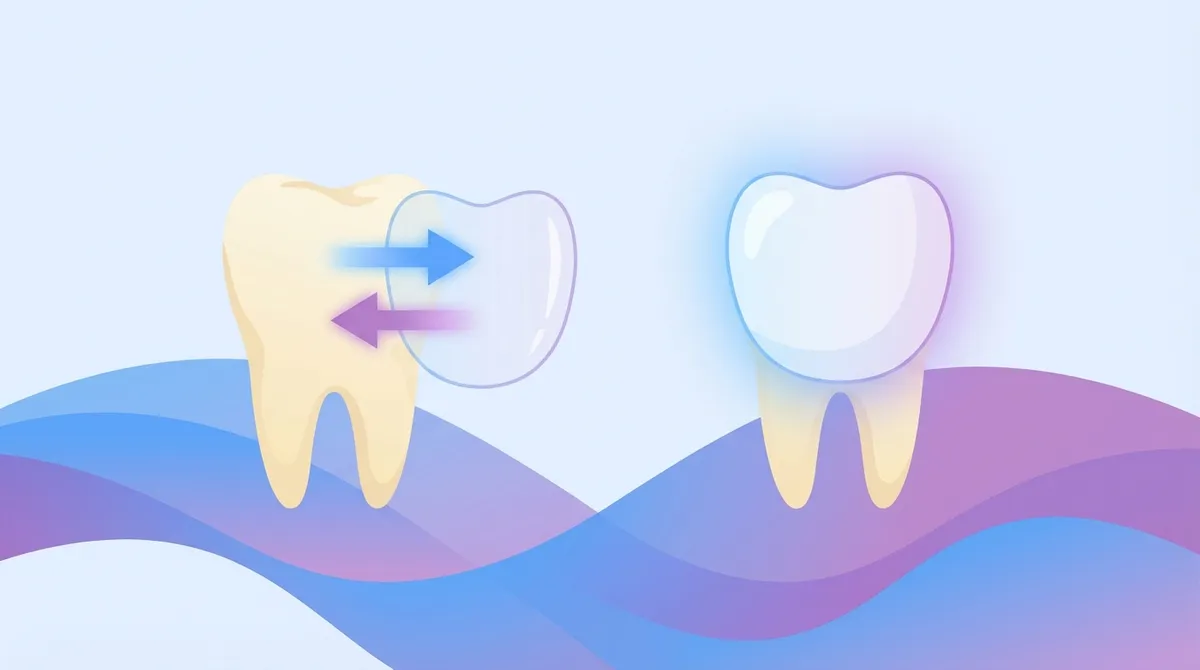
Dental veneers are wafer-thin shells that are bonded to the front surface of your teeth to improve their appearance. Think of them as custom-designed covers that conceal imperfections while preserving the natural structure of your teeth beneath. These shells are meticulously crafted to match the color, shape, and size that will best complement your facial features and create a harmonious, beautiful smile.
Veneers are primarily used to address several common cosmetic concerns:
- Teeth that are severely stained or discolored and don’t respond well to traditional whitening treatments
- Chipped or worn teeth that need aesthetic restoration
- Misaligned, uneven, or irregularly shaped teeth
- Teeth with gaps between them that you’d like to close
- Teeth that appear too small or disproportionate to the rest of your smile
It’s important to understand that veneers are primarily a cosmetic solution. While they’re incredibly durable and can last for many years with proper care, they’re designed to improve appearance rather than restore significant structural damage. If you have extensive decay or damage, general dentistry treatments might be necessary before considering veneers.
The Two Main Types of Veneers: Porcelain vs. Composite
When exploring veneers, you’ll encounter two primary material options, each with its own unique advantages. Understanding the differences between porcelain and composite resin veneers will help you make the best choice for your smile goals and budget.
Porcelain Veneers: The Gold Standard
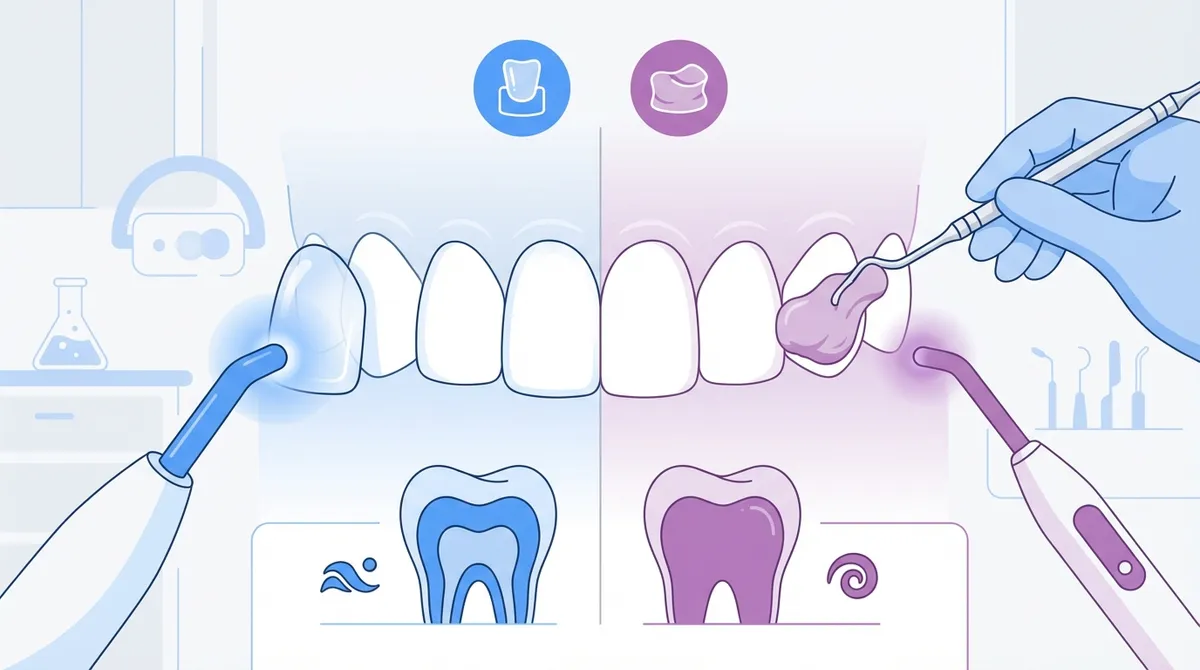
Porcelain veneers are considered the premium option in cosmetic dentistry. These thin ceramic shells are crafted in a dental laboratory using high-quality porcelain that closely mimics the translucency and light-reflecting properties of natural tooth enamel. The result is an incredibly natural-looking restoration that’s virtually indistinguishable from your real teeth.
The advantages of porcelain veneers include:
- Superior aesthetics with natural translucency and color stability
- Exceptional stain resistance—coffee, tea, wine, and other staining foods have minimal impact
- Impressive durability and longevity, typically lasting 10-15 years and sometimes up to 15-20+ years with excellent care
- Smooth, non-porous surface that resists plaque accumulation
- Strength comparable to natural tooth enamel
However, porcelain veneers do have some considerations. They’re more expensive than composite options, require at least two visits (one for preparation and impressions, another for bonding), and the process typically involves removing a thin layer of enamel, making it irreversible.
Composite Resin Veneers: The Budget-Friendly Alternative
Composite veneers are made from tooth-colored resin material that’s sculpted directly onto your teeth. This approach offers several practical benefits, particularly for patients who want to improve their smile without the higher investment of porcelain.
The benefits of composite veneers include:
- More affordable cost per tooth
- Can often be completed in a single visit
- Less tooth reduction required compared to porcelain
- Easier and less expensive to repair if damaged
- Reversible in many cases
The trade-offs include a shorter lifespan of typically 4-8 years (commonly 5-7 years), greater susceptibility to staining from foods and beverages, and they may not achieve the same level of translucency and natural appearance as porcelain. Composite veneers also tend to show wear over time and may require more frequent polishing or touch-ups.
| Feature | Porcelain Veneers | Composite Veneers |
|---|---|---|
| Average Lifespan | 10-15 years (up to 20+ years) | 4-8 years (typically 5-7 years) |
| Number of Visits | 2-3 visits | Often 1 visit |
| Stain Resistance | Excellent | Moderate |
| Cost | Higher | Lower |
| Enamel Removal | More (usually irreversible) | Minimal (often reversible) |
| Aesthetic Quality | Superior translucency | Good but less natural |
Exploring Special Veneer Options
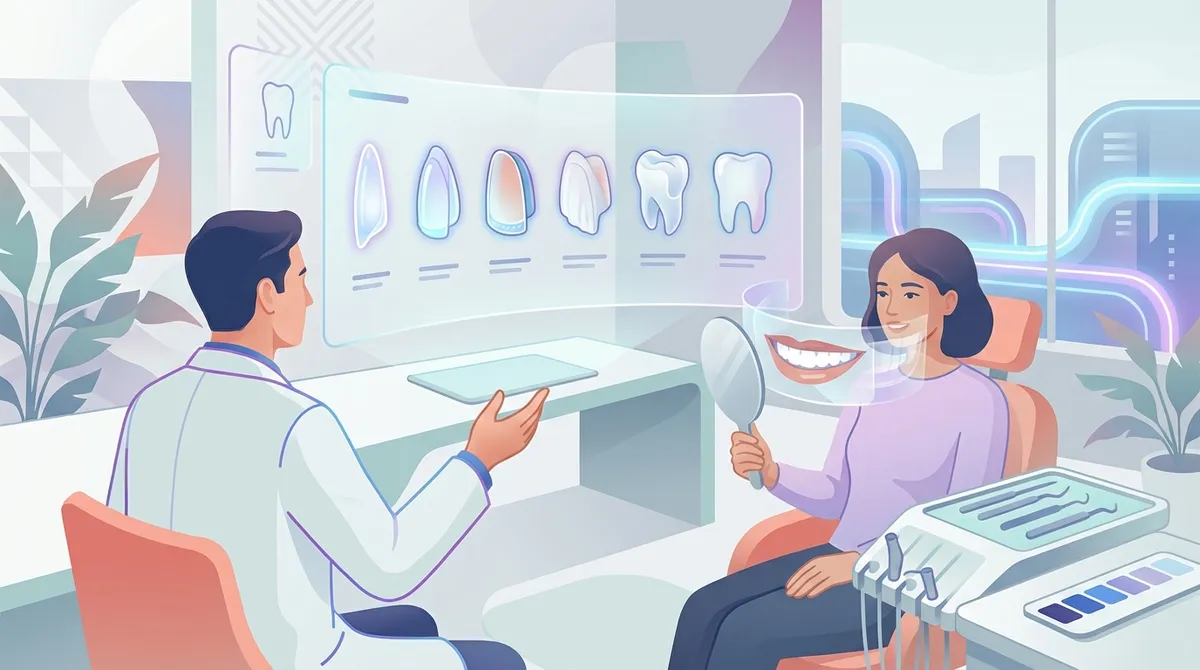
Beyond the traditional porcelain and composite options, several specialized veneer types cater to specific needs and preferences. These alternatives offer unique benefits that might align perfectly with your dental goals.
No-Prep and Minimal-Prep Veneers
No-prep veneers, such as Lumineers, are ultra-thin porcelain shells that require little to no enamel removal. These veneers are designed to be placed directly on your existing teeth with minimal preparation, making the procedure more conservative and often reversible. They’re an excellent option for patients who want to enhance their smile without permanently altering their natural teeth. However, they’re not suitable for everyone—teeth that are already prominent or protruding may appear bulky with this approach, and color correction capabilities may be limited.
Temporary or Provisional Veneers
When you’re getting traditional porcelain veneers, your dentist will typically provide temporary veneers to protect your prepared teeth while your permanent veneers are being fabricated in the lab. These provisional restorations serve two important purposes: they protect the sensitive prepared teeth and give you a preview of your new smile. While they’re not as durable or aesthetically refined as your final veneers, they allow you to test-drive your new look and provide feedback before the permanent ones are bonded.
Removable or Snap-On Veneers
Removable veneers are a non-invasive cosmetic option that fits over your existing teeth like a mouthguard. While they can temporarily improve the appearance of your smile for special occasions, they’re not considered a long-term dental solution by most professionals. They don’t require any tooth preparation and are significantly less expensive than permanent veneers, but they can feel bulky, may affect speech, and don’t offer the natural appearance or functionality of bonded veneers. If you’re considering this option, it’s best to discuss it with a qualified dentist to understand the limitations.
The Veneer Procedure: What to Expect
Understanding the step-by-step process of getting veneers can help ease any concerns you might have about the treatment. While the exact procedure varies depending on the type of veneers you choose, here’s a general overview of what you can expect.
Initial Consultation and Planning
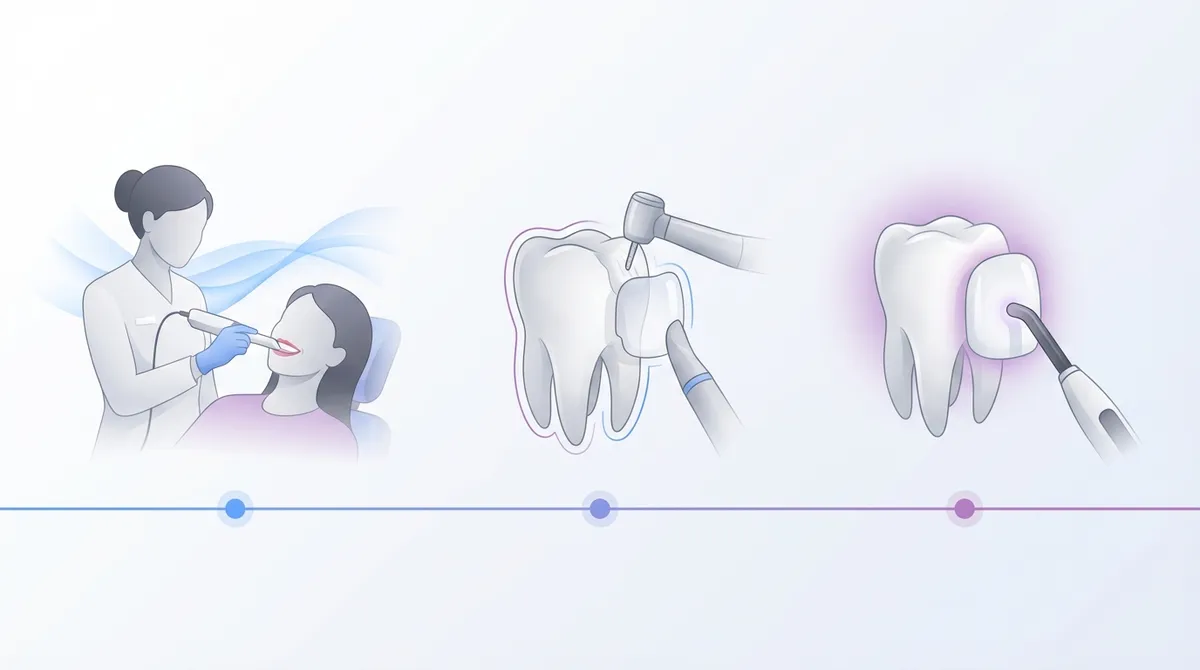
Your veneer journey begins with a comprehensive consultation where you’ll discuss your smile goals, concerns, and expectations. Your dentist will examine your teeth, gums, and bite to determine if you’re a good candidate for veneers. This is the perfect time to ask questions about the process, costs, and expected outcomes. Many practices, including Dental Theory, use digital imaging or smile design software to give you a preview of your potential results, helping you visualize your transformed smile before any work begins.
Tooth Preparation and Impressions
For traditional porcelain veneers, your dentist will prepare your teeth by removing a thin layer of enamel—typically about 0.5 millimeters—from the front surface. This creates space for the veneer and ensures it doesn’t appear bulky or protruding. Local anesthesia is usually administered to keep you comfortable during this process. Once your teeth are prepared, your dentist will take detailed impressions or digital scans of your teeth. These impressions are sent to a dental laboratory where skilled technicians will craft your custom veneers over the next 1-2 weeks.
Temporary Veneers
During the waiting period, you’ll wear temporary veneers to protect your prepared teeth and maintain aesthetics. These provisional restorations allow you to go about your daily life normally while your permanent veneers are being created. It’s important to be gentle with temporary veneers—avoid biting into hard or sticky foods that could dislodge them.
Final Bonding Appointment
When your permanent veneers are ready, you’ll return for the bonding appointment. Your dentist will first place the veneers on your teeth to check the fit, shape, and color, making any necessary adjustments. Once everything looks perfect, your teeth will be cleaned and etched to create a strong bonding surface. A special cement is applied to the veneer, which is then carefully positioned on your tooth. A special light is used to activate the cement and harden the bond. Finally, any excess cement is removed, and your dentist will make final adjustments to ensure your bite feels comfortable.
Composite Veneer Procedure
If you opt for composite veneers, the process is typically much quicker. Your dentist can often complete the entire procedure in a single visit by directly sculpting and bonding the composite resin material onto your teeth. The tooth surface is prepared, the composite is applied in layers, shaped to perfection, and hardened with a special light. While faster and less expensive, this approach requires exceptional artistry and skill from your dentist to achieve optimal results.
Caring for Your Veneers: Maintenance and Longevity
Once you’ve invested in your beautiful new smile, proper care is essential to maximize the lifespan of your veneers. The good news is that maintaining veneers is quite similar to caring for your natural teeth, with a few additional precautions.
Here are the essential care tips:
- Practice excellent oral hygiene by brushing twice daily with a non-abrasive toothpaste and flossing daily to prevent gum disease and decay around the veneer margins
- Attend regular dental checkups and cleanings every six months to monitor the condition of your veneers and maintain overall oral health
- Avoid biting into extremely hard foods like ice, hard candy, or bones that could chip or crack your veneers
- If you grind your teeth at night (bruxism), wear a custom nightguard to protect your veneers from excessive force and potential damage
- Limit consumption of staining foods and beverages, especially if you have composite veneers that are more prone to discoloration
- Don’t use your teeth as tools to open packages or bite your nails, as this can damage both veneers and natural teeth
With proper care, porcelain veneers commonly last 10-15 years, with many patients enjoying their beautiful smiles for 15-20+ years. Composite veneers typically require replacement or repair sooner, usually after 4-8 years. The longevity of your veneers depends on factors including the material chosen, your oral hygiene habits, lifestyle factors, and whether you protect them from excessive force.
Who Is a Good Candidate for Veneers?
While veneers can dramatically improve many smiles, they’re not the right solution for everyone. Ideal candidates typically share several characteristics that make them well-suited for this cosmetic treatment.
You might be a good candidate if you:
- Have teeth that are stained, discolored, or don’t respond well to whitening treatments
- Want to correct minor cosmetic imperfections like chips, cracks, or irregular shapes
- Have small gaps between your teeth that you’d like to close
- Desire a more uniform, aesthetically pleasing smile
- Have good overall oral health with healthy gums and sufficient tooth enamel
- Practice good oral hygiene and are committed to maintaining your dental health
However, veneers might not be suitable if you have:
- Severe tooth decay or advanced gum disease that needs treatment first
- Insufficient tooth enamel for bonding
- Severe teeth grinding or clenching (bruxism) without willingness to wear a protective nightguard
- Significantly misaligned teeth that would be better corrected with orthodontic treatment like Invisalign
- Teeth that require structural restoration rather than cosmetic enhancement
The best way to determine if veneers are right for you is to schedule a consultation with an experienced cosmetic dentist who can evaluate your unique situation and recommend the most appropriate treatment options.
Understanding Veneer Costs and Investment
The cost of veneers varies widely depending on several factors, including the material chosen, the complexity of your case, your geographic location, and the expertise of your dentist. While veneers represent a significant investment, many patients find that the confidence boost and improved quality of life make them well worth the expense.
| Cost Factor | Porcelain Veneers | Composite Veneers |
|---|---|---|
| Per Tooth Range | Higher investment | More affordable option |
| Longevity Value | Better long-term value | May need earlier replacement |
| Lab Fees | Included (custom fabrication) | Not applicable (direct application) |
| Maintenance Costs | Lower over time | Higher due to more frequent repairs |
When considering the investment, think about the cost per year rather than just the upfront expense. Porcelain veneers, while more expensive initially, often provide better value over time due to their superior longevity and lower maintenance requirements. Composite veneers may seem more affordable at first, but the need for more frequent replacement or repair can increase the total cost over the same timeframe.
Most dental practices offer various payment options to make veneers more accessible. At Dental Theory, we work with patients to explore financing solutions and help you understand your options. While cosmetic procedures like veneers are typically not covered by dental insurance, our in-house membership plan may help make quality dental care more affordable for Brandon families.
Veneers vs. Other Cosmetic Options
When exploring smile enhancement options, you might wonder how veneers compare to other cosmetic treatments. Understanding the alternatives can help you make the most informed decision about which approach best suits your goals and circumstances.
Veneers vs. Teeth Whitening
Professional teeth whitening is less expensive and less invasive than veneers, making it an excellent first option for patients whose primary concern is tooth discoloration. However, whitening only changes color—it doesn’t address shape, size, chips, or gaps. Additionally, whitening results are temporary and require periodic touch-ups, while veneers provide long-lasting color stability. For patients with severe staining from medications or trauma, veneers may be the only effective solution.
Veneers vs. Dental Bonding
Dental bonding is similar to composite veneers—tooth-colored resin is applied directly to teeth to repair chips, close gaps, or improve appearance. Bonding is more affordable and can be completed in one visit, but it doesn’t last as long as veneers and is more prone to staining and chipping. For minor imperfections on one or two teeth, bonding might be sufficient, but for comprehensive smile makeovers, veneers typically provide superior and longer-lasting results.
Veneers vs. Crowns
Dental crowns cover the entire tooth, not just the front surface, making them better suited for teeth with significant structural damage or large fillings. Crowns require more tooth reduction than veneers and are primarily restorative rather than purely cosmetic. If your tooth is healthy but has cosmetic concerns, a veneer is the more conservative option. However, if you need both structural support and aesthetic improvement, a crown might be necessary. Dental Theory offers same-day crowns, allowing patients to receive complete tooth restoration in a single visit without the need for temporary crowns or multiple appointments.
Real Results: The Life-Changing Impact of Veneers
Beyond the technical aspects and procedures, the true value of veneers lies in their transformative impact on patients’ lives. The psychological and social benefits of a confident, beautiful smile extend far beyond mere aesthetics. Patients frequently report feeling more confident in professional settings, being more willing to smile in photographs, and experiencing improved self-esteem in social situations.
The smile is often the first thing people notice about you, and it plays a crucial role in first impressions. Whether you’re interviewing for a job, meeting new people, or simply going about your daily activities, a smile you’re proud of can change how you interact with the world. Many patients describe their veneer experience as life-changing, noting that the investment in their smile was one of the best decisions they’ve ever made.
If you’ve been hiding your smile in photos, covering your mouth when you laugh, or feeling self-conscious about your teeth, veneers might be the solution you’ve been looking for. The combination of advanced dental technology, skilled artistry, and high-quality materials can create a natural-looking smile that enhances your appearance while boosting your confidence.
Making Your Decision: Next Steps
Choosing to enhance your smile with veneers is a personal decision that should be made with careful consideration and expert guidance. The investment of time and resources is significant, but for many patients, the benefits far outweigh the costs. The key is finding the right dental team who understands your vision, has the expertise to deliver exceptional results, and will support you throughout your smile transformation journey.
When researching potential dental providers, look for practices with extensive experience in cosmetic dentistry, positive patient reviews, and a portfolio of before-and-after photos that demonstrate their skill. Don’t hesitate to ask questions about the dentist’s training, the materials they use, and their approach to creating natural-looking results. A good cosmetic dentist will take the time to understand your goals, explain your options thoroughly, and create a customized treatment plan that aligns with your expectations and budget.
At Dental Theory in Brandon, Florida, Dr. K specializes in cosmetic dentistry and has helped numerous patients achieve stunning smile transformations through expertly crafted veneers. Our commitment to using the latest technology, combined with an artistic eye for natural-looking results, ensures that your new smile will exceed your expectations. We understand that every patient is unique, and we take pride in creating personalized treatment plans that honor your individual needs and desires.
Whether you’re dealing with discolored teeth, chips, gaps, or simply want a more uniform smile, veneers offer a proven solution that has changed countless lives. The journey to your dream smile begins with a single step—scheduling a consultation to explore your options and discover what’s possible. Don’t let another year go by wishing for a better smile. Take action today and invest in yourself. Ready to transform your smile and boost your confidence? Contact Dental Theory to schedule your veneer consultation and take the first step toward the beautiful smile you’ve always wanted. Check out what our satisfied patients are saying about their experiences—visit us on Google to read reviews from real Brandon families who have transformed their smiles with our help.
FAQs
Q: How long do dental veneers typically last?
A: Porcelain veneers typically last 10-15 years and can even reach 15-20+ years with excellent care and proper maintenance. Composite veneers have a shorter lifespan, usually lasting 4-8 years (commonly 5-7 years) before they need repair or replacement. The longevity depends on factors like your oral hygiene, lifestyle habits, and whether you protect them from excessive force with a nightguard if you grind your teeth.
Q: Are veneers painful to get?
A: The veneer procedure itself is not painful because your dentist will use local anesthesia to numb the area during tooth preparation. You may experience some sensitivity after the anesthesia wears off, especially if enamel was removed, but this typically subsides within a few days. Most patients report minimal discomfort throughout the process, and any temporary sensitivity is easily managed with over-the-counter pain relievers.
Q: Can I still eat normally with veneers?
A: Yes, you can eat normally with veneers once they’re fully bonded! However, it’s wise to avoid biting directly into extremely hard foods like ice, hard candy, or bones that could chip or crack them. Also, be cautious with sticky foods that might dislodge veneers. With proper care and common-sense precautions, your veneers will allow you to enjoy all your favorite foods while maintaining your beautiful new smile.
Q: What’s the difference between porcelain and composite veneers?
A: Porcelain veneers are custom-made in a dental lab from high-quality ceramic material, offering superior aesthetics, excellent stain resistance, and longer lifespan (10-15+ years). Composite veneers are made from tooth-colored resin applied directly to your teeth in one visit, making them more affordable and quicker, but they’re more prone to staining and typically last only 4-8 years. Porcelain is the gold standard for natural appearance and durability, while composite offers a budget-friendly alternative.
Q: Will my veneers look natural or obviously fake?
A: When crafted by a skilled cosmetic dentist using high-quality materials, veneers look incredibly natural and are virtually indistinguishable from your real teeth. Porcelain veneers especially mimic the translucency and light-reflecting properties of natural enamel beautifully. Your dentist will customize the color, shape, and size to complement your facial features and existing teeth, ensuring your new smile looks authentically you—just enhanced and perfected!